Alpspitz Ferrata: Alpspitze Klettersteig Route Guide
Climb the Alpspitz Ferrata above Garmisch-Partenkirchen: grade B climbing, the Nordwandsteig approach, the Ostgrat descent and how long the day takes.
On this page
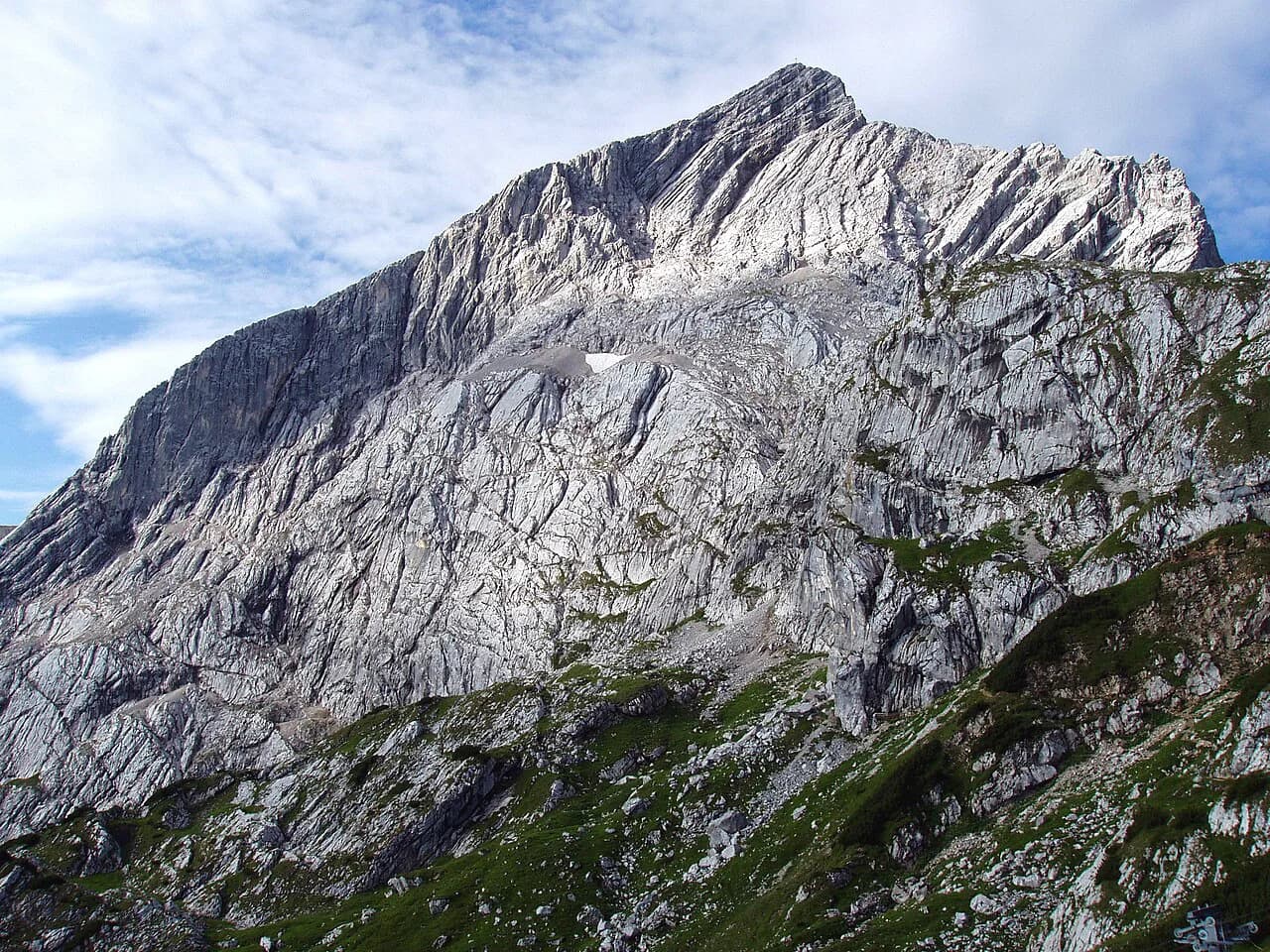
The Alpspitz Ferrata delivers a genuine summit day on protected ground for hikers who already move confidently on steep rock. It is short in climbing metres but serious in position: a cable car does most of the altitude gain, a brief marked path leads to the steelwork, and the summit of the Alpspitze opens one of the clearest views of the Zugspitze in the Wetterstein range.
The climb suits scramblers with a via ferrata set and some prior exposure, not first-timers testing the sport. The trade-off is straightforward: a low technical grade buys you a busy, high mountain line where weather and timing matter more than the moves.
Why the Alpspitz Ferrata suits confident scramblers
The route is graded B, and the B ground comes at the start rather than being spread through the climb. After that opening, the climbing eases into A/B passages that remain airy and interesting, so the difficulty is less about strength than about composure on exposed rock.
That combination makes it a good step up for hikers who have already done easier protected routes and want a proper summit. It is a poor choice for anyone who has never clipped into a cable, because the exposure begins early and the descent is a separate, unshielded ridge. If you want to compare how the step up works elsewhere, hiking in Black Forest offers gentler forest trails rather than protected rock.
If you are still building confidence on protected ground, spend a day on the valley trails first and study the wider hiking in garmisch partenkirchen options before committing to the ferrata.
Trailhead and lift access
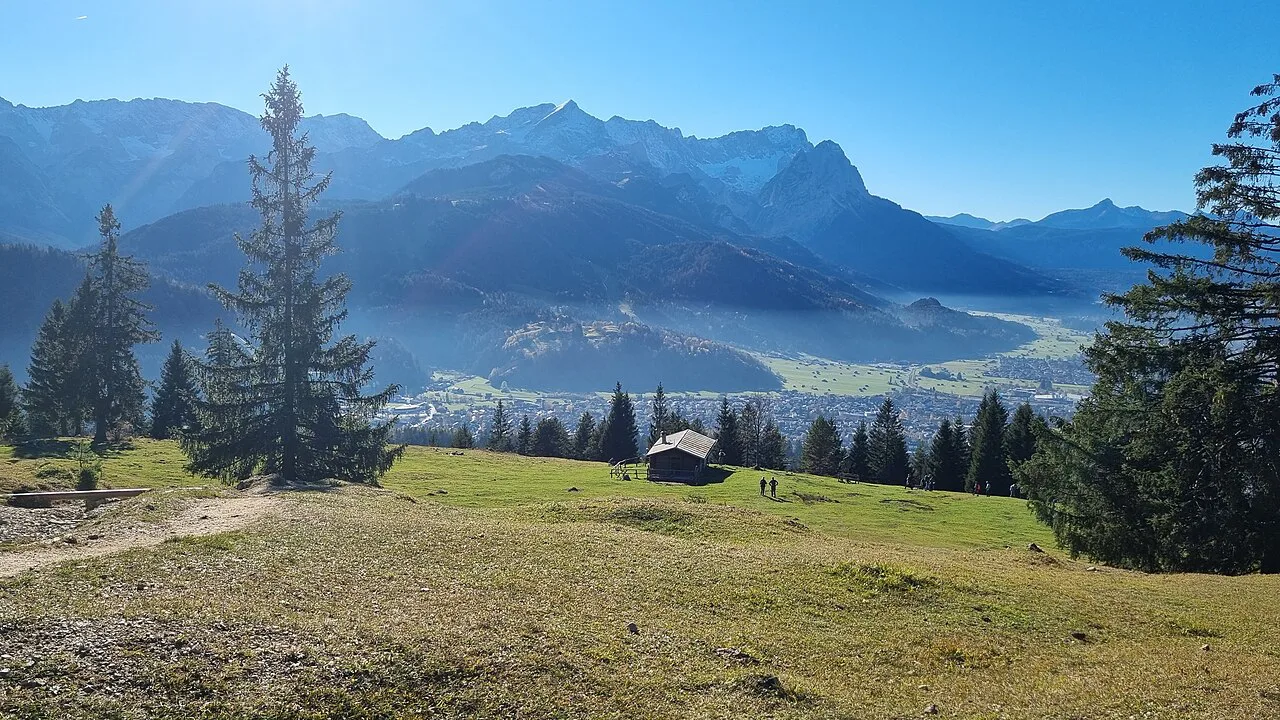
The climb starts from Garmisch-Partenkirchen, where the Alpspitzbahn carries you up to the Osterfelderkopf area. From the top station, a marked path leads along the Nordwandsteig to the entrance of the ferrata, a short walk that takes roughly 20 minutes.
That lift ride is the whole approach strategy: it removes the long forest climb and puts you at altitude quickly, but it also means your day is tied to the lift's operating season and its last descent. Build the plan around the final downhill cabin, not around the climbing.
Drivers use the parking area at the valley station, and the mountain is usually described as sitting above Grainau at the foot of the Wetterstein range. The lift operator publishes the current timetable and seasonal dates, which is the number to fix before you set an alarm.
Distance, ascent, grade and time
The protected section itself is 530 m (1,740 ft) long, and the route gains around 650 m (2,130 ft) of elevation. Ferrata Guide gives 20 minutes for the approach and about 2 hours for the exit, with 2 hours 30 minutes as the climbing time between them.
Add those pieces together and the day is longer than the climbing figure suggests. One route report puts the whole outing at about 4 hours, which is the more useful number when you are working backwards from the last cable car down.
Treat the 2 hour 30 minute figure as time on the steel and the 4 hour figure as the realistic day including the summit, the ridge and the walk back to the lift. Parties of mixed ability should plan on the longer end.
Route description: cable car to the Nordwandsteig
From the Alpspitzbahn top station, follow the marked trail to the ferrata entrance and the Nordwandsteig. It is short and well used, but it sets the tone: you leave the lift crowds within minutes and arrive at the base of the wall already above the valley.
Kit up before you start climbing rather than at the entrance ladder, and note that the route is popular enough that queues form at the opening pitches. Starting early on the first lift gives you clean air on the B ground and more margin on the descent.
The ferrata itself
The B moves come first, then the line settles into easier A/B climbing through terrain that stays genuinely exposed. Ferrata Guide describes it as simple but very nice, with light passages and a real sense of position on the wall.
Do not read the low grade as a low commitment. The wall below the summit is steep, the protection is fixed cable rather than continual aid, and a slip without a correctly fitted set has consequences, so clip both arms in, keep the lanyard short on the steeper steps and watch loose rock dislodged by parties above.
The Alpspitze summit and the view to the Zugspitze
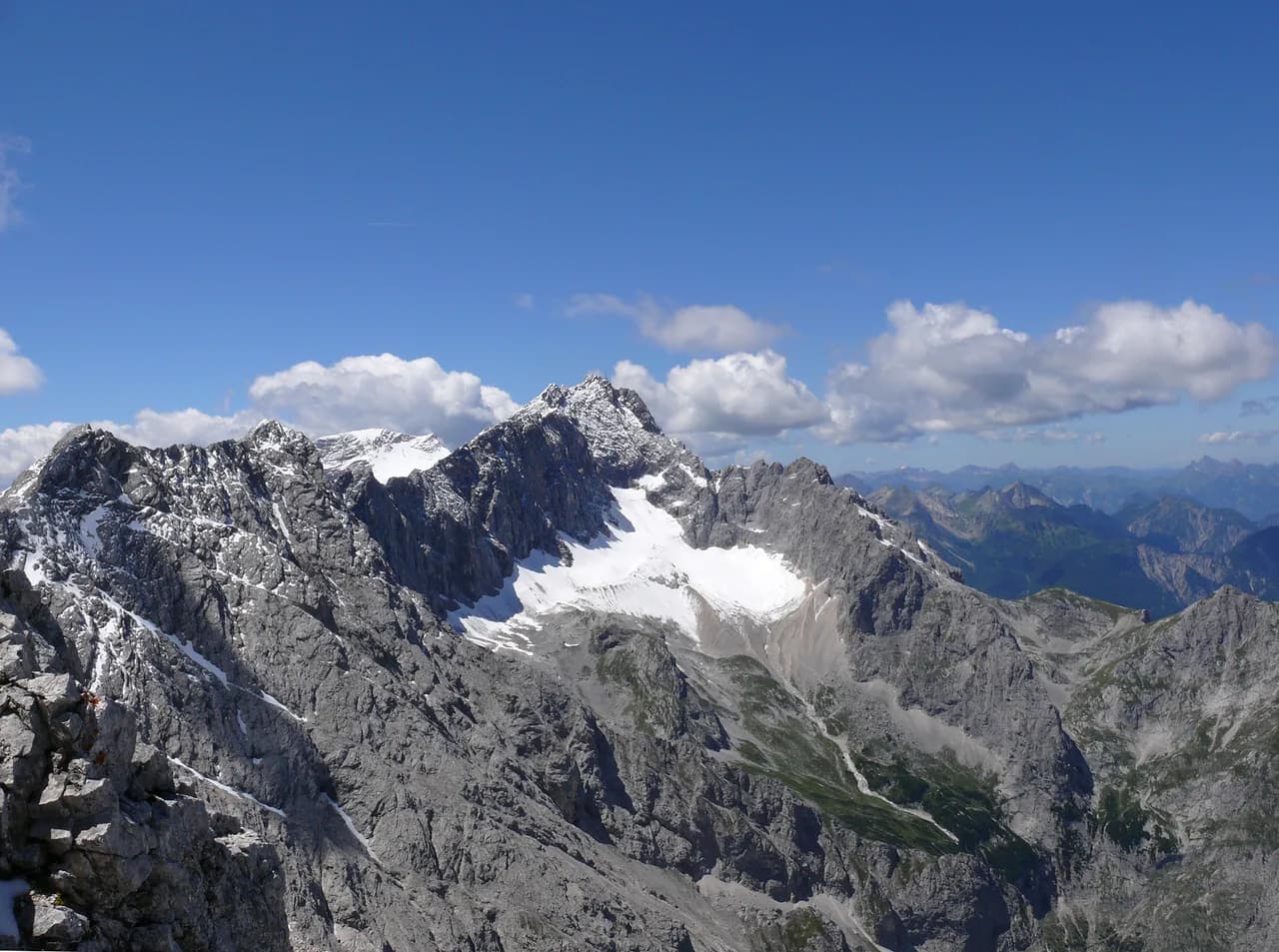
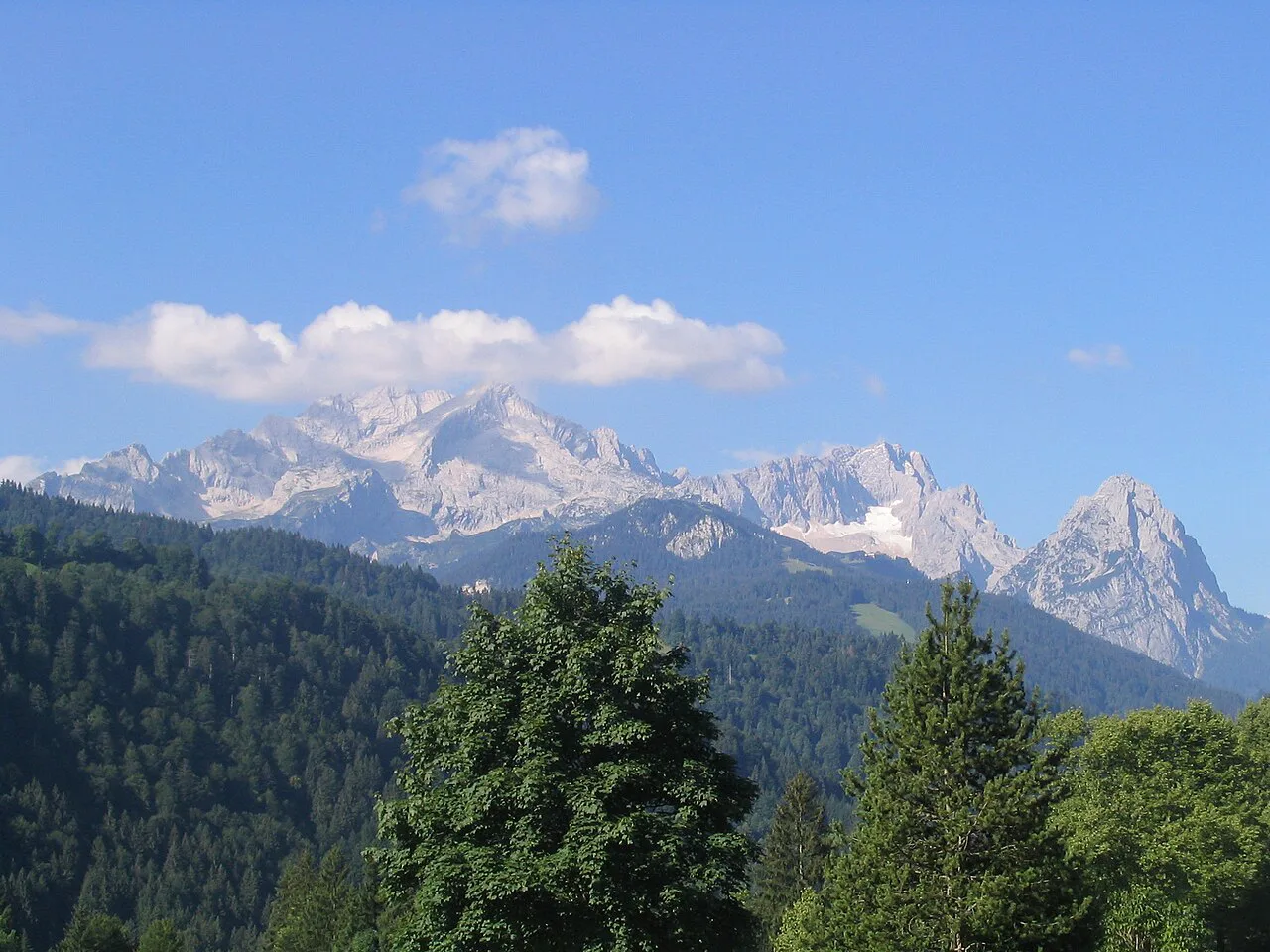
The ferrata ends on the summit of the Alpspitze at around 2,111 m (6,926 ft), where the view runs across to the Zugspitze and its glaciers. It is the payoff for the whole line, and the reason to leave time on top instead of racing the descent.
If the Zugspitze is on your list for a later day, the view from here is a useful reconnaissance for the zugspitze hike and its high alpine terrain.
Descent by the Ostgrat
You do not reverse the wall. The way down runs over the Ostgrat, an A/B ridge with marked ground that leads back toward the cable car. Ferrata Guide allows about 2 hours for the exit, which is where many parties lose the time they saved on the climb.
The ridge is exposed in its own way, so keep the set on and the concentration up even though the climbing is easier than the start. If the weather turns while you are on the summit, the ridge is where you will feel it first.
When to go
Aim for a settled summer day with a dry forecast and an early start, and avoid weekends if you can, since the route is well known and busy. Ferrata Guide marks it as an all-day objective with beautiful views and gorgeous nature, which is best enjoyed without a queue ahead of you.
Snow lingers on the upper route and the ridge early and late in the season, and afternoon storms build over the Wetterstein with little warning. Be off the summit and the ridge by early afternoon; if the cloud is already stacking up at midday, turn around rather than press on.
Gear and whether a guide is advisable
Take a via ferrata harness with a proper energy-absorbing set, a helmet, gloves and approach shoes or boots with edge grip, plus water and a shell for the summit. The equipment matters more here than the grade suggests because the exposure starts immediately.
Experienced ferrata climbers can do the Alpspitz unsupported once they are comfortable with grade B moves on exposed ground. If you have not climbed a protected route before, go with a qualified mountain guide or build up on easier lines first; the route is not the place for a first attempt.
Other hikes from the same valley
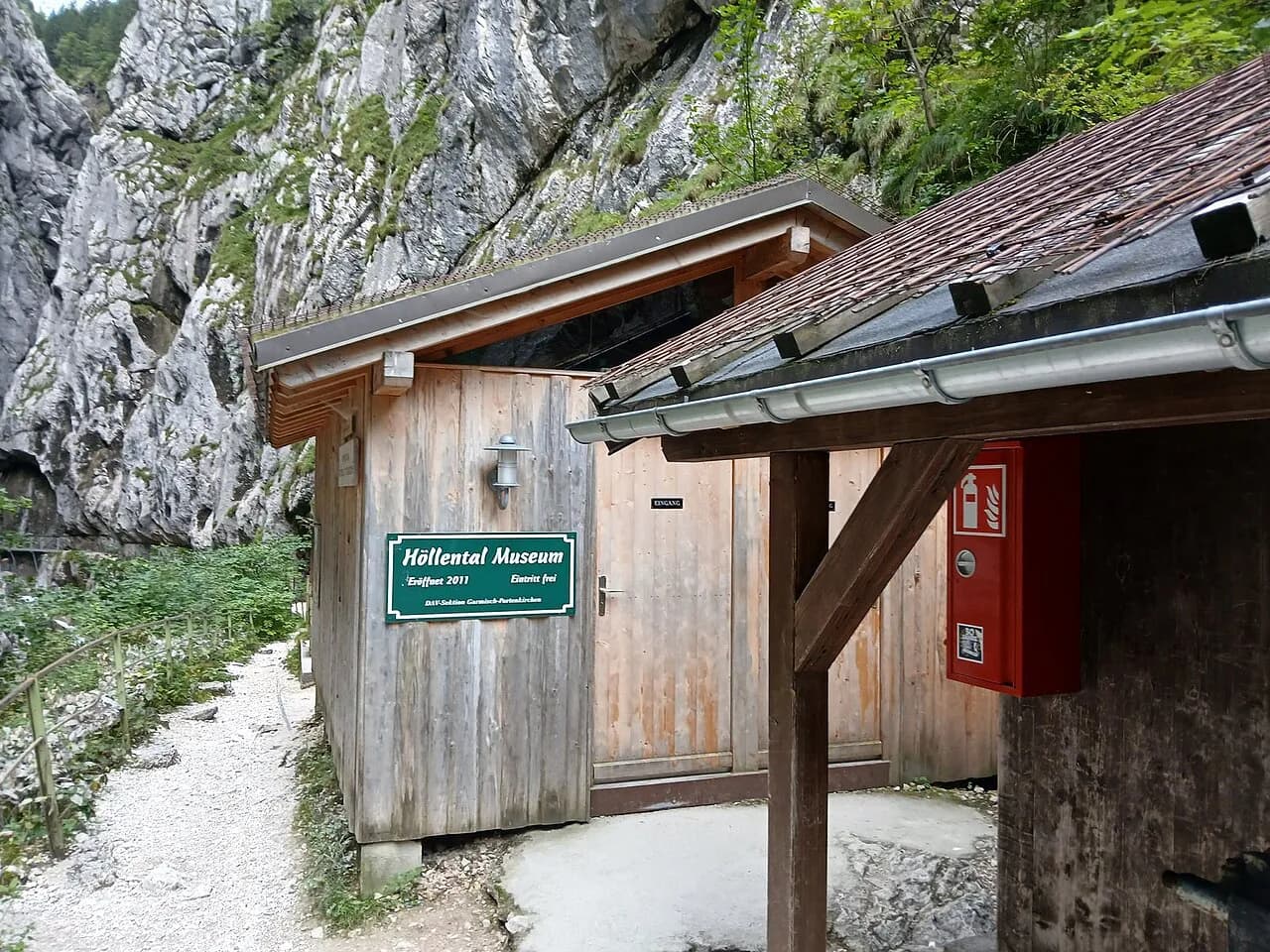
Days either side of the ferrata can be spent lower and drier in the Höllentalklamm Hike from Hammersbach, where a gorge path runs beneath the Wetterstein walls.
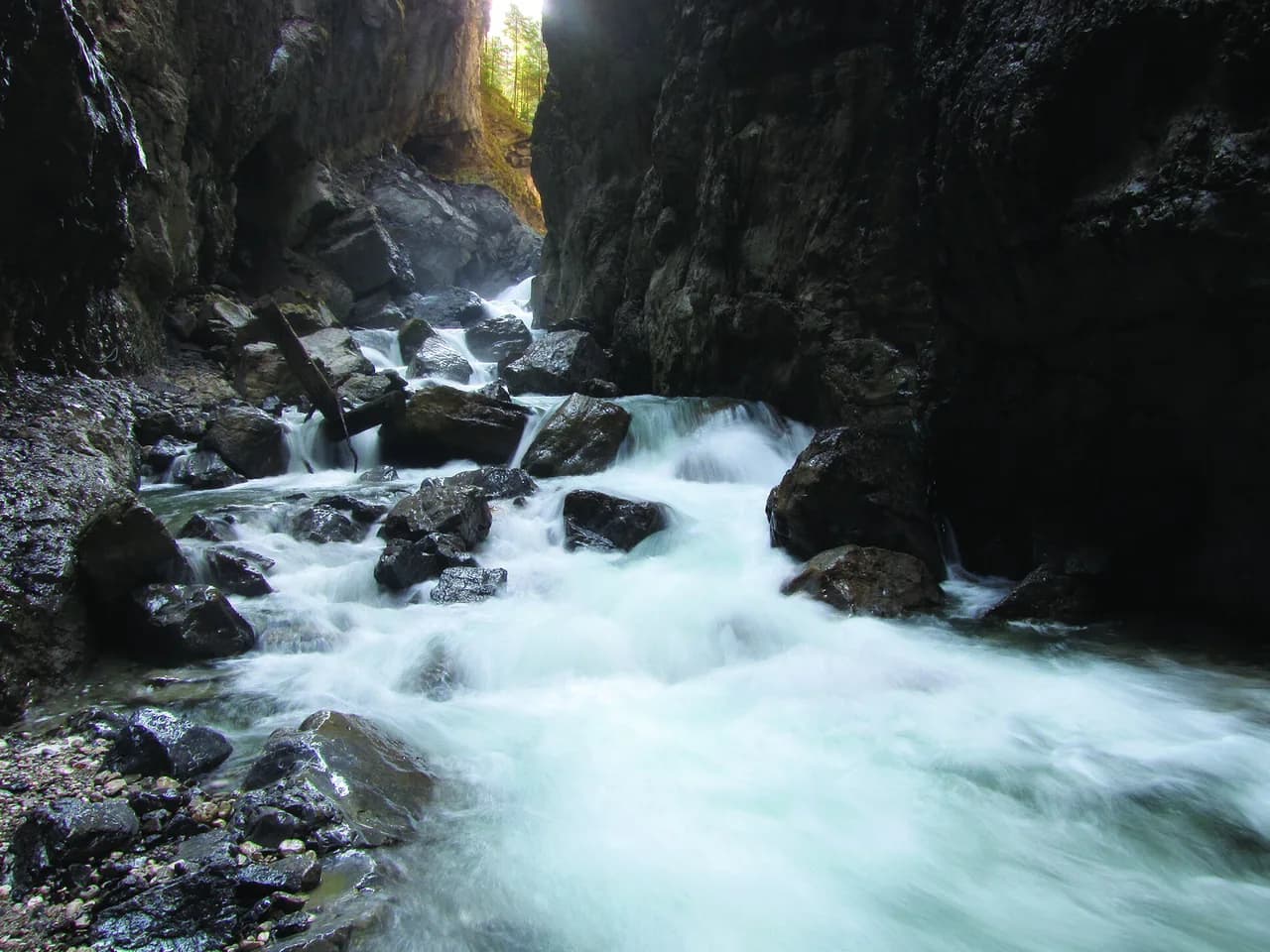
Closer to Garmisch-Partenkirchen, the Partnach gorge hike follows the Partnach River through a narrow, dramatic slot and works well as a recovery-day walk after the ridge.
Plan Your Visit
The Alpspitz Ferrata is one of the most efficient summit days in the Bavarian Alps: lift, short approach, grade B climbing and a ridge descent, all in roughly half a day of moving. Build your timetable around the last Alpspitzbahn descent and start early enough to walk off the Ostgrat before the storms arrive.
Come with your own set, a partner who climbs at the same pace and a plan B in the valley if the cloud is down. If you want the wider context of trails, huts and bases around town, start with the Hiking in Garmisch-Partenkirchen guide.
Frequently Asked Questions
How hard is the Alpspitz Ferrata?
It is graded B, with the B moves at the start of the climb and easier A/B ground after that. The technical difficulty is modest, but the route is exposed and the descent over the Ostgrat is a long, airy ridge, so it suits people who already have some via ferrata experience rather than complete beginners.
How long does the Alpspitz Ferrata take?
Ferrata Guide gives 20 minutes for the approach, 2 hours 30 minutes of climbing and about 2 hours for the exit by the Ostgrat. Counting the summit and the walk back to the cable car, one route report puts the whole outing at around 4 hours.
How do you reach the start of the Alpspitz Ferrata?
Travel to Garmisch-Partenkirchen and take the Alpspitzbahn up to its top station, from where a marked path along the Nordwandsteig reaches the ferrata entrance in roughly 20 minutes. Drivers use the parking at the valley station.
Can you climb the Alpspitz Ferrata without a guide?
Experienced ferrata climbers with their own gear and a head for exposed ground can climb it independently. Without previous experience on protected routes, go with a qualified mountain guide or build up on easier ferrata first.
When is the best time to climb the Alpspitz Ferrata?
Plan a dry summer day and start early, ideally on a weekday, since the route is well known and busy. Snow can linger on the upper route and the Ostgrat at the edges of the season, and afternoon storms build quickly, so aim to be off the ridge by early afternoon.
Is the descent the same as the climb?
No. The way up is the Nordwandsteig and the wall itself, while the descent follows the Ostgrat, an A/B ridge with marked ground leading back toward the Alpspitzbahn. Allow about 2 hours for that exit.
Sources
Trail notes for your next trip
Optional updates when we add or revise hiking guides.
You might also like
Continue reading
More guides you'll find useful