Hiking in Garmisch-Partenkirchen: Trails and Lift Guide
Plan hiking in Garmisch-Partenkirchen: the Philosophers' Trail from St. Anton to Farchant, gorge walking and how seasons shape each route in the valley.
On this page
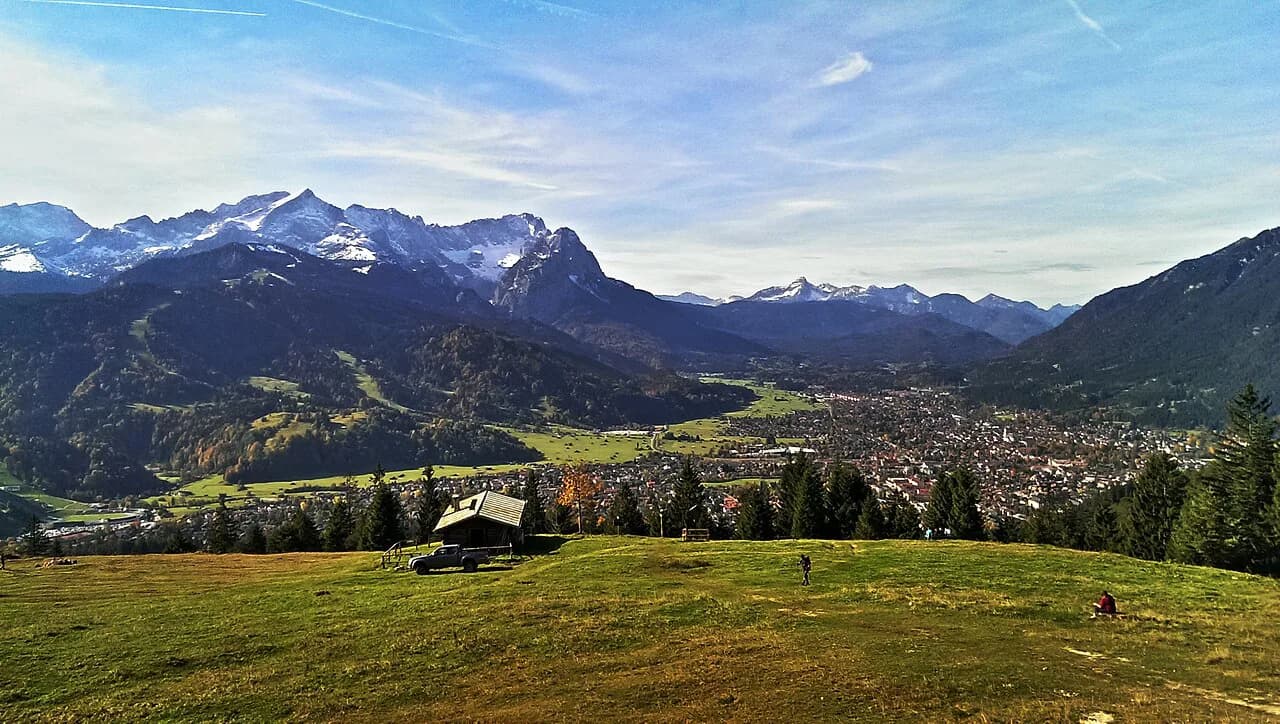
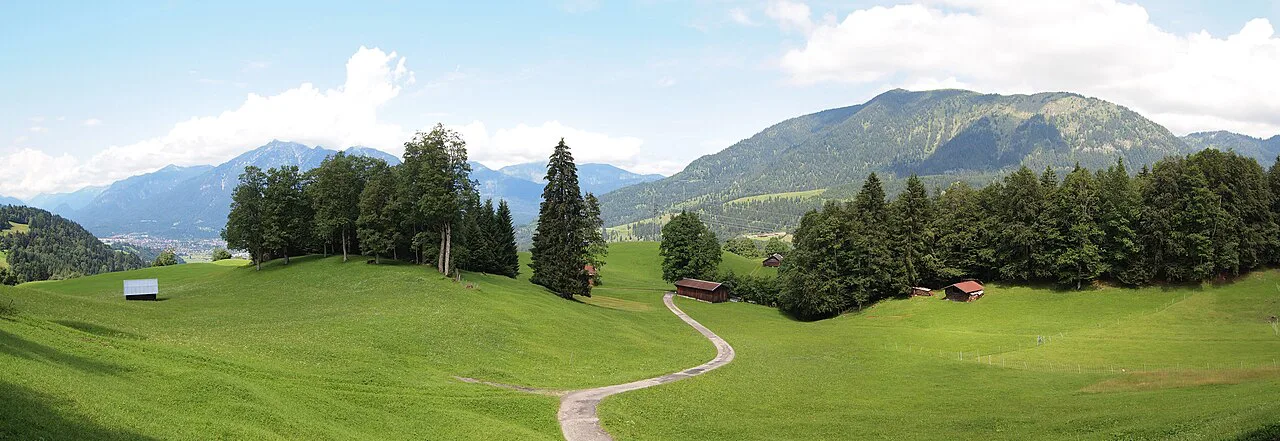
Garmisch-Partenkirchen sits in a wide valley floor with the Wetterstein wall rising directly above it, so a single stay can mix a flat hour-long stroll with a serious day on steep limestone. That range is the appeal: you can walk the Philosophers' Trail one morning and spend the next on a high, exposed traverse, without moving hotels. This guide groups the walks by effort and season so you can pick the day that fits the weather and your legs.
The two villages, Garmisch and Partenkirchen, share a station and a bus network, and the small town of Farchant lies a short walk west along the valley. Where you sleep shapes your days more than any single trail choice: the Philosophers' Trail runs point to point from St. Anton into Farchant, so a base near either end saves a transfer. Plan the return leg before you set out rather than at the end of the walk.
The hiking areas around the two villages
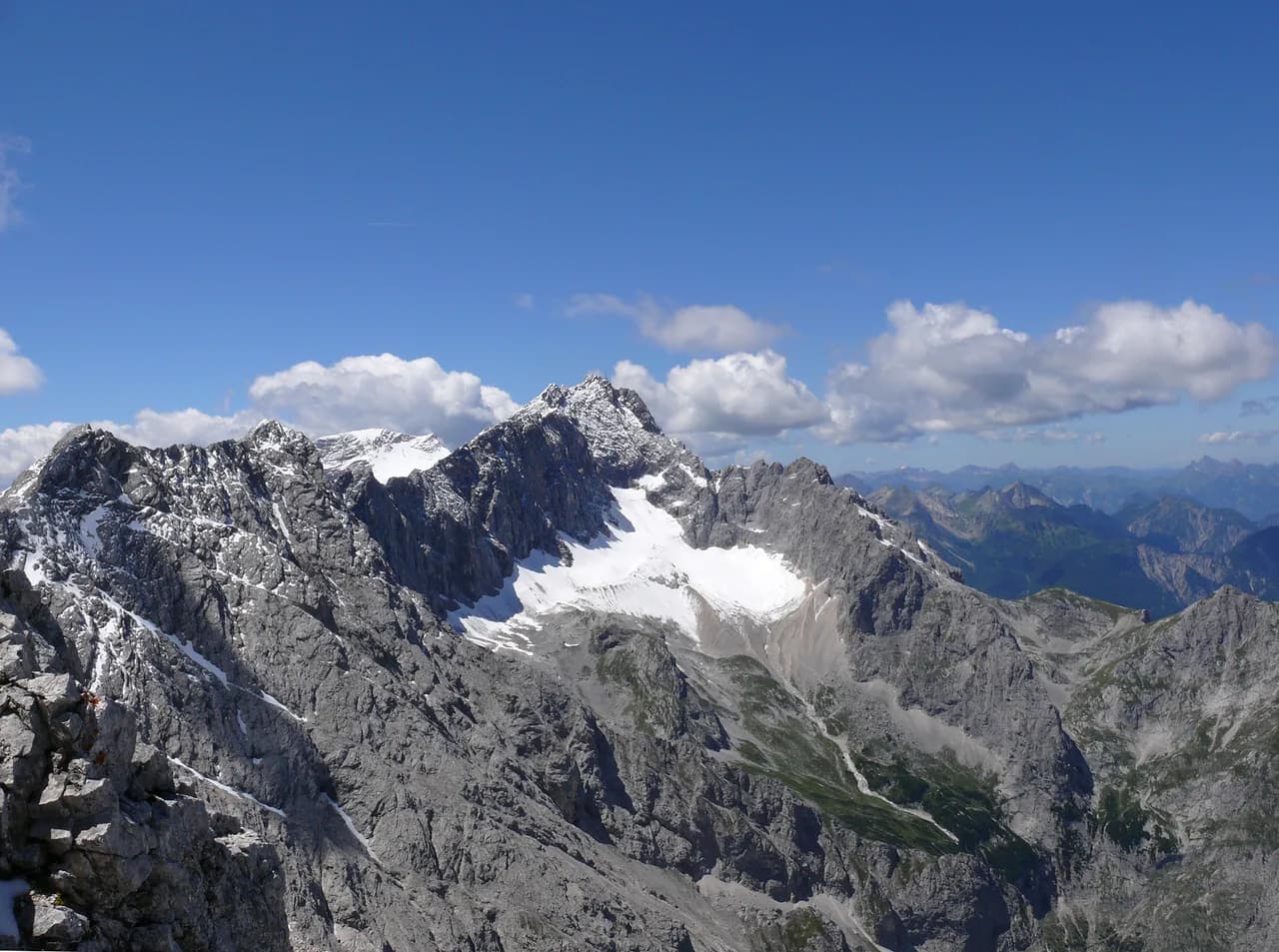
Terrain falls into three bands. The valley floor and lower slopes hold easy, waymarked paths between Garmisch, Partenkirchen and Farchant, with the Zugspitze massif visible for much of the way. Above that, the Wetterstein slopes rise steeply toward the Zugspitze summit ridge, where routes are longer, rockier and more exposed. Between the two sit the gorge and ravine walks, short in distance but rough underfoot.
Treat the bands as separate days rather than combining them. A valley walk after a high route is a recovery day, not a warm-up, and the gorge walks demand dry footing even though they gain little height. If your trip is short, choose one walk from each band and leave the rest for a return visit.
Easy walks: the Philosophers' Trail from St. Anton to Farchant
The Philosophers' Trail, or Philosophenweg, is the valley's signature gentle walk. It starts at the pilgrimage church of St. Anton, whose frescoes are worth a look before you set off, and runs westward to Farchant, passing benches inscribed with quotes from Plato, Nietzsche, Schopenhauer and other philosophers. The path keeps the Zugspitze and the town in view and has plenty of seating for short breaks.
Allow about 1 hour 45 minutes for the walk, which the tourism office rates as easy. It is suitable for wheelchairs and baby strollers, an unusual combination in an alpine valley and a good sign of a shallow, well-surfaced path. Because it is point to point, you finish in Farchant rather than back at St. Anton, so plan the bus or a walk back into your day.
The route continues toward Kuhflucht Falls beyond Farchant, which adds a destination to the western end of the walk. The falls are a natural turnaround point if you have arranged transport from Farchant; if not, keep the return leg in reserve and turn back with time to spare. The path stays low the whole way, so it is one of the first walks to dry out after rain.
Easy walks: the Partnach Gorge and the ravine country
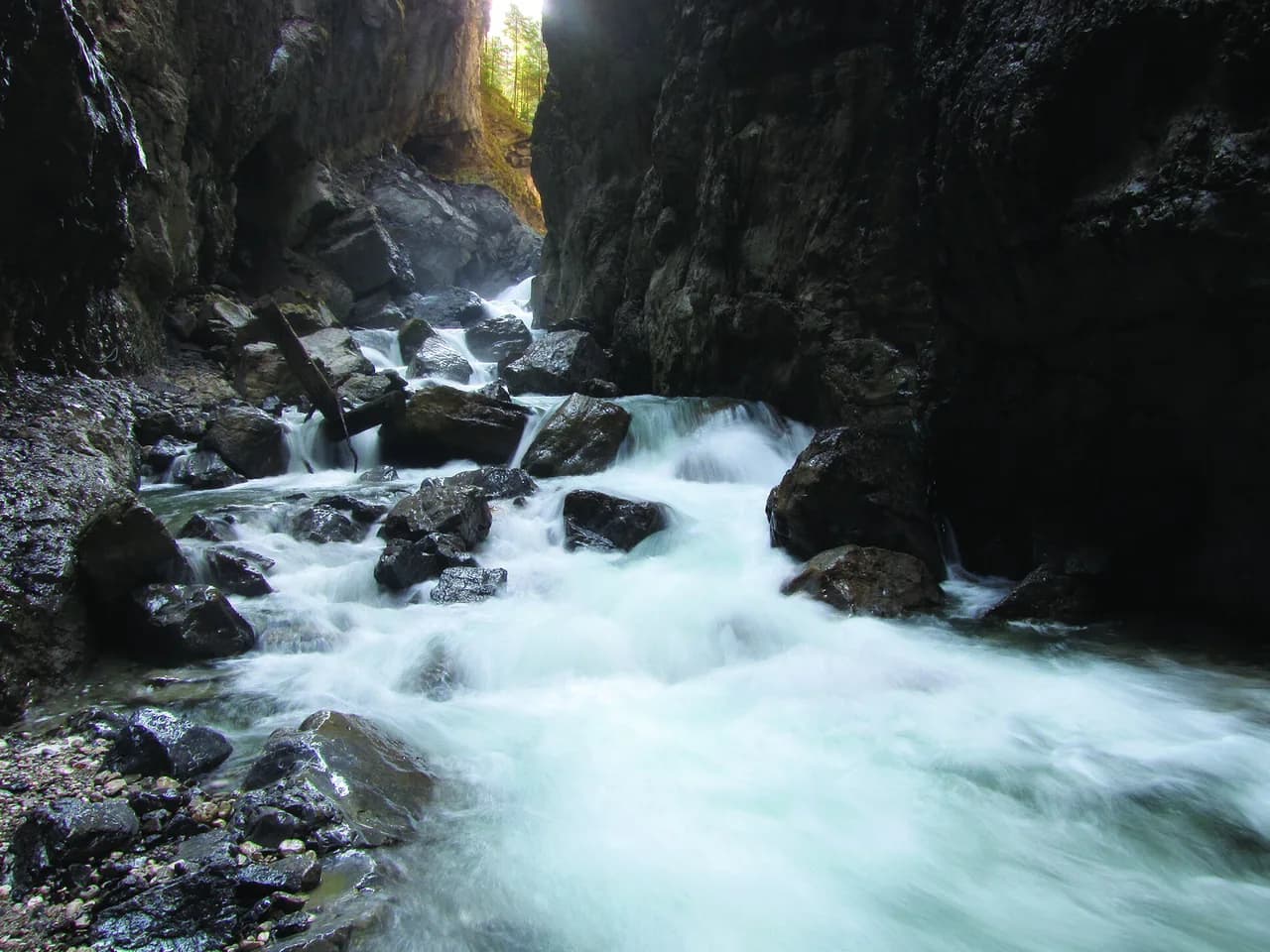
The Partnachklamm is a narrow gorge cut into the rock near Partenkirchen, walked on a path that hugs the wall with the Partnach River running below. It is short but not a valley stroll: the surface is wet, the walls drip, and the path is often single file with handrails at the exposed sections. Sturdy shoes with grip matter more here than on any other easy walk in the valley, and the partnach gorge hike rewards an early start before the day's crowds build.
Pair the gorge with the open slopes above it rather than treating it as a full day. The ravine walk gives you a taste of the Wetterstein rock without height gain, and it stays cool in summer, which makes it a sensible choice on a hot afternoon. After heavy rain, expect spray and slippery stone, and carry a light shell even when the valley is dry.
Valley-floor and lakeside walking beneath the Zugspitze
The valley floor between Garmisch and Partenkirchen is flat and easy, with paths that link the two centres and continue toward Farchant. These walks suit rest days, families with small children, and anyone acclimatizing before a bigger outing. The Zugspitze dominates the view for most of the way, and the low altitude keeps the effort minimal.
For a lake setting, the Eibsee lies at the foot of the Zugspitze and gives a lower, gentler alternative to the high routes. Its shoreline paths stay close to the water and make an easy half day. Getting there by bus or with your own car keeps the logistics simple, and the low elevation means the walking is rarely affected by snow on the passes.
Higher routes toward the Zugspitze and Wetterstein slopes
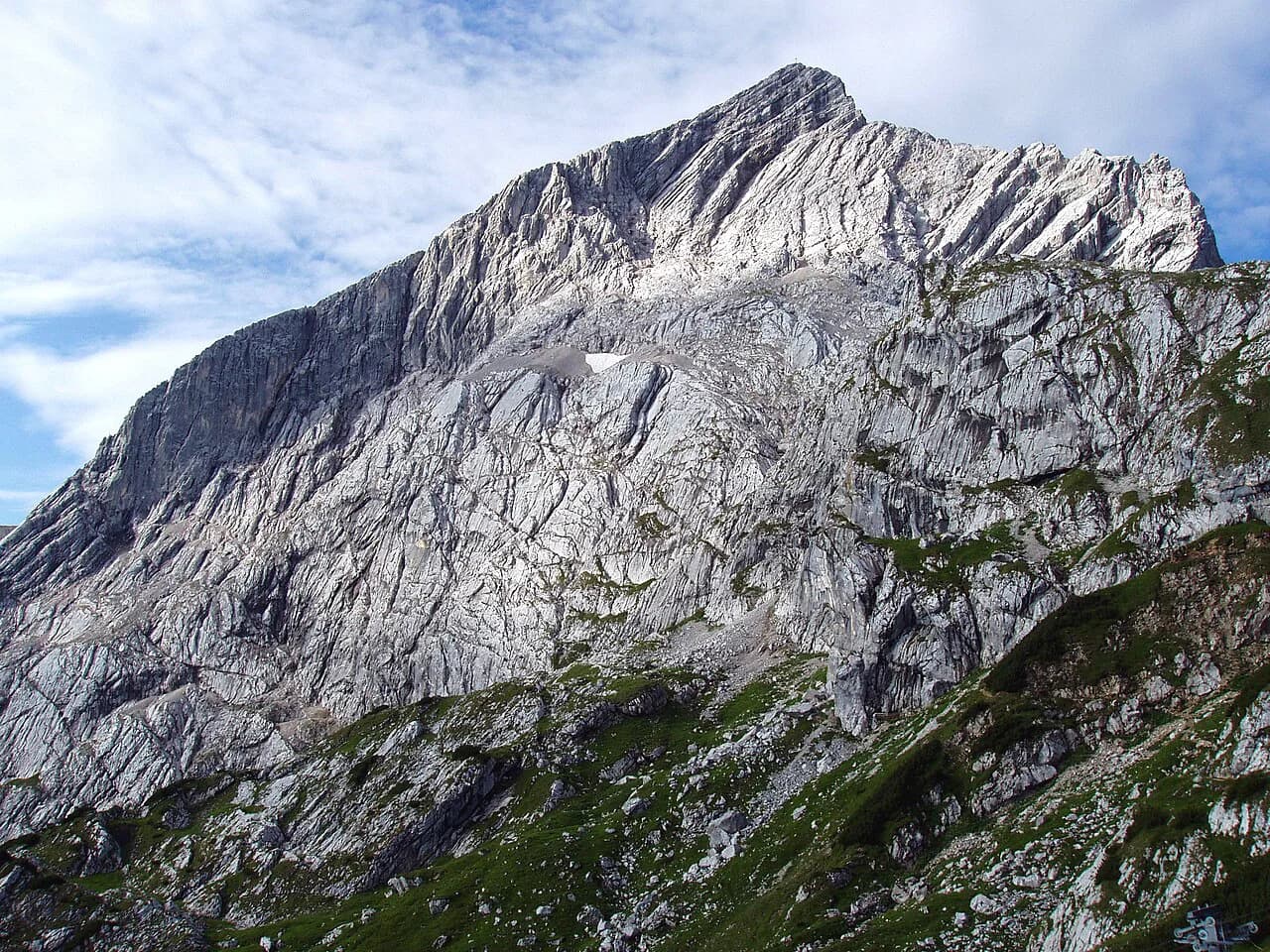
Above the valley the Wetterstein slopes steepen quickly. Routes toward the Zugspitze and the surrounding summits involve sustained climbing, loose rock and sections where a slip has consequences, so they demand settled weather and a confident head for exposure. Snow can linger on the higher passes well into early summer, and early autumn storms can close the high ground without warning; if the summit ridge is the goal, the zugspitze hike is a full mountain day rather than a valley extension.
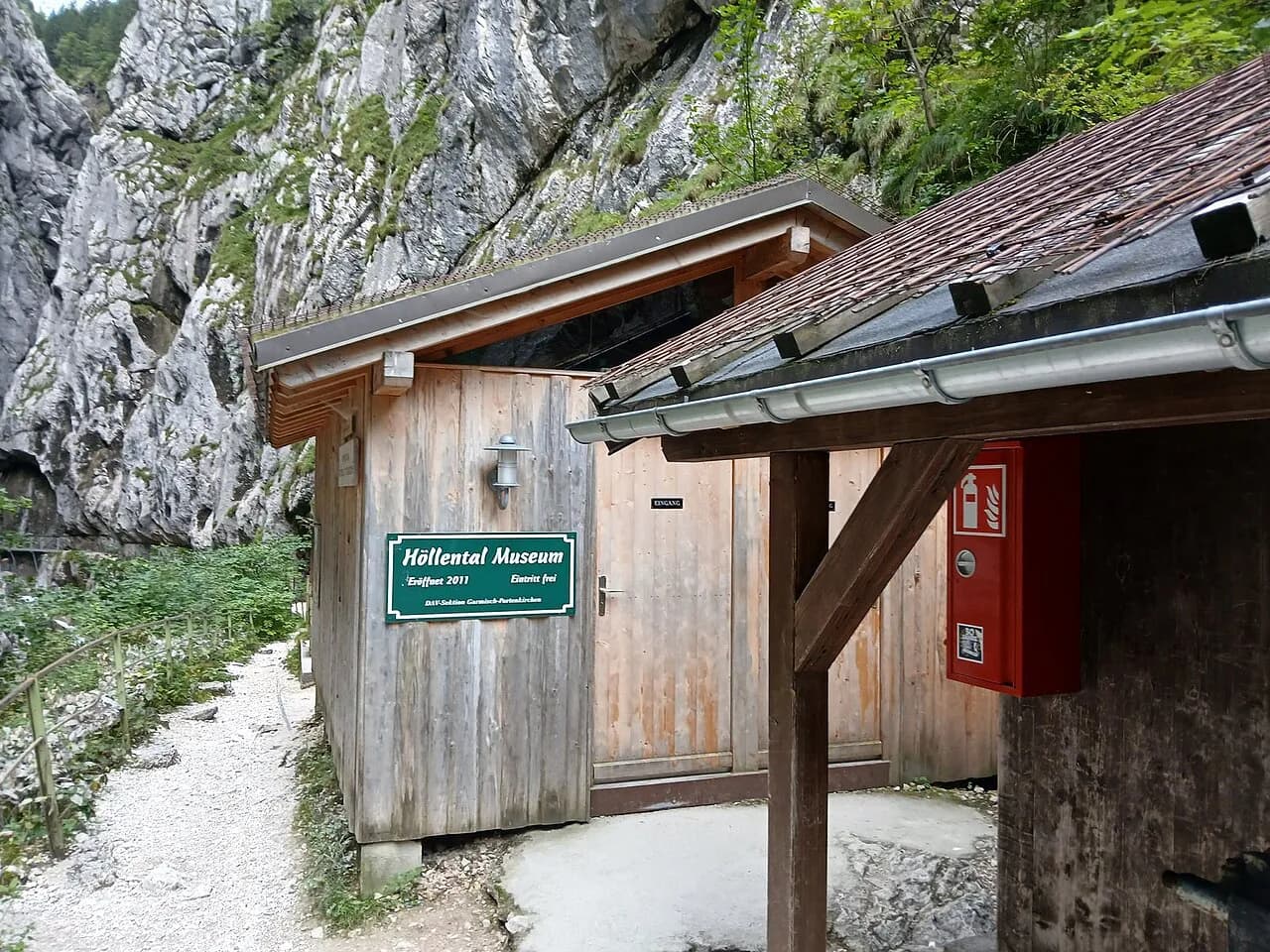
The Höllentalklamm ravine, reached from Hammersbach, is the classic way onto the high ground on the Zugspitze side. The gorge section is enclosed and wet, and beyond it the terrain opens into steep, stony slopes where route-finding and fitness matter. This is a full day for experienced hikers, not a casual add-on to a valley walk, and the hollentalklamm hike is best done with an early start from Hammersbach.
For a technical high day, the Alpspitz Ferrata offers a secured climbing route on the Wetterstein walls. It is a via ferrata, not a hiking path: you need a harness, helmet and via ferrata set, and a guide is sensible if you are new to the style. The exposure is continuous on the secured sections, so pick a calm, dry day.
Distance, ascent and time for each walk
The Philosophers' Trail is the one route with published figures: about 1 hour 45 minutes of walking at an easy grade, cleared and walkable in winter as well. Treat that time as moving time and add stops for the frescoes at St. Anton and the philosopher benches along the way.
For the gorge and ravine walks, plan by conditions rather than by minutes. The Partnachklamm is short but slow underfoot because of the wet surface and single-file stretches, and the Höllentalklamm adds a steep climb above the gorge. Check the day's route length with the local tourism office before you commit to a longer combination.
High routes toward the Zugspitze and the Wetterstein slopes are full-day outings. Build in an early start so you are off the exposed ground before the afternoon, and carry more water than the valley walks require. If you are unsure of your pace, choose the gorge or the valley path and save the high ground for a day when the forecast is settled.
Trailheads, parking, buses and lifts
The Philosophers' Trail begins at St. Anton, which is served by the local bus network from both Garmisch and Partenkirchen. Parking near the church fills early in fine weather, so arriving by bus simplifies the day. Because the walk ends in Farchant, a bus back from the Farchant end is the cleanest finish.
For the Partnachklamm, the trailhead sits near Partenkirchen, and the gorge is normally the first section of the day rather than a destination reached by lift. The Höllentalklamm is reached from Hammersbach, which has its own access from the valley road. Lifts on the Zugspitze side cut height from the high routes but run on their own seasonal schedules, so check operating dates with the lift operator before relying on one.
Farchant works as a base for the western end of the Philosophers' Trail and for short valley walks. The station in Garmisch-Partenkirchen is the transport hub for the whole valley, which makes car-free days realistic if you plan the return leg from the finish point.
Huts and refreshment stops on the routes
The Philosophers' Trail passes benches rather than huts, so carry water and a snack and plan a meal in Farchant or back in Garmisch at the end. That keeps the walk light and avoids depending on opening hours that change with the season. For the high routes, check opening times and prices directly with the lift company before you set out.
On the Wetterstein slopes, huts and refreshment stops exist along the main routes, but their opening dates vary with the season and with snow conditions. Build your itinerary around the walk first and the hut second, carrying emergency food either way. On the gorge walks, nothing is available inside the ravine, so eat before you enter.
When to go: season by season
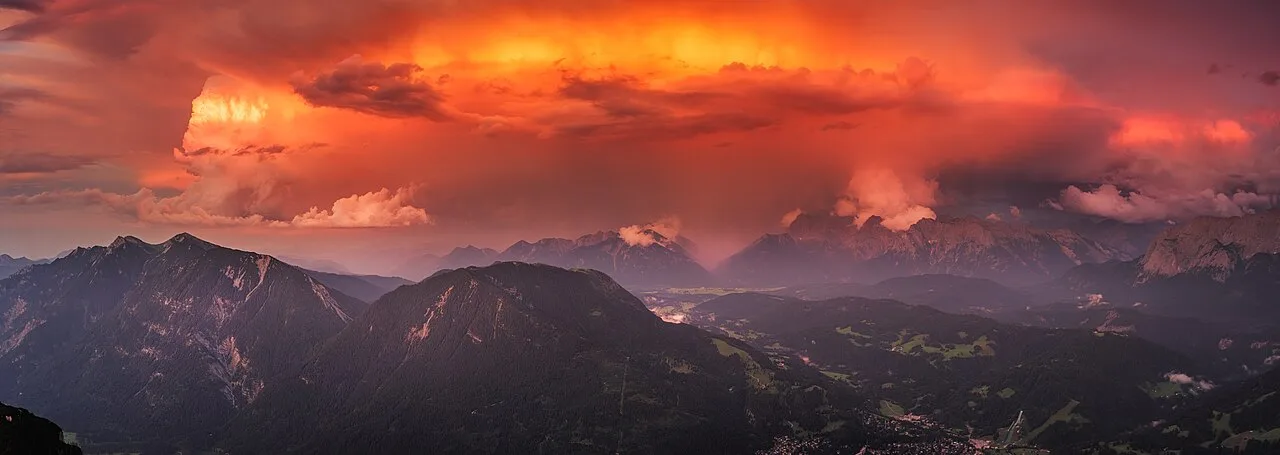
Summer gives the most reliable conditions for the high routes, with long daylight and the best chance of dry rock. It is also when the valley paths are busiest, so start the Philosophers' Trail early if you want the benches to yourself. Afternoon thunderstorms are the main summer hazard on the Wetterstein slopes, and turning back at midday is the sensible response when cloud builds.
Winter keeps the Philosophers' Trail open and cleared, which makes it the dependable cold-season walk in the valley. High routes and gorge walks are not winter objectives for most hikers: snow on the passes, ice in the ravines and short days all stack against them. Spring brings meltwater and lingering snow high up, so keep to the valley until the high ground clears.
Autumn gives crisp views of the Zugspitze and quieter paths, though early snow can close the higher routes without much notice. Late autumn is a good time for the Philosophers' Trail and the valley floor, with the philosopher benches and frescoes at St. Anton as ready an excuse as the view.
Gear and fitness: what each walk demands
The Philosophers' Trail needs only comfortable shoes, a layer for wind and water, and a plan for the return from Farchant. Its easy grade and stroller-friendly surface make it the default choice for mixed-ability groups. The gorge walks change the equation: grippy footwear, a light shell and a head for wet, confined spaces are the essentials.
High routes and the ferrata demand full kit: boots with stiff soles, a map or offline route, extra layers, and helmet and harness for the via ferrata sections. Fitness for the Wetterstein slopes means sustained uphill walking rather than short bursts, so train on hills before you go. If your group mixes abilities, split the day: the valley walkers take the Philosophers' Trail while the others head for the Höllentalklamm.
Where to base yourself
Garmisch and Partenkirchen share a station and a bus network, which makes either a practical base for everything in the valley. Sleep in Garmisch if you want the widest choice of services, or in Partenkirchen for quicker access to the Partnachklamm trailhead. Both work for the Philosophers' Trail, since St. Anton is a short bus ride away.
Farchant suits hikers who want a quiet base at the western end of the valley path, with the falls and the end of the Philosophers' Trail close by. It is a poor base for the high routes on the Zugspitze side, which need a transfer each morning. Choose your base by which end of the valley you will walk most, not by hotel choice alone.
Accessible and family-friendly options
The Philosophers' Trail is the standout accessible option, cleared in winter and suitable for wheelchairs and baby strollers alike. That combination is rare in the Wetterstein valley, where most paths are rough or steep. Families with young children can treat it as a half day with benches for snacks and the frescoes at St. Anton as the reward at the start.
The valley floor between the two villages is the other family-friendly choice, flat and easy with the Zugspitze in view. Avoid the gorge walks with very small children, since the wet, single-file path needs steady feet. If you want a longer family outing, combine the valley path with a bus ride back rather than adding a second walk.
Outside the destination: the Tirolerweg toward Innsbruck
The Tirolerweg is a long-distance route from Garmisch-Partenkirchen toward Innsbruck, aimed at experienced hikers on a week-long walking holiday. It heads out of the valley and into Austria, so treat it as a separate trip rather than a day hike from your Garmisch base, much as black forest hiking is planned as its own itinerary in a different range. For the same kind of multi-day planning at a national scale, see hiking in Germany: long-distance trails and where to start.
Plan Your Visit
Build your trip around one walk from each band: the Philosophers' Trail for an easy, year-round day, the Partnachklamm for wet rock and a short outing, and one high Wetterstein route if the forecast holds. Plan the return from Farchant before you set off, and give the high ground an early start so afternoon weather never catches you on the exposed sections.
Pick your base by which end of the valley you will use most, carry the right footwear for the ravine walks, and keep the ferrata and Höllentalklamm for days when you are rested and the weather is settled. That combination makes the valley work for a mixed group without anyone spending the day waiting.
Explore more Garmisch-Partenkirchen hiking guides
Frequently Asked Questions
How long does the Philosophers' Trail take?
Allow about 1 hour 45 minutes of walking. The route runs from the pilgrimage church of St. Anton west to Farchant on an easy, shallow path, so add time for the frescoes at the start and for the philosopher benches along the way. Because it is point to point, budget for a bus or a walk back from Farchant as well.
How long does the Partnach Gorge take to walk?
The Partnachklamm is short in distance but slow underfoot, because the path is wet and narrow in places. Most hikers treat the gorge as the first section of a longer day rather than a destination on its own, and the local tourism office can give the current route length and any diversions before you set out.
What is the best time of year to visit Garmisch-Partenkirchen for hiking?
Summer gives the most reliable conditions on the high Wetterstein routes, with long daylight and the best chance of dry rock, though afternoon storms build quickly. Winter keeps the Philosophers' Trail cleared and walkable, while spring and late autumn suit the valley floor and lower paths. Match the season to the band of terrain you plan to walk.
Are there free hikes in Garmisch-Partenkirchen?
The valley paths, including the Philosophers' Trail between St. Anton and Farchant, are public ways with no ticket to walk them; your costs are transport and food. Fees apply where a route passes through managed infrastructure such as a gorge or uses a lift, so ask the local tourism office about the specific walk you have chosen before you go.
Is Garmisch-Partenkirchen good for beginners?
Yes, if you choose the right band of terrain. The Philosophers' Trail is easy, stroller-friendly and cleared in winter, and the flat valley floor between the two villages suits anyone building confidence. Keep the gorge walks for hikers with steady feet and save the exposed Wetterstein slopes and the via ferrata for days when you have more experience and settled weather.
Sources
Trail notes for your next trip
Optional updates when we add or revise hiking guides.
You might also like
Continue reading
More guides you'll find useful