Best Hikes in Europe: Where to Walk and What to Choose
Pick a European hike by time, fitness and season: short gorge and fortress walks, coastal trails in Portugal and Albania, and alpine routes in the Tatras and Picos.
On this page
Europe works for every kind of hiker: an hour up to a hilltop fortress, a half-day loop around an alpine lake, a week on a coastal path or three days on a mountain circuit. The constraint that matters most when you start planning is not the country but the time you can give to the walk, followed by how much steep or exposed ground you want beneath you.
The routes below are grouped by that logic: short half-day walks you can tack onto a city break, coastal trails that mix dunes and cliffs, mountain hikes sorted from gentle valley paths to serious exposed traverses, and long-distance routes you can break into sections. Distances and walking times come from route descriptions and conditions reports cited on each paragraph; where a figure varies with which sections you combine, the range is given rather than a single number.
Weather shapes the choice as much as fitness. In May, southern Europe typically sits in the mid-teens to mid or high-20s Celsius (60-83°F) with long, mostly dry days, while northern Europe stays chillier and wetter, and high routes in the Tatras and the Alps can hold snow above the valleys.
Short half-day hikes: fortress climbs and gorge walks
The climb from Omiš on Croatia's Dalmatian coast to Starigrad Fortress takes about an hour and is rated moderate to difficult, gaining height quickly on a path that is popular enough to meet other walkers. Carry water and lunch, because the reward is a hilltop stronghold with coastal views rather than a cafe mid-way.
In Sicily, the walk from Taormina's center up to the half-ruined castle on the hill uses a series of staircases, some of them crumbling, and takes an hour or more at an easy to moderate grade. The climb is uphill but not technical, and the payoff is the view back over the town and the sea, so it fits neatly into a sightseeing day.
Lago di Fusine, near Italy's border with Slovenia, has a lake circuit that takes about half an hour, and you can extend onto neighbouring trails for a longer half-day. The lake walk is flat and easy, which makes it a sensible choice for mixed-ability groups or a rest day between harder outings.
Bohemian Switzerland, the national park on Czechia's northern border, offers two contrasting short routes: a steady two-and-a-half-hour climb through deep woods to Pravčická brána, and a three-hour-plus descent to the abandoned Dolský Mlýn mill along the river. Both are rated moderate or harder for their length and terrain, and the mill is a well-known stop, so expect company in high season.
Coastal trails: Atlantic cliffs, the Albanian Riviera and island circuits
Portugal's Fisherman's Trail, part of the Rota Vicentina, runs 226 kilometres (140 miles) from near Lagos in the Algarve to São Torpes in the Alentejo, through the protected southwest coast park. The full route takes around 13 days, but it splits easily into short outings, and luggage transfer lets you walk sections bag-free.
The finest scenery on the Portuguese route is often cited on the stretch between Porto Covo and Odeceixe, where cliff paths and dunes alternate and strong coastal winds are the norm. Trekking poles help on the sandy sections, and the exposed nature of the path means sun protection matters even on a mild day.
Albania's Riviera pairs limestone mountains with turquoise coves, and the ridge paths between Himarë and Dhërmi are the standout walking. The routes are rocky and exposed, so carry more water than you think you need and start early in warm weather.
Gozo, off Malta, has a coastal circuit of about 50 kilometres (31 miles) that takes roughly 10 hours of walking, threading past goatherd shelters, cliffs, salt flats and small seaside towns. The grade is easy to moderate and buses let you return to your base at the end of each segment, so you can treat it as a series of day walks.
The Baltic Coastal Trail stretches some 1,420 kilometres (882 miles) along the shores of Lithuania, Latvia and Estonia, hugging the shoreline and occasionally cutting through pine forest behind the dunes. Nobody walks it all in a fortnight, but short sections such as the crossing from Lithuania into Latvia near Pape make quiet, footprint-free day stages.
Mountain hikes by difficulty: valley walks and exposed traverses
The Bernese Oberland gives you both extremes within one trip. A gentle option is the valley walk from Lauterbrunnen toward Wilderswil, two to three hours at an easy grade along a riverside path beneath sheer cliffs, which suits anyone wanting distance without steep ground.
For a moderate step up, the three-and-a-half-hour route from Kandersteg past Ober Bärgli mountain hut to Oeschinensee passes waterfalls and steep drop-offs above one of Switzerland's prettiest lakes. The walk is rated moderate, and the drop-offs beside the path are the reason to keep children close and avoid the edge in wet weather.
Italy's walks in italy extend from lakeside strolls to high mountain traverses, and the contrast is useful when you are choosing by fitness rather than by region. In the Picos de Europa in northern Spain, the Ruta del Cares is carved through a limestone gorge and is steep and exposed in places, so good boots and waterproof layers are essential even in spring.
For sustained exposure and scrambling, Selvaggio Blu on Sardinia's eastern coast is a serious trek on limestone cliffs above the sea, with route-finding that is far from obvious. A guide is the sensible call here for safety, logistics and navigation, and May is a good window before summer heat sets in.
The Tatras in May: gorge ladders and lingering snow
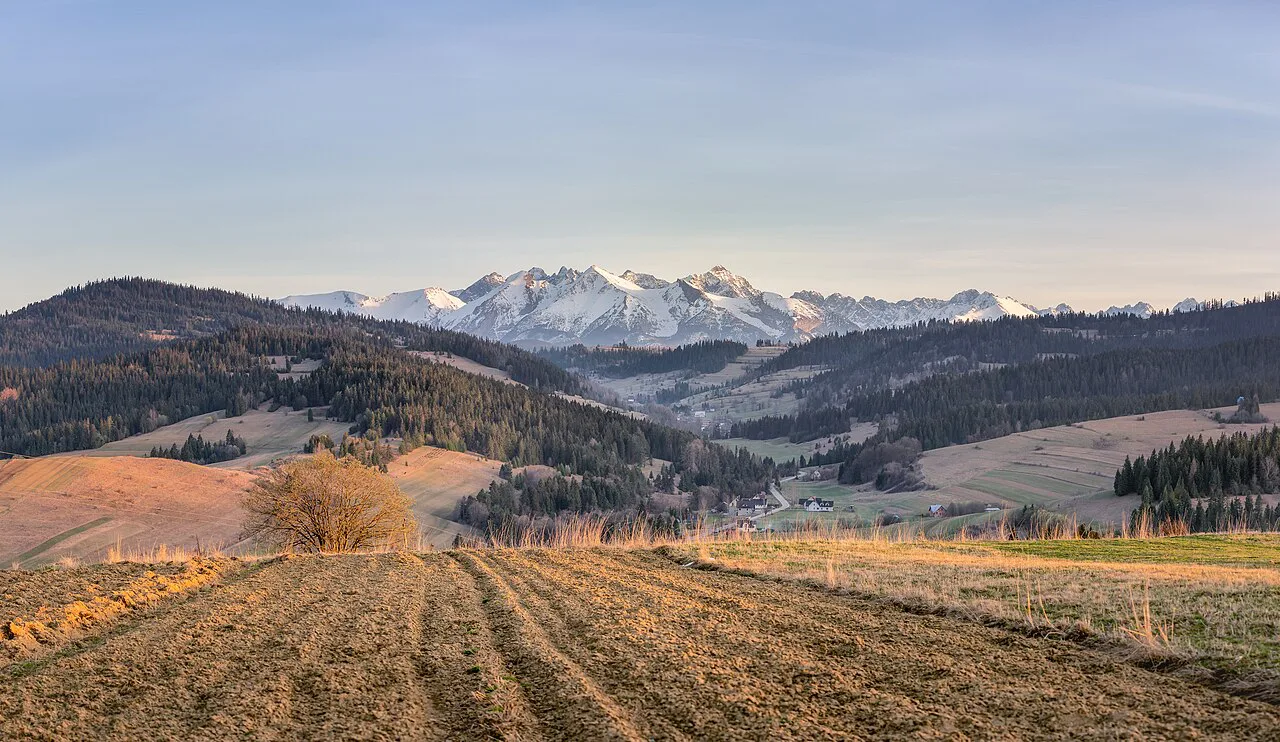
Slovakia's High Tatras are a compact range of jagged peaks, glacial lakes and pine valleys rising along the Polish border, with mountain villages as natural bases. In May the valleys green up and waterfalls run strong with meltwater, but snow lingers high on the peaks and some upper routes may still need caution.
The Sucha Bela gorge is one of the longest and most popular canyons in Slovak Paradise National Park, and ladders connect parts of the lower gorge trails, so you get a natural walk with a modest assault-course feel. May daytime temperatures sit around 12-18°C (54-64°F) with nights of 4-8°C (39-46°F), which means layers rather than shorts and a T-shirt.
Prielom Hornadu and the Piecky gorge make worthwhile additions if you have a second day, and the combination gives several hours of gorge walking without committing to high, snowy ground. Fixed ladders and wet rock mean you should keep hands free and wear footwear with grip.
Long-distance routes and how to break them into sections
Europe's long routes work best when you treat them as a menu of stages rather than a single commitment. The Lycian Way in Turkey runs 540 kilometres (336 miles) along the coast and takes a month to complete, but the eastern week from Antalya to Kemer crosses pine forest, secluded coves and the ruins at Olympos, with villages and guesthouses frequent enough that you need not carry camping gear.
Taiwan's Danlan Old Trails is not in Europe, but its model is instructive for anyone planning a long route: seven days minimum and at least 165 kilometres (103 miles) to walk it end to end, with good public transport and luggage forwarding letting you skip sections. Europe has equivalents in the Via Dinarica's White Route, which spans some 1,260 kilometres (783 miles) from Albania to Slovenia, with mountain huts providing beds along the way.
In the High Atlas, the Circle of Toubkal is a circular route of around 60 kilometres (37 miles) starting and ending at Imlil, usually done in four to six days with Jebel Toubkal as the central point. A severe earthquake struck the region in September 2023, and parts of the trail and some villages may still be under repair, so ask locally about current conditions before committing to the full circuit.
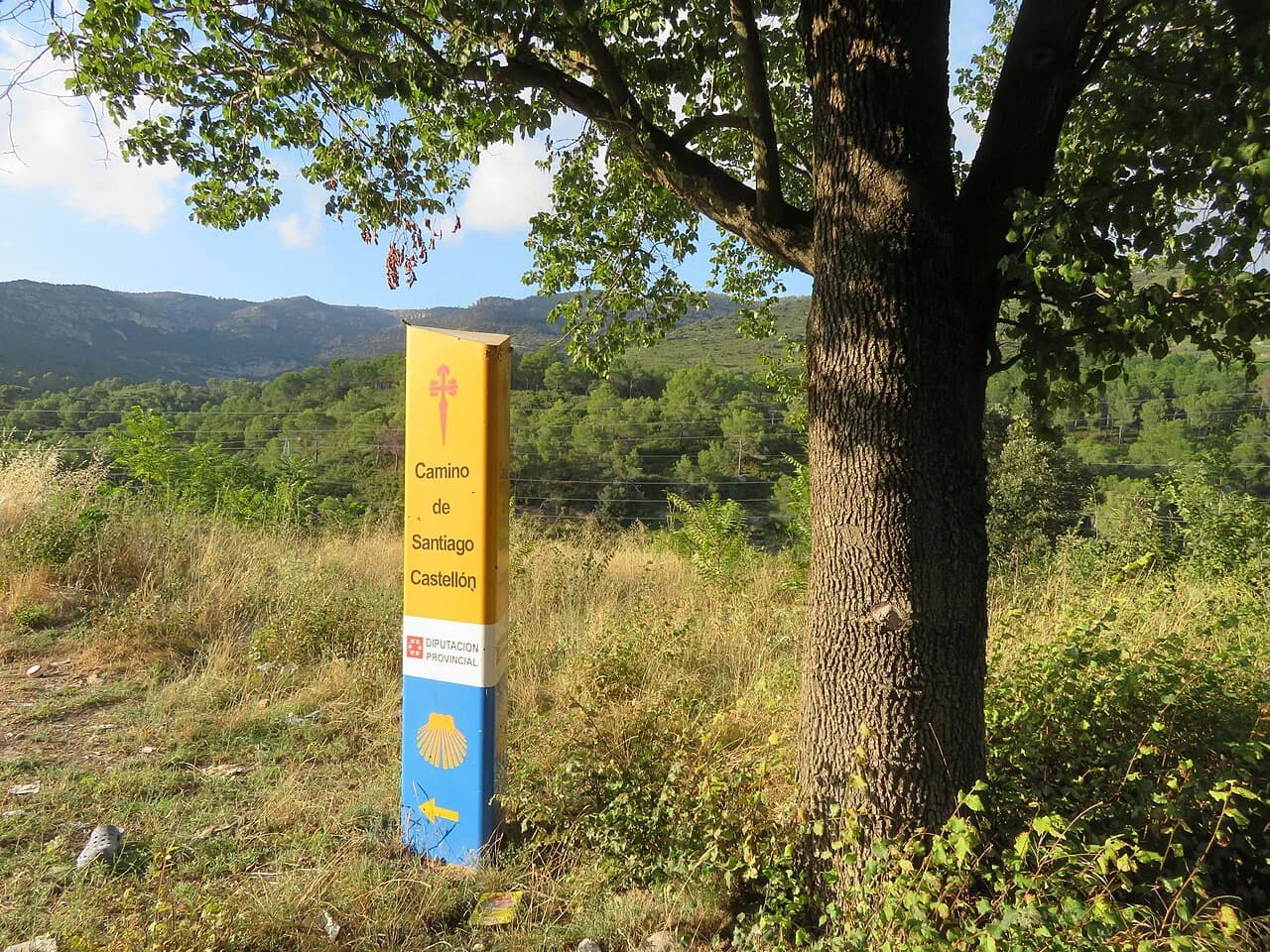
The Torres del Paine circuit in Chile is often compared with European routes for scale, but for a European pilgrimage that splits neatly into stages, consider the camino de santiago. Its daily distances, hostel network and transport links make it straightforward to walk a week and return by bus or train rather than committing to the full route.
Huts, guesthouses and luggage transfer
Accommodation sets the rhythm of a multi-day route more than the terrain does. On the Fisherman's Trail, rural farm-style guesthouses and local experiences are part of the appeal, and luggage transfer companies let you walk with a daypack between them.
In the Alps, huts are the classic option. The Kandersteg route past Ober Bärgli mountain hut to Oeschinensee can be walked as a day or linked with an overnight, while on the Via Dinarica the White Route typically uses mountain huts, and you can detour to the isolated village of Lukomir in the Bjelasnica mountains.
Camping and self-catering are viable on some long routes: on the Baltic Coastal Trail, camping in the historic wooden village of Pape gives you a night between stages, and the beach walk on either side is soft sand and pebbles. Book huts and guesthouses directly with the alpine club, the village or the individual hut keeper, and carry cash for mountain huts where card machines are not guaranteed.
Getting to trailheads by train, bus and lift
Public transport reaches far more European trailheads than most hikers expect. In the Bernese Oberland, villages such as Lauterbrunnen, Wilderswil and Kandersteg are connected by train, and the Wilderswil to Schynige Platte route ends at a restaurant reached by a mountain railway, so you can ride down rather than retrace your steps.
On the Lycian Way, the eastern week from Antalya to Kemer can skip the steepest climb to Mount Tahtali by cable car, which cuts a hard day without losing the coastal scenery. Check the Olympos Teleferik operating calendar before you build your day around it.
In the Baltic States, buses and ferries link the coastal towns along the trail, which makes short section walks practical even without a car. The same logic applies on Gozo, where buses return you to your base after each segment and remove the need for a loop.
When to go: May conditions and summer crowds
May is one of the finest months for European hiking because days are long, temperatures are mild and trail towns are emerging from winter before the summer rush. Across southern Europe, the month typically delivers the mid-teens to mid or high-20s Celsius (60-83°F), with cool nights and short bursts of rain rather than downpours.
The Picos de Europa brighten into green slopes and wildflowers in May, with daytime temperatures of 15-20°C (59-68°F) and far fewer walkers than midsummer. The range catches Atlantic weather, so short showers arrive at short notice and waterproof layers earn their place.
Further north, the Cairngorms in Scotland deliver long days and green hills in May before midges reach their summer peak, though the weather can swing from sun to hail within hours. Climbing Cairn Gorm at 1,244 metres (4,081 feet) is the classic outing from a base in the national park, and our Scotland hiking guide covers the other trails and bases worth knowing.
On the Iberian coast, Portugal's Fisherman's Trail is warm but not scorching in May, with daytime temperatures of 18-22°C (64-72°F) and quiet trails before the peak-season walkers arrive. Exposed cliff paths and strong winds are the trade-off, so plan shorter days than you would in the Alps.
What to pack across Europe's varied climates
A 25-30 litre daypack covers most day hikes, and a waterproof liner or dry bags protect kit on exposed coastal routes where rain arrives sideways. Waterproof jacket and trousers, a fleece and lightweight layers handle the range from a Tatra valley at 4°C (39°F) at night to an Albanian ridge at 25°C (77°F) by afternoon.
Trekking poles help on the sandy sections of the Fisherman's Trail and on steep descents in the Picos, and gaiters keep grit out of your shoes on coastal paths. Two litres of water, sun cream and insect repellent cover most European summer days, with midge repellent added for Scotland in late spring.
For alpine and exposed routes, add a helmet if you plan to scramble on Selvaggio Blu and check the guide's kit list before you travel. On high routes in May, an ice axe and crampons are occasionally still needed on snowy passes, so check conditions with the local mountain service before setting out.
Where to base yourself for the hikes you want
Base villages shape a trip as much as the route choice. For the Bernese Oberland's mix of valley walks and high routes, Interlaken, Lauterbrunnen and Kandersteg give you train access in several directions and let you pick the day's walk by weather rather than by itinerary.
For the Fisherman's Trail, Porto Covo and Odeceixe are the natural overnight stops on the best scenery, and the Alentejo coast's farm stays put you within walking distance of the path. In Croatia, Omiš works as a base for the Starigrad Fortress climb and the Cetina valley, while Taormina covers the Sicilian castle walk without a car.
For the High Tatras, mountain villages at the foot of the range put you among the gorges and valleys within a short bus ride. In the Balkans, Imlil is the start and finish point of the Toubkal circuit, and Lukomir sits on the Via Dinarica, so both give you trail access from the doorstep.
Plan Your Visit
Start with the hours you actually have: an afternoon for Omiš or Taormina, a full day for Oeschinensee or the Picos, a week for the Lycian Way or the Fisherman's Trail. Then check the month against the route's altitude and exposure, because a Tatra gorge in May and a Sardinian cliff traverse demand quite different preparation.
Pick a base that lets you change plans when weather turns, book huts and guesthouses directly with their operators, and keep a shorter alternative walk in reserve for days when the high route is snowbound or the coast is windswept. Europe rewards that flexibility more than any single bucket-list trail.
Explore more Europe hiking guides
- Camino de Santiago
- England Hiking
- Europe Walking Holidays
- GR20: A Practical Guide to Corsica's North–South Mountain Traverse
- Hiking in Albania
- Hiking in Andorra
- Hiking in Croatia
- Hiking in France
- Hiking in Germany
- Hiking in Greece
- Hiking in Montenegro
- Hiking in Poland
- Hiking in Romania
- Hiking in Spain
- Hut-to-Hut Hiking in Europe
- Kungsleden
- Via Alpina
- Walks in Italy
- Hiking in Bulgaria
- Multi-Day Hikes in Europe
- Via Ferrata in Europe
Frequently Asked Questions
What is the prettiest hike in Europe?
Prettiness is subjective, but the stretch of Portugal's Fisherman's Trail between Porto Covo and Odeceixe combines cliffs, dunes and empty beaches in a way few routes match. In the Alps, the walk above Oeschinensee near Kandersteg offers lake views, waterfalls and steep drop-offs in a single half-day.
What is the most famous hike in Europe?
The Camino de Santiago is probably the most famous long-distance walk in Europe, drawing pilgrims across Spain to Santiago de Compostela. The Lycian Way in Turkey and the Fisherman's Trail in Portugal are the best-known coastal alternatives for hikers who want cliffs and sea rather than a pilgrimage route.
What is the best country in Europe for hiking?
No single country wins, because the best choice depends on the terrain you want. Switzerland and Italy offer high alpine routes and huts, Spain and Portugal provide coastal and limestone trails, Slovakia has compact gorges with ladders, and Scotland gives long, wild days in the Cairngorms.
Where should I hike in Europe in May?
May suits southern and coastal routes: the Picos de Europa, the Fisherman's Trail, Albania's Riviera and Mallorca's Tramuntana all have mild temperatures and quiet trails. In the Tatras, lower gorge walks such as Sucha Bela are open while snow lingers on higher ground, and Scotland's Cairngorms offer long days before midges peak.
Sources
Trail notes for your next trip
Optional updates when we add or revise hiking guides.
You might also like
Continue reading
More guides you'll find useful