Via Ferrata in Europe: Routes by Grade and How to Choose
European via ferratas range from beginner ridgelines to a 9 km Swiss epic. Learn what each grade means, which routes suit you, and what gear to carry.
On this page
A via ferrata is a protected climbing route: steel cables, iron rungs, ladders and occasional bridges bolted to rock, graded in Europe on the Austrian Schall scale from A to F. The appeal is simple. You get the exposure and position of a climb without leading on a rope, and on some peaks the ferrata is the only line to the top.
Europe holds well over a thousand of them, concentrated in the Alps, with dense clusters in Austria, Italy, Switzerland and Germany, and harder routes dominating in France and Spain. Austria, Italy, Switzerland and Germany are well covered on the Ferrata GO map, with routes ranging from B to F, while France and Spain lean towards D to F. That distribution matters when you plan: a first ferrata trip is easier to build around the Austrian or Italian Alps than around the Pyrenees.
The right route depends less on country than on three variables: grade, commitment and how you get down. A short B line above a town suits a first day; a nine-kilometre K5 ridge with a glacier descent does not. The routes below are grouped so you can match one to your fitness and nerve rather than chase a ranking.
What a via ferrata is and how the Austrian Schall scale works
The Schall scale starts at A, which is essentially an exposed walking path with cables for confidence, and runs through B and C to D, E and F. A and B routes are usually short, well protected and reachable by beginners with correct kit; C routes demand steady movement on vertical ground; D and above mean sustained exposure, athletic climbing and a head for heights under pressure.
There are two kinds of route, and the distinction shapes your day. Some are sporting alternatives to an easier walking line to the same summit, so you can bail or descend without the cables. Others are cable routes that are the only practical way through steep terrain, which means you must be able to reverse anything you climb. Ask which type you are booking before you commit.
Many entries carry a second number, such as B, 1+ or C/D, 2, which refines the difficulty within or between grades. Use the grade as a filter for the shortlist, then read the route's approach, exit and descent before deciding. A database such as Ferrata Guide lets you browse ferratas by country and compare approach and exit times, which is often more useful than the headline grade.
Austria: the Innsbruck Skyline and the Nordkette ridge
The Innsbruck Skyline traverses the Nordkette ridge above the city, with the Inn valley on one side and a wall of mountains on the other. It is a straightforward ferrata as they come, but the position is exceptional: you spend the crossing on a crest looking down on Innsbruck, which makes it a fine first ferrata or a wind-down day after a bigger alpine objective.
Access is unusually easy. A mountain gondola runs from central Innsbruck to within a few hundred metres of the route start, so you can begin on the ridge without a long approach. The route opens with a steep section of metal rungs onto the ridgeline, then follows undulating ground over the crest, with a small footbridge and a summit cross wired into the same protection you have been clipping into.
Because it is popular, the summer midday hours bring queues at the steep opening section. Take an early gondola if you want the ridge to yourself. At the end of the first section the route drops to a pass where a left turn on a contour path returns you to the gondola station, or you can continue onto a second section if time and energy allow.
Slovenia: the Triglav summit route from Kredarica Hut
Triglav, at 2864 m (9396 ft), is Slovenia's highest mountain, and the ferrata from Kredarica Hut is the way to its summit. This is a committing ascent rather than a sports line: there is no hiking path down off the top, so you must be able to down-climb everything you ascend. The climbing itself is not long and can be finished in a couple of hours, which tempts people into underestimating it.
Getting to Kredarica Hut is the real commitment. Reaching the hut takes at least a day on foot, and most people stay overnight either before or after the climb to split the effort and catch a weather window. Build the hut night into your plan rather than treating the summit as a day trip from the valley.
The route begins gently from the hut, then kicks sharply upward on metal pitons and rungs to the top of Little Triglav. From there a knife-edge ridge leads to the final push for the summit. Exposure is continuous on the upper section, so move one at a time on the ridge and turn around if cloud or wind builds; afternoon storms are the usual reason parties retreat.
Italy: Dolomites routes from grade A to D
The Dolomites hold some of the most accessible ferrata terrain in Europe, with short lines close to lifts and long wartime routes on the bigger faces. Near Cortina, the Galleria Lagazuoi is a 670 m grade A outing through tunnels and ledges, Ra Bujela is a 150 m C route, and Ra Gusela is a brief 80 m A line with a substantial approach. These make good half-days when you want altitude without a full alpine day.
At the other end, the Cesare Piazzetta is a D route with a long day attached, and the Eterna Brigata Cadore and delle Trincee are C/D lines with big vertical gain. The trade-off is time: a route graded C/D on a big face often means six hours or more on the mountain, so start early and carry water and a headlamp. The Dolomites afternoon storm pattern makes an early start a safety decision, not a style one.
For a wider picture of walking in the country, including valley bases and national park trails that pair well with a ferrata day, see these walks in Italy. Pairing a ferrata with lower-level hiking gives you a rest day that still puts you in the mountains.
Switzerland: the Daubenhorn above Leukerbad
The Daubenhorn above Leukerbad is Switzerland's longest ferrata, at 9 km (5.6 miles), and is graded K5, extremely difficult. It is not a beginner's route. The line uses more than 2000 m of steel cable, 12 steel ladders totalling 216 m and a 30 m rope bridge, and the day runs to roughly eight hours of climbing before you reach the 2941 m (9649 ft) summit, after which you still have to get down.
The descent is the part that catches people out. You cross a glacier to get back down the mountain, so the route demands glacier travel competence and the right equipment as well as ferrata kit. If that is beyond your experience, treat the Daubenhorn as a goal for a later season and build up on shorter K3 and K4 routes first.
Access shortens the climbing but not the day. A cable car from Leukerbad runs to about 2400 m (7874 ft), leaving a few hundred metres of downhill walking to the start of the ferrata; alternatively a path climbs directly from the town. The cable car's operating dates and times are set by the lift operator, so check them when you fix your date, and start early enough to finish the descent in daylight.
France: Baus de la Frema in the Maritime Alps
Baus de la Frema, in the Maritime Alps above La Colmaine, is a paid ferrata that starts at the La Colmaine car park. Expect a long wire bridge between rock pinnacles to warm up, then a rapid transition to vertical, exposed climbing on metal rungs. Higher up, a two-wire bridge, one cable for feet and one for hands, forces you to face outwards over the drop, and the summit at 2246 m (7369 ft) gives a wide view if the weather holds.
The entrance fee is collected at the tourist office in La Colmaine and at the via ferrata car park in summer. The fee pays for the upkeep of the route and the cables you trust. Pay it, and keep the timing flexible: thunderstorms close the route, and a storm on the first day of a trip can wipe out your plan, so hold a second day in reserve.
Spain: Feliz Navidad in Catalonia
Feliz Navidad, near Àger in Lleida province, Catalonia, is graded K6, the top of the scale, and runs for 110 m of relentlessly hard climbing. It is a route for experienced ferrata climbers with strong arms and a cool head, not a first taste of the sport.
The approach to harder Spanish routes is different from the Alps: fewer lifts, longer walk-ins and more self-reliance. Grade K6 also means the moves are sustained and the protection, while continuous, will not make the climbing easy. Go with someone who has climbed at this level, or hire a local guide, and treat the descent as part of the route.
Romania: three routes in the Crisul Repede Gorge
The Crisul Repede Gorge near Vadu Crisului in Pădurea Craiului holds three short ferratas close together: Montana Land, Mocaniţa on the Fairy Wall and Casa Zmeului. All three can be done in a few hours including the walk in from the nearby car park, and all finish at the top of the gorge, with a walk back down to the car park to finish.
Casa Zmeului is the hardest of the three, with long vertical sections of metal rungs, a long wooden-plank footbridge and a small cave with swing chairs inside. Montana Land charges an entrance fee; the other two are free. The cluster makes a good introduction to the sport if you are in western Romania, since you can sample three routes in a day and walk away if one feels beyond you.
Routes for beginners: grades A and B
Start with an A or B route that has an easy walk-off, short approach and a lift or gondola to within a few hundred metres. The Innsbruck Skyline is the model: a straightforward ridge line with a bail-out path to the gondola station, so you can cut the day short if the weather or your nerves turn. The Galleria Lagazuoi and Ra Gusela in the Dolomites, and the three Romanian gorge routes, offer similar low-commitment options.
On a first ferrata, the grade matters less than the approach and exit. A B route with a two-hour walk-in and a long descent is harder than a C route beside a lift. Choose the short, well-used route, learn how the cable and your lanyards behave on easy ground, and save the committing lines for a second season.
Long and committing days: grades C to D
C and D routes are where a ferrata becomes a mountain day. On the Dolomites' Eterna Brigata Cadore and delle Trincee, both C/D, the climbing alone runs to several hours and the total day to six or more, so fitness, water and an early start matter as much as technique. The same applies to the Cesare Piazzetta, a D route with a long approach and a serious descent.
The trade-off on these routes is between speed and safety. Moving quickly on the cables reduces exposure to afternoon storms, but rushing the down-climbing is where accidents happen. Plan a turnaround time, carry a headlamp, and accept a retreat if the rock is wet. Exposure on C and D ground is sustained, so anyone in the party who freezes will slow the whole group.
The hardest European routes: D to F and K5 to K6
At the top end, the Daubenhorn in Switzerland (K5, 9 km, glacier descent) and Feliz Navidad in Spain (K6, 110 m of unrelenting climbing) represent two different kinds of hard: one long and glaciated, one short and brutal. France and Spain have mainly routes from D to F, while Austria, Italy, Switzerland and Germany offer the full spread from B to F, so the hardest lines are not confined to one country.
Neither is a sensible first ferrata. Build towards them with a season of C and D routes, and for the Daubenhorn add glacier skills and a partner who has done the descent before. For Feliz Navidad, train for sustained steep climbing and go with someone who knows the route or a local guide.
Gear, guides and pre-trip skills
A via ferrata needs a purpose-built set: a harness, a ferrata lanyard with an energy-absorbing system, a helmet and gloves. A normal climbing sling is not a substitute, because a fall onto a static connection can generate forces the body cannot absorb. Add a small pack with water, a shell and a headlamp for longer routes, and carry the kit on easy ground before you trust it on a C route.
A guide is advisable when you are stepping up a grade, attempting a route with a glacier descent like the Daubenhorn, or climbing somewhere you do not know. Guided days also teach rope work and route-finding that a description cannot. Book through a local mountain guide office or the tourist office in the base town, and ask what the day includes before you commit.
How to plan a multi-country ferrata trip
Build a trip around one base and one grade band rather than scattering across the continent. Innsbruck gives you the Nordkette ridge and a city base; the Dolomites around Cortina give you A to D routes within a short drive; Leukerbad gives you the Daubenhorn and other Swiss lines. Each of these bases also sits near long-distance walking, so a rest day can be a valley hike, and the Switzerland hiking guide shows how those valley trails fit around a Leukerbad ferrata day.
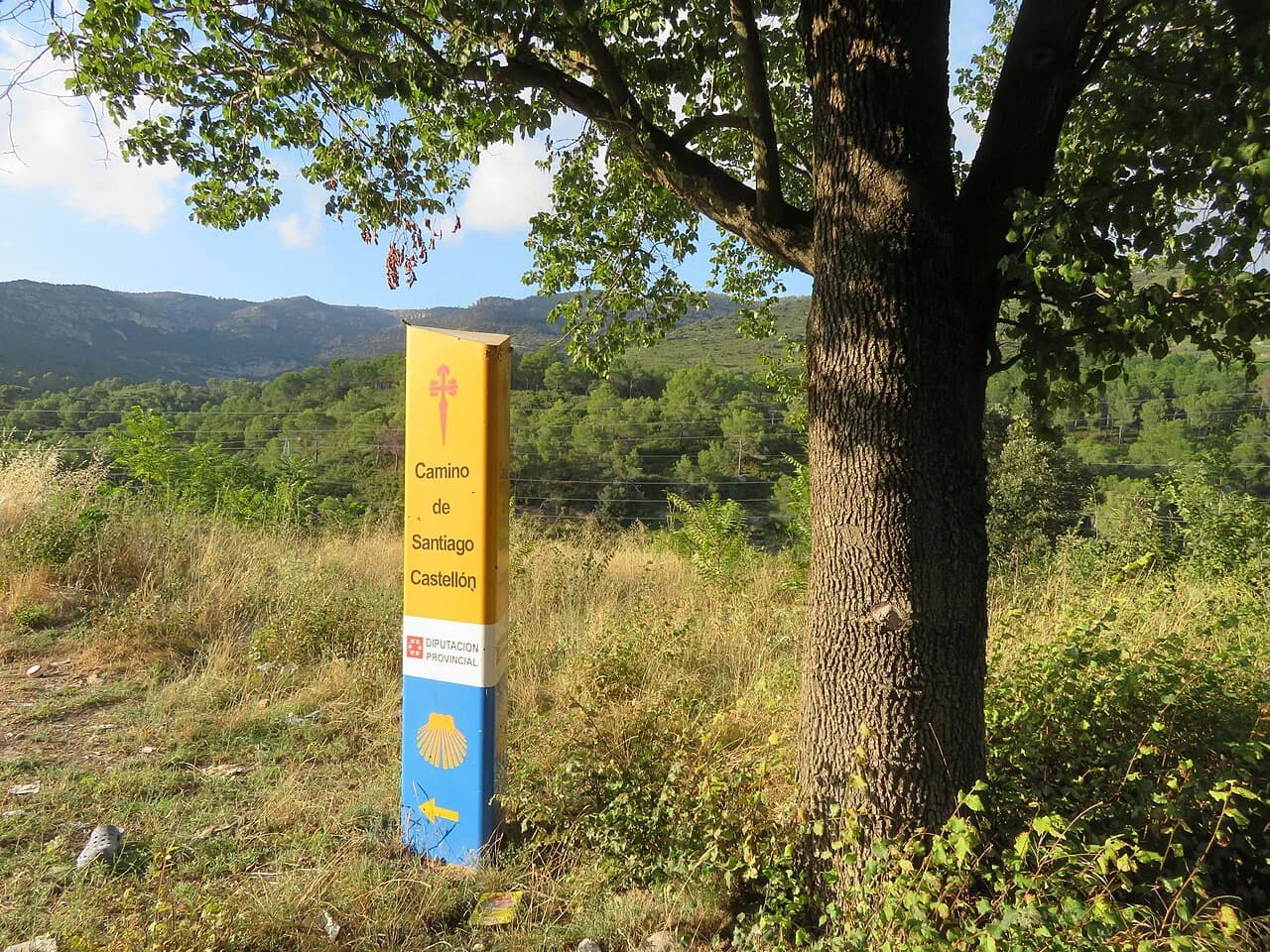
If you want a second week of walking, the best hikes in europe guide covers long routes and national park trails across the continent. For a hut-to-hut walk between ferrata days, the camino de santiago offers low-level stages that need no climbing kit. Mixing the two keeps the trip varied and gives your arms a rest.
On a longer walking trip, treat the ferrata as a single day rather than the whole plan. The GR20 in Corsica and England hiking trails such as the Pennine Way are walking routes where you can add a ferrata day nearby, but they are not ferrata objectives in themselves.
Huts, lifts and access
Lifts cut the approach on several routes, but they set your schedule. The Innsbruck gondola runs from the city to near the Skyline start, and the Leukerbad cable car climbs to about 2400 m for the Daubenhorn. Lift operating dates and hours are published by the lift company, so fix your route around the lift's season rather than the other way around. Check current dates and hours before you set out.
Huts matter on the bigger routes. Kredarica Hut serves the Triglav ascent and is usually booked as an overnight before or after the climb, which turns the summit into a two-day outing. Book through the hut operator or the local alpine club, and expect dormitory-style accommodation; the hut's season and booking rules are set by its operator.
Where a route starts from a car park, arrival time decides your day. The Romanian gorge routes and Baus de la Frema both start near car parks, which makes them easy to reach but also busy. Arrive early in high season and pay any car park or entrance fee at the ticket booth or tourist office on the day.
When to go and when storms close the rock
Summer is the season for most European ferratas: the cables are clear, the days are long and the huts and lifts are open. The trade-off is afternoon thunderstorms, which are common in the Alps and Dolomites and can close a route within an hour. Start early, watch the sky and be off exposed ground by early afternoon.
Spring and autumn can be excellent on lower routes such as the Romanian gorge lines, but snow can linger on high passes and north faces, and some lifts and huts close outside summer. If you are planning a shoulder-season trip, build in a lower-altitude alternative and treat the higher route as optional. Check the specific lift or hut operator's season for your dates before you travel.
Winter ferrata requires avalanche assessment, ice and snow skills, and is a different activity from summer climbing. If you are not equipped for that, stick to summer and use the winter months to train in a climbing gym.
Choosing your route
Match the route to the day you actually have. A first ferrata belongs on a short A or B line with a lift, an easy exit and a bail-out path, like the Innsbruck Skyline. A season or two later, a C or D route with a long approach becomes the natural next step, and the Daubenhorn and Feliz Navidad wait until you have the skills, the partner and the kit.
Plan the descent before you plan the climb. On summit routes such as Triglav and the Daubenhorn, getting down is the crux, and a route you cannot reverse is a route you should not start. Carry the right lanyard, helmet and gloves, take an early lift or an early start, and keep a reserve day for storms.
Frequently Asked Questions
Where are the best via ferratas in Europe?
The Alps hold the densest concentration, with well-covered routes in Austria, Italy, Switzerland and Germany ranging from B to F. The Innsbruck Skyline in Austria, the Dolomites around Cortina in Italy and the Daubenhorn above Leukerbad in Switzerland are well-known objectives at different levels. France and Spain have mainly harder routes from D to F, including Feliz Navidad in Catalonia.
What do via ferrata grades mean?
European ferrata grades follow the Austrian Schall scale from A to F. A and B are short, well-protected routes for beginners; C means sustained vertical ground; D and above mean long, exposed and athletic climbing. Some routes also carry a second number, such as B, 1+ or C/D, 2, which refines the difficulty.
What is the hardest via ferrata in Europe?
The scale tops out at F, and routes graded K5 and K6 sit at the extreme end. The Daubenhorn in Switzerland is K5 and 9 km long, with a glacier descent after the summit. Feliz Navidad in Catalonia is K6 and only 110 m, but the climbing is unrelenting. Both are for experienced ferrata climbers, not beginners.
Do I need a guide for a European via ferrata?
A guide is advisable when you are stepping up a grade, attempting a route with a glacier descent like the Daubenhorn, or climbing somewhere you do not know. Guided days also teach rope work and route-finding that a description cannot. Book through a local mountain guide office or the tourist office in the base town.
How risky is via ferrata?
The risk comes from exposure, falls onto the cable system and weather. A purpose-built ferrata lanyard with an energy-absorbing system, a helmet and gloves are essential, and a normal climbing sling is not a substitute. Afternoon storms are a common hazard in the Alps and Dolomites, so start early and be off exposed ground by early afternoon.
What gear do I need for a via ferrata?
You need a harness, a ferrata lanyard with an energy-absorbing system, a helmet and gloves. Add a small pack with water, a shell and a headlamp for longer routes. For routes with a glacier descent, such as the Daubenhorn, you also need glacier travel equipment and the skills to use it.
When is the best time to climb a via ferrata in Europe?
Summer is the main season, when the cables are clear, the days are long and the huts and lifts are open. The trade-off is afternoon thunderstorms, which are common in the Alps and Dolomites. Start early, watch the sky and be off exposed ground by early afternoon.
Sources
Trail notes for your next trip
Optional updates when we add or revise hiking guides.
You might also like
Continue reading
More guides you'll find useful