Multi-Day Hikes Europe: 12 Routes to Choose From
Pick a multi-day hike in Europe by days, difficulty and season, from the Tour du Mont Blanc to Iceland's Laugavegur and Luxembourg's Mullerthal Trail.
On this page
Europe rewards the hiker who wants to walk for several days without a long-haul flight: marked trails connect villages where you resupply, mountain huts break up high routes, and trains and buses reach most trailheads. The trade-off is choice, because a two-week alpine circuit and a long-weekend forest traverse demand very different fitness and planning.
The routes below are grouped by how many days you actually have, with the terrain, exposure and season that each one demands. Where a route suits only experienced alpine walkers, that is stated plainly; where it is a gentle introduction to multi-day walking, it is flagged too.
How to choose a multi-day route in Europe
Start with days, not scenery. A three-day route of around 50 km (31 miles) needs little more than a comfortable pack and a booked bed each night, while a ten-day alpine circuit asks for daily ascent of several hundred metres with a full pack and reliable weather. Match the daily distance to the longest walk you have done recently, then subtract a little for altitude and rough ground.
Decide early whether you want hut nights or village hotels. Hut-to-hut routes put you high on the mountain but tie you to a bed booking and a fixed stage pattern, whereas hotel-based trails let you walk with a day pack and stop in towns. Some routes, such as the Tour du Mont Blanc, mix the two by linking mountain huts with valley accommodation over roughly ten days around the highest peak in the Alps.
Season drives everything in the high mountains. Alpine passes are usually walked in July, August and early September, while southern coastal and lowland trails stretch across more of the year. Nordic routes compress into a short summer window, and Iceland's interior trails run in July and August when buses serve the trailheads.
Short treks of two to four days
Luxembourg's Mullerthal Trail is the easiest place to test multi-day legs. It runs 112 km (70 miles) in three loops through rock formations, gorges, forests and streams in the region nicknamed Little Switzerland, and the loops can be walked separately or linked, with Echternach, Mullerthal and Larochette as starting points. Shorter stages of 15 to 25 km let you build up days gradually and bail out by bus if the weather turns.
The Lee Trail is the tougher Luxembourg option, a 53 km (33 miles) route from Ettelbrück to Kautenbach with daily ascent of 500 to 800 m (1,640 to 2,620 ft) and a train linking the two ends. It is not technical, but steep sections demand attention, and supplies are only reliable in Ettelbrück, so carry food for the middle day.
Iceland's Laugavegur covers 55 km (34 miles) in three to four days between the rhyolite mountains of Landmannalaugar and the green valley of Thórsmörk, passing hot springs, glaciers and glacial rivers. Buses from Reykjavík reach Landmannalaugar, and supplies are only available at the two ends. Weather decides the difficulty here: the route is medium in good conditions and strenuous in poor ones, so build a spare day into your plan.
The classic Alpine circuit: Tour du Mont Blanc
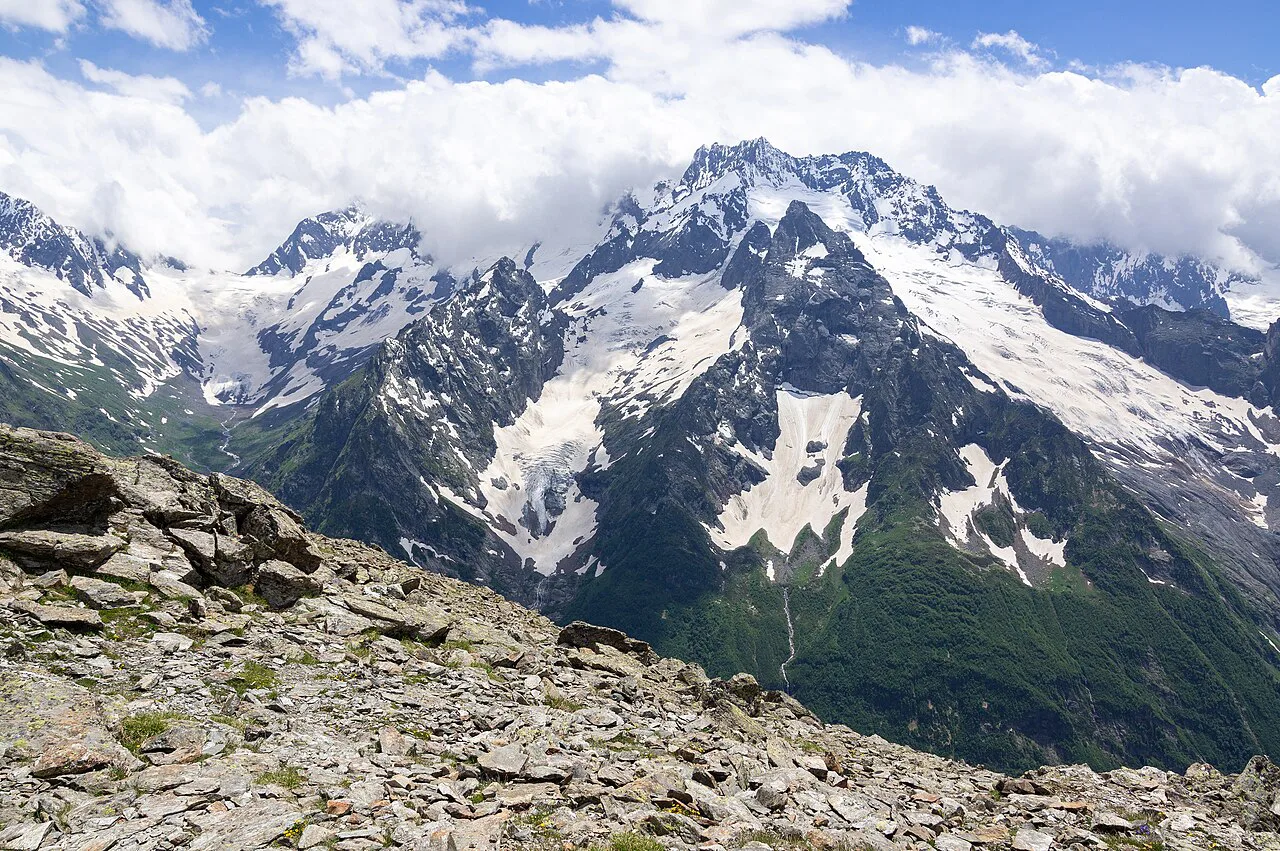
The Tour du Mont Blanc is the benchmark European circuit, roughly 170 km (106 miles) through France, Italy and Switzerland in about ten days around the highest mountain in the Alps. You sleep in mountain huts and valley villages, cross high passes with glaciers and snow-capped peaks in view, and gain considerable elevation over the circuit. It suits fit hikers who want big mountain scenery with a bed and a meal at the end of each day, and the Mont Blanc hiking guide covers the stages in detail.
Because the route crosses three countries, stages can start and finish at different lifts, buses and villages, which makes splitting the circuit practical if ten days is too many. Snow lingers on the highest passes early in the season, so plan the circuit for the core summer months and carry an ice axe and crampons only if your chosen variant demands them. Afternoon storms are common in the Alps, so start early and aim to be off exposed ground by mid-afternoon.
Hut-to-hut in the Alps: Berliner Höhenweg
Austria's Berliner Höhenweg runs about 70 km (43 miles) through the Zillertal Alps, starting near Finkenberg by Mayrhofen and taking two to seven days depending on how many stages you walk. It is strenuous alpine terrain: old cattle trails narrow to ledge-width paths above big drop-offs, with glaciers and peaks across the valley. The rewards are enormous, but this is no place for a first mountain route if you dislike exposure.
Huts on the route serve meals, which lightens your pack considerably. Go in July, August or early September, when the high paths are usually clear of snow, and book beds with the Austrian alpine club or the individual hut well ahead because the route is popular with Austrian and German walkers.
Coastal walking: Fisherman's Trail, Portugal
The Fisherman's Trail, part of the Rota Vicentina, tracks 226 km (140 miles) of Portugal's southwest coast from near Lagos to São Torpes in the Alentejo, through the protected southwest coast natural park. Cliffs, sandy beaches and small fishing villages line the route, and the full walk takes around 13 days; shorter sections work well because villages and farm stays sit close to the path. Soft sand makes some stretches harder than the distance suggests.
This is one of the best choices for a first multi-day trip or a spring walking holiday, when wildflowers line parts of the route. Luggage transfer companies let you walk bag-free between guesthouses, and you can dip in and out of stages by bus. Check tide times where the path drops onto the beach, because some sections are only passable at low water.
Long-distance classics: West Highland Way and the Camino
Scotland's West Highland Way covers 154 km (96 miles) from the outskirts of Glasgow to Fort William, passing lochs, forests and open moorland with increasingly dramatic Highland views. Most walkers take about a week, staying in villages and small hotels along the way, which makes it a gentler introduction to long-distance walking than an alpine circuit. Midges and rain are part of the deal in summer, so pack a head net and waterproofs.
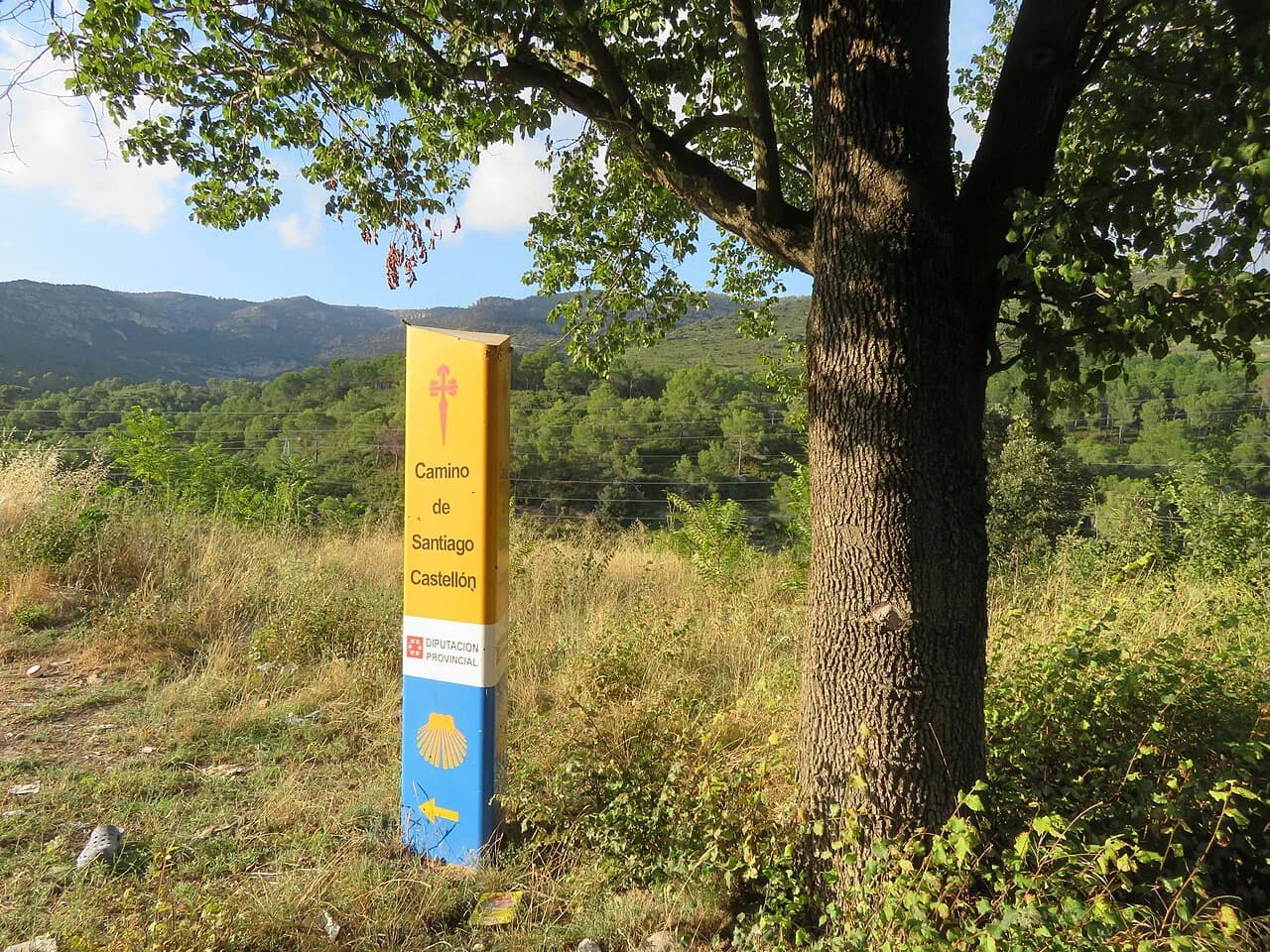
The Camino Francés is the best-known pilgrimage route to Santiago de Compostela, 800 km (497 miles) from Saint-Jean-Pied-de-Port in France across northern Spain to Galicia. It mixes mountains, forests, vineyards and historic cities, with plenty of asphalt but an unmatched sense of company among walkers from everywhere. The Camino de Santiago guide covers the practical detail of stages, pilgrim hostels and how to reach the start.
If you prefer a coastal Camino, the Camino del Norte covers 830 km (516 miles) along Spain's northern coast through San Sebastián, Bilbao and Santander, with cliffs, beaches and the Cantabrian mountains in view. It is tougher than the Francés with constant elevation change, but quieter and more varied, and it works well split into a week or two of walking.
Nordic wilderness: Kungsleden and Aurlandsdalen
Sweden's Kungsleden runs 425 km (264 miles) through Lapland from Abisko in the north to Hemavan in the south, and the northern section from Abisko is the easiest to reach and the busiest. Sources give lengths between 425 and 440 km, so treat the figure as approximate and choose your section before booking transport. You can camp almost anywhere under the right to roam, which lets you stop at the best pitches rather than at fixed huts.
The southern leg from Ammarnäs to Hemavan is quieter and involves crossing several lakes, sometimes by rowing boat. Huts run by the Swedish trekking association sit along the main route; the connecting Lapplandsleden, opened in 2021 and running 190 km (118 miles) from Hemavan to Borgafjäll, has no huts, so you need a tent. Walk either trail in midsummer to late summer, and expect mosquitoes in the forest sections.
Norway's Aurlandsdalen is a two-day, 40 km (25 miles) walk from Geiteryggen through a deep valley often called the Grand Canyon of Norway, finishing at Vassbygdi. There are no shops on the route, so carry all your food, and check bus times for the return from Vassbygdi before you set off. It is a lower, greener alternative to the high fjord routes and pairs well with a day or two in Flåm.
Big mountain routes: GR20 and GR10
Corsica's GR20 is often called the toughest long-distance hike in Europe: 200 km (124 miles) across the island past rugged peaks, steep cliffs and clear mountain lakes, on terrain that is technical and demanding at times. It suits experienced walkers with confident scrambling and navigation, and the rewards are sweeping views and a genuine expedition feel. Early summer still holds snow on the highest sections, so plan for mid-summer onwards.
The French Pyrenees are crossed by the GR10, roughly 950 km (590 miles) from the Atlantic to the Mediterranean, through remote valleys, mountain villages and glacial lakes. It is a demanding trek with significant elevation gain and rugged ground, best walked in sections over several summers unless you have months to spare. Snow on the high passes lingers into early summer.
Cross-border traverses and long thru-hikes
The Alpe Adria Trail runs 750 km (466 miles) from the foot of the Grossglockner in Carinthia through Austria, Slovenia and Italy to the Adriatic Sea, over about 43 days if walked in full. It is mostly a hotel-to-hotel route with few mountain huts and limited camping, so you can walk it with a light pack and a series of bookings. Most people take a section or two, and the Karawanken and Soča valley stretches give the best mountain scenery.
France's HexaTrek is one of Europe's newest long routes, 3,034 km (1,884 miles) from the Vosges to the Pyrenees across several mountain ranges, and it takes months to complete. Treat it as a menu of sections rather than a single trip. The Croatian Long Distance Trail runs 2,109 km (1,310 miles) from the far north of Croatia to the coast near Dubrovnik, mixing forests, national parks and Adriatic shoreline, and asks for more preparation because it is young and less travelled.
Trails that suit a one-week holiday
With seven days you can walk the Mullerthal's three loops, the West Highland Way with a rest day at the end, or a week of the Fisherman's Trail between Lagos and the Alentejo coast. In the Alps, a week covers most of the Tour du Mont Blanc if you use lifts and buses to skip a stage or two, though purists will want the full circuit. Pick the route whose daily ascent matches your current fitness rather than the one with the best photos.
Long trails split best where transport crosses them. The Alpe Adria has rail and bus links in the valleys, the Kungsleden can be joined at Kvikkjokk and Saltoluokta, and the GR10 and Camino Francés pass through villages with stations. Plan each week as a loop or a point-to-point with a known return bus, and keep a rest day spare for bad weather.
Huts, alpine clubs and luggage transfer
On alpine hut routes, beds are usually booked through the national alpine club or the individual hut, and the season runs from early summer to early autumn. Huts provide meals, which changes what you carry: on the Berliner Höhenweg you can buy food at the huts, while on the Lapplandsleden there are no huts at all, so you need a tent, stove and all your food. Club membership often brings member rates at huts, but check the terms when you book.
On hotel-based routes you can usually pay for luggage transfer so you walk with a day pack, which is how most walkers tackle the Fisherman's Trail and the Alpe Adria. On the Camino Francés, pilgrim hostels and village guesthouses make booking flexible, though popular stages fill in summer. Book the first and last nights before you leave and leave the middle flexible unless you are walking in peak season.
Best months and how season changes each route
High alpine routes such as the Tour du Mont Blanc and Berliner Höhenweg run from July to early September, when passes are clear and huts are open. Iceland's Laugavegur is best in July and August, when buses serve Landmannalaugar and the interior is accessible. The Kungsleden and Lapplandsleden have a short midsummer window, and the Irish and Scottish routes are at their best from late spring to early autumn, with midges at their worst in high summer.
Southern routes spread wider across the year: the Fisherman's Trail is at its best in spring, when wildflowers cover parts of the route, and again in autumn, while the Caminos and the Croatian trail can be walked from spring to autumn. Snow remains on high Pyrenean and Corsican passes into early summer, so plan those routes from mid-summer if you want clear paths.
Safety on exposed ground, rivers and storms
Alpine routes bring real exposure: the Berliner Höhenweg narrows to ledge-width trails with big drop-offs, and the GR20 is technical and demanding at times. If you are not comfortable on such ground, choose a valley or coastal route and build your experience first. A guide or a course in scrambling and navigation is a sensible investment before a first high route.
River crossings matter in Iceland and Scandinavia, where glacial rivers can rise fast after rain, so cross early in the day and turn back if the water is thigh-deep or fast. Afternoon storms are common in the Alps and Pyrenees, so start early, watch the sky, and descend from ridges and passes before the weather breaks. On coastal paths, check tide times before beach sections.
Plan Your Trek
Put your days, fitness and season in that order, then shortlist two routes rather than ten. A three-day Luxembourg traverse, a week on the West Highland Way or the Fisherman's Trail, and a ten-day alpine circuit each ask something different of your legs and your logistics. Once the route is set, book the first and last nights and the transport that reaches the trailhead.
For the wider picture of walks by country and difficulty, use the best hikes in europe directory to compare regions before you commit. The time you spend choosing the right trail will do more for your trip than any piece of gear.
Frequently Asked Questions
What is the best 3-day hike in Europe?
Luxembourg's Lee Trail is a strong three-day choice: 53 km from Ettelbrück to Kautenbach with 500 to 800 m of ascent each day and a train linking the two ends. It is steep in places but not technical, so it suits fit walkers making their first multi-day trip. Iceland's Laugavegur is the more spectacular option if you can travel in July or August and handle changeable weather.
Which multi-day hike in Europe is best for beginners?
The Mullerthal Trail in Luxembourg and the Fisherman's Trail in Portugal are the gentlest introductions. The Mullerthal offers 15 to 25 km stages that you can walk separately or link into a longer trip, and the Fisherman's Trail follows coastal villages where you can stop early, transfer luggage or catch a bus. Both let you build up days before committing to a longer route.
What is the toughest long-distance hike in Europe?
Corsica's GR20 is often named the toughest long-distance hike in Europe, with 200 km of technical, demanding terrain past steep cliffs and mountain lakes. The Alpe Adria and HexaTrek are far longer but mostly run on valley and hotel-based paths, so raw difficulty and total distance are different measures. Choose the GR20 only with solid scrambling and navigation experience.
When is the best time to walk a multi-day hike in Europe?
High alpine routes such as the Tour du Mont Blanc and Berliner Höhenweg run from July to early September, while Iceland's Laugavegur is best in July and August. Nordic trails fit a short midsummer window, and southern routes such as the Fisherman's Trail and the Caminos stretch from spring to autumn. Match the month to the route's altitude and snow rather than to your holiday dates.
Can I walk a multi-day trail in Europe without camping gear?
Yes. Many European routes are hotel-to-hotel, including the Alpe Adria Trail, the Fisherman's Trail and most of the West Highland Way, and luggage transfer companies can move your bag between stops. Alpine hut routes such as the Berliner Höhenweg provide beds and meals, so you can walk with a light pack. Camping gear is only essential on trails without huts, such as the Lapplandsleden.
How fit do I need to be for the Tour du Mont Blanc?
Expect around 170 km over about ten days with considerable elevation gain, so you need to be comfortable walking most of a day with a pack and climbing several hundred metres on consecutive days. Train on hilly routes with your loaded pack for several weeks before you go. If ten days is too much, use lifts and buses to skip stages or choose a shorter circuit first.
How do I split a long trail like the Kungsleden or Alpe Adria into a week?
Split where transport crosses the trail: the Kungsleden can be joined at Kvikkjokk and Saltoluokta, and the Alpe Adria has rail and bus links in its valleys. Choose a point-to-point week with a known return bus, book the first and last nights, and keep a spare day for weather. Walking a section rather than the whole trail is normal on both routes.
Sources
Trail notes for your next trip
Optional updates when we add or revise hiking guides.
You might also like
Continue reading
More guides you'll find useful