Hut-to-Hut Hiking in Europe: Which Route Suits You?
Compare Europe's hut-to-hut routes by days, daily ascent and difficulty, from easy Alpine loops to the Haute Route and GR20, and pick the one that fits you.
On this page
Europe is laced with marked long-distance trails, and a dense network of staffed mountain huts lets you walk them without carrying a tent. That combination makes multi-day walking possible in the Alps, the Carpathians, the Pyrenees, Iceland and Scandinavia, with a bed and a cooked meal waiting at the end of each stage. The real decision is not whether Europe suits hut-to-hut walking, but which route matches your fitness, your available days and the season you can travel.
Routes differ most in daily ascent, altitude and how much scrambling they ask of you, so treat those numbers as the filter before you fall for photographs. A route with modest daily climb but long days still demands stamina, while a short stage with exposed, hands-on ground can be harder than a bigger day on a good path. Read stage profiles against your usual hill day, then pick a route one notch below your maximum.
Why Europe's hut network makes multi-day walking straightforward
Mountain huts have been part of European walking culture for generations, offering homely comforts and local traditions along the trails. They range from staffed refuges with dormitories and cooked meals to smaller huts with simpler facilities. The practical result is that a week-long traverse can be done with a light pack, since bedding and food are usually available on the way, which changes the fitness a route demands.
Hut-to-hut touring is established across Switzerland, Italy, Austria, Slovenia and beyond, and companies run both guided and self-guided versions of the classic routes. A self-guided format typically supplies the itinerary, hut reservations and often luggage movement, while a guided trip adds a mountain professional to lead the way. Which suits you depends on how confident you are with navigation, booking systems and language barriers, not on how fit you are.
Reviews from walkers on these trips highlight the logistical side as much as the scenery: itineraries worked out in advance, huts ready on arrival, and transport arranged between stages. That is a useful reminder that on a hut-to-hut route the planning is half the trip. If you would rather not manage hut bookings and transfers yourself, a package earns its keep on the harder logistics, not on the walking.
One caution applies everywhere: huts are seasonal businesses tied to snow conditions, and their calendars vary by range. Do not assume a hut you read about is open in May or October simply because the trail is snow-free. Verifying with each hut's own page before you commit is the single most useful planning habit for a hut-to-hut itinerary.
How to choose a route: days, daily ascent, altitude and hut booking system
Start with the number of days you can actually walk, then look at the daily ascent each route asks. Three to five days suits a first hut-to-hut trip; longer classics run a week or more and reward the extra time with better acclimatization and fewer rushed stages. Be honest about consecutive days: a single big day is a weekend outing, while seven days of climbing is a different physical proposition.
Altitude matters as much as distance on routes that sleep high. Stages that keep you above roughly 2,000 m (6,500 ft) for days at a time slow many hikers, and the sensible response is a shorter first day and an extra night low before the highest pass. Ask whether the route crosses glaciers or snowfields, because that decides whether you need an axe, crampons and rope skills or just boots and poles.
Booking systems vary by country: some ranges run on national alpine club reservations, others on hut-by-hut booking through hut management or a regional portal. A package deal removes that work, but self-planners should identify the booking channel for every hut on the itinerary before buying transport. Group sizes, half-board versus self-catering and cash-only payment are the usual practical questions to settle at booking time.
Beginner-friendly hut-to-hut routes in Austria and Slovenia
Austria's long-distance trails, including the Adlerweg across the Tyrol, are built around a dense hut network with stages that can be shortened using valley villages and lifts. That flexibility makes the country a good place for a first hut-to-hut trip: you can string two or three moderate stages together and bail out to a village if weather turns. Paths are well marked and the huts are used to English-speaking walkers.
Slovenia offers a compact alternative through Triglav National Park and the Julian Alps, where the Slovenian Mountain Trail links huts over high limestone terrain. Stages here are shorter in distance than Alpine traverses but often steeper, with fixed sections and exposure on some passages. Choose it as a beginner route only if you are comfortable with a bit of scrambling and can handle confident, narrow-path walking.
Both countries let you test the format cheaply: plan a two-night loop, sleep in two different huts, and see how your body handles consecutive days before committing to a longer route. Carry cash, a sleeping bag liner and earplugs, and expect shared dormitories. If the loop goes well, the step up to a full traverse is straightforward.
Switzerland and Italy: classic high routes in the Alps
Switzerland's Via Alpina stages and the high routes around the big Alpine passes offer some of Europe's best-marked hut-to-hut walking, with consistent signage and a strong hut tradition. Distances between huts are typically chosen so that one stage is a solid day of five to seven hours, and some stages can be cut short with cable cars. Elevation gain per day tends to be substantial, so train on hills with a pack. If you are weighing this against other Alpine classics, our guide to hiking in Switzerland sets out the best trails and seasons alongside it.
Italy combines the Alps with the Dolomites and offers a different character: limestone towers, via ferrata terrain and rifugi that vary from full-service to basic. Many hikers use lifts to gain height quickly from valley villages and then walk hut to hut along the high balconies. Check lift operating seasons before planning a route that depends on them, since a closed lift can add a very long valley walk.
For a first high Alpine route, pick one with an escape route at every stage and huts close enough that bad weather only costs you a day. Leave the multi-day glacier crossings until you have snow and rope skills or a guide. Both countries reward booking early in the popular summer weeks, when the best-located huts fill.
The Walker's Haute Route and the Tour du Mont Blanc compared
The Tour du Mont Blanc circles the Mont Blanc massif through France, Italy and Switzerland and is the more sociable of the two: a well-defined circuit, frequent villages and hundreds of walkers on the trail. Its stages can be shortened by lifts and buses, and the classic circuit takes about a week and a half of walking. It suits strong day-hikers moving up to multi-day travel, provided they are prepared for sustained ascent and descents.
The Walker's Haute Route runs from Chamonix to Zermatt and is the more serious undertaking. It is a linear traverse, so an injury or a storm forces a real change of plan rather than a shortcut back to the start, and the route has fewer easy bail-outs. It rewards fit, experienced walkers who want high passes, glacier views and remote-feeling stages without technical climbing.
Choose the Tour du Mont Blanc if this is your first long European circuit or you want flexibility, and the Haute Route if you already have hut experience and want a route with more solitude and altitude. On both, afternoon thunderstorms are a regular summer feature: start early, cross the highest passes before midday, and treat an early arrival at the hut as a good day rather than a wasted one.
Dolomites hut-to-hut loops: Alta Via 1, Alta Badia and Tre Cime
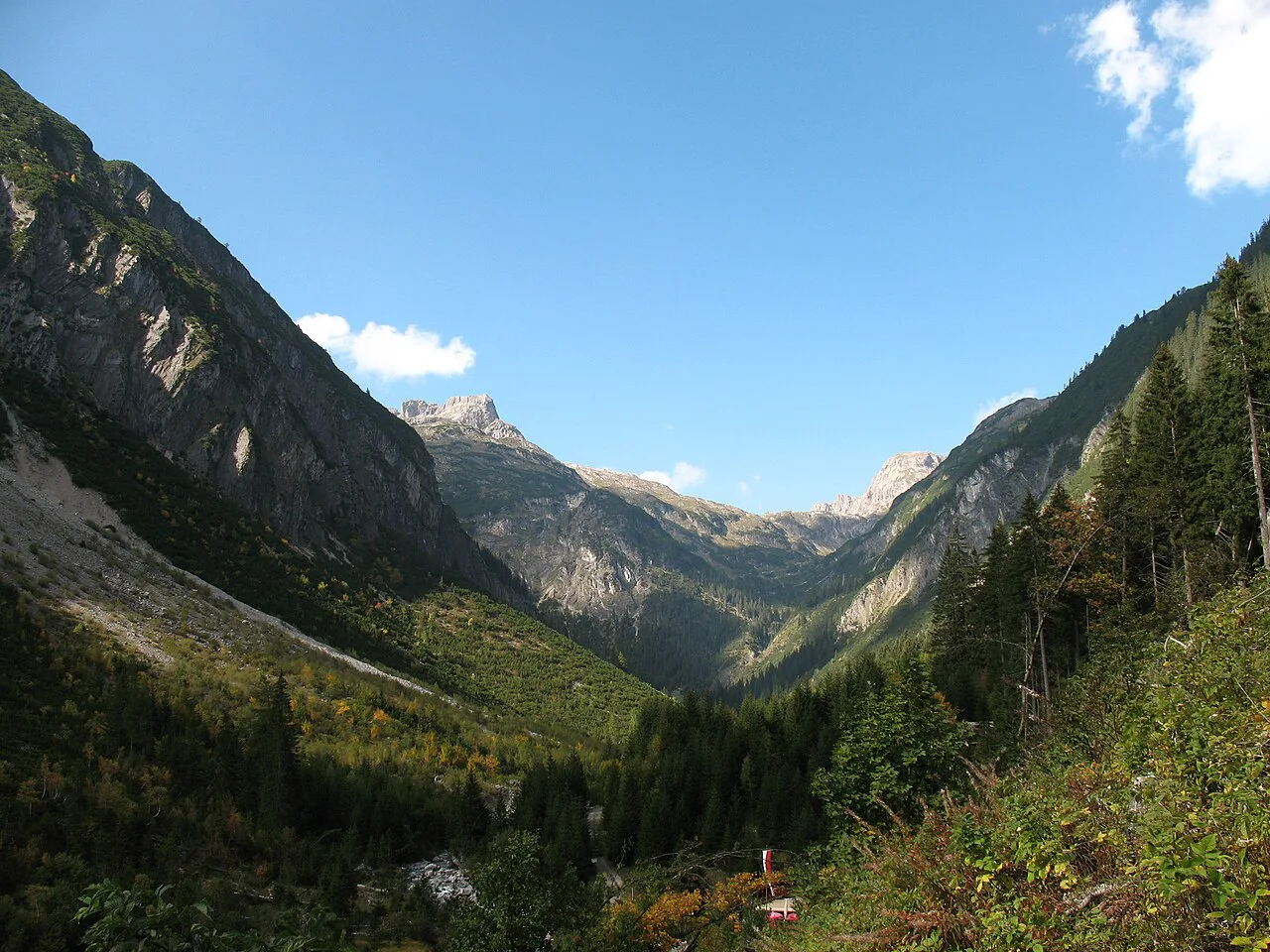
The Dolomites are perhaps the most spectacular place in Europe for hut-to-hut walking, with limestone walls, high alpine meadows and rifugi placed close together. The Alta Via 1 is the classic north-to-south traverse, crossing high ground with huts spaced for comfortable days and some exposed sections. It suits fit walkers with the confidence to handle steep, rocky ground and the odd fixed cable on harder passages.
Shorter options are easier to fit into a week: the Alta Badia hut-to-hut loop, the Tre Cime di Lavaredo circuit and the Seceda and Alpe di Siusi traverses all combine high scenery with comfortable nightly stops. Some hikers use lifts to reach the high ground and then walk between rifugi, which cuts the valley climb but still means long days of descent. Check the lifts' seasonal calendars before depending on them to reach a trailhead.
Dolomites rifugi are busy in July and August, and the most popular loops fill early. Book every night before you travel rather than relying on spur-of-the-moment space, and plan the route so that a storm-bound day can be spent in a hut rather than in a hurry. Late June and September are quieter and often preferable for walkers without school holidays.
Island and northern routes: Iceland's Laugavegur, Norway and the Tatras
Iceland's Laugavegur trek, often extended with the Fimmvörðuháls section, is a hut-to-hut classic through volcanic highlands with hot springs, rhyolite mountains and river crossings. Huts must be booked well ahead and the walking season is short, concentrated in the summer months. Weather changes fast and cold, so this is a route for walkers with solid gear and some river-crossing confidence.
Norway's huts and the Tatras, shared between Poland and Slovakia, offer wilder, quieter multi-day walking than the Alps. In the Tatras, stages are steep and the high routes involve fixed chains and exposure, so treat them as intermediate rather than beginner territory. In both areas the hut network is thinner than in the Alps, so daily plan B options are limited and careful stage planning matters more than raw fitness alone.
If you are drawn to Iceland specifically, the combination of Laugavegur and Fimmvörðuháls with huts and transport arranged in advance is a popular format, and reviews of organised trips report that pre-arranged huts and transport remove the main sources of stress. It is a good example of a route where a package genuinely earns its place, because the logistics are the hard part, not the walking.
These northern routes are also less forgiving of over-ambitious schedules. Plan shorter days than you would at home, accept weather days, and carry more food and warm layers than feels necessary in the valley. That conservatism is what makes a week in Iceland or Norway enjoyable rather than a grind.
Pyrenees and GR20: when to pick the tougher options
In the Pyrenees, the high routes linking Spanish and French mountain huts offer long, sustained days with big ascents and often-remote terrain. Huts exist along the way, but the network is more scattered than in the Alps, and stages demand real fitness. Walking later winds and cooler temperatures in September is often more pleasant than the height of summer, when storms build over the high peaks in the afternoon.
Corsica's GR20 is a different league: a two-week traverse of the island's mountains, with steep granite, chains and exposed passages, and huts at intervals along the way. It is the route to pick when you want a genuine mountain challenge rather than a comfortable holiday and you are prepared for long days, rock and mixed weather. Choosing your direction and pace matters, and many hikers take it as a first major traverse only after several seasons of Alpine walking.
Pick a Pyrenees route if you want big mountain days in a rugged range and can commit to careful stage planning. Pick the GR20 if you want the toughest classic route in a compact island range and are willing to accept that some sections are slow, exposed and physically demanding.
How hut bookings work and which alpine clubs run the huts
Most European mountain huts are run by national alpine clubs, regional associations or private families, and the booking channel follows the owner. Some large clubs operate their own reservation systems and offer member discounts, while privately run huts may take bookings by phone or email. On a multi-day route you need to confirm the channel for each hut individually, because a single system will rarely cover the whole itinerary.
Reservations usually include a bed, often with a discount for club members, and sometimes a set dinner and breakfast. Breakfast is part of the classic deal, but self-catering is normal on some routes in Iceland, Norway and the Pyrenees. Carry cash for small huts and be ready for shared dormitories and early lights-out.
If you prefer not to manage relationships with a dozen hut managers, a self-guided package passes that work to Hut To Hut Hiking Europe, while a guided trip removes it entirely. Both trade money for time and flexibility. Before booking, match your route to your available days, then build the hut reservations around those stages rather than the other way round.
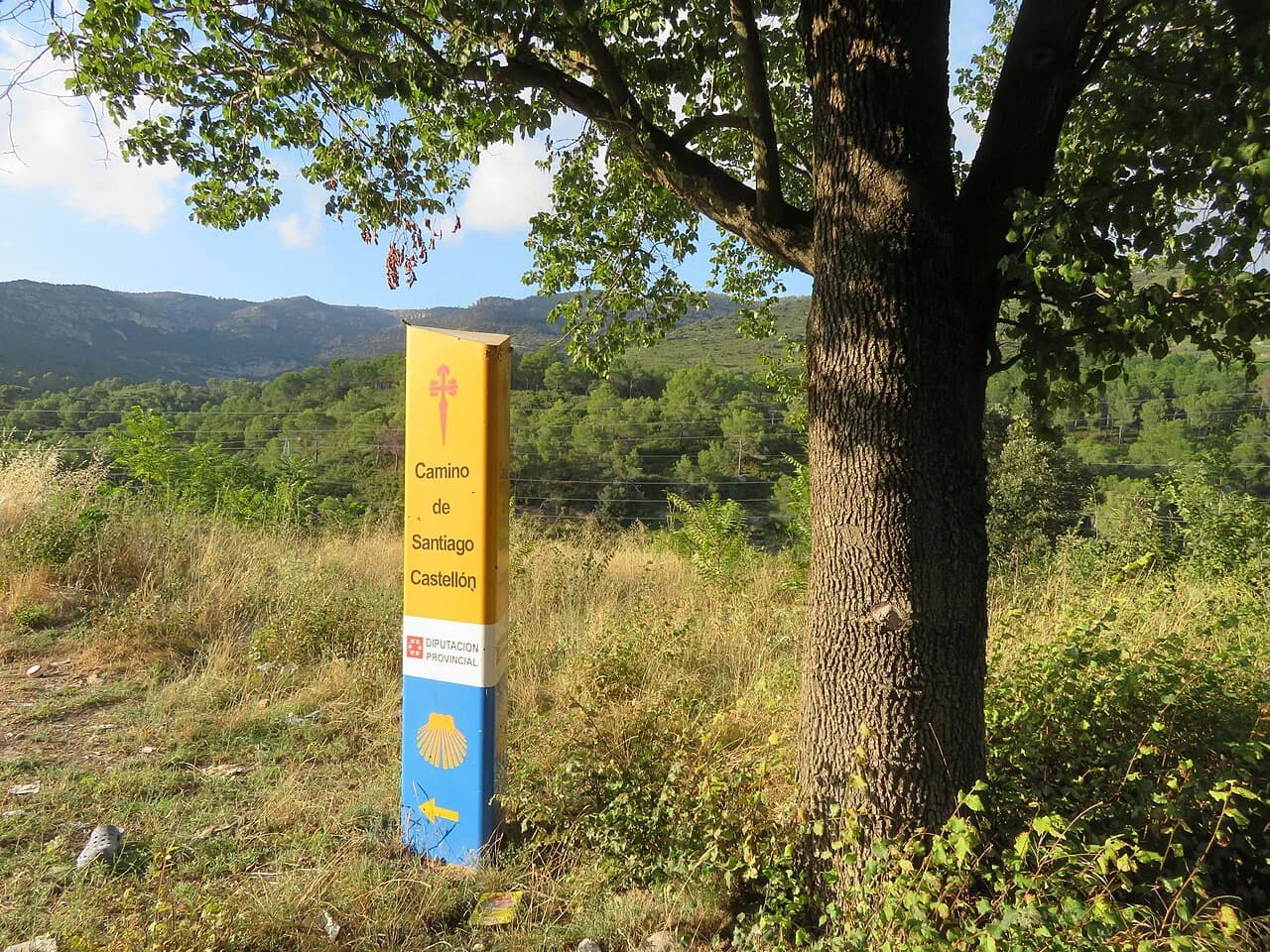
If you are combining a hut-to-hut walk with a longer pilgrimage, the camino de santiago offers a different rhythm of village albergues rather than mountain huts. Walking a section of it, or ending in Santiago de Compostela, makes a fine complement to an Alpine trip, but the two formats ask for different planning and different gear.
Getting to the start and back from the finish
Transport to the trailhead and home from the finish should be part of route choice, not an afterthought. Alpine valleys are well served by trains and buses, and lifts and cable cars often climb to high trailheads, which saves a long valley climb on the first day. The trade-offs are real: lifts run seasonally, and a missed connection can cost you a day of walking.
Linear routes like the Walker's Haute Route or the Alta Via 1 need a plan that ends somewhere with transport out, so arrange the return leg before you leave home. Loops make this easier and are a good reason to favour them for a first trip. In Iceland and Norway, transport is sparse, so pre-booking lifts or a bus to the trailhead is normal practice.
If you are used to planning walks back home, England hiking offers useful contrast: routes like the Pennine Way and Coast to Coast rely on pub accommodation and village buses rather than alpine huts. The same principle applies, though, in that a route's quality depends on getting to the start and away from the finish without wasted days.
Packing, hut etiquette and daily rhythm on the trail
On a serviced hut route, a 30 to 35 litre pack is usually enough: clothing, a sleeping bag liner, personal items and a water bottle, with bedding and food supplied. That changes daily distance, since a light pack lets you walk five to seven hours comfortably, while a camping setup cuts your range. Pack for layers rather than bulk, and remember that huts are communal spaces with early starts and quiet rules after dark.
The daily rhythm that works on most routes is simple: start early, cross the highest point before the afternoon build-up, and arrive at the next hut with time to wash, rest and eat. Storms in the Alps and Pyrenees often form in the afternoon, and on exposed ground that is when you least want to be there. If weather is poor, a rest day in a hut is a normal part of hut-to-hut walking, not a failure.
Read the route's character before you set off: rocky paths with exposure need more concentration than grassy balcony trails, and some Dolomites and Tatras stages involve chains or steep rock. Budget more time than the average for those days. If you are not sure you can handle the hardest stage, pick a route with an easier alternative in reserve.
Season timing and hazards by region
Hut opening seasons drive everything. In the Alps, most huts are open roughly from mid-June to late September, with some opening later or closing earlier depending on snow, and early or late-season walkers may find huts shut or passes still holding snow. That makes late spring and early autumn risky for hut-to-hut plans unless you have confirmed each hut's calendar for your dates.
Snow on passes, afternoon storms and river crossings are the hazards that most often force changes of plan. In Iceland, cold weather and fast rivers are the recurring issues, while in the Dolomites and the Tatras exposed ground and rockfall demand concentration. Tides matter only on coast paths, which are outside the scope of the Alps but relevant if you add a coastal walk to a trip.
The practical response is to travel in the shoulder weeks if you want quiet huts, but keep a flexible day in reserve and check hut calendars for every night before booking transport. Late June and early September are usually the sweet spots: huts tend to be open, snow has mostly cleared, and the trails are quieter than in August. Confirm each hut's open dates directly with the hut or its operator as your trip approaches.
Plan Your Visit
Pick your route by daily ascent and number of days, not by photographs: a first hut-to-hut trip suits a three to five-day loop with escape routes, while fit, experienced walkers can graduate to the Walker's Haute Route, the GR20 or a Dolomites traverse. For broader inspiration on continental walking, browse the best hikes in Europe and treat a hut route as a week-long commitment rather than an extended day walk.
Then build the logistics in this order: choose the route, confirm each hut's booking channel and season, arrange transport to the trailhead and back from the finish, and only then book anything else. A self-guided package or guided trip is worth the cost where logistics are hardest, and any hiker who has walked a few good routes knows which parts of planning they would rather not do. Plan conservatively, walk early each day, and keep one day in reserve.
Frequently Asked Questions
What is the most famous hut-to-hut hike in Europe?
The Tour du Mont Blanc is the best known: a circuit through France, Italy and Switzerland with frequent villages, well-established huts and options to shorten stages by lift or bus. The Walker's Haute Route from Chamonix to Zermatt and the Dolomites' Alta Via 1 are the other classic names. For a first trip, the Tour du Mont Blanc is the easiest of the three to manage.
How many days does a hut-to-hut hike in the Dolomites take?
It depends on the route: classic traverses such as the Alta Via 1 are typically taken in about a week to ten days, while shorter loops like the Tre Cime di Lavaredo or the Alta Badia hut-to-hut loop can be done in two to four days. Plan the number of days first, then select a route whose stages match your preferred daily ascent.
Which European hut-to-hut route is best for beginners?
Austria is the most forgiving choice, because hut networks are dense, stages can be shortened with lifts and valley buses, and villages give a bail-out option. A two or three-night loop in the Austrian Alps or the Julian Alps in Slovenia is a sensible first step before moving to longer traverses such as the Tour du Mont Blanc.
Do you need to book mountain huts in advance?
Yes in the popular summer weeks, when the best-placed huts on classic routes fill. Booking channels differ by hut: some are on national alpine club systems, others take phone or email reservations, and a self-guided package can handle bookings for you. Reserve every night before you buy transport, and keep one flexible day in reserve.
What is the cheapest way to do a hut-to-hut hike in Europe?
The most economical approach is to plan and book self-organized, staying in club-run huts with simple facilities and carrying your own food where self-catering is allowed. Costs are driven by the route's country, the number of nights and whether you use lifts and transfers, so compare hut rates and transport for each plan rather than relying on averages.
When is the best season for hut-to-hut hiking in Europe?
In the Alps, huts mainly open from mid-June to late September, making late June and early September the quietest reliable windows. Iceland's window is a short summer season, while the Pyrenees often suit September better than high summer. Always match your dates to the hut calendars for the specific route.
Do I need a guide for a hut-to-hut route in Europe?
No for most well-marked routes: the Tour du Mont Blanc, the Alta Via 1 and many Austrian and Swiss stages are waymarked and done self-guided by experienced walkers. A guide becomes advisable on glacier crossings, exposed via ferrata sections or routes with long remote stretches and few escape options.
Sources
Trail notes for your next trip
Optional updates when we add or revise hiking guides.
You might also like
Continue reading
More guides you'll find useful