Europe Walking Holidays: Choose Self-Guided or Guided
Compare Europe walking holidays by format: self-guided, inn-to-inn, single-centre and guided, and match distance, terrain and luggage logistics to your fitness.
On this page
Europe walking holidays let you choose the landscape first and the logistics second, from Alpine passes to Atlantic coast paths and pilgrimage trails. The format you book shapes everything else: how much route-finding you do, whether your bags move with you, and how fixed your dates are. Decide those three things before you compare destinations.
The main split is between self-guided travel, where you walk with route notes or GPS and set your own pace, and guided trips, where a leader handles navigation and scheduling. Within self-guided holidays, operators distinguish hotel-to-hotel walking with daily luggage transfer from single-centre stays where you return to one base each evening, a structure that suits hikers who prefer unpacking once and choosing a different day walk from the same doorstep.
What a Europe walking holiday includes and who each format suits
A walking holiday is a trip built around walking rather than transport, with accommodation and route guidance arranged in advance. That can mean a point-to-point route linking villages, a series of day walks from one hotel, or a guided group following a set itinerary. The common thread is that the walking is the reason for the trip, not an add-on between sights.
Match the format to how you like to decide things. Self-guided suits hikers who want to start when they choose, pause for photographs and skip a day without asking anyone. Guided trips suit people who would rather not navigate, want local knowledge built into the day, and are happy with a group timetable. Single-centre holidays sit in between: fixed accommodation, flexible daily routes.
If you are still choosing terrain rather than format, start with a survey of the best hikes in europe to see which landscapes pull you, then return to the logistics question. A coastal path and an Alpine valley demand different preparation even when the daily distance looks similar.
Self-guided walking holidays: route notes, GPS and daily choices
On a self-guided holiday you carry the route-finding responsibility. Operators supply written route notes and increasingly GPS tracks, but you are the one reading them on the ground, judging a junction and deciding when to turn back. Route notes are only as good as their currency, so ask how recently your operator updated the notes for your specific itinerary, and check current prices and dates when you plan.
Self-guided formats vary widely. Point-to-point routes move you between villages, short breaks compress a region into a few days, and flexible formats offer a menu of routes each day so you can pick a shorter option when legs or weather argue for it. The trade-off is that nobody adjusts the plan for you mid-trip, so build in slack on the hardest day rather than the easiest.
Walking Holidays Europe organizes self-guided hiking across Alpine and Mediterranean regions, including the Dolomites, Slovenia, Madeira and the Amalfi Coast, which makes it a useful starting point if you want one operator's view of several landscapes. Compare what each itinerary actually includes, particularly transfers and baggage handling, before you commit.
Inn-to-inn walking: daily distance, baggage transfer and moving hotels
Inn-to-inn walking means a new bed most nights and your luggage moved ahead, so you walk with a day pack only. It suits hikers who want a journey with a sense of progress rather than a series of loops from one base. The cost is rhythm: you pack every morning, eat in a different village each evening, and cannot easily take a rest day without disrupting a booking chain.
Macs Adventure runs self-guided inn-to-inn hiking across Europe, with baggage transferred ahead each day and routes ranging from Alpine classics such as the Tour du Mont Blanc to coastal trails and pilgrimages. Check how many consecutive walking days your chosen itinerary demands and whether any transfer days break them up.
Single-centre walking: one base, day walks and local transport
Single-centre walking keeps you in one hotel and sends you out on different routes each day, either from the door or by local bus, train or your own car. This format suits hikers who value a settled base, mixed-ability groups and the freedom to abandon a walk early without unwinding a booking chain. It also works well when the region has more good walks than you could string into one linear route.
Inntravel separates centre-based walking with a car from centre-based walking without one, a distinction worth taking seriously. A car widens your reach but commits you to driving mountain roads after a long day; public transport keeps the day car-free but ties your finish time to a timetable. Choose based on whether your priority is range or simplicity.
Guided group tours and when a guide earns its place
A guide earns the fee on terrain where route-finding, snow or exposure genuinely raise the stakes, and on routes where local interpretation changes what you notice. On well-waymarked valley paths a guide mostly buys company and scheduling; on high passes, glacier edges or via ferrata a guide can be the difference between a sound decision and a lucky one.
Guided trips also suit hikers who want the day planned without reading notes at breakfast, or who are traveling alone and prefer a group. The trade-off is fixed dates, fixed pace and less room for spontaneous detours. If you are weighing a guided week against a self-guided one, compare the actual walking hours per day rather than the headline grade.
Walking grades explained: daily distance and ascent in practice
Grade labels are operator-specific, not universal, so read the daily figures behind them. Inntravel defines its easiest grade (Grade 1) as roughly 5 to 10 kilometres (3 to 6 miles) per day with few ascents, its Grade 2 moderate band as around 10 to 15 kilometres (6 to 9 miles) with regular up and down, and its Grade 2-3 moderate-to-challenging band as days of roughly 7 to 20 kilometres (4 to 12 miles) with significant ascent and descent. Use those bands to sanity-check a tour against your normal weekend walk.
Distance alone misleads in the mountains. A 12-kilometre day with 900 metres (about 2,950 feet) of ascent takes far longer than the same distance on a valley floor, and steep descents tire different muscles than climbs. Match the ascent figure and the terrain description to a walk you have actually done recently, then add a margin if the tour runs above 2,000 metres (6,560 feet).
Classic long-distance routes worth planning a week around
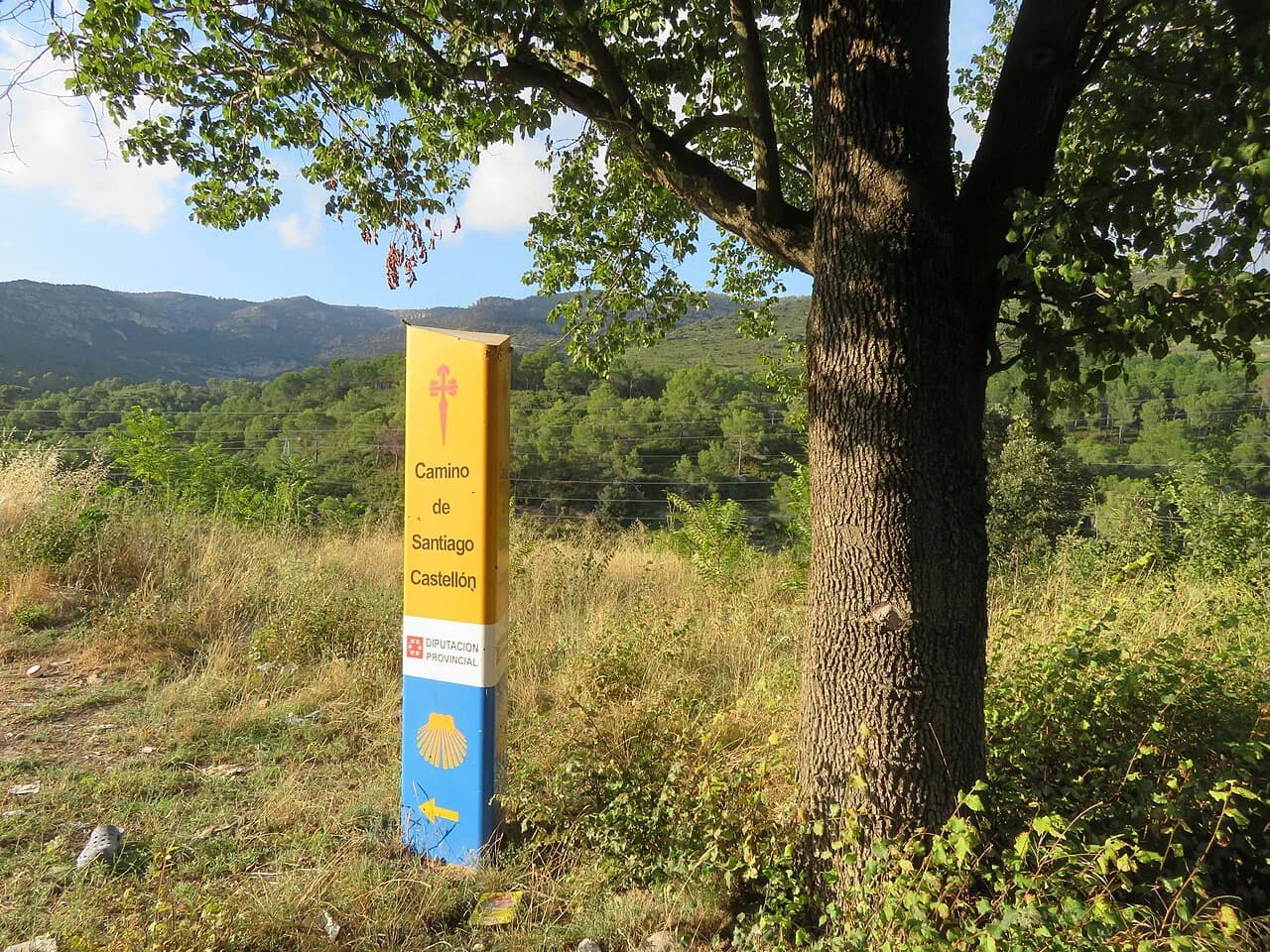
Some routes reward a full week because the landscape changes as you move. The Tour du Mont Blanc circles a massif through three countries, the Alta Via routes thread the Dolomites, and the Camino de Santiago draws walkers across northern Spain toward Santiago de Compostela. Each rewards planning around stages rather than single days.
For the Camino, operators offer full routes and final stages, so decide whether you want the full walk or the last stretch into Santiago de Compostela before you compare anything else. The final stage concentrates pilgrims, services and accommodation in a short distance, which suits a first long-distance walk.
Mountain regions: Alps, Dolomites and Bernese Oberland
Alpine walking splits into two practical styles: valley-based day walks reached by lift or bus, and hut-to-hut traverses that climb high and stay high. Valley bases in the Bernese Oberland and the Dolomites give you lift access to altitude without carrying a full pack, while traverses demand booking huts in advance and accepting shared dormitories and fixed dinner times. If a multi-day traverse tempts you, the Mont Blanc hiking guide shows how stages and hut bookings fit together on a classic circuit.
Snow lingers on high passes into early summer and returns in autumn, so pick passes that face the sun or plan a lower route early and late in the season. Afternoon storms are a real feature of Alpine summers; start early, and be off ridges and summits by the time clouds build. A short detour into Italy's Gran Paradiso National Park suits hikers who want quieter valleys than the Dolomite honeypots.
Coastal and island walking: Amalfi, Cinque Terre, Madeira, Croatia
Coastal walking swaps altitude for steps, heat and exposure. Amalfi Coast and Cinque Terre routes climb and descend stone staircases between villages, so a modest distance can take longer than the map suggests, and summer heat argues for early starts and short days. Madeira's levada paths and cliff routes offer cooler air, while Croatia's islands trade mountain passes for rocky shoreline and sometimes rough footing.
On island and coast paths, tide tables and boat timetables can matter as much as the route notes, and paths sometimes close for repair or landslips. Check the status of any section your itinerary depends on with the local park or trail authority before you travel, since a single closed stretch can break a linear walk.
Pilgrimage routes: Camino de Santiago and Via Francigena
Pilgrimage routes suit walkers who like simple daily rhythm: walk, eat, sleep, repeat, with villages close enough together for short stages. The Camino Francés is the most trodden of the Camino de Santiago routes, and the Via Francigena runs toward Rome, with its final stage covering the last 100 kilometres into the city, a stretch operators build into shorter itineraries. Both mix easy valley walking with occasional stiff climbs.
Booking matters more than on day-hike holidays. Public albergues on the Camino generally cannot be reserved, while private hostels and hotels can, so decide how much certainty you want. Carry cash for villages without card readers, and treat the last 100 kilometres into Santiago de Compostela as the busiest stretch, especially in summer.
Choosing a country for your first European walking holiday
For a first trip, pick a country whose terrain matches your fitness rather than its reputation. England and northern France offer gentle, well-waymarked countryside and short daily distances; Switzerland and Austria deliver big Alpine views but demand comfort with ascent and altitude; Portugal, Spain and Italy combine warm coastal walking with village-to-village logistics and good food.
Consider how you will reach the trailhead and how you will get home from the finish, because a beautiful route with an awkward transfer eats a day. Look at trail organizations and tourism boards for official route maps and public transport links before you choose a company, then see whether its itinerary uses the same route and villages you have read about.
Short breaks of three nights and what fits in them
Three nights gives you two full walking days plus arrival and departure, so choose a compact region rather than a long-distance route. Single-centre breaks work best: one base, two contrasting day walks, no moving hotels and no wasted transfer morning. A linear route in three nights usually means one long day and one short one, with the risk that a missed connection ruins the walking.
Pick a base with rail access if you can, so arrival and departure eat hours rather than half days. For a short break, avoid routes whose highlights sit at the far end of a long transfer, and choose a base where the best walk starts from the door. Hikers wanting a bigger challenge should look at something like the GR20 in Corsica, but treat it as a full expedition rather than a weekend.
Fitness, boots and preparation before you book
Train by walking the daily distances and ascent your itinerary lists, not by gym sessions alone. If the tour promises 15 kilometres with 800 metres of ascent, do that walk on consecutive days at home and see how you recover; the second day tells you more than the first. Wear the boots or shoes you will actually travel in, and break them in over several weeks.
Practice with your GPS app and route notes before you go, including what happens when a track fails or a battery dies. Carry a paper map of the route as backup, and know how to read a junction on it. Hikers used to waymarked trails such as England's Pennine Way sometimes find marked Alpine routes less obvious on the ground and benefit from practicing navigation first.
Season, weather and trail conditions by region
Southern coastal routes such as the Amalfi Coast and Madeira work best in spring and autumn, when heat is manageable and paths are quieter. Alpine routes concentrate their reliable walking into summer, with snow persisting on north-facing passes into early summer and returning in autumn. Pilgrimage routes in northern Spain are walkable across a long season but get hot and crowded in midsummer.
Build weather flexibility into the plan: keep one spare day for a storm-bound pass, and check forecasts for the specific valley rather than the region. If a high route is closed or unsafe, have a lower alternative in mind, such as a valley walk or a lift-assisted traverse on the sheltered side of the range.
Budgeting a walking holiday beyond the headline price
Headline prices rarely tell the whole story. Add transfers between airport and trailhead, lunches on the trail, drinks and any extra nights, then compare operators on the same basis. Self-guided travel usually trims the guiding cost but shifts some transfer arrangements onto you, while guided trips bundle more but fix your dates.
Published prices change by season, group size and room type, so read the current booking page for a specific departure rather than a brochure figure. Macs Adventure lists European hiking tours with sample starting prices, which is useful for comparing formats but not a quote for your dates. Add a margin for the extras that itineraries exclude.
Plan Your Visit
Choose the format before the destination: self-guided if you want freedom and can navigate, inn-to-inn if you want a journey with your bags moved, single-centre if you want one base and flexible days, guided if you want the decisions taken. Then match daily distance and ascent to a walk you have done recently, not to an optimistic version of yourself.
Before booking, check the walking hours per day, what transfers are included and how current the route notes are. For any route that depends on a lift, ferry, hut or seasonal pass, confirm details for the season you plan to travel, since those change year to year.
Frequently Asked Questions
What is the difference between self-guided and guided walking holidays?
Self-guided holidays give you route notes or GPS tracks and let you walk at your own pace, with accommodation booked in advance but navigation your responsibility. Guided holidays include a leader who handles navigation and scheduling, with fixed dates and a group pace. Self-guided suits independent hikers; guided suits those who would rather not navigate or who are traveling alone.
How fit do I need to be for an inn-to-inn walking holiday in Europe?
Fit enough to walk the listed distance and ascent on consecutive days without needing a rest day. Check the daily figures, not the grade label, and compare them with a recent two-day walk you have done. If the itinerary climbs more than you are used to, train on hills for several weeks before you go.
What is a good first European walking holiday?
A single-centre week in a well-waymarked region, or a short linear route with short daily stages, lets you test the format without committing to a long traverse. England, northern France and lower Alpine valleys offer gentle terrain and good transport. Hikers confident in ascent can start with a moderate Alpine valley base and lift-assisted day walks.
Can you do a three-day walking holiday in Europe?
Yes, but choose a compact region and expect two full walking days around arrival and departure. A single base with two contrasting day walks works better than a linear route, which leaves little margin for a missed connection. Keep transfers short and pick a base with rail access.
What does baggage transfer mean on a walking holiday?
On inn-to-inn routes, the operator moves your main luggage ahead to the next hotel while you walk with a day pack. That means packing a small overnight bag and accepting that your bag arrives in the evening. Confirm exactly what is transferred and when, since terms differ between operators and itineraries.
When is the best time to walk in the European mountains?
Summer for high Alpine passes, when snow has cleared, and late spring or early autumn for coastal routes and pilgrimage trails, when heat is manageable. Snow can linger on north-facing passes into early summer and return in autumn. Afternoon storms are common in Alpine summers, so plan early starts and keep a spare day for weather.
Do I need a guide for Alpine walking in Europe?
Not for well-waymarked valley and hut paths in summer. A guide earns the fee on glacier crossings, via ferrata, high passes with residual snow or anywhere route-finding and exposure raise the stakes. If you are unsure whether a route needs one, ask the local alpine club or hut warden for current conditions.
How do I choose between the Camino de Santiago and the Via Francigena?
The Camino de Santiago has the denser pilgrim infrastructure, with more villages, hostels and baggage services, which suits first long-distance walks. The Via Francigena runs toward Rome and feels quieter, with longer stretches between services in places. Both reward walkers who enjoy a simple daily rhythm and short stages over technical terrain.
Sources
Trail notes for your next trip
Optional updates when we add or revise hiking guides.
You might also like
Continue reading
More guides you'll find useful