Camino de Santiago: Routes, Distances and How to Choose
Compare the Camino de Santiago routes by distance, terrain and difficulty, see where each starts, how to reach it and when the walking season runs.
On this page
The Camino de Santiago is not a single trail but a web of waymarked pilgrim routes that end at the cathedral in Santiago de Compostela, in Spain's northwestern Galicia region. That choice is the first real decision you make: a month-long crossing of northern Spain, a two-week coastal walk from Porto, or a week in rural Galicia all count as a Camino.
Each route rewards a different hiker. The Francés gives you the busiest, best-supported path and a Pyrenean mountain pass on day one; the Portugués Coastal trades climbing for Atlantic boardwalks; the Primitivo is the one to pick if you want mountain terrain and long, quiet days. Decide on distance available, terrain tolerance, crowd appetite and how easily you can reach the start, and the shortlist narrows fast.
What the Camino de Santiago is
Historically a Christian pilgrimage to the believed tomb of St James, the Camino today draws walkers and cyclists for reasons that range from religious devotion to slow travel and landscape. The routes converge on Santiago from France, Portugal and across Spain, and all of them are waymarked for self-guided walking.
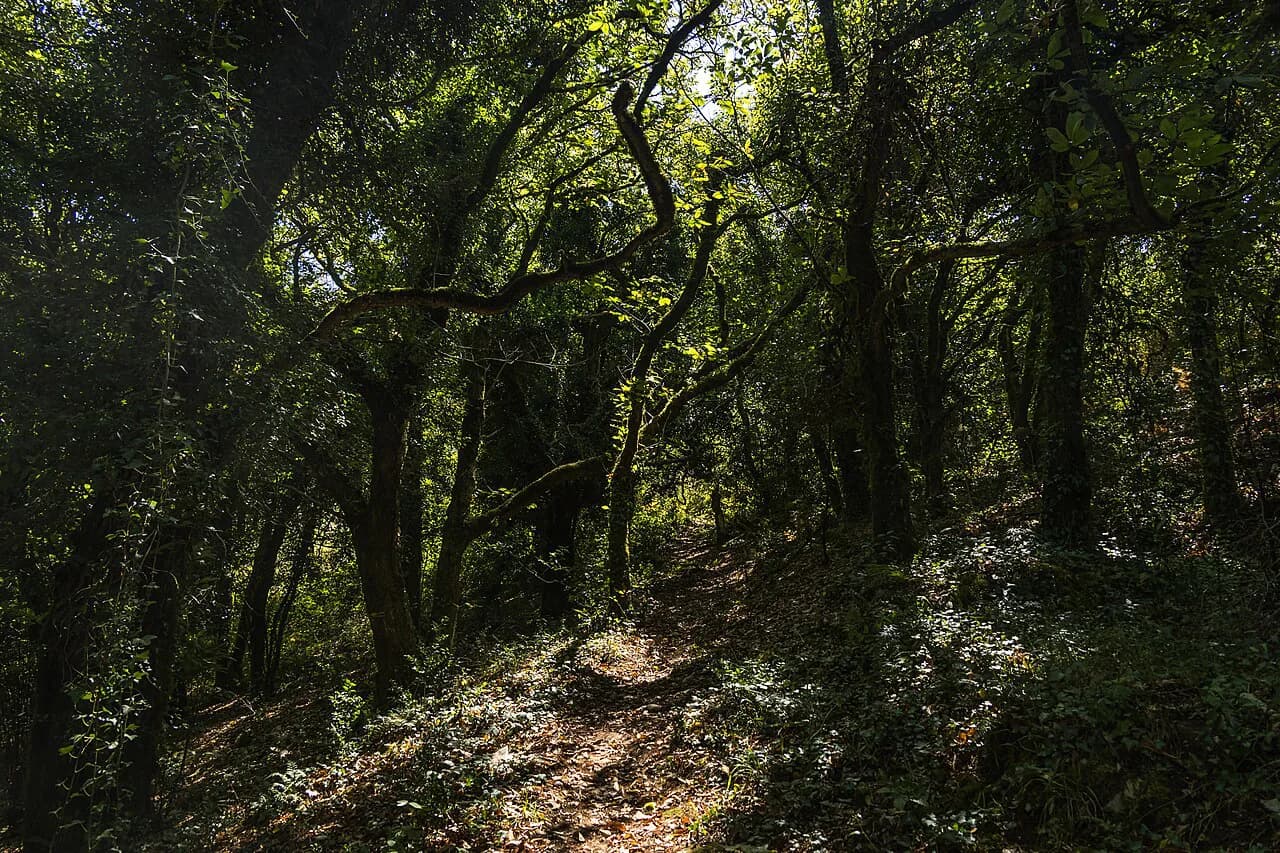
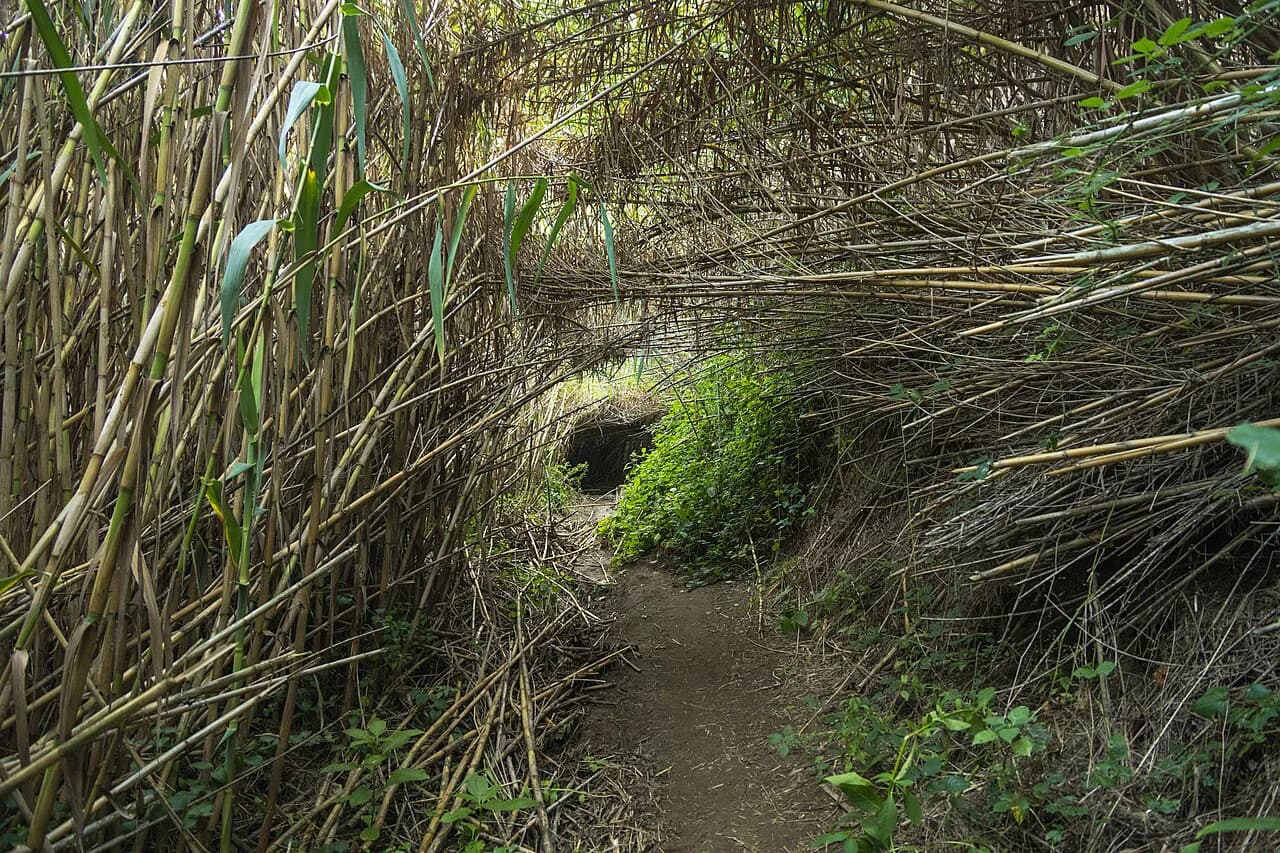
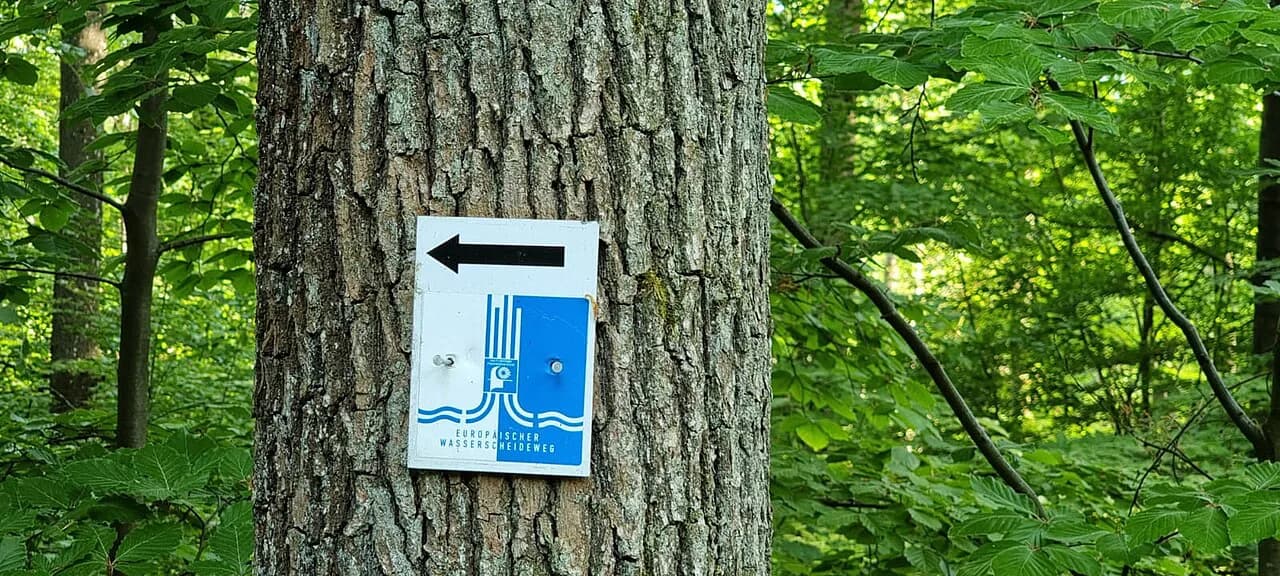
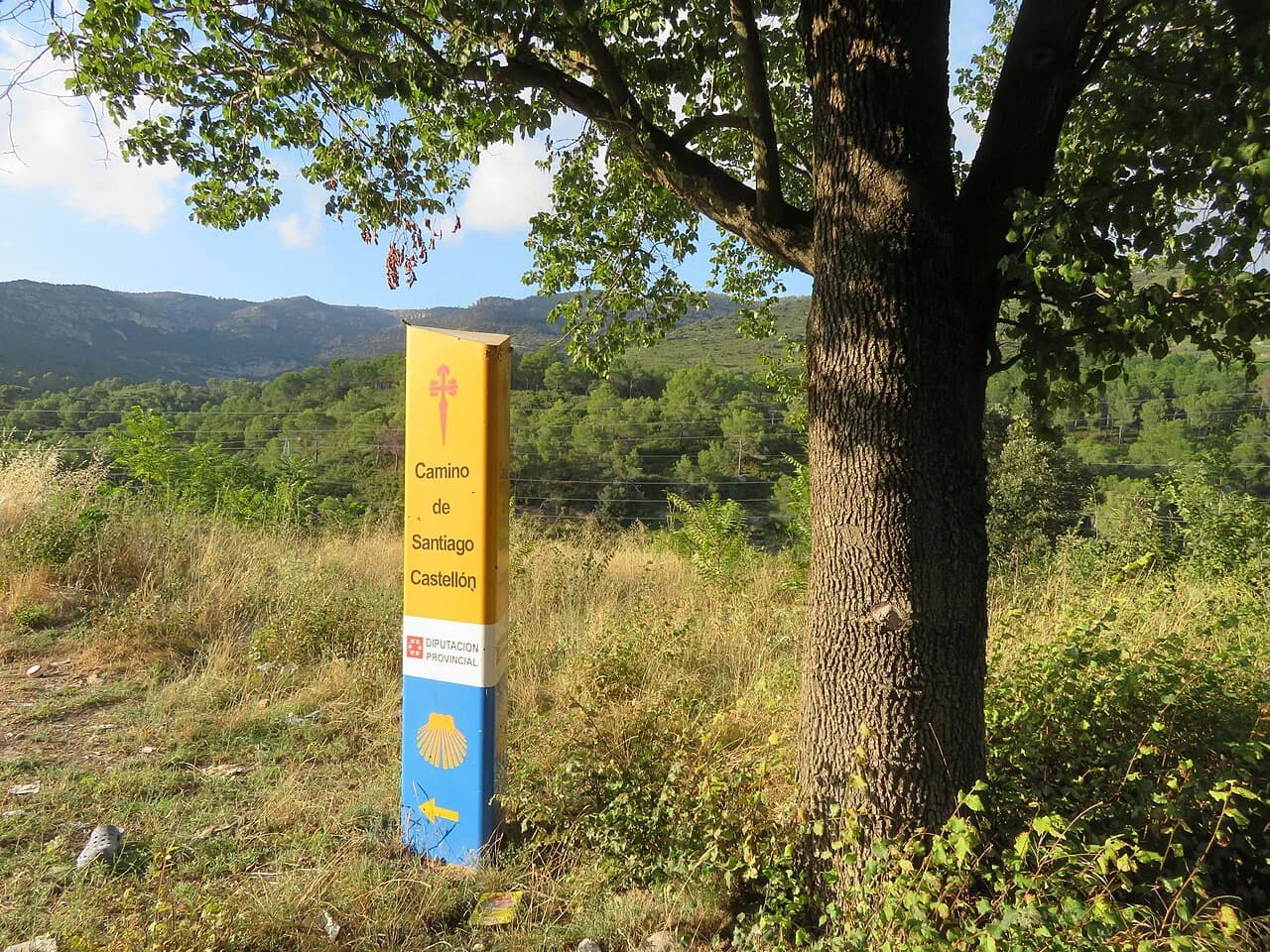
Practically, this means you can walk a Camino without a guide, a tour or a fixed itinerary. You follow painted arrows and scallop-shell markers, sleep in pilgrim lodgings or ordinary hotels, and set your own daily distance. The route network is extensive enough that shorter variants and partial stages exist for almost any time budget.
The main routes at a glance
Six routes cover most first Caminos. The Francés runs about 780 km (485 miles) from St-Jean-Pied-de-Port in France, typically over 40 to 57 days; the Portugués Central covers roughly 641 km (399 miles) from Lisbon, usually 30 days, though many start in Porto for a shorter version; the Portugués Coastal is around 287 km (178 miles) from Porto over 15 to 22 days.
The Inglés is the short option, roughly 113 km (71 miles) from Ferrol or A Coruña in about a week, while the Primitivo's 311 km (193 miles) from Oviedo takes around 16 days over genuinely mountainous ground. The del Norte's 825 km (513 miles) from Irún along the northern coast takes about 42 days, and the Finisterre route's 89 km (55 miles) beyond Santiago is a six-day extension rather than a route to the city.
Distances vary between sources for the same route, so treat published figures as close approximations rather than exact measurements. The American Pilgrims on the Camino, for instance, list the Francés at 784 km and the Portugués at 608 km from Lisbon, figures that differ slightly from commercial route summaries.
Camino Francés: St-Jean-Pied-de-Port to Santiago
The Francés is the classic Camino and the best-supported one, with frequent lodgings, cafés, shops and pharmacies along the way. It starts at St-Jean-Pied-de-Port on the French side of the Basque Pyrenees, crosses into Spain over the Roncesvalles pass, and threads through Pamplona, Burgos and León before entering Galicia.
That first day is the route's crux: a sustained climb over a Pyrenean pass, which is why the opening stage from St-Jean-Pied-de-Port is generally recommended between April and October. Snow can linger on the pass in early spring and return in late autumn, so walk it early in the day and watch the weather rather than committing to a fixed schedule.
Most walkers fly into Biarritz and transfer to St-Jean-Pied-de-Port, which makes this the easiest route to reach from outside Europe. If a full month is too much, the Francés works well in stages: Pamplona, Burgos, León, Ponferrada and Sarria are all used as start points for shorter walks of a week or two.
The terrain is rolling countryside, vineyard paths and the one mountain pass rather than sustained high ground, which suits steady walkers of moderate fitness. Expect busy trails and full lodgings in summer; the shoulder months are cooler and quieter.
Camino Portugués Central and Coastal
The Central route begins in Lisbon but most walkers join it in Porto, where facilities become dense and the waymarking is straightforward. The terrain is gentle by Camino standards, mixing woodland trails, cobbled streets and vineyards, with historic towns providing most of the interest. March to October is the walking window, with spring and fall cooler and quieter than midsummer.
The Coastal variant leaves Porto along the Atlantic, using boardwalks, promenades and some sandy stretches to reach Santiago in around 287 km over two to three weeks. It is the flattest of the main routes, and summer Atlantic breezes keep the walking more comfortable than inland Spain. Both Portugués routes are reached easily through Porto airport.
Choose the Coastal if you want sea views and gentler days with a shorter overall distance; choose the Central if food, wine and historic towns matter more than coastline. Hikers weighing up long European routes more broadly can compare the Camino with options in the best hikes in europe guide.
Camino del Norte and Camino Primitivo
The del Norte follows Spain's northern coast from Irún for roughly 825 km, trading the Francés' pilgrim crowds for cliff-top paths and hills above the sea. It is classed as moderate, and the daily pattern alternates coastal stretches with inland climbs to villages.
The Primitivo is the toughest of the main routes: about 311 km from Oviedo over mountain trails and rugged paths, typically 16 days, and best suited to experienced hikers with hill fitness. Weather turns quickly on the passes, and early or late in the season you should expect wet ground and low cloud. Walkers who want sustained mountain days rather than one pass will find more of them in the Mont Blanc hiking guide.
Many walkers combine the two, joining the Primitivo from the del Norte, which gives a coastal start and a mountainous finish. If you want a European long-distance route with a similar appetite for rough ground and long days, the GR20: A Practical Guide to Corsica's North–South Mountain Traverse covers one of the continent's hardest marked trails.
Camino Inglés and Camino Finisterre
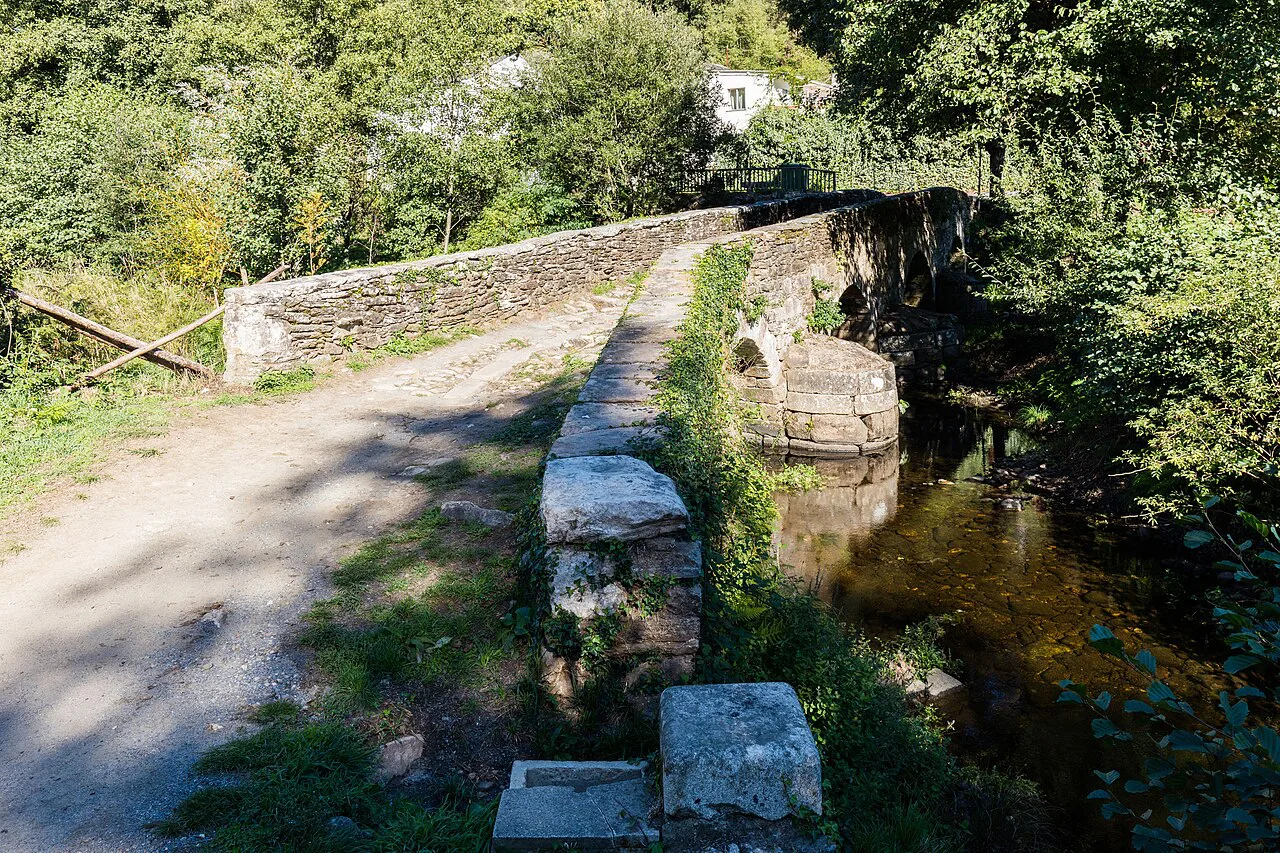
The Inglés is the shortest full route, roughly 113 km (71 miles) from Ferrol, or 107 km from Ferrol and 68 km from A Coruña by the American Pilgrims' figures, usually walked in roughly a week. It runs through rural Galicia and rolling countryside with adequate but less frequent lodgings than the Francés. Access is easy via Santiago airport and rail links.
The Finisterre route is an extension from Santiago to the Atlantic coast, about 89 km (55 miles) over roughly six days, often continued to Muxía. Treat it as extra time added after your arrival, not as an approach to the city, and budget the days accordingly.
Le Puy Camino (Via Podiensis)
The Via Podiensis starts at Le Puy-en-Velay in France and runs about 742 km to St-Jean-Pied-de-Port, where it connects with the Francés; allow roughly 38 days for the full distance. It crosses rural France and volcanic landscapes with a strong emphasis on history and culture, and it is far quieter than the Spanish routes.
The American Pilgrims list the same French route as the Via Podiensis at 762 km from Le Puy-en-Velay to St-Jean, again showing how published distances shift between sources. Walk it as a French section if you have five weeks, or as a week's taste of the French approach before switching to Spain.
Getting to the start and back from Santiago
Access is one of the most useful filters. Biarritz airport serves St-Jean-Pied-de-Port for the Francés, Porto and Lisbon airports serve the Portugués, and Santiago airport plus rail links serve the Inglés. The Norte starts at Irún on the French border, and the Primitivo at Oviedo, both reachable by Spanish rail and bus networks.
Every route ends in Santiago de Compostela, so you only need to plan one return journey, from Santiago airport or by rail to the rest of Spain. Longer routes can be split across several trips by starting at an intermediate city such as Pamplona, Burgos, León, Ponferrada or Sarria.
The author of one first-person account walked roughly 125 miles of the Francés in about two weeks with a guided group and had bags moved between hotels, which shows how a partial stage can fit a short holiday. Independent walkers carry their own pack or arrange transfers through their accommodation.
Where you sleep: albergues, hostels and pensions
Pilgrim lodgings, known as albergues, are the backbone of the Camino, supplemented by hostels, guesthouses and small hotels in the towns. The Francés has the densest network and the widest choice, while the Inglés and the quieter French sections offer fewer beds per stage, so plan shorter days where accommodation is sparse.
Booking rules, prices and opening dates for individual albergues change and vary by operator, so the reliable approach is to check the albergue or municipal tourism page for the town where you intend to stop. Private rooms book out first on popular stages in summer, and carrying a sleeping mat gives flexibility when a stage runs long.
Water, food and daily logistics
Villages on the main routes generally provide cafés, shops and pharmacies at regular intervals, which is why the Francés and the Portugués from Porto onward suit self-guided walkers. On quieter sections such as the Primitivo and the Via Podiensis, plan each day around a known village with food and water rather than counting on a mid-morning stop appearing along the way.
Carry at least a litre of water per person on exposed stages and refill at fountains and bars when you pass them. Afternoon storms are common on the Pyrenean crossing and the Primitivo's passes, so start early and be off high ground by mid-afternoon.
The pilgrim credential and the Compostela certificate
The pilgrim credential is the document you carry and have stamped along the way; it is issued by pilgrim associations and many churches and albergues. The Compostela is the certificate issued on arrival in Santiago to walkers who meet the pilgrim office's requirements, and cyclists have separate provisions.
Request your credential before you travel and keep it dry, since stamps are collected daily and a full document is what you present at the pilgrim office. The office publishes the current eligibility rules and the minimum distance for a walking Compostela, so read those before fixing your start point rather than relying on second-hand advice.
When to walk: seasons, crowds and weather
April to October is the broad walking season on the Francés, the Portugués and the Inglés, with spring and fall cooler and quieter than July and August. The Primitivo and del Norte run April to October as well but are wetter and windier, and the Pyrenean stage of the Francés is best avoided outside that window.
Summer brings heat on the meseta and full lodgings on the busiest stages, while late spring and early fall balance daylight against crowd levels. On coastal routes, Atlantic breezes moderate summer temperatures but bring rain at any time of year, so pack waterproofs regardless of the month.
Which route suits your fitness, time and taste
For a first Camino with limited time, the Inglés fits a week and still delivers a full pilgrimage into Santiago. For two to three weeks, the Portugués Coastal from Porto gives gentle terrain and sea views, while the Primitivo suits experienced hill walkers who want mountains and solitude over 16 days.
If you have five weeks and want the classic experience with the best facilities, walk the Francés from St-Jean-Pied-de-Port; if you want a wilder northern coast, take the del Norte. Add the Finisterre extension only if you can spare the extra six days after reaching Santiago.
Hikers who enjoy Alpine terrain and marked mountain routes may find the Camino gentler than expected; walks in italy cover high routes in the Alps and Apennines for comparison. Guided and self-guided formats exist for walkers who want bags moved and beds booked, and Europe walking holidays explains how those formats differ.
Plan Your Camino
Start with the days you can spare, then match them to a route: a week for the Inglés, two to three for the Portugués Coastal, five or more for the Francés. Check that your chosen start point has an airport or rail link, and confirm lodging availability for the stages where beds are scarce.
Request your pilgrim credential early, plan the Pyrenean crossing or the Primitivo passes for the middle of the season, and build in a rest day or two. The pilgrim office in Santiago is the place to read the current Compostela rules, and it is worth checking current dates and opening times with the office as your departure approaches.
Frequently Asked Questions
What is the Compostela certificate?
It is the certificate issued in Santiago de Compostela to walkers and cyclists who complete a qualifying pilgrimage and present a stamped pilgrim credential. The pilgrim office sets the current distance and documentation rules, so read them before choosing your start point.
How far is the Camino de Santiago pilgrimage?
There is no single length because the Camino is a network. Published figures put the Francés at about 780 to 784 km from St-Jean-Pied-de-Port, the Portugués at roughly 287 km from Porto on the coastal variant, the Primitivo at about 311 km from Oviedo and the Inglés at around 113 km from Ferrol. Sources differ by a few kilometres on the same route.
What is a Camino walk?
A Camino walk is a self-guided pilgrimage on one of the waymarked routes to Santiago de Compostela, usually on foot and often with overnight stops in pilgrim lodgings. You can walk the full route or a stage of a week or two.
Which Camino de Santiago route is easiest for a first walk?
The Camino Inglés is the shortest and simplest, around a week from Ferrol, with rural Galician terrain. The Portugués Coastal is also gentle, using boardwalks and promenades along the Atlantic.
How many days does the Camino Francés take?
Typical published durations for the full 780 km route run from about 40 to 57 days, depending on daily distance. Many walkers complete a stage of one to two weeks instead, starting from Pamplona, Burgos, León or Sarria.
How do you manage toilets and water on the Camino?
Villages on the main routes provide cafés, bars and shops where you can use facilities and refill bottles. On quieter sections such as the Primitivo, plan each day around a known village and carry enough water for exposed stretches.
Sources
Trail notes for your next trip
Optional updates when we add or revise hiking guides.
You might also like
Continue reading
More guides you'll find useful