Hiking in Montenegro: National Parks, Mountains and Coastal Trails
Plan hiking in Montenegro with Durmitor, Biogradska Gora, Lovćen and the Bay of Kotor, plus season, difficulty and how to reach each trailhead.
On this page
Montenegro squeezes a surprising range of hiking into a country you can cross in a day: high limestone plateaus and glacial lakes in the north, gorges cut deep into the karst, and dry ridges rising straight from the Adriatic coast. It suits hikers who want big mountain scenery without the crowds of the Alps, and who are comfortable with basic, sometimes rugged infrastructure rather than cable cars and signposted theme trails.
The country splits into two hiking worlds, and choosing between them is the first decision you make. The northern Dinaric mountains around Durmitor and Biogradska Gora deliver altitude, snow-holding passes and long days on stone; the coast around Kotor and Lovćen delivers warmth, sea views and shorter, steeper climbs. The Dinaric range acts as a climatic boundary, so the coast stays Mediterranean and dry while the east and north turn continental and can hold snow in winter.
What Montenegro offers hikers and who it suits
Hikers come to Montenegro for well-developed trails through quiet mountains, glittering lakes and light blue bays, with historic buildings along the way. The scenery is genuinely rugged, so sturdy hiking boots matter more here than on a gentler European valley walk. That combination of big landscapes and modest infrastructure rewards self-reliance.
The country suits two kinds of trip. Centre-based hikers who want a base town, a rental car or local buses and a different day hike each morning do well on the coast and around the national parks. Hikers who prefer point-to-point routes with luggage moved ahead of them can join an organized walking holiday, which handles accommodation, transfers and bags so you carry only a daypack. If point-to-point is the appeal, our Mont Blanc hiking guide shows how a classic multi-day tour on that model is staged.
Montenegro also holds four UNESCO World Heritage listings relevant to walkers: the medieval Stećci tombstones, the Venetian defense system, Durmitor National Park and the natural and historic areas around Kotor. Two of these are shared with neighboring countries, but the Durmitor and Kotor listings sit squarely inside Montenegro and anchor two very different hiking regions.
Where the hiking areas lie: north mountains and the Adriatic coast
The Dinaric Mountains run the length of the country and separate the coastal strip from the interior. North of them lies the high country: Durmitor, the Tara canyon and Biogradska Gora. South and west, the land drops to the Bay of Kotor, the Lovćen massif and Skadar Lake.
That geography dictates your itinerary. A single trip can pair two or three nights in the north with two or three on the coast, but the drive between them eats a half day, so resist cramming both ends into a short break. Pick one region as your base and treat the other as a longer transfer.
For a wider menu of mountain and coastal routes across the continent, compare this with other options in our guide to the best hikes in europe before you commit to dates.
Durmitor National Park: high limestone plateaus, peaks and the Tara canyon
Durmitor is Montenegro's flagship mountain park, a high limestone plateau cut by deep valleys and ringed by peaks. Trails run across open karst, past glacial lakes and through pine forest, with long views that reward the climb. It is the place to go if you want altitude and a genuine sense of remoteness.
The park sits high enough to hold snow late into spring and to catch sudden summer storms, so check conditions with the park before committing to a summit day. Plan your longest routes for settled weather and keep a shorter valley or lake walk in reserve for changeable days.
Walking here is on maintained paths and forest trails as well as mountain trails with big views, so the terrain varies from easy lakeside ambles to full days on stone. Match the route to your boots and to how confident you are on loose, uneven ground.
Biogradska Gora National Park: old-growth forest and a glacial lake
Biogradska Gora protects one of Europe's rare stands of old-growth forest, wrapped around a glacial lake. It is the gentlest of Montenegro's mountain parks and the easiest to visit with limited time or mixed fitness. The lake circuit and surrounding forest paths suit families and rest days between harder hikes.
Because the terrain is lower and shaded, this is a sensible choice when summer heat makes exposed karst uncomfortable, or when cloud sits on the high peaks. Treat it as a half-day outing and combine it with the drive to or from Durmitor rather than a destination in its own right.
Lovćen National Park and the Bay of Kotor: coastal ridges above the water
Lovćen National Park rises directly behind the Bay of Kotor, its ridges falling steeply to the water. The draw here is the combination of Mediterranean warmth, sea views and short, sharp climbs that fit into a morning or afternoon. Base yourself in or near Kotor and you can walk from the town.
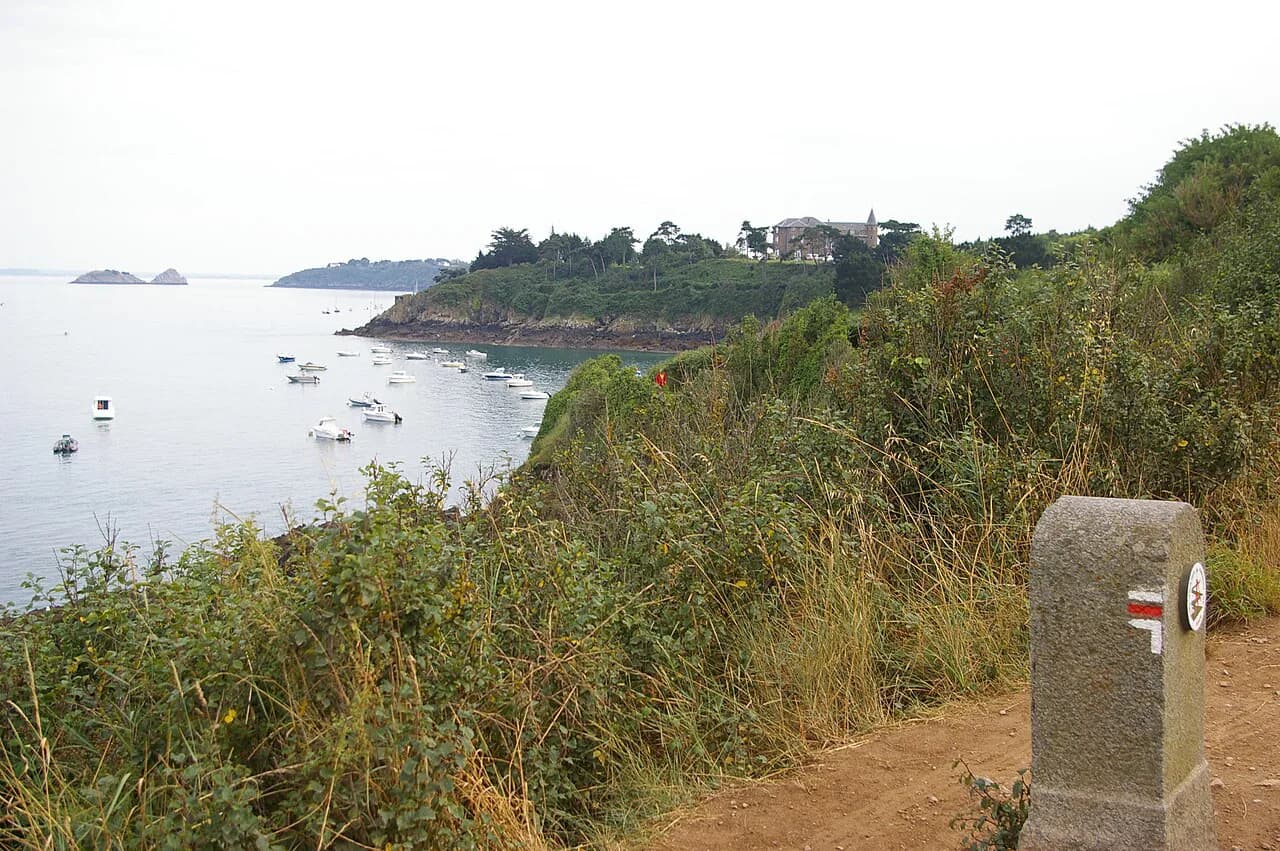
The Bay of Kotor is the southernmost fjord on the continent, and routes along its edge mix coastal walking with the historic port town itself. Kotor's old town, a UNESCO World Heritage site, is the natural start and finish for many of these days.
Expect steep, exposed ground above the bay, where the sun is fierce and the rock loose in places. Start early, carry more water than you think you need, and turn around if afternoon cloud gathers over the ridge.
Skadar Lake National Park: lakeshore and wetland walking
Skadar Lake National Park offers a different rhythm entirely: flat lakeshore paths, wetlands and quiet villages rather than summits. It suits birdwatchers, easy walkers and anyone wanting a low-effort day between harder routes. The lake sits south of the main mountain areas and pairs well with a coastal base.
Walking here is about distance and patience, not ascent, so plan routes around villages and viewpoints rather than gains in height. Take insect repellent in summer and treat the water's edge as fragile habitat you pass through rather than a place to wander off-trail.
Mrtvica and the Tara gorge: canyon walks and what they demand
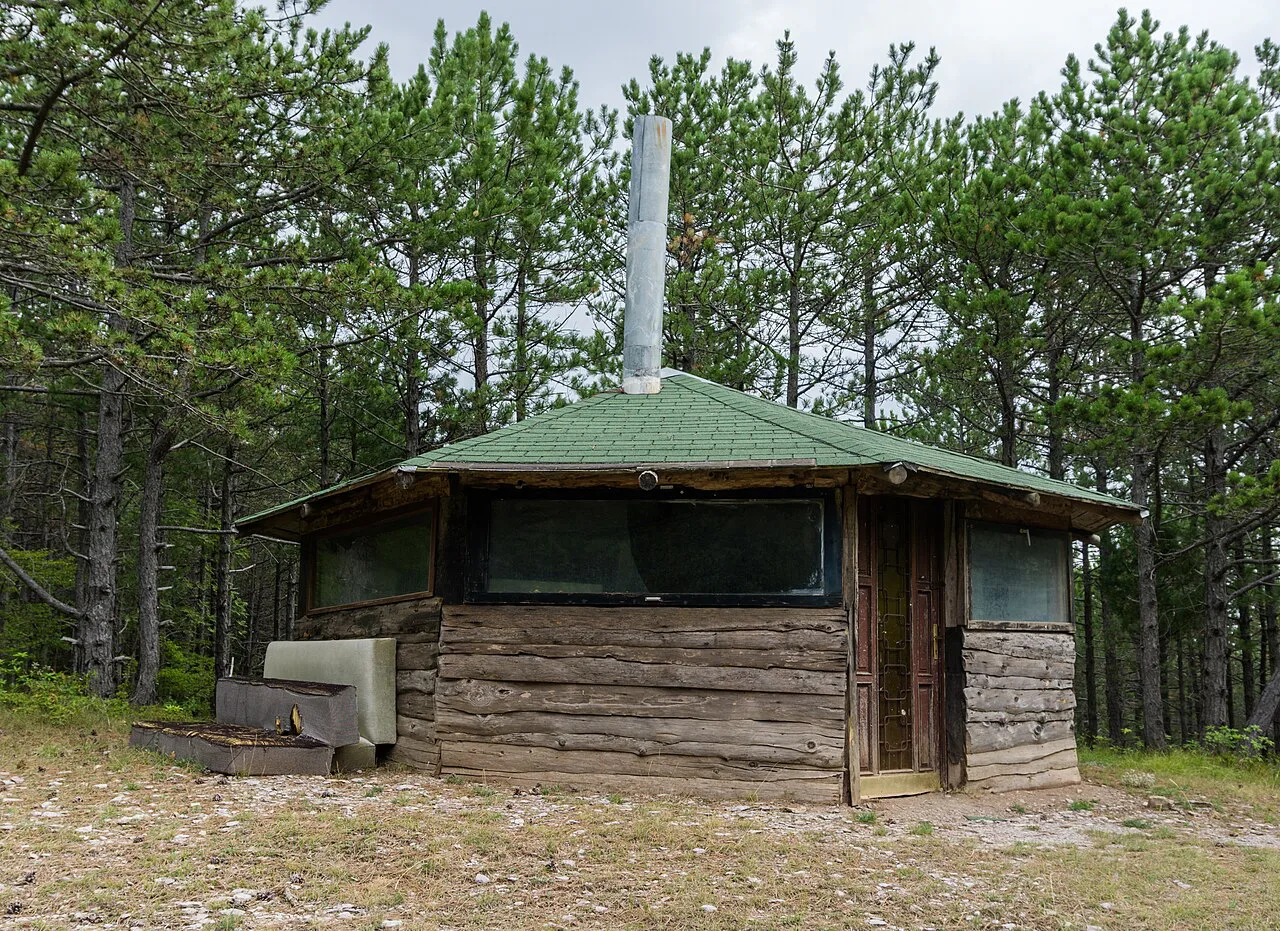
The Tara Gorge is the longest and deepest river canyon in Europe, and the Mrtvica Gorge adds vertical walls of its own. Both are dramatic places to walk, but canyon terrain is not the same as a valley stroll: paths are narrow, exposure is real and escape routes are limited.
Go with a local guide or a group if you have not walked canyon ground before, and avoid the gorges after heavy rain, when water and falling rock make them dangerous. Tell someone your route and expected return before you set off.
The best hikes by difficulty: easy walks, half-day routes and full days
Easy days belong to Biogradska Gora's forest and lake and to Skadar Lake's shoreline, where gentle gradients let you walk for two to three hours without committing to exposure. Half-day routes on the coast around Lovćen and Kotor deliver sea views for a few hours of climbing. Full days on the Durmitor plateau and in the gorges demand a bigger fitness reserve and better weather.
For hikers weighing a first long-distance European route against a Montenegro trip, a Mediterranean alternative such as the Fisherman's Trail in Portugal shows how a coastal stage walk feels, with modest daily distances and consistent sea views.
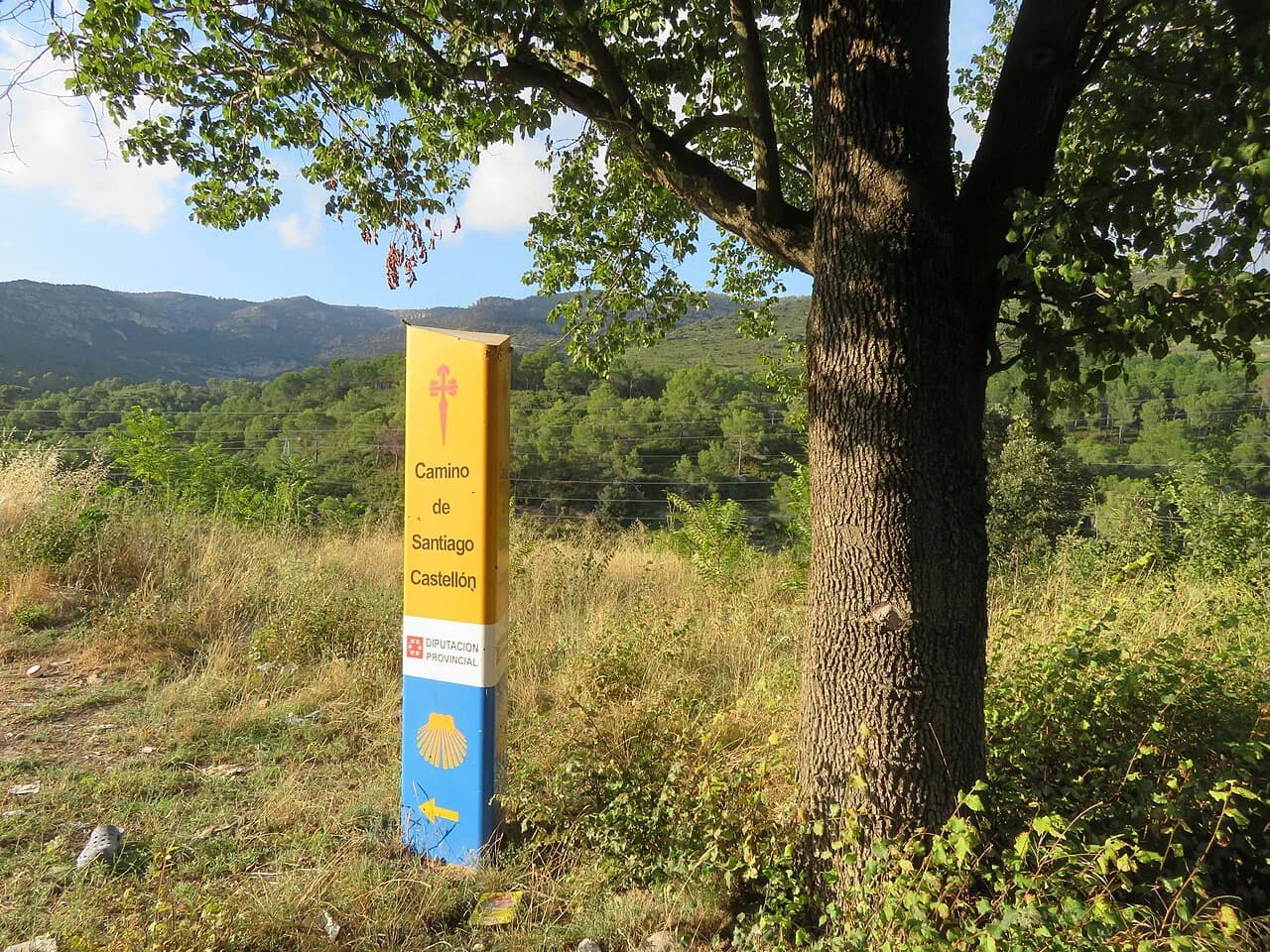
If you want a structured point-to-point format rather than day trips, guided and self-guided Montenegro programs link several of these areas in a single itinerary. Compare that with a classic long walk like the camino de santiago to decide which style fits your appetite for logistics.
Climbing Crvena Greda, the so-called roof of Montenegro
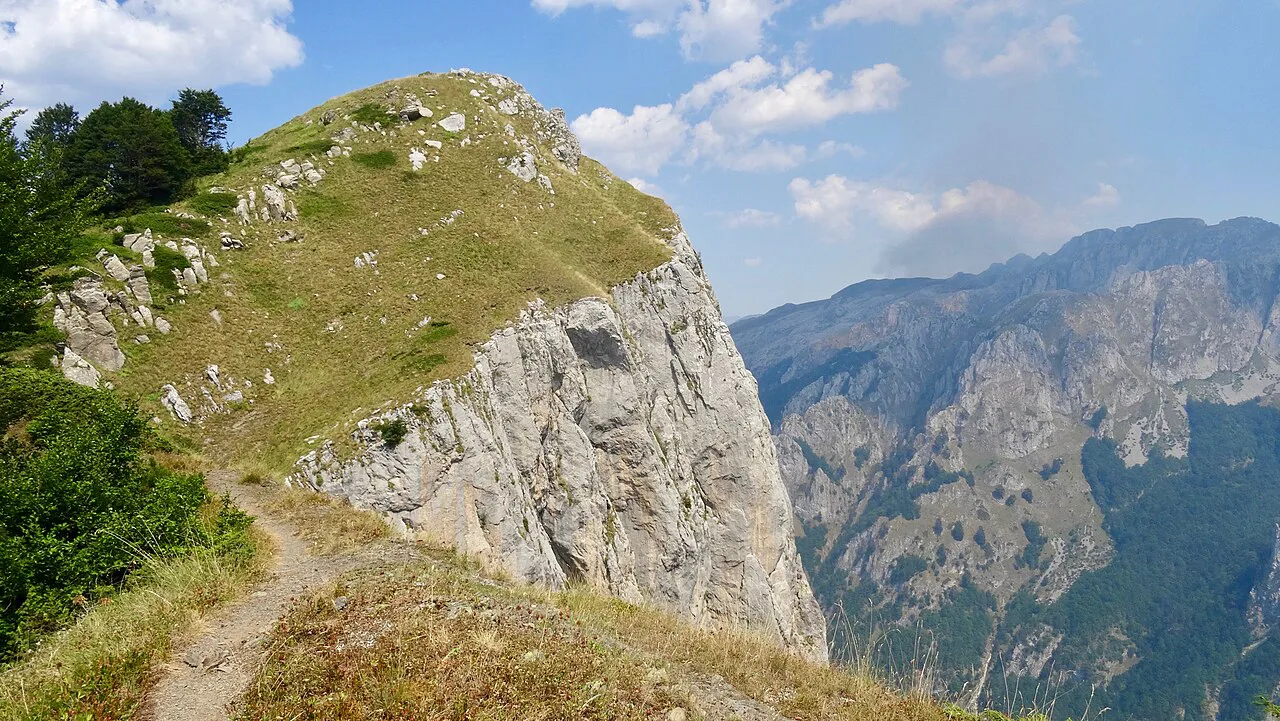
Crvena Greda, known as the roof of Montenegro, is the country's classic viewpoint summit, with magnificent views from its top. The reward is a panorama rather than technical difficulty, which makes it appealing to fit hikers who want one standout climb.
Judge your day by the weather and your comfort on loose, exposed ground rather than by a number. Go early, take layers for wind on top, and turn back if cloud closes in or the rock feels beyond you.
Getting to trailheads by bus, car and organized transfers
A car gives you the most freedom for the national parks, where trailheads sit off main roads and buses run infrequently. If you are hiking without a car, base yourself in towns with regular bus links and choose routes that start and finish there, such as those from Kotor and along the bay.
Another option is a tour format: organized walking holidays handle luggage transfer and move bags between accommodations each day, so you only carry a daypack. On-site teams and detailed route documents come with the trip, which makes this the simplest way to link stages without driving yourself.
Huts, mountain lodges and base towns for each area
Montenegro's mountain accommodation is quieter than the Alps' booking scramble, but it is also thinner, so plan your nights before you plan your routes. In the north, base towns serve Durmitor and Biogradska Gora; on the coast, Kotor and its surrounding villages serve Lovćen and the bay.
If you prefer not to plan it yourself, organized trips choose and book the accommodations as part of the package, which suits hikers who value a fixed itinerary over flexibility. An information pack with walking maps and route descriptions comes with each trip.
When to go: May to October and the snow and heat question
May to October is the ideal window for a hiking holiday in Montenegro. In spring and autumn the coast stays mild while the high country can still hold snow, so save the Durmitor plateau for midsummer and use late spring or early autumn for coastal and forest routes.
Midsummer brings intense heat on exposed karst and in the gorges, so start at dawn and carry plenty of water. Winter snow and summer storms both reshape what is walkable, so plan your days around the conditions you meet rather than a fixed schedule.
What a guided or self-guided tour includes and who each format suits
Guided tours add a local leader to the logistics, which helps if you have not walked karst or canyon ground before or want the security of a group. Self-guided trips suit hikers who prefer to move at their own pace with route notes and booked beds but no fixed group.
If you are comparing formats, consider a walk with regular overnight stops and plenty of company, such as england hiking's long-distance routes, to see what a self-guided day-to-day rhythm feels like.
Hazards: exposed limestone, loose scree, storms and bears
The main hazards here are exposed limestone scrambling, loose scree on descents and afternoon storms that build fast over the high ground. Carry a map and compass, keep to marked trails, and give canyon routes a wide berth after rain.
Montenegro has wild bears, so store food carefully and keep a respectful distance from any wildlife you see. Make noise on quiet forest trails so animals can move away. Neither hiking practice nor guidebooks should be treated as a substitute for local advice on the day.
Cuisine and rest days between hikes
Rest days in Montenegro come with good eating. Cevapcici, grilled squid and mussels buzara in tomato and white wine sauce are typical, along with local cheese, honey, olives and figs; farmers' markets are the best place to stock up for a picnic.
Pair a rest day with the old town of Kotor, with its churches, museums and palaces, and save the historic port as a full afternoon rather than crowding it into a hiking day.
Plan Your Montenegro Hiking Trip
Choose your region first: the northern parks for altitude, forest and canyon terrain, the coast for short, steep, sea-view days and warmer weather. Then fit the season to it, May to October overall, and keep your hardest route for settled days.
Walk with the right boots, start early, and plan your nights before your trails. Whether you drive, use buses or join a tour with luggage transfer, the trip works best when you leave room for the weather to change your plan.
Frequently Asked Questions
When is the best time to hike in Montenegro?
May to October is the ideal window for a hiking holiday in Montenegro. Spring and autumn keep the coast mild, but high ground in Durmitor and the northern parks can still hold snow, so save altitude for midsummer. Midsummer heat in the gorges and on exposed karst calls for early starts and generous water.
How difficult is the Ladder of Kotor hike?
The climb above Kotor gains height quickly on steep ground, so treat it as a half-day outing rather than a stroll. The rock is loose in places and the sun is fierce on the open ridge, so start early, carry plenty of water and wear boots with grip. Do not extend the day into unfamiliar terrain without a map.
Can you hike in Montenegro without a car?
Yes, if you choose bases with regular bus links and pick routes that start and finish in the same town. Kotor and the villages along the Bay of Kotor work well for this, since walks begin from the town itself. For Durmitor and Biogradska Gora a car or an organized trip with transfers is the simpler setup.
Are there bears in Montenegro?
Montenegro has wild bears, so store food carefully at lodgings and keep a respectful distance from any wildlife you see. Make noise on quiet forest trails so animals can move away, and follow local advice on the day. Bear encounters remain uncommon, but the possibility is real in the mountain parks.
Which national parks in Montenegro have the best trails?
Durmitor offers the most variety, from glacial lakes to high plateau routes and the Tara canyon. Biogradska Gora is the gentlest, with old-growth forest and a lake circuit, and Lovćen delivers short, steep climbs above the Bay of Kotor. Skadar Lake suits flat lakeshore walking and birdwatching.
Is one standout summit worth planning a trip around?
Crvena Greda, the so-called roof of Montenegro, is the classic viewpoint summit, with magnificent views from the top. The climb suits fit hikers who are comfortable on loose, exposed ground and can pick a settled weather day. It is best saved as the highlight of a northern itinerary rather than a first outing.
What does a guided or self-guided Montenegro hiking tour include?
Organized walking holidays handle accommodation, route documents and luggage transfer between nightly stops, so you carry only a daypack. Guided departures add a leader for canyon and karst ground; self-guided formats leave the pace to you. Both suit hikers who prefer booked beds over planning each night themselves.
How do you reach the national park trailheads?
A car is the most practical way to reach Durmitor and Biogradska Gora, whose trailheads sit off the main road network. On the coast, buses connect Kotor and the bay villages and several walks begin in town. Organized trips with transfers remove the driving altogether.
Sources
Trail notes for your next trip
Optional updates when we add or revise hiking guides.
You might also like
Continue reading
More guides you'll find useful