Hiking in Poland: Tatra, Pieniny and Carpathian Trails
Plan hiking in Poland around the Tatra Mountains, the Pieniny Way above the Dunajec Gorge and Babia Góra, with Kraków as the practical gateway city.
On this page
Poland rewards hikers who want variety inside a single trip: high Tatra crags and glacial lakes in the south, a narrow cliff path above the Dunajec River in the Pieniny, and wild forested ridges in the Outer Carpathians. The three areas sit close enough together that a week of walking can take in all of them, with Kraków as the natural arrival city and first night.
This guide is for hikers choosing between a valley walk, an exposed gorge traverse and a full-day ridge climb, and for anyone weighing a small-group walking week against planning the same route mix independently. Distances, terrain and the level of exposure are set out area by area so you can match the trip to your fitness and the season, and if you want the wider continental picture the best hikes in europe form a useful comparison.
Where the hiking areas lie
The Tatra Mountains rise along Poland's southern border, roughly south of Kraków, and hold the country's most dramatic alpine scenery: granite peaks, glacial lakes and deep valleys. Northeast of the Tatras, the Pieniny range carries the Dunajec Gorge, where the river cuts a sharp defile through limestone.
West and north of the Tatras, the Outer Carpathians form a longer, lower, more heavily forested belt, and Babia Góra National Park protects one of its wildest ridges. The practical pattern for a walking week is to base in Kraków on arrival, move into the mountains for several days, and return to the city at the end.
Getting there and around
Kraków is the gateway for all three areas: most organized walking itineraries start and finish there, with bus transfers between hotels and trailheads and a driver plus local guide handling the mountain legs. That arrangement removes the need to research rural timetables, which matters when trailheads sit at the end of narrow valley roads.
Independent hikers travel the same corridors by rail and bus from Kraków toward the mountain towns, then use local services or taxis for the final stretch to a trailhead. Build slack into arrival days: mountain transport runs on its own rhythm, and a late-afternoon start rarely leaves enough daylight for a long valley walk.
The Tatra Mountains and the Valley of the Five Polish Lakes
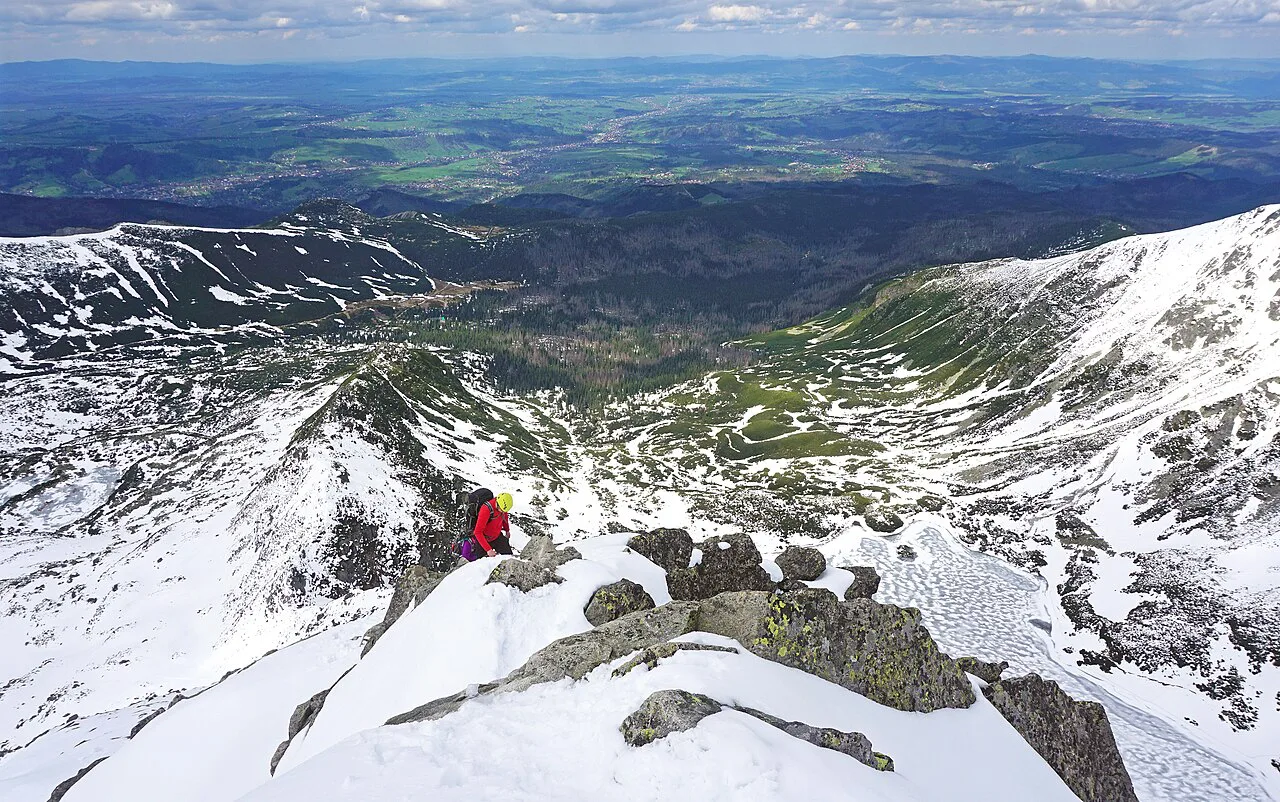
The Valley of the Five Polish Lakes is the signature Tatra walk, a glacial valley ringed by jagged peaks and stepped with clear lakes that grow larger as you climb. The terrain is genuinely alpine: rocky paths, sustained ascent and sections where hands help on polished rock, so treat it as a mountain day rather than a stroll.
Allow a full day for the valley and its lake basin, and carry rain layers even in a settled forecast, because Tatra weather turns quickly on the high ground. Snow lingers on the upper passes well into late spring and returns early in autumn, so late June through September is the reliable window for the higher paths.
The Pieniny Way above the Dunajec Gorge
The Pieniny Way is a narrow path carved into the cliffs high above the Dunajec River, with the water far below and rock close on the inside shoulder. Expect real exposure: short sections are protected with chains and the path is tight enough that passing other walkers takes care.
This is the walk to choose if you want big views without a huge day of ascent, but not the one for anyone uneasy with heights or loose footing. The gorge is also among the most rewarding stretches of the Polish Carpathians for river scenery, and it pairs well with a shorter morning leg rather than a full climbing day.
Babia Góra National Park and the Outer Carpathian ridges
Babia Góra National Park protects a wilder, more forested landscape than the Tatras, and its ridge days are longer climbs through spruce forest onto open crests. The rewards are quieter trails, broad views over the Carpathian belt and a sense of remoteness that the busy Tatra valleys do not offer.
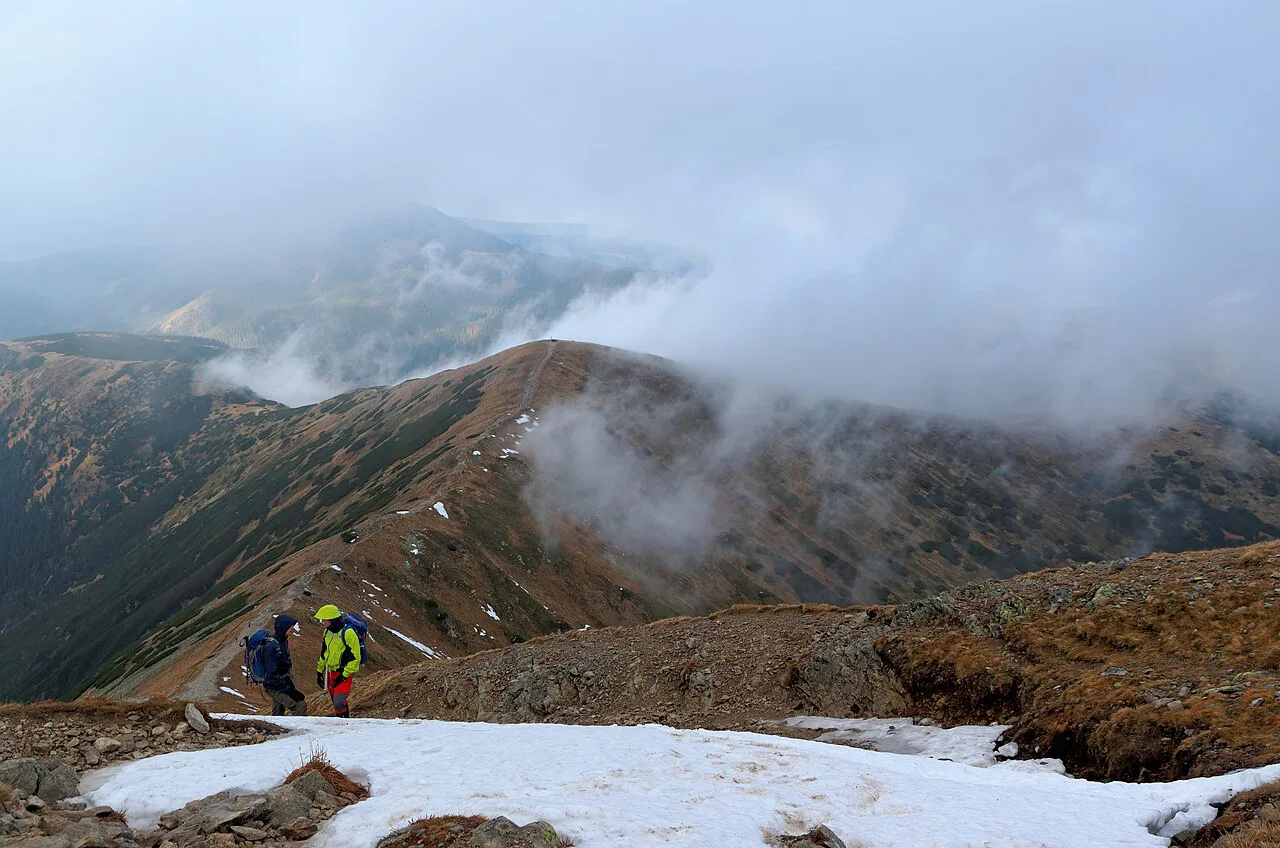
Weather on these ridges is the main variable: cloud can close in on the summits while the valleys stay clear, and wind on the exposed crest is stronger than the forest suggests. Plan Babia Góra as a full day rather than squeezing it alongside another climb, and keep a map and compass handy where waymarking thins in cloud.
Hikes grouped by difficulty and time
Short valley walks suit arrival days and mixed-ability groups: a couple of hours on gentle forest tracks and lake shores, with the option to turn back at any point. Half-day ridge and gorge paths, including the Pieniny Way, add exposed ground and sustained but manageable ascent for hikers with steady footing.
Demanding full-day climbs cover the Tatra lake basin and the Babia Góra ridge, where the total climbing and rough ground make for a long day out. A moderate walking grade of three to seven hours a day fits this mix well, because it leaves room for the odd longer climb without exhausting the group. The best hikes across the continent follow the same logic of matching terrain to fitness before you commit, a principle that carries over to hiking in Mont Blanc just as it does here.
Daily distances and walking time
On a moderate itinerary expect three to seven hours of walking a day, with some demanding climbs built into the schedule. That range covers the shorter valley legs and the full ridge days, so match your training to the upper end before you book.
An eight-day trip gives enough days to move between the Tatras, the Pieniny and the Outer Carpathians without every day being a transfer, which is how the Polish Carpathians walking week is structured. If you plan independently, group the Tatra days together and keep the gorge walk as a shorter recovery day between the two bigger climbing blocks.
Bases and mountain villages
Zakopane and the Highlander villages around the Tatras make the best base for lake-valley walks, and the region's wooden architecture and mountain culture are part of the experience rather than just a bed for the night. Szczawnica and the villages near the Dunajec are the natural base for the Pieniny Way, while Babia Góra is best reached from the small settlements below its slopes.
Staying in a mountain village rather than commuting from Kraków every day buys you quieter mornings on the trail and easier evenings, at the cost of fewer restaurant and transport choices. Organized trips tend to use comfortable hotels in or near the mountain towns, which strikes a workable balance between comfort and proximity to the trailheads.
Huts, meals and accommodation
Mountain walking in Poland mixes hotel nights in the valleys with hut-style stops on the longer ridge days, so carry cash and a water bottle rather than relying on card readers and taps above the tree line. On a guided week, breakfasts are typically included and other meals are left to the group, which keeps the schedule flexible.
Food in the mountain villages leans on hearty Highlander cooking: smoked cheese, potato dishes and grilled meats, all welcome after a long day on the crest. If you have dietary restrictions, mention them when booking rather than at the table, since smaller village kitchens plan their menus in advance.
When to go
Late June through September is the dependable season for the Tatra lake basin and the Babia Góra ridge, once the snow has cleared from the upper paths. The Pieniny Way works from spring onward on dry days, but its cliff path and chains are no place for wet rock or ice.
Autumn brings clear air and quieter trails before the first snows, while late spring can still leave snow patches on shaded northern slopes. Whatever the month, start early on the long days: afternoon storms build over the Tatras and the outer ridges with little warning.
Gear and safety
Sturdy boots with ankle support matter on all three terrains: polished Tatra granite, chained limestone on the Pieniny Way and root-bound forest on the outer ridges. Pack a waterproof shell, a warm mid-layer, water and a headlamp, and treat the gorge path as the day you carry the least on your back so your balance stays clean.
On the Pieniny Way the main hazard is exposure rather than distance, so move steadily through the chained sections and keep both hands free. On the high ridges the risks are weather and navigation: cloud, wind and sudden storms, best answered by an early start and a willingness to turn back.
Guided versus self-guided formats
A small-group walking week in the Polish Carpathians typically includes a tour leader, a driver and local guides, bus transfers, hotels and breakfasts, with a moderate grade of three to seven hours of walking a day. Group sizes stay small, which suits hikers who want company and logistics handled but still want to be out on the trail rather than in a coach.
Self-guided hikers get more freedom over pace and route choice, but take on the transport planning, hut bookings and weather decisions themselves. The trade-off is straightforward: pay for the logistics to be solved, or spend the time solving them and keep the flexibility.
Kraków before or after the hike
Kraków deserves at least a day at either end of the trip, with its medieval market square, Gothic churches and old Jewish quarter. Arriving a day early also gives you a buffer against flight delays before the mountain transfer, and a final night in the city is a comfortable way to finish a walking week.
The city is also the practical hub for onward travel: buses and trains head south toward the mountains, and most organized itineraries assemble and disband here. If your walking week is short, book the city nights separately so you are not paying for hotel time you spend on a mountain. Trailheads around Kraków appear in operator listings, which helps you see how the mountain legs connect to the city.
Practical planning
Tap water in Polish towns and villages is generally safe to drink, but fill up before heading above the tree line where springs and refills are scarce. Check Tatra National Park's own pages for current entry arrangements and any seasonal path closures before you travel, since fees and rules change between seasons.
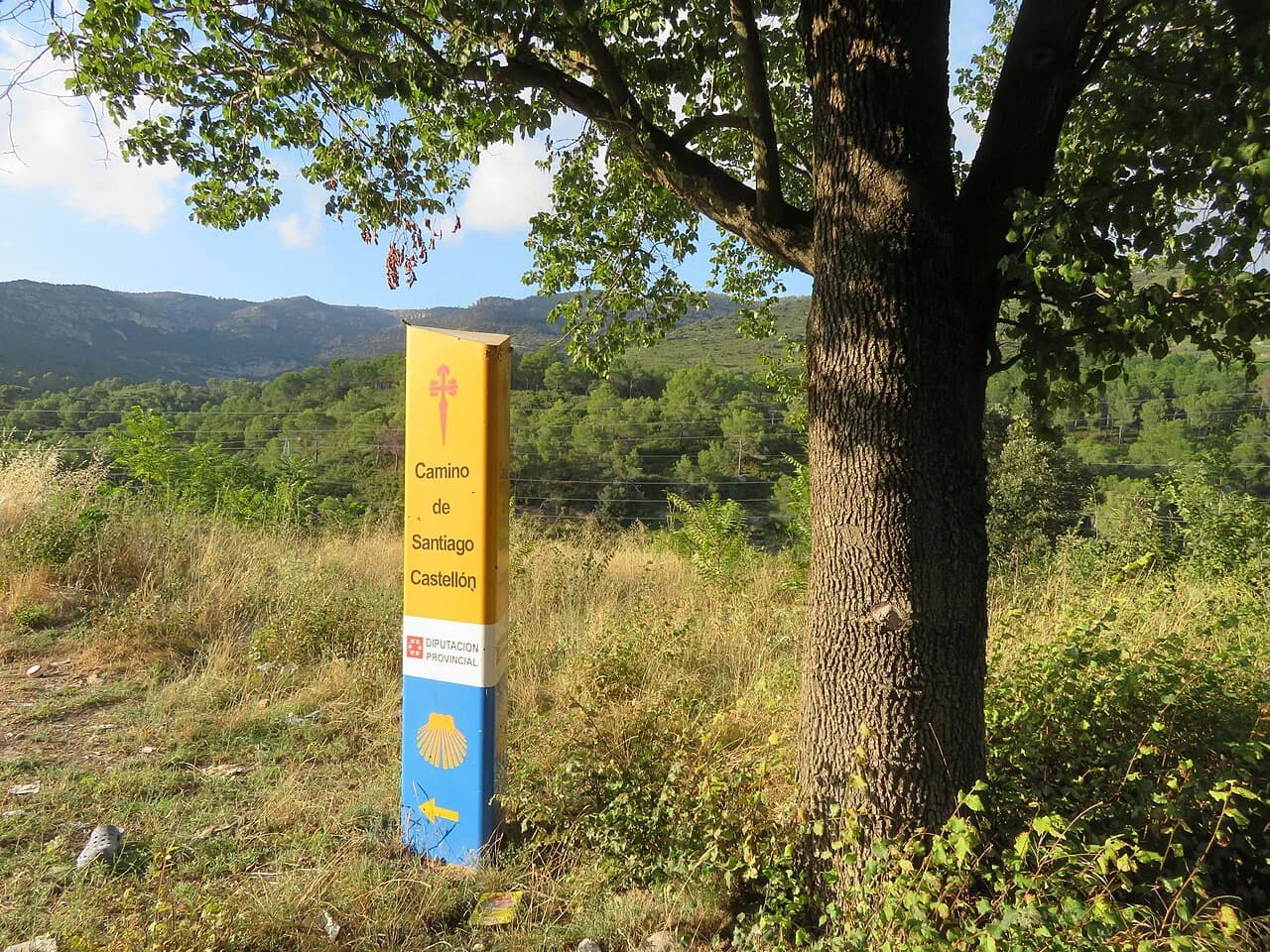
Book mountain accommodation and guided departures well ahead for July and August, when Polish school holidays fill the Tatra valleys. Carry some cash for huts and village cafes, pack a map even on waymarked routes, and keep the last day of the trip light so a delayed bus cannot derail your journey home. Longer routes need the same discipline: on the camino de santiago the daily pattern of early starts and fixed beds is the same lesson in planning.
Plan Your Polish Walking Week
Poland's strength for hikers is the concentration of three different landscapes in one mountain belt: glacial Tatra valleys, the cliff-cut Pieniny Way and the forested Outer Carpathian ridges. A week built around Kraków, with three to seven hours of walking a day, gives you all three without long transfers between them.
Match the route mix to your fitness and head for heights, then pick your months around snow on the high paths and storms in the afternoon. Whether you join a small-group week with a driver and local guide or plan the buses yourself, the mountains reward early starts and a flexible plan.
Frequently Asked Questions
Where can I hike in Poland?
The main areas are the Tatra Mountains in the south, with the Valley of the Five Polish Lakes as the signature walk; the Pieniny range northeast of the Tatras, where the Pieniny Way runs above the Dunajec Gorge; and Babia Góra National Park in the Outer Carpathians. Kraków works as the gateway city for all three.
What is the Pieniny Way like?
It is a narrow path carved into the cliffs high above the Dunajec River, with river views and real exposure. Short sections are protected with chains, and the path is tight enough that passing other walkers takes care. It suits hikers with steady footing and a head for heights, and is best avoided when the rock is wet or icy.
How long do you walk each day on a Polish Carpathians hiking trip?
A moderate-graded walking week runs three to seven hours of walking a day, with some demanding climbs built in. That range covers shorter valley legs and full ridge days, so match your training to the upper end if you want to enjoy the long days.
Is Zakopane worth visiting?
Zakopane and the surrounding Highlander villages make the best base for Tatra valley walks, and the wooden architecture and mountain culture are part of the appeal. Staying there gives you quieter mornings on the trail than commuting from Kraków each day, though you trade some city comforts for proximity to the mountains.
What is the entrance fee for Tatra National Park?
Check Tatra National Park's own pages for the current entry arrangements and any seasonal path closures before you travel. Fees and rules are set by the park and change between seasons, so the park's published information is the reliable source.
When is the best time to hike in Poland's mountains?
Late June through September is the dependable window for the Tatra lake basin and the Babia Góra ridge, once snow has cleared from the upper paths. The Pieniny Way works from spring onward on dry days. Autumn brings clear air and quieter trails before the first snows.
Do I need a guide for hiking in Poland?
No guide is required to walk the waymarked trails. A small-group week includes a tour leader, driver and local guides with bus transfers and hotels, which suits hikers who want the logistics handled. Self-guided hikers take on transport planning and weather decisions themselves for more flexibility.
How many days do you need for a Polish walking week?
An eight-day trip gives enough days to move between the Tatras, the Pieniny and the Outer Carpathians without every day being a transfer, and it allows a night in Kraków at each end. Shorter trips work if you concentrate on one area.
Sources
Trail notes for your next trip
Optional updates when we add or revise hiking guides.
You might also like
Continue reading
More guides you'll find useful