Hiking in Bulgaria: Rila, Pirin, Vitosha and the Balkan Mountains
Plan hiking in Bulgaria around Rila, Pirin, Vitosha and the Balkan Mountains, with mountain bases, lift access, hut nights and the best months to walk.
On this page
Bulgaria gives hikers an unusual range of ground in a compact country: high granite mountains with glacial lakes, karst gorges cut into lower ridges, and coastal promenades that double as easy walking days. The four regions that anchor most trips are the Rila Mountains, Pirin National Park, Vitosha above Sofia and the Balkan Mountains, each with a distinct character and season. This guide helps you choose the range that fits your fitness, time and taste for hut nights rather than listing trails end to end.
What hiking in Bulgaria offers and who it suits
The high ranges suit walkers who want altitude without needing technical climbing: Rila and Pirin are largely walking terrain, with steep, rocky sections that reward sure footing more than rope skills. The Balkan Mountains trade altitude for long green ridges, gorges and more forgiving gradients, so they work well for mixed-ability groups and shoulder seasons. Coastal and city walks in Varna, Sozopol and Plovdiv let a rest day become a half-day on foot instead of a lost day.
If you are fitting Bulgaria into a wider European trip, it pairs logically with other mountain regions covered in the best hikes in europe guide, though Bulgarian logistics reward their own dedicated block of days. If you are weighing alpine alternatives, hiking in the Dolomites and hiking in Switzerland cover the same decision of where to base yourself for high-mountain day routes.
The four mountain regions that anchor a Bulgaria hiking trip
Rila holds the country's highest ground and its best-known glacial lakes, with day routes that start from mountain bases and climb steadily onto open plateaus. Pirin National Park is sharper and rockier, with lake cirques and ridges that feel more exposed than their altitude suggests. Vitosha sits directly above Sofia and is reachable by city transport, making it the most accessible mountain day in the country. The Balkan Mountains stretch across the north with lower summits, long traverses and limestone gorges.
Rila Mountains: the highest range, glacial lakes and long day routes
Rila is where most visitors head first, drawn by lake basins set at altitude and routes that stay above the treeline for hours. A typical day climbs from a road-end base or a mountain hut to a lake plateau, loops past several lakes, and returns the same way or via a connecting path to a second trailhead. Because the plateau is open, the walking is on clear paths but with long stretches of sun and wind exposure, so an early start matters in summer.
Rila's trails are long rather than technically hard. Expect five to eight hours for the classic lake circuits, with steady ascent and rocky ground underfoot, and carry water from your base because reliable sources high on the plateau are not guaranteed.
Pirin National Park: rugged ridges, lake cirques and the sharpest walking in the country
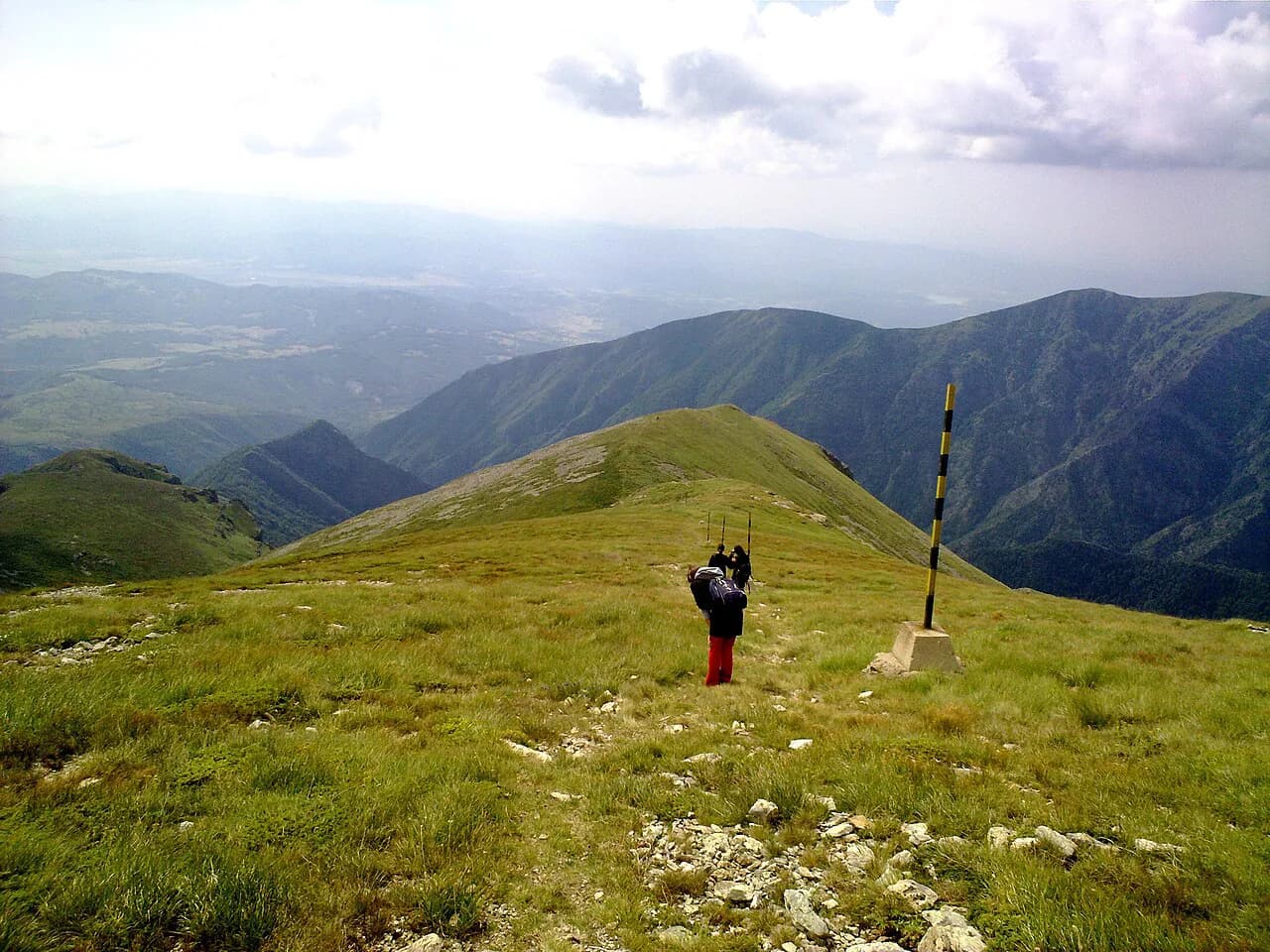
Pirin is the range for hikers who want rock under their hands occasionally and air beneath their boots. The lake cirques sit in deep bowls below sharp summits, and routes linking them cross passes where snow can linger into early summer and return in autumn. The terrain is more exposed than Rila, with scree and blocky sections on the higher traverses.
Plan Pirin days for stable weather and start before the afternoon build-up, because storms arrive quickly on the ridges and the descents from the passes are steep. A helmet is unnecessary, but boots with stiff soles and poles make the loose upper sections much more comfortable.
Vitosha: the mountain on Sofia's doorstep
Vitosha rises straight from Sofia and gives you a mountain day without a car. City buses serve the lower slopes, and a cable car on the mountain's main flank carries walkers toward higher ground; the lift does not run every day of the year, so a Sofia visitor should confirm its operating days before relying on it for a high start.
Routes from the upper stations lead to open summit plateaus, rock formations and the Boyana waterfall area, giving a choice between a short half-day and a full loop. Snow and ice can persist on the upper paths well into spring, and the plateau is exposed to wind, so carry a layer that blocks it even on a mild city day.
Balkan Mountains: long ridges, gorges and lower, greener walking
The Balkan Mountains run the length of northern Bulgaria and offer the country's most relaxed long-distance walking. Ridges are rounded and forested below the tops, gorges cut through limestone, and villages on both flanks give you frequent escape points. Distances between accommodations are longer than in the high ranges, so multi-day sections there need planning around hut or guesthouse spacing.
Black Sea coast and urban walks: Varna, Sozopol and Plovdiv
The coast is where Bulgaria turns flat promenade walking into a genuine outdoor day. The Sea Garden loop in Varna runs 10.3 km (6.4 mi) with only 90 m (295 ft) of ascent and takes most walkers around 2 hours 43 minutes; it is rated moderate, and the paths are easily accessible and suitable for all skill levels.
Shorter and flatter options suit families: the Sunny Beach pier loop covers 5.74 km (3.6 mi) with negligible ascent and an easy rating, and the Sozopol old-town and beach loop is 4.99 km (3.1 mi) with 60 m (197 ft) of climbing. Plovdiv's Milyo the Madman Statue to East Gate loop runs 4.58 km (2.8 mi) with 40 m (131 ft) of gain through the historic center.
Treat these as town walks with sea air rather than mountain days: pavement and park paths, drinking water and cafes throughout, and no permits needed for the standard promenades and city parks. They give you a comfortable leg-stretch on travel days when you arrive in Varna or Plovdiv and want to move before the mountains.
Grouping hikes by difficulty, with distance, ascent and walking time
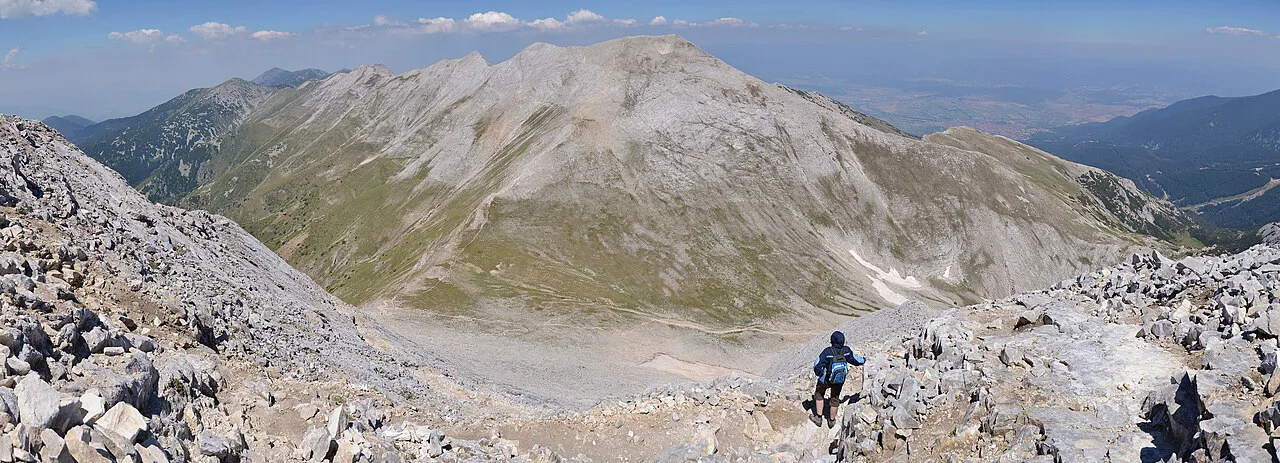
Bulgaria's walking divides cleanly by ambition. Easy days are the coastal and city loops above, all under 6 km (3.7 mi) with minimal climbing and reliably paved ground. Moderate days are the Rila and Vitosha lake or plateau routes of five to eight hours with sustained but non-technical ascent. The hard end belongs to Pirin, where ridge traverses combine steep, loose ground, real exposure and long hours above shelter.
Match the hardest day to your group's weakest member rather than its strongest: a Pirin ridge feels far more serious for a tired walker than the numbers alone suggest, and the sensible approach is to choose your highest route for a settled weather window early in the trip.
Getting to trailheads: mountain roads, buses and lift access to high starts
Most Bulgarian trailheads sit at the end of a mountain road, and a car shortens the day considerably, especially where the approach road is long and rough. Vitosha is the exception: buses from Sofia reach the lower mountain and the main cable car gives a high start without driving. For the Black Sea promenades, the routes start in the towns themselves, so arrival by bus, train or plane needs no transfer.
Where a lift carries you high, plan around its operating calendar and carry enough to walk down if the weather closes in. For long days in Rila, arrange your return from a different trailhead in advance or plan an out-and-back route. Check current operating dates and prices with the lift company before you travel.
Huts and mountain lodging: how Bulgarian mountain huts work
Bulgarian mountain huts are the backbone of multi-day walking: simple bunk rooms and dormitories with a common room and basic meals, run individually or by hiking associations rather than as a single online booking system. Many are reachable only on foot, so you confirm the arrangement by phone or email ahead of the night and carry cash, since card payment is unreliable at altitude.
Opening seasons vary: huts on the popular Rila lake circuits tend to be staffed through the summer months, while smaller huts in the Balkan Mountains may open only when demand or the season allows. Build a fallback into any route that depends on a single hut, and treat a closed hut as a reason to reroute rather than a reason to push on tired.
Long-distance and hut-to-hut options for multi-day trips
Bulgaria has no single signed route comparable to a continental long trail, but the geography supports hut-to-hut sections, especially through Rila and Pirin. A workable pattern is three to five days linking huts and lake basins, with daily stages sized to the terrain and one rest day in a base town. If you want a fully guided format, Bulgarian trekking tours on the market include small-group itineraries with flights and a guide, and the published prices and departure dates change by season, so compare operators directly.
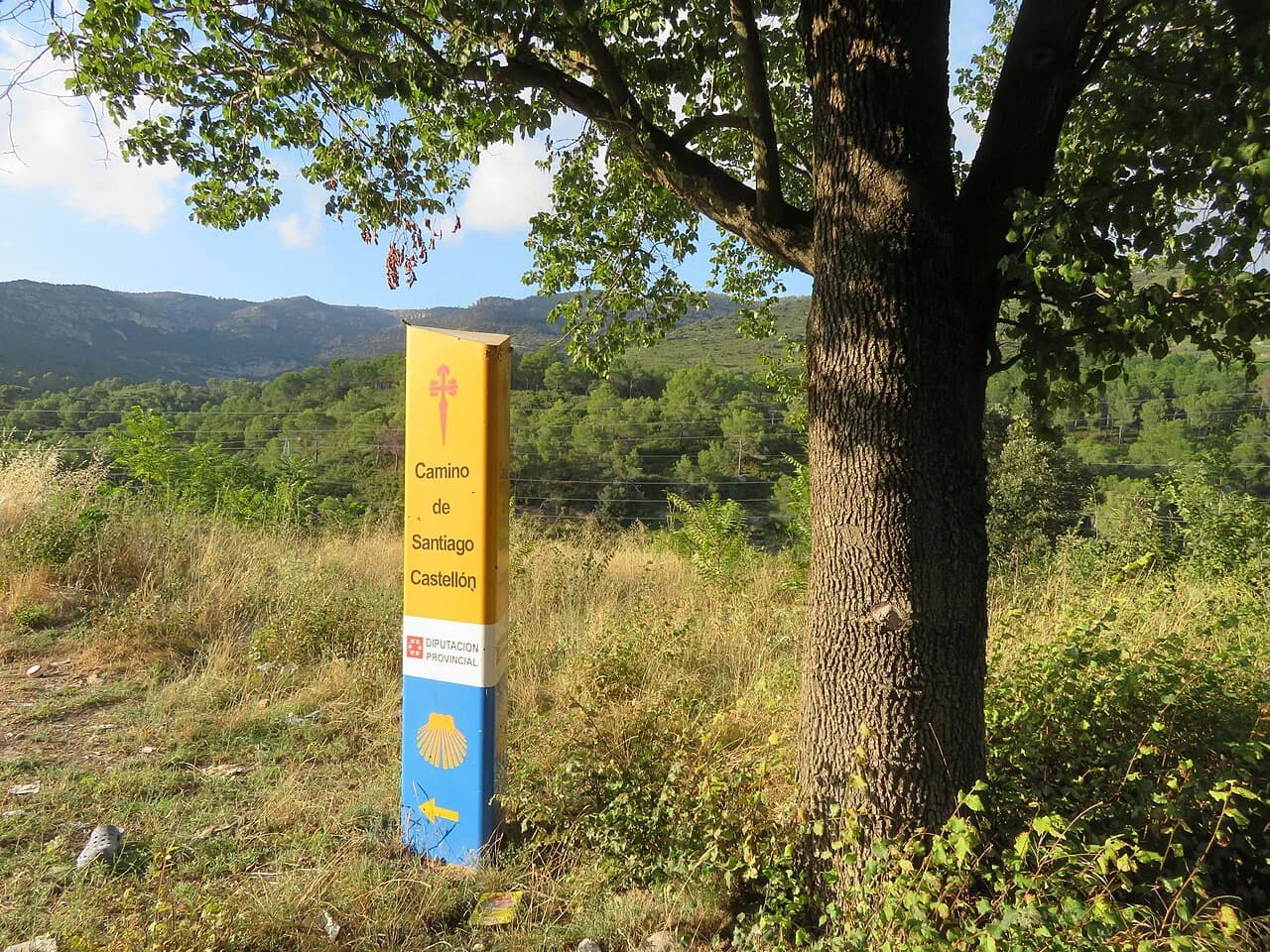
For anyone drawn to famous European traverses, the GR20 guide and the camino de santiago route offer different styles of multi-day walking: one mountain-hard, one town-to-town. They are worth reading as reference for how you like to organize a long trip before you commit to a Bulgarian itinerary.
When to go: season by range and what snow does to high passes
The Bulgarian hiking season broadly runs from May to October, with spring and autumn giving milder temperatures and clearer walking, and summer the most reliable weather for coastal promenades. In the high ranges, snow lingers on passes into early summer and can return in October, so late June through September is the practical window for Rila and Pirin ridge routes.
Late spring is a trade-off: more snow on the ground and fewer people, so you check the conditions on higher paths and choose lower trails in the Balkan Mountains or a coastal walk on a wet day. Autumn is the better shoulder season for settled weather and long views.
Base towns and villages: which base suits which mountain and hike style
Sofia is the obvious base for Vitosha day trips and arrivals, with city bus access to the mountain and the country's main transport hub for onward travel. Rila is best served by smaller mountain towns on the range's flanks, where guesthouses put you within a short drive or transfer of major trailheads. Pirin works from the towns on the park's edges, with the range's best-known trailheads a short drive from town centers.
For the Balkan Mountains, pick a town in the foothills or a village near a gorge and plan point-to-point days linking villages rather than day loops from a single base. Black Sea stays in Varna or Sozopol add easy walking days to a mountain itinerary.
Mountain hazards: exposure, storms and late-lying snow
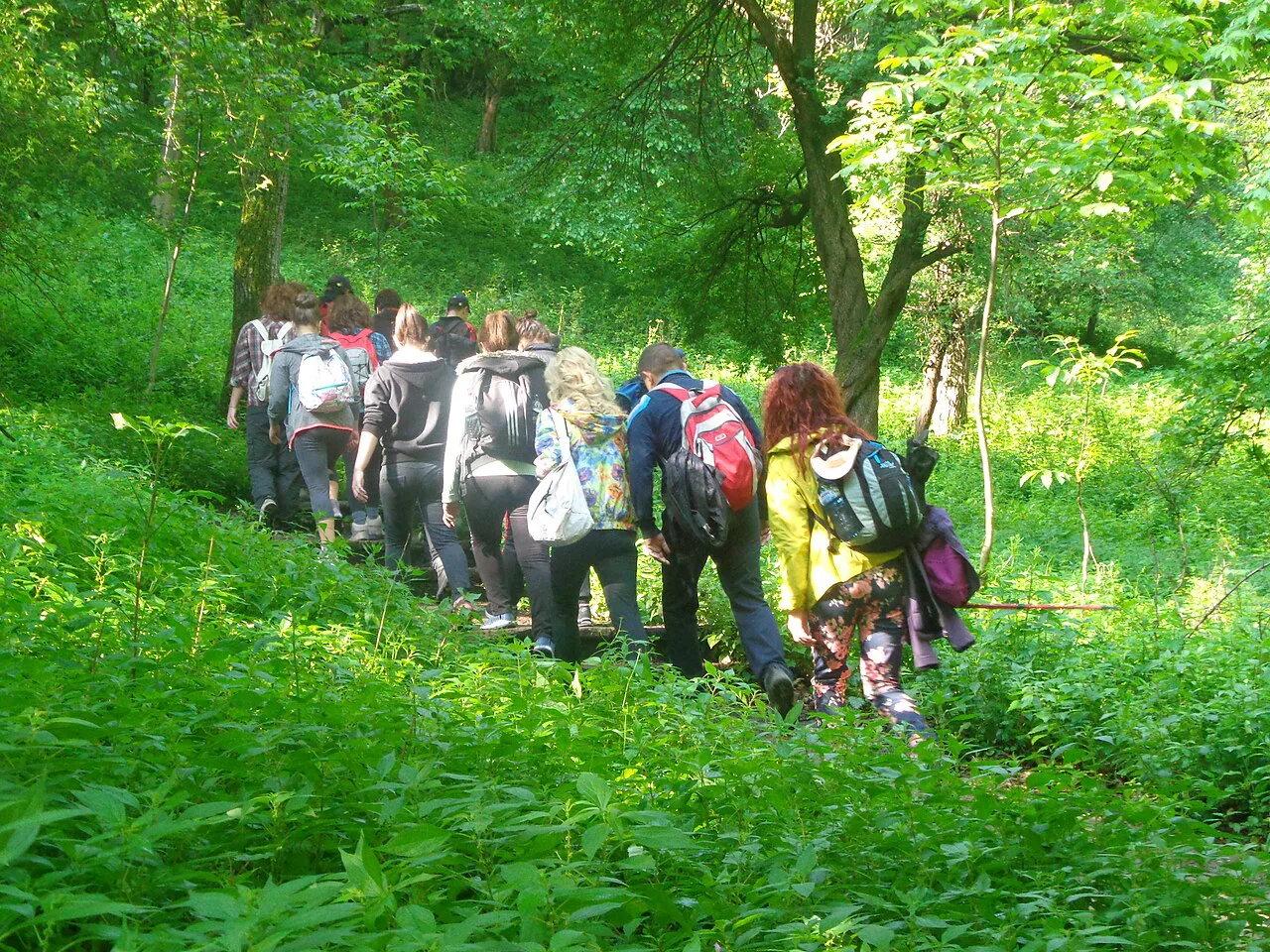
Pirin's ridges are genuinely exposed, and a slip can be consequential; walk within your ability and turn back when the ground turns loose and steep. Summer afternoon thunderstorms build quickly in Rila and Pirin, so start high routes at dawn and be descending by early afternoon. Snow on high passes persists into early summer and returns in autumn, making an ice axe and crampons a sensible addition for shoulder-season plans or a reason to pick lower ground.
Fees, permits and national-park rules for walking in protected areas
City parks, promenades and general town walks need no permit. Trails that extend into protected areas, such as Vitosha's higher ground, may fall under specific regulations, and these are generally signposted where they apply.
Where a fee or regulation applies, it is stated at the entrance or the park's own information, so read the signage at the trailhead rather than relying on a plan made weeks earlier. This also applies to the national-park boundaries in Rila and Pirin, where rules on where you can camp and which paths are open vary by zone.
Practical planning: maps, markings and water on the route
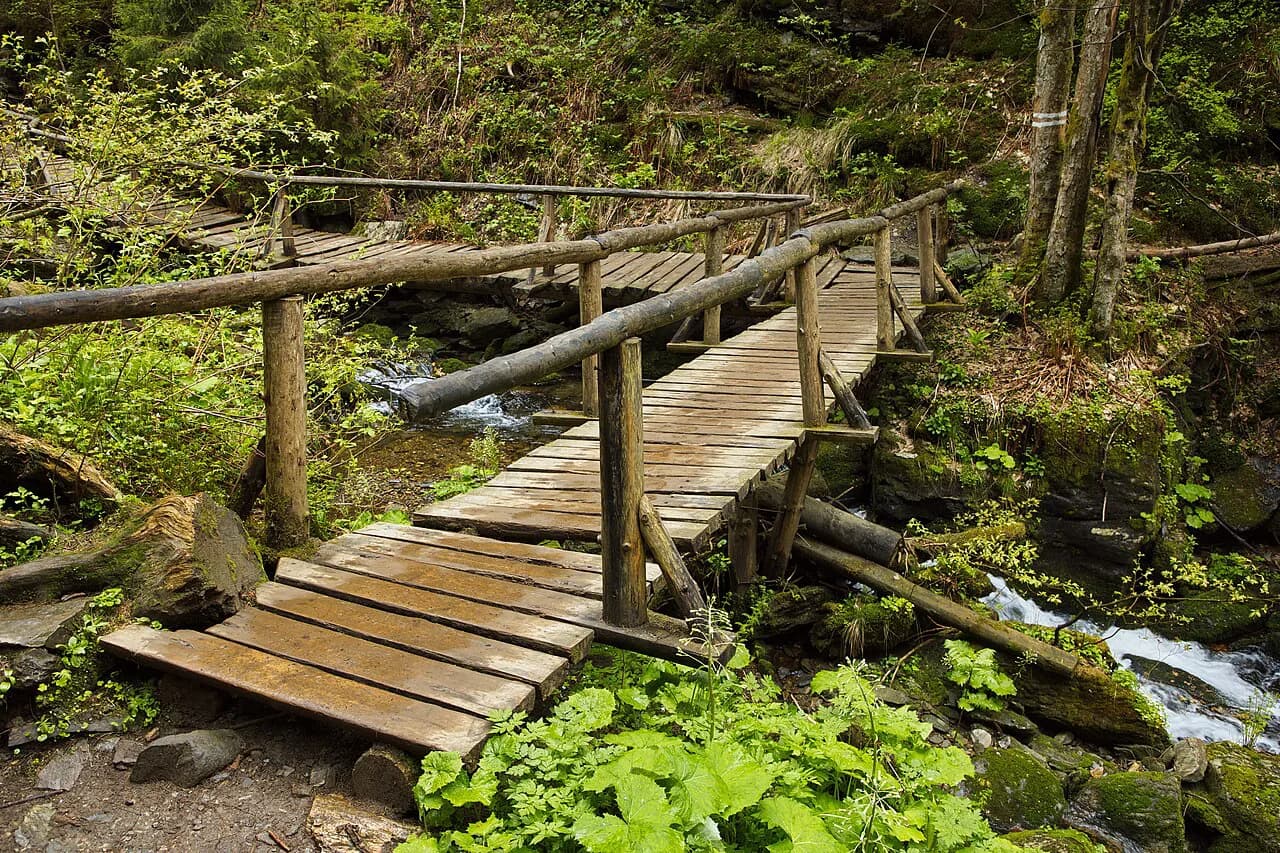
Bulgarian mountain paths are marked with painted blazes on rocks and trees, and junction signs point to the next landmark rather than to numbered trails. Carry a paper map or a downloaded offline track for the higher routes, because signs at junctions can be sparse or faded and the open plateaus give you several plausible lines. Fill water at your base or at huts; high plateau streams are not reliable in late summer.
Where to start if you have three days, a week or two weeks
Three days fits one range: two days in Rila on lake routes, or Vitosha from Sofia plus a coastal walk. A week lets you add Pirin for sharper terrain and exposure, with hut nights linking the lake basins. Two weeks allows all four regions, with time for a multi-day Balkan Mountains traverse and a coast stay, plus a rest day or two around travel.
If you would rather sample other hiking areas on the same trip, walks in italy across the Alps and the england hiking long-distance paths are useful comparisons but stand outside Bulgaria and need separate travel days; keep them for a later trip rather than splitting a short Bulgarian itinerary.
Nearby hiking areas outside Bulgaria for a combined Balkan trip
Outside Bulgaria, the Rhodope Mountains extend into Greece and can be added as a separate southern leg if you have the days and the border crossing arranged in advance. Within Bulgaria, keep the country's own ranges as the core of the trip: they are close enough to combine and different enough to justify the travel.
Plan Your Bulgaria Hiking Trip
Decide on a range first: Rila for lake plateaus and long day routes, Pirin for a sharper, more exposed challenge, Vitosha for a car-free mountain day from Sofia, and the Balkan Mountains for lower, greener walking. Then pick a base town that puts you near those trailheads and build one rest day into the plan.
Lock in your hut nights before you travel, keep a lower-altitude fallback for bad weather, and treat afternoon storms and late-lying snow as planning facts rather than surprises.
Frequently Asked Questions
Does Bulgaria have good mountains for hiking?
Yes. Rila and Pirin are high granite ranges with glacial lakes, sharp ridges and full-day routes above the treeline, while Vitosha above Sofia offers mountain walking reachable by city transport. The Balkan Mountains add long, lower ridges and gorges for gentler multi-day walking.
What is the best time of year to hike in Bulgaria?
The hiking season runs roughly from May to October, with spring and autumn giving milder temperatures and clearer views. For the high lake and ridge routes in Rila and Pirin, aim for late June through September, because snow lingers on passes into early summer and can return in October.
Which Bulgarian mountains are best for a first hiking trip?
Rila is the best first mountain: long but non-technical lake circuits from mountain bases, with clear paths and plenty of options to shorten a day. Vitosha makes an easy introduction too, since city buses and the mountain's cable car can put you on high ground without a car.
Can you hike in Bulgaria without a car?
On Vitosha yes, where Sofia city buses reach the lower mountain and a cable car climbs toward the higher ground. The Black Sea promenades in Varna and Sozopol start in the towns themselves. For Rila, Pirin and the Balkan Mountains, trailheads sit at the end of mountain roads and are much easier to reach with a car or a pre-arranged transfer.
How do mountain huts in Bulgaria work?
Huts are simple bunk and dormitory accommodation with a common room and basic meals, usually reachable only on foot. Many are run individually or by hiking associations rather than through one central booking system, so arrange your night directly with the hut by phone or email and carry cash.
What is the hardest hike in Bulgaria?
The hardest walking is on Pirin's high ridgelines, where steep, loose ground combines with real exposure and long hours above shelter. Rila's lake circuits are longer but less technical. Choose your hardest day for a settled weather window and be prepared to turn back if conditions change.
Sources
Trail notes for your next trip
Optional updates when we add or revise hiking guides.
You might also like
Continue reading
More guides you'll find useful