Hiking in Lake Bled: Best Day Hikes, Viewpoints and Gorges
Plan hiking in Lake Bled, Slovenia: the lakeside loop, the Ojstrica viewpoint climb, Vintgar Gorge boardwalks and the higher Julian Alps trails above town.
On this page
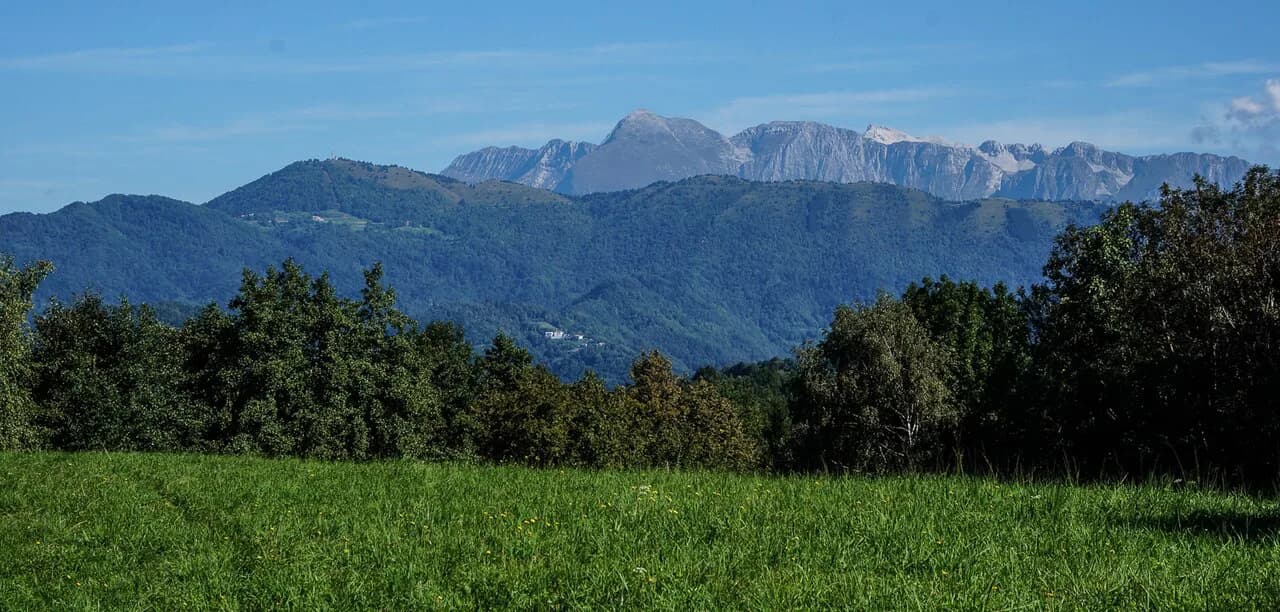
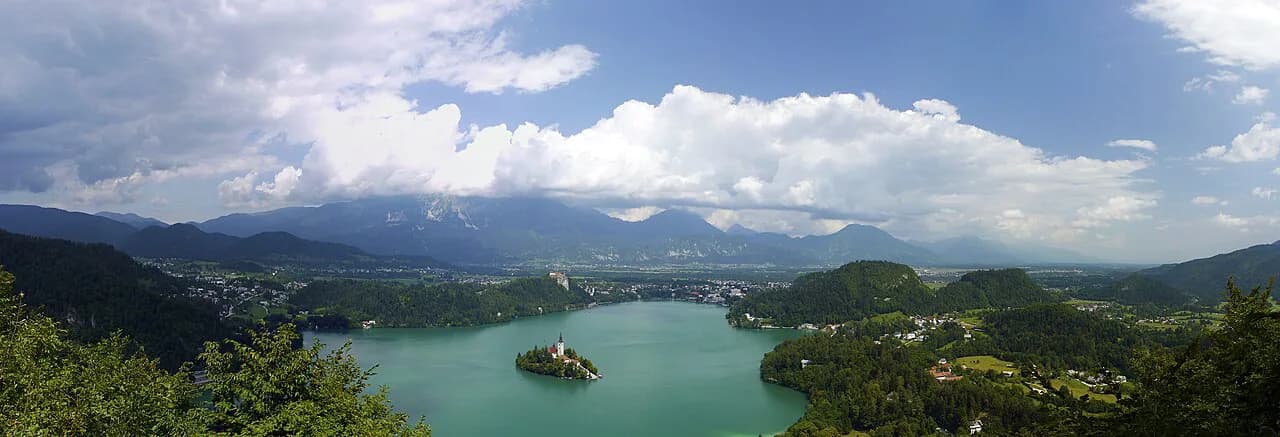
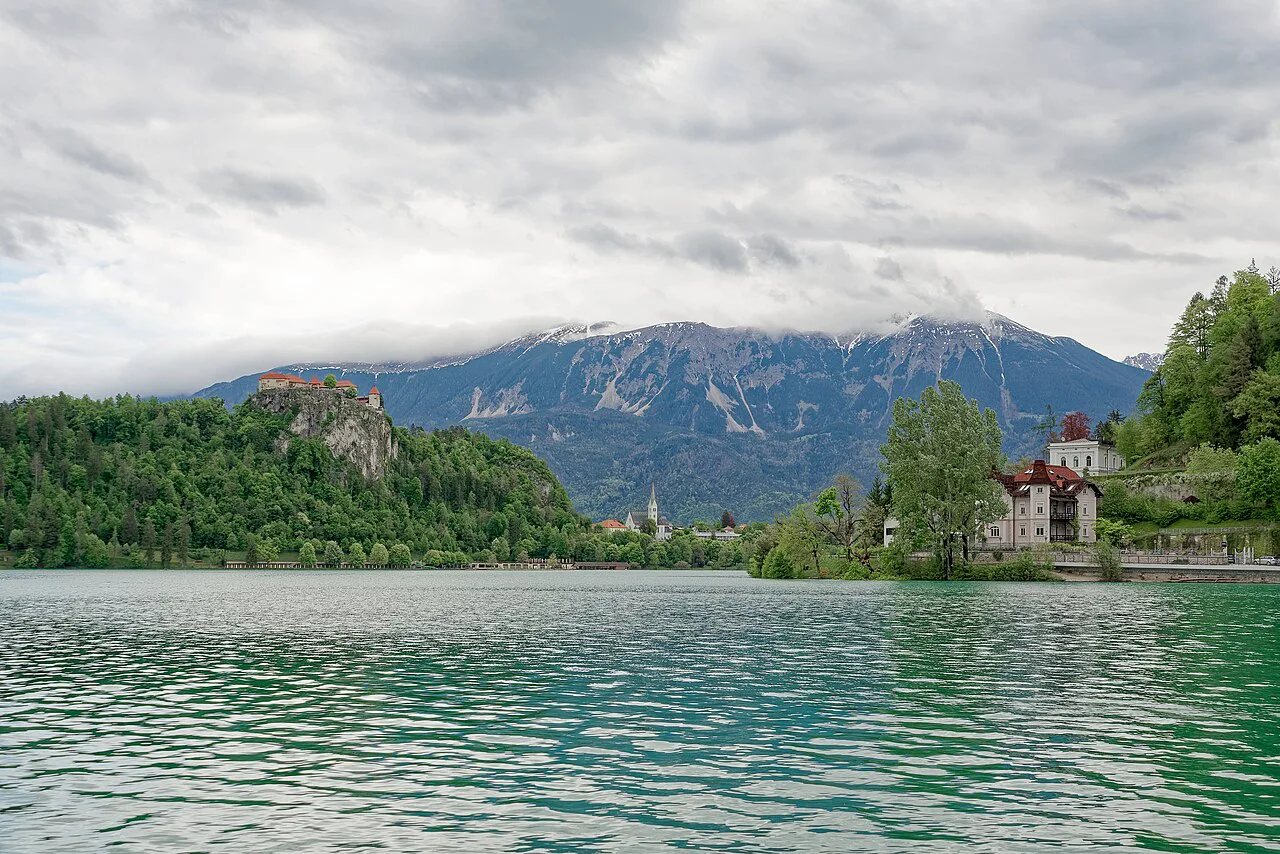
Lake Bled sits at 507 m (1,665 ft) in northwestern Slovenia, below the Julian Alps, with a medieval castle on a cliff above the water and a church on an island in the middle. Hiking here suits anyone who wants big mountain scenery without committing to a multi-day traverse: the lake circuit is flat and paved, the viewpoint climb is short and sharp, and the gorge boardwalk is a half-day outing from town.
The three classic routes all begin within walking distance of Bled's guesthouses, which is why a car is optional for a first visit. Longer and steeper options, including the Valley of the Seven Lakes and the Bohinj-side trailheads, need a drive or a bus ride and a full day.
Why Lake Bled works as a hiking base
Bled is a small resort town of roughly 8,000 people on the eastern shore of the lake, about 55 km (34 miles) from Ljubljana and 25 km (15 miles) from Lake Bohinj. That position puts the Triglav National Park boundary close enough that Vintgar Gorge, 5 km (3 miles) away, is a walk-and-shuttle outing rather than an expedition.
The trade-off is that Bled is busier and lower than Bohinj, so the high routes cost you more travel time. If your priority is summit days in the Julian Alps rather than lakeside walking, base yourself in Bohinj and treat Bled as the rest-day stop.
When to go: spring, autumn and the summer storm pattern
April, May, September and October give the most comfortable temperatures and the thinnest crowds on the viewpoint paths. June through mid-September brings the heat and the heaviest visitor numbers, along with frequent afternoon thunderstorms, so plan an early start and be off the ridges and exposed viewpoints by mid-afternoon.
Winter changes the picture: snow covers the town and the higher forest paths, some businesses shut, and Vintgar Gorge closes. The lake loop and the short climb to Ojstrica remain walkable in winter with care on ice, but treat the long alpine routes as summer and early-autumn objectives only.
The Lake Bled loop: distance, surface and where it starts
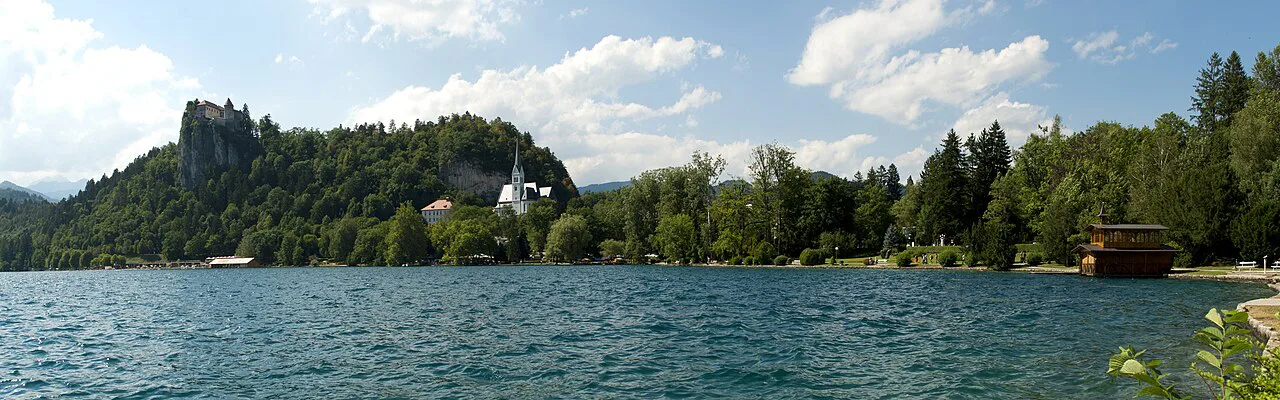
The lakeside circuit is 6 km (3.7 miles) with about 115 m (377 ft) of elevation gain, and it runs as a loop from anywhere on the shore. The surface is paved or gravel the whole way and stays flat enough for strollers and wheelchairs, making it the one route here you can do in trainers or after a late arrival.
Facilities are the reason to choose it on a hot day: drinking water, toilets and cafes sit along the route, and the western shore has a swimming area and boat rental for a mid-walk break. The path also passes the Olympic Rowing Centre at the northwestern corner, where the trail can be diverted during rowing events, so follow the marked detour up toward the station if the lakeside stretch is fenced.
Add a spur on the northern shore to climb to Bled Castle for a view back over the island. Adult castle admission is 13 euros, so decide before you set off whether the detour is worth the ticket.
Ojstrica, Mala Osojnica and Velika Osojnica: the viewpoint climb
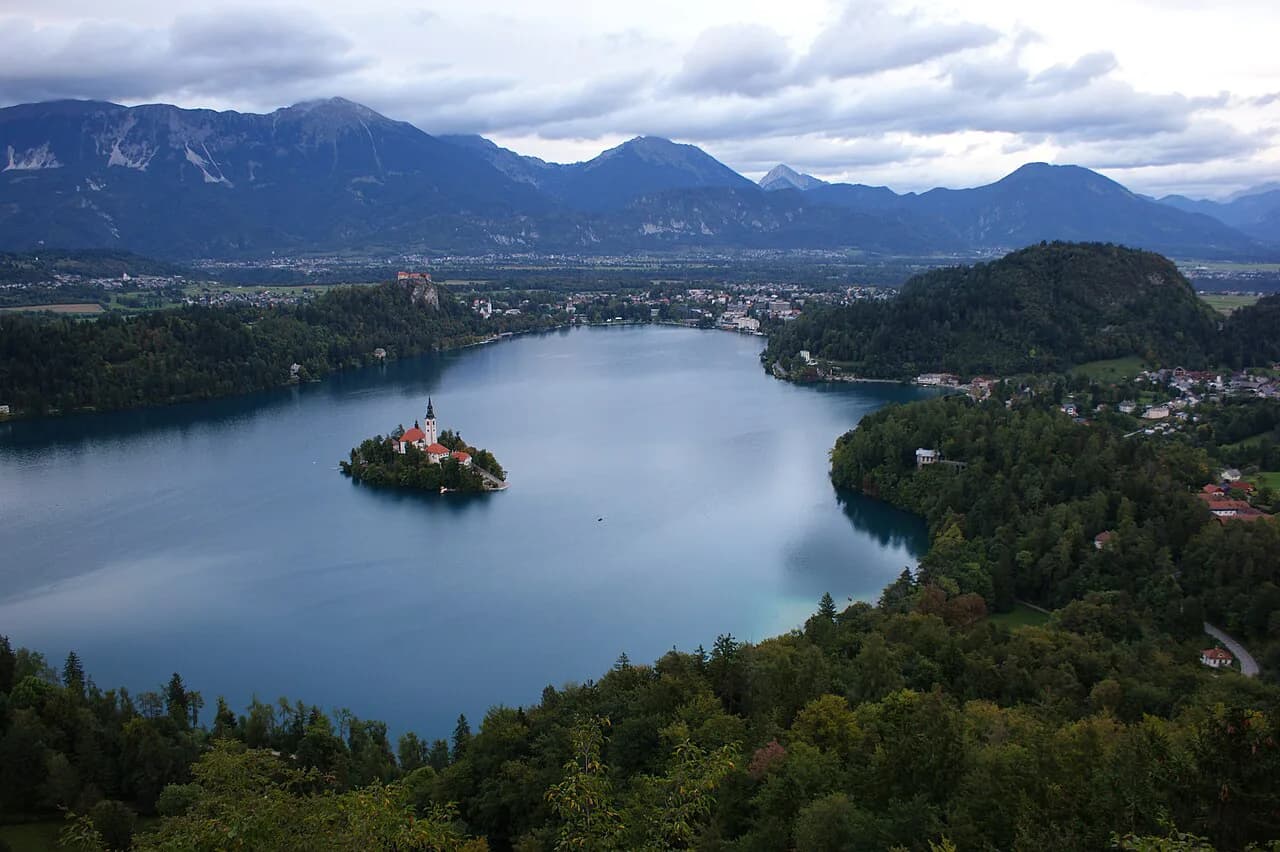
This is the hike most people mean by hiking in Lake Bled: a 3.2 km (2 mile) loop with 210 m (692 ft) of ascent from the southwestern shore to the Ojstrica and Mala Osojnica viewpoints. The trail leaves the lakeside path at Zaka, climbs about 15 minutes to Ojstrica, and then continues to Mala Osojnica before descending to the water on steps and switchbacks.
The path is short but genuinely steep and rocky in places, so wear shoes with grip rather than sandals; the reward is the classic bird's-eye frame of the island church with the Karawanks behind. Sunrise and sunset give the best light and the fewest people at the wooden bench and viewing platforms.
For more climbing, take the spur between the two viewpoints up to Velika Osojnica, the highest point of the hill. It adds 1.2 km (0.8 miles) and 76 m (250 ft) to the loop and is the quietest of the three viewpoints.
Vintgar Gorge and the return over the St. Catherine trail
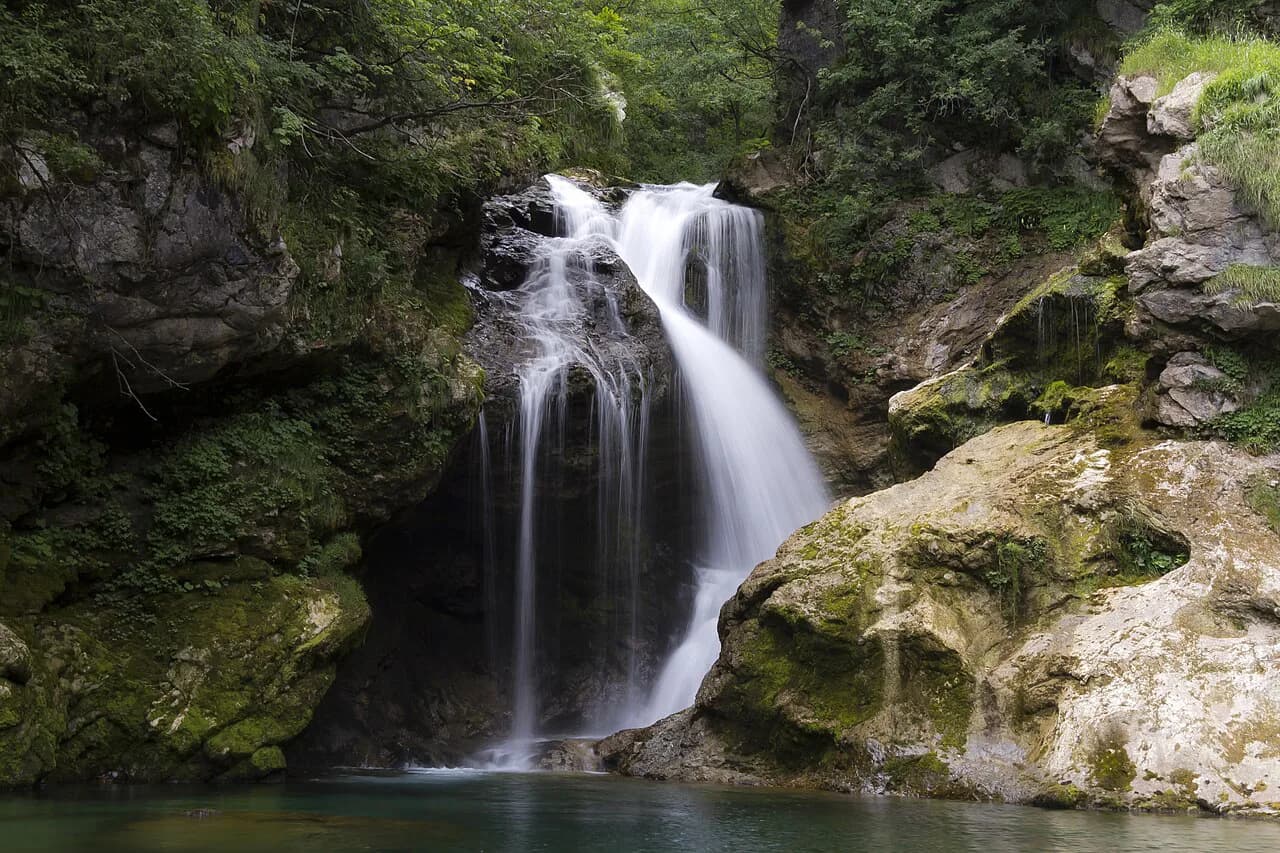
The boardwalk through the gorge follows the Radovna River for 1.6 km between walls up to about 250 m deep, past pools, rapids and waterfalls, and finishes at Šum Falls, the largest river waterfall in Slovenia. Counting the walk back, the full outing is 5.5 km (3.4 miles) with 228 m (748 ft) of ascent, and the boardwalk section runs one way only.
Because you cannot retrace the boardwalk, choose a return route on the far side. The St. Catherine trail is the longer but more scenic option, passing the 15th-century Gothic Church of St. Catherine and crossing pastures with cows and goats before rejoining the trailhead, with Bled Castle visible in the distance.
Fees and opening season for Vintgar Gorge
Adult admission to Vintgar Gorge is 10 euros, with 7 euros for students and retirees, 2 euros for children aged 6 to 15, 1 euro for younger children and 3 euros for pets. Parking at the gorge is charged separately, so a group arriving by car pays on top of the per-person tickets.
The gorge generally opens from April to November and shuts through the winter months. Vintgar Gorge is reachable by shuttle bus, bicycle or on foot from Bled, which avoids the parking charge and is the better choice in high season.
Longer and steeper options: Talež and the Valley of the Seven Lakes
Talež Hunting Lodge is the quieter half-day from town, 6 km (3.7 miles) out and back with 454 m (1,489 ft) of climb, starting from the village of Ribno and following forest roads and narrow trails. A hut at the top serves food in the summer months, so carry your own water and snacks outside that window.
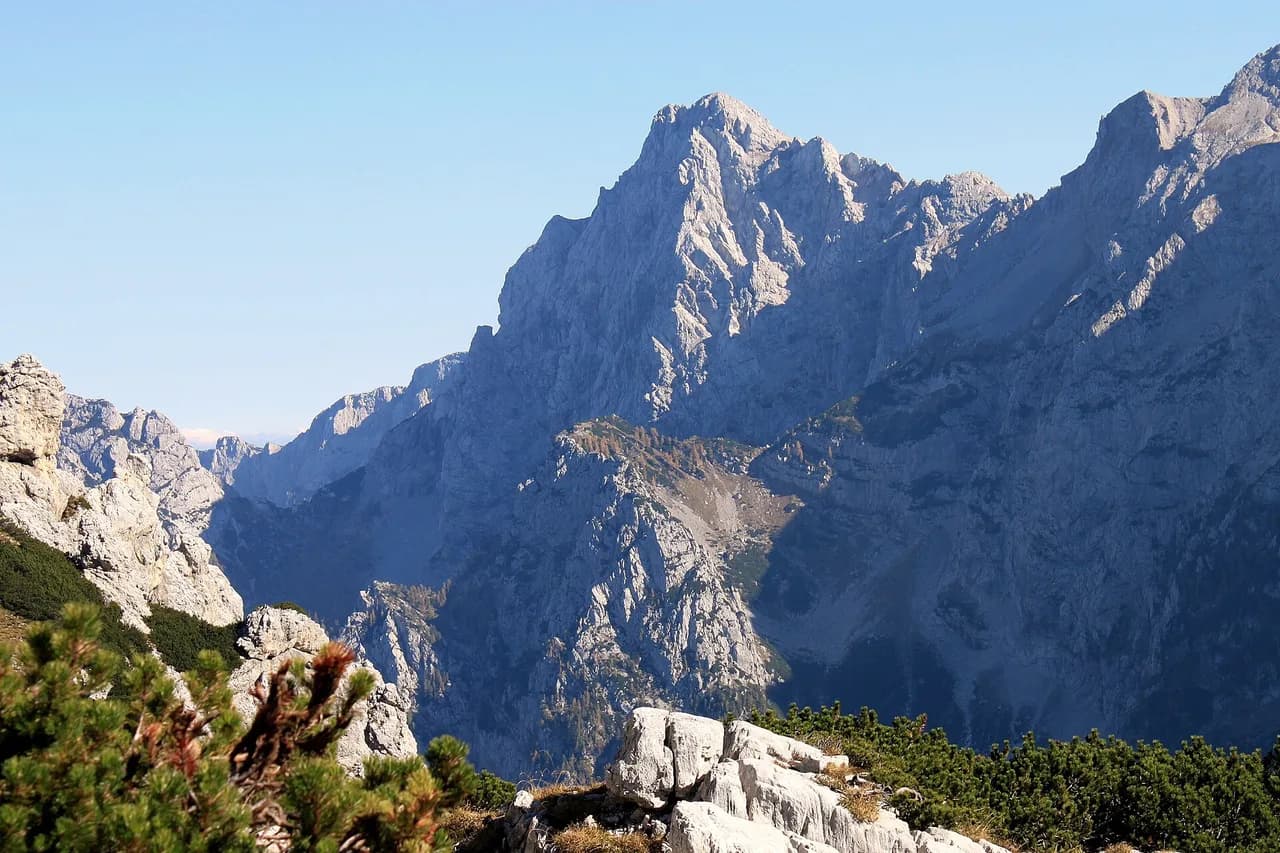
The Valley of the Seven Lakes is the serious objective, 15 km (9.3 miles) out and back with 1,051 m (3,448 ft) of ascent into the heart of the Julian Alps from the Bohinj side. Cars reach the Planina Blato trailhead above Stara Fužina via a mountain road with a 12-euro fee, and the route is best split over two days with a night in a valley hut if 15 km of rocky terrain feels long.
Hikes reached from Bohinj and Pokljuka
Bohinj, outside Bled town to the southwest, holds several short outings worth the drive: Mostnica Gorge is a 4 km (2.5 mile) walk from Stara Fužina with entry of 3 euros, cash only, and Savica Waterfall is a steep 2 km (1.25 mile) climb from Koča pri Savici for 3 euros. Both are easy half-days you can pair with a lake swim.
Mount Vogel gives the biggest views for the least route-finding: a gondola from Bohinj lifts you to the ski centre, from where a 10 to 11 km (6 to 7 mile) round trip over Šija to the Vogel summit climbs around 700 vertical metres and takes four to six hours. The return gondola ticket was 24 euros, but fares change, so confirm the current price and last descent at the lift base before you set out.
Pokljuka, the forested plateau at 1,200 to 1,500 m above Bled, offers flatter meadow walks to Zajamniki and Uskovnica and steeper snowshoe and hiking routes such as Viševnik. Treat it as a vehicle-based day out: the plateau is a drive from town, and the trails there sit higher and hold snow later than the lakeside paths.
Getting to trailheads: on foot, by bus, by shuttle and by car
The lake loop and the Ojstrica climb need no transport at all: both start from the shore path on the western side of the lake. Ljubljana to Bled is served by Arriva buses and by private transfer, so a car-free trip built around these two routes plus the Vintgar shuttle is realistic.
For Vintgar, use the shuttle bus, a bike, or the walking route from Bled rather than driving, which sidesteps the extra parking charge. For Ribno, Bohinj and Pokljuka, a car saves hours; without one, pick Bohinj as an overnight base instead of attempting the Seven Lakes as a day trip from Bled.
Huts, water and facilities on the routes
The lake loop is the only route with reliable drinking water, toilets and cafes, so fill bottles before leaving the shore. On the viewpoint climb and the Talež route there are no amenities until the top, where the hunting lodge serves food in summer only.
On the Seven Lakes route, running water is generally drinkable in Triglav National Park but hard to find, and the accepted way to sleep high is in the valley huts or designated areas. Wild camping is prohibited in the park and swimming is not allowed in the mountain lake pools along the trails, unlike at Bled and Bohinj.
What to wear and carry
Sturdy shoes with tread are the single most useful item: the Ojstrica path is rocky, the Vintgar boardwalk is often wet, and the Seven Lakes route is loose underfoot. Add a light rain shell and a warm layer even in July, because the plateau and gorge hold cloud and the afternoon storms arrive fast.
Carry an offline map on your phone plus a power bank, since signal is patchy in the forest above the lake and in the gorge. For the Seven Lakes, plan on a helmet and harness if you add any via ferrata ground, and check hut availability before committing to an overnight.
Where to base yourself in Bled
Stay on the eastern side of the lake near the town for restaurants, bus access and the shortest walk to the castle spur. The western shore around Zaka puts you at the foot of the Ojstrica path, which suits photographers chasing sunrise from the viewpoints.
If you plan more than two days of mountain hiking, split the stay: Bled for the lake, gorge and viewpoints, then Bohinj for Vogel, Savica and the Seven Lakes. Two bases cut driving and let you start the long routes early.
Plan Your Visit
Match the route to your day: the flat 6 km lake loop for an easy arrival afternoon, the 3.2 km viewpoint climb for the classic photograph, and Vintgar Gorge for a half-day with a ticket. Add Velika Osojnica if you want more climbing without more driving.
Save the Seven Lakes, Vogel and Pokljuka for a full day with an early start and a car or a Bohinj base. Whichever you choose, buy gorge tickets and check lift times at the source on the morning you go, then set off before the afternoon build-up.
Explore more Lake Bled hiking guides
Frequently Asked Questions
What is the best hike around Lake Bled?
For most visitors it is the Ojstrica and Mala Osojnica viewpoint loop: 3.2 km (2 miles) with 210 m (692 ft) of climbing and the best view over the island church. The flat 6 km (3.7 mile) lakeside circuit is the better pick if you want an easy walk with cafes and water along the way.
How long does the Lake Bled loop take?
The circuit is 6 km (3.7 miles) with only about 115 m (377 ft) of gain on a paved or gravel path, so most walkers finish in around one and a half to two hours without stops. Allow longer if you break at the western swimming area or take the castle spur.
How hard is the climb to Ojstrica and Mala Osojnica?
It is short but steep, gaining 210 m (692 ft) in roughly 3.2 km (2 miles), and the path is rocky in sections. Expect to be out of breath on the ascent and wear shoes with grip, especially after rain.
Is Vintgar Gorge open in winter?
No. The gorge generally opens from April to November and closes through the winter months, and the one-way boardwalk means you return by a separate trail rather than retracing your steps.
Can you hike in Lake Bled without a car?
Yes for the lake loop and the Ojstrica climb, which start from the shore, and for Vintgar Gorge, which is served by shuttle bus and is walkable from town. The Bohinj and Pokljuka trailheads are far easier with a car or an overnight stay in Bohinj.
Sources
Trail notes for your next trip
Optional updates when we add or revise hiking guides.
You might also like
Continue reading
More guides you'll find useful