Hiking in the Julian Alps: Best Trails, Bases and Seasons
Plan hikes in Slovenia's Julian Alps, from the Juliana Trail loop to Triglav Lakes and Lake Krn, with base villages, trailhead access and the best months.
On this page
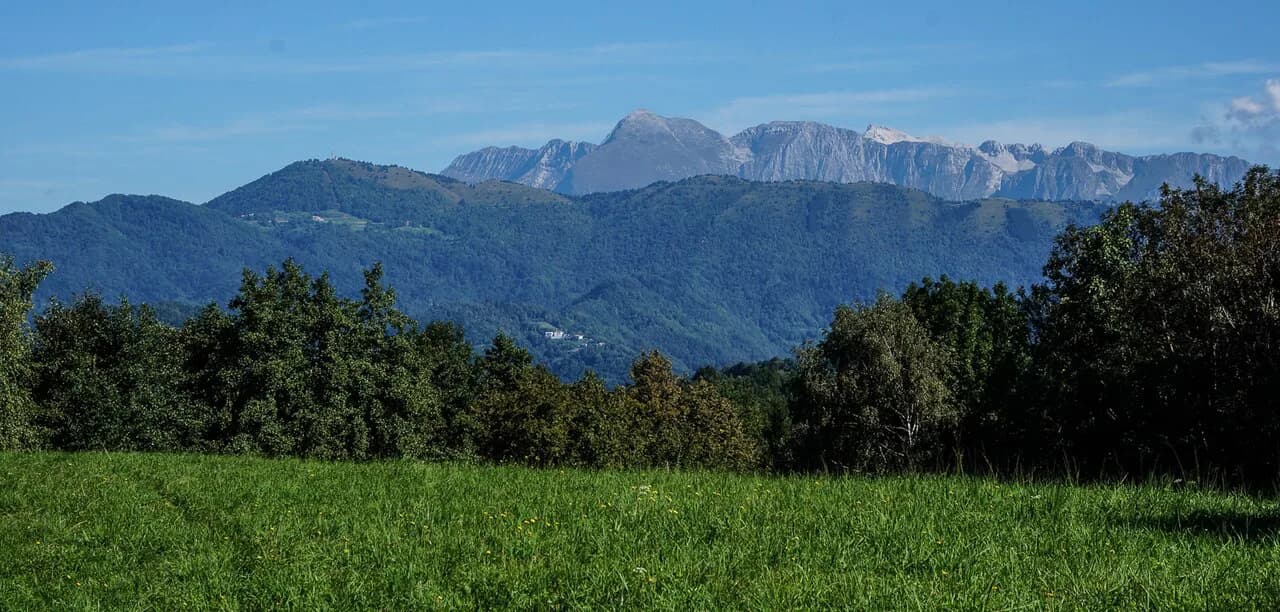
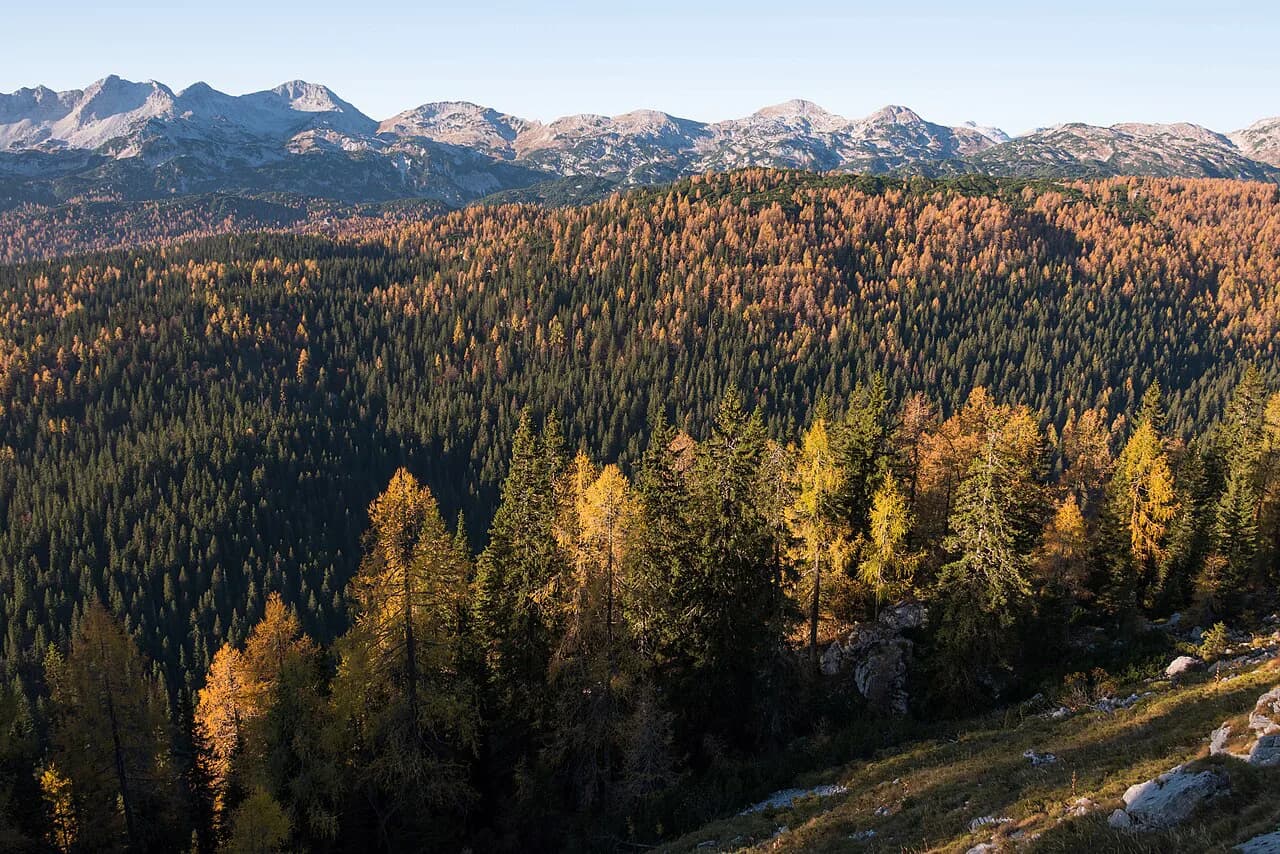
The Julian Alps reward hikers who match the day to their fitness rather than to a photo. You can wander a lake basin beneath limestone walls, scramble a via ferrata on a north face, or walk a 16-stage loop that circles Triglav National Park and dips into Italy. The range sits in northwest Slovenia, with Kranjska Gora and the Soča valley towns serving as the practical hubs.
Choose a base first: Kranjska Gora for the Vršič Pass and Mojstrovka, Bohinj and Bohinjska Bistrica for the lake basins, and Bovec or Kobarid for the Soča. From there, buses and a handful of lifts cut out long valley approaches. The trade-offs below are about time, exposure and weather, not scenery.
What the range offers and who it suits
The Julian Alps are high, wet and close-packed. The range receives more than 3,200 mm (126 in) of precipitation a year, which keeps the lake basins full and the limestone polished. For you, that means reliable water on the lake routes and a real risk of afternoon storms on summit days.
Fit day hikers can reach serious summits without mountaineering, provided they accept sustained ascent and exposed rock near the top. Multi-day walkers get a marked circuit with valley towns, huts and hotels at stage ends. Families and casual walkers are best served by the lower lake and valley paths around Bohinj, where you can turn back at any point.
Where the range sits
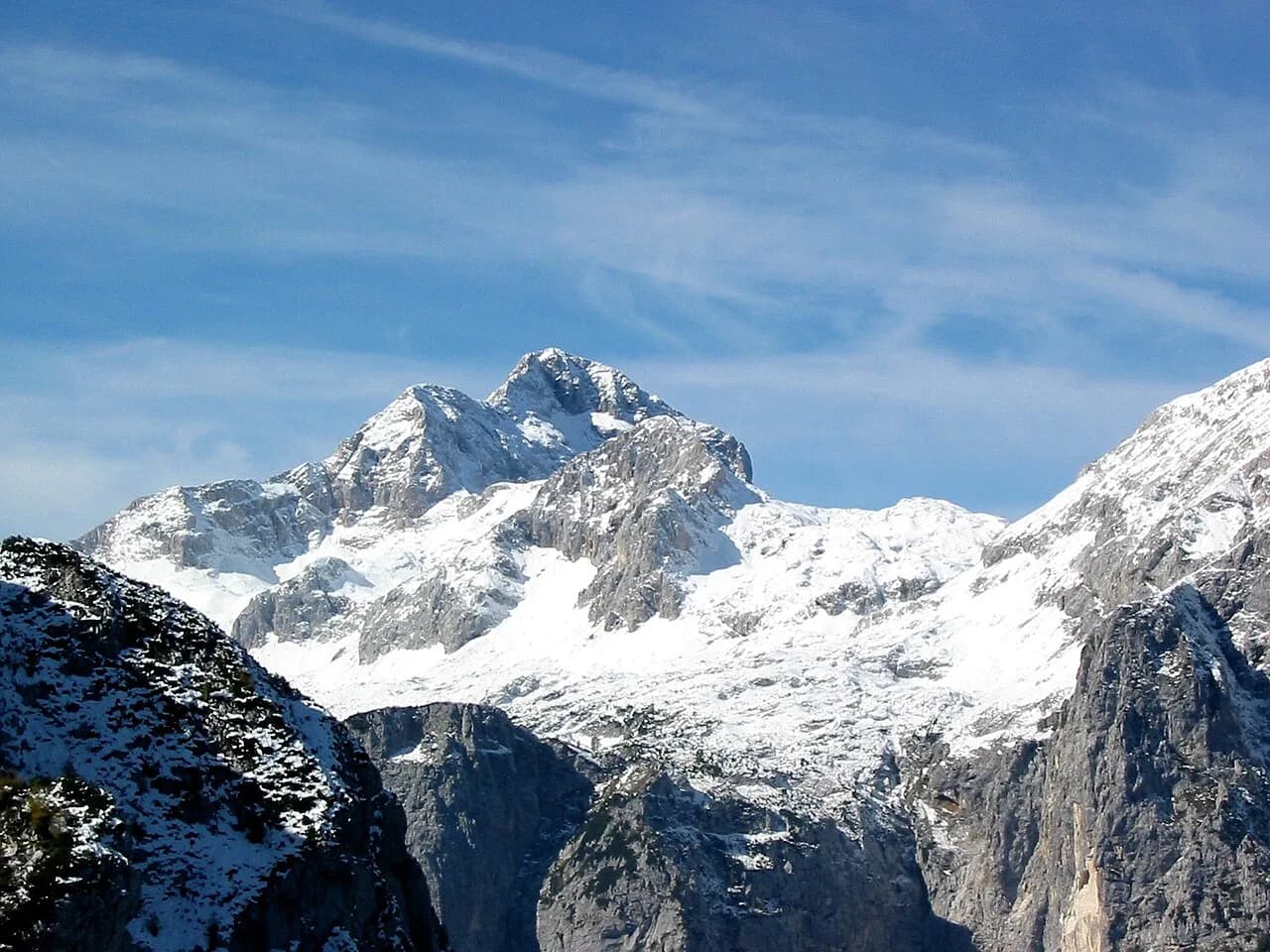
Most of the range falls inside Triglav National Park, Slovenia's only national park, which protects the massif around Mount Triglav, the country's highest summit. The Soča River drains the western and southern sides, running through Bovec, Kobarid and Tolmin toward the Italian border. North of Kranjska Gora, the Karavanke form a separate ridge line along the Austrian edge.
The Juliana Trail starts in Kranjska Gora and circles the park, crossing into Italy for an overnight in Tarvisio before closing the loop. Use that layout to plan: the eastern stages are gentler valley walking, while the western stages follow the Soča through mountain towns.
Main hiking areas and the base village for each
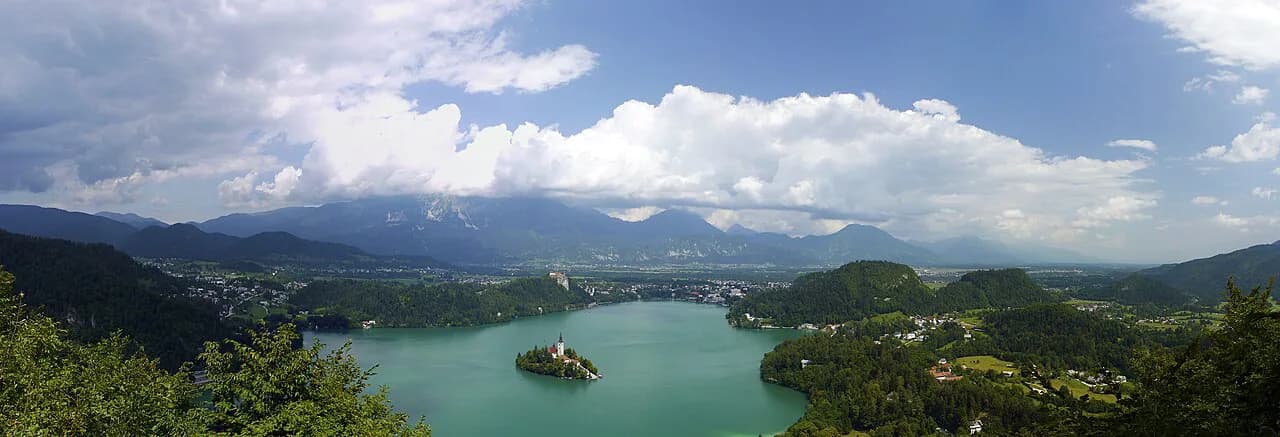
Base yourself in Kranjska Gora for the Vršič Pass, the Mojstrovka routes and the first Juliana Trail stages. Bohinj and Bohinjska Bistrica put you close to Lake Bohinj and the Seven Triglav Lakes approach. Bovec and Kobarid suit the Soča valley and the western stages, while Bled works as a low-altitude first or last night. If you would rather spend those nights on gentler trails, compare hiking in Lake Bled as an alternative base.
Kranjska Gora sits at the junction of the Karavanke to the north and the Julian Alps to the south, and hourly buses link it with Ljubljana in just under two hours. That makes it the most straightforward car-free base for a first trip. Bled and Bohinj reward you with shorter valley approaches but longer transfers to the high passes.
Easy and half-day hikes on the range's edge
If you want a short day with a hut meal at the end, the Zelenica walk in the Karavanke fits: it covers no more than 8 km (5 mi) with about 650 m (2,130 ft) of ascent and visits two mountain huts. It is a low-commitment introduction to Slovenian hut culture before you commit to a bigger day in the Julian Alps.
On the Slovenian side of the range, valley paths along the Soča and around Lake Bohinj give you flat or gently climbing options with frequent exit points. These are the days to schedule when a front is moving through, since you can retreat to a town without a long descent.
Lake hikes: the Seven Triglav Lakes and Lake Krn
The Seven Triglav Lakes are best walked as a three-day, roughly 25 km (15.5 mi) trek that uses two mountain huts, which spreads the climbing and gives you an evening in the basin. Day walkers can reach the lakes from the Bohinj side but face a long climb and descent in one push. Expect snow patches on the higher ground well into June after a heavy winter.
Lake Krn is the largest alpine lake in Slovenia at about 300 m (980 ft) long and 150 m (490 ft) wide, set among the rocky peaks of the southwestern Julian Alps. A day hike from the Soča valley is the standard approach, and a further four-hour climb reaches a 2,016 m (6,614 ft) summit above the lake with views of the smaller twin, Dupeljsko Jezero.
Summit day hikes: Jerebica and Mala Mojstrovka
Jerebica rises to 2,126 m (6,975 ft) above Lake Predil, a glacial lake about 1,400 m (4,600 ft) long that sits near the Italian border. The summit gives views across Slovenia, Italy and Austria at once, and the upper route is steep and rocky. Go early, because the same terrain that opens the panorama also exposes you to afternoon storms.
The via ferrata on Mala Mojstrovka's north face is one of Slovenia's classic routes, built in 1928 and reached from the Vršič Pass above Kranjska Gora. It demands about 720 m (2,360 ft) of ascent and a five-hour round trip, with cable protection on the steep sections. Carry a via ferrata set, helmet and harness, or hire a guide if you have not used them before; the north face holds snow late.
For the broader summit picture, including the normal routes and the hut night that most walkers add, work through a dedicated Triglav hike plan before you commit to a date. Routes on Triglav involve scrambling and, early in the season, snow on the upper slopes.
The Juliana Trail circuit
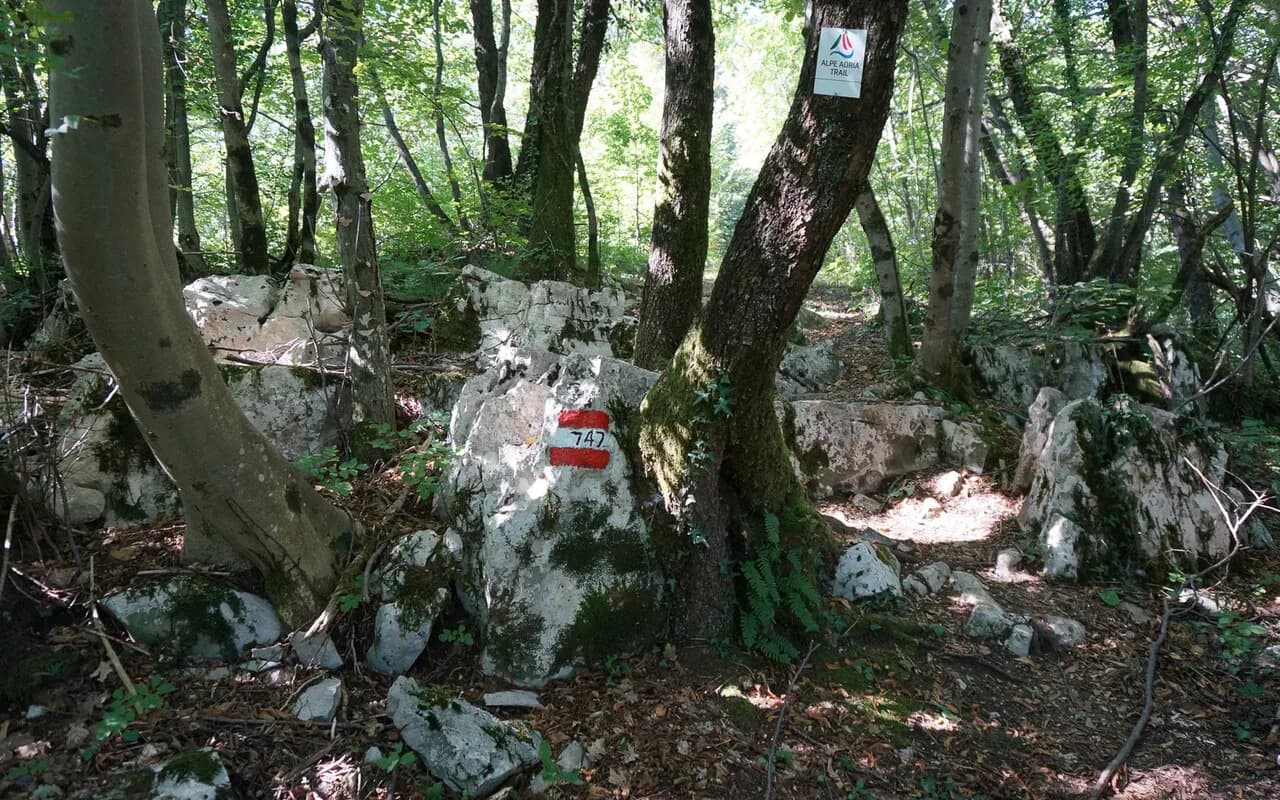
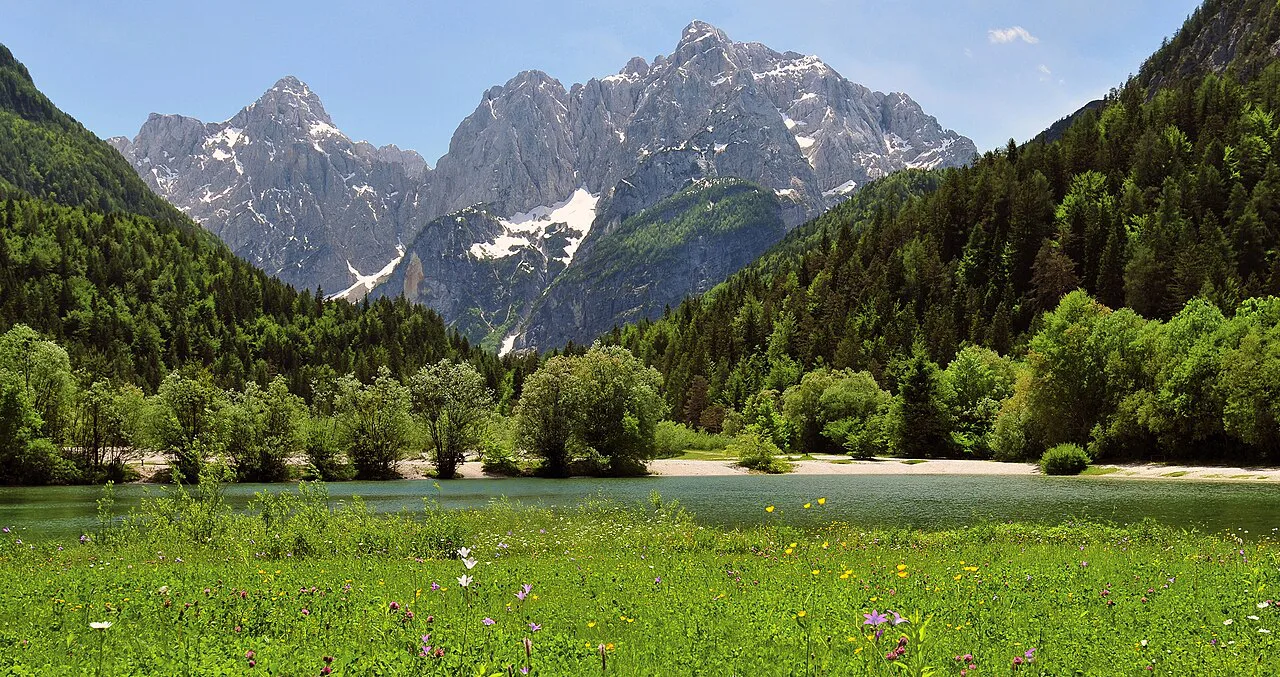
The Juliana Trail is a 168-mile (about 270 km) circular route of 16 stages that opened in 2019 and loops around Triglav National Park. It starts in Kranjska Gora, turns west to Lake Bled and Lake Bohinj, follows the Soča through Most na Soči, Tolmin, Kobarid and Bovec, re-enters the park beneath Mount Mangart and crosses into Italy for an overnight in Tarvisio before closing the loop.
Plan your nights around stage ends rather than pushing through: Mojstrana, Bohinjska Bistrica and Kobarid all sit at useful breaks where you can resupply or take a rest day. Accommodation, custom tours and luggage transfers along the route are booked through the Julian Alps destination site. If you want the corridor in detail, the full Juliana Trail stage guide covers each section.
The circuit suits walkers who prefer a bed and a shower most nights to a chain of mountain huts. The trade-off is that the valley stages are long and partly on roads and tracks, so treat it as a cultural traverse with mountain scenery rather than a high alpine route.
Getting to trailheads without a car
Hourly buses connect Ljubljana with the trailhead in Kranjska Gora in just under two hours, so you can start the Juliana Trail or reach the Vršič Pass road without renting a car. Valley buses then link the towns along the Soča and the Bohinj basin. Check the current timetable with Arriva before you build a day around a specific departure.
Lifts serve some of the higher approaches, most usefully around Kranjska Gora and the Vršič Pass, cutting hours off the climb to the ridges. For the lake basins, the bus to Bohinj plus a marked path is usually the simplest car-free option.
Distance, ascent and time for the headline hikes
Use these figures to shortlist days. The Seven Triglav Lakes trek runs about 25 km (15.5 mi) over three days with two hut nights, and the Zelenica walk on the Karavanke edge covers up to 8 km (5 mi) with 650 m (2,130 ft) of ascent. The Mala Mojstrovka via ferrata takes about 720 m (2,360 ft) of ascent and five hours round trip.
The Juliana Trail totals 168 miles (about 270 km) across 16 stages, with roughly 102 hours of walking for the full loop. Allow three to four weeks to walk it end to end at a comfortable pace, or pick five or six stages for a week. Lake Krn and Jerebica are full-day outings with substantial climbing, not half-day add-ons.
Mountain huts
Huts in Triglav National Park are the social heart of the range, with dormitory beds and cooked meals, and the ones near Triglav are known for lively evenings. Book ahead for summer weekends and holidays, since the beds in the popular basins fill quickly. Expect simple facilities rather than hotel comfort.
The Seven Triglav Lakes trek relies on two huts, so plan your itinerary around them rather than expecting to add an extra night. For a route built entirely around hut nights, use a Julian Alps hut to hut plan that matches daily distance to the beds available.
When to go
May to June and September to October are the best months to hike the range, balancing open huts, manageable temperatures and clearer days. July and August bring heat and afternoon thunderstorms, so start early and be off exposed ridges by midday. Late snow lingers on north-facing passes into early summer, and early autumn storms can close high routes.
The lake routes are at their best after the spring melt, when the basins hold water, and again in autumn when the crowds thin. Summit days need a settled forecast; the range's high rainfall means a wet front can arrive fast. Build one flexible day into any week so you can swap a summit for a valley walk.
Weather, terrain and gear
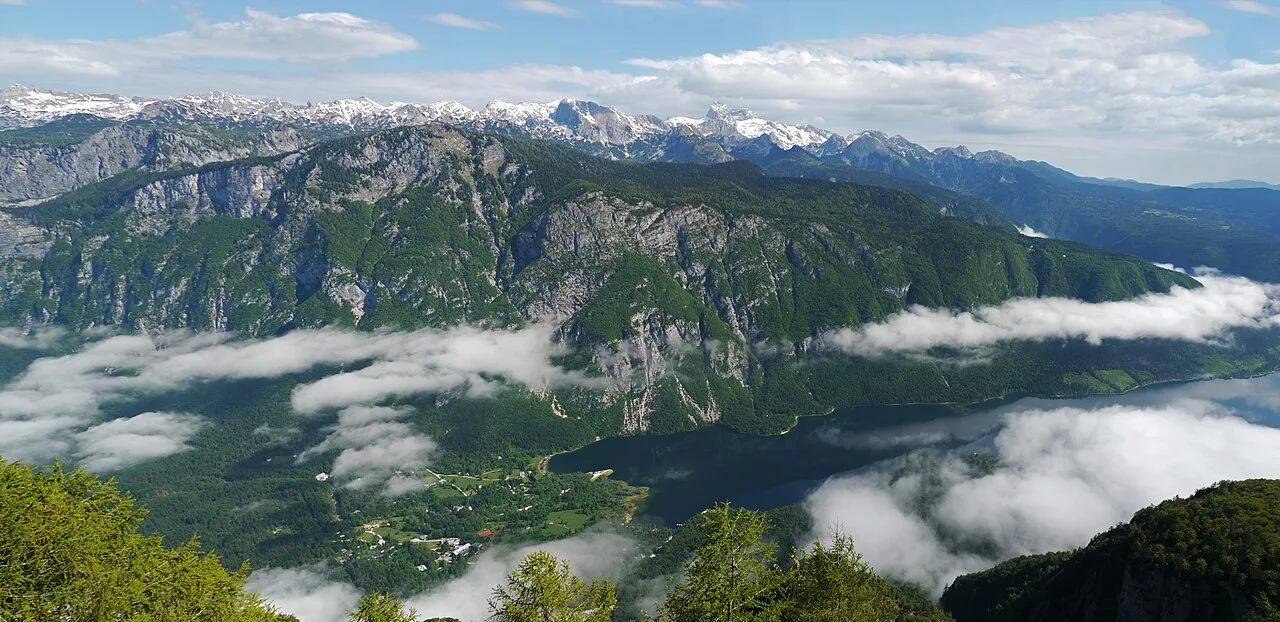
Storms build through the afternoon on the limestone, and lightning on exposed ridges is the main hazard on summit days. Carry a waterproof shell, a warm layer and a headlamp even on short routes, and turn back if the sky darkens. On the via ferrata and the upper Mojstrovka sections you need a helmet, harness and via ferrata set, plus the fitness to keep moving on steep ground. If you want to compare similar exposed fortress and ladder routes elsewhere, the hiking in Kotor guide covers a warmer, lower-altitude alternative.
For the lake basins, trekking poles help on the polished limestone and snow patches, and hut slippers save your boots indoors. Navigation is straightforward on the marked circuit, but the high routes above the huts deserve a paper map or an offline track. Water is plentiful in the lake areas but scarce on the dry upper ridges, so fill up before you climb.
Suggested three-day and seven-day plans
Three days: base in Kranjska Gora, walk a Juliana Trail stage east to Mojstrana on day one, then take a bus to the Vršič Pass for an early start on the Mala Mojstrovka route on day two. Use day three for a short Karavanke walk or a transfer to Bohinj for a lake afternoon.
Seven days: walk five Juliana Trail stages from Kranjska Gora toward Bohinj, spend a night in Bohinjska Bistrica, then transfer to the Soča for a Lake Krn day hike. Fit walkers can swap the lake day for the three-day Seven Lakes Valley Hike, adding two hut nights and one fewer valley stage.
Where to stay
Kranjska Gora suits the Vršič Pass and the eastern stages, with ski-resort infrastructure and bus connections to Ljubljana. Bled adds lakeside hotels and the easiest first night from the airport, while Bohinj and Bohinjska Bistrica put you closest to the lake basins. In the Soča valley, Bovec is the adventure hub and Kobarid is quieter, with the Walk of Peace visitor centre and war museum in town.
For the circuit, mix hotels in the valley towns with at least one hut night to see the range from the inside. Booking accommodation and luggage transfers along the Juliana Trail can be arranged through the destination's booking service. If you prefer the whole trip pre-arranged, an eight-day self-guided hiking tour of the Julian Alps combines hotels and mountain huts.
Hikes just outside the range
With a spare day, the Kamnik-Savinja Alps north of Ljubljana offer the Velika Planina plateau, a shepherd settlement with loop walks and spring crocuses. Krvavec, a ski resort near Ljubljana, has comfortable trails and a road to the slopes for a late-afternoon walk. Both lie outside the Julian Alps and need their own transport day.
Plan Your Visit
Pick a base that matches your chosen days: Kranjska Gora for the Vršič Pass, Bled or Bohinj for the lake basins, and Bovec or Kobarid for the Soča. Book hut beds and town hotels early for May to June and September to October, and keep one day flexible for weather. Check current bus times with Arriva, whose hourly services connect Ljubljana to the trailhead in Kranjska Gora, before you commit to a car-free plan.
Start with the route that matches your fitness, not the most photographed summit, and build up to the via ferrata and Triglav days once you know how your legs and the weather behave. The range rewards early starts and short, well-chosen days more than long ones in doubtful conditions.
Explore more Julian Alps hiking guides
Frequently Asked Questions
How many days do you need for the Juliana Trail?
The circuit runs 16 stages and the full loop takes roughly 102 hours of walking, so plan three to four weeks at a comfortable pace. Many hikers walk five or six stages in a week, starting in Kranjska Gora and breaking at Mojstrana, Bohinjska Bistrica or Kobarid.
How long is the Seven Triglav Lakes hike?
It is best done as a three-day trek of about 25 km with two mountain hut nights. Day walkers can reach the lakes from the Bohinj side, but the climb and descent make for a long single push.
Do you need a guide to climb Triglav?
Guides are not required, but the routes involve sustained scrambling and snow early in the season, so many visitors hire one for their first ascent. Choose a settled weather window and start early to avoid afternoon storms on the summit ridge.
What is the best month to hike in the Julian Alps?
May to June and September to October are the best months, with open huts and fewer storms. July and August are hot, so start early, while late snow can linger on north-facing passes into early summer.
Are there mountain huts in Triglav National Park?
Yes, and they are the social heart of the range, with dormitory beds and cooked meals. Book ahead for summer weekends, and plan the Seven Triglav Lakes trek around its two huts.
Can you reach Julian Alps trailheads without a car?
Hourly buses connect Ljubljana with Kranjska Gora in just under two hours, and valley buses serve the Soča and Bohinj towns. Lifts cut some high approaches, but operating seasons vary, so check current dates.
Sources
Trail notes for your next trip
Optional updates when we add or revise hiking guides.
You might also like
Continue reading
More guides you'll find useful