Jurassic Coast Walks: Best Hikes, Distances and Start Points
Plan Jurassic Coast walks on the South West Coast Path, from Swanage and Lulworth to Weymouth, with terrain, start points and the busiest stretches.
On this page
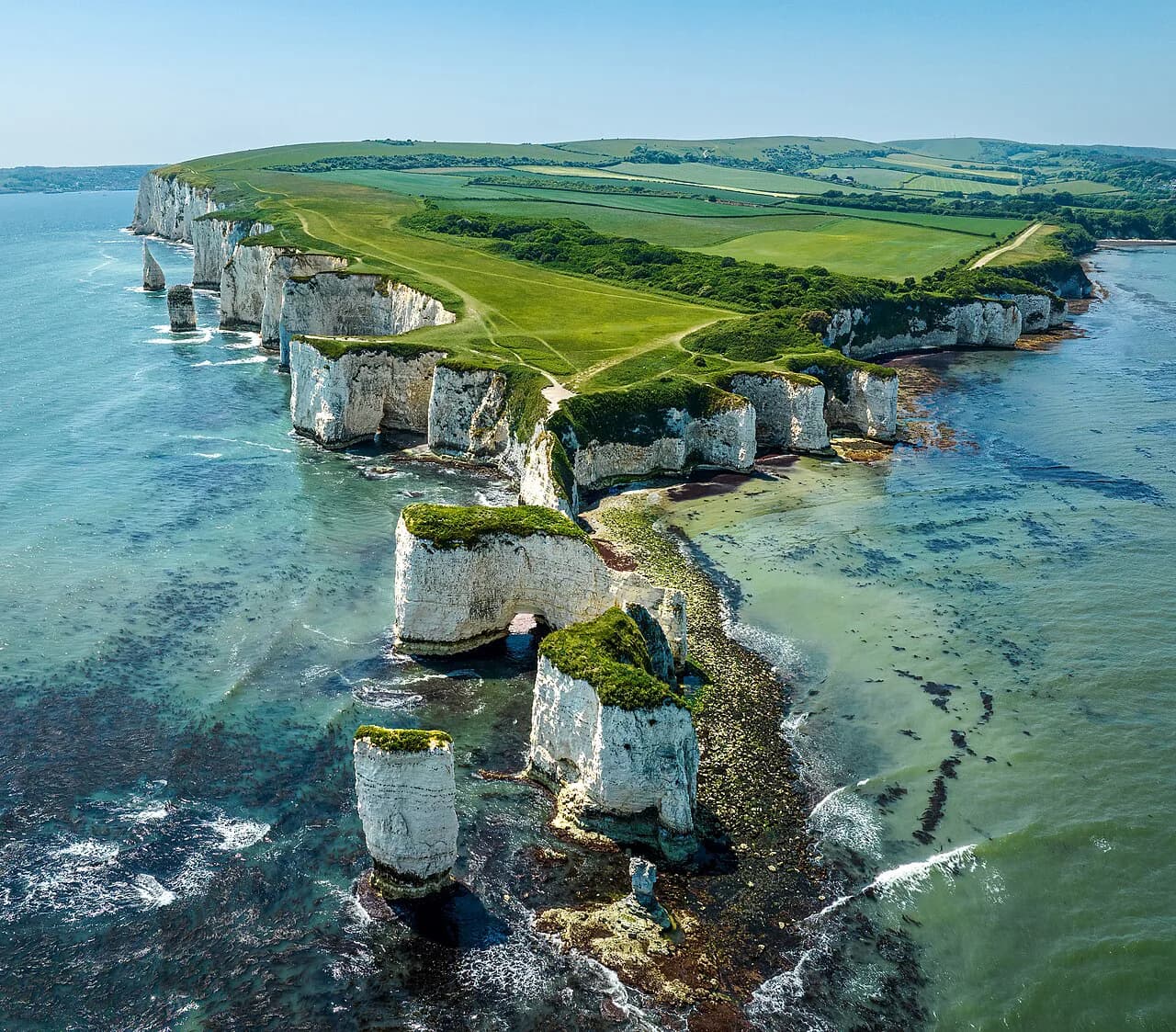
The Jurassic Coast gives you one continuous line of cliff-top walking between Exmouth in Devon and Old Harry Rocks in Dorset, and the South West Coast Path follows it almost the whole way. That layout is what makes it so easy to plan: you choose a day-sized piece, walk it one way, and ride a bus or arrange a lift back to the car.
The trade-off is that the coast changes character every few kilometres. The Purbeck cliffs west of Swanage are quiet and rolling, Kimmeridge and Lulworth are busier and more up-and-down, and the steps above Durdle Door carry the heaviest foot traffic of any stretch. Match the section to your fitness and to how much solitude you want rather than trying to walk the whole thing in a weekend.
What the Jurassic Coast offers walkers
The full route between Exmouth and Old Harry Rocks spans roughly 155 km (96 miles), and walking the entire Jurassic Coast path is a serious multi-day undertaking rather than a weekend outing. Trail listings put the complete coast at about 99.9 miles with around 14,639 ft (4,460 m) of accumulated climb, and every one of those metres comes in short, sharp ups and downs rather than long mountain ascents.
What that means in practice is that daily distance matters less than daily climb. A flat-looking 16 km (10 mile) day on the Purbeck cliffs can feel harder than a shorter one with fewer re-ascents, because the path repeatedly drops to a cove and climbs straight back onto the cliff top. Plan your first day conservatively and add distance once you know how your legs cope with the sawtooth profile.
How the coast path is laid out and how to pick a section
Think of the coast as a chain of named places rather than a single trail: Swanage, Durlston Country Park, Winspit, St Alban's Head, Chapman's Pool, Kimmeridge Bay, Lulworth Cove, Durdle Door, Bat's Head, Ringstead Bay and Weymouth form a natural west-bound sequence. Each of these is a recognisable start or finish point with some form of road access, which lets you cut the coast into sections of whatever length suits your day.
If you want the wider context of how these sections fit into the long-distance route through the county, the guide to the South West Coast Path in Dorset sets out the through-walking logistics. For a first visit, pick one section and walk it west, so the prevailing wind and the afternoon light are behind you and the sun sets over the sea ahead.
Fitness, time and transport should drive the choice. Strong walkers with a full day and a car shuttle can link Swanage to Kimmeridge; families and first-timers are better served by an out-and-back from Lulworth Cove; anyone relying on public transport should build the day around a bus that returns them to the start.
Swanage to Durlston Country Park
The easiest introduction to the coast starts in Swanage and follows the cliff top south into Durlston Country Park, where interpretation boards explain the Jurassic geology and the wider story of the coast. The ground is undemanding, the views back over Swanage Bay open up quickly, and you can turn around at any point without committing to a long day.
This is the section to choose if you have half a day, are walking with children, or want to test the weather before committing to something bigger. It also works well as an evening stroll from a Swanage base, with the low sun lighting the cliffs and the town below.
Swanage to Kimmeridge Bay via Winspit and St Alban's Head
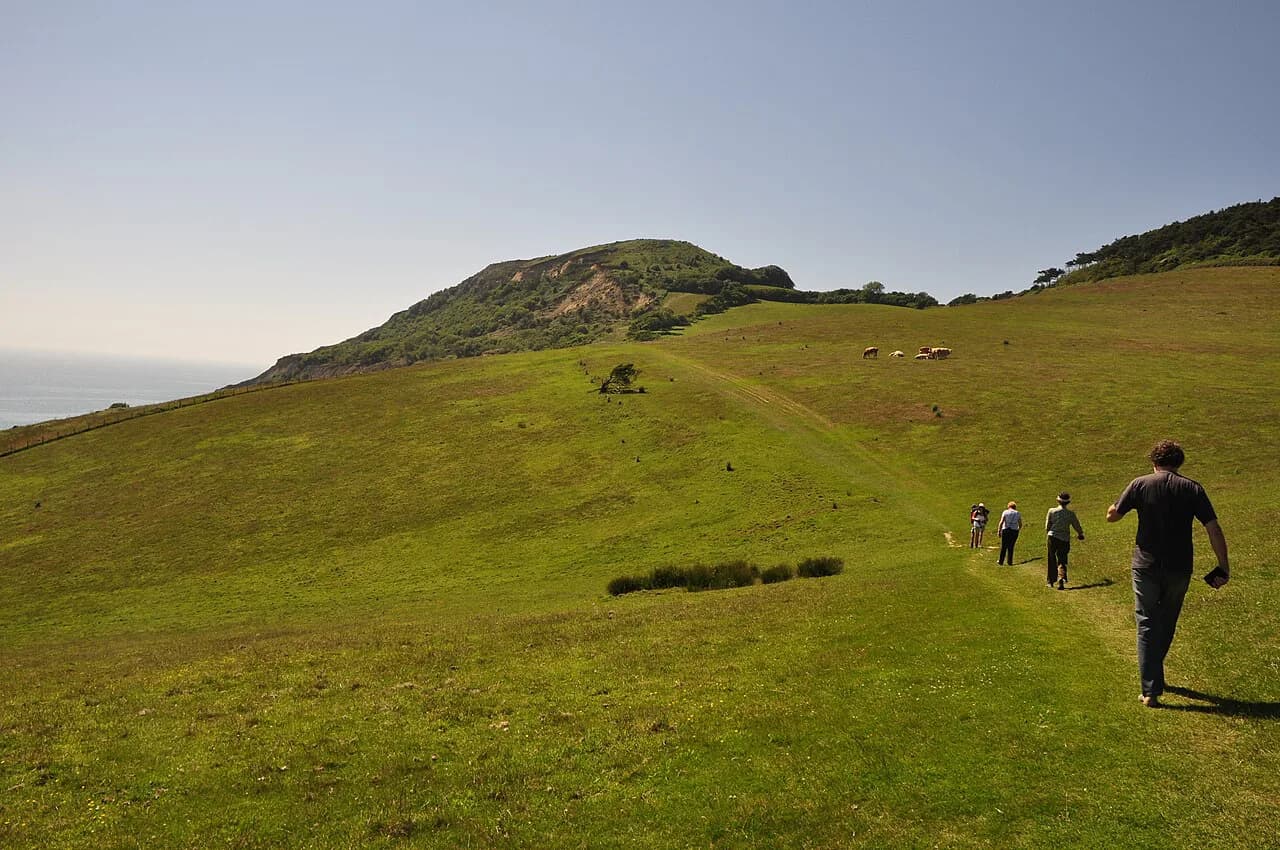
West of Swanage the path becomes the quiet Purbeck stretch, passing the old quarry workings at Winspit before rounding St Alban's Head and dropping to Chapman's Pool. From there it climbs and rolls on to Kimmeridge Bay, and the whole line feels far removed from the crowds further west.
Water is the practical issue on this stretch. In one account of the walk, a volunteer in the coast watchtower at St Alban's Head offered water in exchange for a donation to the Coastguard Watch, and Kimmeridge Bay later provided a refill point and public toilets. Treat both as welcome bonuses rather than guaranteed supplies, and carry enough for the full day.
The same account describes camping on farmland above Chapman's Pool and again near Bat's Head, but that is a record of what two walkers did, not an indication that wild camping is permitted on this land. If you want to camp, use recognised campsites and check access and landowner rules before you set out.
Kimmeridge Bay to Lulworth Cove
This is the up-and-down section, with repeated climbs and descents between the bay and the cove that keep the day interesting but also make it slower than the map suggests. Kimmeridge's shore is known for its rock formations, and the smooth ledges near the water are good ground for looking for fossils while you take a break.
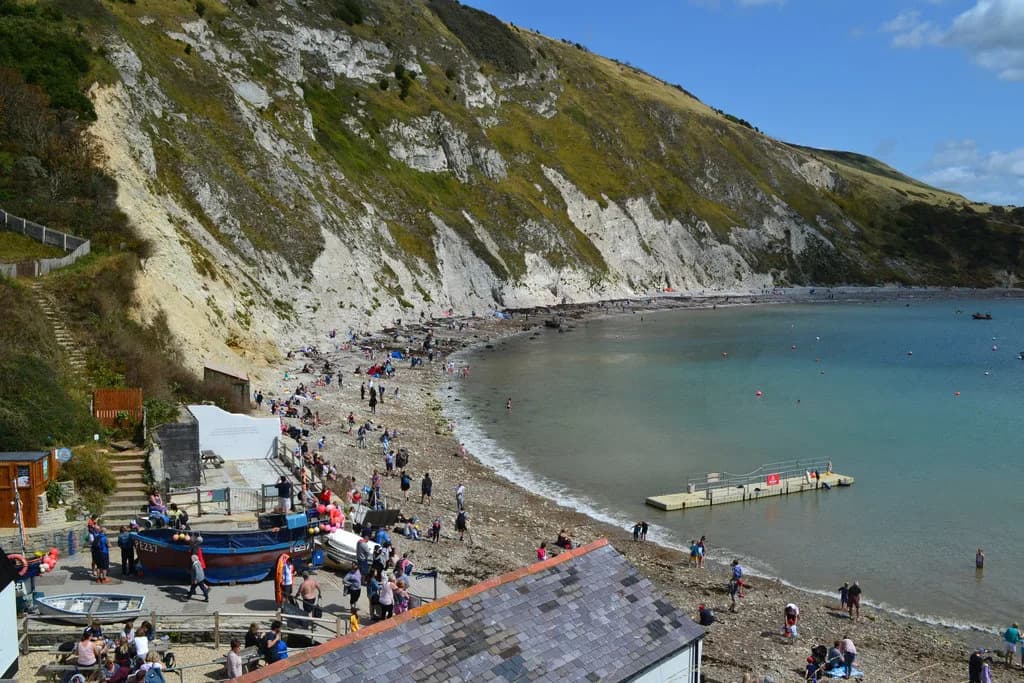
Lulworth Cove marks the end of the quiet stretch and the start of the busy one, with a visitor centre, shops and cafes clustered around the beach. Arriving on foot from the west gives you a satisfying sense of having earned the ice cream, and it also means you approach the crowds from behind rather than fighting your way in from the car park.
Lulworth Cove and Durdle Door
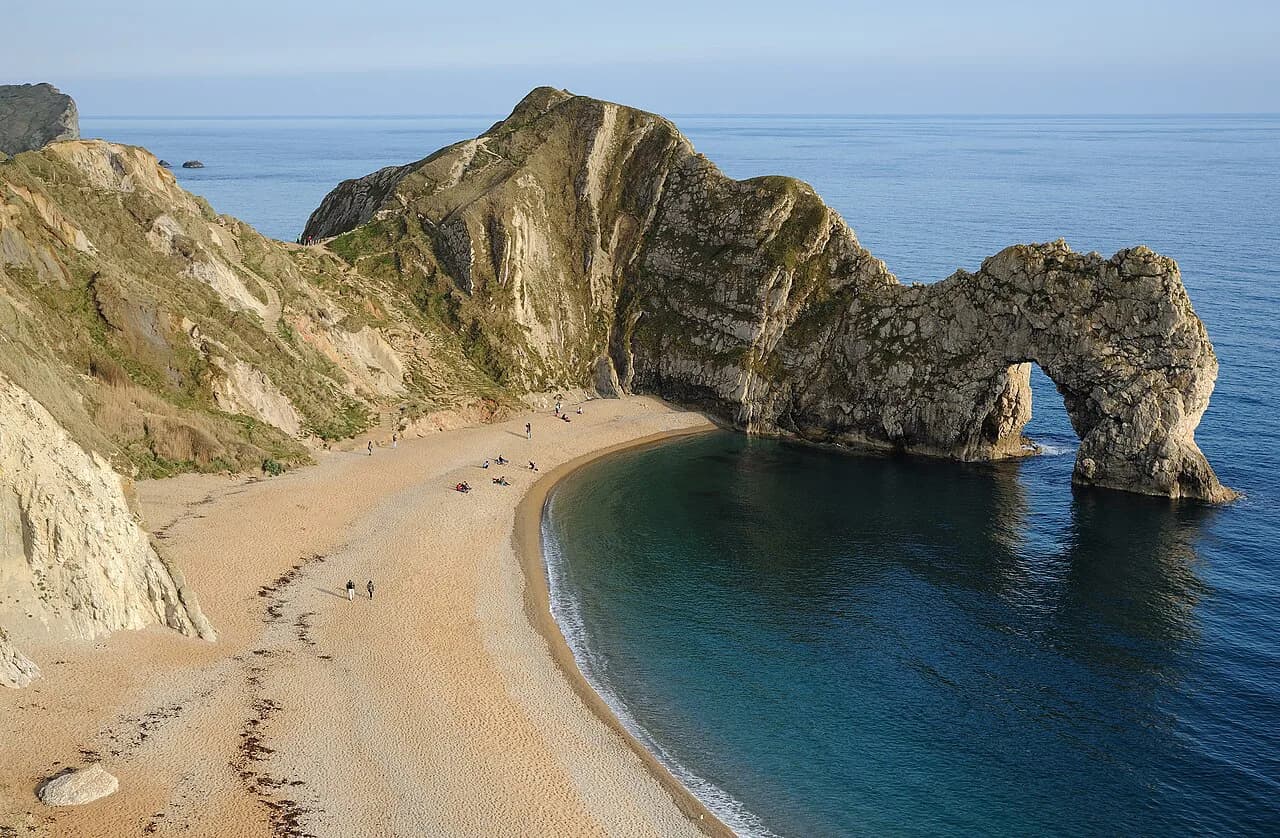
The short walk between Lulworth Cove and Durdle Door is the most famous stretch on the whole coast, and it is also the busiest. The path climbs steeply over the ridge between the two, the steps are hard work in heat, and on a summer weekend you will share the viewpoint with a lot of other people.
If you want the arch without the crush, go early or late in the day, and accept that the classic view is a five-minute stop rather than a solitary moment. The Durdle Door Walk from Lulworth Cove covers the route, the steps and the best approach in detail, and it is the section to read first if this is your only day on the coast.
Bat's Head and the cliffs west of Durdle Door
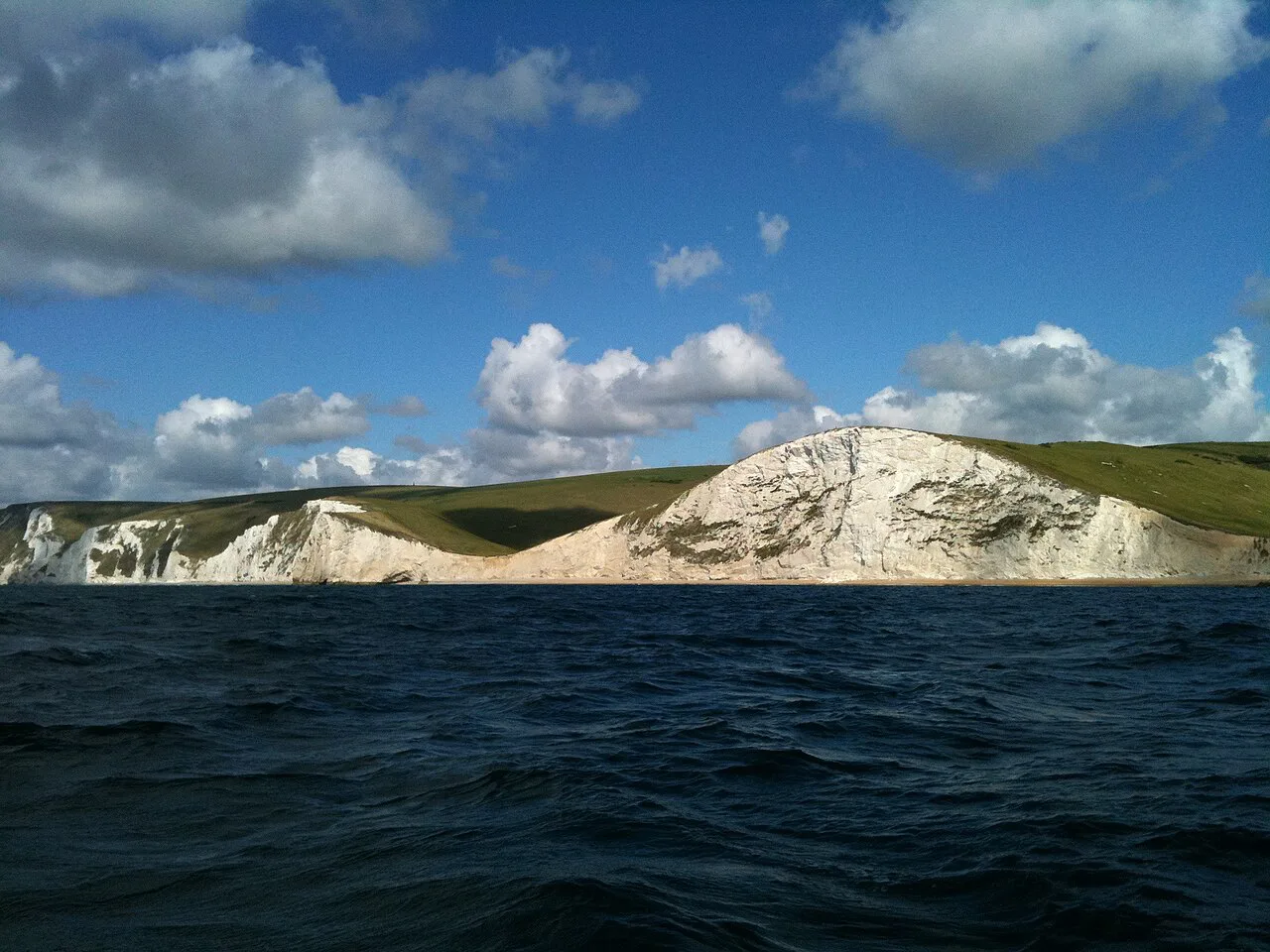
Walk west past Durdle Door and the character flips completely. One hill beyond the arch the crowds thin out, and the chalk cliffs, the small arch at Bat's Head and the open farmland behind them give you the solitude the guidebook photographs promise.
This is the stretch to choose if you want cliff walking without queuing for a view, and it links naturally with the descent to Ringstead Bay. The ground is exposed and the cliff edge is genuine, so keep back from the lip in wind and take the inland side of the path where it narrows.
Ringstead Bay to Weymouth
The final approach to Weymouth is gentler, with the white chalk giving way to rolling farmland and a string of small kiosks and campsites along the way. A kiosk at Ringstead Bay serves coffee and basic food, which makes it a useful morale stop before the last few kilometres into town.
The Smugglers Inn sits a short way up from the coast path on this stretch, so it works as a lunch or end-of-walk pub if you have timed your day around it. Weymouth itself finishes the walk with a long beach, a town centre and onward transport, which makes it the most convenient western end point for a one-way day.
Weymouth to Poole: a self-guided three-day stage
If you want a multi-day taste of the coast without committing to the full route, the Weymouth to Poole stretch works as a self-guided three-day walk. One operator packages it as three days of walking with three nights of accommodation, which gives you a realistic pace and a bed at the end of each day.
Self-guided means you walk the route under your own steam with the logistics handled, which suits hikers who want navigation and pacing to be their own responsibility but do not want to hunt for beds each evening. It also spares you the car shuttle problem, since the tour company arranges the start and finish transfers.
Getting to trailheads and walking one way
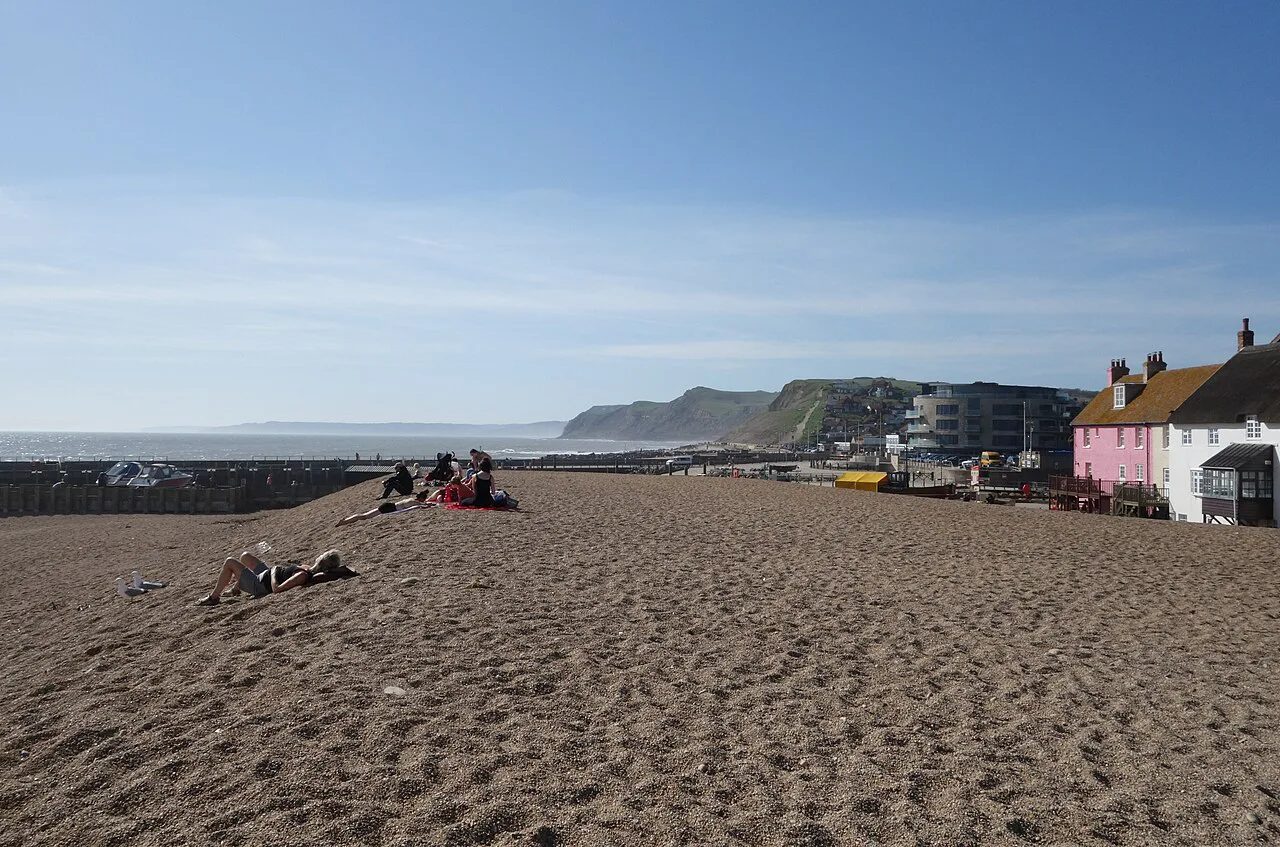
The Breeze 30 bus links Weymouth and Swanage, and one walker used it to reach Swanage from a car parked in Weymouth before walking back west along the coast. The service runs during the summer only, so check the current timetable before you build a day around it.
For the Lulworth and Durdle Door stretch, parking at Lulworth Cove fills early on fine weekends, and the walk from the village to the arch and back is short enough that many people simply retrace their steps. Kimmeridge Bay has its own access road and parking, which makes it a practical start for a west-bound day towards Lulworth.
One-way walking is the best way to see the coast, but it requires either two cars or a bus. Plan the return leg first: identify the last bus of the day from your finish point and work backwards to set your start time, leaving a margin for the slower-than-expected cliff sections.
When to go
Summer gives the longest days and the most reliable weather, but it also brings the heaviest foot traffic, especially around Lulworth and Durdle Door. Spring and early autumn often give clearer light and quieter paths, with the trade-off of shorter daylight and a higher chance of wind and rain on the exposed cliff tops.
Wind is a real feature of this coast rather than a minor annoyance. One account describes a night where the wind picked up sharply on exposed farmland, which is a fair warning for anyone camping or walking the cliff tops in changeable weather. After wet spells the path turns to mud on the farmland sections, so waterproof boots earn their place.
Coastal hazards
The main hazards here are the cliff edges, the steep stepped sections above Durdle Door and the state of the ground after rain. Erosion is ongoing along this coast, so stay on the path, keep back from the lip when the wind is strong, and do not descend informal paths to the shore without knowing the tide.
Tides matter if you plan to walk any of the beaches below the cliffs, because a rising tide can cut off a shoreline that looked walkable an hour earlier. Check a tide table for the day and keep an inland escape route in mind before committing to a low-level stretch.
Water, food and where to stay
Refill points are sparse on the Purbeck stretch and plentiful around Lulworth and Weymouth. Carry a full day's water from Swanage or Kimmeridge, and treat the kiosks, cafes and pubs as bonus stops rather than planned resupply.
For accommodation, Swanage and Weymouth make the best bases for the eastern and western ends, while Lulworth suits a short break focused on the arch and the cove. Campsites cluster around Ringstead Bay and the approach to Weymouth, and they fill quickly in summer.
Which section suits which hiker
Families and first-timers should head to Swanage and Durlston, or do the short Lulworth to Durdle Door return with an early start. Walkers with a full day and a sense of adventure should take Swanage to Kimmeridge for the quiet Purbeck cliffs, and anyone wanting a multi-day challenge should look at the Weymouth to Poole self-guided stage or the full route.
If your trip extends beyond this coast, the same cliff-and-cove walking continues along the Golden Cap and Lyme Bay stretch to the west, and inland alternatives such as hiking in the Lake District or hiking in Wales suit a different kind of mountain day. Keep the Jurassic Coast for the sea views and save the big ascents for elsewhere.
Plan Your Jurassic Coast Walk
Choose your section by what you want from the day: quiet cliffs on the Purbeck stretch, the classic arch at Durdle Door, or a gentle finish into Weymouth. Walk it one way, sort the return bus or second car first, and carry more water than you think you need on the stretches away from the villages.
Check the Breeze 30 timetable and the tide table close to your date, then set off early enough to be off the exposed ground before the afternoon wind builds. If you want the wider picture of the arch and its approach, the Durdle Door walk from Lulworth is the place to start.
Explore more Jurassic Coast hiking guides
Frequently Asked Questions
Where does the Jurassic Coast start and end?
The designated coast runs from Exmouth in Devon to Old Harry Rocks in Dorset, a span of roughly 155 km (96 miles) that the South West Coast Path follows for almost its entire length. Most walkers tackle it in sections, using Swanage, Lulworth Cove and Weymouth as convenient start and finish points.
How long does it take to walk the whole Jurassic Coast?
The complete route between Exmouth and Old Harry Rocks is about 99.9 miles with roughly 14,639 ft of accumulated climb, which most walkers spread over several days to a week or more. The repeated short climbs make daily distance a poor guide, so plan by climb rather than by miles.
How difficult is the walk to Durdle Door?
The walk between Lulworth Cove and Durdle Door is short but steep, with a stiff climb over the ridge and a set of steps down to the viewpoint. It is manageable for most reasonably fit walkers, but allow more time than the distance suggests and start early to avoid the busiest hours.
Can you walk the Jurassic Coast one way using buses?
Yes. The Breeze 30 bus links Weymouth and Swanage and runs during the summer only, which makes a one-way walk between the two towns possible without a second car. Check the current timetable before setting your start time.
What is the hardest section of the Jurassic Coast walk?
The stretch between Kimmeridge Bay and Lulworth Cove is the most consistently up-and-down, with repeated climbs and descents that slow progress. Add the steep steps above Durdle Door in summer crowds and that ridge is the section most walkers find toughest.
Where can you refill water on the Purbeck section?
Kimmeridge Bay has a public toilet block and a water refill point, and the coast watchtower at St Alban's Head has been known to offer water for a donation to the watch. Carry a full day's supply from Swanage anyway, since these are bonus stops rather than guaranteed supplies.
What is the best time of year to walk the Jurassic Coast?
Summer gives the longest days but the heaviest crowds around Lulworth and Durdle Door, while spring and early autumn bring quieter paths and clearer light with shorter daylight. Wind and mud are the main variables, so check the forecast and recent rainfall before choosing your day.
Sources
Trail notes for your next trip
Optional updates when we add or revise hiking guides.
You might also like
Continue reading
More guides you'll find useful