Durdle Door Walk: Lulworth Cove Route, Distance and Steps
Walk from Lulworth Cove over the cliffs to Durdle Door on Dorset's Jurassic Coast, with the route, steep steps, beach access and when to go.
On this page
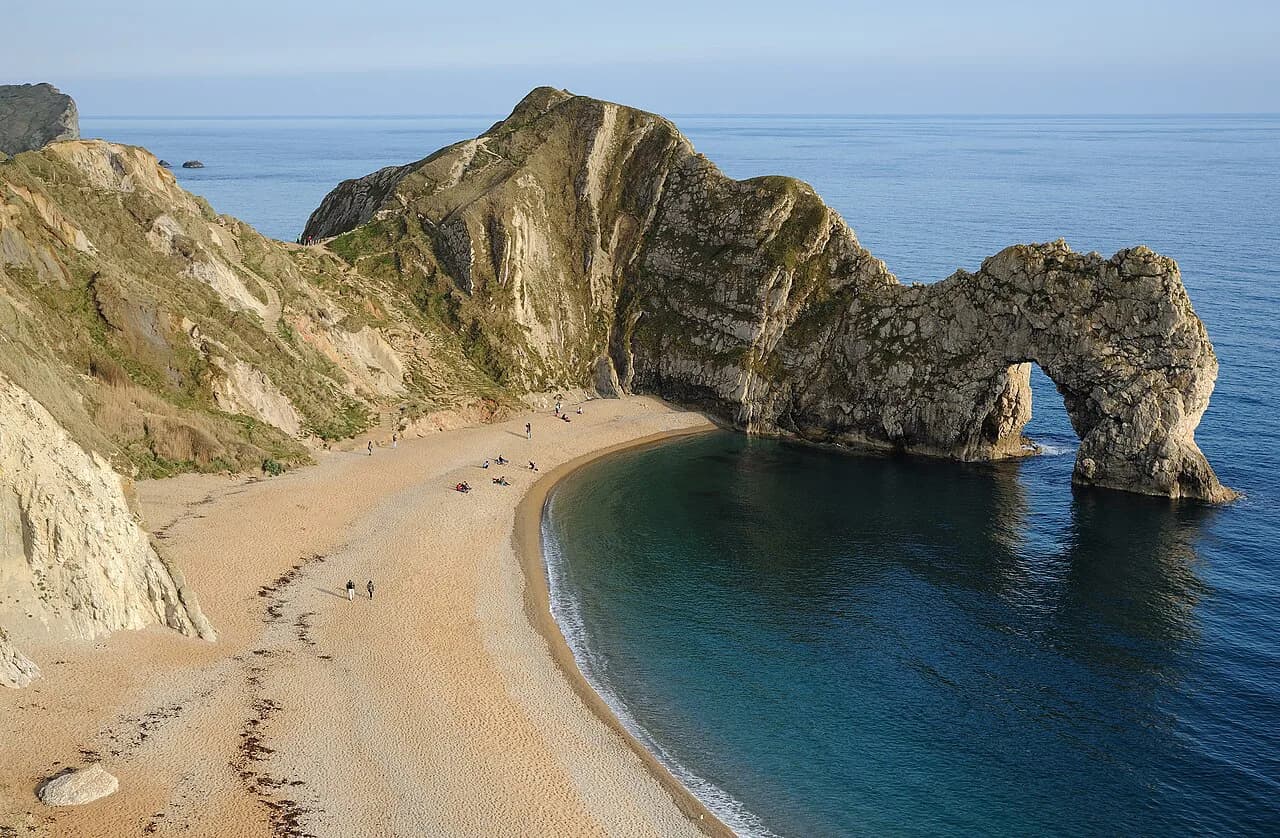
The Durdle Door walk is the classic short outing on Dorset's Jurassic Coast: a clifftop path between a sheltered, near-circular cove and a natural limestone arch rising straight out of the sea. It suits families who want an hour or two of big scenery, and it suits fitter hikers who want to build a longer day across the cliffs.
What makes it worth planning properly is that the route is short in distance but not gentle: the path climbs and drops over the cliff tops, and reaching the shingle at the arch involves a steep descent and a long flight of steps. Pick your turnaround point before you set off and the day stays enjoyable rather than a slog.
Where the walk starts: Lulworth Cove car park and facilities
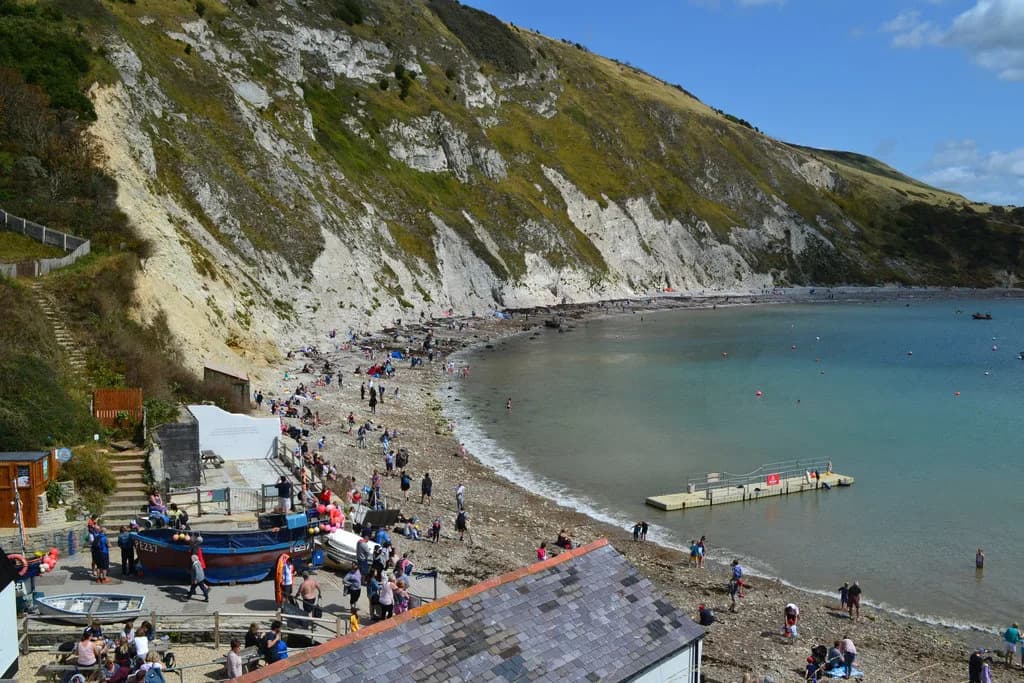
Almost everyone begins at Lulworth Cove, where a car park, toilets and refreshments sit close to the beach, and a visitor centre explains the geology you are about to walk across. The centre is wheelchair accessible and hires out a tramper for the less mobile, with pre-booking recommended. From the car park, the arch lies west along a natural cliff footpath that the local landscape service notes needs stout footwear.
Parking charges vary by season and are set by the landowner, so read the machine or the Lulworth Estate's own pages on arrival rather than budgeting from an old figure. Arrive early in summer and at weekends, when the cove car park fills with beach visitors as well as walkers. Bring cash or a card and check the pay-and-display terms before leaving the car.
Route description: Lulworth Cove to Durdle Door
From the cove, walk west past Stair Hole, a collapsed cave that shows the same folded rock layers as the cove in miniature, then climb the natural path onto the cliff tops. The route runs above sea cliffs with wide views back over the cove and forward to the arch, and the South West Coast Path National Trail covers this stretch for anyone extending the day. If you enjoy this kind of clifftop walking, hiking in Cornwall offers comparable coastal path sections and day hikes.
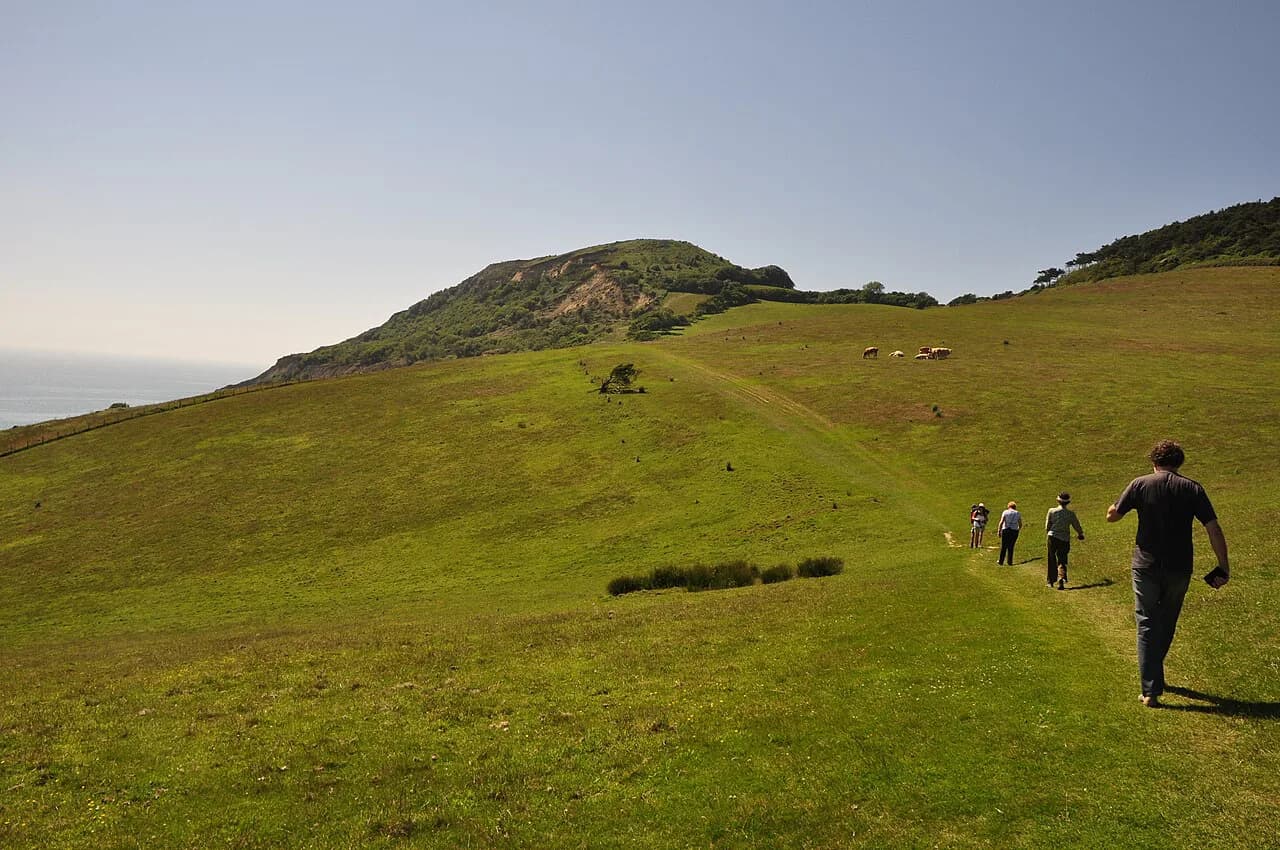
The landscape service describes the clifftop link as a steep but rewarding path over the cliffs to Durdle Door, where the natural stone arch rises out of the sea. Expect short, sharp climbs and descents rather than a flat promenade, and give way on the narrow sections where the path runs close to the edge. The walking is straightforward on clear ground, but the exposure is real: keep children and dogs close on the cliff-top stretches.
Stair Hole and Lulworth Crumple geology stop
Lulworth is regarded as one of the best places in the world to study geology, with five rock types and landforms packed into a short stretch of coast. Two quick stops from the visitor centre, Stair Hole and the Lulworth Crumple, show the folded and crumpled layers close up, and they cost you only a few minutes on the way out.
Treat these as your warm-up rather than a detour: the rock walls at Stair Hole are dramatic from the clifftop path, and the Crumple's compressed bands are best seen from above rather than by scrambling down. A short visit to the interpretation panels at the cove sets up everything you see later at the arch and at Man O'War.
The cliff-top path and its steep sections
The cliff-top section between the cove and the arch is where the walk earns its keep. The path rolls over a series of rises, climbing away from the cove before dropping toward Durdle Door, so the return leg includes a climb back even if you turn around at the arch. In wet weather the chalk and clay surfaces turn slippery, and walking boots or grippy trainers make the descents far more comfortable.
There is no shelter on the tops, and the wind off the sea is stronger than it feels down at the cove. Carry a windproof layer even on a warm forecast, and turn back without shame if the cloud drops or the path gets greasy underfoot.
Durdle Door beach: the downhill path and 143 steps
Getting down to the shingle at Durdle Door is a separate decision from walking the cliff path. The landscape service describes a 15-minute walk along a steep downhill path plus a further 143 steps down onto the beach, with trainers or walking boots definitely needed. The steps are steep and uneven, and you have to climb them again to leave, so judge your legs before committing.
From the beach, the tilted Purbeck Beds are clearly visible in the cliffs, and wave-cut caves notch the base of the chalk. Do not enter the caves, as cliff falls are common along this stretch. An interpretation panel at the top of the steps explains what you are looking at before you descend.

Man O'War beach and the tilted Purbeck Beds
A separate flight of steps leads down to Man O'War beach, the shingle bay beyond the arch, and the tilted rock layers are just as clear there. Many walkers find Man O'War the quieter of the two beaches, since most day visitors concentrate at the arch itself. Choose one descent rather than both if your time or legs are limited, because each involves a climb back up.
Swimming is a personal judgement here: there is no lifeguard service on these beaches, and the water is cold with strong movement around the headlands. Watch the sea state from the clifftop before you commit to a dip, and keep sessions short.
Distance, ascent and walking time
The out-and-back between Lulworth Cove and Durdle Door is short in distance but repeatedly undulating, so allow more time than a flat walk of the same length. No reliable official figure covers the full cliff path with its steps, so plan by landmarks instead: the cove, Stair Hole, the high point above the arch, and the arch itself.
For a longer day, a loop from Ringstead to Durdle Door is logged at 7.7 miles (about 12.4 km) with roughly 3 hours 37 minutes of walking on a user-generated trail page, which is a planning estimate rather than an official figure. That route adds real climbing and a longer stretch of exposed cliff, so it suits fit walkers with a full day and settled weather.
When to go: seasons, weather and light
Late spring and early autumn give the best combination of dry paths, long daylight and thinner crowds on the cliff path. Summer brings the warmest weather but also the busiest car park and beaches, so start early if you visit between June and August.
Winter walking is possible and quiet, but short days and wet, slippery chalk demand an early start and a conservative turnaround time. Afternoon sea fog can close the views in quickly, so carry a map or offline route and know the direction back to the cove. Check the forecast for the Dorset coast the evening before you go, since conditions change fast on exposed cliffs.
The Fossil Forest east of Lulworth and the Lulworth Ranges opening
East of Lulworth, the Fossil Forest shows 145-million-year-old algal burrs that once surrounded tree trunks, and it is a key piece of the Jurassic Coast's walk-through-time story. It sits within the Lulworth Ranges, which are open most weekends and school holidays. Check the government firing notice before you plan a day around it, because the range closure decides whether the Fossil Forest is in or out.
Reaching the Fossil Forest involves 97 steep steps down and back up, which makes it a genuine leg workout rather than a quick look. Combine it with the arch only if you have a full day and good legs.
Extending the walk west toward Ringstead
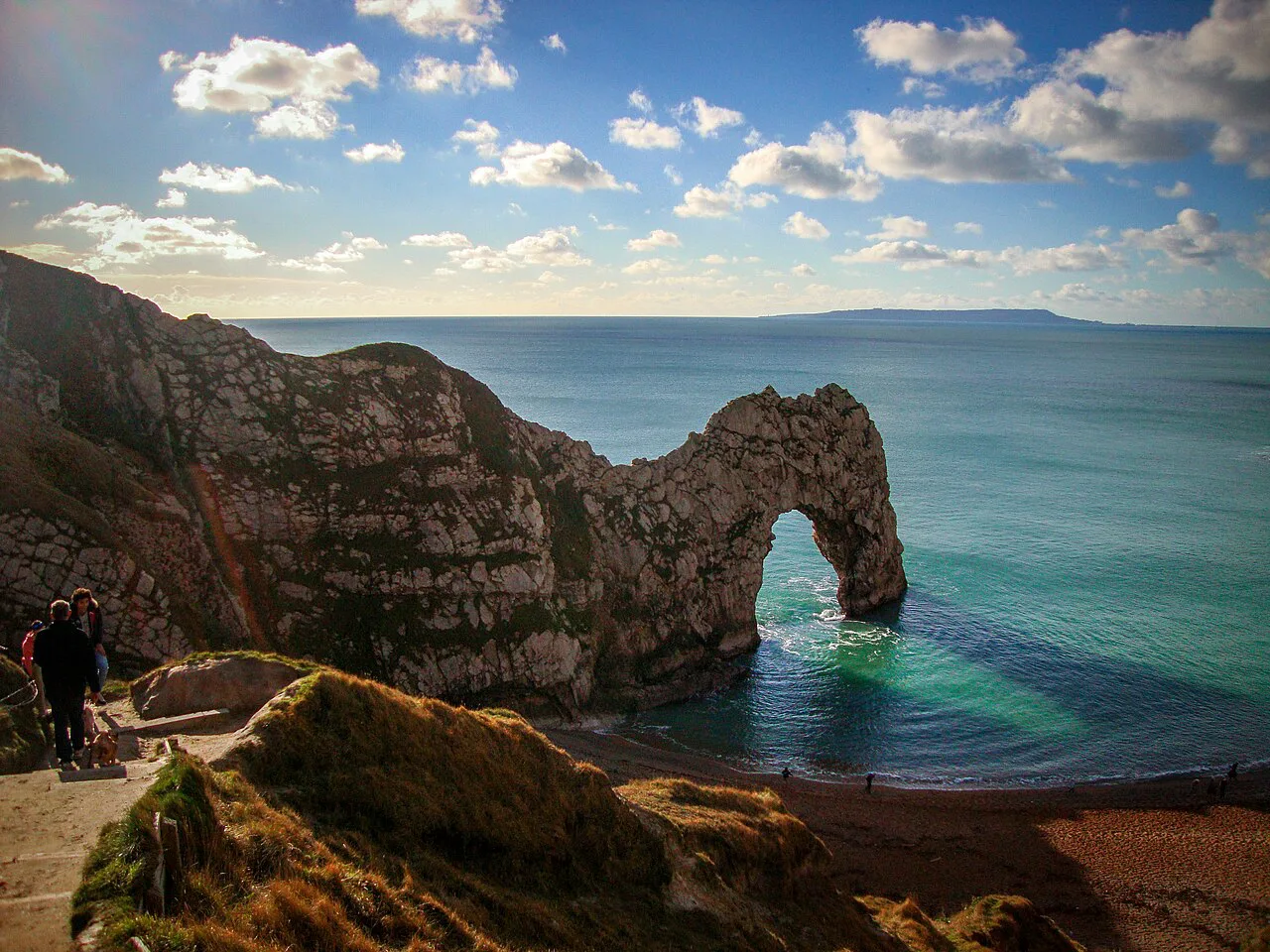
West of Durdle Door, the coast path continues over the cliffs toward Ringstead Bay, a quiet shingle beach that makes a natural longer objective. The Ringstead loop recorded at 7.7 miles (about 12.4 km) and roughly 3 hours 37 minutes links that bay with the arch, and the extra climbing makes it a moderately challenging day rather than a stroll.
If you only have a half day, stay with the out-and-back from the cove and leave Ringstead for a return visit with more daylight. Strong walkers who want the full coastal experience should plan the loop with a car shuttle or a bus connection, and start early enough to finish before dusk.
What to wear and carry on the cliff path
Stout footwear is the single most useful item on this walk: the landscape service specifically recommends it for the natural cliff footpath, and the 143 steps to the beach reward grip. Add a windproof and waterproof layer, water, and a snack, since facilities cluster at the cove and the arch rather than along the tops.
Carry a paper map or a charged phone with an offline route, because the cliff-top paths branch in places and the coast path is not waymarked at every junction. A small first-aid kit and a means of calling for help are sensible on any coastal walk with exposure.
Getting to Lulworth Cove without a car and where to base yourself
Lulworth Cove is served by seasonal bus services from nearby towns, and the timetable changes by season, so check the current schedule for your date rather than assuming a year-round service. Arriving by bus also frees you from the crowded car park in high season.
For a base, Wareham and Dorchester give you rail links and access to the wider coast, while Lulworth itself puts you on the doorstep for an early start. If you want to add a second coastal day, the Old Harry Rocks walk near Swanage and the Golden Cap walk further west both extend the same Jurassic Coast theme.
Plan Your Durdle Door Day
Decide first whether you are walking the cliff path only or descending to the beach, because the 143 steps to the shingle at Durdle Door change the day's effort. Families and short visits fit the out-and-back from Lulworth Cove; fitter walkers can extend west toward Ringstead or east to the Fossil Forest when the ranges are open.
Start early, wear grippy shoes, carry a windproof layer and water, and check the firing notice if the Fossil Forest matters to your plan. The walk rewards even a short visit, and a well-judged turnaround keeps the steep sections enjoyable.
Frequently Asked Questions
How long is the walk from Lulworth Cove to Durdle Door?
The clifftop path between the cove and the arch is short but undulating, with steep climbs and descents over the cliffs. No official distance figure covers the full route with its steps, so plan by landmarks and allow extra time for the climbs and the descent to the beach. The landscape service describes the clifftop link as steep but rewarding.
Do you have to walk down steps to reach Durdle Door beach?
Yes. Reaching the shingle at the arch involves a steep downhill path of about 15 minutes plus 143 steps down, with the same climb back up to leave. Sturdy trainers or walking boots are needed for the descent. Man O'War beach has its own separate flight of steps.
Where do you park for the Durdle Door walk?
Most walkers park at Lulworth Cove, where the car park sits close to the beach, toilets and refreshments. Charges are set by the landowner and vary by season, so read the machine or the Lulworth Estate's own pages on arrival. Arrive early in summer and at weekends, when the car park fills quickly.
When is the Fossil Forest open?
The Fossil Forest lies within the Lulworth Ranges, which are open most weekends and school holidays. Because the ranges close on other days, check the government firing notice before planning a day around it. Reaching the site also involves 97 steep steps down and back up.
Can you walk from Ringstead to Durdle Door?
Yes. A loop from Ringstead to Durdle Door is recorded at 7.7 miles (about 12.4 km) with roughly 3 hours 37 minutes of walking on a user-generated trail page. That is a planning estimate rather than an official figure, and the route adds real climbing and exposed cliff sections, so it suits fit walkers with a full day.
What should you wear on the Durdle Door cliff path?
Stout footwear is the key item, because the natural cliff footpath is uneven and the steps to the beach are steep. Add a windproof and waterproof layer, water and a snack, since facilities cluster at the cove rather than along the tops. Carry a map or offline route for the branching cliff paths.
Sources
Trail notes for your next trip
Optional updates when we add or revise hiking guides.
You might also like

Continue reading
More guides you'll find useful