Julian Alps Hut to Hut: Routes, Stages and Mountain Huts
Plan a Julian Alps hut-to-hut trek: which multi-day route suits your fitness, how the stages split, where the high huts sit and when they open.
On this page
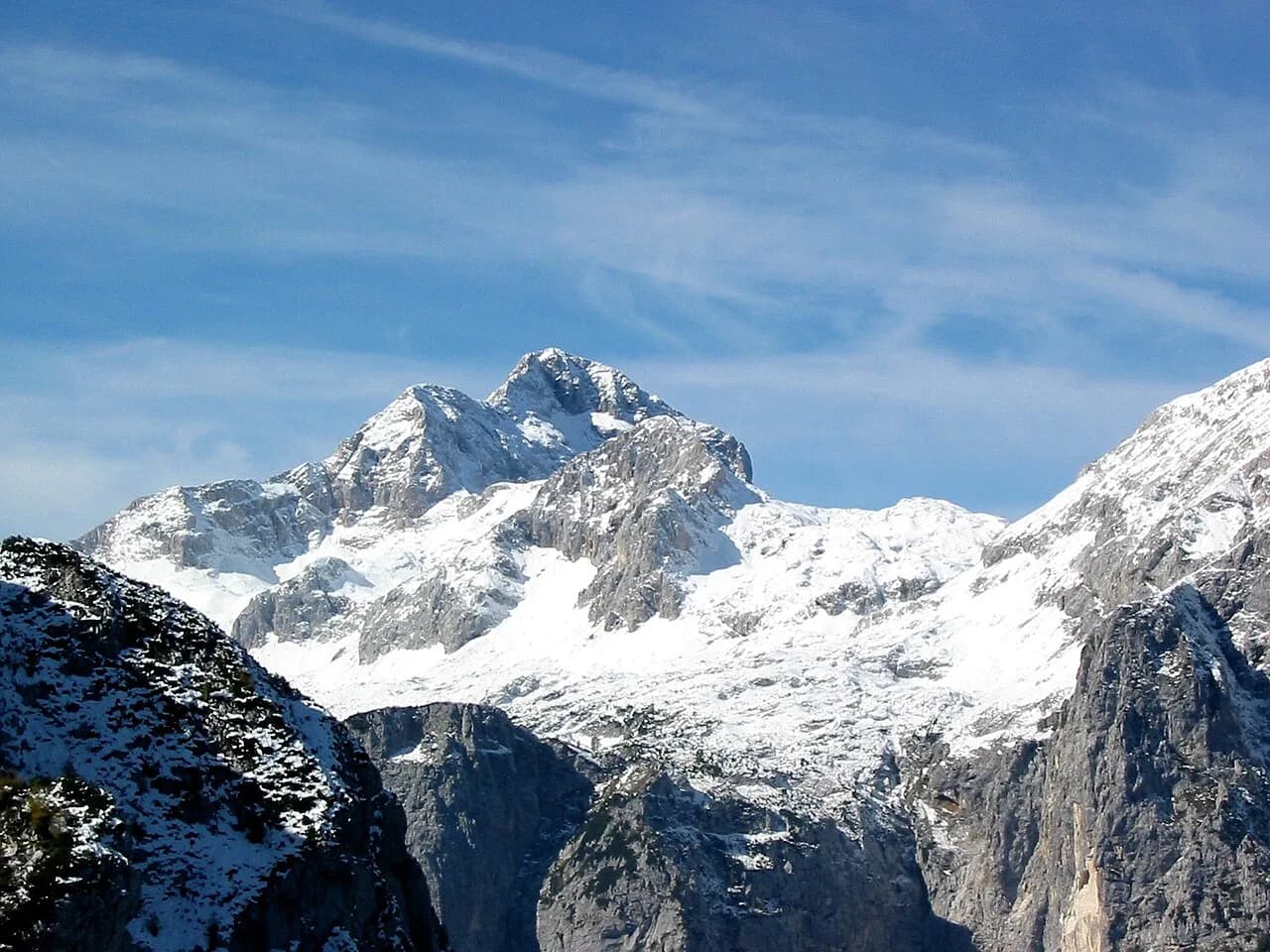
A hut-to-hut trek in the Julian Alps strings together high mountain lodges under Triglav, Slovenia's highest peak, so you walk from bed to bed without returning to a valley each night. The format suits hikers who can handle five to seven hours of walking a day with steady climbing, and who prefer dormitory sleeping and set dinner times to hotels. This guide splits the two realistic options, shows where the climbing concentrates, and covers season, booking and access so you can choose before you commit.
Everything here stays inside the Julian Alps and Triglav National Park, with the Karawanks mentioned only to explain why those stages belong to a different range. Hut opening follows a simple pattern: lower huts are serviced year-round while high-altitude huts generally operate from June to September, as the national tourism board explains. That window decides your dates more than anything else.
What hut-to-hut hiking in the Julian Alps involves
Slovenia has more than 10,000 kilometres (6,200 miles) of marked trails, and the Alpine Association of Slovenia, through its member societies, manages 179 mountain huts, shelters and bivouacs along them. In practice a Julian Alps itinerary means a sequence of four to six walking days between these lodges, with one long climb and one long descent most days. You carry clothing, water and a sleeping liner; the huts supply beds, blankets and hot food.
The trade-off is comfort for position. Sleeping is mostly in shared rooms, dinner is a fixed menu served at a set hour, and quiet hours in the huts run from 10 p.m. to 5 a.m., so early starts are the norm. In return you wake above the valley cloud and reach the high passes before the day heats up.
Fitness matters more than technical skill on the standard routes. Daily stages of 12 to 17 kilometres (7.5 to 10.5 miles) with 650 to 2,000 metres (2,100 to 6,500 feet) of ascent are typical, which is a full day for a reasonably fit hiker carrying a pack but hard work for a beginner. If that sounds like too much, base yourself in a valley and day-hike instead.
The two realistic multi-day options
The first option is a Triglav-focused circuit often sold as the Triglav Panorama, a three-day hut-to-hut route in Triglav National Park that can be extended with a guided summit day. It suits hikers whose main goal is standing under or on Triglav and who want a short, concentrated trip. Travellers who have done it describe it as challenging but manageable, with the route adapted to their pace and luggage moved between huts.
The second option is the Seven Lakes Valley, a loop through the heart of the Julian Alps that reaches a chain of alpine lakes below the main ridge. A three-day version is the usual format, and first-time hut-to-hut hikers report it as a good introduction: waymarking is clear and a GPS track makes navigation simple. Choose it if you want lake scenery and a gentler commitment than a summit push.
Many treks combine the two, walking the lakes first and adding a Triglav summit day at the end with a mountain guide. That hybrid is the most rewarding version for strong hikers, but it also puts the hardest day at the end of the trip, when legs are tired. Decide whether the summit is essential before you book beds, because it changes the route shape.
Triglav Panorama hut to hut: how the days split
A three-day panorama version keeps daily walking moderate and uses the network of high huts around the Triglav massif. Expect climbing concentrated in the first and second mornings, then a long descent to a valley trailhead on the final day. Because the route stays high, you need settled weather for the whole window rather than a single good day.
If you build your own itinerary instead of buying a package, plan each day around one hut and one pass or summit. Aiming to reach the next lodge by mid-afternoon leaves a margin for slow ground, photo stops and the afternoon build-up of cloud. Huts fill in July and August, so the sequence of beds should be fixed before you look at transport.
Add the Triglav summit as a separate day rather than squeezing it into a transit stage. The approaches above the huts are steep, exposed and partly secured, and parties move slowly; a guided ascent is the sensible choice if you have no scrambling experience. That extra day is also your weather buffer if storms shut the upper mountain.
Seven Lakes Valley hut to hut: where the climbing sits
The Seven Lakes Valley format usually runs three days, with the biggest climb on the approach day as you gain the plateau from the valley. The middle day is the scenic one: short links between lakes with optional summits above them, and time to swim or sit. The exit day is a long descent on tired legs, which is harder than it looks on steep, stony paths.
Treat the middle day as flexible. Because the distance between lakes is short, you can add a nearby peak if the weather holds or retreat to the hut if cloud comes in. On the approach and exit days, by contrast, there is little shortcutting, so start early and keep breaks short.
This loop suits a first hut-to-hut trip because the waymarking is reliable and the huts are close enough together to bail out. It is less suitable if your goal is altitude and ridge walking; the panorama and summit routes deliver more of that. For the wider national picture beyond the lakes, this guide to hut to hut hiking in Slovenia covers the country's hut network and booking system. Match the choice to what you want from the trip, not to which is more famous.
Huts on the route and how the Alpine Association runs them
Most huts on a Julian Alps trek are run by local mountaineering societies affiliated with the Alpine Association of Slovenia, the country's largest outdoor organisation. Members of affiliated clubs often get member rates, but you must show a current membership card at the counter. The system is why hut standards are consistent: bunks with blankets, a drying room, a dining room and a kitchen serving one-pot stews, strudel and tea.
The flagship is Triglav Lodge at Kredarica, the highest hut in Slovenia and the most visited in the Triglav range, sitting below the summit on the classic approach. It is open year-round and has electricity and washing facilities despite its altitude, which makes it the natural overnight before a summit attempt. Beds there are in shared rooms and fill fast in summer.
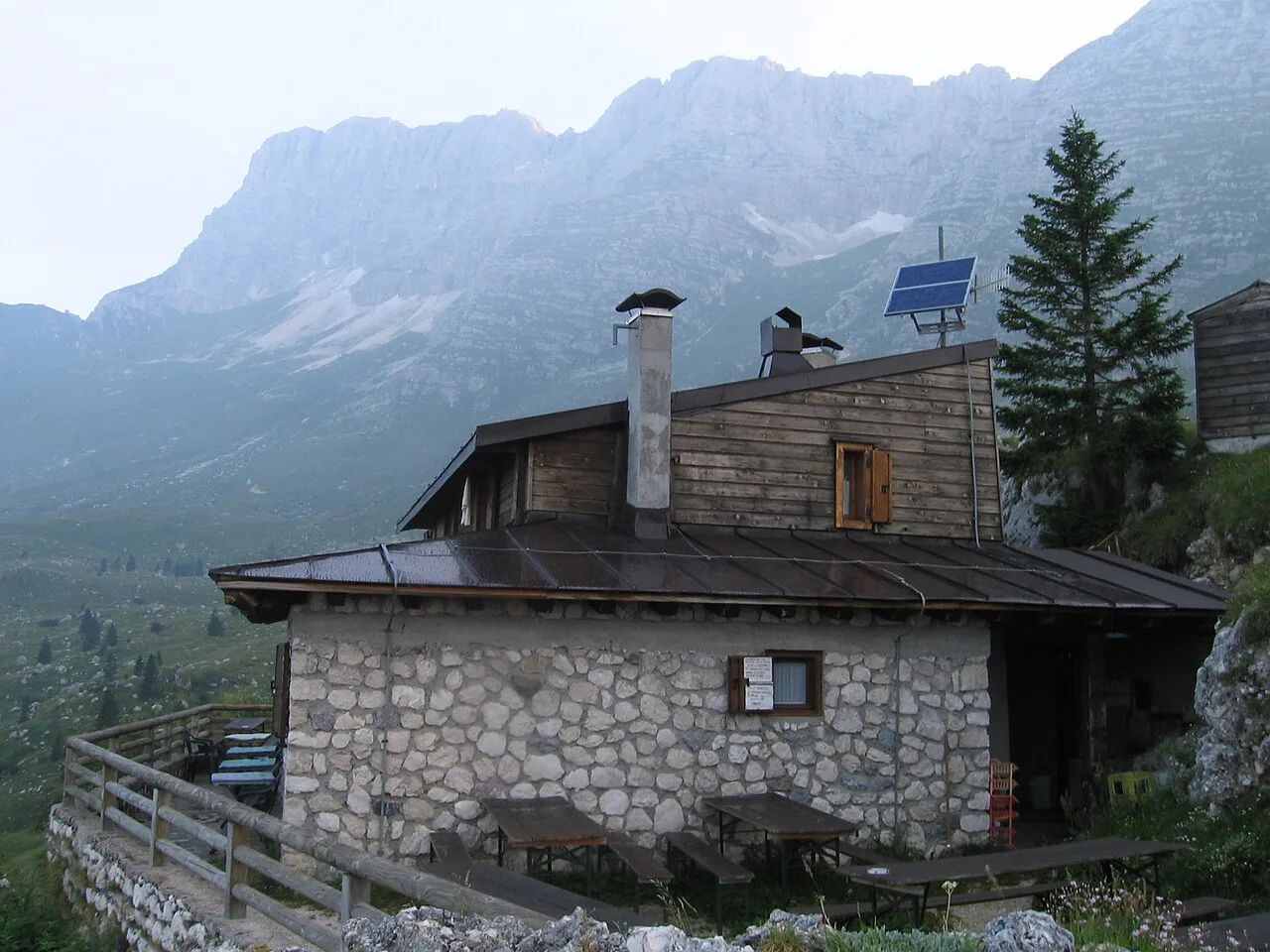
Lower huts around the plateau, such as the lodge near Lake Krn with more than 100 beds, serve as staging posts and are easier to book at short notice. They are also where you sleep on the first night if you come up from the valley late. Reading a hut's own page before booking tells you the bed count, the water situation and whether cards are accepted.
Season and hut opening
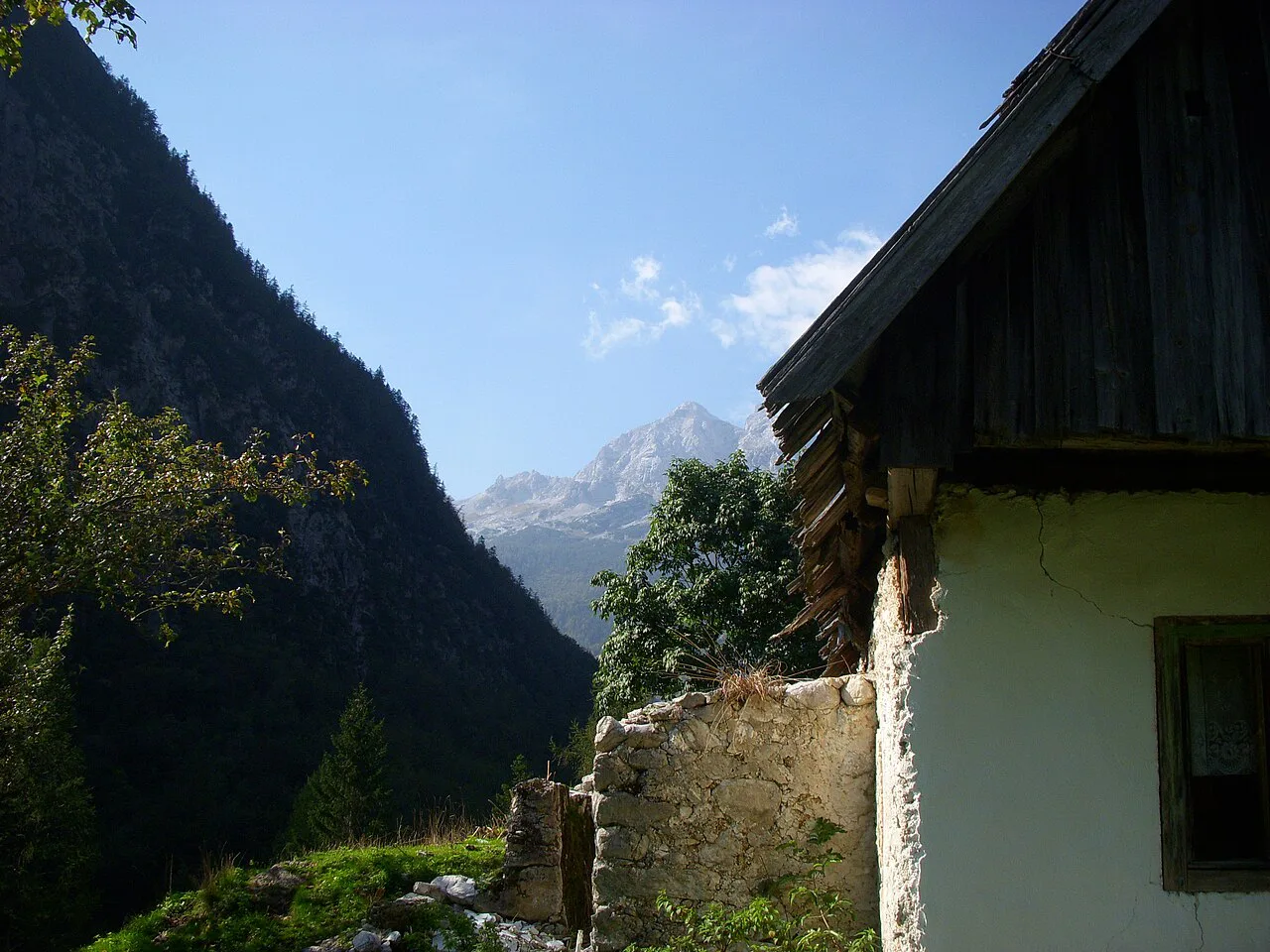
High-altitude huts in Slovenia are usually open only from June to September, while lower huts, some reachable by vehicle, are serviced every day of the year. On a Julian Alps trek this means your route is realistically a summer one: late June to early September for the high beds. Snow lingers on north-facing passes into early summer and returns in autumn, so the shoulder weeks need flexible plans.
Check that the specific huts on your route are open before you commit to a route that depends on them, since a single closed hut can break a three-day chain. The Alpine Association's hut pages show current status and contact details. Build one spare day into the schedule for weather rather than for booking problems.
Booking beds, half board and dormitory sleeping
Book beds in advance, especially for the high huts in July and August, and expect shared rooms rather than private ones. Many huts offer half board: dinner, bed and breakfast, which is simpler than hunting for food on the mountain. Vegetarian options exist but are limited, so mention requirements when you book.
Bring a sleeping liner, earplugs and a headlamp; blankets are provided but sheets are not. Bring cash as well, since not every hut takes cards and the nearest ATM is in the valley. Hut prices vary by hut and season, and the individual hut pages list current rates.
Dogs are welcome in the mountains but not inside the huts, which is worth knowing before you plan a trip with a pet. Waste goes back down to the valley with you, and quiet hours are observed. These are house rules rather than suggestions; respecting them keeps the huts open to hikers.
Guided versus self-guided formats
A self-guided booking typically covers hut beds with half board, transfers at the start and end, and a route description with GPX files, so you walk alone but someone else has reserved the beds. This suits confident navigators who want flexibility in pace. Travellers who used it describe the route notes and app as clear enough to follow without a guide.
A guided format adds an internationally certified mountain guide, which makes the difference on the Triglav summit day and in poor visibility. Guided trips usually include the guide's costs, transfers and half board, and you should confirm exactly what is excluded, typically lunches, drinks and personal gear.
Luggage transfer is not part of the classic hut-to-hut experience, because the huts sit on footpaths, not roads. Some operators move a bag between valley accommodation but not between high huts, so plan to carry everything you need for the days on the mountain. That keeps your pack to 30 to 40 litres.
Getting to the start and back from the finish
Most Julian Alps treks start from a valley town within reach of Ljubljana, such as Kranjska Gora or a village in the Soča Valley, and finish at a different trailhead with a bus link back. Sort the return leg at the planning stage, since rural bus services thin out at weekends.
Some packages start with a transfer to the trailhead and end with a pick-up near Lake Bled or a return to Ljubljana airport, which removes the logistics problem at a price. Self-guided bookings often include these transfers as part of the package. If you are arranging your own, check the seasonal bus timetable before fixing hut dates.
Gear, fitness and time on the trail
Pack for three seasons in one trip: a waterproof shell, insulation, gloves and a hat are needed even in August above 2,000 metres (6,500 feet). Sturdy boots with ankle support matter on the stony descents, and trekking poles save your knees on long downward stages. Add a water bottle of at least one litre and a way to purify refills.
Train for consecutive days rather than a single long hike. The hardest part of hut-to-hut walking is doing it again the next morning with a full pack at altitude, so back-to-back weekend walks of five hours are better preparation than one 30-kilometre day. If your daily limit is four hours, choose a route with short links between lakes.
Hazards on the route
The approaches to Triglav above the huts are exposed, steep and partly secured with cable; they are not a place for a first scramble with a heavy pack in wet conditions. Snow can lie on passes into June and returns in autumn, turning a straightforward path into a slip risk without an ice axe. Afternoon thunderstorms are the other regular hazard, so start early and aim to be at the hut by early afternoon.
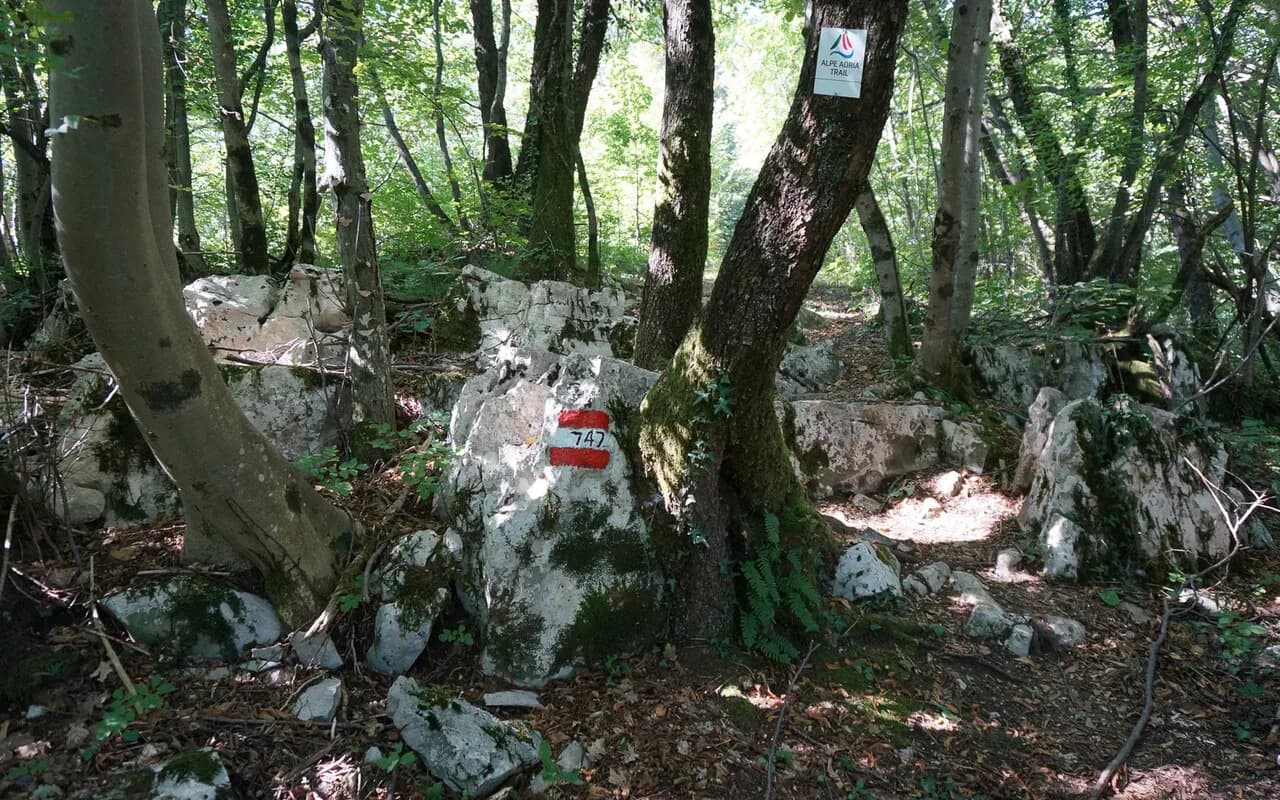
Navigation errors happen most often on the plateau in cloud, where lakes and karst look alike. Carry a paper map and compass alongside a phone app, since batteries drain in the cold. If visibility collapses, follow the waymarked path down to the nearest hut rather than improvising a shortcut.
Base villages and rest days
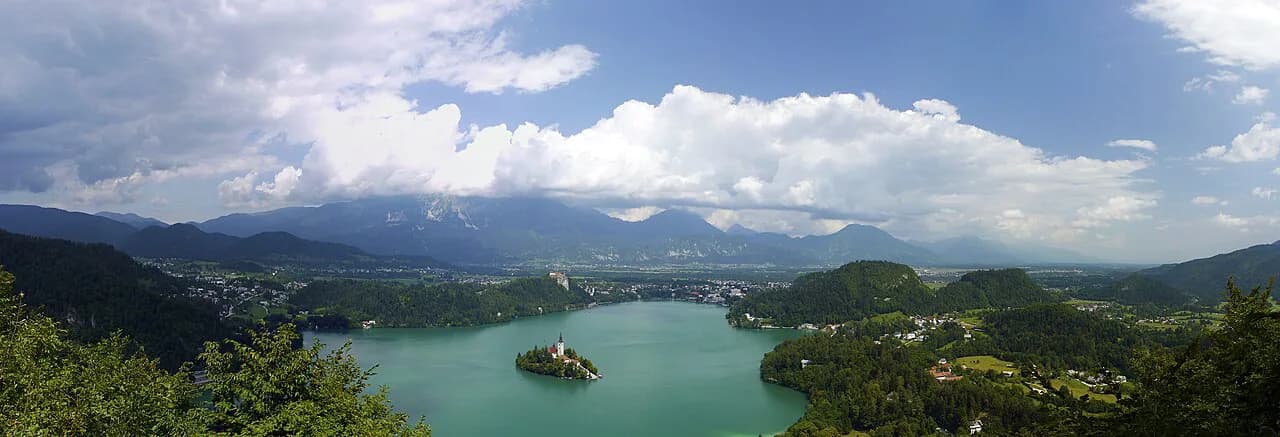
Kranjska Gora works well as a base before a Seven Lakes approach, with easy road access and a range of accommodation, and Bohinj suits trips that finish near the lakes on the southern side. Bled is the most convenient for airport transfers and makes a comfortable rest day between trek sections.
A rest day is worth scheduling after the hardest stage rather than at the end. A valley day with a short walk and a proper bed resets legs for the next climb. If your trip is only three days, skip the rest day and add a weather buffer instead.
Beyond the Julian Alps
The Karawanks range north of the Julian Alps has its own long ridge traverse between huts, with stages such as Stol and Golica, but it is a separate range reached from Tržič. It belongs on a different trip. Keep your itinerary inside the Julian Alps if Triglav and the lakes are the goal.
Plan Your Visit
Decide first whether you want the lakes, the Triglav summit or both, then pick the route and fix the sequence of hut beds before anything else. Self-guided works for confident navigators on waymarked routes; add a guide for the summit day or if you have no scrambling experience. Either way, choose dates inside the June to September window when the high huts are serviced.
Then book transport for the return leg, plan a weather buffer and train for consecutive days rather than one long walk. With the beds confirmed and the season right, the Julian Alps deliver the classic European hut-to-hut experience: high passes, simple lodges and a different valley view every evening.
Frequently Asked Questions
How many days does a Julian Alps hut-to-hut trek take?
The two standard formats are three-day routes: the Triglav Panorama loop and the Seven Lakes Valley. Strong hikers often extend either with an extra summit day on Triglav, and some operators sell longer versions that combine the lakes with a guided ascent, so a trip runs from three to five walking days depending on ambition.
Do you need a guide for hut-to-hut hiking in the Julian Alps?
No guide is needed for waymarked valley and plateau routes such as the Seven Lakes Valley, where clear markings and a GPS track are enough for a confident navigator. A guide is worth paying for on the Triglav summit day, where the upper approaches are steep, exposed and partly secured, and in poor visibility.
When are the mountain huts in the Julian Alps open?
High-altitude huts generally operate from June to September, while lower huts, including some reachable by vehicle, are serviced year-round. Check the status of each hut on your route with the Alpine Association of Slovenia, because one closed hut can break a three-day chain. Snow on north-facing passes can extend into early summer.
How do you book mountain hut beds in Slovenia?
Most huts on a Julian Alps trek are run by mountaineering societies affiliated with the Alpine Association of Slovenia, and you reserve directly with the hut. Book early for July and August, ask for half board, and mention dietary needs at the time of booking. Expect shared rooms, and bring a sleeping liner and cash.
Is the Seven Lakes Valley suitable for a first hut-to-hut trip?
Yes. The distances between huts are short, the waymarking is reliable and a GPS track makes navigation straightforward, so it is a forgiving introduction to dormitory sleeping and fixed dinner hours. The approach day carries the biggest climb and the exit day a long stony descent, so pace those two days conservatively.
Do you need to climb Triglav on a hut-to-hut route?
No. Both the panorama circuit and the Seven Lakes Valley work as hut-to-hut treks without the summit, and many hikers stay on the plateau and high passes. Adding Triglav means a separate day with exposed, partly secured ground, ideally with a guide, plus a weather buffer in case storms close the upper mountain.
Sources
Trail notes for your next trip
Optional updates when we add or revise hiking guides.
You might also like
Continue reading
More guides you'll find useful