Ireland Hiking Tours: Guided vs Self-Guided Routes
Compare Ireland hiking tours by route and format: guided or self-guided walking on the Dingle, Kerry, Beara and Burren ways, and which one fits your trip.
On this page
Ireland suits multi-day walking better than almost anywhere in Europe: waymarked routes link village to village, the scenery shifts from Atlantic cliffs to mountain valleys within a single stage, and you end each day in a place with a pub and a bed. The trade-off is choice. Seven signposted long-distance routes cover everything from a short coastal walk to a two-week circuit of a whole peninsula, and the format you book matters as much as the route.
Why Ireland works for multi-day walking tours
Irish long-distance routes are mostly point-to-point or circular trails that pass through inhabited countryside, so a day's walking ends where accommodation exists rather than at a mountain hut. That structure makes inn-to-inn touring realistic: you carry a day pack, sleep in villages, and let someone else move your bag. It also means the classic routes are measured in days rather than hours, and the walking is rarely technical.
The routes themselves range widely. The Causeway Coast Way runs 52 km (32 miles) from Ballycastle to Portstewart as a section of the 1,000 km Ulster Way circuit, while the Dingle Way is a 179 km (112 mile) circular route that starts and finishes in Tralee. Between those extremes sit coastal peninsulas, karst plateaus and mountain valleys, each with its own character and its own logistics.
If you want the full picture of regions, trailheads and season before committing to a route, start with the broader guide to hiking in ireland and come back to the format question once you know which coast appeals. Most first-time visitors underestimate how much the weather and the transfer logistics shape a trip, and both are easier to plan with the route fixed first.
Guided vs self-guided: what each format includes
A guided tour puts a leader on the trail with you. You get route-finding handled, transport between stage ends arranged, and a group to walk with, which suits anyone uneasy about navigation or travelling alone. The trade-off is fixed dates and a fixed pace: you walk the stages the guiding company has scheduled, in the group's rhythm, and you pay for the guiding service on top of the accommodation.
Self-guided touring is the middle option and the one most Irish long-distance routes are built for. You book a package of inn-to-inn nights, receive route notes or GPS files, and walk the stages on your own dates; luggage usually moves ahead to the next stop. You keep flexibility over start days and rest days, but you still need to be comfortable following a waymarked trail and reading a map when the marks are faint.
Independent walking is the cheapest and most flexible format, and it puts every decision on you: booking each night, arranging bag moves or carrying everything, and solving the transfer to the start and back from the finish. Several Irish operators run guided and self-guided walking in Kerry and beyond, so compare what is actually included rather than the headline length of the trip.
The classic multi-day routes and their lengths
The Dingle Way is the most popular of the Irish long-distance trails, a 179 km (112 mile) circuit from Tralee around the Dingle Peninsula, passing sandy beaches, fishing villages and mountain passes. The Kerry Camino pilgrim route follows it from Tralee to Dingle Town, which gives you a shorter, focused option on the same ground. Most walkers take about a week, and the Slea Head section with views to the Blasket Islands is the stretch people remember.
The Kerry Way is the longest at 214 km (133 miles), a signposted loop around the Iveragh Peninsula that takes in deserted beaches, cliffs, narrow valleys and lakes. It demands more days and more fitness than the Dingle Way, and its finest ground is inside Killarney National Park, where the Black Valley's bridges and mirrored lakes sit below the MacGillycuddy's Reeks. For the day walks and shorter options on that same ground, see this hiking in Killarney guide.
The Beara Way covers 152 km (94 miles) of the mountainous Beara Peninsula, mixing mountain lakes, peat bog, rugged coast, forest tracks and colourful villages, and it is often extended to Bere Island and Dursey Island. That variety makes it the strongest all-round alternative to the Dingle and Kerry ways, and the cable car out to Dursey Island is Ireland's only one, a short ride with big views back along the peninsula.
The Sheep's Head Way is a 93 km (58 mile) circuit on the Sheep's Head peninsula, a ridge-backed finger of land with 360-degree coastal views across Bantry Bay toward Beara. It is the quietest of the western routes, and accommodation and transfers along it are harder to arrange than on its neighbours, so many walkers treat the Beara Way as the practical substitute when planning a full inn-to-inn trip.
Western Way in Connemara and the Burren Way
The Western Way runs 100 km (62 miles) through Connemara, where the mountains, sheep-filled valleys and water features of Connemara National Park sit alongside villages such as Westport and Leenaun. Killary Harbour, Ireland's only fjord, is the highlight: a glacial valley with mountain walls that feels more Norwegian than Irish. This is the route to choose if you want mountain ground and a genuine west-of-Ireland atmosphere rather than a coastal path.
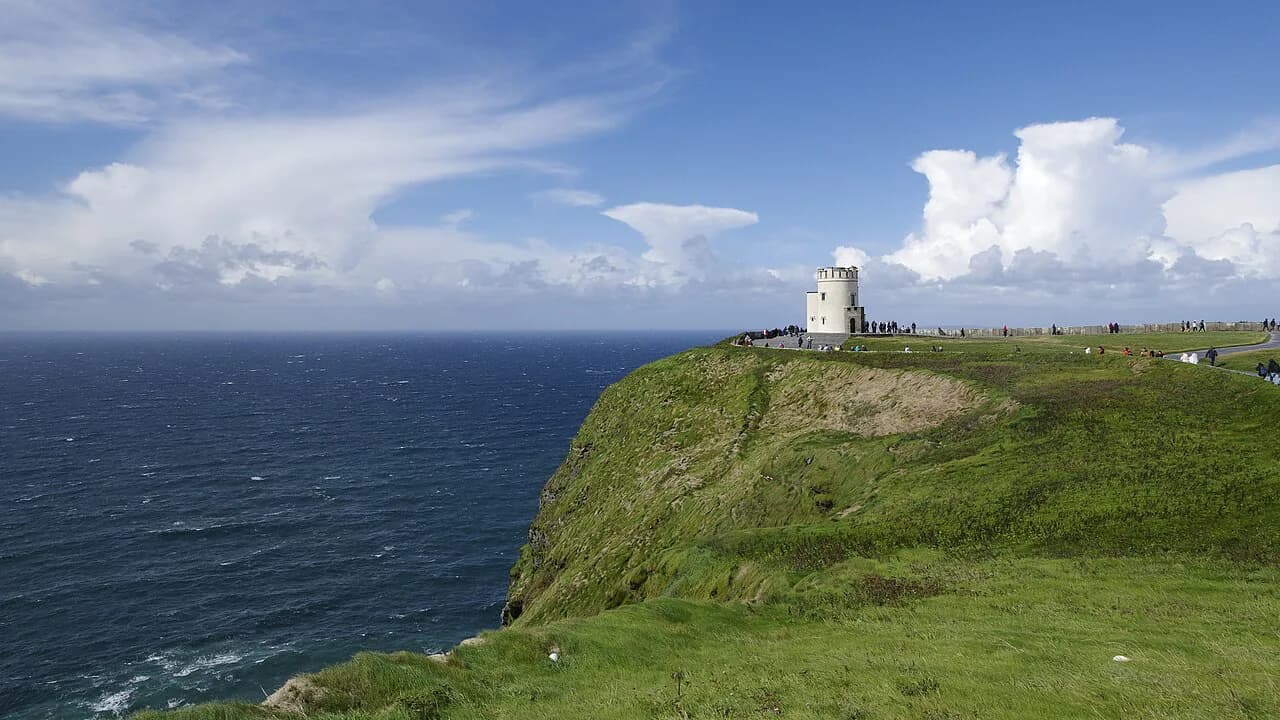
The Burren Way, combined with the Cliffs of Moher, totals 98 km (61 miles) across a limestone plateau of karst pavement, caves, megaliths and rare plants, finishing along one of Ireland's most famous cliff edges. It is exposed ground: wind is constant and there is little shelter on the plateau, so carry a windproof layer even on bright days. Walkers interested in geology and archaeology get more from this route than from any other on the island.
Causeway Coast Way: the short coastal option
The Causeway Coast Way is 52 km (32 miles) from Ballycastle to Portstewart in County Antrim, the shortest of the classic Irish routes and the easiest underfoot, with the Giant's Causeway and the Carrick-a-Rede rope bridge on the way. It suits a long weekend, a first multi-day trip, or anyone who wants coastal scenery without committing to a week. The trade-off is popularity: the causeway stretch draws crowds, so walk it early or late in the day.
Matching a route to your fitness and days
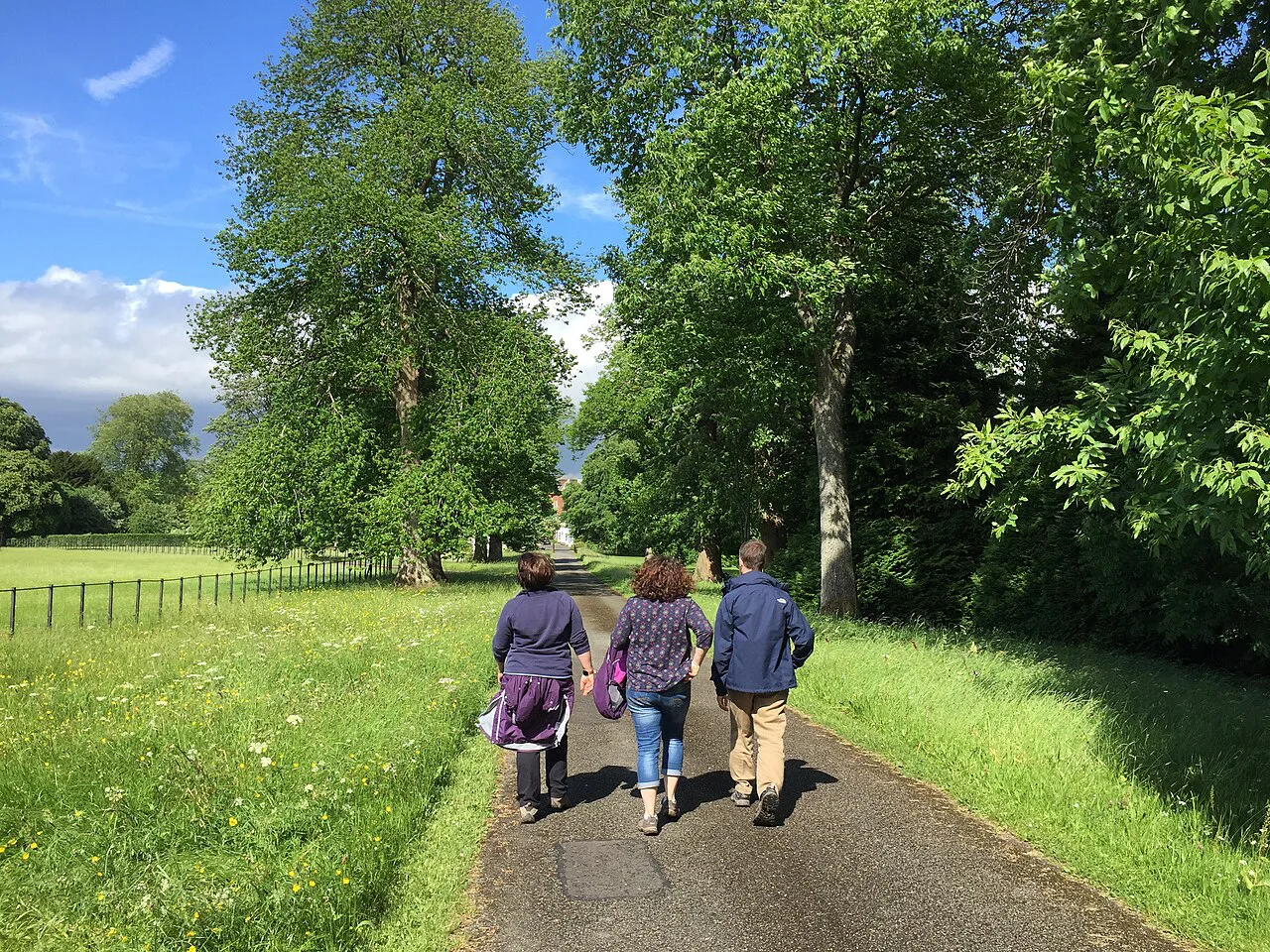
Set your available days first, then choose. Three to five walking days points to the Causeway Coast Way or a section of the Dingle or Kerry ways; six to eight days covers the Dingle Way or the Burren Way comfortably; ten days or more opens up the Beara Way and the full Kerry Way. Adding rest days matters on the longer routes, because Irish weather can cost you a walking day without warning.
Fitness requirements follow the ground rather than the distance. The Causeway Coast Way is largely low-level coast path, the Burren Way is flat but exposed, and the Kerry Way and Western Way include sustained climbs and rough, boggy sections where progress is slower than the map suggests. If you have not done a multi-day walk before, pick the shorter coastal route and treat the longer ones as a second trip.
Inn-to-inn logistics and luggage transfer
On the Dingle, Kerry, Beara and Burren routes, villages sit at intervals that suit day stages, and self-guided operators build their itineraries around moving your bag from one to the next. Bag transfer is the single biggest quality-of-life difference between formats: with it you walk with a day pack, without it you carry everything. Confirm in writing what a package covers, including transfers to the trailhead and back from the finish.
Getting to the start and away from the end is the part most people underestimate. The Dingle Way begins and ends in Tralee, which has rail and bus connections; the Kerry Way is usually joined at Killarney; the Causeway Coast Way runs between Ballycastle and Portstewart, which are served by local buses. Build the transfer into your first and last day, and check current timetables before travel so you can walk off the trail and onto a train.
Shorter tours and section options
Not every trip needs to be the full route. Section walking works well in Ireland because the scenery is concentrated: the Slea Head stretch of the Dingle Way, the Black Valley in Killarney National Park, the Cliffs of Moher end of the Burren Way and the Giant's Causeway stretch of the Causeway Coast Way all make satisfying short tours on their own. Operators selling three-day and five-day packages are usually selling exactly these sections.
Pilgrim routes offer another short format. The Kerry Camino follows the Dingle Way from Tralee to Dingle Town over a few days, giving a defined start and finish with village stops along the way. Further east, the Wicklow Way Guide covers a mountain route south of Dublin that works well for a compact trip; the Wicklow Way is the closest long-distance trail to the capital and easier to reach than the western routes.
Coastal hazards and mountain weather
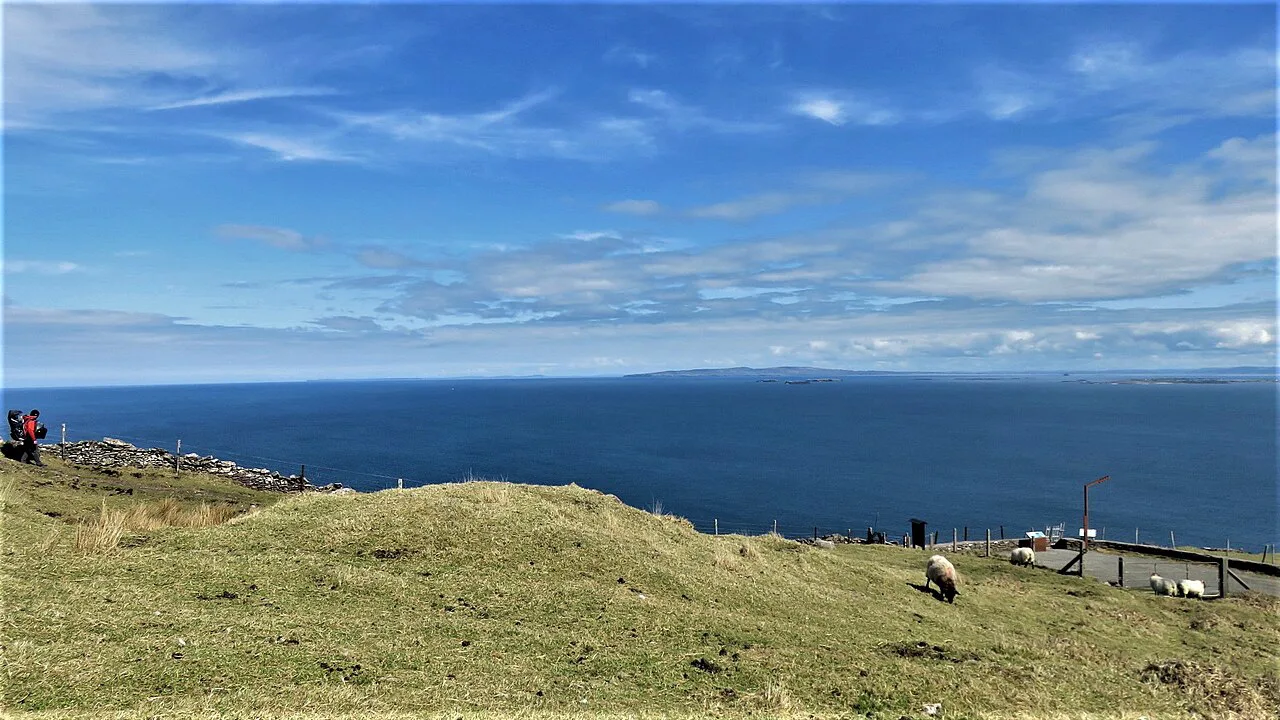
Irish weather changes fast, and the hazards are wetness, wind and visibility rather than technical difficulty. On the Burren plateau and the Cliffs of Moher section there is almost no shelter and the wind can push you off balance near the edge; keep back from the cliff line in gusty conditions. On the mountain sections of the Kerry and Western ways, bog, low cloud and path erosion slow you down, so carry a paper map and compass alongside a phone.
Coastal routes carry their own risks. Sections of the Causeway Coast Way cross beaches and rock platforms where tide state affects the safest line, and the Carrick-a-Rede rope bridge crossing is optional scenery rather than a necessity. On the western peninsulas, streaming rain turns tracks to mud and rivers rise quickly, so plan shorter days when a front is due through.
When to go and the walking season
Late spring through early autumn is the practical window for Irish long-distance walking, when daylight stretches long enough for full stages and accommodation in the villages is open. Midges are a real nuisance in the west in still, damp summer weather, particularly around Connemara and the Kerry lakes. Winter walking is possible on the low coastal routes but the short days and frequent storms make the longer mountain routes a poor bet.
Book accommodation early for the Dingle and Kerry ways in high summer, when the popular villages fill and the stages with the fewest beds become the bottleneck. Shoulder-season walking in May and September gives you quieter trails and softer light at the cost of more unsettled weather. Where a tour operator sets departure dates, ask which stages are included and how many walking days the trip actually contains.
How to choose between guided, self-guided and independent walking
Choose guided if you want company, a leader to handle navigation and transport, and no planning beyond turning up; accept fixed dates and a group pace. Choose self-guided if you want your own dates and a day pack but would rather not book every night yourself. Choose independent if you are confident with a map, happy to carry or arrange your own bag moves, and want the cheapest and most flexible trip.
For a first Irish long-distance trip, self-guided on the Dingle Way or the Causeway Coast Way is the safest balance of support and flexibility. Save the Kerry Way and the Western Way for a second visit, when you know how you cope with a week of Irish weather and how far you actually want to walk each day. The route matters less than an honest match between the format and the days you have.
Plan Your Ireland Walking Trip
Start with days available and fitness, pick the route that fits, then decide the format: guided for company and logistics, self-guided for flexibility with a day pack, independent for freedom and cost. The Causeway Coast Way and a Dingle Way section suit shorter trips, the Dingle Way and Burren Way a full week, and the Kerry, Beara and Western ways a longer holiday.
Once the route is fixed, book village accommodation early, confirm exactly what transfer and luggage support is included, and plan how you reach the start and leave the finish. Then watch the forecast in the week before you travel and be ready to shorten a stage rather than push through a front on exposed ground.
Frequently Asked Questions
What is the difference between guided and self-guided Ireland hiking tours?
A guided tour includes a leader who walks with you and handles navigation and transport, with fixed dates and a group pace. A self-guided tour gives you booked accommodation, route notes and usually luggage transfer, but you walk the stages on your own dates without a leader. Independent walking leaves all bookings and logistics to you.
Which Irish multi-day walk is best for a first walking holiday?
The Causeway Coast Way at 52 km (32 miles) is the shortest and easiest underfoot, running from Ballycastle to Portstewart. A section of the Dingle Way, such as the Slea Head stretch, is a good alternative if you want coastal scenery with village accommodation at the end of each day.
How long does the Dingle Way take?
The Dingle Way is a 179 km (112 mile) circular route starting and finishing in Tralee, and most walkers spread it over about a week. Shorter three- and five-day versions cover sections only, so check how much of the circuit a package actually includes.
Is the Kerry Way harder than the Dingle Way?
Yes. The Kerry Way runs 214 km (133 miles) around the Iveragh Peninsula and includes sustained climbs, rough ground and remote stretches, so it needs more days and more fitness than the Dingle Way. It suits walkers with multi-day experience behind them.
Can you walk Ireland's long-distance routes without a tour operator?
Yes. The main routes are waymarked and pass through villages with accommodation, so you can book nights yourself and walk independently. You will need to arrange your own luggage movement, trailhead transfers and backup navigation, and should be comfortable following faint marks in poor visibility.
When is the best time of year for an Ireland hiking tour?
Late spring through early autumn gives the longest daylight and the widest choice of open accommodation. May and September are quieter than high summer, when the Dingle and Kerry ways fill up and midges are at their worst in the still, damp west.
Sources
Trail notes for your next trip
Optional updates when we add or revise hiking guides.
You might also like
Continue reading
More guides you'll find useful