Causeway Coast Way: A 3-Day Northern Ireland Coastal Hike
Walk the Causeway Coast Way in Northern Ireland over two or three days, from Ballycastle to Portstewart, with stage distances, ascent, terrain and timing.
On this page
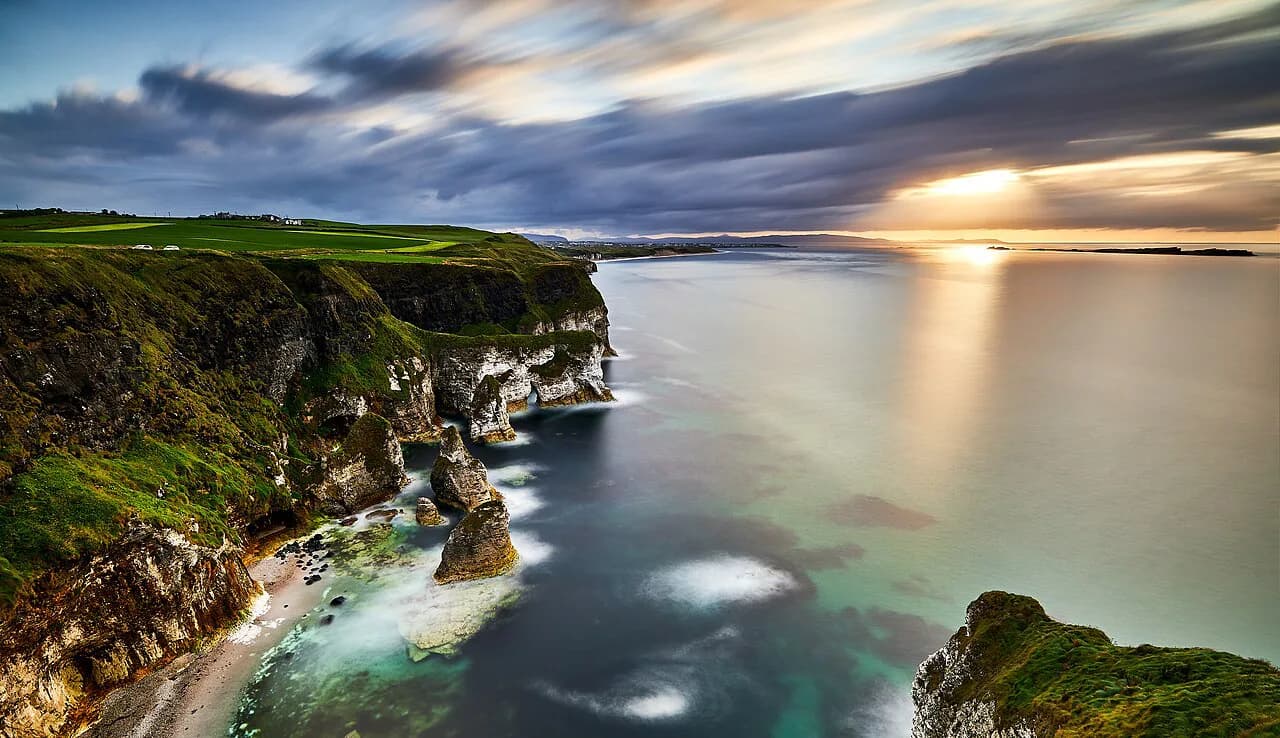
The Causeway Coast Way delivers big coastal scenery without big mountain days: cliffs above the sea, wide sands and the interlocking basalt columns of the Giant's Causeway, all on a low-lying route in County Antrim. It suits walkers of average fitness who can cover 14–19 km (9–12 mi) in a day and want a multi-day trip where the challenge is distance, not steep ground.
The route forms part of the Ulster Way long-distance network and runs from Ballycastle east along the coast to Portstewart, so you can walk it as a two- or three-day outing with an overnight bag. There is no high pass and no technical scramble, though cliff edges and changeable Atlantic weather keep you honest.
Where the route starts and finishes
The through-walk begins in Ballycastle on the north Antrim coast and finishes in Portstewart, giving a westbound line along the shore. Between the two ends the path passes Dunseverick and Portballintrae, which are the natural overnight stops that break the route into its three published stages.
Neither end is a remote trailhead: both are small coastal towns with road access, and the intermediate villages sit close to the line of the walk. That makes it practical to leave a car at one end and use local transport back, or to base yourself in one town and tackle stages as day outings.
Distance, ascent and how many days to allow
The full Causeway Coast Way measures 51.0 km (about 31.7 mi) with 580 m (about 1,900 ft) of ascent and 570 m of descent, and it takes a walker of average fitness two to three days. Across that distance the climbing is modest — the route is coastal rather than mountainous — so the day count depends more on how long you want to linger at the Giant's Causeway and the beaches.
Walking continuously, the three published stages add up to roughly 13.5 hours on the trail, which is why the two-day option means long days of 5–6 hours and the three-day option splits the load comfortably. If you are new to multi-day coastal walking, take the three-day split.
A length of 31.1 mi (50 km) with about 2,772 ft (845 m) of elevation gain is the other published figure you will see for the walk, and it is broadly consistent with the staged numbers. Either way, plan for an easy-going profile rather than a day of sustained climbing.
Stage 1: Ballycastle to Dunseverick
Stage 1 covers 18.1 km (11.2 mi) with 230 m (about 755 ft) of ascent and 240 m of descent, and the source allows about 4 hours 53 minutes. It is rated a moderate hike on easily accessible paths suitable for all skill levels, which makes it a forgiving first day even with a pack.
Leaving Ballycastle, the path follows the shore and low cliff tops west toward Dunseverick, with the sea on your left and farmland inland. The day's climbing is spread over short rises rather than one sustained pull, so the main effort is keeping a steady pace on grass and surfaced track.
Dunseverick is the natural overnight stop, and it keeps you well placed for the Giant's Causeway the following morning. Book your bed before you start: the village is small, and the nearest alternatives lie some distance along the coast.
Stage 2: Dunseverick to Portballintrae
Stage 2 runs 13.7 km (8.5 mi) with 200 m (about 655 ft) of ascent and descent, and the source gives about 3 hours 43 minutes. It is rated moderate, again on easily accessible paths suitable for all skill levels.
This is the shortest of the three days but the one most walkers remember, because it passes the Giant's Causeway — a UNESCO World Heritage Site made up of around 40,000 interlocking basalt columns stepping from the cliffs into the sea. Allow extra time here on top of the walking time; the causeway is a stop, not a fly-by.
The columns are the draw, but the section also works as an easy half-day if you are basing yourself nearby and want a shorter outing. Continue west to Portballintrae for the overnight, which sets you up for the longest stage.
Stage 3: Portballintrae to Portstewart
Stage 3 is the longest at 19.2 km (11.9 mi) but has the least climbing: 150 m (about 490 ft) of ascent and 140 m of descent over about 5 hours 1 minute. The source rates it hard, largely because of the day's length rather than the terrain, so expect tired legs on the final kilometres.
This is the real planning trade-off of the route: the flattest stage is also the most demanding, because you are on your feet for five hours. If you only have two days, pair Stage 3 with Stage 2 and save Stage 1 for a gentler first half; if you have three, keep the published split.
The walk finishes in Portstewart, where the coast turns toward the broad sands of the lower shore. From there you need transport back to your starting point or onward to your base.
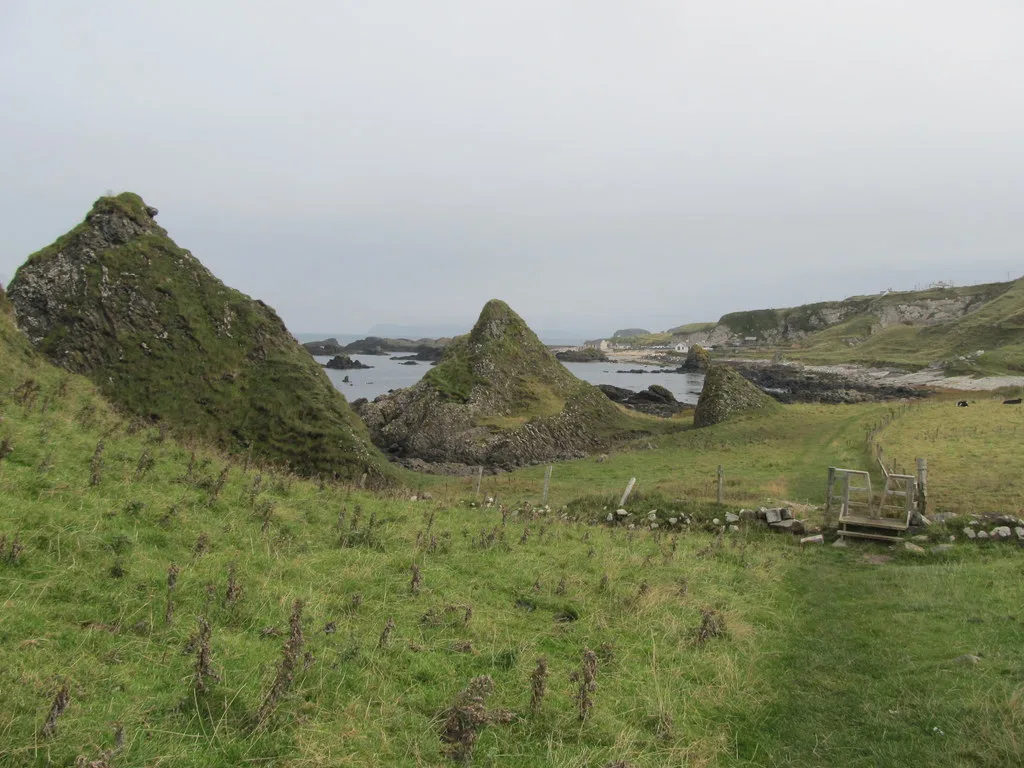
The Giant's Causeway and the basalt columns
The Giant's Causeway sits on the Stage 2 stretch between Dunseverick and Portballintrae, so you reach it on foot rather than by road. The columns are interlocking basalt, roughly 40,000 of them according to the source, running from the base of the cliffs out into the sea like stepping stones.
The legend of Finn McCool building a bridge to Scotland gives the place its name, and the landscape does look engineered. Treat the column tops as slippery when wet and stay off the lowest rocks when a swell is running; the exposed edge is the one place on the route where a stumble has consequences.
Terrain, exposure and coastal hazards
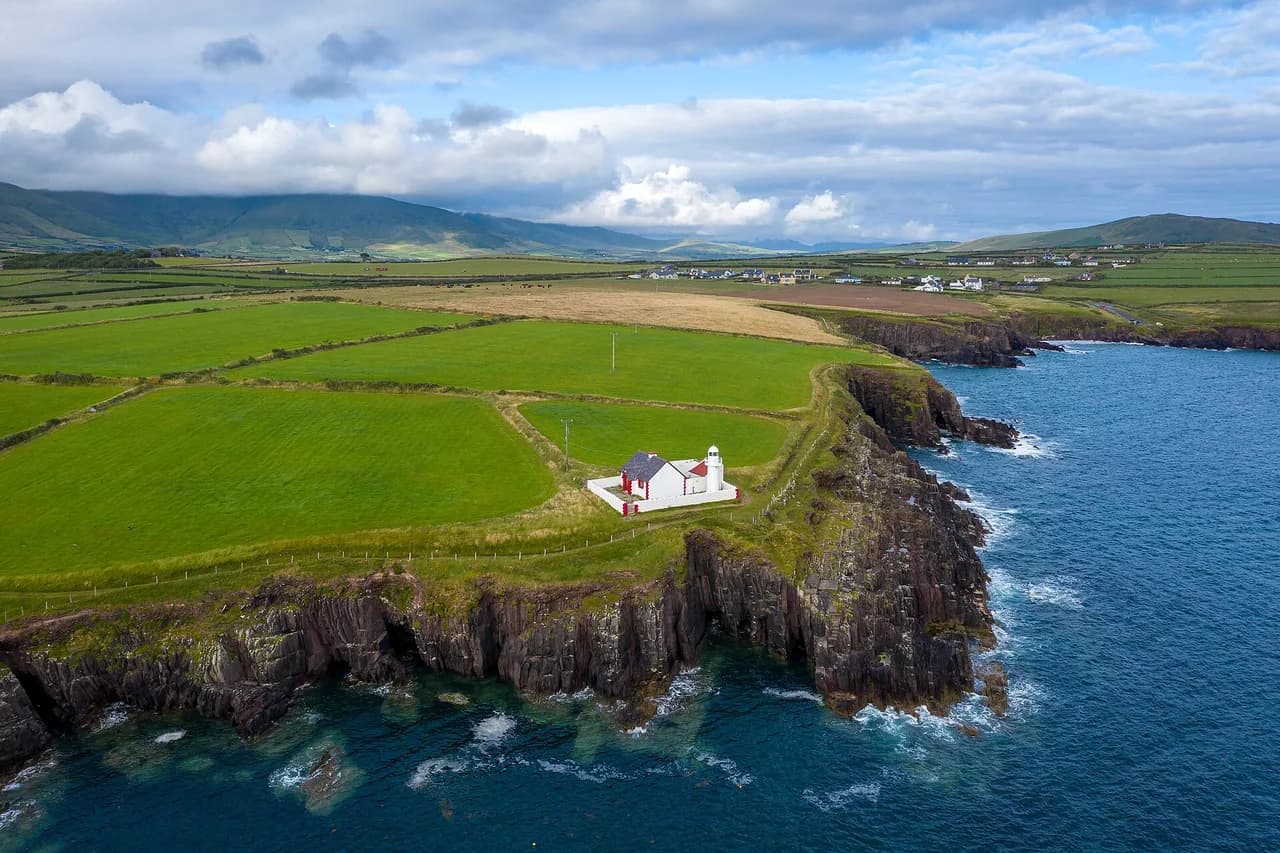
The route is low-lying coastal walking on a mix of cliff-top path, beach and surfaced track, and the sources describe the going as easily accessible. That does not make it tame: sections run close to unfenced cliff edges, and wet grass on sloping ground is the most common slip hazard.
Weather comes straight off the Atlantic, so wind and rain arrive fast and the cliff tops offer little shelter. Carry a waterproof shell and a warm layer even in summer, and plan a shorter day if a strong wind warning is in force. Morning starts also leave margin for the afternoon rain that builds along this coast.
The coast path is not a mountain route, so you will not need an ice axe or crampons, but sturdy shoes with grip matter on wet rock and sand. Walking poles help on the short steep descents into the coves.
When to go
Late spring through early autumn gives the longest daylight and the best chance of dry weather for a multi-day walk. Summer brings the most reliable conditions but also the busiest days at the Giant's Causeway, so an early start gets you to the columns before the crowds.
Outside that window the coast is quieter but the days shorten and wind and rain become more frequent, which matters when your longest stage is five hours. Check the forecast for the north coast before committing to an overnight split, because a wet day on an exposed cliff path is a different proposition from a wet day inland.
Getting to the start and back from the finish
Ballycastle and Portstewart are both served by road, and the intermediate villages of Dunseverick and Portballintrae sit close to the coast road. Because the walk is point-to-point, the practical plan is to travel to Ballycastle, walk west over two or three days, and arrange your return from Portstewart.
For the return leg, use the local bus network along the coast rather than doubling back on foot, and carry a printed or offline timetable since coastal services thin out in the evening. If you leave a car, park it at your finishing town and take the bus to Ballycastle at the start.
If you are building a longer trip on the island, our hiking in ireland guide covers the other long-distance routes and how they compare.
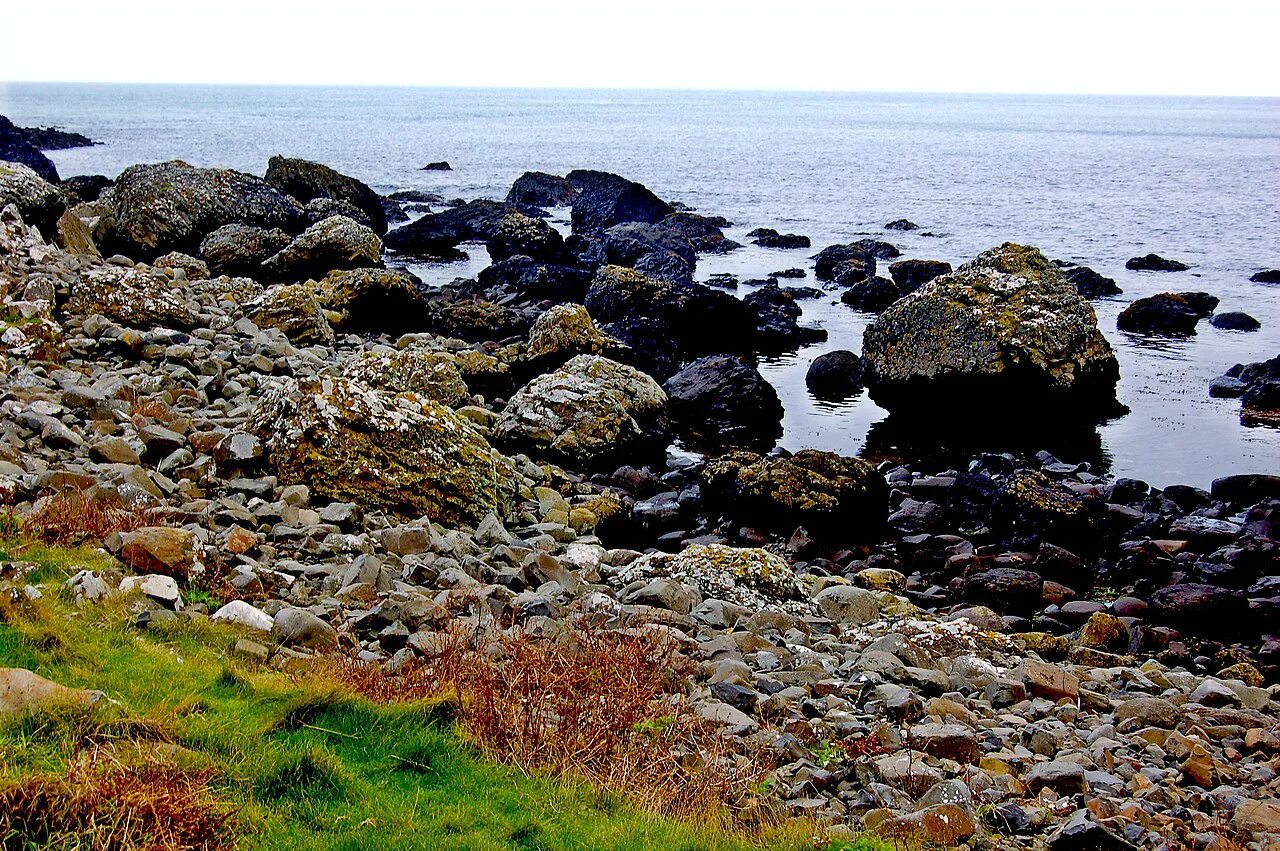
Where to base yourself along the route
Ballycastle suits the start of the through-walk, with shops and services before you set off east. Dunseverick is the logical first overnight if you walk Stage 1 as published, while Portballintrae works for the second night and shortens the final day.
Portstewart at the western end is the natural base if you want to walk stages as day outings in reverse. Book accommodation in advance for the small intermediate villages; there is not much of it, and the route is popular.
Two days or three: how to split the walk
Three days is the comfortable choice: Stage 1 at 18.1 km, Stage 2 at 13.7 km and Stage 3 at 19.2 km give you a gentle middle day for the Giant's Causeway and a manageable final push. The source recommends taking the extra day precisely so you can explore the geology properly.
Two days is possible for fit walkers on lightly loaded packs, but it means pairing two stages into one long day of roughly six to seven hours. The sensible split is Stage 1 on day one and Stages 2 and 3 combined on day two, finishing in Portstewart.
If you want a guide or a supported format with luggage moved between stops, compare what Ireland hiking tours include and where the Causeway Coast fits into a longer itinerary.
How the Causeway Coast Way compares
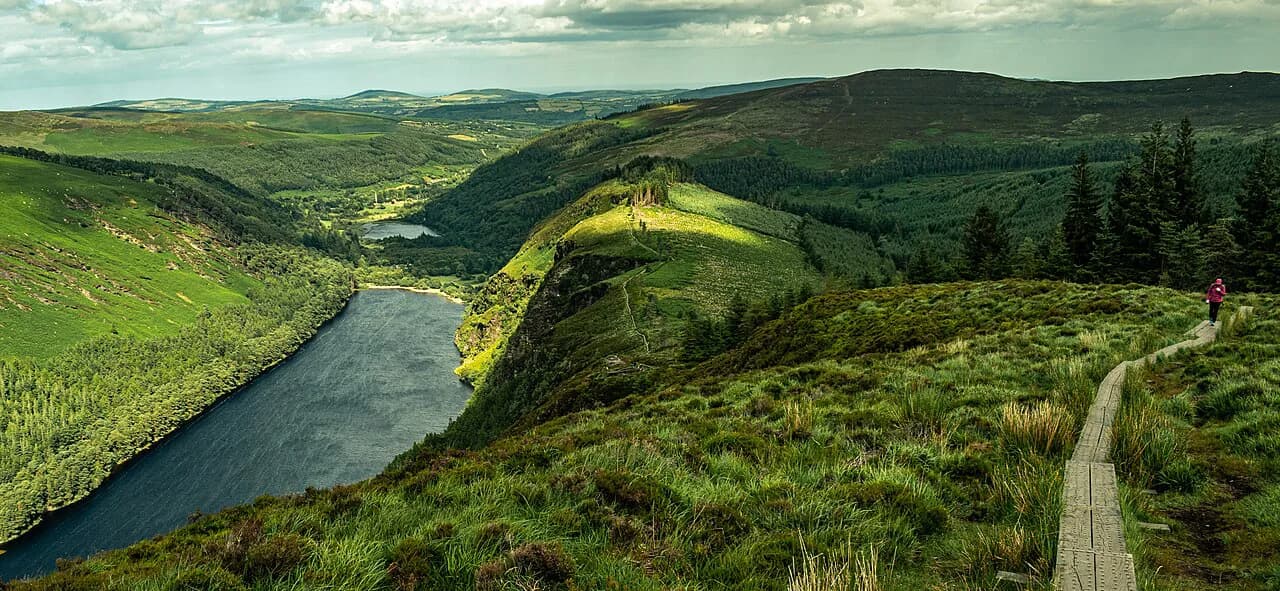
Compared with Ireland's mountain long-distance routes, the Causeway Coast Way is much lower and easier underfoot, and it suits mixed-ability groups who want coastal scenery without sustained climbing. If you want a longer ridge-and-valley walk with more ascent, look at the Wicklow Way instead. For lakeside trails rather than sea cliffs, see our guide to hiking in Killarney, which swaps Atlantic headlands for national park mountains and woodland.
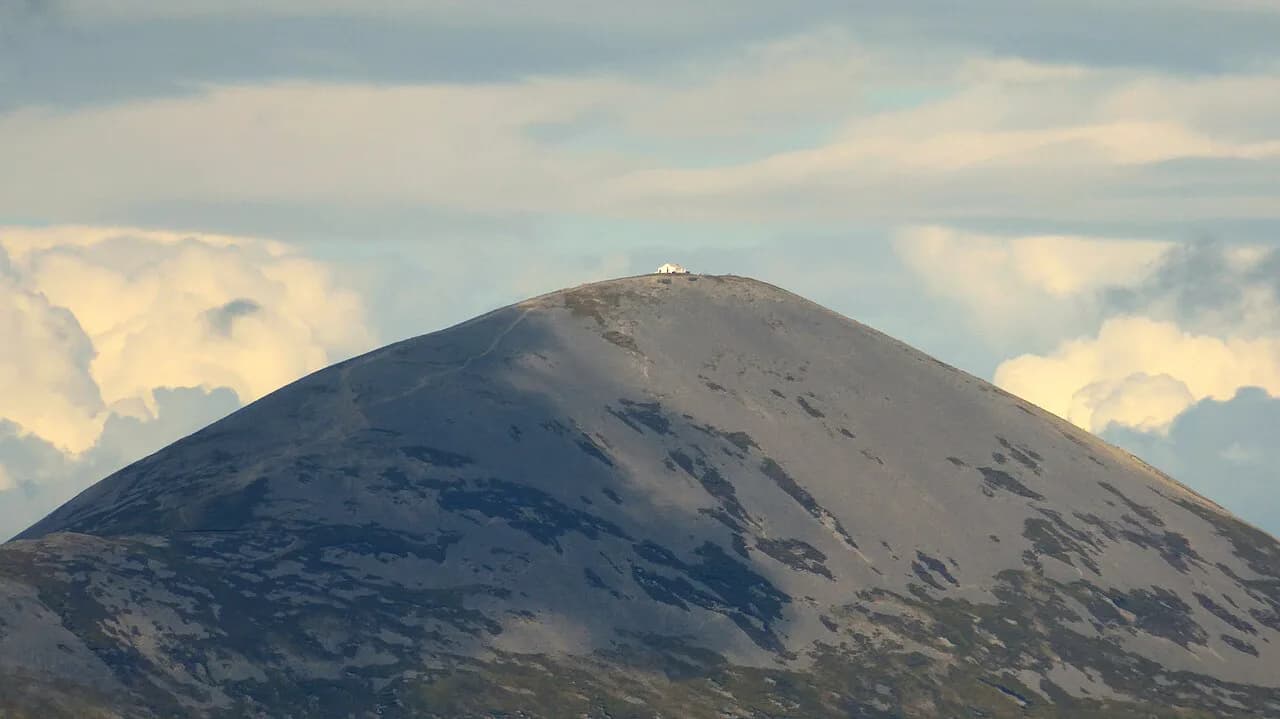
Further west, the Dingle way offers a similarly coastal multi-day walk with more rugged headland sections and longer daily distances. For a single steep pilgrimage day, the croagh patrick hike is a completely different kind of outing from this relaxed shore path.
Plan Your Visit
The Causeway Coast Way rewards a three-day approach: 51 km of low-lying coast path, gentle ascent and a middle day given over to the Giant's Causeway. Walk it westbound from Ballycastle to Portstewart, book beds in Dunseverick and Portballintrae, and treat Stage 3 as the hard day despite its modest climbing.
Frequently Asked Questions
How long is the Causeway Coast Way?
It runs 51.0 km (about 31.7 mi) from Ballycastle to Portstewart, with 580 m of ascent and 570 m of descent. An alternative published figure puts the distance at 31.1 mi with about 2,772 ft of gain.
How many days does the Causeway Coast Way take?
Plan on two or three days. The three-stage split — Ballycastle to Dunseverick, Dunseverick to Portballintrae, Portballintrae to Portstewart — gives days of 18.1 km, 13.7 km and 19.2 km, and the middle day leaves time for the Giant's Causeway.
What is the hardest stage of the Causeway Coast Way?
Stage 3, Portballintrae to Portstewart, is rated hard because it is 19.2 km and about five hours on foot, even though it has the least climbing at 150 m. The difficulty comes from distance, not steep ground.
Where does the Causeway Coast Way start and finish?
It starts in Ballycastle and finishes in Portstewart on Northern Ireland's north coast, passing Dunseverick and Portballintrae in between. Both ends have road access, so a point-to-point walk works well.
Is the Causeway Coast Way difficult?
The first two stages are rated moderate on easily accessible paths suitable for all skill levels. The route is low-lying and the climbing is modest, so the challenge is the daily distance and the exposed coastal weather rather than technical terrain.
Sources
Trail notes for your next trip
Optional updates when we add or revise hiking guides.
You might also like
Continue reading
More guides you'll find useful