Slovak Paradise Hiking Guide: Gorges, Ladders and Trailheads
Plan a Slovak Paradise hike with gorge routes, ladders and footbridges, distances, ascent and times for Suchá Belá, Veľký Sokol and Kyseľ valley.
On this page
Slovak Paradise National Park in eastern Slovakia is gorge country, and its routes are unlike a normal mountain walk: you climb fixed ladders and wooden risers bolted to the rock, cross footbridges above waterfalls and squeeze through slots where a full pack becomes a problem. Each gorge has its own character and its own price in effort, so the choice is less about which is most photographed and more about which fits your hands, your knees and your day.
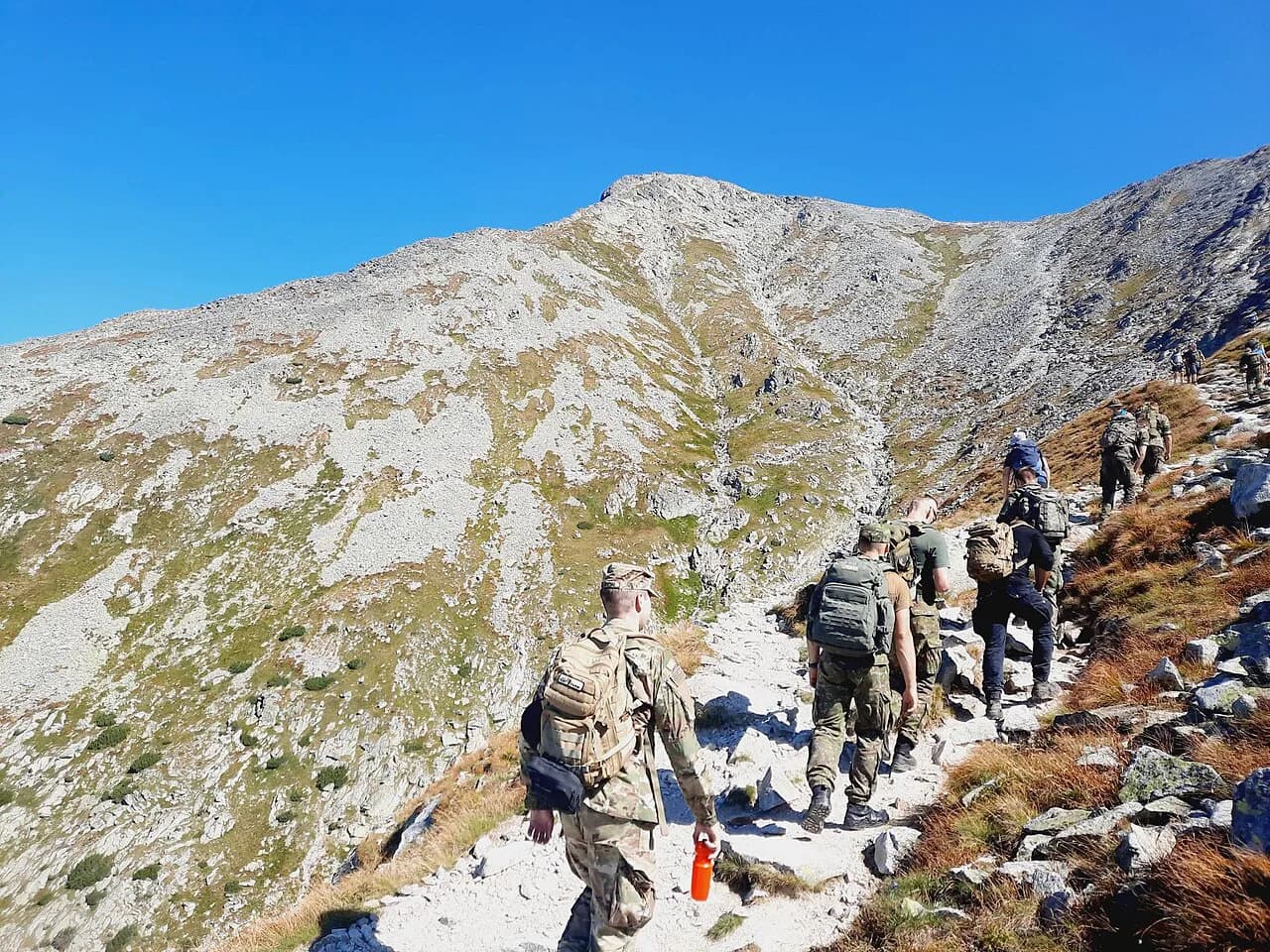
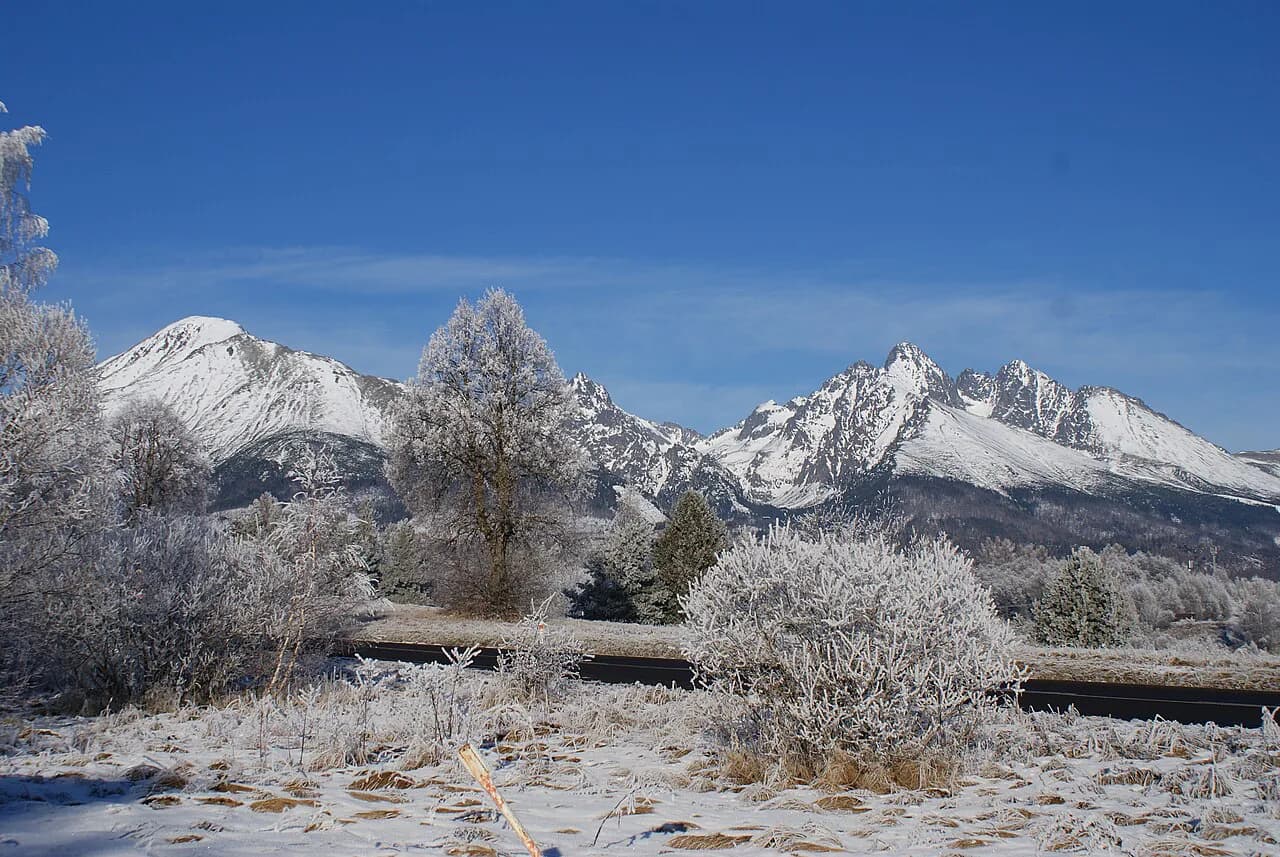
This guide groups the main gorges by length, elevation gain and typical crossing time so hikers can pick a first gorge, a quieter alternative to Suchá Belá or a bigger day. If you are also planning time in Slovakia's high mountains, see our companion guide to hiking in high tatras for the alpine side of the trip, which sits in a different range from the gorges described here. For alpine day routes in that neighbouring range, our Tatra Mountains hiking guide covers which trail to choose.
What Slovak Paradise offers and who it suits
The park's signature is a set of deep limestone gorges where the trail becomes a via-ferrata-style line of ladders, metal risers and wooden footbridges over cascades. That makes it a good fit for hikers who are comfortable using their hands, don't mind exposure above water and can keep moving on wet rungs, and a poor fit for anyone expecting a straightforward valley walk.
Families and casual walkers still have options: the shortest gorges are under an hour of climbing, and the quiet Piecky gorge is gentle enough to be treated as a romantic half-day. Match the gorge to the group rather than the other way around, and save the longest, most exposed lines for a day when everyone is fresh.
Where the park is and how to reach the trailheads
Most gorge routes start from the Podlesok tourist center, which has buffets and restaurants to return to after a descent, and the Suchá Belá gorge begins directly there. That makes Podlesok the simplest base for a first visit and the obvious place to stay if you want to walk from your accommodation to the ladders.
Other trailheads, including Čingov, are spread around the park, and the park's own hiking map marks vantage points, gorges, waterfalls, snack bars, restaurants, bus stops, train stops and parking so you can plan a route between them. Use the map to work out which trailhead matches your chosen gorge before you commit to a base, since starting on the wrong side adds road time to your day.
Park entry fee and regulations for hikers
The national park publishes its entry fee, regulations, gorge accessibility and parking information through its official visitor pages. Read those sections before you travel, since the rules on gorge access and the fee arrangements are decided by the park administration rather than by individual trailheads.
The most consequential rule is the accessibility status of each gorge: the park publishes current information on which gorges are open and passable, and this can change with conditions. Plan a backup gorge so a closure doesn't strand your day.
Gorge routes at a glance: distance, elevation gain and crossing time
Distances below are the published length of each gorge and times are typical crossings, so they describe the gorge itself rather than your full day from the car park.
Short and approachable: Zejmarská roklina is 1 km (0.6 mi) with 227 m (745 ft) of gain in about 45 minutes; Kláštorská roklina is 1.2 km (0.7 mi) with 220 m (722 ft) in about an hour; Malý Kyseľ is 2.2 km (1.4 mi) with 220 m (722 ft) in about an hour; Veľký Kyseľ is the same 2.2 km (1.4 mi) with 260 m (853 ft) in about an hour; Ferrata Kyseľ runs 1.4 km (0.9 mi) with 179 m (587 ft) in about two hours.
Medium days: Suchá Belá covers 3.7 km (2.3 mi) with 420 m (1,378 ft) of gain in under two hours; Piecky covers 3.3 km (2.1 mi) with 303 m (994 ft) in about two hours; Sokolia dolina covers 2.5 km (1.6 mi) with 437 m (1,434 ft) in about two hours.
The longest single gorge is Veľký Sokol at 5.5 km (3.4 mi) with 305 m (1,001 ft) of gain, taking roughly two and a half hours and rated the most exposed and wildest line in the park. Treat the published gain as the climb inside the gorge, and add the walk in from your trailhead on top.
Suchá Belá: the most visited gorge, starting at Podlesok
Suchá Belá is the park's most visited gorge through the whole tourist season and the easiest to reach, because its mouth sits in Podlesok itself. Expect company on the ladders and start early if you want the waterfalls to yourself.
The gorge runs 3.7 km (2.3 mi) with about 420 m (1,378 ft) of climbing and should take no more than two hours to cross. Because you finish above Podlesok, plan whether you walk back down through the gorge or take a connecting trail to close the loop.
Malý Kyseľ and Veľký Kyseľ: the Kyseľ valley gorges
Both gorges lie in the Kyseľ valley, with Veľký Kyseľ in the northern part beside a small tarn and its three waterfalls climbed on metal and wooden ladders and risers. Malý Kyseľ was once part of the Ferrata Kyseľ line and is now a separate gorge, short but packed with footbridges, ladders and risers.
They make a natural pair: 2.2 km (1.4 mi) each, with 220 m (722 ft) in Malý Kyseľ and 260 m (853 ft) in Veľký Kyseľ, roughly an hour apiece. Link them in one valley day if the weather is stable, since both share the same approach and escape routes.
Veľký Sokol and Sokolia dolina: the exposed options
Veľký Sokol is the park's longest gorge and is considered its most exposed and wildest, at 5.5 km (3.4 mi) with 305 m (1,001 ft) of gain and about two and a half hours. Sokolia dolina commands similar respect for its massive rock formations and waterfalls, and it sits in the heart of the park where reaching the start takes real effort on its own.
Sokolia dolina's 2.5 km (1.6 mi) and 437 m (1,434 ft) of gain in about two hours makes it the steepest short gorge listed here, so budget energy for the approach as well as the climb. Neither of these is a good first gorge for a nervous scrambler.
Piecky and Kláštorská roklina: quieter gorges
Piecky is one of the calmer, quieter gorges with footbridges, ladders and risers throughout: 3.3 km (2.1 mi), 303 m (994 ft) of gain and no more than two hours. It suits hikers who want the ladder experience without the queue and the crowds of Suchá Belá.
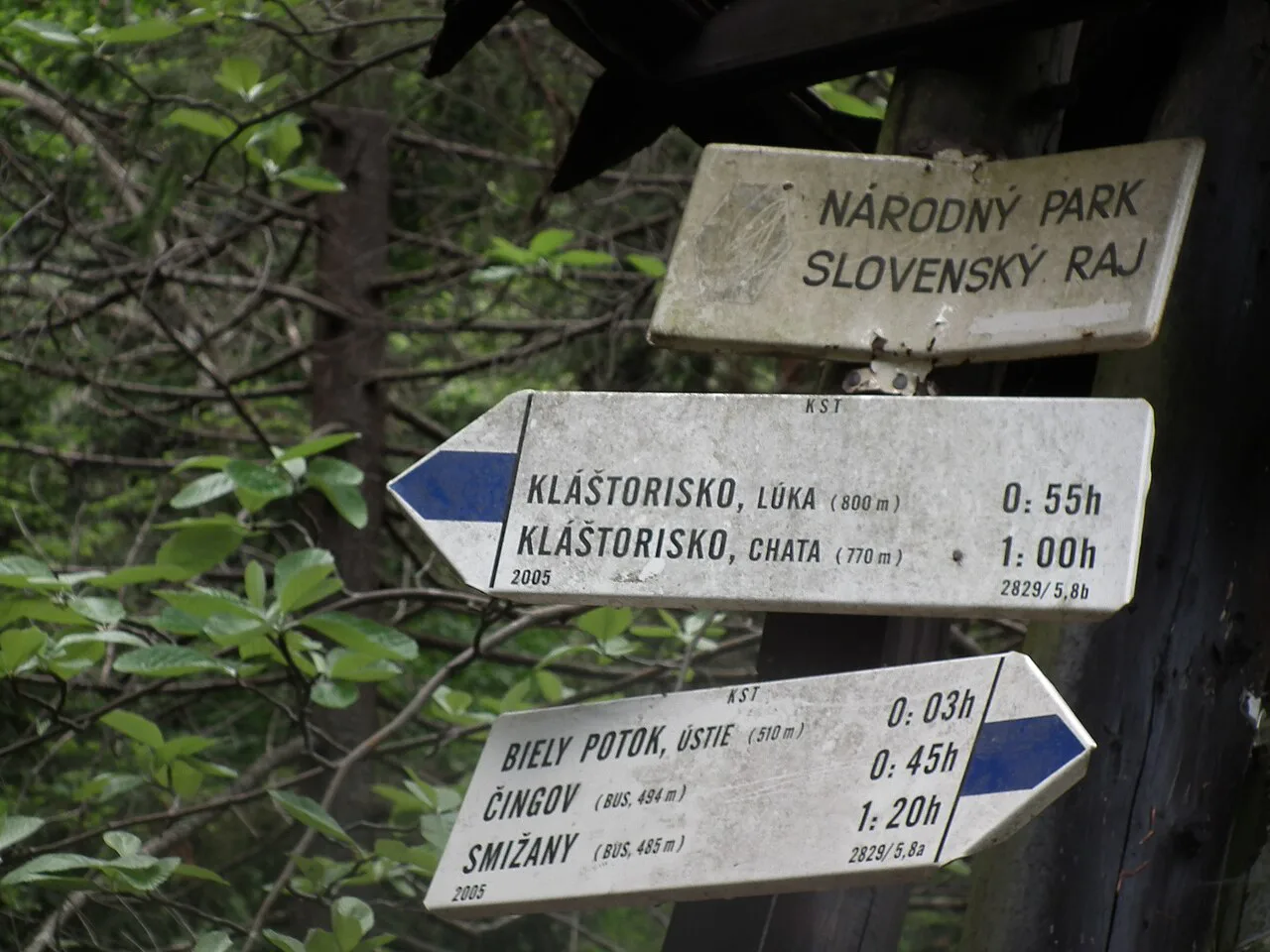
Kláštorská roklina is the natural way up to Kláštorisko, with several waterfalls and a long set of ladders and risers in 1.2 km (0.7 mi) and 220 m (722 ft) of gain, about an hour. Pair it with the plateau above rather than treating it as a standalone outing.
Zejmarská roklina: the shortest gorge
At 1 km (0.6 mi) and 227 m (745 ft) of gain in about 45 minutes, Zejmarská roklina is the shortest gorge in the park but still delivers waterfalls, footbridges and the surrounding scenery. That makes it the best test piece if you are unsure how you handle ladders above water.
Its short length means it combines well with a second objective or a relaxed afternoon, rather than filling a whole day from a distant base.
Ferrata Kyseľ: a distinct objective
Ferrata Kyseľ is the secured gorge line restored by members of the Mountain Rescue Service (HZS) Slovak Paradise and now one of the park's most popular activities, sitting directly below the monastery. It measures 1.4 km (0.9 mi) with 179 m (587 ft) of gain and takes about two hours, so it is short but sustained.
Treat it as its own day plan rather than an add-on, because the time is spent on the secured section rather than on distance.
Hazards and how to handle them
Exposure is the defining hazard: ladders, risers and footbridges sit directly above waterfalls, and rock behind the cascades stays wet when the rest of the trail is dry. Grip matters more than pace, gloves help on cold metal, and a full pack makes the tightest slots awkward.
Summer afternoons bring storms to these valleys, and water levels rise fast in narrow gorges, so start early and be ready to turn back at the first thunder. The park lists a weather and warnings section alongside its hiking information for that reason.
When to go
Suchá Belá is described as the most visited gorge during the entire tourist season, so the park's main gorge season is when you will find facilities at Podlesok and the most traffic on the ladders. Aim for early starts in the busiest weeks and expect cool, shaded air in the gorges even on hot days.
For a quieter experience, build your trip around the shoulder weeks and check the park's gorge accessibility page before committing to a long approach. If you want high-mountain objectives as well, our guide to the Zelene Pleso Hike in the High Tatras covers a lake walk in the neighbouring range.
Parking, food and base options around Podlesok and Čingov
Podlesok is the most convenient base for a first trip: several buffets and restaurants sit in the tourist center, and Suchá Belá starts on the doorstep. The park's hiking map marks parking lots with their fees so you can compare trailheads before choosing accommodation.
Čingov and the other trailheads work better if you plan to spread across several gorges, since each valley has its own approach. Match your base to the gorge list you have chosen and keep drives short, because gorge days are short in distance but long in effort.
Plan Your Visit
Pick one gorge as the centre of each day and give it the whole morning: Suchá Belá for the classic ladder experience from Podlesok, Piecky for the same terrain without the crowds, Zejmarská roklina or Kláštorská roklina if you are new to exposed rungs, and Veľký Sokol or Sokolia dolina when you want the park's wildest ground.
If you want a mountain day above the gorges before heading home, the cable car to Lomnický štít from Tatranská Lomnica reaches a High Tatras summit in a different range entirely. Check the park's entry fee, gorge accessibility and current warnings on the official pages before you travel, then build the rest of the trip around the valley you have chosen.
Frequently Asked Questions
How long does the Suchá Belá gorge take?
The published crossing is under two hours for 3.7 km (2.3 mi) and about 420 m (1,378 ft) of climbing. Add time for the walk back from the top of the gorge and for queues on the ladders in peak season.
Which Slovak Paradise gorge is the easiest?
Zejmarská roklina is the shortest at 1 km (0.6 mi) with 227 m (745 ft) of gain in about 45 minutes, and Kláštorská roklina is only slightly longer at 1.2 km (0.7 mi) with 220 m (722 ft) in about an hour. Both still involve ladders, risers and footbridges.
Do you need via ferrata gear for the gorges in Slovak Paradise?
The gorges are equipped with fixed ladders, risers and footbridges rather than a full via ferrata set. Ferrata Kyseľ is the secured line restored by the Mountain Rescue Service, and it is worth asking the park or a local guide whether a harness is expected there.
Where do you park for the Suchá Belá hike?
Suchá Belá begins in the Podlesok tourist center, where there are buffets, restaurants and marked parking. The park's hiking map shows parking lots and their fees so you can choose before you arrive.
When is the best time to hike the gorges of Slovak Paradise?
Aim for the main tourist season with early starts, since Suchá Belá is the most visited gorge through that period. Shoulder weeks are quieter, but check the park's gorge accessibility information before a long approach.
Sources
Trail notes for your next trip
Optional updates when we add or revise hiking guides.
You might also like
Continue reading
More guides you'll find useful