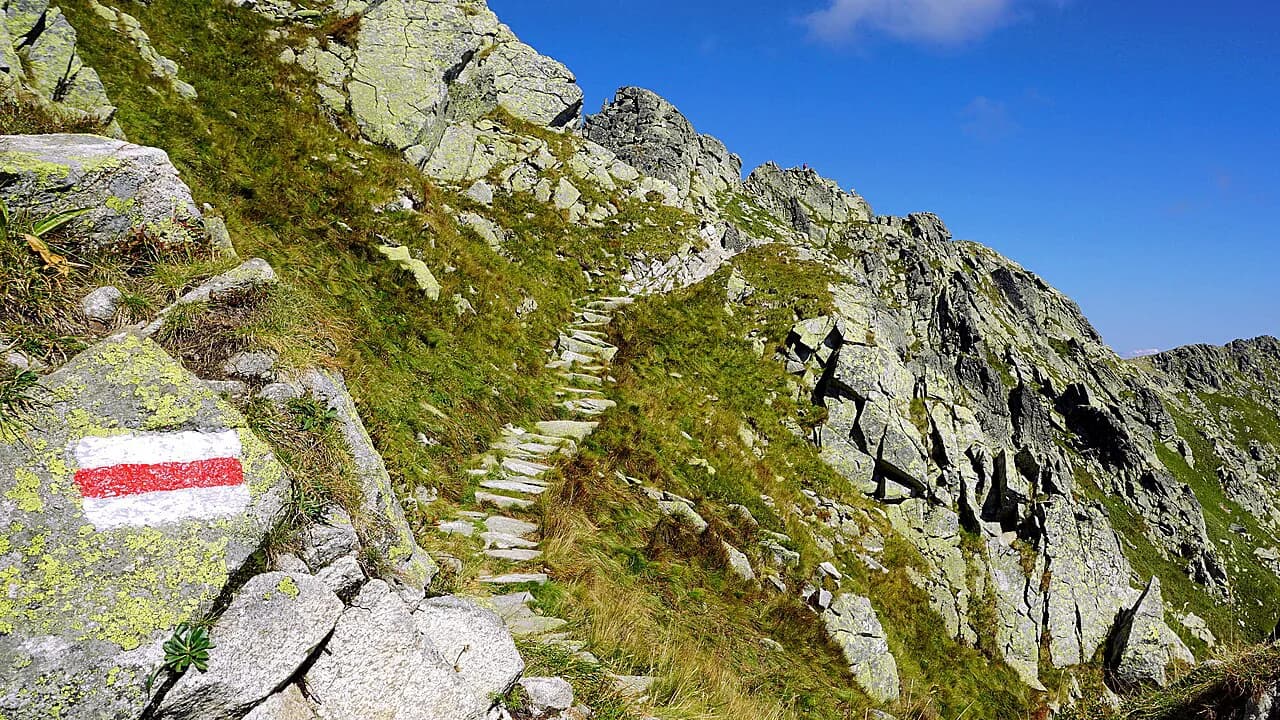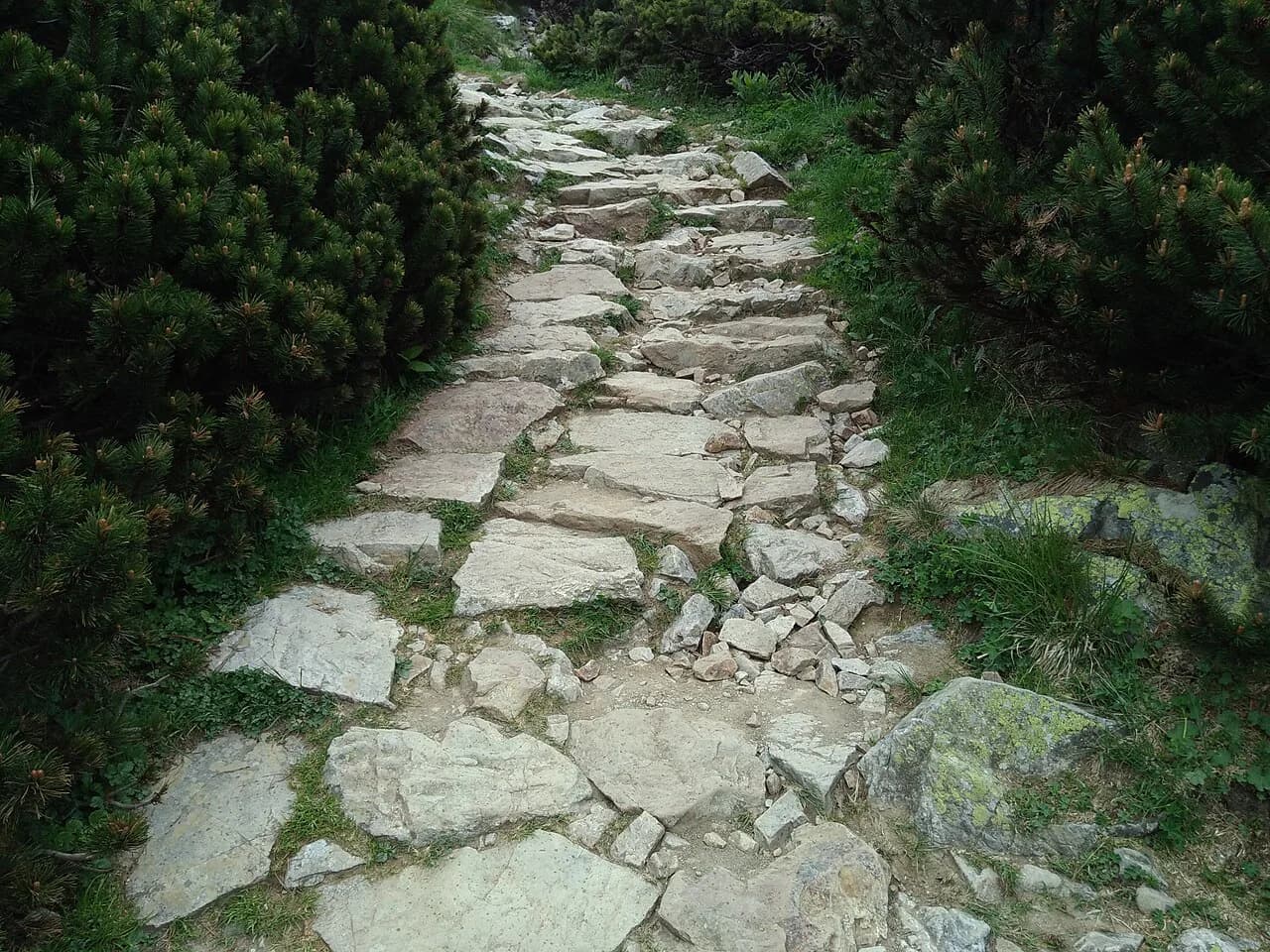
Hiking in Tatra Mountains: Which Trail to Choose
Plan hiking in the Tatra Mountains of Poland: the best day hikes and hut-to-hut stages, how buses reach the trailheads, and when the season opens.
On this page
The Polish Tatras deliver alpine scenery on a compact scale: granite peaks above 2,000 m (6,500 ft), postglacial lakes, and a chain of mountain huts that lets you walk from valley to valley with a bed and a hot meal each night. Zakopane sits at the foot of the range, and from there marked trails climb into the High Tatras and the Western Tatras within a day's walk. The range rewards hikers who match the route to their fitness and to the daylight they have, because the difference between a lake stroll and a summit day here is measured in thousands of feet of ascent.
Why the Polish Tatras Suit Hikers
The Polish side of the range sits within the Tatra National Park, and the protected status shows in how the trails are managed: walking is concentrated on marked routes and accommodation is in mountain huts rather than tents. Camping is prohibited in the Tatra mountains, so multi-day trekking means hut to hut, booking beds in advance and carrying your overnight kit with you. That single rule shapes every long route in this guide.
The payoff for that restriction is a dense hut network with home-cooked meals, dormitory rooms and shared facilities, where bed linen is provided and a towel can usually be rented for a small fee. Huts generally take card for extras but carrying cash is sensible in case of network problems. For a week-long traverse, that means a 40-liter pack with your spare clothes, waterproofs, lunch and water is enough.
Where the Main Hiking Areas Lie
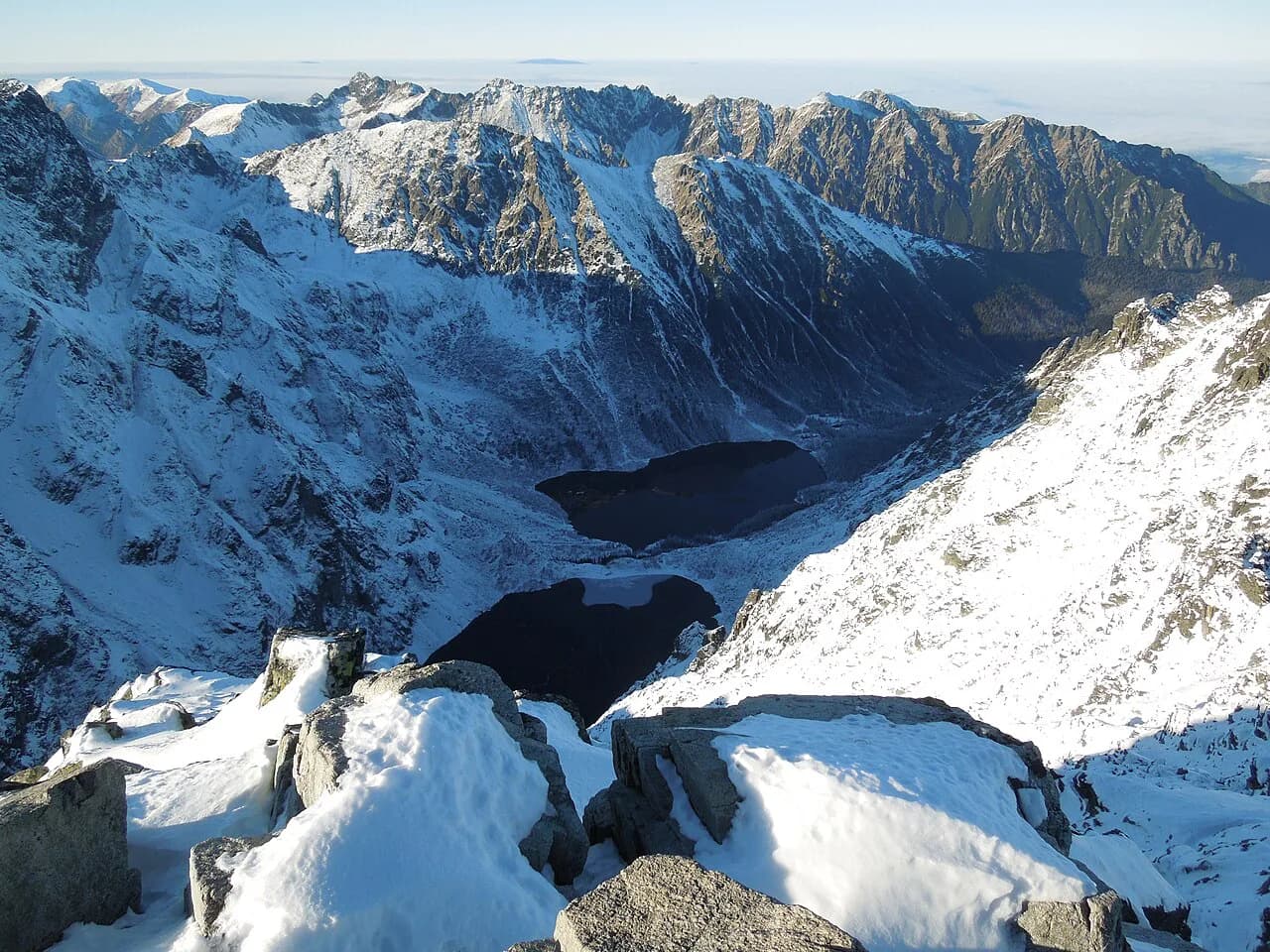
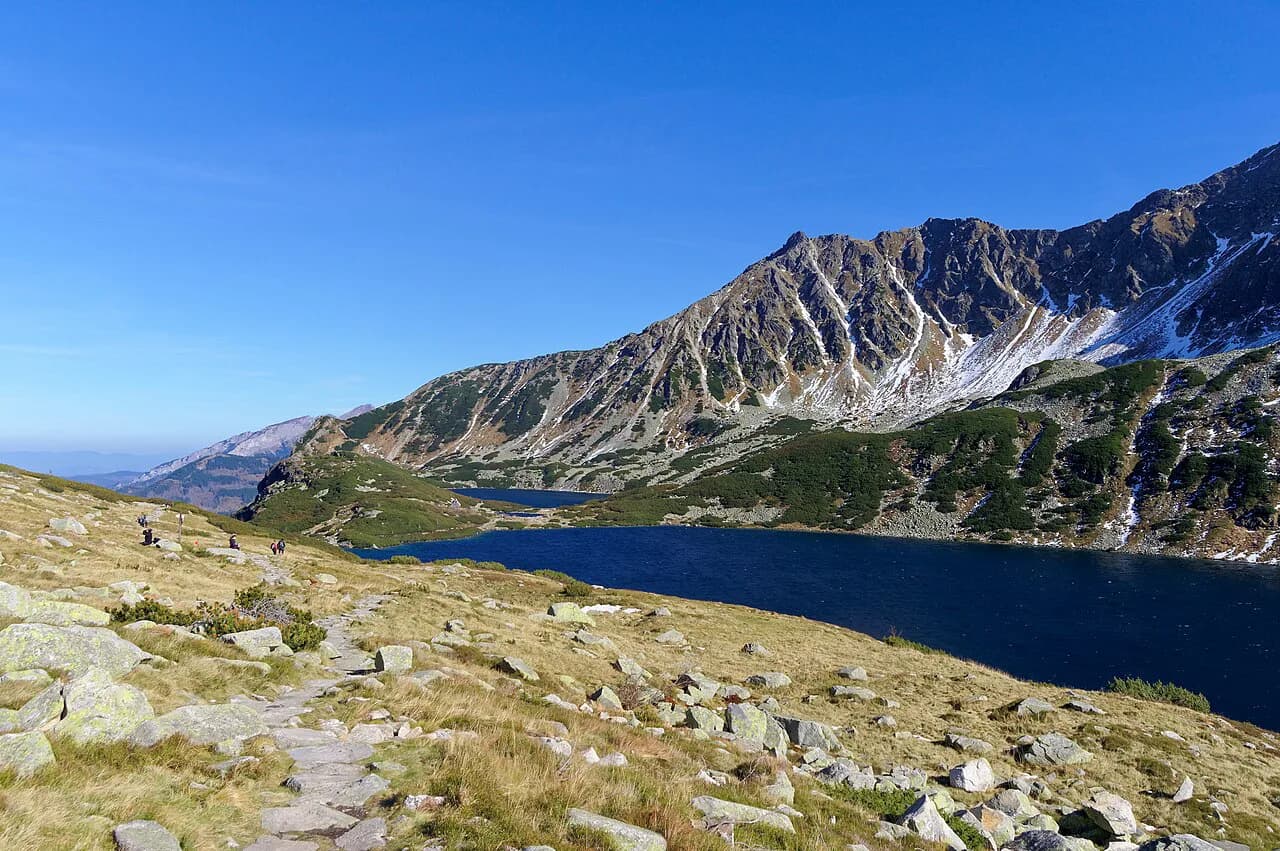
Three zones do most of the work for Polish hikers. The High Tatras around Zakopane hold the headline lakes and peaks, including Morskie Oko, Czarny Staw and Rysy. The Five Lakes Valley, reached from the Roztoka Valley, is a postglacial amphitheater where Wielki Staw is the deepest and second-largest lake in the Tatras, with the Mickiewicz waterfalls on the way up.
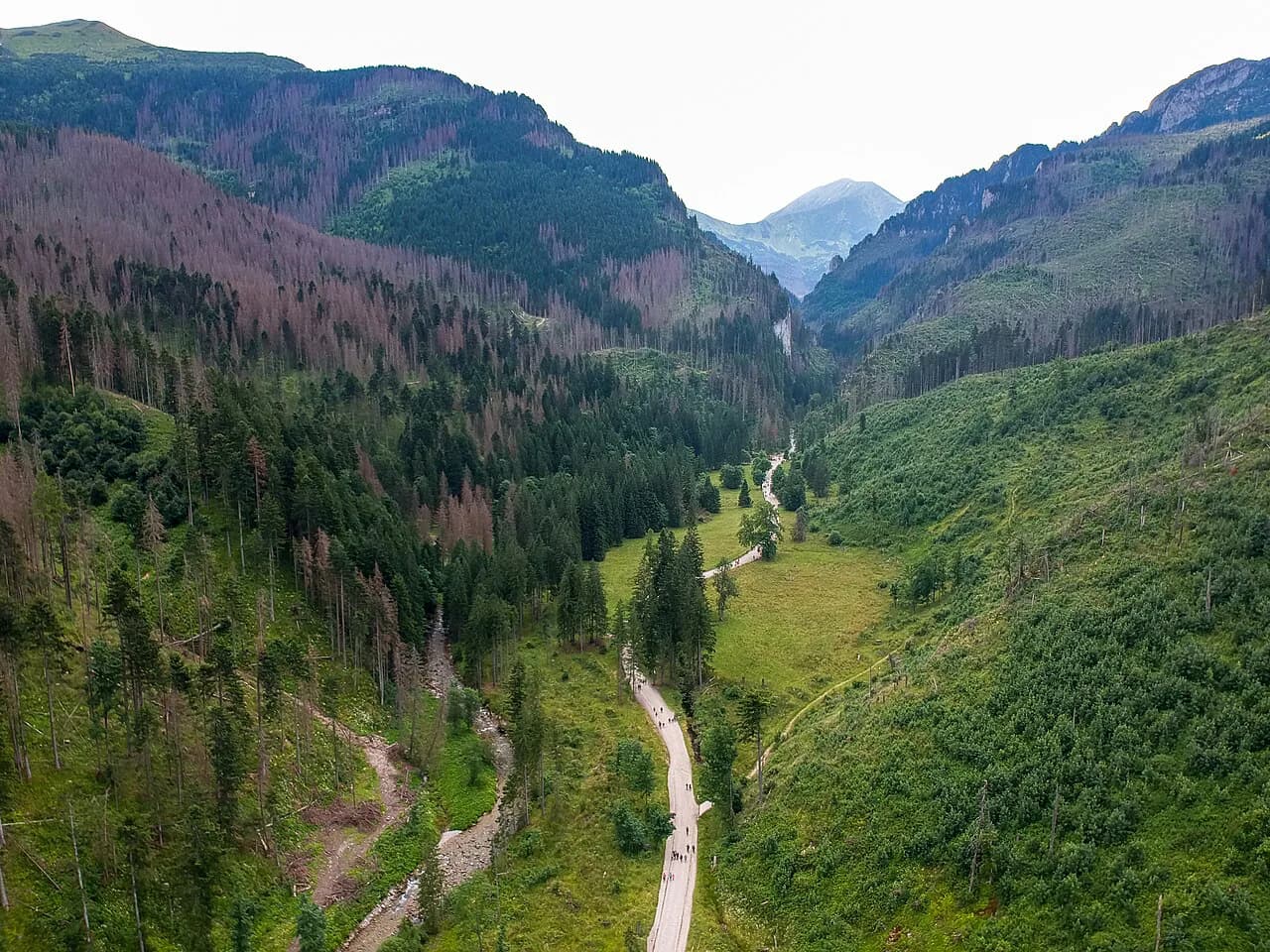
West of Zakopane, the Western Tatras open up longer, quieter valleys: Chochołowska, famous for spruce forest and spring crocuses, and Kościeliska, the second-largest valley in the Polish Tatras. The ridge days above them, Starorobociański Wierch and the Czerwone Wierchy, see far fewer walkers than the Morskie Oko road. If you want solitude with real height gain, plan your trip around this side of the range. For a wider menu of long-distance options, compare this with hiking in Poland: Tatra, Pieniny and Carpathian Trails, which sets the Tatras alongside the country's other mountain ranges.
Getting There: Zakopane and the Trailheads
Zakopane is the practical base for the Polish Tatras, with the trailheads for both the High Tatras and the Western Tatras valleys reachable by local transport. Guided groups typically meet at Kraków airport and transfer south to the base of the range, which reflects how most international visitors arrive. If you are weighing the Polish side against the Slovak slopes across the ridge, our guide to hiking in the High Tatras covers the trails, huts and lift access on that side.
Independent hikers should treat the valley mouths as the key transport decision: the Morskie Oko approach and the Five Lakes Valley both start from the Palenica Białczańska area, while the Western Tatras valleys each have their own road-end car parks and bus stops. Local buses and minibuses run from Zakopane to these trailheads, and services thin out outside the summer season, so plan your return leg before you set off. Check the current timetable with the local bus operator on the day you travel.
Best Hikes by Difficulty
Easy days stay on valley floors and lake shores. A circuit of a postglacial lake, or an out-and-back to a mountain lake with a restaurant at the far end, gives you big scenery without exposure. These routes suit families and rest days, and they are the sensible choice when cloud is sitting on the summits.
Half-day routes add a viewpoint above the valleys, using forest and meadow paths beneath the High Tatra walls. The Green Balcony of the Tatras, a trail through forests and rolling meadows below the peaks, is the classic example, and groups often shorten it by dropping through the town below to repack.
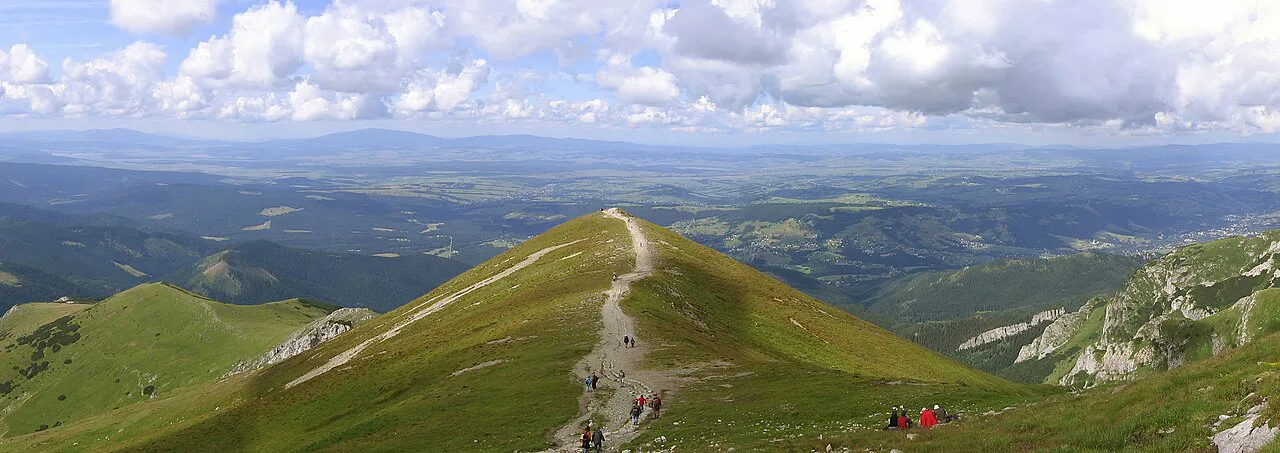
Full-day summit routes are a different proposition. Starorobociański Wierch, at 2,177 m (7,142 ft) the highest peak of the Polish Western Tatras, involves a challenging scramble along a dramatic ridge, and the Czerwone Wierchy traverse crosses grass-covered slopes that glow red in fall. Choose one of these only with a settled forecast and enough daylight to descend comfortably.
Morskie Oko and the Five Lakes Valley
The Five Lakes Valley is an out-and-back day from the Roztoka Hut: about 10 km (6 mi) with 500 m (1,640 ft) of ascent and the same descent, taking 4 to 7 hours depending on how far up the valley you go. The trail climbs through the forested Roztoka gorge beside the rushing stream before the landscape opens into the lake amphitheater. Allow the upper end of that time range if you want to reach the Mickiewicz waterfalls and the upper lakes.
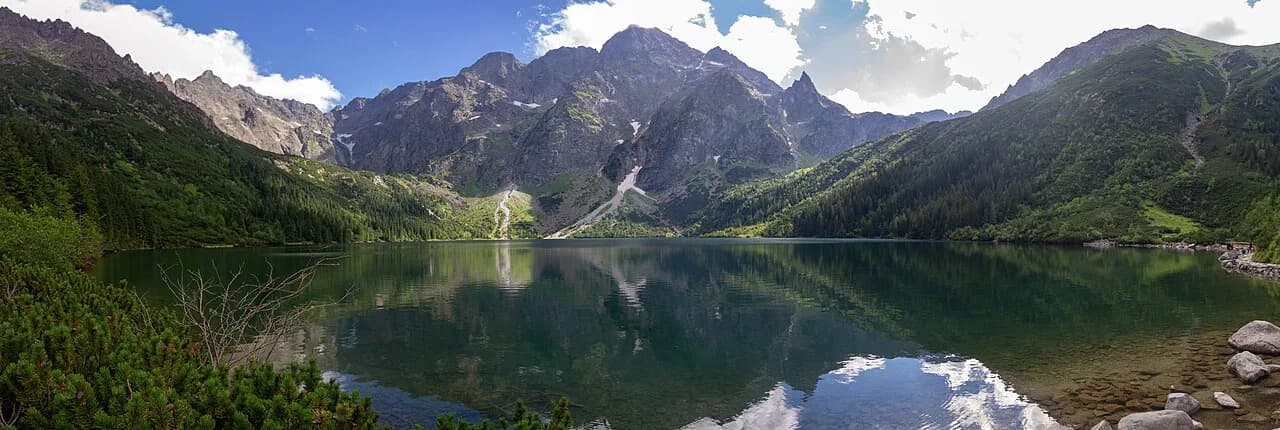
The Morskie Oko valley is the busiest in the range, and for good reason: the largest lake in the Tatras sits beneath a wall of peaks, with Czarny Staw framed above it. Treat the approach road as a crowd-management problem and start early, and read our guide to the Morskie Oko hike for the Palenica Białczańska trailhead and the walk in.
Rysy: The Summit Day
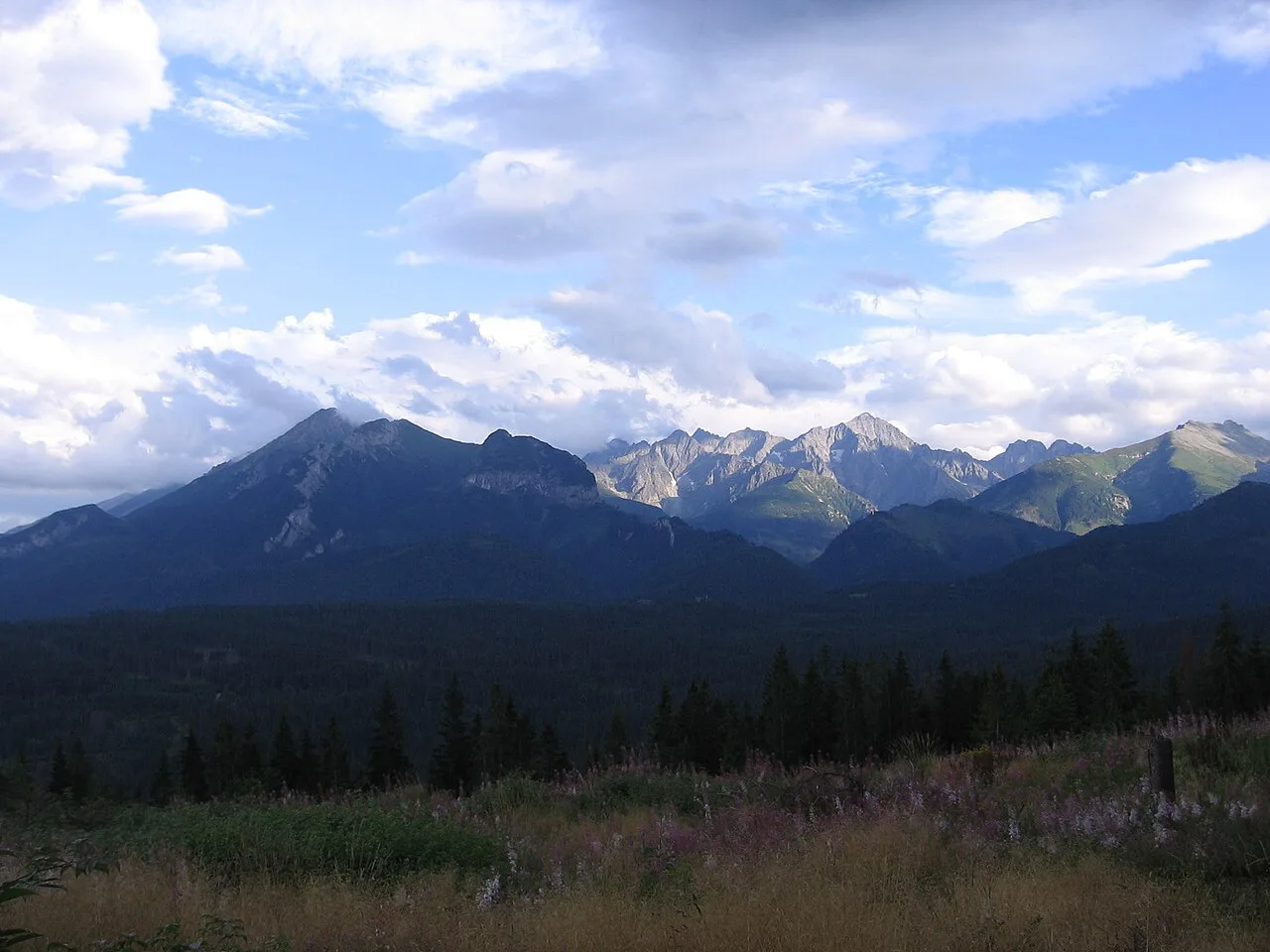
Rysy, at 2,501 m (8,205 ft) the highest peak in Poland, is the big objective on the Polish side, and it is a long, demanding day. Count on roughly 19 km (12 mi) with about 1,675 m (5,495 ft) of ascent and 1,455 m (4,774 ft) of descent over 10 to 11 hours, passing Morskie Oko and Czarny Staw on the way up. The upper section is a rocky scramble where the more technical passages are protected by handrail chains, and much of the route is exposed with drops on one side, so a head for heights matters more than technical skill.
Much of the day is spent over 2,000 m (6,500 ft), which makes the climb feel harder than the numbers suggest, and the descent finishes on the Slovak side before a transfer back to Zakopane. Leave the hut early, carry water and layers, and turn around if afternoon storms build. Our detailed Rysy hike guide covers the route section by section.
The Western Tatras Valleys
The Chochołowska and Kościeliska valleys are the Western Tatras at their most generous: long forested approaches, shepherd pastures, and huts at the head of each valley. In spring the Chochołowska valley turns into a sea of blooming purple crocuses with sheep grazing the pastures, and in fall the Czerwone Wierchy slopes above turn red. These valleys are your alternative when the High Tatras hotspots are crowded.
A full traverse between the two valleys via Starorobociański Wierch is a serious mountain day: about 14.5 km (9 mi) with 1,390 m (4,560 ft) of ascent and 1,430 m (4,692 ft) of descent over roughly 8 hours, ending at the Ornak Hut in the Kościeliska valley. The terrain is wild and remote, far from the busier parts of the range. Read the Dolina Kościeliska hike guide before you commit to the descent route.
A Hut-to-Hut Route West to East
A logical west-to-east traverse starts with a short warm-up into the Chochołowska Valley, hiking 2 to 3 hours on an easy afternoon walk to the Chochołowska hut. The next day crosses to Kościeliska over Starorobociański Wierch in about 8 hours, then the Czerwone Wierchy ridge day follows at 14.5 km (9 mi) with 1,290 m (4,232 ft) of ascent and 1,200 m (3,937 ft) of descent over 7 to 8 hours, sleeping at the Kalatówki mountain hotel.
From Kalatówki the route follows the Green Balcony to the Roztoka Hut, a refuge dating to 1876, where you spend two nights with the Five Lakes Valley as the middle day. The final stage is Rysy, then a descent into Slovakia and a transfer back to Zakopane. Average daily ascent across the trek is around 1,300 m (4,265 ft), so build back-to-back walking days into your training.
Luggage is not transferred between the huts on this kind of route, so you carry your overnight belongings and spare clothes for the duration; on summit day you can leave the overnight kit at the hut to lighten the load. Huts provide bed linen and meals, which keeps the pack small. Plan for a maximum group size of around 12 if you join an organized version.
When to Go
The main hiking window runs from mid-June to the end of September, and some trails stay open into late October depending on snowfall. Snow lingers on the high passes early in the season and returns early in the fall, so a late-June Rysy attempt can still mean snow on the upper scramble. Afternoon storms are the other seasonal factor: start before dawn on long days and be off exposed ridges by early afternoon.
Fall is the connoisseur's choice in the Western Tatras, when the Czerwone Wierchy slopes glow red and the valleys empty out. Winter turns the range into ski terrain rather than a hiking destination. If you are planning a summer trip, book hut beds well ahead for the High Tatras stages.
Fees, Permits and Rules
Organized treks include the Tatra National Park entry fee in the trip cost; independent hikers check the current rate with the park before they travel. Camping is prohibited throughout the Tatra mountains, which makes hut beds the only accommodation on multi-day routes.
What to Pack and How to Prepare
Rocky terrain and long days dictate the kit: sturdy boots with ankle support, waterproofs, warm layers for the altitude, and a pack that stays under about 10 kg (22 lbs) when you are carrying overnight gear. Test the load on back-to-back walking weekends with as much up and down as you can fit in. Trekking poles help on the descents, which are where tired legs give out on Rysy and the ridge days.
Where to Base Yourself
Zakopane suits hikers who want restaurants, gear shops and a range of accommodation between big days, and it puts you on the buses to both the High Tatras and the Western Tatras trailheads. If your priority is the Morskie Oko and Rysy side of the range, staying closer to Palenica Białczańska shortens your morning. For the Five Lakes Valley and the Roztoka Hut, the valley mouth below the trail is the efficient base.
Plan Your Trip
Build your Tatra trip around one big objective and one or two valley days, and let the weather decide the order rather than the calendar. Book hut beds before you leave, carry cash for hut extras, and plan your transport back from the trailhead before you start walking. Hikers who want the exposed ridgeline experience beyond the marked trails should read up on the Orla Perć before committing to a via ferrata-style day.
Explore more Tatra Mountains hiking guides
Frequently Asked Questions
What are the best hikes in the Polish Tatra Mountains?
The Five Lakes Valley and Morskie Oko deliver the biggest scenery for the least commitment, while Starorobociański Wierch and the Czerwone Wierchy ridge give you quiet full-day traverses in the Western Tatras. Rysy is the classic summit day, long and exposed but with the technical passages protected by chains.
How do you get to the Tatra Mountains from Zakopane or Kraków?
Most international visitors fly into Kraków and transfer south to Zakopane, the base for the Polish Tatras. From Zakopane, local buses and minibuses run to the valley trailheads, including the Morskie Oko and Five Lakes approach at Palenica Białczańska and the Western Tatras valley mouths. Services thin outside summer, so plan your return leg in advance.
How long does it take to hike Rysy from the Polish side?
Plan on a 10 to 11 hour day covering roughly 19 km (12 mi) with about 1,675 m (5,495 ft) of ascent and 1,455 m (4,774 ft) of descent. The route passes Morskie Oko and Czarny Staw before the chain-protected upper scramble, and much of it sits above 2,000 m (6,500 ft).
Can you camp in the Tatra Mountains?
No. Camping is prohibited in the Tatra mountains, so multi-day trekking is done hut to hut. Huts provide dormitory beds, meals and bed linen, and you carry your overnight kit with you because luggage is not transferred between them.
How many days do you need for hut-to-hut trekking in the Tatras?
A west-to-east traverse of the Polish Tatras works well over six walking days, linking the Chochołowska and Kościeliska valleys, the Czerwone Wierchy ridge, the Green Balcony to the Roztoka Hut, the Five Lakes Valley and Rysy. Add a rest day if you are new to consecutive 7 to 8 hour days with around 1,300 m (4,265 ft) of average ascent.
When is the best time to hike in the Polish Tatras?
The main season runs from mid-June to the end of September, with some trails staying open into late October depending on snowfall. Snow can linger on high passes early in the season and fall brings red slopes in the Western Tatras. Start long days early to avoid afternoon storms on exposed ridges.
Sources
Trail notes for your next trip
Optional updates when we add or revise hiking guides.
You might also like
Continue reading
More guides you'll find useful