Lomnický štít: Cable Car to Slovakia's Second-Highest Peak
Lomnický štít (2,634 m) is reached by cable car from Tatranská Lomnica. Here is how the two-stage ride works and how to pair it with a High Tatras hike.
On this page
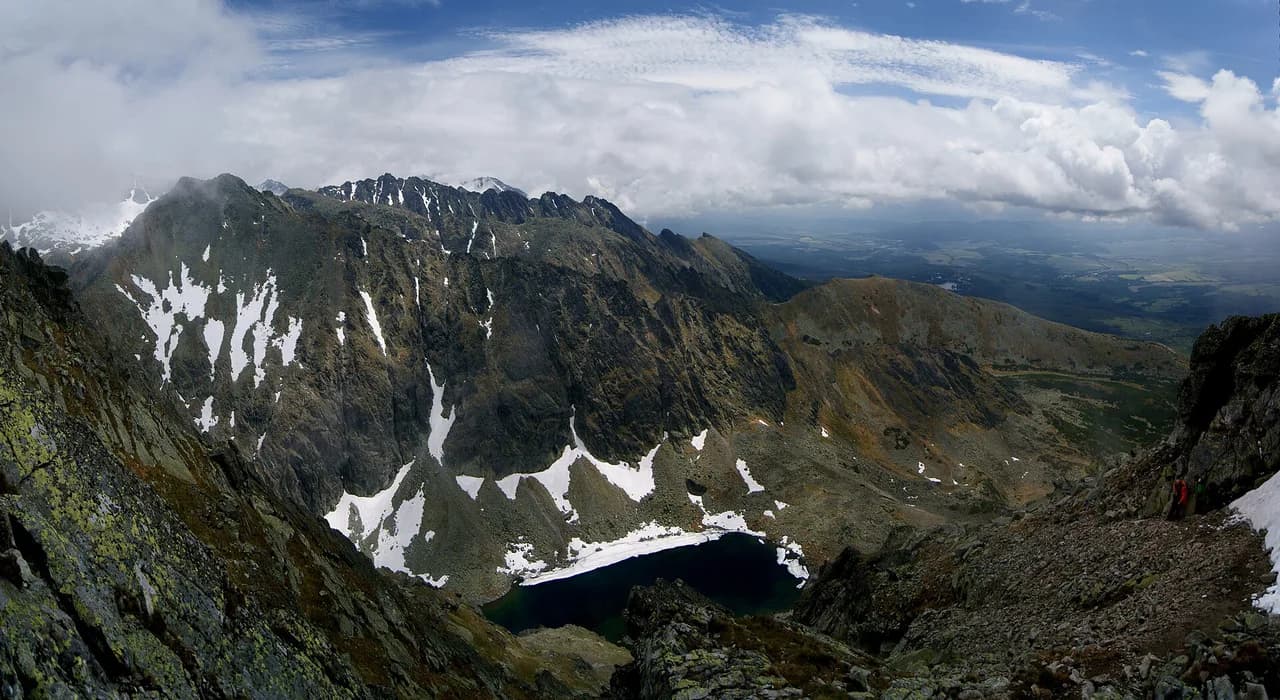
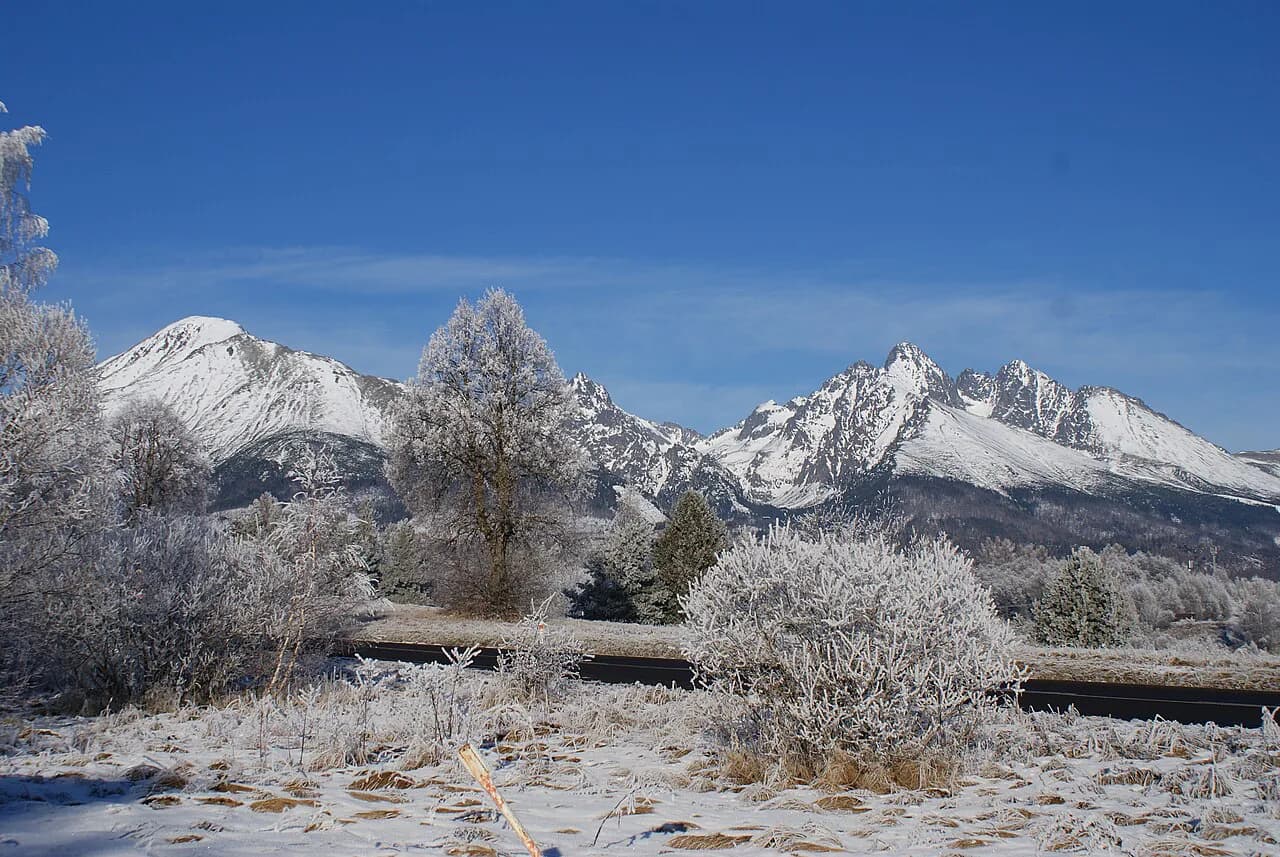
Lomnický štít (2,634 m / 8,642 ft) is the highest summit most visitors to the High Tatras will stand on, and they get there by cable car rather than on foot. That makes it the obvious choice for walkers who want a big viewpoint without spending a day on scree, and for families or mixed-ability groups who can still enjoy the mountain air. It sits directly above Tatranská Lomnica and the lake of Skalnaté pleso, in the Slovak half of the range, which is covered more broadly in the guide to hiking in high tatras.
What the trip involves
The summit is the second-highest point in Slovakia and the second-highest in the High Tatras, standing below Gerlachovský štít (2,655 m / 8,711 ft), which is a climb for guided parties rather than a walk. Lomnický štít's appeal is that the same height is available with a ride, so it suits anyone who wants summit views with limited time or energy. Expect a station perched on rock, an outdoor observation deck and a stair climb inside at altitude rather than a trail.
The thin air at 2,634 m is the part people underestimate. The summit stairs are short but leave some visitors breathless, so pace yourself on arrival and give the altitude a few minutes before you walk around the deck. If you feel light-headed, descend on the next cable car rather than pushing on.
For an experienced hiker, the trip is a way of banking legs for harder days on the marked trails elsewhere in the range, since you gain over 1,700 m of height without walking it. It also works as a weather-day plan when you want a summit view but the valleys are under cloud.
Where it sits
The peak stands at the head of the Malá Studená dolina valley, above Skalnaté pleso and the mountain town of Tatranská Lomnica. From the summit deck you look across at the Lomnický štít's neighbours, including the ridges running toward the Belianske Tatry and the peaks above Štrbské Pleso to the west. The whole range stretches for 64 km (40 mi) along the Slovak–Polish border.
Because the summit is above the treeline and faces a broad sweep of valleys, the view is best in the morning when cloud has not yet built over the ridges. Afternoon thunderstorm build-up is a real feature of the High Tatras in summer, so a morning slot gives you the clearest deck and a safer ride down.
Getting to the base in Tatranská Lomnica
Tatranská Lomnica is the village under the lift, and it is well served by rail and bus from Poprad, which is the main gateway town on the Slovak side. Travelers based in Poprad can reach Tatranská Lomnica in about 20 minutes by bus or train, making a car optional. Rail and bus links change with the season, so check the current timetable with the Slovak rail and bus operators or the local tourist office before you travel.
If you drive, park in the village rather than at the lift station itself; space fills early in summer, and you will be walking into the town centre anyway. The lower cable car station is a short walk from the main road and the train stop, so you do not need a car to reach it.
Tatranská Lomnica is one of the three bases most hikers use in the High Tatras, alongside Štrbské Pleso and Zakopane on the Polish side of the range. It is the natural base for any lift-assisted day, since you can walk from your accommodation to the cable car.
The cable car in stages
The ride is in two parts, and the change of car happens at Skalnaté pleso. The lower leg climbs from Tatranská Lomnica to the lake station; the upper leg continues from the lake to the summit station on Lomnický štít. Treat them as separate rides with a stop in between, and allow time at the lake on the way back down.
The lower leg is the gentler gradient, gaining height over forest and the lower slopes, and it gives you a clear view of the valley and the Skalnaté pleso lake as you approach. The upper leg is steeper and more exposed, with cable spans over rock. That is the stage most affected when wind or cloud closes in, and the first to be suspended.
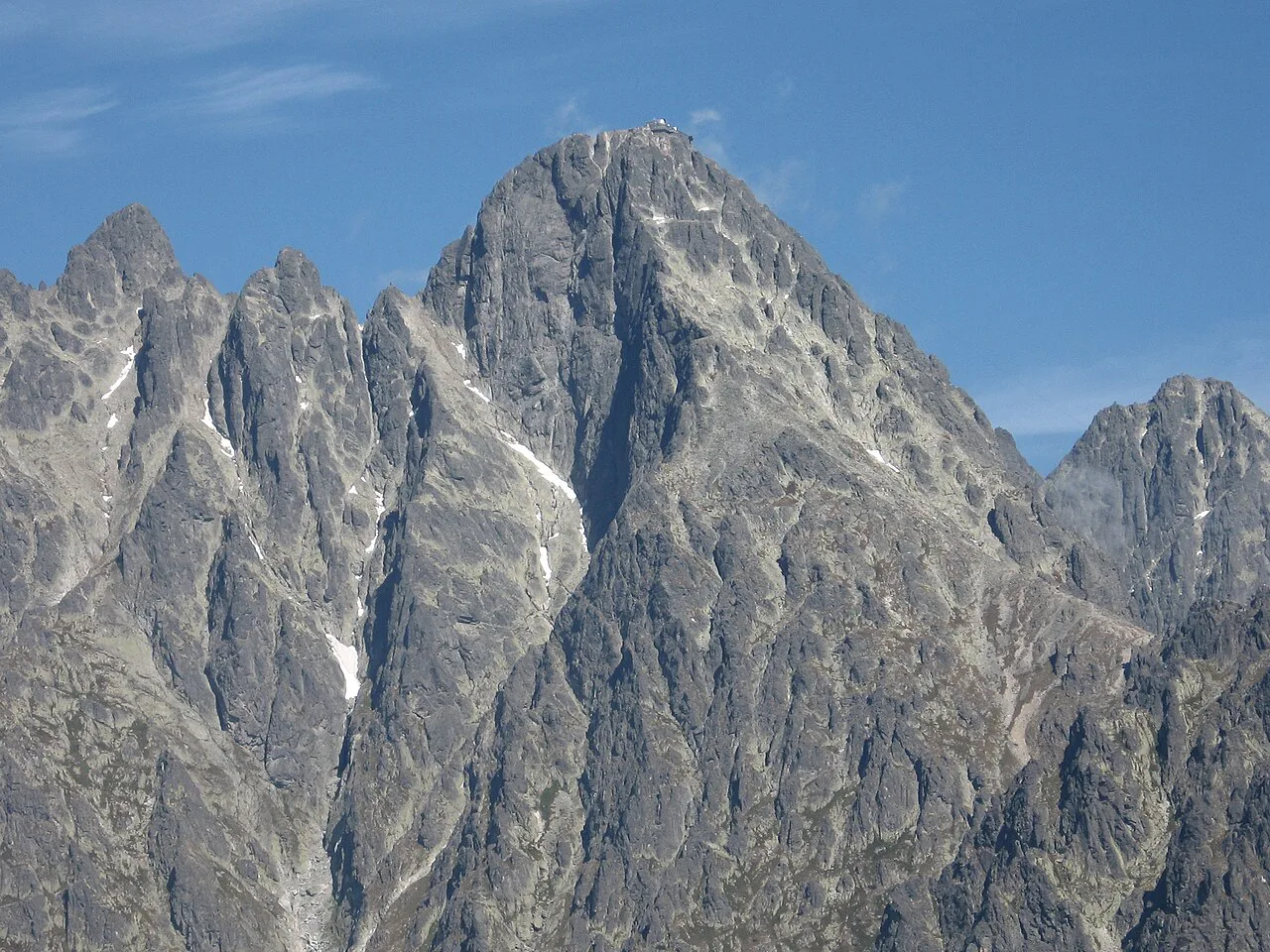
The upper section puts you at the summit station, where a short set of stairs leads to the observation deck. From the lake, the view of Lomnický štít's north face shows how much vertical you are covering in the second ride. Have your camera ready on the upper leg, because the summit station does not give you the same range of angles.
Tickets and timing
The cable car operates on a timed booking system in the busy season, and seats on the upper leg can sell out well before the day itself, so book your slot when you know your dates. The lift company publishes fares, current timetables and any operation notices on its own site; check those pages rather than relying on older guidebook prices.
Plan on a half-day for the round trip from Tatranská Lomnica, including the deck and a stop at Skalnaté pleso on the descent. If the upper lift closes for weather while you are at the lake, you can still walk down the marked trails or ride the lower leg back to the village.
On the summit
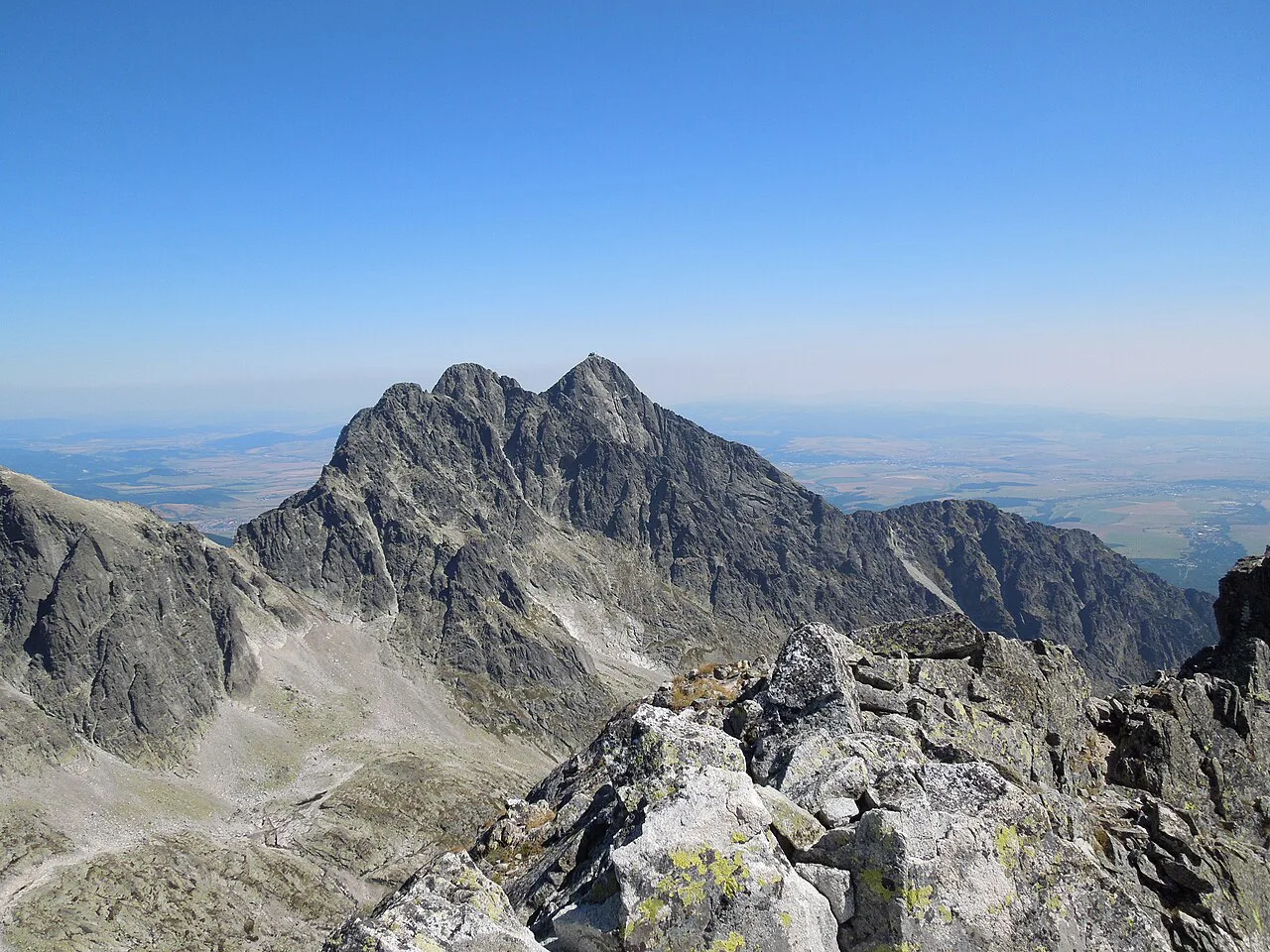
The summit station has the observation deck, and the view from it frames the surrounding High Tatras peaks and the valleys falling away on the Slovak side. The deck is the place to study the ridges above Štrbské Pleso and the Malá Studená dolina below. Keep a hand on the rail; wind on the deck can be strong even on a calm day in the valley.
The station adds altitude rather than trail, so wear a warm layer and a windproof shell on the summit even in summer. Temperatures fall as you rise, and the deck is fully exposed on the valley side. A thin glove and hat take almost no space in a day pack.
Hiking instead of riding
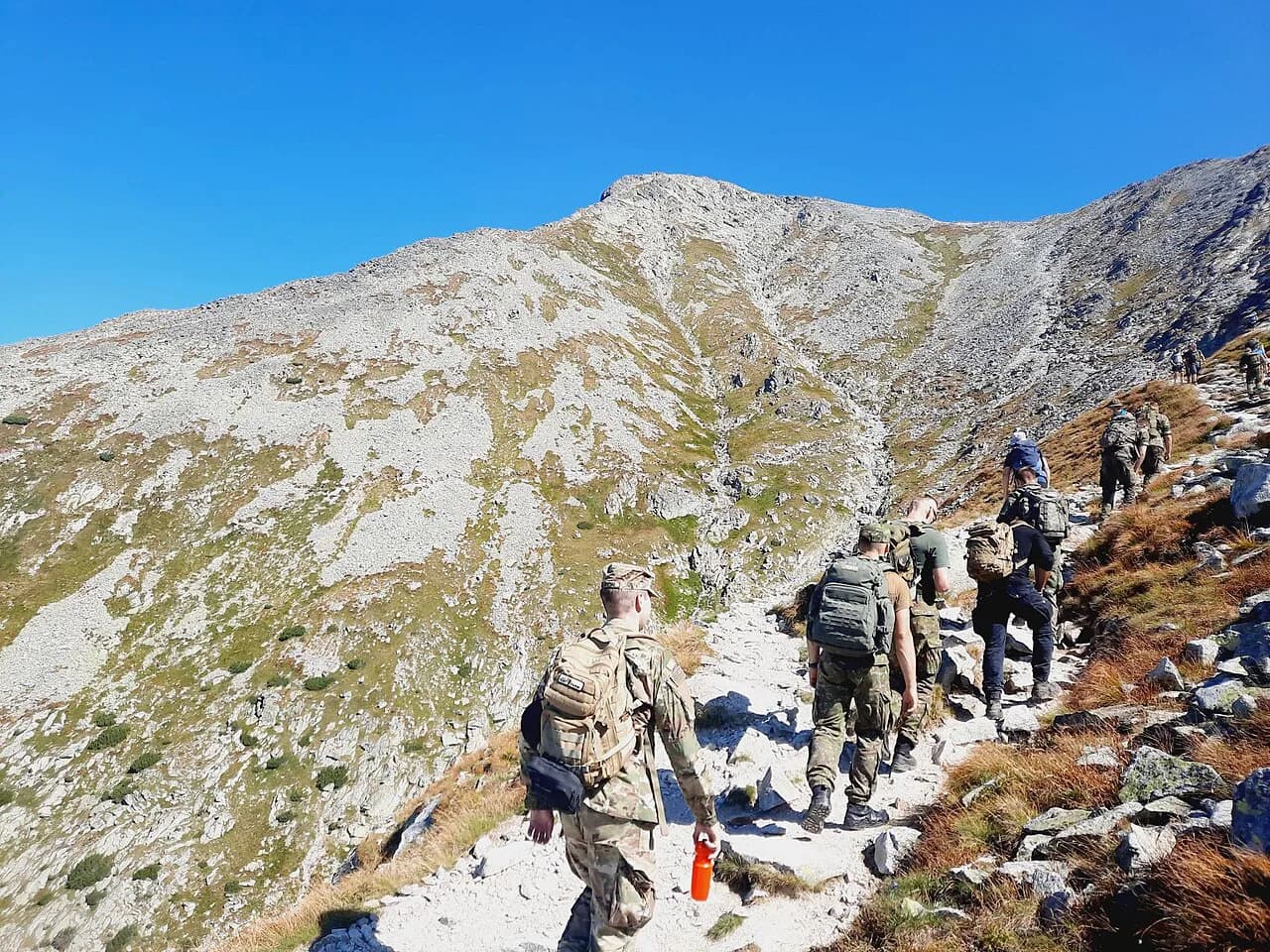
You cannot walk to the summit of Lomnický štít as a visitor; the marked trails stop at the lake and the surrounding valleys, and the upper mountain is technical ground. The hiking version of the day is to ride the lower leg, step out at Skalnaté pleso and walk the marked paths above the lake. That gives you altitude, a mountain hut and views without the summit crowds.
A good compromise if you want a full day on foot: take the lift to Skalnaté pleso, walk the lake circuit, then follow the marked trail into Malá Studená dolina toward the Téryho chata hut before returning to the lake and riding down. Trails to the mountain huts generally stay open year-round, though the higher trails around them close over winter. Give yourself four to six hours for that version.
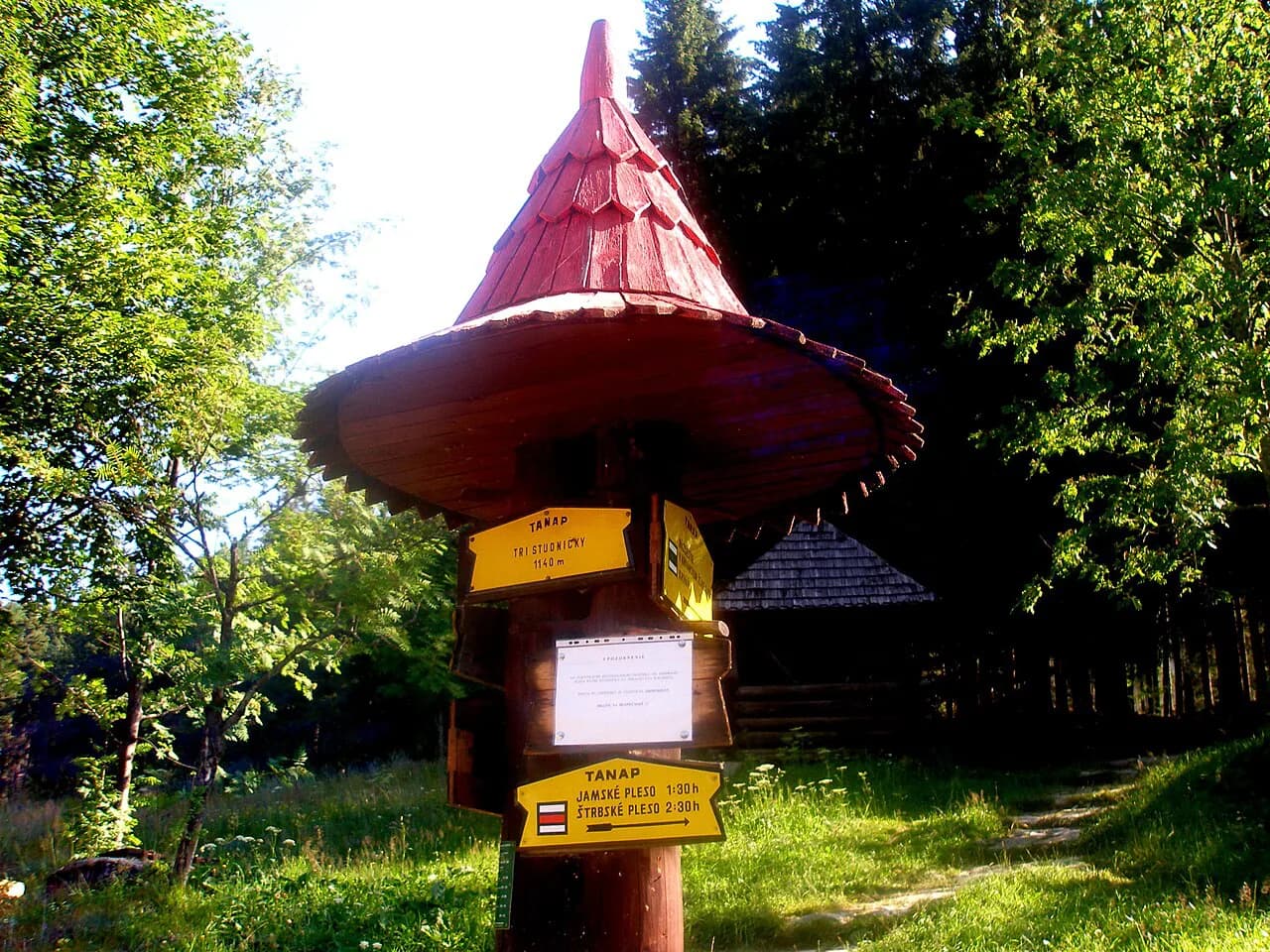
If you prefer a gentler day instead of the high mountain, a marked path leads from Tatranská Lomnica up through forest toward Skalnaté pleso, and from there you can continue on the marked route toward the lake and the hut. It is a steady climb, and it links with the lift at the top if you want the descent by cable car. This is one of the many easy hikes in tatras that give you lift access without the summit.
Skalnaté pleso as a halfway base
Skalnaté pleso sits at the top of the lower lift, with the lake, the station and a mountain chalet at hand. It is the natural place to break the ride: eat something, walk around the lake, and decide whether the upper leg is worth it on the day. The chalet serves traditional hot food, which makes it a sensible lunch stop before or after the summit.
Prefer to get higher without the funicular? The Gąsienicowa Chairlift, reached from the valley on foot, links a lower station with Kasprowy Wierch on the Polish side of the range, an alternative lift-assisted viewpoint to pair with a Tatranská Lomnica summit day. For comparison, the guide to hiking in Tatra Mountains sets out which trail to choose on that side of the range.
From the lake, the higher valley trails into Malá Studená dolina give you a way to add walking to the day without committing to the summit ride. The Zelene Pleso Hike, High Tatras also makes a good full-day option if you are staying in Tatranská Lomnica and want a lake with a mountain chalet instead of a summit deck.
Season and closures
Higher marked trails, saddles and peaks in Tatra National Park close each winter from 1 November to 15 June, so the summer hiking season effectively runs from mid-June to the end of October. The cable car and Skalnaté pleso remain accessible outside that window when the lift runs, but the high trails feeding the lake are closed. That makes a late-October or early-June visit a lift-only trip if you want the summit.
The best months for combining the lift with a walk are mid-June through October, when the marked trails around the lake are open and the days are long. Snow can linger on the high ground into May or early June, so a June visit may mean snow patches on the upper trails even once they are officially open. Plan the lift for the morning and the hike for the middle of the day.
Weather is the single biggest change between July and October. The upper lift is the first to stop when wind, cloud or thunder builds, so pick a clear morning and keep an afternoon backup in the valley. Afternoon storms are common in summer, and being on an exposed deck or a high trail mid-afternoon is the risk you avoid by starting early.
Combining the lift with a hiking day
A strong day for a fit hiker: ride to Skalnaté pleso early, walk the marked trail to Téryho chata in Malá Studená dolina, return to the lake for lunch, then ride the upper leg to the summit for the afternoon view before descending. That puts the walking in the cooler part of the day and the cable car in the warmer hours. Check that the upper lift is running before you commit to the second ride.
For families and less experienced walkers, keep it simple: lower lift to Skalnaté pleso, a lakeside walk and a chalet lunch, then either the summit ride or the funicular back down. That version delivers the altitude and scenery without a long walking day. It also leaves margin if the upper lift closes suddenly.
Hikers who want the wider range in one trip can spend one day on the lift and the next on a valley hike from Tatranská Lomnica, then base a third day out of Štrbské Pleso or Poprad for trails on the western side. Building your days around the weather forecast rather than fixed plans is the practical way to use a short trip in the High Tatras.
Practical kit for a lift-assisted summit day
Bring a windproof shell, a warm mid-layer, gloves and a hat, even in July; the deck is exposed and the air is cold relative to the valley. Sturdy boots are not needed for the lift itself, but you will want them if you walk any of the gravel and rock paths around Skalnaté pleso. Carry water and snacks, since food at the summit station is limited.
Carry cash for the chalet at Skalnaté pleso and for huts lower down, since card payment is not guaranteed across the range. A phone with an offline map app and the cable car booking confirmation is enough technology for the day.
Keep your booking confirmation accessible in case Tatranská Lomnica cable car staff need to reschedule your slot for weather. If your upper-leg time is moved, use the wait at Skalnaté pleso for the lake walk rather than returning to the village. Check current departure times and slot conditions before you travel.
Where to stay
Tatranská Lomnica is the base for a lift day, since you can walk to the lower station and you are back at your accommodation shortly after descending. It also has the widest choice of hotels and apartments in the immediate area. For a lift-focused trip, staying here removes the need for a morning train.
Štrbské Pleso, at 1,489 m (4,885 ft) beside its own lake, suits hikers who want a mix of lift and valley walks and a quieter base. Poprad, about 20 minutes away by bus or train, is the budget and transport option, with more restaurants and shops but a short commute to the trails each morning.
If you plan to add a day in a different Slovak range, the Slovak Paradise Hiking Guide covers the gorge and ladder routes south of the High Tatras. It is a separate area outside this range and worth its own day rather than a side trip from Tatranská Lomnica.
Plan Your Trip
Lomnický štít is the fastest way to a 2,634 m summit in the High Tatras: two cable car legs from Tatranská Lomnica, a change at Skalnaté pleso, and a short staircase to the deck. Treat the ride as the centrepiece and the lake as the hiking bonus, and you get a flexible day that works for mixed groups and for walkers saving their legs for the high trails.
Book the upper leg in advance, aim for a morning slot, and pack a windproof layer and cash for the chalet. Then decide, on the day, whether to add the lake walk, the valley trail to Téryho chata or a second day on the trails around Štrbské Pleso. That is the practical version of a lift-assisted High Tatras trip.
Frequently Asked Questions
Can you hike to the top of Lomnický štít?
No. The marked trails in the High Tatras stop at Skalnaté pleso and in the valleys around it, and the upper mountain above the lake is technical climbing ground rather than a walk. Visitors reach the 2,634 m summit by cable car, riding the lower leg to Skalnaté pleso and changing there for the upper leg to the summit station. Walkers who want a full day on foot should use the lake as their high point and add the marked valley trails from there.
How do you get to Lomnický štít without a car?
Take a train or bus from Poprad to Tatranská Lomnica, which takes about 20 minutes, then walk from the village centre or the train stop to the lower cable car station. The village is compact and the station sits close to the main road, so no shuttle is needed. Rail and bus timetables vary by season, so confirm departure times with the Slovak rail and bus operators before you set out.
Is Lomnický štít worth it if you are hiking in the High Tatras?
Yes, if you want a high summit view without spending a day gaining the height. The ride lifts you to 2,634 m in two stages, which leaves your legs fresh for a valley walk the next day. If your priority is trail time rather than a summit deck, spend the day around Skalnaté pleso and Malá Studená dolina instead, where the marked paths and the Téryho chata hut give you the mountain without the cable car crowds.
How high is Lomnický štít and how does it compare to Gerlachovský štít?
Lomnický štít stands at 2,634 m (8,642 ft), making it the second-highest peak in Slovakia and in the High Tatras. Gerlachovský štít, at 2,655 m (8,711 ft), is the higher of the two and is climbed only by guided parties rather than walked by visitors. That difference is why Lomnický štít is the practical summit for most travelers: the altitude is nearly the same, but the access is a cable car rather than a climbing route.
When is the best time to ride up Lomnický štít and walk at Skalnaté pleso?
Mid-June through October gives you the open high trails around the lake as well as the lift, and mornings are the most reliable window for clear views. Higher marked trails in Tatra National Park close from 1 November to 15 June, so a winter or spring visit is a lift-only trip. Snow can linger into early June, so treat a June hike above the lake as a shoulder-season outing and plan around the weather forecast.
What should you wear to the summit of Lomnický štít?
Pack a windproof shell, a warm mid-layer, gloves and a hat even in midsummer, because the observation deck is fully exposed and the air is much colder than in the valley. Sturdy hiking boots are unnecessary for the cable car itself but useful if you walk the rock and gravel paths around Skalnaté pleso. Carry water, snacks and some cash for the chalet at the lake, where card payment is not guaranteed.
Sources
Trail notes for your next trip
Optional updates when we add or revise hiking guides.
You might also like
Continue reading
More guides you'll find useful