Austria Walking Holidays: Regions, Bases and Tour Formats
Plan an Austria walking holiday by region, base town and format. Compare guided and self-guided trips, lift access, hut seasons and the best months to walk.
On this page
Austria gives a walker an unusual choice: cable-car-served high routes above Innsbruck, lake-and-mountain scenery around Hallstatt, and low, gentle wetland parks east of Vienna, all in one country with a dense, well-marked trail network. The right base depends on whether you want exposure and altitude or distance without steep ground.
Most walking holidays run between May and October, but the season shifts by region because the Alps split Austria into Atlantic, continental and Mediterranean weather zones. A May trip in the northern limestone can feel like a different month from the same week on the southern slopes.
Decide first whether you want a guided group or a self-guided route with notes and luggage transfer, then pick the region and base that match the days you can actually walk. The sections below take each decision in turn.
Why Austria Suits a Walking Holiday
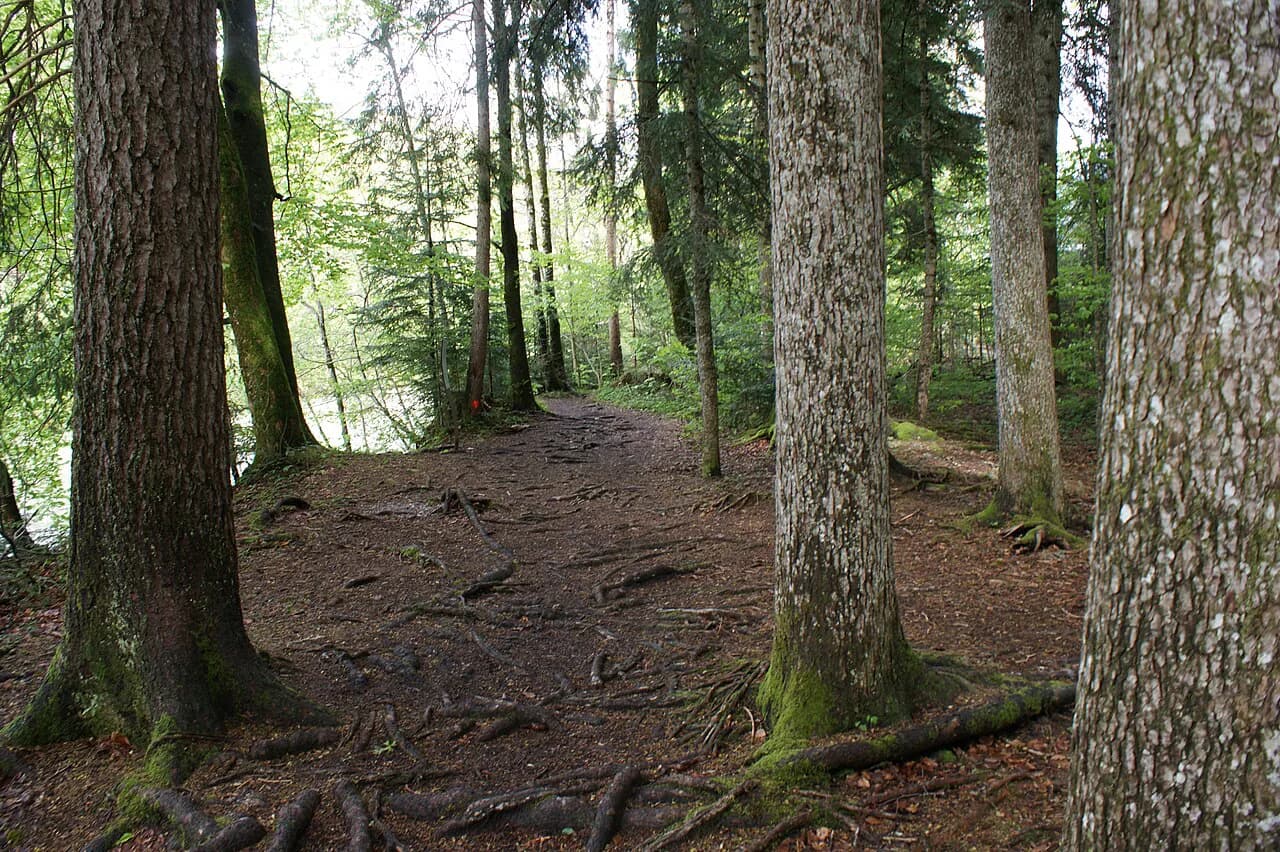
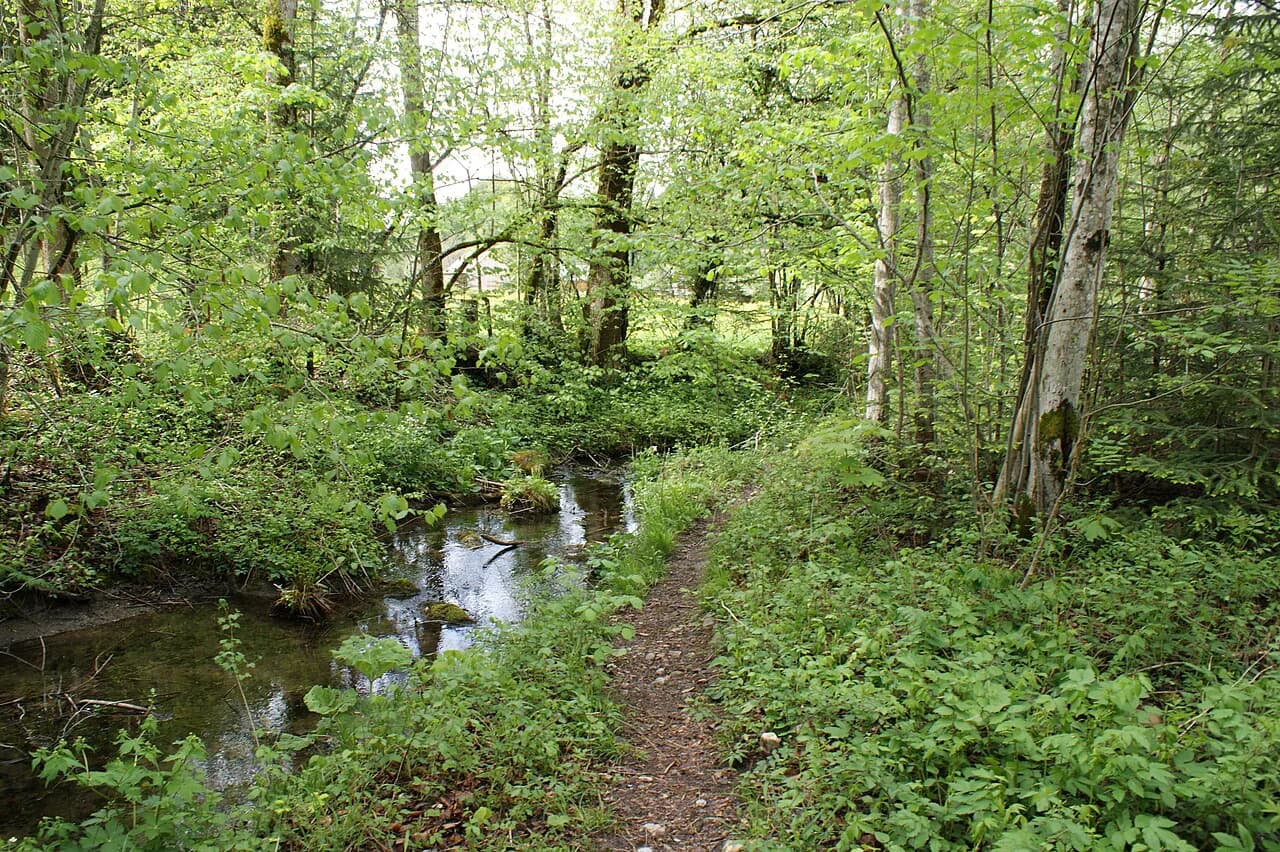
Austria's trail network is extensive and consistently marked, which makes self-guided walking realistic even on a first Alpine trip. Paths range from valley and lakeshore routes to high mountain traverses, and the country's six national parks all maintain their own signed path systems.
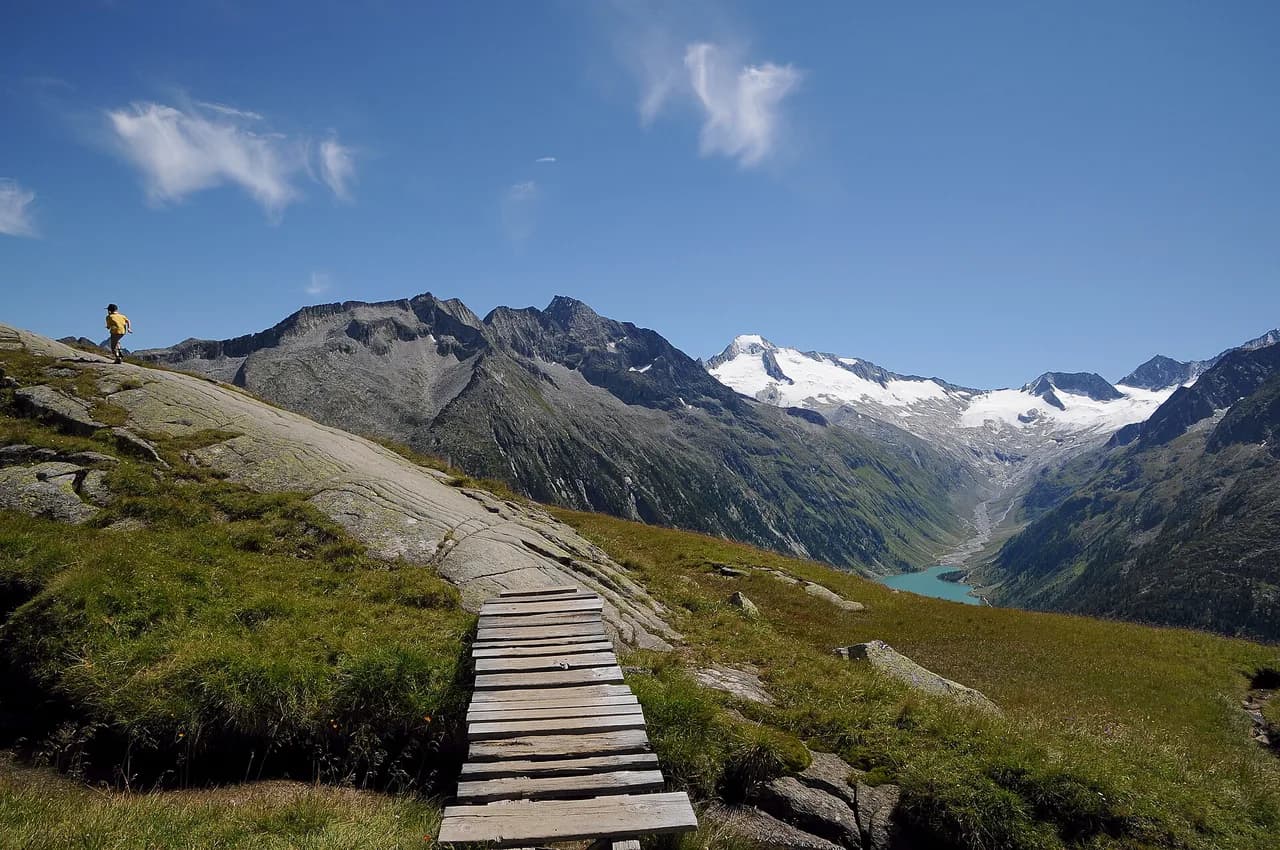
The landscape is varied enough to suit different fitness levels on the same trip: one walker can take a lift to a high ridge while another follows a lake path, and both meet for dinner in the same village. That mix of high and low walking is what separates Austria from destinations that offer only one kind of day.
For planning purposes, treat the country as three walking zones: the Alps, the forested Bohemian Forest along the Czech and German border, and the flat Danube and Pannonian east. Each has its own trail character and its own best months.
The Main Walking Regions and Who Each Suits
Tyrol around Innsbruck is the classic base for high-level walks, with cable cars climbing from the valley to ridge routes above the city. Salzburger Land and the Salzkammergut around Hallstatt combine lakes, the Dachstein Mountains, ice caves and salt mines, so walkers who want scenery with town time do well here.
The Seefeld plateau sits high and open, with trails radiating in all directions and long panoramas; the Alpbach valley offers streamside and meadow paths between timbered villages. Both suit walkers who prefer gentle gradients and village-to-village days over exposed ridgelines.
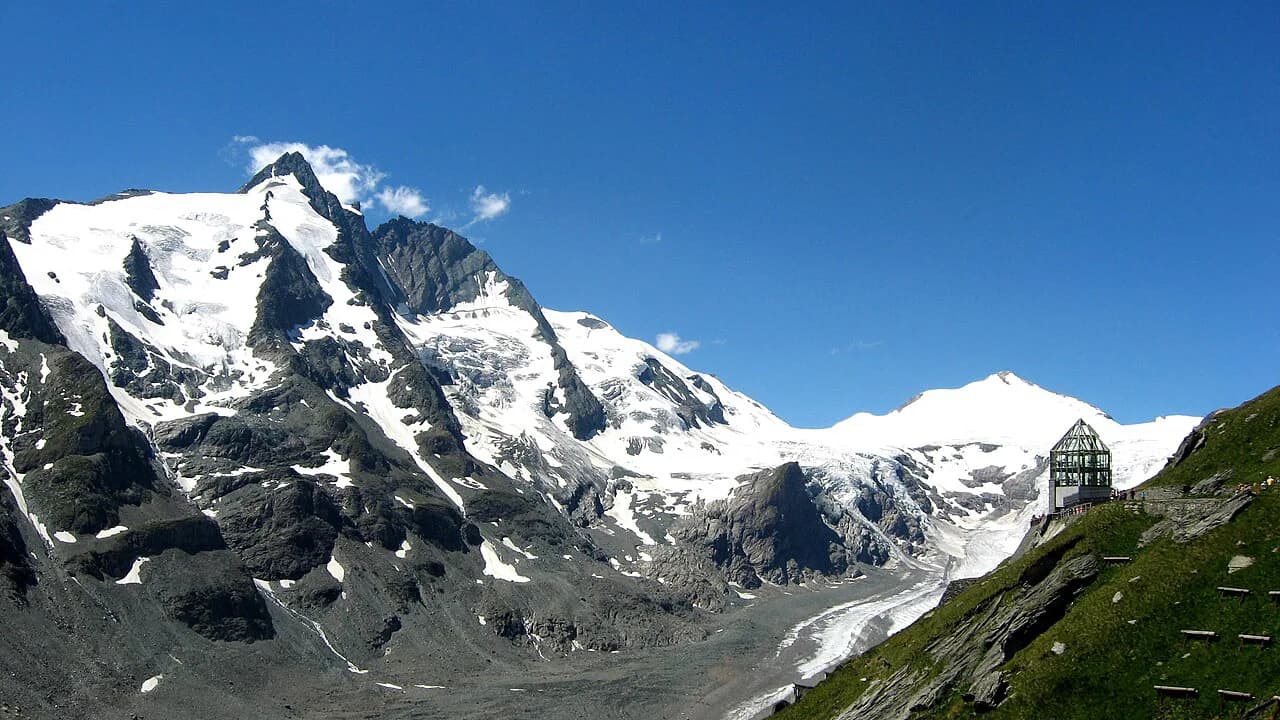
The Hohe Tauern National Park is the wildest high-mountain option, covering part of Carinthia, Salzburg and Tyrol and holding the Grossglockner at 3,797 metres (12,457 feet) as well as the country's largest glacier. Choose it for big mountain days, waterfalls and alpine meadows rather than for easy valley strolling.
The Lake Constance region on the western edge mixes lakeside promenades with mountain walks reached by cable car. It works well for a mixed-ability group, since non-walkers can stay by the water while others head uphill.
Guided Versus Self-Guided Formats
Self-guided walking in Austria usually means a booked sequence of nights, route notes or GPX tracks, and luggage moved between hotels while you walk with a day pack. You set your own pace and start times, which suits fit walkers comfortable reading a map and following marked trails.
Guided trips add a leader, fixed daily starts and group transport, and they tend to include more of the logistics in the headline arrangement. The trade-off is less flexibility: you walk the group's route at the group's pace, which helps nervous first-time Alpine walkers but frustrates strong hikers on short days.
Tours sold as either guided or self-guided exist for Austria, so you can compare both formats for the same region before committing. Ask specifically whether airport transfers, lift tickets and hut meals sit inside the arrangement, because inclusions vary far more than the walking does.
Typical Trip Lengths and Daily Structure
A short Austrian walking week usually strings together four to six walking days based in one or two villages, with a rest day built around a lake or a town. Longer trips shift between bases or follow a linear route with luggage moved ahead.
Expect two very different kinds of day. Valley and lakeshore walks are measured in hours rather than ascent and leave room for sightseeing; high routes gained by lift or a long climb run six hours or more on foot and reward you with ridge views but demand early starts.
Build one easier day after every two hard ones, especially at the start while you adapt to altitude. If a tour or route note quotes daily ascent, compare it to what you routinely climb at home rather than to the trip's headline difficulty grade.
Lift and Cable-Car Access to Trailheads
Innsbruck, the Lake Constance area and several other Austrian regions rely on cable cars to put high-level walks within reach of a half-day. That turns a 1,000-metre (3,280-foot) climb into a short ride and lets you descend on foot instead of slogging up.
Plan around the lift's operating calendar: a closed lift leaves the same route as a long, steep ascent. Lift timetables and seasonal operating dates come from the individual lift operators, so confirm the last descent time before you commit to a one-way walk.
Where you want a true high-mountain day with scrambling, fixed cables and ladders, use dedicated equipment and route grades rather than a lift-served walk; the Austria via ferrata routes are graded and need a helmet, harness and via ferrata set.
Huts and Mountain Inns
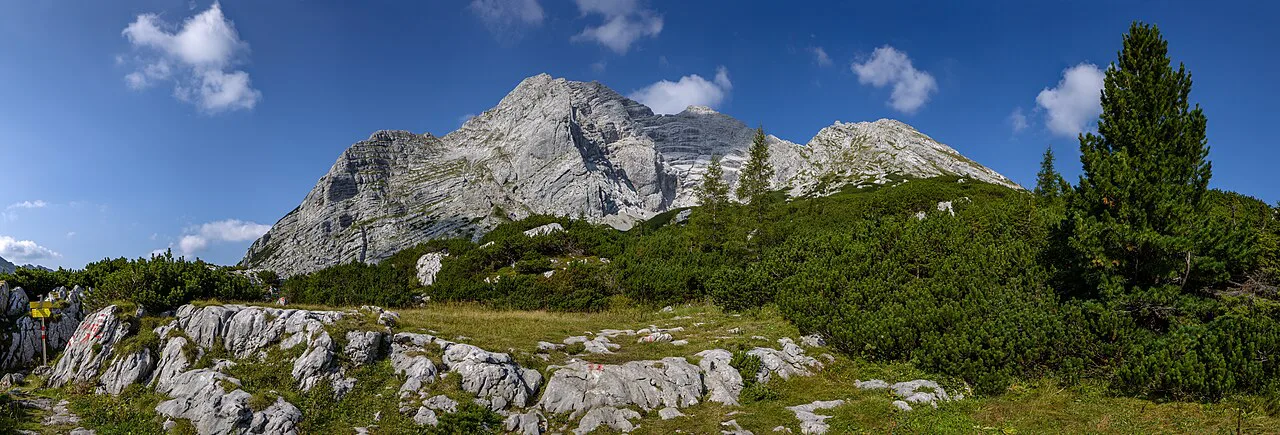
Alpine huts on the high routes are run by alpine clubs and private families, and most open only for the summer walking season, roughly late spring to early autumn at moderate altitudes. Blankets and half-board are typical, but you carry your own sleeping bag liner and often pay in cash.
Booking through the hut operator or the alpine club is standard for popular routes, and beds on well-known traverses fill early on summer weekends. Valley routes instead use Gasthöfe and hotels, which are easier to book and let you travel with a normal suitcase.
Multi-day high routes such as the Berliner Höhenweg show what hut-based Austrian walking looks like in practice: remote stages, dormitory nights and a need to book each hut in the chain. Match any hut route to your comfort with exposure, snow and long descents before you book.
Base Villages and Towns Matched to Hikes
Innsbruck puts cable-car high routes and a medieval city center on the same doorstep, so it suits walkers who want mountain days with restaurants and museums in the evening. For the trail-by-trail choice above the city, see the hiking in Innsbruck guide. Hallstatt, with more than 4,500 years of history and World Heritage status, is the base for Dachstein walks, ice caves and salt mines.
Seefeld's high plateau gives long, open panoramas and trails in every direction, making it the easiest base for gentle full days without steep climbs. The Alpbach valley, with timbered houses, historic inns and meadow paths along streams, suits walkers who want village atmosphere and cattle pastures.
For a multi-week traverse, the Adlerweg (Eagle Walk) crosses Tyrol in stages and can be joined at village after village, which lets you sample several bases in one trip.
National Parks for Walkers
The Hohe Tauern is the headline park: almost 2,000 square kilometres (about 772 square miles) of high mountains, waterfalls and flower-filled meadows, with ibex and marmots among the wildlife you may see. It suits strong walkers who want altitude and long days.
Kalkalpen, Austria's largest protected forest area, offers caves and karst landscapes, while Gesäuse, the youngest park, mixes rock, woodland, water and pastures in central Austria. Both give you mountainous walking with more forest cover and less exposure than the high Tauern.
Neusiedler See, Donau-Auen and Thayatal lie in the flatter east and offer distance without exposure: wetland, plain and river habitats with well-marked paths. They are the right choice for walkers who want volume of easy kilometres, wildlife and gentle countryside rather than summits.
Best Months to Walk
May to October is the general walking window, with regional differences that matter: the northern slopes and Danube valley feel Atlantic influence, the east is continental with summer rain, and the southern slopes are warmer and drier. A southern-slope base can extend your comfortable season at either end.
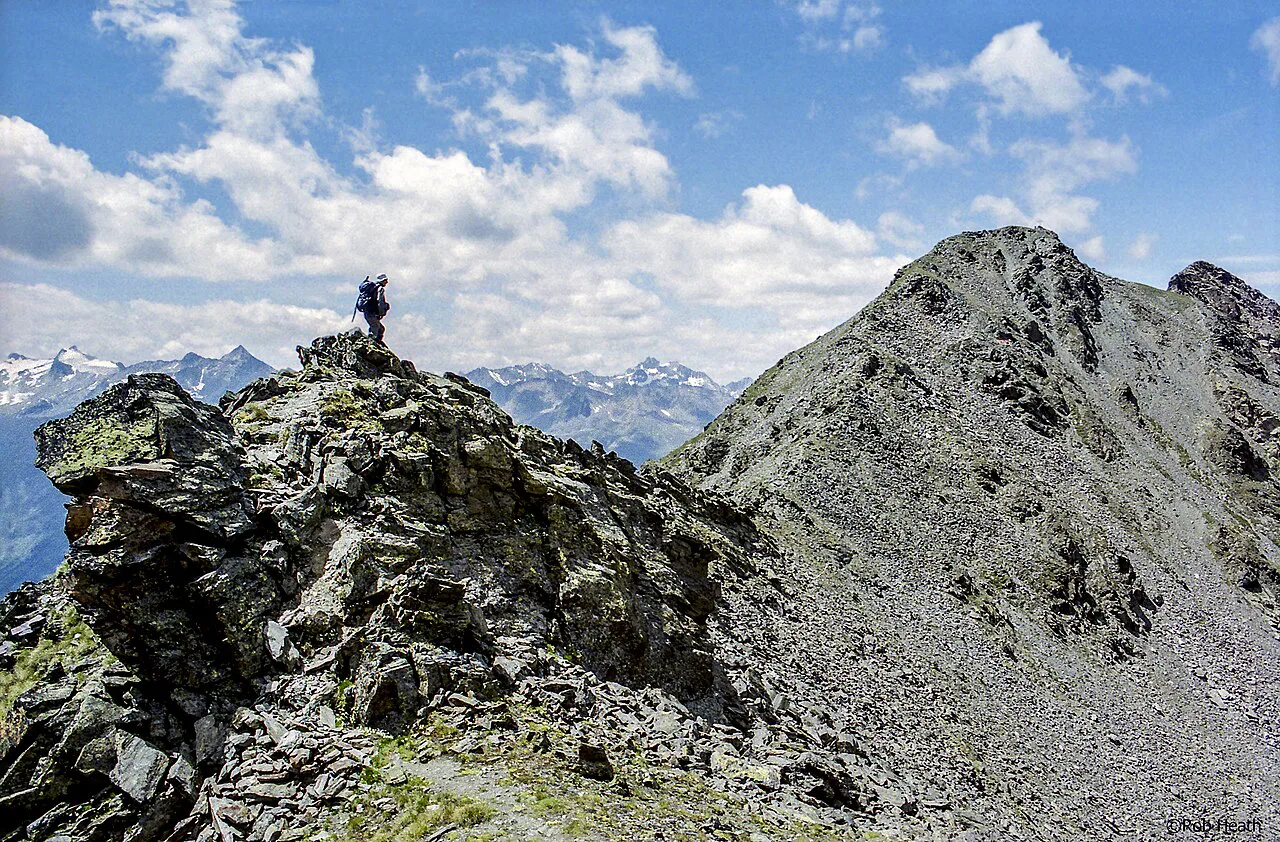
High routes and passes hold snow early and late in the season, so keep the first and last weeks of the window for valley and lakeshore walking. Mid-summer is the most reliable time for altitude but also the busiest, so book huts and hotels well ahead.
Late spring and early autumn give you cooler walking and quieter trails on low ground while the high country remains uncertain. Choose the region by month first, then the trail.
Hazards and How to Plan Around Them
Afternoon thunderstorms are the main summer hazard on Austrian ridges: start early, plan to be off exposed ground by early afternoon, and treat a forecast of storms as a reason to switch to a valley route. Snow on high passes in June and September makes an ice axe and crampons, or a lower route, the sensible response.
Exposed sections with fixed cables and ladders call for a via ferrata set, helmet and harness, and a guide is worth considering if you have not used them before. Ridge walks with long descents punish tired legs, so check total descent as carefully as total ascent when you plan the day.
Gear and Fitness Preparation
Valley and lakeshore days need little beyond broken-in boots, a rain shell and water; high routes add warm layers, a headlamp, a map and a first-aid kit. Austrian weather changes fast across the Alpine divide, so pack for wind and rain even on a clear morning.
Train for sustained ascent rather than for distance alone: a high day may climb 1,000 metres (3,280 feet) or more in one push, and descents of the same size load the knees. Treadmill incline work and stair sessions a few weeks ahead make the difference on day three of a trip.
Plan Your Visit
Pick the region from the kind of day you want: cable-car ridgelines above Innsbruck, lake and Dachstein scenery around Hallstatt, open plateau walking at Seefeld, or gentle wetlands in the east. Then choose guided for logistics and company, or self-guided for pace and independence.
Set your dates inside the May-to-October window with the region's climate in mind, book huts and popular hotels early, and keep a valley day in reserve for storms. The Krimml Waterfalls area and the rest of the country's marked network give you plenty of fallback options.
Frequently Asked Questions
How many days do you need for an Austria walking holiday?
Five to seven days gives you four to six walking days in one or two bases, which is enough for a mix of high and valley routes. Ten days or more lets you either add a hut-to-hut section or move between regions such as Tyrol and the Salzkammergut.
Is Tyrol the best base for walking in Austria?
Tyrol around Innsbruck is the strongest base for lift-served high routes and city comforts in the evening. Salzburger Land and the Salzkammergut suit lake-and-mountain scenery better, while Seefeld and the Alpbach valley are easier on walkers who prefer gentler gradients.
Do self-guided walking holidays suit first-time Alpine walkers?
They can, provided the route stays on marked valley and mid-mountain paths and you are comfortable following route notes or a GPX track. For exposed high routes or via ferrata, a guided format or a skills course is the better first step.
What is the best time of year for walking in Austria?
May to October is the broad season, with regional variation across the Alps, Danube valley and southern slopes. Use early and late season for low routes and mid-summer for high passes, when snow has cleared.
Do you need to book alpine huts in advance?
Book through the hut operator or alpine club for popular hut-to-hut routes, especially summer weekends. Valley hotels and Gasthöfe are easier to arrange and suit walkers who prefer not to sleep in dormitories.
Sources
Trail notes for your next trip
Optional updates when we add or revise hiking guides.
You might also like
Continue reading
More guides you'll find useful