Best Time to Hike Madeira: A Month-by-Month Season Guide
Plan Madeira hiking around microclimates, rainfall and crowds. Compare spring, summer, autumn and winter conditions on levadas and mountain routes.
On this page
Madeira packs coastal cliffs, laurel forest levadas and volcanic summits into one small Portuguese island, so a single trip can cover very different terrain. The right month depends less on the calendar than on which of those you plan to walk and how much rain and crowd you can tolerate. A hiker chasing the Pico do Areeiro ridge needs a different window than someone content with a warm seaside path.
Spring and autumn give most hikers the best balance of temperatures, trail conditions and quieter trailheads. Summer delivers the longest dry spells but also the busiest parking and real heat on exposed coastal routes. Winter is wetter and cloudier, yet it brings full waterfalls, empty paths and, on clear days, snow-dusted peaks above Funchal.
Why altitude and coast decide your season
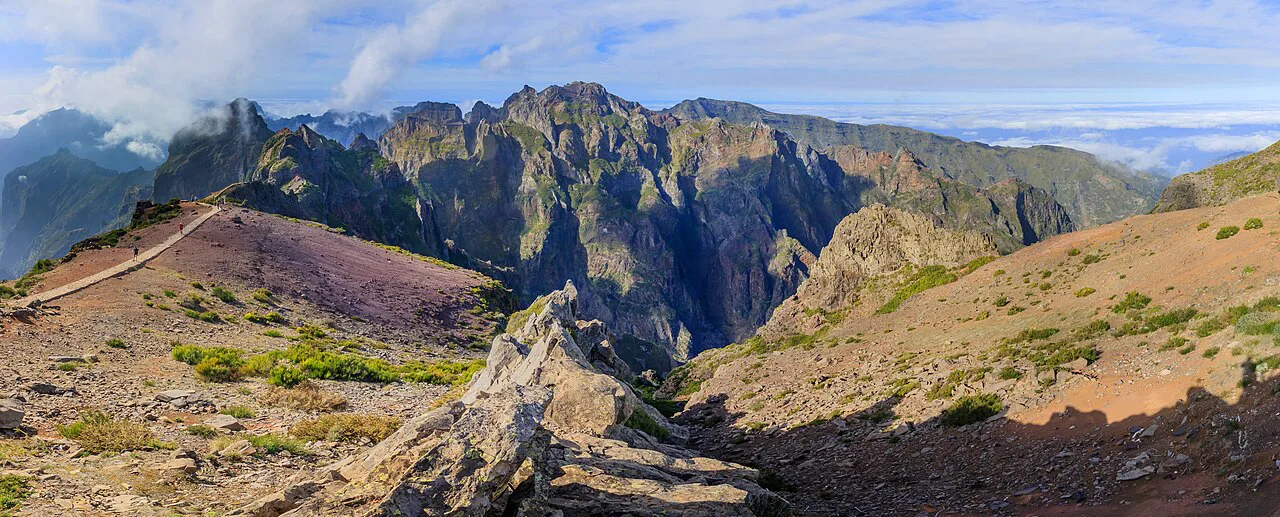
Madeira's weather varies sharply between the south coast, the north coast and the mountains, so a Funchal forecast tells you little about a ridge at 1,800 metres (5,900 ft). Temperatures fall roughly 6°C for every 1,000 metres (3,280 ft) of climbing, which is why you can leave a sunny seafront in shorts and meet windproof weather on the peaks within an hour's drive.
The south coast around Funchal is warmer, drier and sunnier, while the north coast is wetter, cloudier and lusher, with the waterfalls that come with all that moisture. The central mountains are colder still and often sit inside cloud while the coast basks. Treat each trail's own forecast as the planning unit, not the island as a whole.
That split has a practical payoff: on a wet day on the peaks you can often drive to a dry coastal path, and on a scorching summer afternoon the shaded laurel forest is the sensible refuge. Build a flexible day or two into your plan so you can swap sides of the island when the cloud sits wrong.
Spring (March–May): flowers, waterfalls and variable peaks
Spring is the strongest all-round window for most hikers. April and May bring moderate temperatures, lower rainfall than winter and strong waterfall flow, and the trails are still comfortably quieter than in midsummer. May is often the pick of the year, with warm but not hot days and the island's vegetation at its most vivid.
Average highs sit around 16°C (61°F) in April and rise towards 18°C (64°F) in May, with May rainfall dropping to roughly 30 mm. Come prepared for change anyway: March can still deliver heavy rain, and mountain days run much colder than the coast. Layering matters more in spring than any single forecast suggests.
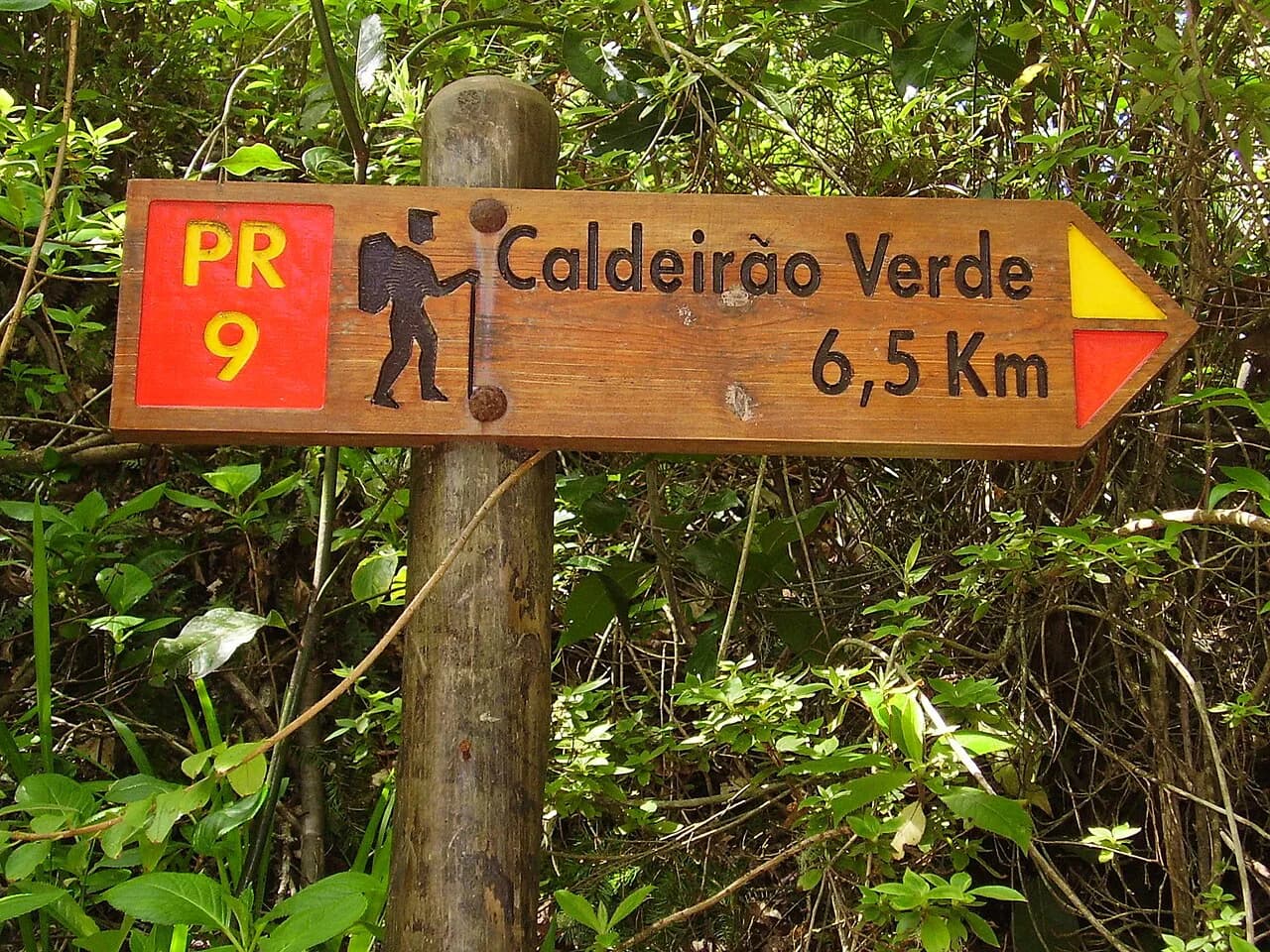
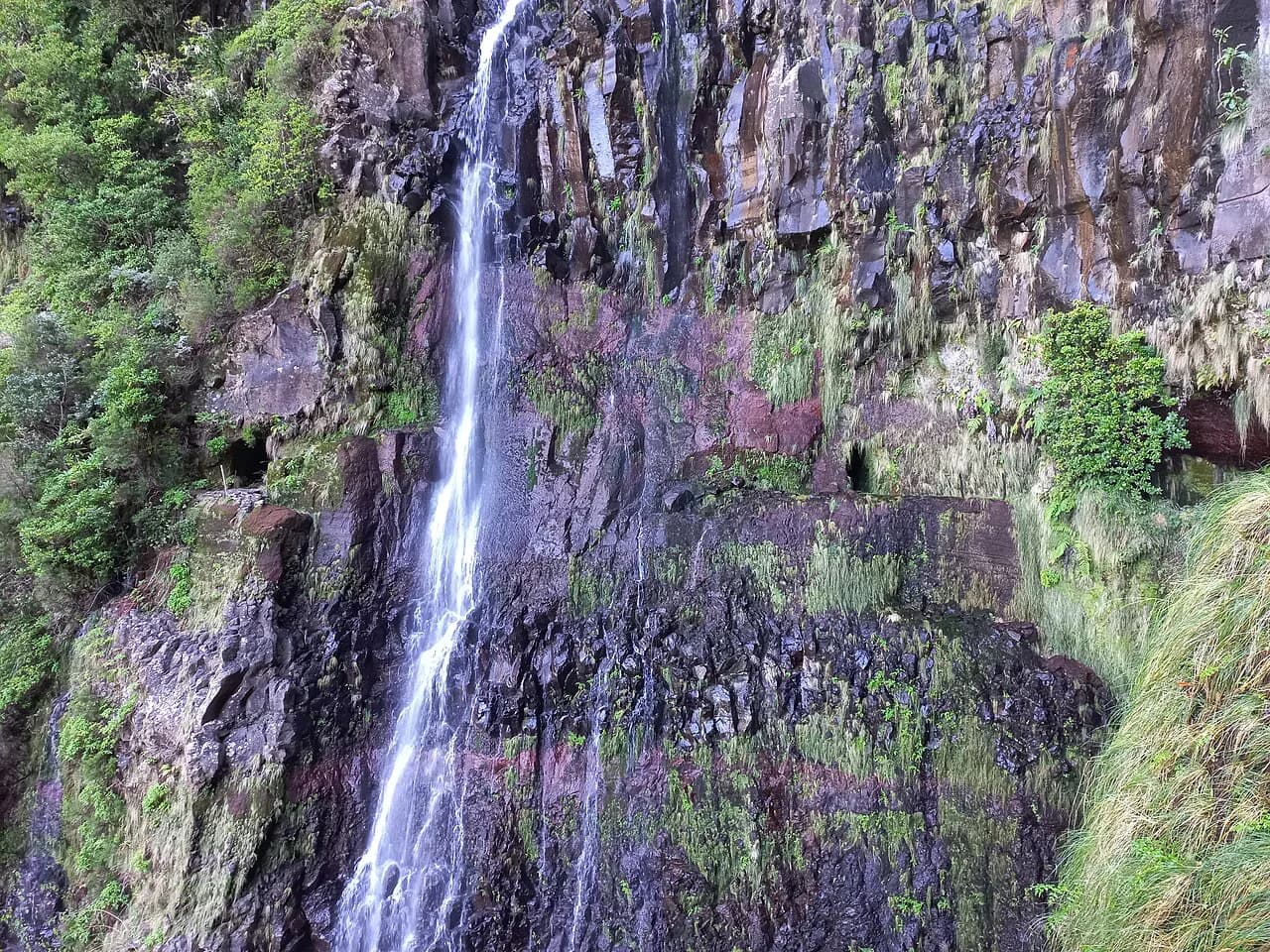
This is the season to prioritise waterfall-fed routes in the laurel forest, where flow is generous and the shade is welcome as temperatures climb. The Levada do Caldeirão Verde rewards a spring visit for exactly this reason, with its long tunnel sections and green-walled gorge.
Spring is also the island's festival season. Carnival fills Funchal in February or March, and the Flower Festival takes over the capital for a month around April or May, so book accommodation and plan trailhead arrivals around those weeks rather than expecting empty roads.
Summer (June–August): dry days, heat and busy trailheads
Summer brings the most reliable sunshine and the least rain, with July averaging around 9 mm of rainfall and August the hottest and busiest month at roughly 26°C (79°F) on the coast. That makes it the best window for high mountain traverses, when the Pico do Areeiro to Pico Ruivo ridge is most likely to stand clear of cloud.
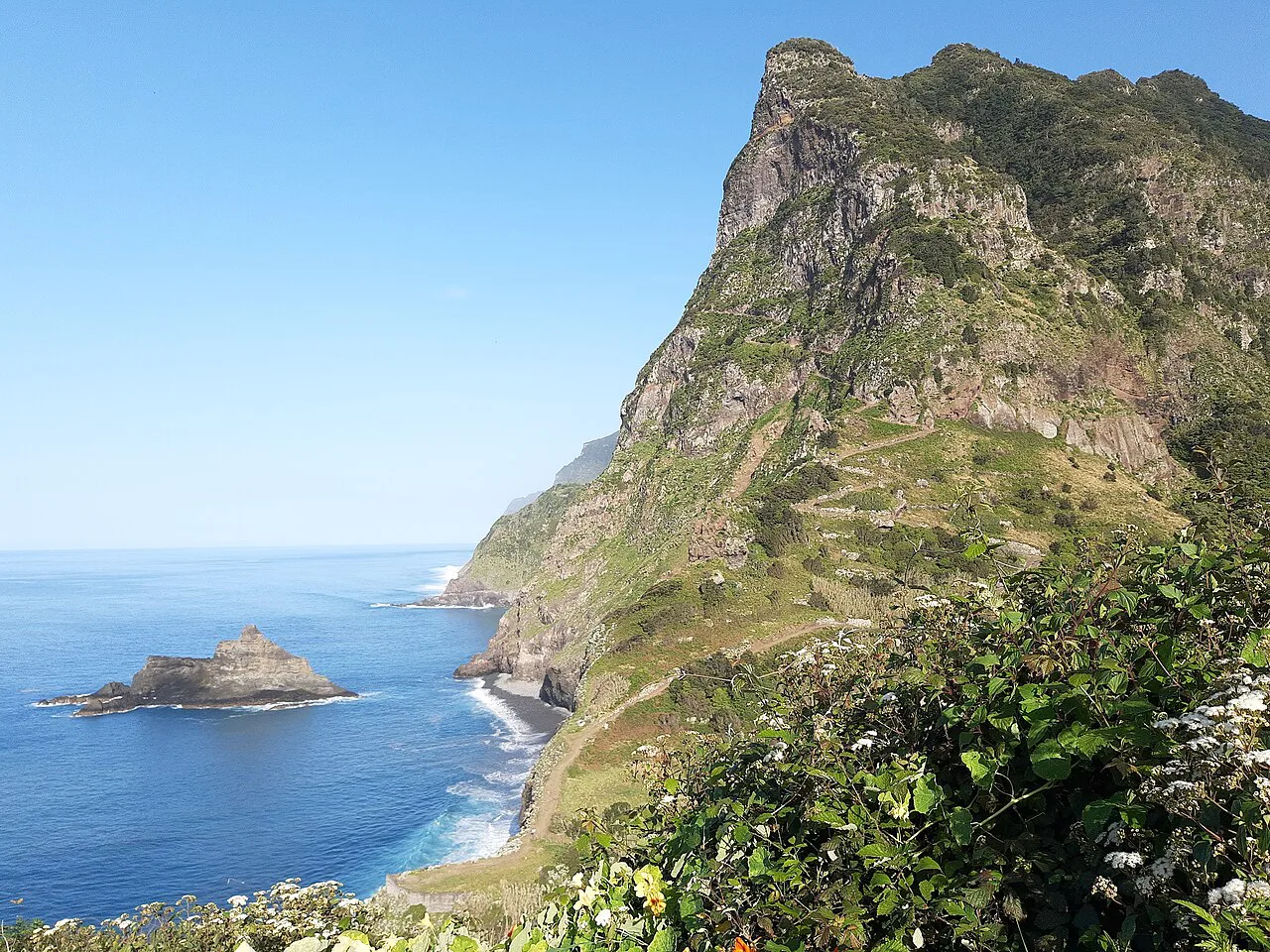
It is also the busiest season, and popular trailheads fill early. Start at or shortly after sunrise, both for a parking space and for cooler walking. On exposed coastal routes such as the Ponta de São Lourenço path, midday heat is the real constraint, since the entire route is open to the sun.
Heat aside, summer is the friendliest time for beginners and families, with dry rock underfoot and long daylight for easier walks. The short, gentle Levada das 25 Fontes fits a summer morning well, since the forest shade and the Risco waterfall stop reward an early start.
Autumn (September–November): warm seas and thinning crowds
September and October are excellent hiking months: temperatures stay pleasant, the summer crowds thin out, and rainfall remains modest until late October. September keeps roughly the same sunshine hours as August with a warmer sea, which makes it a strong choice for combining coastal walks with swimming.
November turns wetter and becomes the second-wettest month after January, but it also brings waterfalls back to full force and keeps daytime temperatures around 18°C (64°F). Hikers who do not mind rain gear will find the levadas atmospheric and the trails quiet.
Autumn suits long days on the high routes and comfortable afternoons on the coast in equal measure. It is the season to attempt the Pico Ruivo traverse if you missed spring, but check the mountain forecast the evening before, since cloud can close the ridge without warning.
Winter (December–February): wet levadas and cold peaks
Winter is the wettest stretch of the year, with January the rainiest month at around 112 mm and average highs of 15°C (59°F) on the coast. On the peaks it is genuinely cold, and snow can show on the summits while the south coast stays mild. Pack for both if you plan to hike at altitude.
The reward is a quieter island and dramatic water. Waterfalls run at their best, fog wraps the forest, and the levadas become moody, green corridors rather than summer strolls. Tunnels, wet rock and slick steps call for proper boots with ankle support and a headlamp.
If snow or ice coats the high ridge, treat the summit traverse as off the menu and stay on lower routes. The coastal paths and the warm south side usually remain walkable while the peaks sit in cloud, so plan winter days with an alternative at sea level.
Microclimates: south coast, north coast and mountains
The south coast, centred on Funchal, is warmer, drier and sunnier, and its weather often matches what the capital reports. The north coast gets more wind and rain, which is precisely why its valleys are so green and its waterfalls so reliable. Plan north-side walks with a wet-weather backup.
The central mountains are the coldest zone, frequently in cloud, and the place where a bright coastal morning can turn into a wet, windy ridge by noon. Check the forecast for the specific trail area before setting out, and watch for afternoon cloud building over the peaks.
Month-by-month guide to temperatures, rain and crowds
Coastal temperatures climb gently through the year, from highs of around 15°C (59°F) in January to 26°C (79°F) in August, then ease back to 16°C (61°F) by December. Rainfall follows an opposite arc: wettest from November to February, driest from June to August.
Crowds peak in July and August, when trails and parking are at their busiest, and drop through September and October. Winter is the quietest period apart from the Christmas and New Year weeks, when Funchal hotels fill up.
For hike selection: January to March favours low levadas and sheltered forest; April and May suit waterfalls and flowers; June to August favours high ridges and early coastal starts; September and October is the most versatile; November and December belongs to waterfalls and misty forest.
Choosing a season by hike type
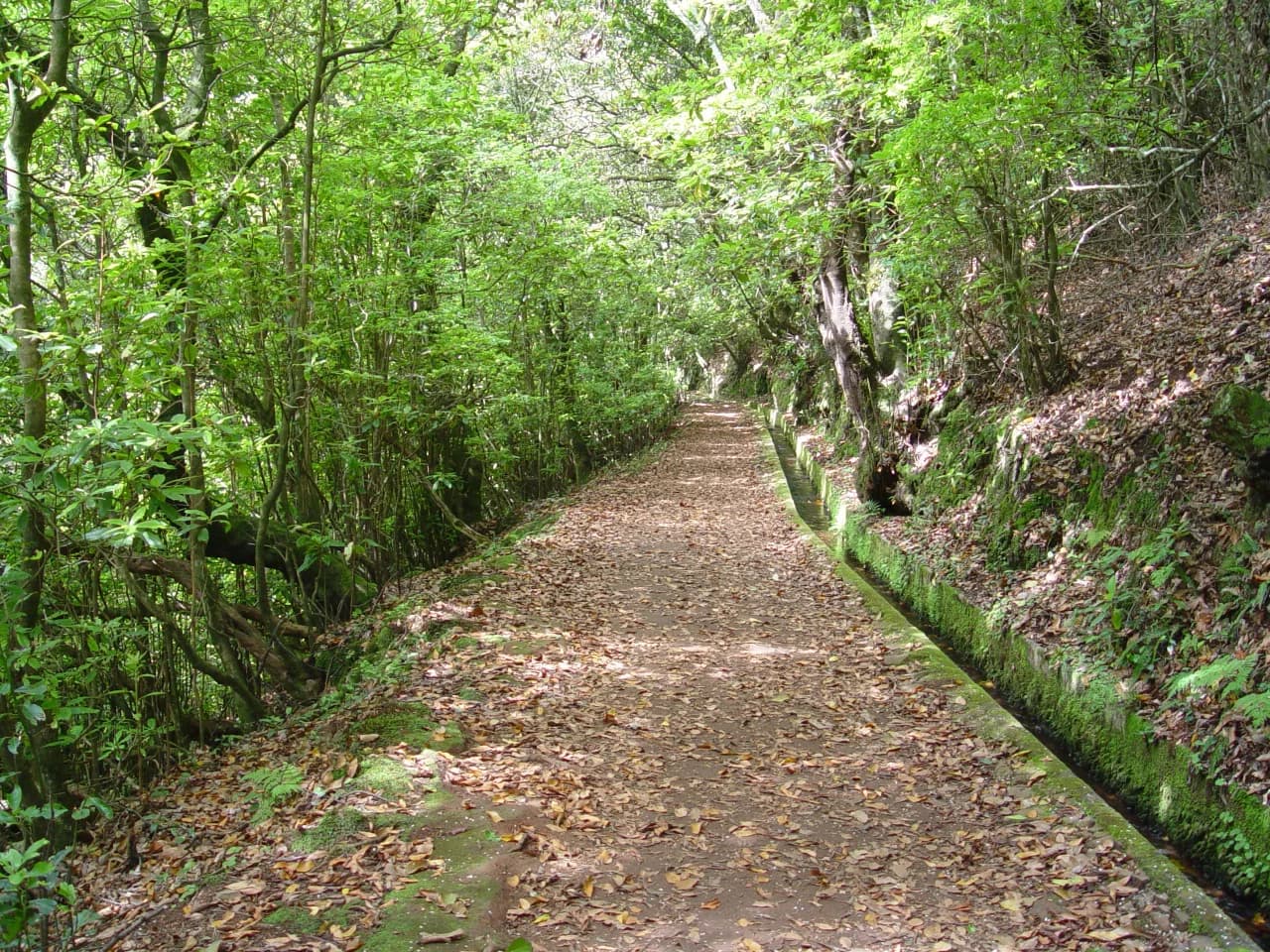
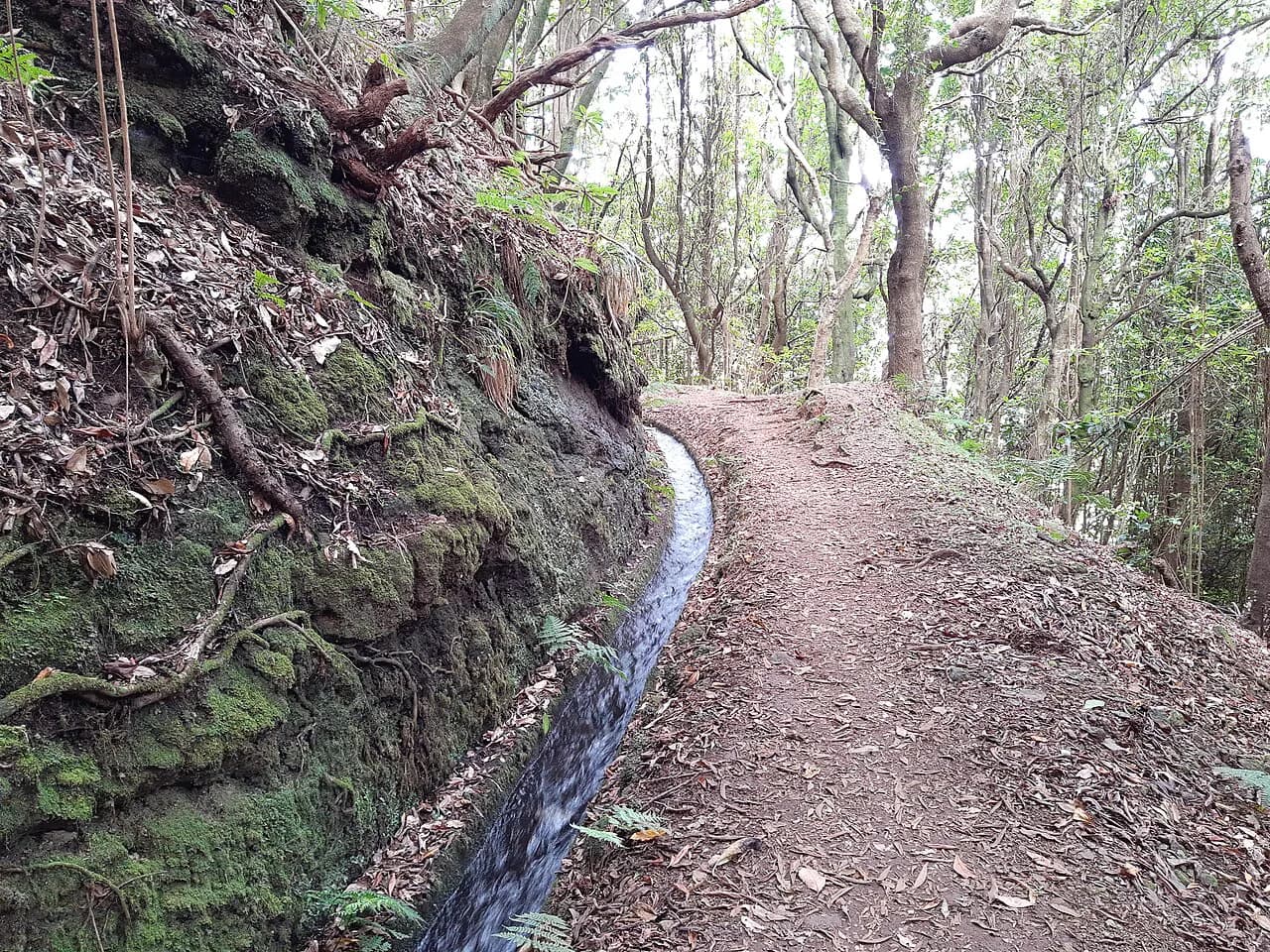
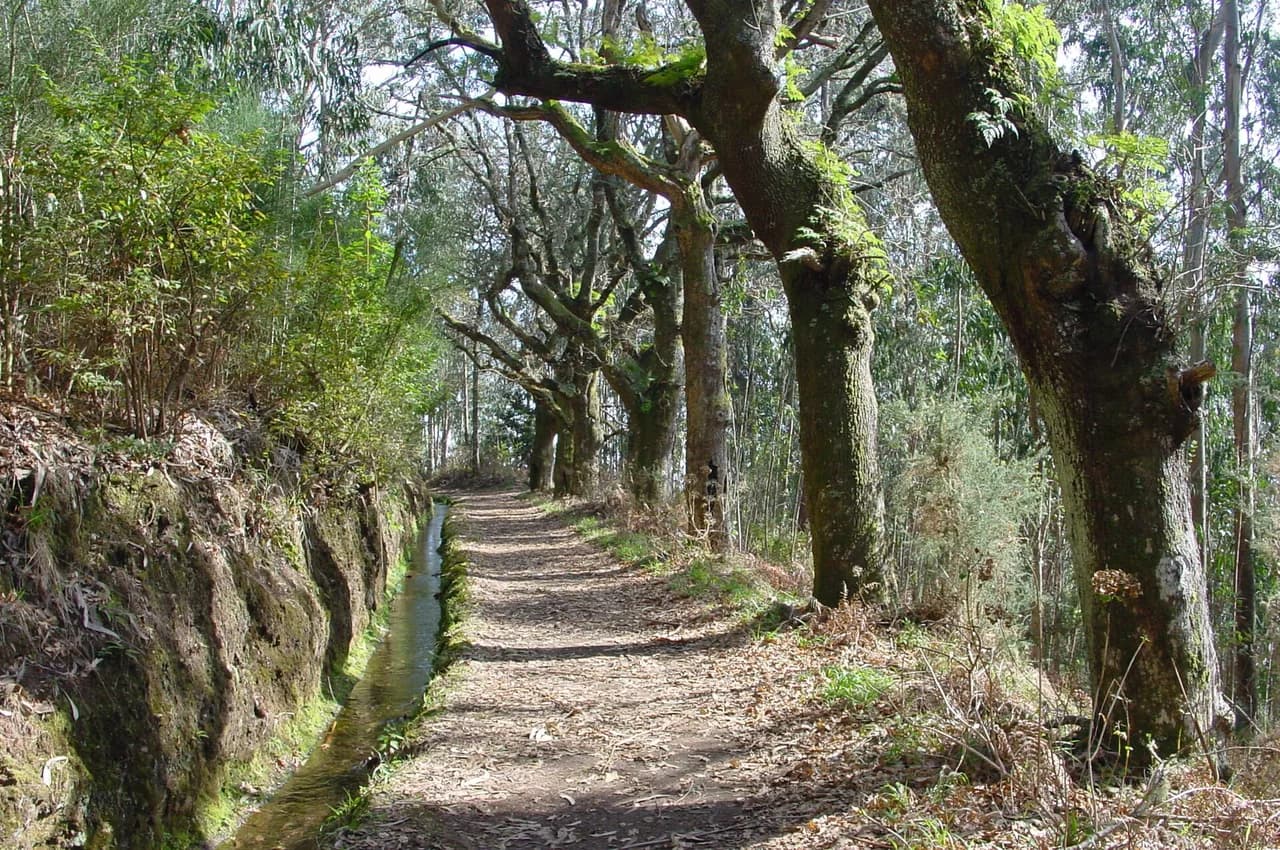
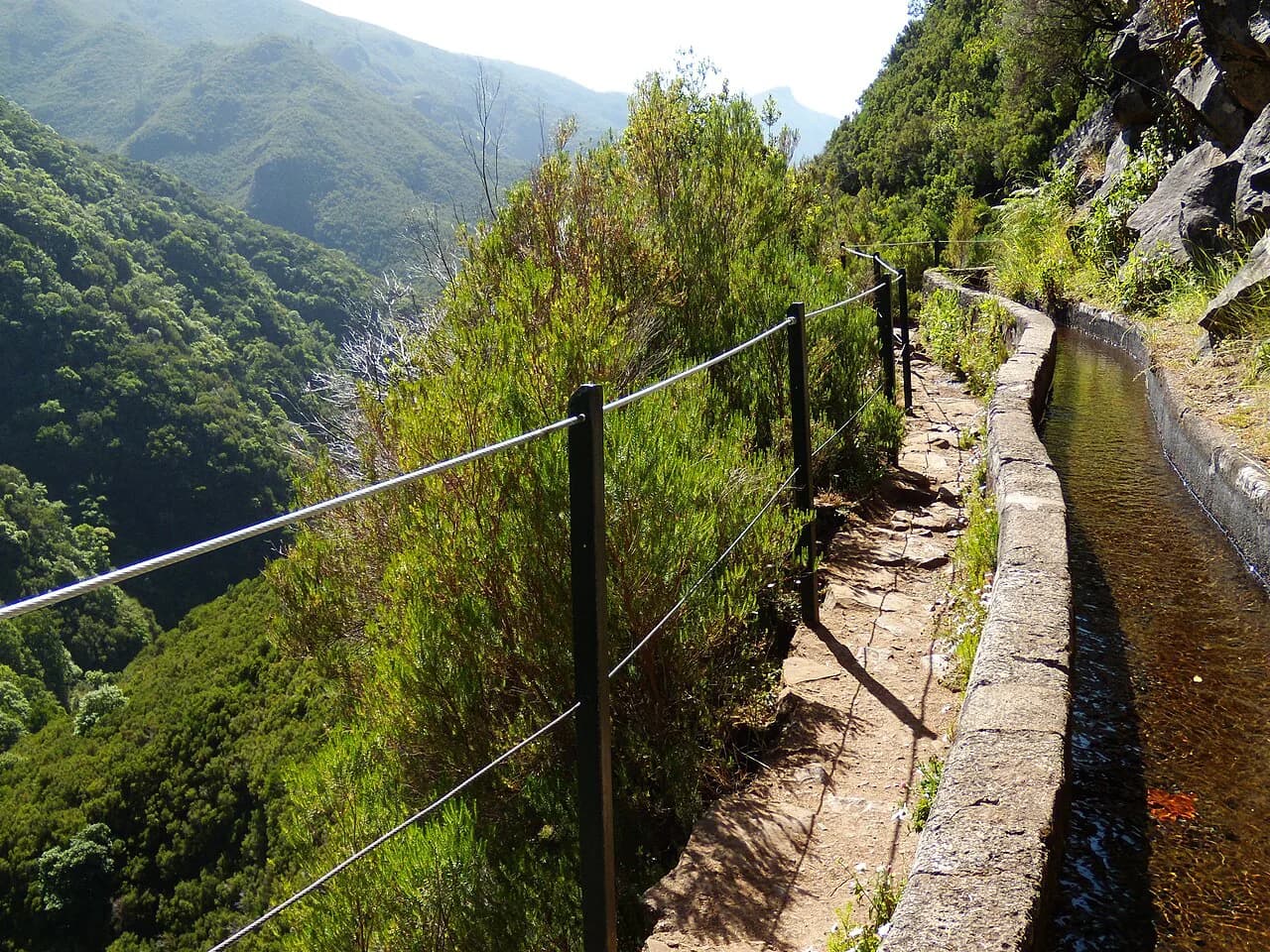
Levada walks are the most weather-proof option. Shaded, gently graded and fed by the island's irrigation channels, they work in almost any month, though winter rain makes the stone channels and tunnels slippery. Mornings are the best time for photography and cooler walking.
Coastal cliff routes need the opposite treatment: they are exposed, often shadeless and hot in summer. April, May, September and October give the best combination of warmth and comfort, while summer requires starting early and carrying more water than feels necessary.
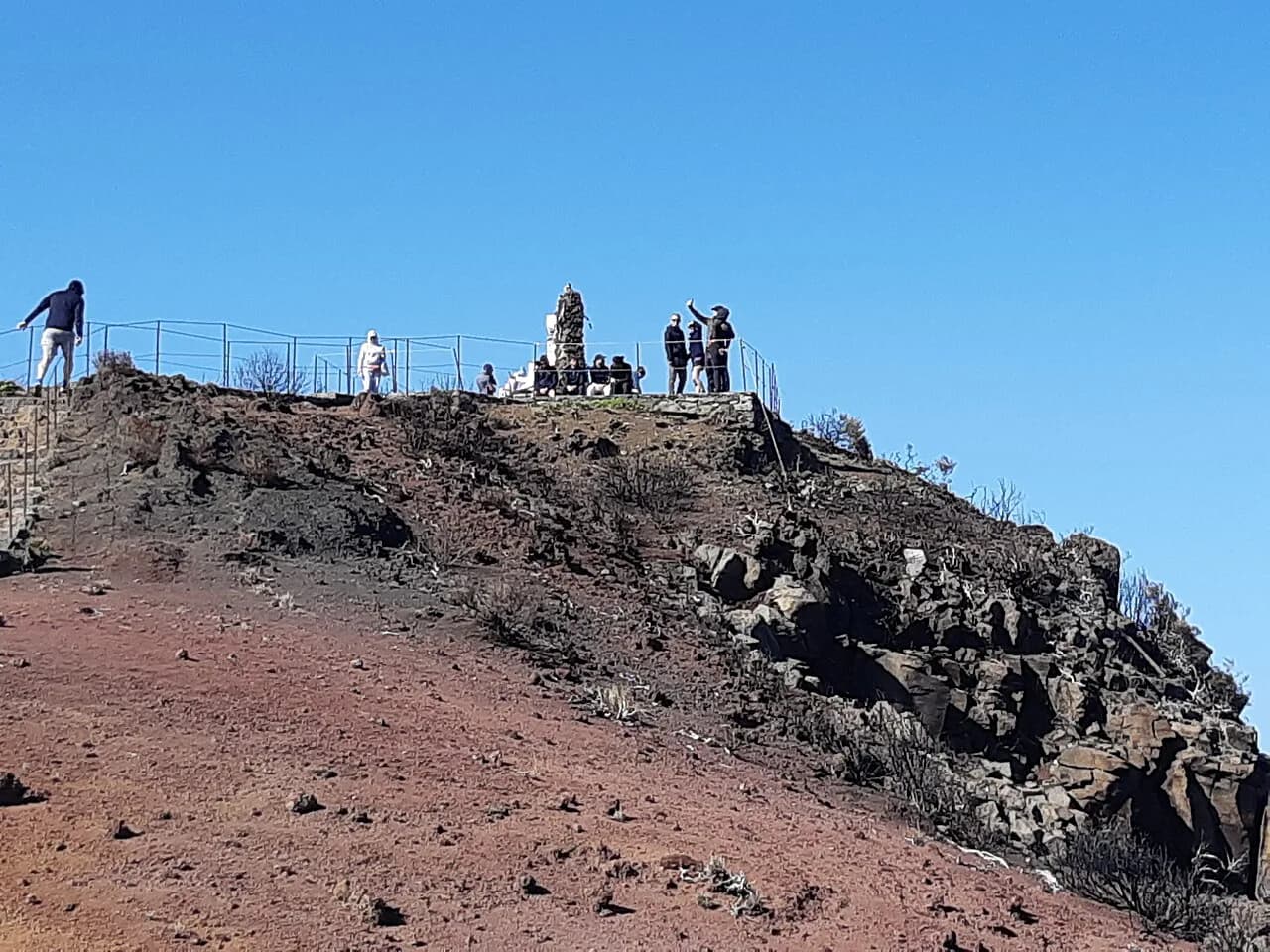
High mountain traverses such as the Pico do Areeiro to Pico Ruivo route are best in late spring, summer and early autumn. Exposure, steep stair sections and dark tunnels make them unsuitable in ice or heavy cloud, and afternoon storms are a genuine hazard on the ridge, so turn back if the weather closes in.
Time of day: early starts for parking, views and cloud
Early morning is when trailhead parking is easiest and the paths are quietest. Popular routes like the Ponta de São Lourenço coastal path and the Pico do Areeiro ridge fill up as tour buses and school groups arrive later in the day, so arriving near sunrise gives you both a space and cleaner views.
Cloud typically builds over the central mountains through the afternoon, which is another reason to schedule summit routes for the morning. Coastal walks are more forgiving, but summer afternoons on the east coast can be uncomfortably hot, so either start early or save the exposed sections for later in the day.
What to pack for Madeira's changeable weather
Pack for four seasons in one day. Waterproof jacket and trousers, layers, hiking boots with good ankle support and a headlamp for levada tunnels cover most conditions. Lighter rain protection and sun cream belong in the pack year-round, since rain and strong sun can follow each other within hours.
In winter add warm layers, gloves and a hat for the peaks, and in summer carry extra water for exposed coastal routes. Mud is a constant on forest trails after rain, so footwear with grip is more useful than lightweight trainers.
Festivals and busy periods that affect trailheads
Carnival runs for around two weeks before Lent, with parades filling Funchal, and the Flower Festival occupies the capital for a full month in spring. The São João festivities in late June and the wine harvest celebrations in August and September add local colour but also draw visitors and fill accommodation.
Christmas and New Year are the busiest weeks of winter, with Funchal hotels booked well ahead of the New Year's Eve fireworks. If your trip overlaps any of these periods, plan trailhead arrivals early and reserve lodging before you fix your hiking schedule.
Plan Your Madeira Hiking Season
For most hikers, May and September are the sweet spots: mild temperatures, manageable rain, fewer people than midsummer and good conditions across every trail type. If you want the high ridge at its clearest, aim for June to September; if you want waterfalls and solitude, take a winter levada trip and keep the peaks for another visit. Weighing another Atlantic island with a similar mix of ridges and cloud forest? Compare this with hiking in Tenerife before you commit.
Whatever month you pick, plan around microclimates rather than a single forecast, start early, and keep a flexible day for swapping the wet north for the dry south. That approach matters more than any month-by-month average.
Frequently Asked Questions
What is the best month to hike in Madeira?
May and September consistently give the best balance: mild temperatures, moderate rainfall and fewer hikers than July and August. Spring brings flowers and strong waterfalls, while early autumn keeps warm seas and clearer mountain days. Your own fitness and preferred trail type should fine-tune the choice.
Can you hike in Madeira in winter?
Yes. Winter is wetter, with January the rainiest month, but daytime temperatures on the coast stay around 15°C (59°F). Levadas and coastal paths remain walkable, while the high peaks are cold, cloudy and sometimes snowy, so keep summit attempts for clear days and lower routes as a backup.
How crowded are Madeira trails in summer?
July and August are the busiest months, with popular trailheads filling early and parking at a premium. Starting at or shortly after sunrise solves both problems and gives cooler walking on exposed routes. Crowds ease noticeably from September onwards.
Does it rain a lot in Madeira?
Rain varies sharply by location. The north coast and central mountains are much wetter than the south coast, and the wettest months are November to February. Summer is driest, with July averaging only around 9 mm, but short showers can occur in any month.
What is the best time of day to hike in Madeira?
Start early. Morning gives you the best chance of parking, clearer views before cloud builds over the peaks, and cooler temperatures on exposed coastal routes. On levada walks, an early start also means quieter tunnels and better light in the forest.
Which Madeira hikes are best in each season?
Spring and autumn suit almost everything, including the high Pico do Areeiro to Pico Ruivo route. Summer favours high ridges and early coastal walks, while winter is best for levadas and waterfalls. Coastal cliffs are most comfortable in spring and autumn, when heat is less intense.
Sources
Trail notes for your next trip
Optional updates when we add or revise hiking guides.
You might also like
Continue reading
More guides you'll find useful