Cyprus Walking Holidays: Guided vs Self-Guided Trips
Compare guided, self-guided and base-camp walking holidays in Cyprus: daily distances, terrain in the Besparmak Mountains and Karpaz, seasons and fitness fit.
On this page
A walking holiday in Cyprus trades alpine drama for something rarer in Europe: a long, mild season, flower-rich hillsides in spring, and trails that end at Crusader castles or above the Mediterranean. The island suits hikers who want three to six hours of walking a day rather than multi-day hut traverses, with the Besparmak range in the north and the Karpaz Peninsula offering two very different characters.
Before comparing dates or itineraries, decide on format. A guided group week, a tailor-made trip and a self-planned base-camp stay produce completely different days on the ground, even when the same ridge or castle appears in all three. The sections below set out what each format arranges, which terrain it reaches and how to match daily distance to your fitness.
What a Cyprus walking holiday covers and who each format suits
Most walking holidays on the island share the same skeleton: a bed for the night, breakfast, transport to the start of each day's walk, and a route that takes in scenery, villages and archaeological sites. Beyond that, formats diverge sharply. Guided weeks add a leader who handles navigation, timing and local context; tailor-made trips assemble the same components around your own dates and pace; independent trips leave everything except the walking to you.
Group tours are the easiest entry point if you want company and no logistics. One eight-day northern Cyprus walking itinerary is graded leisurely to moderate, uses bus transport and puts up guests for seven nights in a single comfortable hotel, which tells you it is a base-camp style week rather than a moving-on trek.
Tailor-made formats suit travelers who want walking folded into a broader trip. One Cyprus road-trip idea runs eight days and mixes ancient cities, quiet valleys and beaches, so the walking days sit between driving and sightseeing rather than forming a continuous route.
Guided group tours: fixed itineraries, leader, transfers and grading
On a guided week, the itinerary is set and the group moves together. That means fixed start times, a stated walking grade and a leader who adjusts pace to the group. The trade-off is flexibility: you cannot add a summit detour or linger an extra hour at a castle viewpoint if the schedule says otherwise.
Grading language matters more than the brochure title. On northern Cyprus tours, the leisurely-to-moderate label means mostly easy paths with occasional more demanding climbs and descents, which is a fair description of castle trails that switch between forest track and rocky steps.
Group size shapes the experience as much as the route. Northern Cyprus departures cap at 16 travelers with an average closer to 11, small enough that a leader can keep the group together on narrow castle paths and that transfers by minibus or bus stay quick.
Guided packages usually bundle accommodation, daily trailhead transfers, a local guide, and often packed lunches or some evening meals, with group sizes commonly kept small. Flights are almost always separate, so build airfare into your budget separately from the tour cost.
Self-guided and tailor-made formats: what is arranged for you and what you do yourself
Self-guided and tailor-made trips sit between a group week and a solo plan. Accommodation, some transfers and a route description are typically arranged; navigation, pace and daily timing are yours. You walk the same landscapes without a leader setting the rhythm, which rewards confident map readers and suits couples or friends with similar fitness.
Tailor-made operators build the trip around your requirements rather than a fixed departure, choosing hotels and experiences to fit. That flexibility costs planning time: you need to be specific about how many walking days you want and how much driving you will accept between bases.
If you plan independently, the practical work is transport. Many trailheads in the Besparmak foothills sit above Kyrenia, where buses reach the town but not the upper starting points, so a rental car or a pre-booked transfer covers the last stretch. Ask your hotel or operator which trailheads have road access before committing to a route.
Base-camp versus moving-on itineraries
A base-camp week keeps you in one hotel and drives out to different trailheads each day. You unpack once, sleep well, and lose an hour or two daily to transfers. This format dominates northern Cyprus tours, where a single hotel near Kyrenia serves walks above Bellapais, the castle trails and the coast.
A moving-on itinerary shifts bases every few nights, cutting transfer time and showing more of the island. The cost is repacking, more check-ins and less certainty about room quality. For a week-long trip, most hikers get more walking from a base camp; for ten days or more, splitting between the Kyrenia area and the Karpaz Peninsula pays off.
Terrain in the Besparmak Mountains
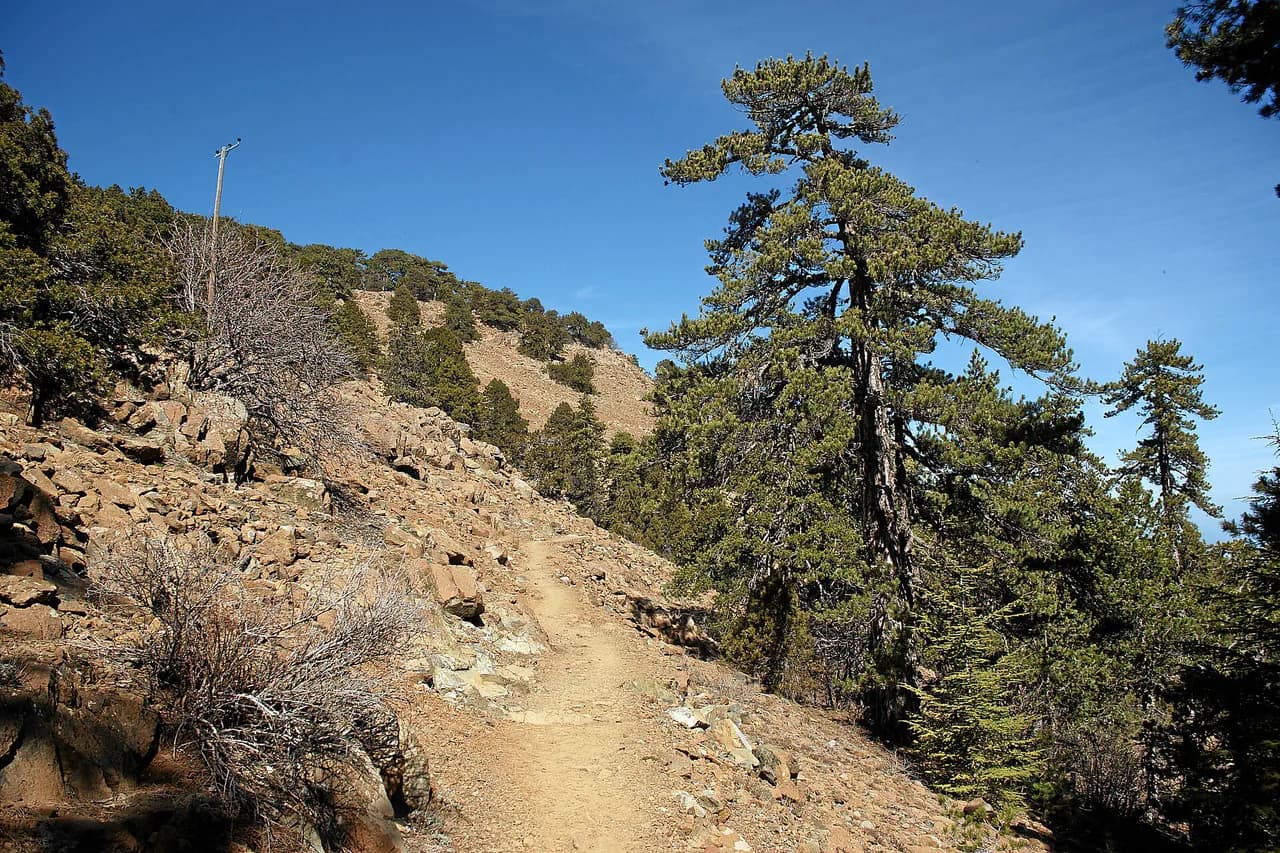
The Besparmak range, also called the Five Finger Mountains, runs along the northern coast and is the island's classic walking ground. Trails climb through forest and maquis to three Crusader castles: St. Hilarion, Buffavento and Kantara. Moderate routes here typically take three to six hours with 300 to 600 m (about 985 to 1,970 ft) of ascent, so a reasonable level of fitness is needed rather than technical skill.
The castle paths are the draw and the hazard in one. Surfaces vary from gentle forested slopes to rocky ascents, and the upper sections of castle trails are exposed to sun and wind, with old stone steps that stay slick after rain. Sturdy shoes with ankle support and an early start matter more here than mileage.
Spring brings the range alive: the island holds over 1,200 plant species, and hillsides above Kyrenia and Bellapais flower through the shoulder season while migrating birds pass through. Walking in April and May is as much about botany as views.
Karpaz Peninsula: longer, flatter coastal days
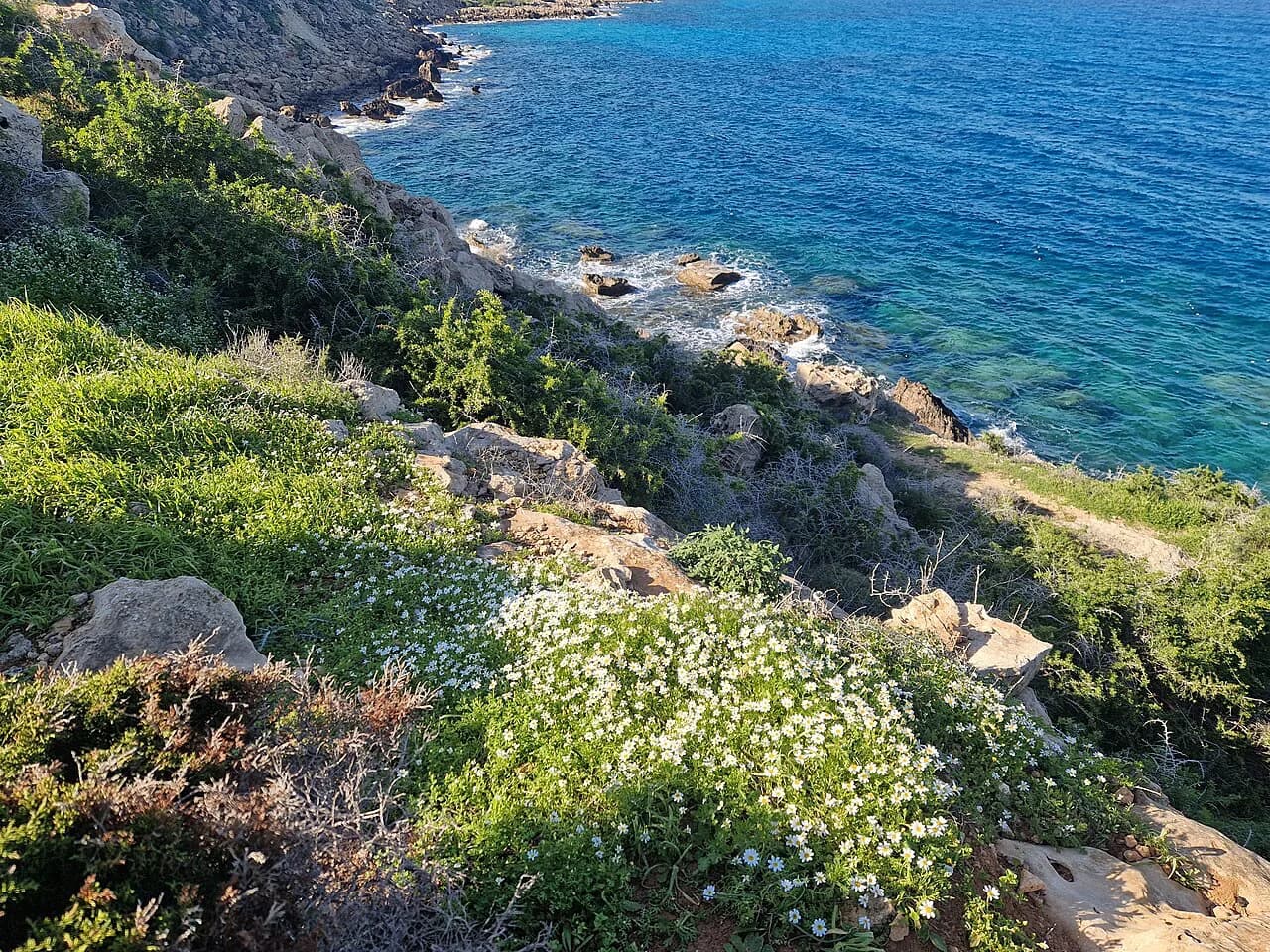
The Karpaz Peninsula, the long panhandle pointing northeast, offers wilder and quieter walking than the Besparmak range. Routes combine coastal paths with olive groves, ruins and villages, often reaching Golden Beach and continuing toward the Apostolos Andreas Monastery at the peninsula's tip. Days here are typically 10 to 15 km (6 to 9 miles) with modest elevation change, so distance rather than climb sets the effort.
Water and shade are the planning issues on the peninsula. Trails cross open ground where sources are sparse, so carry at least two liters per person per walking day and plan lunch stops at villages or beaches. Wild donkeys and birdlife are part of the appeal; keep distance and do not feed them.
Lowland and city walks: Nicosia, Famagusta and the citrus belt
Not every day needs a mountain. Guided programs often include urban walks of two to four hours covering a few kilometers through the walled city of Nicosia, with its Venetian walls and Ottoman mosques, or around Famagusta's walls, Othello Castle and the Lala Mustafa Pasha Mosque. These suit mixed-ability groups and rest days.
Inland towns such as Güzelyurt and Lefke anchor walks through citrus groves and Ottoman-era architecture. Cobblestones and ancient steps make sturdy shoes worthwhile even on short city routes, and the heat builds earlier in these lowland streets than on the ridge.
Fitness and grading: matching daily distance and ascent to your level
Read the grade, then read the numbers behind it. A leisurely-to-moderate week on easy paths with occasional demanding climbs is a realistic fit for hikers who walk regularly at home but do not train for mountains. If a day lists 600 m of ascent over rocky ground in warmth, treat it as a hill day and prepare accordingly.
Be honest about heat tolerance as well as fitness. A 12 km coastal day on the Karpaz in October feels easier than the same distance in June, and the shoulder-season temperature range of roughly 18 to 25°C is the band most walkers will enjoy. Above 30°C in summer, full-day walks become a grind.
If you want a benchmark before booking, test yourself on a local walk with 400 to 500 m of ascent and see how you feel the next day. Tours are graded for consecutive walking days, not single efforts, and blisters from day one can spoil the rest of the week.
A typical guided week: how days are structured
An eight-day northern Cyprus itinerary starts at a hotel about 3 km (1.9 miles) from Kyrenia and uses bus transport throughout. Days mix mountain trails above Bellapais and castle walks with visits to sites such as the 12th-century Crusader abbey, plus meze lunches and local halloumi.
Expect a rhythm of walk, transfer, site visit, dinner. Some departures vary the order, so if a specific castle is the reason for your trip, ask the tour company which departure reaches it before booking. Twelve included meals on the eight-day version (seven breakfasts, five lunches) tells you dinners are mostly your own choice.
When to walk: spring and autumn versus summer heat
Spring, roughly March to May, and autumn, September to November, are the prime walking windows on Cyprus. Temperatures in these months run from a comfortable 18°C to 25°C, wildflowers peak in spring, and the sea stays warm enough for a swim after an autumn walk.
Summer is for early coastal strolls, not full mountain days. From June to August temperatures often exceed 30°C, so shift walking to early morning, choose shaded forest tracks or city walks, and save the exposed castle climbs for cooler months. Winter is mild with occasional rain and can work well at lower altitudes and along the coast.
Book guided departures early for spring and autumn, when popular dates fill fastest. Shoulder-season weeks also align with the walking grades on offer, so the trip you want and the weather you want usually coincide.
What tour inclusions usually cover and what they do not
Inclusions on Cyprus walking tours generally cover accommodation with breakfast, road transfers to and from trailheads each day, guiding, and some lunches or evening meals. Small groups of roughly 6 to 12 are common, and some operators add a support vehicle for remote or hot days.
What is rarely included: international flights, most dinners, drinks, entrance fees at castles and archaeological sites, and personal gear. Check whether airport transfers are part of the package or an add-on, since the transfer from the airport to Kyrenia is a substantial drive.
When comparing quotes, line up the inclusions side by side rather than the headline cost, which varies with season, room type and board basis. Ask for the daily walking distances and ascent figures in writing; a well-run operator states them clearly.
Packing for a Cyprus walking holiday
Pack for sun and for stone. Broken-in boots with ankle support handle castle steps and rocky mountain paths, and a 20 to 30 liter daypack carries water, layers and lunch. A packable waterproof shell earns its place for wind and spring showers even when the forecast is dry.
Water capacity is the item most often underestimated. Two liters per person per walking day is the sensible minimum on exposed trails, along with high-factor sunscreen, a wide-brimmed hat and sunglasses. Add a swimsuit for coastal days and cash in local currency for village shops and cafes.
Huts, hotels and village stays: where walking holidays are based
There is no hut-to-hut culture on Cyprus in the alpine sense; walking holidays here are hotel-based. In the north, Kyrenia serves as the hub for Besparmak walks, with hotels ranging from simple resort properties to boutique stays. Packages typically use three- or four-star hotels or guesthouses with breakfast included.
For the Karpaz, bases are smaller and spread along the peninsula, which suits a moving-on itinerary rather than day trips from Kyrenia. If you want both regions in one week, plan at least one overnight in the peninsula to avoid long transfers.
Booking decisions: group size, pace, support vehicle and single rooms
Four choices shape your week. Group size: smaller groups move faster and feel more personal. Pace: read the grade and the daily distances. Support vehicle: useful in heat and on remote peninsula days. Single room: confirm the supplement before booking, since solo travelers are common on these trips.
Solo travelers fit guided weeks well because the group provides company and the single supplement is usually the only extra. Ask the tour company directly about solo availability and whether a roommate can be matched to avoid the supplement.
Plan Your Trip
Choose the format first: a guided base-camp week in the Besparmak range for easy logistics and company, a tailor-made trip for flexibility, or an independent stay if you are confident with maps and a rental car. Then pick the season, favoring spring or autumn for full walking days. If mild, flower-rich spring walking is what you are after, it is worth setting this decision against hiking in Malta before you commit.
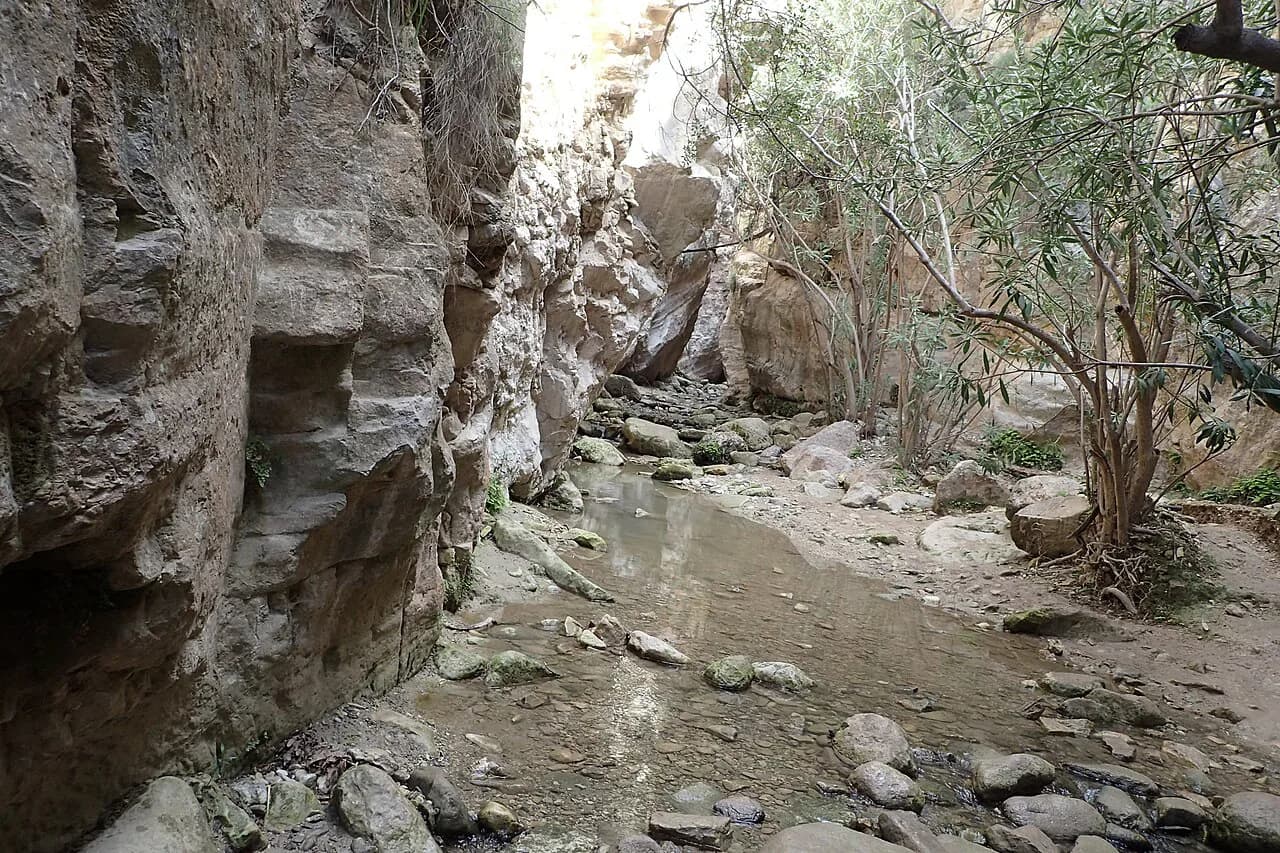
Once your dates are set, ask the tour company for daily distances and ascent figures and train on hills at home; check current dates and prices when you compare departures. For a wider look at routes across the island, the hiking in Cyprus guide covers the mountain and coastal trails that sit alongside these tours, including an Avakas Gorge Hike, Cyprus option for a shorter gorge day.
Frequently Asked Questions
Are Cyprus walking holidays guided or self-guided?
Both exist. Guided group weeks are the most common format in the north, with a leader, fixed itinerary and daily trailhead transfers. Tailor-made and self-guided options arrange accommodation and some transport while leaving navigation and pace to you. Independent travelers can also base themselves in Kyrenia or on the Karpaz Peninsula and walk without a package.
What fitness level do I need for a walking holiday in Cyprus?
Most northern Cyprus tours are graded leisurely to moderate, meaning mostly easy paths with occasional more demanding climbs and descents. Moderate mountain days can involve 300 to 600 m of ascent over three to six hours. If you can walk consecutive days of four to five hours with some climbing at home, you are in the right range; be honest about heat tolerance too.
How far do you walk each day on a Cyprus walking tour?
It depends on the region. Moderate Besparmak mountain days typically run three to six hours with 300 to 600 m of ascent. Karpaz Peninsula days are flatter but longer, often 10 to 15 km. City walks in Nicosia or Famagusta are shorter, usually two to four hours. Daily figures vary by departure, so check current details for your specific week.
When is the best time of year for a walking holiday in Cyprus?
Spring, from March to May, and autumn, from September to November, offer the most comfortable walking. Temperatures in these months usually sit between roughly 18°C and 25°C, wildflowers peak in spring, and autumn seas stay warm for swimming. Summer from June to August often exceeds 30°C, which limits full-day walking to early mornings.
Is a walking holiday in North Cyprus different from the south?
The northern range, the Besparmak Mountains, offers castle trails above Kyrenia and Bellapais plus the wild Karpaz Peninsula, and most guided walking packages focus there. The south has its own mountain and coastal trails, but the tour formats, bases and itineraries differ. Pick the region first, then the format.
Do walking holidays in Cyprus suit solo travelers?
Yes. Guided group weeks work well for solo hikers because the group provides company and logistics are handled. Group sizes on northern Cyprus tours are commonly small, so you are not lost in a crowd. Check the single-room supplement and whether a roommate can be matched before you book.
Sources
Trail notes for your next trip
Optional updates when we add or revise hiking guides.
You might also like
Continue reading
More guides you'll find useful