Lake Garda Via Ferrata: Pick Your Route by Difficulty
Choose a Lake Garda via ferrata by difficulty: beginner lines at Colodri, Rio Sallagoni and Drena, versus exposed routes like Cima Capi and Che Guevara.
On this page
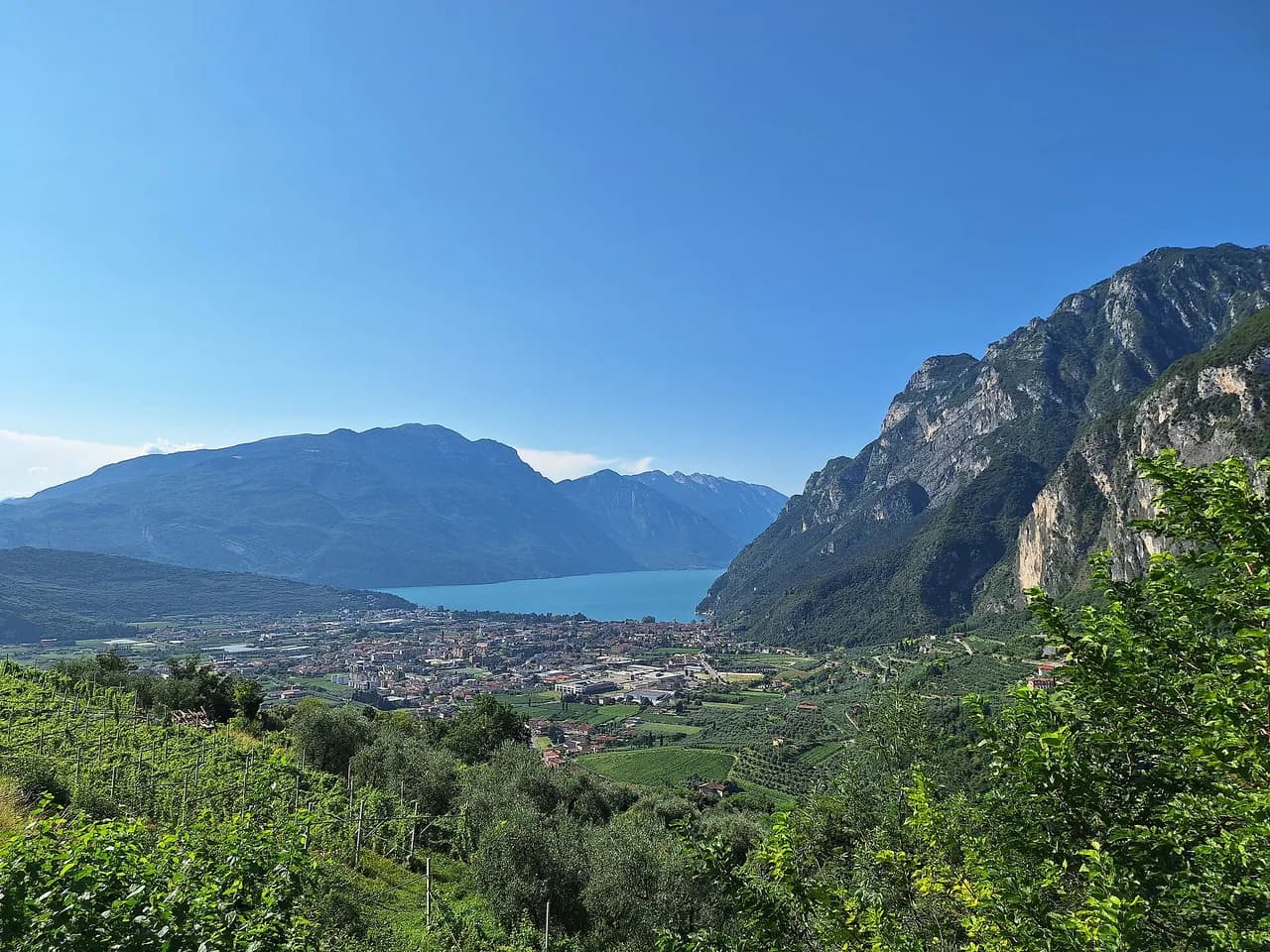
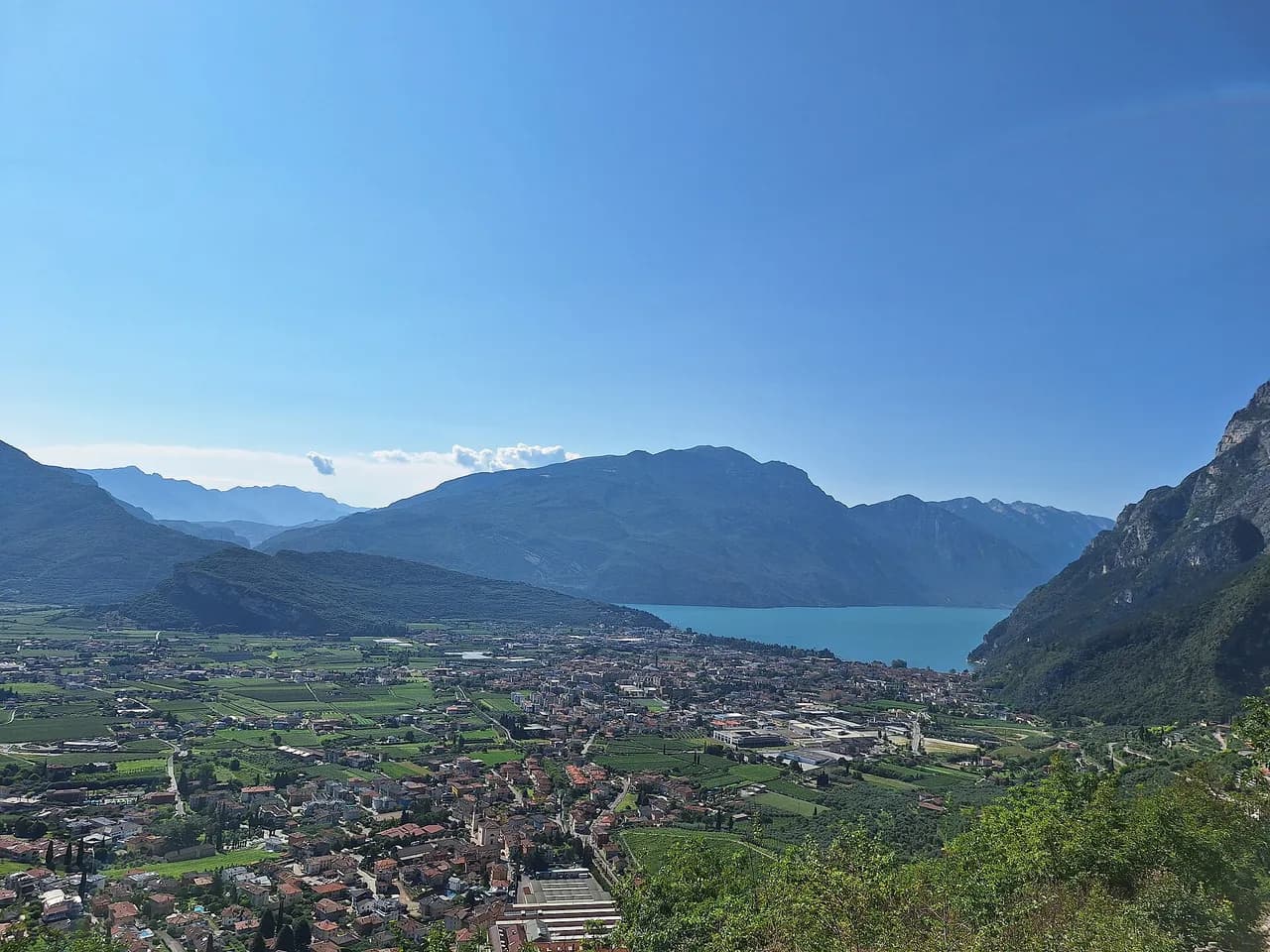
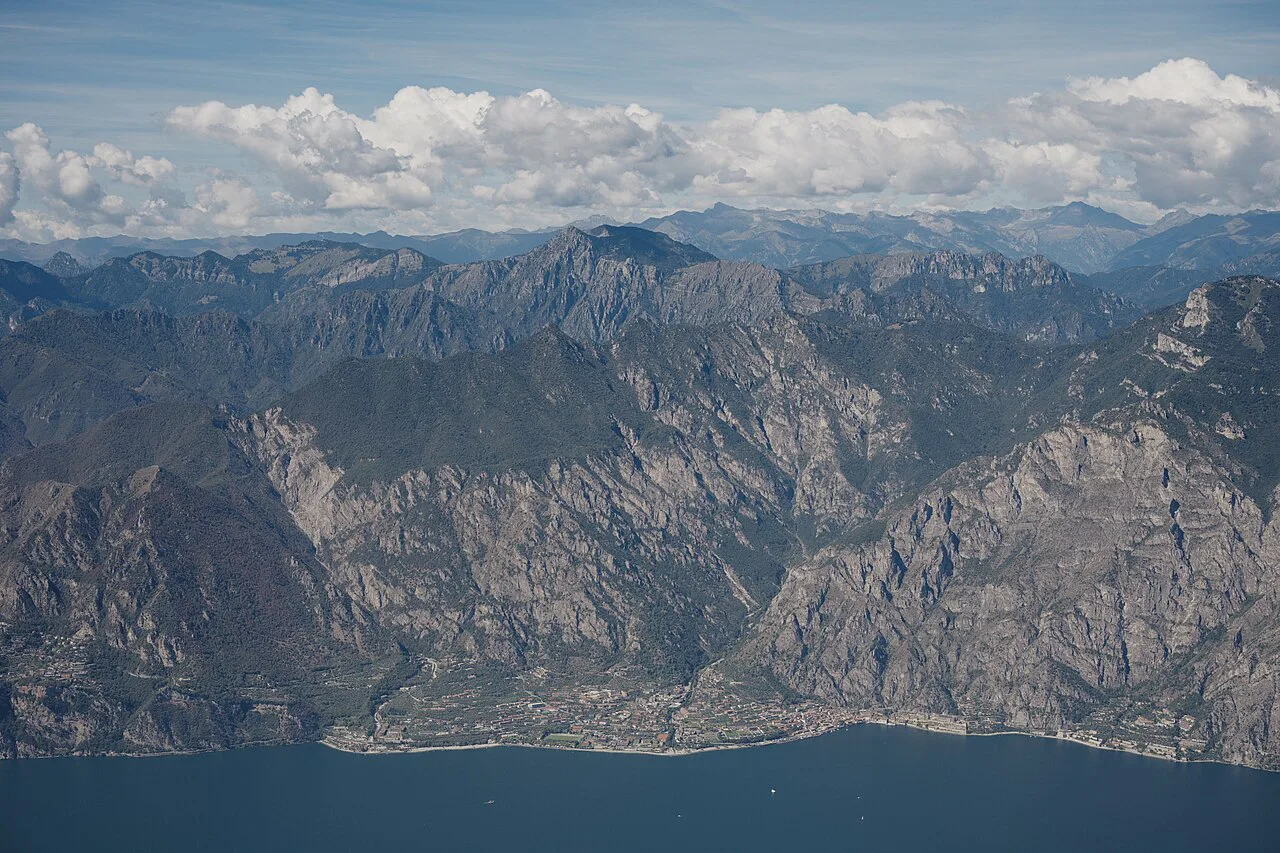
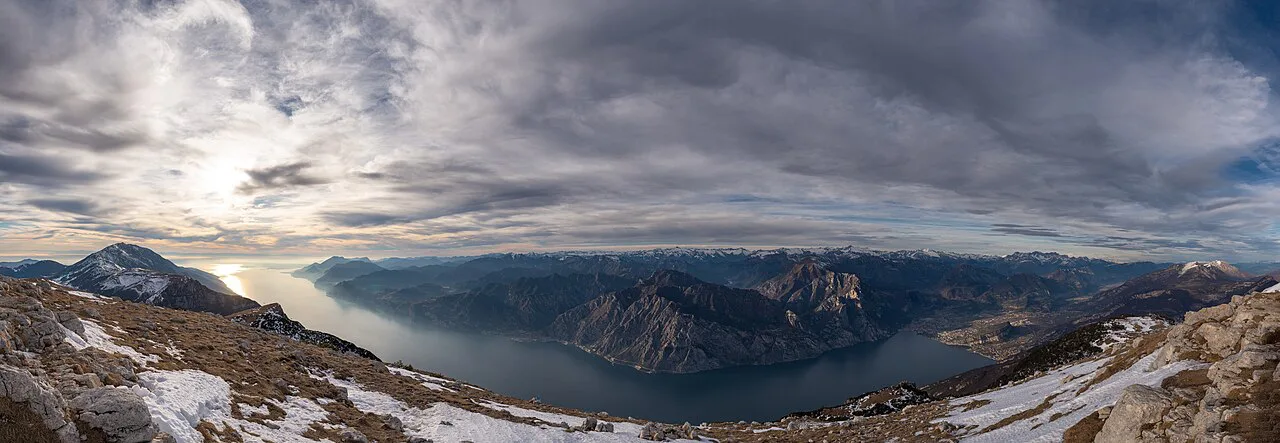
The cliffs above Lake Garda drop straight into water on one side and rise into the Sarca valley on the other, and a network of cabled routes threads through both. For a hiker who has never clipped into a steel cable, this is one of the gentlest places in the Alps to try it: short equipped lines sit minutes from Arco and Drena, while long exposed traverses wait above the lake for anyone who wants more.
The routes split cleanly by ambition. Short, confidence-building lines around Arco and Drena give you your first taste of a via ferrata set and a Tibetan-style bridge, while the Cima Capi wall and the Sentiero dei Contrabbandieri demand real exposure and a full day. Choosing well means matching the route to your head for heights, not just your legs.
Why Lake Garda Suits a First Via Ferrata
Mountime, an Arco-based guide service, calls the Garda area the perfect place to approach the activity, and the layout explains why. The equipped routes around Arco and the Sarca valley sit low, close to the villages, and start short: the Colodri line in Arco and Rio Sallagoni in Drena are both brief and let beginners get comfortable with the environment and the equipment. That short format matters, because your first time on a cable is about learning to move, not about endurance.
If you are building a wider trip, the hiking in lake garda guide covers the walked paths and summit trails that complement a day on the cables. Ferrata days and trail days use different muscles and different footwear, so mixing them across a week keeps you fresher.
How Via Ferratas Work Here
An iron path sits halfway between trekking and climbing: on steep, exposed ground your safety comes from a system of cables anchored to the rock, and you attach to them with dedicated gear. The standard setup is a ferrata set, which combines a harness with lanyards and carabiners that clip onto the cable and absorb a fall. You also wear a helmet.
The movement is simple to learn and hard to rush: you climb with your hands on rock or rungs, clip and unclip one carabiner at a time, and keep three points of contact where the ground is steep. Many of Garda's lines carry First World War history, following what were front-line positions, which adds a layer of interest to the climbing.
Beginner Routes: Colodri and Rio Sallagoni
These two lines are the entry point for most first-timers. Colodri rises above Arco and is short, which makes it a good place to practice clipping and to test whether the exposure bothers you. Rio Sallagoni, at Drena, is also short and beginner-appropriate, and takes in a slot-like setting with a Tibetan-style bridge on the guided version.
A half-day Colodri via ferrata with a guide starts at seventy-five euros, while the Rio Sallagoni lines are pitched as easy to middle difficulty and run as short outings. Treat any figure quoted to you as Mountime's starting rate and confirm the final cost when you book, since pricing changes.
For a guided Rio Sallagoni outing, One operator lists it as middle to easy, lasting roughly two and a half to three hours, while another gives the Mountime listing from ninety euros. That half-day format suits travelers with an afternoon free or families easing into the sport, and it leaves the rest of the day for the lake.
Rio Sallagoni from Castel Drena
The Castel Drena approach pairs a short ferrata with a castle visit, which is why it works well as a first outing with children or nervous beginners. A guide service quotes a half-day Castel Drena route beginning at seventy-five euros per person, and the combination keeps the vertical section short.
Drena sits in the lower Sarca valley, a short drive or bus ride north of Arco, and makes a quiet base for anyone who wants the crag and the castle within walking distance. If you plan to stay there, the Riva del Garda base works for the same approaches.
Cima Capi and the Sentiero dei Contrabbandieri
This is the classic lake-wall outing. The Sentiero dei Contrabbandieri, or smugglers' path, traverses high above the water with long views over Lake Garda and the Sarca valley, and Mountime lists a half-day Smugglers Path outing starting at ninety euros and a half-day Cima Capi route at the same starting level.
Another operator runs the Cima Capi via ferrata as a four-and-a-half to five-and-a-half hour day, classed as middle to easy. That longer duration reflects the traverse rather than technical difficulty: you spend hours on exposed ground with a big drop beneath you, so steady footing and a clear head matter more than arm strength.
Commercial listings confirm Cima Capi's reputation as one of the most scenic and popular equipped routes in the upper lake region, running along sheer cliffs above the water. Book it for a dry, settled day: wind and rain on a wall this exposed turn a straightforward traverse into hard work.
Longer and Harder Lines
Once the entry routes feel routine, the options step up. Experienced hikers can try the Che Guevara route on Monte Casale, the Via Ferrata dell'Amicizia at Cima Capi for a more demanding line than the traverse, or the difficult Monte Albano ferrata at Mori and Pisetta at Piccolo Dain. Guides start their Che Guevara day at about one hundred and forty-five euros and their Pisetta day at around one hundred and thirty.
The Pisetta line on Piccolo Dain is a full day, while Monte Albano at Mori is offered as a half day and described as difficult. The Rio Ruzza route at Ballino is described as new, fascinating and challenging, with guide rates starting near one hundred and ten euros. None of these suit a first-timer.
On any of these, afternoon storms are the real hazard: the rock gets slick, the cables conduct, and retreat is slow. Start early, watch the sky over the ridge, and be willing to turn around before the summit. If you want a taste of ferrata without committing to a full day, the shorter Arco lines are the sensible rehearsal.
Family-Friendly Guided Options
Families have a strong card here. A Trentino-registered UIAGM guide runs family ferrata days around Lake Garda and Drena, and the route is picked to match the age and fitness of the whole group rather than a fixed itinerary. The day lasts three to six hours and is classed as easy.
That family day includes full equipment, meaning helmet, harness and ferrata kit, along with the guide's time, and it is offered daily on request in English or Italian. Rates are listed from sixty euros per person. For a child's first vertical day, having the kit supplied removes one layer of planning and one layer of cost.
Guided Versus Self-Guided
Self-guided means you own or rent the kit, read the route, and manage your own ropework. Guides add route choice, a rope on the harder passages, and local knowledge of conditions; Mountime, for instance, runs a dedicated course spread over one half day and two full days for people who want to learn to lead themselves. Their family ferrata half day starts at forty-nine euros, with route rates running upward.
A course is the right buy if you plan several ferrata days in the Alps; a one-off guided day is the right buy if you simply want to try the sport safely on holiday. Weigh the cost of the guided day against buying your own ferrata set and helmet, which you then need to carry and maintain.
When to Go
Guided operators run these routes daily on request, which tells you the season is long enough to plan a summer or shoulder-season trip around the lake. The real constraint is the day itself: the lake walls face the water and catch sun, so mornings are cooler and the rock dries fastest then.
Snow lingers on shaded upper ground into spring and returns early in autumn, and rain makes the cables and rock slippery. The practical response is to keep a guided booking flexible and to hold a walking day in reserve for the bad-weather slot, which is where the lakeside paths earn their keep.
Where to Base Yourself
Arco is the natural base: it sits beside the Sarca valley, hosts the guide services, and is minutes from Colodri and the drive to Drena and Cima Capi. Riva del Garda and Torbole at the north end of the lake give you the same approaches with more accommodation and lake access, while Drena suits anyone who wants the Castel Drena route on the doorstep.
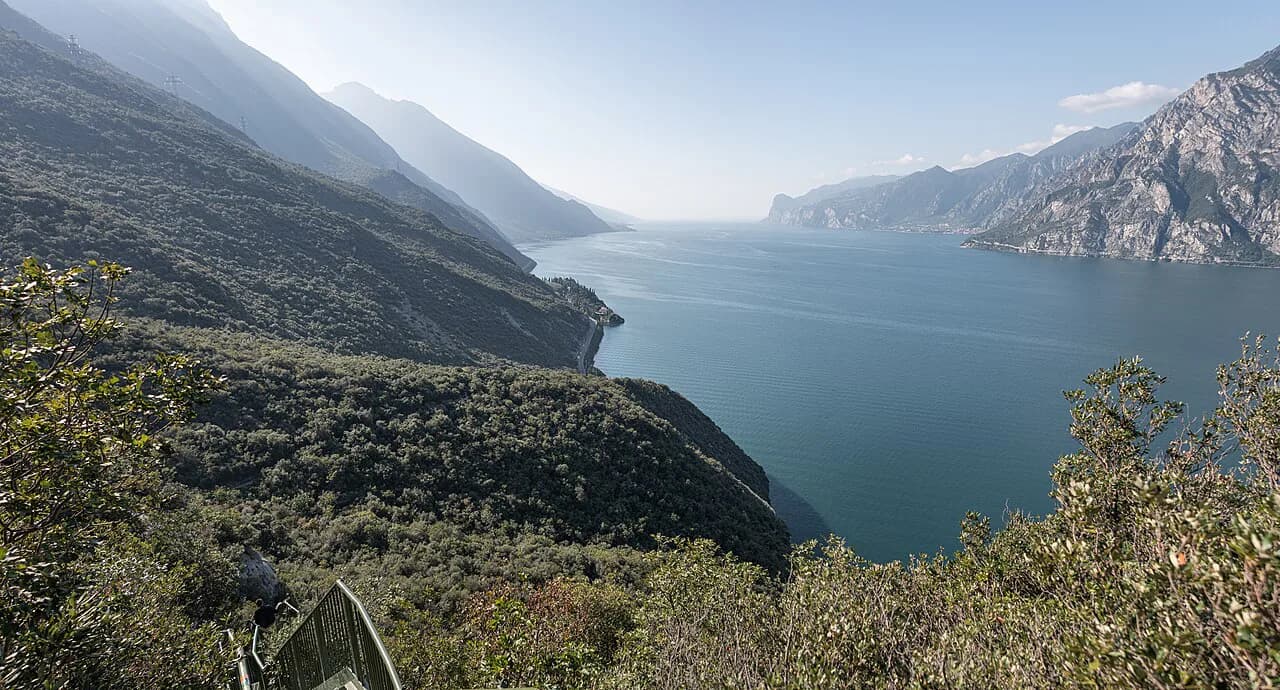
If you want a leg-stretcher between ferrata days, the Busatte–Tempesta Trail: A Cliffside Walk Above Lake Garda follows the eastern shore on stairways and ladders without any cable, and the Ponale Trail gives a straightforward climb out of Riva. Both are good recovery days.
Practical Kit and Skills Checklist
You need a harness, a commercial ferrata set with energy-absorbing lanyards, a helmet, and shoes with a stiff sole and decent edge. Gloves save your hands on long cable sections. Guided packages here supply helmet, harness and ferrata kit, so a first-timer can travel light and buy gear after deciding the sport is for them.
Practice clipping and unclipping on the ground before you start, always keep one carabiner attached at anchor points, and never pass both lanyards around the same cable section without a safe order. Carry water, a shell and a headlamp; the longer routes finish later than planned more often than you would like.
Beyond the Lake
The Garda ferrata are a training ground for bigger things. Guides based at Arco run day trips to the Brenta Dolomites and the wider Dolomites, including multi-day routes with overnights in mountain huts, so you can graduate from a half-day lake traverse to a full alpine outing. Mountime lists a Brenta crossing over three or five days from two hundred and thirty euros.
If the Dolomites are next, the dolomites via ferrata guide covers the grades, the access and the hut logistics you need to plan that step properly. Treat the lake as your classroom and the Dolomites as the exam.
Plan Your Visit
Pick your route by nerve and time, not by name recognition. Colodri and Rio Sallagoni give a genuine first taste and can be done as a half day, while Cima Capi and the smugglers' path reward a full day on the wall, and Che Guevara, Monte Albano and Pisetta reward fitness and head for heights.
Book guided time early if you want equipment included, choose a base in Arco, Riva del Garda or Drena, and reserve a lakeside walk for the day the weather turns. Confirm the current start time and final route cost when you reserve.
Frequently Asked Questions
What is the easiest via ferrata at Lake Garda?
The short lines at Arco and Drena are the standard first choices. Colodri above Arco and Rio Sallagoni at Drena are both brief, and guides describe them as good places to get comfortable with the equipment and the terrain. The Castel Drena approach pairs easily with a castle visit.
Do you need a guide for a via ferrata at Lake Garda?
No, but a guide makes sense for a first day or with children. Guided packages supply a harness, helmet and ferrata set and choose the route to fit your group, and a guide service also runs a course for hikers who want to lead themselves later.
How difficult is the Cima Capi via ferrata?
It is classed as middle to easy technically, but it is a long, exposed traverse along the cliff. Guides give the day as four and a half to five and a half hours, so steady footing and a calm head matter more than climbing strength.
What gear do you need for a via ferrata at Lake Garda?
A climbing harness, a commercial ferrata set with energy-absorbing lanyards, a helmet, and stiff-soled shoes. Gloves help on the cable. Guided packages include the helmet, harness and kit, so you can try the sport before buying your own.
How long does a via ferrata at Lake Garda take?
It varies widely by route. Short lines such as Rio Sallagoni and Colodri run a half day, the family session is given as three to six hours, and the Cima Capi traverse takes four and a half to five and a half hours.
When is the best time to do a via ferrata at Lake Garda?
Aim for a dry, settled day and start in the morning before storms build over the ridges. Guided days run on request, so you can keep your booking flexible and swap in a lakeside walk if the weather turns.
Sources
Trail notes for your next trip
Optional updates when we add or revise hiking guides.
You might also like
Continue reading
More guides you'll find useful