Pico do Arieiro Sunrise Hike, Madeira: Trail Guide
Plan the Pico do Arieiro sunrise hike in Madeira: summit parking, the exposed PR1 ridge to Pico Ruivo, distance, ascent, time and what to wear before dawn.
On this page
Few short walks deliver as much as the Pico do Arieiro sunrise hike, where you climb out of the dark onto a knife-edge ridge above Madeira's central massif and watch the sky open over a sea of cloud. The summit sits at 1,818 m (5,965 ft), the third-highest point on the island, and the first light often reveals peaks poking through an inversion layer. It suits hikers who can handle stairs, narrow ledges and a start long before dawn, not just sightseers looking for a viewpoint.
The summit of Pico do Arieiro and what it gives you
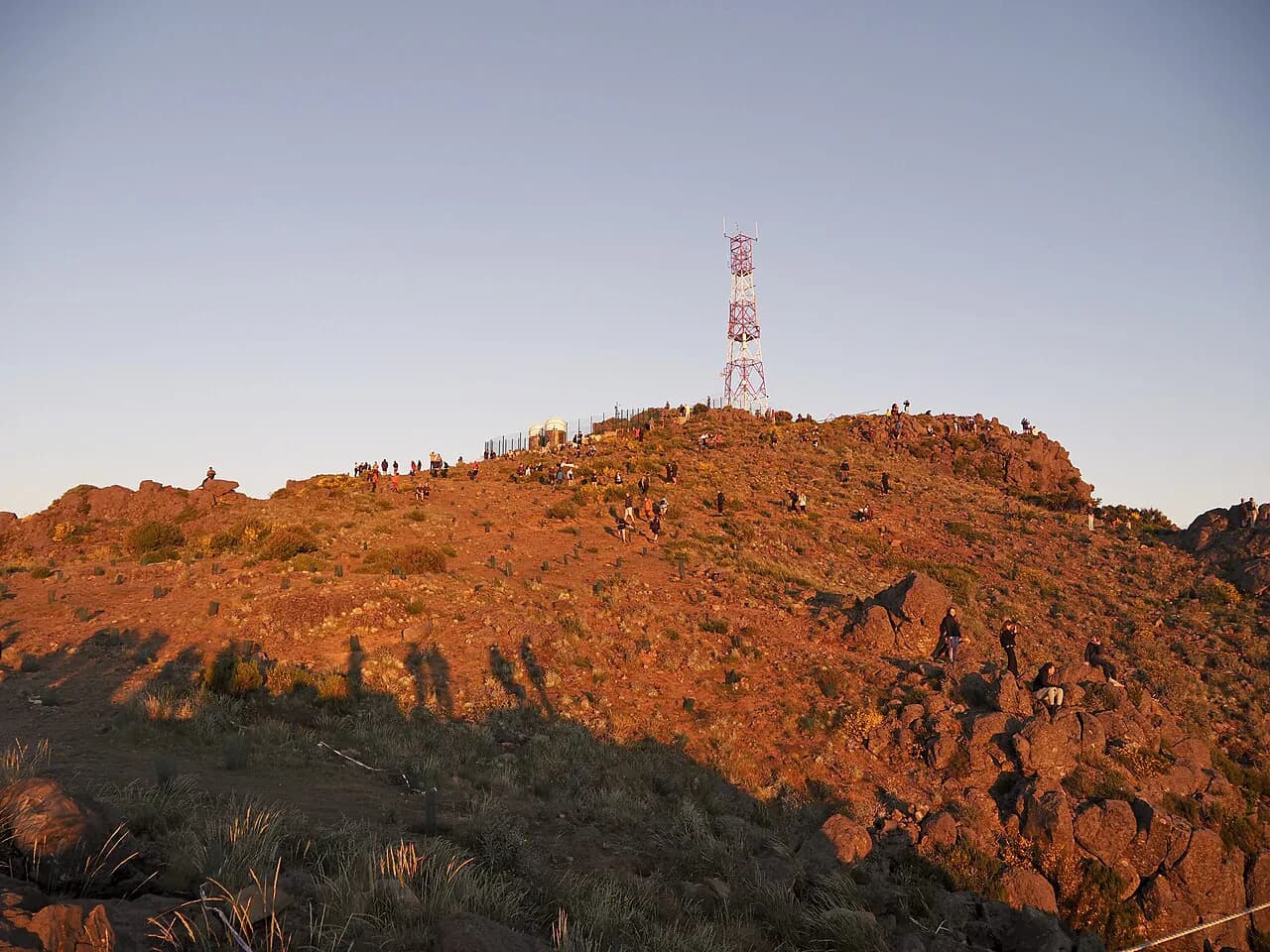
Pico do Arieiro is the third-highest summit on Madeira, and it is the western gateway to the famous ridge route toward Pico Ruivo. You do not have to walk far to get a reward: the signed PR1 starts right at the top, and the observation decks next to the car park already look down on the steep valleys either side. The path between the two viewpoints is roughly one kilometre, described by one visitor as among the most beautiful stretches on the island, and it works as a short sampler if the full ridge is beyond your plans today.
The initial section drops off the summit on large steps and ledges, then travels along a narrow ridge with drop-offs on both sides. It is scenic from the first metre, which is exactly why so many people stop almost immediately and never see the best of the morning. If you have the legs and a headlamp, keep moving for the first stretch and the crowds thin out.
Trailhead and parking: upper and lower car parks
The paved road from Funchal climbs almost to the summit, and a free car park sits at the top beside the trailhead. That upper lot fills quickly for sunrise, so arriving well before first light is the difference between a short walk to the ridge and a much longer one from the lower car park below. One driver reports about 25 minutes from Funchal once clear of the city, but the winding road in darkness demands slower speeds, so build in extra time.
If you park in the lower lot, the extra walking adds meaningful time before sunrise, and you will cover that ground twice if you return to the car. Decide before you leave your accommodation whether you are aiming for the summit decks or a spot further along the ridge; the answer determines how early you need to set the alarm.
Distance, ascent and time
The ridge path from the Pico do Arieiro trailhead toward Pico Ruivo is commonly done as an out-and-back, which one hiker reports takes about 3.5 hours in total along a 2.4-mile (about 4 km) route with roughly 1,500 feet (about 460 m) of elevation gain. That figure assumes steady progress and reasonable weather, so treat it as a minimum rather than a comfortable target if you plan to linger for sunrise.
The alternative is a point-to-point walk: start at Pico do Arieiro, cross the ridge, and finish at Achada do Teixeira, where you need a taxi or a pre-arranged lift back. That option removes the return climb but turns the day into a transport problem, so book the pickup before you set off and carry the driver's number.
Route description from summit to Pico Ruivo
From the signed PR1 at Pico do Arieiro, the path descends onto the ridgeline through large steps and ledges, then traces a narrow crest between two steep valleys. The route passes Pico das Torres at 1,851 m before climbing to Pico Ruivo at 1,862 m, which is the highest point on Madeira. Expect stairs, chain-protected sections and a few short tunnels; bring a light for the tunnels even after sunrise, since they are dark and the footing inside is uneven.
After the tunnels the gradient stiffens and the last climb to the Pico Ruivo summit is the steepest sustained effort of the day. On the return, you re-cross the same ridge, so any section that felt exposed in the dark will feel different in daylight.
Where to watch sunrise on the trail
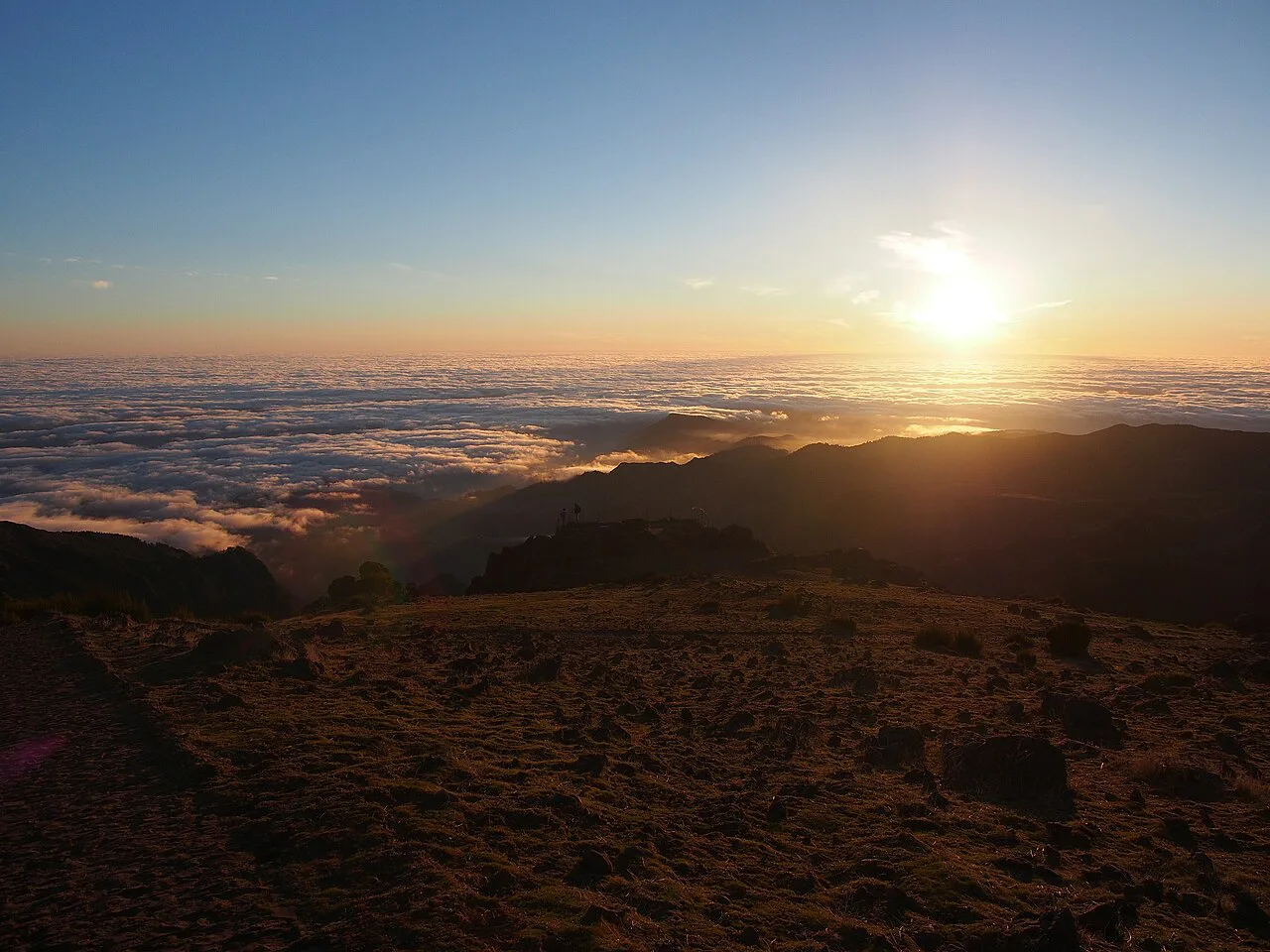
The summit decks fill with people before dawn, and standing shoulder to shoulder at the railing is not the only option. Walking roughly 20 minutes along the ridge before stopping gives you a quieter perch, a wider view of the inversion layer and a head start on the return. Look behind you as well as east; the light catching the neighbouring peaks is often the more memorable half of the show.
Timing your arrival before first light
Aim to be at the summit about an hour before sunrise, which allows for parking and a walk out along the ridge before the sky brightens. If you arrive as the horizon starts to glow, you will be rushing the dark staircase sections with a phone torch, and the ridge is not the place for that. A headlamp with a spare battery is the single most useful item you will carry on this hike.
Exposure, vertigo and weather on the ridge
This is a genuinely exposed mountain path: narrow passages, staircases with air on both sides and safety cables on many of the worst spots. If you suffer from severe vertigo, the ridge is a poor first outing, and the one-kilometre stroll between the observation decks at the summit is a far better way to see the same landscape. Low cloud and fog reduce visibility and make the drop-offs harder to read, so be willing to turn around if the weather closes in.
What to wear and carry before dawn
It is cold and windy at 1,818 m before dawn even when Funchal is mild, so bring a warm mid-layer, a windproof shell and gloves, and add a hat for the wait at the viewpoint. Carry at least one litre of water, snacks, grippy shoes with real soles, sunglasses, sunscreen and a phone with a headlamp plus spare battery and a power bank. A small first-aid kit rounds out the pack for a route where help is far away.
Getting there without a car
With no car, the reliable early-morning options are a taxi or a guided sunrise hike with hotel transfers; the guided format removes the parking problem and the navigation in the dark. One operator allows five hours to complete the ridge walk, which is generous for slow hikers and includes the transfers. Public buses do not run at the hour you need for a sunrise start, so do not build a plan around them.
Finishing at Achada do Teixeira
Achada do Teixeira is the eastern trailhead for the Pico Ruivo approach and the obvious finish for a one-way crossing. Arrange a taxi or a lift from there in advance, because the trailhead sits high on a mountain road with no town within walking distance. If your plans change mid-hike, the out-and-back from Pico do Arieiro removes the transport risk entirely.
When to go: best months and inversion mornings
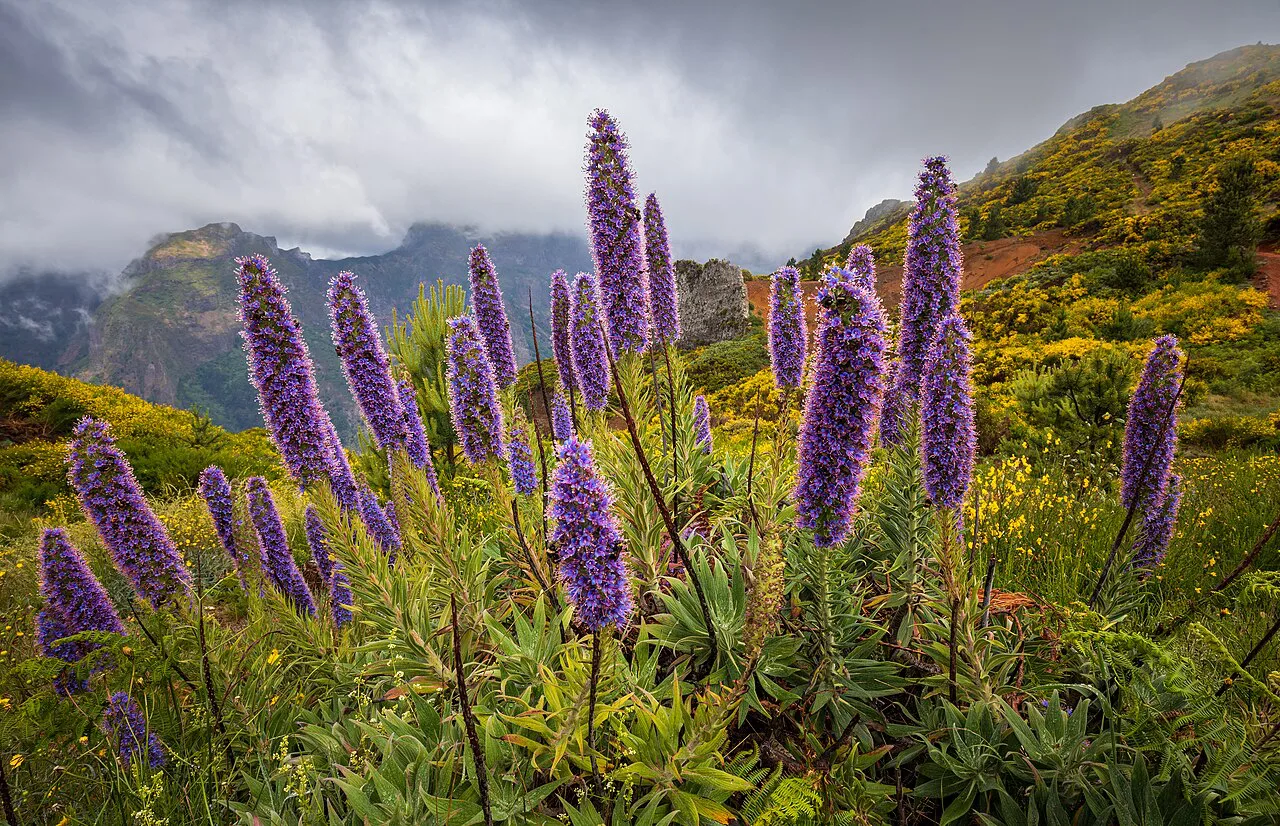
Madeira's high ridge is walkable year-round, but late spring through early autumn gives the most reliable windows of clear, calm weather for a sunrise. Cloud inversions are more common in the cooler months, when the valleys fill and the peaks stand clear above them. Winter mornings at this altitude are cold and can bring ice or snow on the path, so check conditions before committing to a pre-dawn start. If you enjoy matching a season to an island's trails, the same decision shapes hiking in Tenerife.
Where to stay for an early start
Funchal is the practical base for most visitors, with the widest choice of accommodation and the shortest sensible drive to the trailhead. Mountain villages such as Santana put you closer to the eastern trailhead at Achada do Teixeira if you plan a one-way walk. Wherever you stay, the drive up in darkness is the part to plan carefully, especially if motion sickness is an issue on the winding road.
Huts, water and facilities near the route
There is no mountain hut on the Pico do Arieiro ridge, so this is a day hike rather than a multi-day trip. Carry all your water and food from the start, and treat the facilities at the summit as the last reliable stop before the exposed section. If you want a gentler Madeira day between bigger outings, the island's levada walks trade high ridges for sheltered paths beside irrigation channels.
Plan Your Sunrise on the Ridge
The Pico do Arieiro sunrise hike rewards an early alarm with the best single view in Madeira: the ridge line lit from below and a cloud sea filling the valleys. Choose the out-and-back if you want a car at both ends, or the one-way crossing to Achada do Teixeira if you would rather see the full route and can arrange a pickup. Either way, pack a headlamp, leave early enough to park, and walk 20 minutes beyond the summit decks.
If you are still choosing where to walk on the island, the wider guide to Pico do Arieiro and Madeira's other trails helps you match a day to your fitness and the season.
Frequently Asked Questions
Is Pico do Arieiro better for sunrise or sunset?
Sunrise is the signature experience: the parking fills before first light and the ridge is at its most dramatic with the sun coming up over a cloud inversion. Sunset brings long shadows and fewer people but darkness on the stairs and tunnels for the descent, which is a poor trade for most hikers. If you do go at sunset, carry a headlamp and start down before the last light.
Is the Pico do Arieiro hike hard?
The ridge route is difficult for a casual walker. It is short in distance, around 2.4 miles (about 4 km) each way toward Pico Ruivo, but the ascent is roughly 1,500 feet (about 460 m), the path is a chain of stairs and narrow ledges, and there is real exposure with drop-offs on both sides. Confident hikers with headlamps and grippy shoes will enjoy it; severe vertigo is a reason to stay on the summit viewpoints.
How early should I arrive for sunrise?
Aim to be at Pico do Arieiro about an hour before sunrise. That covers parking in the upper lot before it fills and a walk out along the ridge before the sky brightens. If you park in the lower lot, add more time for walking back up.
How long does it take to walk from Pico do Arieiro to Pico Ruivo?
The out-and-back along the ridge takes about 3.5 hours in total, with the one-way distance around 2.4 miles (about 4 km) and about 1,500 feet (about 460 m) of ascent. Slow hikers and anyone stopping for sunrise should plan longer, and a guided transfer product allows five hours for the ridge walk.
Can you drive to Pico do Arieiro for sunrise?
Yes; a paved road climbs from Funchal to a free car park at the summit, which takes about 25 minutes once clear of the city. The upper lot fills fast in the pre-dawn hour, so leave your accommodation with a buffer. The winding road is easy to underestimate in the dark.
Do you need a headlamp for the trail?
Yes, for any pre-dawn start. The stairs and narrow ledge sections come up almost immediately from the trailhead, and the short tunnels on the route are dark with uneven footing even after daylight. A headlamp with a spare battery is far better than a phone torch and keeps your hands free on the cables.
What should I wear for a sunrise start?
Dress for a cold, windy summit: a warm mid-layer, a windproof shell, gloves and a hat, even when Funchal is mild. Grippy hiking shoes matter more than boots for the staircase sections, and you should carry at least one litre of water, snacks, sunscreen and a phone with an offline map.
How can I hike to Pico Ruivo if I cannot walk the whole ridge?
The easiest approach to Pico Ruivo is from the Achada do Teixeira trailhead, which avoids the exposed ridge and the staircase sections. Many hikers also treat the one-kilometre path between the two observation decks at Pico do Arieiro as a short ridge taster. Arrange any one-way transport in advance, as the trailheads are on remote mountain roads.
Sources
Trail notes for your next trip
Optional updates when we add or revise hiking guides.
You might also like
Continue reading
More guides you'll find useful