Madeira Walking Holidays: Guided vs Self-Guided Trips
Compare guided and self-guided Madeira walking holidays by daily hours on foot, terrain, base towns and season, and find the format that fits your fitness.
On this page
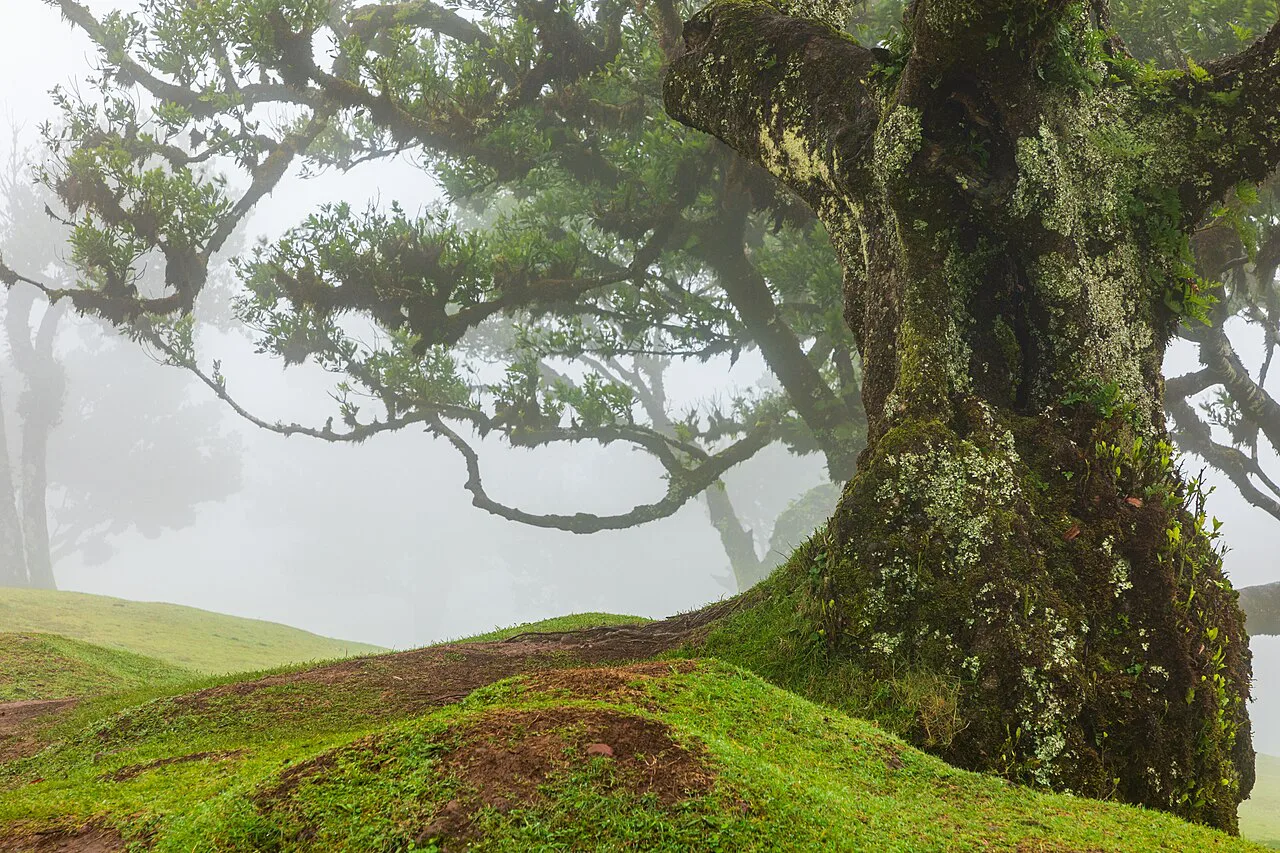
Madeira gives you three distinctly different kinds of walking within a short island: near-flat levada channels cut into forested slopes, a rocky ridge linking the island's highest peaks, and dry cliff paths above the Atlantic. That variety is why a week here can feel like several trips, and why the format you book matters as much as the trails you pick.
The main choice is between a guided group week, where a leader handles logistics and daily transport, and a self-guided itinerary, where the company books beds and moves your luggage while you walk on your own schedule. Each suits a different kind of hiker, so it is worth matching the format to how you like to spend a day before you compare routes. The same guided-versus-self-guided decision applies to azores walking holidays across the Atlantic islands, so it is worth reading both before you commit.
What the island offers walkers
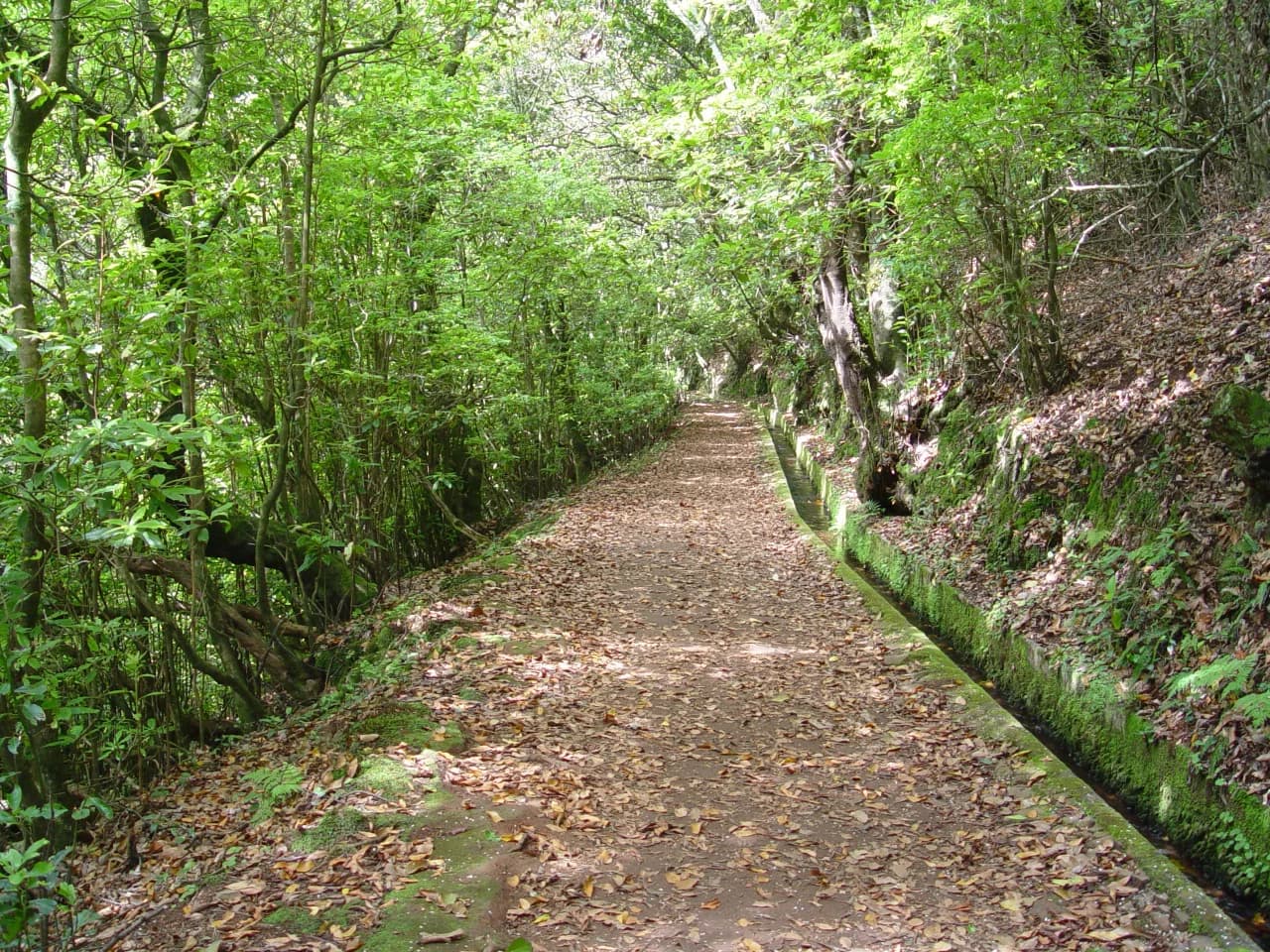
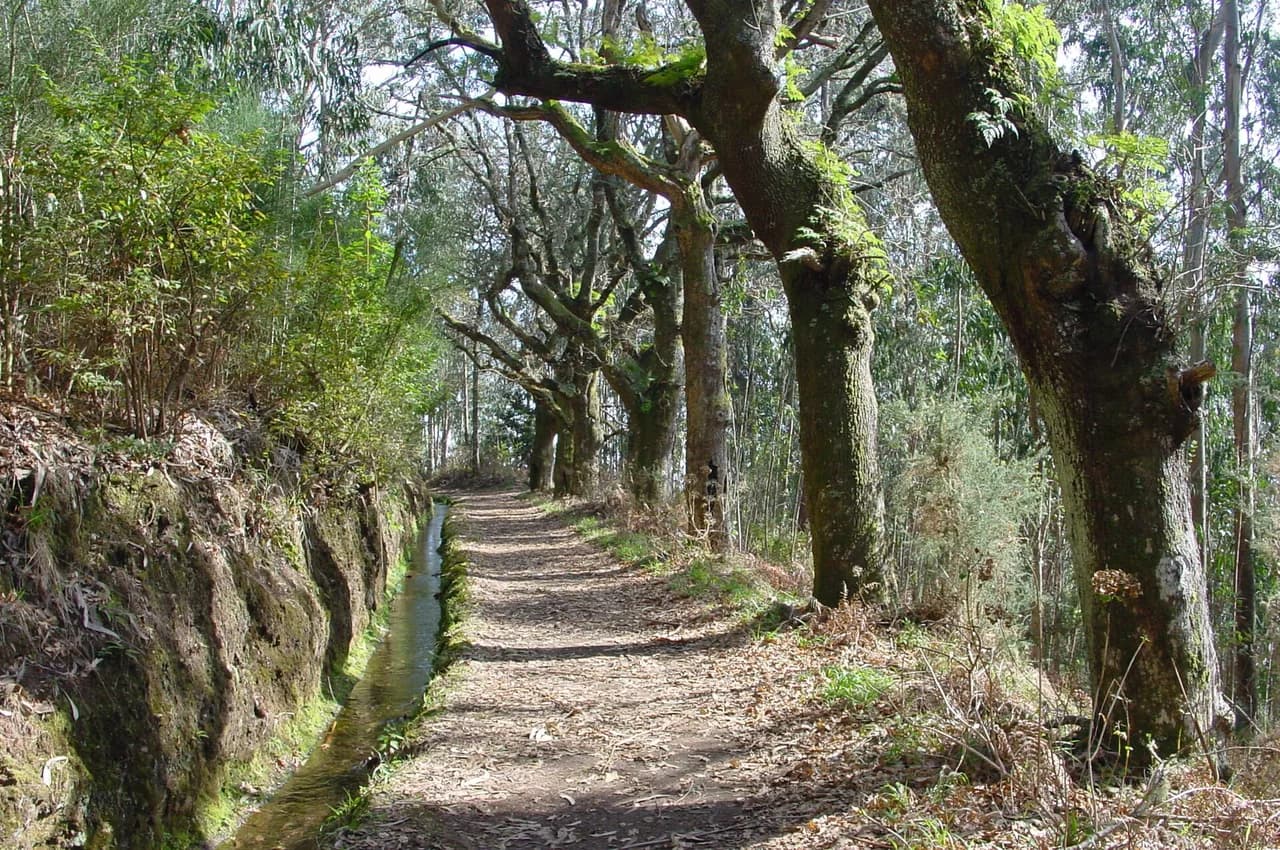
The levadas are Madeira's signature walking, a network of irrigation channels that carries water across the island's wet interior, with maintenance paths running alongside. Macs Adventure counts over 200 levadas covering more than 1,350 miles (about 2,170 km), and many reach ground that would otherwise be hard to see on foot. Because the channels hold a gentle gradient, these paths stay far flatter than the surrounding mountains.
Above the forest, the island's high ground is a different proposition. The ridge that links Pico do Areeiro and Pico Ruivo, Madeira's two highest peaks, is the classic balcony route, and Explore Worldwide describes it as rewarding hikers with dramatic, cloud-level views. Below the peaks, cliffs drop straight into the Atlantic, giving the coastal walks their character. For an overview of how these areas fit together, the hiking in madeira guide covers the main zones before you pick a trip.
Guided group trips: what a week covers
A guided week typically follows a fixed itinerary with a leader, minibus transfers and a moderate grading, and Explore Worldwide runs its walking tour at a maximum group size of 16 with an average of 11. The week combines levada paths, the balcony route between the peaks and time in Funchal, so you see several sides of the island without planning the links between them.
The trade-off is a set schedule. You walk the day's route with the group and at the group's pace, which is an advantage if you would rather not navigate junctions in mist or arrange transfers between trailheads. A guided week also works well if your fitness is moderate and you want the route chosen for you.
KE Adventure Travel runs an eight-day Levada Trails and Peaks of Madeira trip graded moderate, and also offers the gentler Walking in Madeira, graded leisurely. Its itineraries mix the famous routes, such as Levada do Risco and the Pico Ruivo summit, with quieter paths that see far fewer walkers. Choosing between the moderate and leisurely versions is the first decision to make.
Self-guided trips: what is arranged for you
On a self-guided itinerary, the company books your accommodation and moves your luggage between stops, but you walk each day by yourself with route notes or an app. Macs Adventure sells a Madeira: The Flower Island trip described as a classic route, with the emphasis on Funchal's old streets, the flower market and the levada network rather than a fixed group schedule.
This format suits hikers who want to start early or linger at a viewpoint without consulting anyone. These self-guided specialists publish current departure availability and what each itinerary includes, so compare the fine print on transfers, meals and route notes before committing to a route.
Daily walking load: how moderate translates
A moderate grading is the most useful piece of information to start with. Explore Worldwide defines its moderate grade as three to seven hours of walking a day, with some demanding climbs, so the label covers everything from a half day on a levada to a full day on rough mountain paths. Match that range to your normal walking rather than to the label alone.
If three hours on mostly flat ground sounds comfortable and seven hours with steep climbs does not, the leisurely version of a guided week or a self-guided itinerary with shorter days will suit you better. For the full ridge day, the section-by-section detail on the pr1 madeira route is the best preparation, since it covers the ups and downs rather than just the summit photos.
Levada walks: gentle gradients and narrow ledges
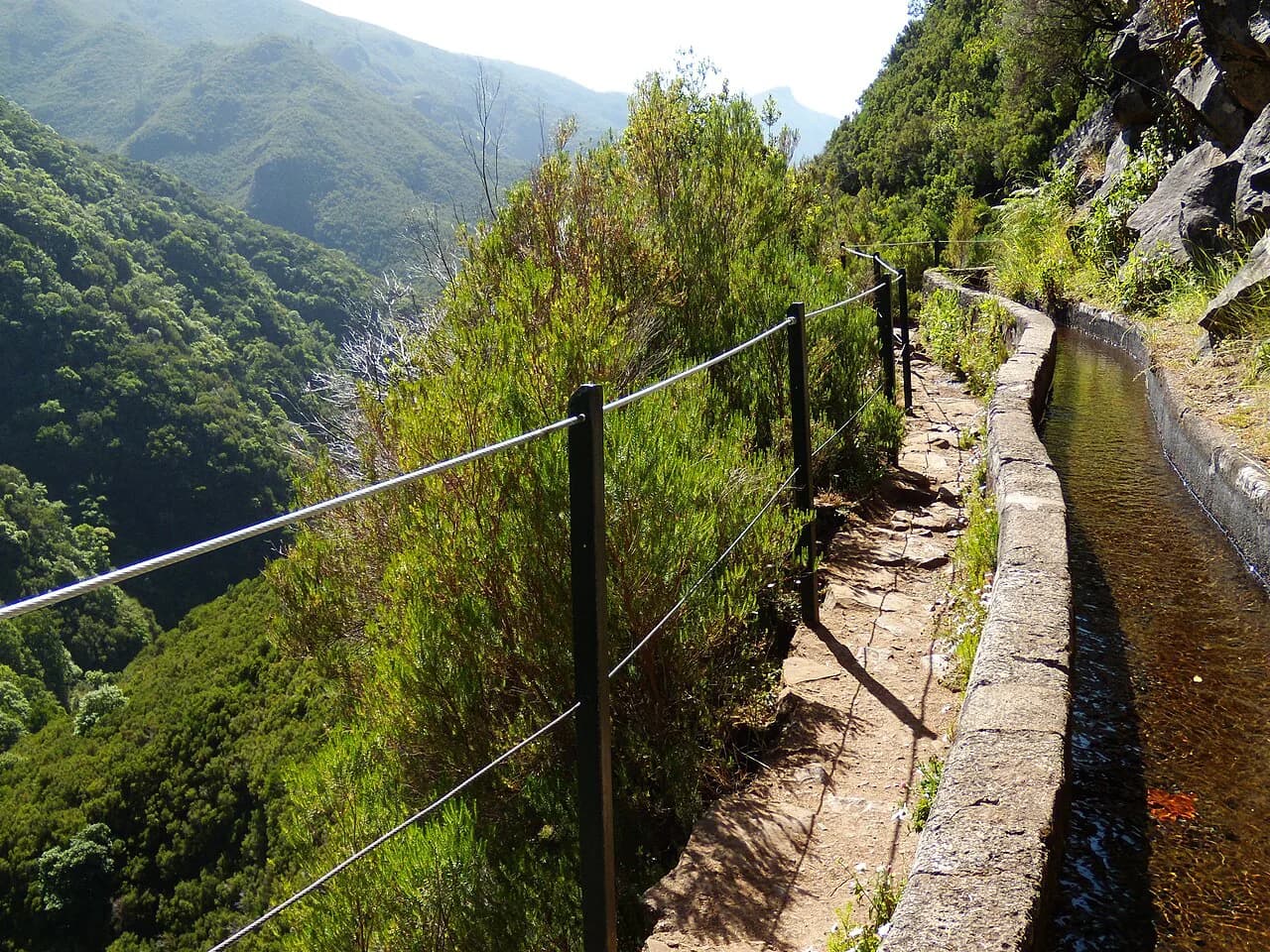
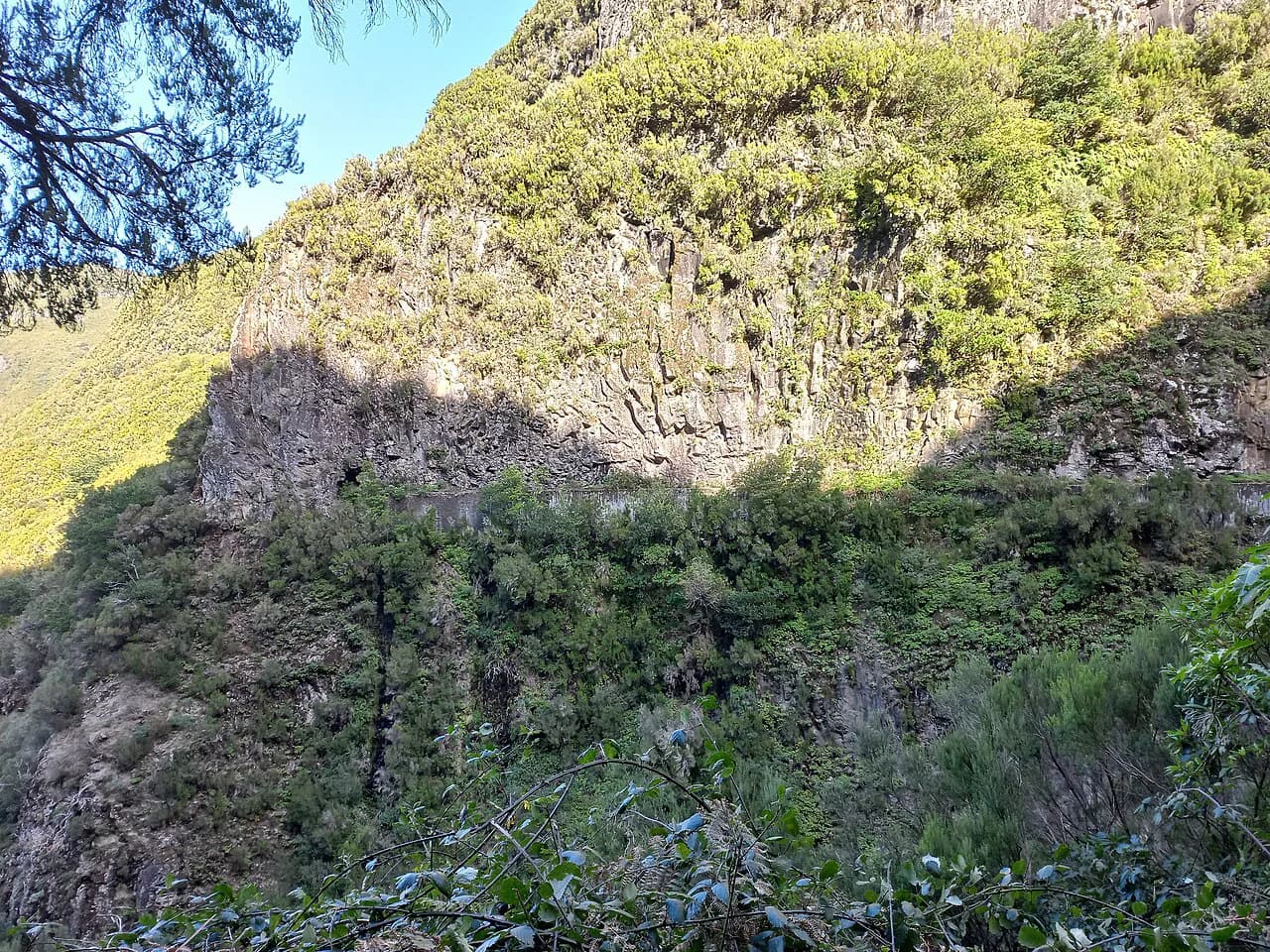
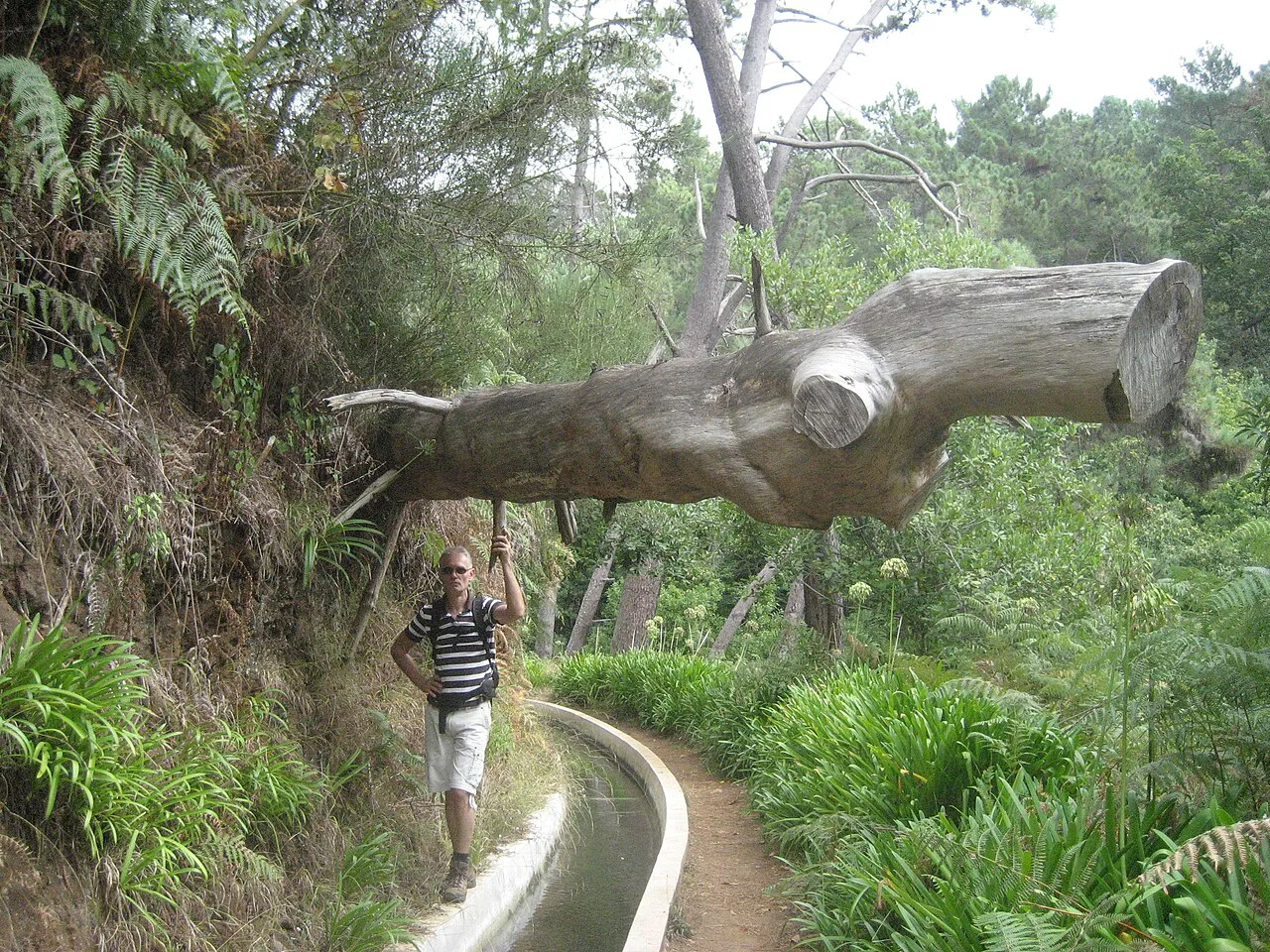
Levada walking is the gentlest way into Madeira's interior. The channels run at a steady grade, so a day on one can cover real distance without a big ascent, and the paths lead into valleys and through tunnels that are otherwise inaccessible. The trade-off is narrowness: some sections are cut into steep hillsides with a drop beside the path, and you walk single file with a handrail or cable for part of the way.
The most varied selection is set out in the levada walks madeira collection, which sorts the easy valley routes from the longer mountain-side ones. Many hikers build their week around two or three of these and add a ridge day, which gives a good balance of forest and open heights.
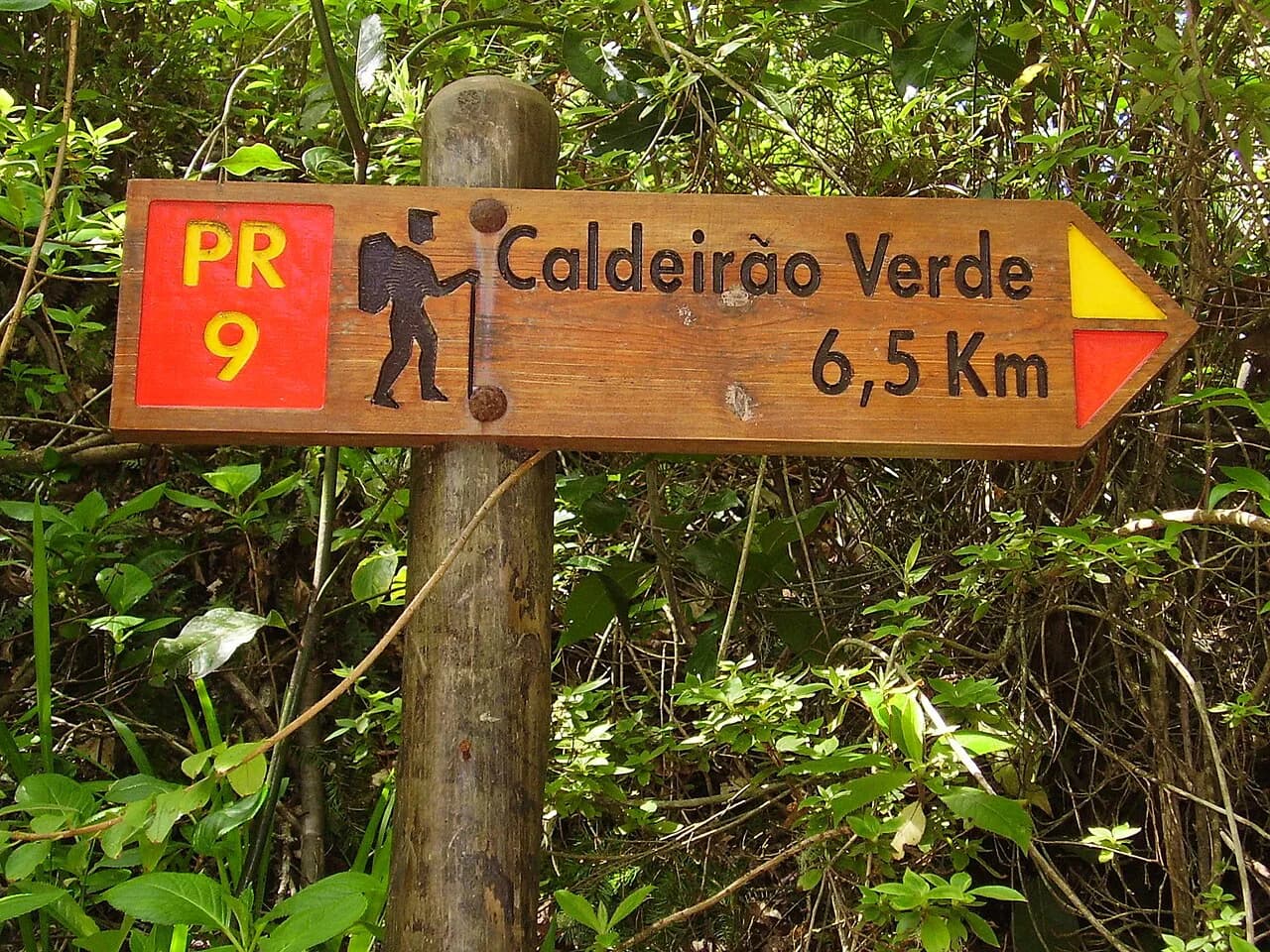
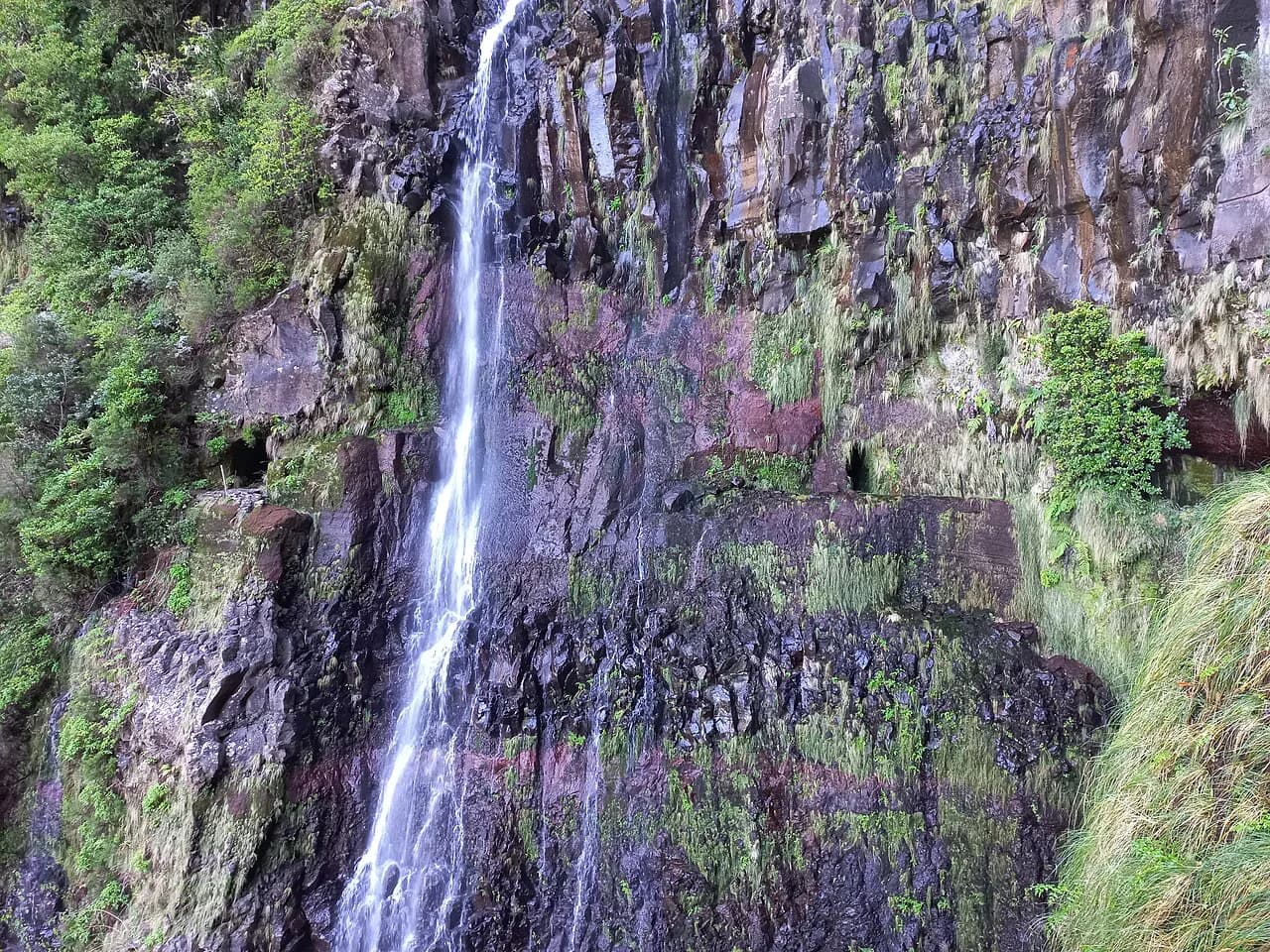
Two classics are worth naming. Levada do Caldeirão Verde runs through a wet, green valley and is known for its tunnels, while Levada das 25 fontes ends at a pool below the Risco waterfall, reached from the Paul da Serra plateau. Both are popular, so start early to walk them in relative quiet.
Peak routes: Pico do Areeiro to Pico Ruivo
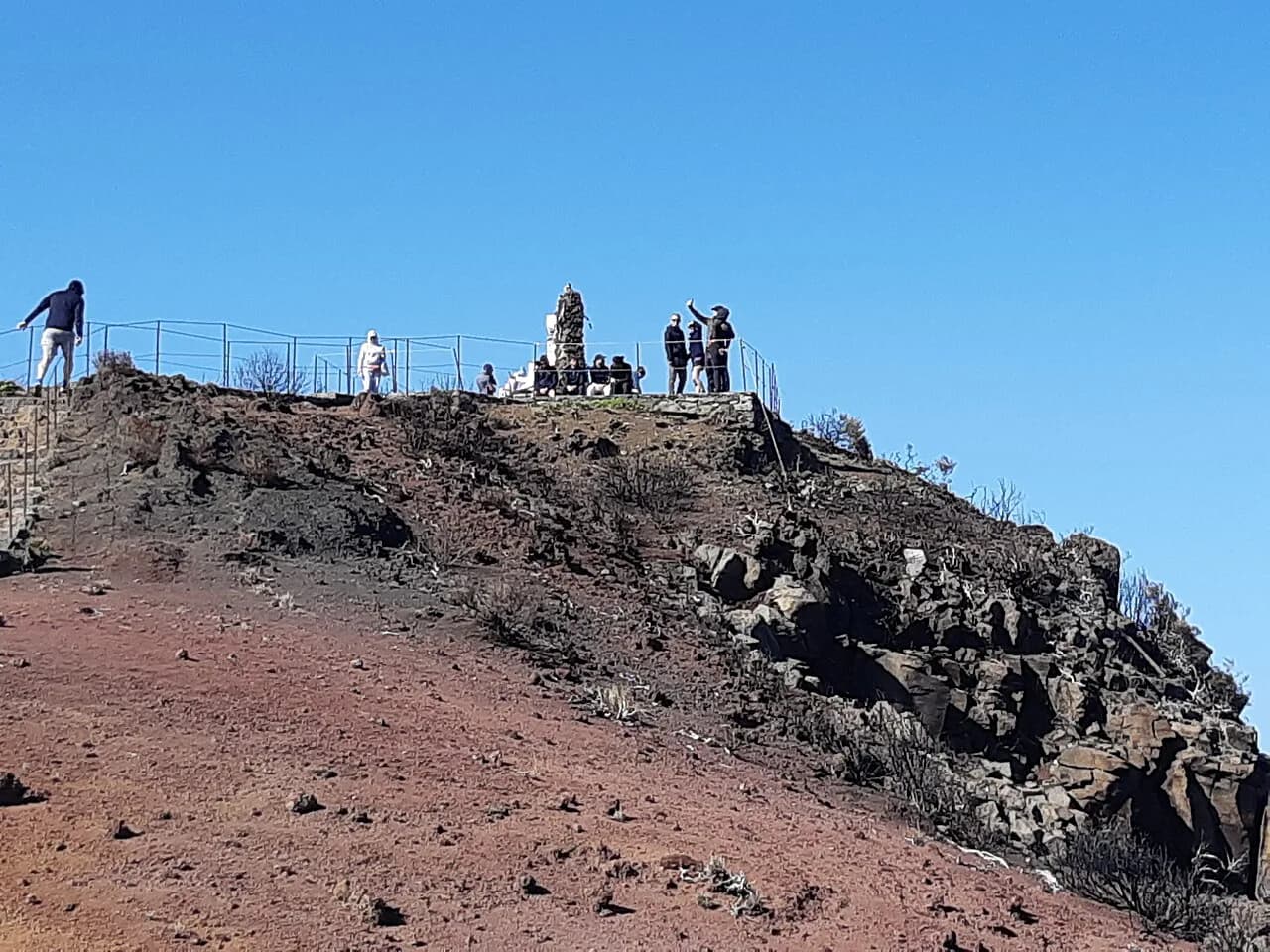
The high route between the two peaks is the island's most famous walk. The traverse is rough underfoot, with flights of steps cut into the rock, and the section between the peaks can be exposed in wind and low cloud. The balcony route between Pico do Areeiro and Pico Ruivo stays on the ridge with steep drops on either side, so it is the day to watch children and to turn back if the mist thickens.
For more time on the island's highest ground, the Pico Ruivo page details the approaches from the road and the connecting ridge, which is useful if you want to walk the summit without the whole traverse.
Coastal and cliff walks, including Ponta de São Lourenço
The eastern peninsula is the island's signature coastal walk, a dry, open path over bare ridges with the Atlantic on both sides and almost no shade. It is not a long day, but the surface is rough in places and the wind is usually present. Carry water, since there is no forest to shelter you and the peninsula is the driest corner of the island.
These coastal paths are also the best option in winter, when the high ridges are more likely to sit in cloud and the coast can stay clear. Where the walk ends, the towns of the north coast and the natural pools at Porto da Cruz give a reason to plan a full day from your base with a lift or taxi arranged.
When to go: spring, autumn and the winter escape
Macs Adventure treats Madeira as a year-round destination, suggests April to June and September to December as the best months, and notes two things worth knowing. Winter stays mild, with temperatures in the 50s Fahrenheit (around 10-14°C) at lower level, while the summer months can be hot enough to make a hard hike uncomfortable. Use that to plan around your own heat tolerance.
Spring and autumn give the best combination for ridge days: cooler than summer, with a reasonable chance of clear summits. If you want a winter escape, keep to the levadas and coast, where the low altitude keeps you out of the cloud that can sit on Pico do Areeiro and Pico Ruivo.
What to be careful of: descents, cobbles, mist and exposure
Madeira's paths are steeper than they look on a profile, and the descents are the hardest part. The island is also covered in cobbles, in towns and on some paths, so good boots with ankle support are the sensible choice rather than trainers. Add telescopic poles for the long ascents and descents.
Mist is the other factor to plan for: conditions change quickly, and the high ridge can be clear one minute and enclosed the next, so carry a jacket and map even on a fair forecast. On the ridge, wind and cloud are the reasons to keep the option of shortening the day.
Base towns and where each format puts you
Guided trips typically move you around rather than leaving you in one place. Explore Worldwide's week begins in Santana on the north coast before moving to accommodation elsewhere on the island. The advantage is that you see the island's different corners without rearranging your own transport.
Self-guided holidays more often use one or two bases, with Funchal and its surroundings as a common hub because the capital has the widest choice of accommodation and access to trailheads. Ask the company running your trip which bases each itinerary uses, since that tells you more about your evenings than the walking descriptions do.
Choosing between a guided week and a self-guided itinerary
Book a guided week if you want a fixed plan, a leader who knows when to shorten a ridge day in poor weather, and company on the trail. KE Adventure Travel's two Madeira trips split neatly between leisurely and moderate, so you can match the grade to your fitness before departure. Book a self-guided itinerary if you prefer to start at dawn, stop where you like and carry route notes.
Whichever you choose, plan the walking days around the terrain rather than the mileage: two levadas and a coastal day make a gentle week, while adding the ridge traverse turns it into a proper mountain week. If the traverse is the reason you are coming, your route plan should hinge on the Pico do Areeiro to Pico Ruivo connection. Checking current prices and dates once covers booking, transfers and kit advice in one exchange.
Plan Your Trip
Madeira's strength is that it lets you walk at very different levels within one week, from flat irrigation channels to the high ridge and the dry eastern coast. Decide which of those days you most want, then choose the format that delivers it: a guided week for a fixed plan and company, a self-guided itinerary for independence with the logistics handled.
Frequently Asked Questions
Do I need walking boots for walking holidays in Madeira?
Yes. The paths include rough ground, long flights of rock steps and plenty of cobbles, which is why boots with ankle support beat walking shoes or sandals here. Poles help on the steep descents.
What is the best month to visit Madeira for hiking?
April to June and September to December are the strongest months, combining cooler walking weather with a better chance of clear high ground. Winter is mild enough for lower-level walking, and the summer months can be hot enough to make hard days uncomfortable.
How many levadas are there in Madeira?
Madeira has over 200 levadas covering more than 1,350 miles, which is roughly 2,170 km. Many follow maintenance paths alongside the channels and remain the easiest way into the island's forested valleys.
What should I be careful of on Madeira's mountain paths?
Steep and slippery descents on steps and cobbles, and fast-changing mist on the high ridge between Pico do Areeiro and Pico Ruivo. Carry a jacket, keep the option to shorten the day, and use poles on the long descents.
What does a moderate grading mean on a Madeira walking tour?
It usually means three to seven hours of walking a day with some demanding climbs. Compare that range with your normal walking days rather than relying on the grade name alone, and choose a leisurely itinerary if the upper end looks too much.
When should I avoid the high peaks in Madeira?
Expect cloud and stronger wind on the high ground outside the settled spring and autumn months, and in winter in particular. Keep the ridge for a clear forecast and use levada and coastal routes when the summits are wrapped in mist.
Sources
Trail notes for your next trip
Optional updates when we add or revise hiking guides.
You might also like
Continue reading
More guides you'll find useful