Levada Walks in Madeira: Which Trail Suits You
Levada walks in Madeira range from a flat 3 km forest path to narrow channels above drops. Compare routes, trailhead access, booking fees and exposure.
On this page
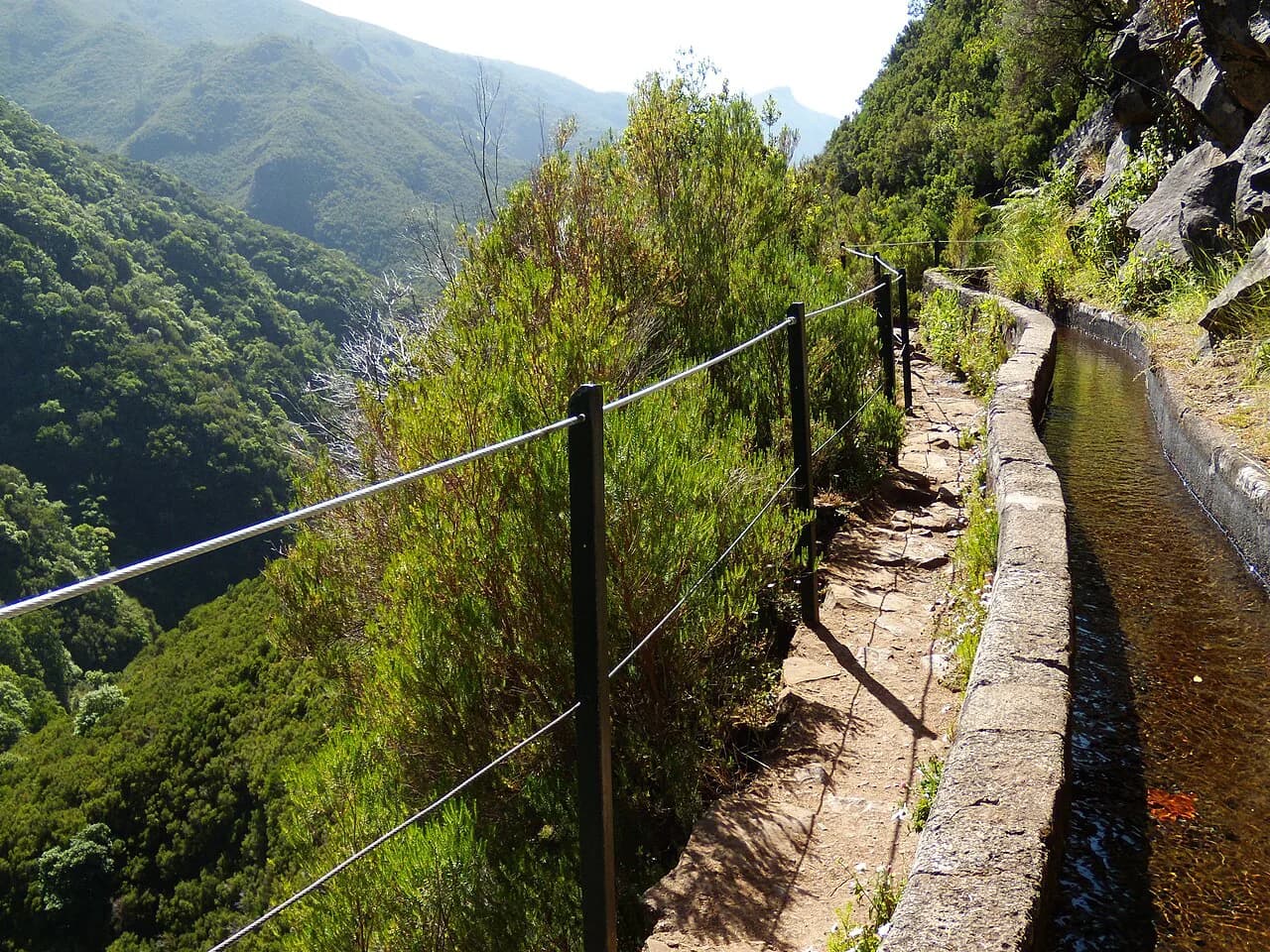
Madeira's levadas are irrigation channels cut across the island's wet mountainsides, and the maintenance paths beside them make some of the most accessible walking in Portugal. They suit hikers who want forest, water and big valley views without committing to a summit day on the island's high peaks. The trade-off is that many of these paths are narrow, single-file and built out of the hillside rather than across it.
Choosing between them comes down to three things: how far you can walk, how you cope with drops beside the path, and whether you can reach the trailhead without a car. The routes below run from a flat three-kilometre (1.9-mile) forest walk at Ribeiro Frio to longer half-day channels with tunnels and steps. For the island's ridge and summit routes, see the wider hiking in madeira coverage.
What a levada walk is and how it differs from a vereda
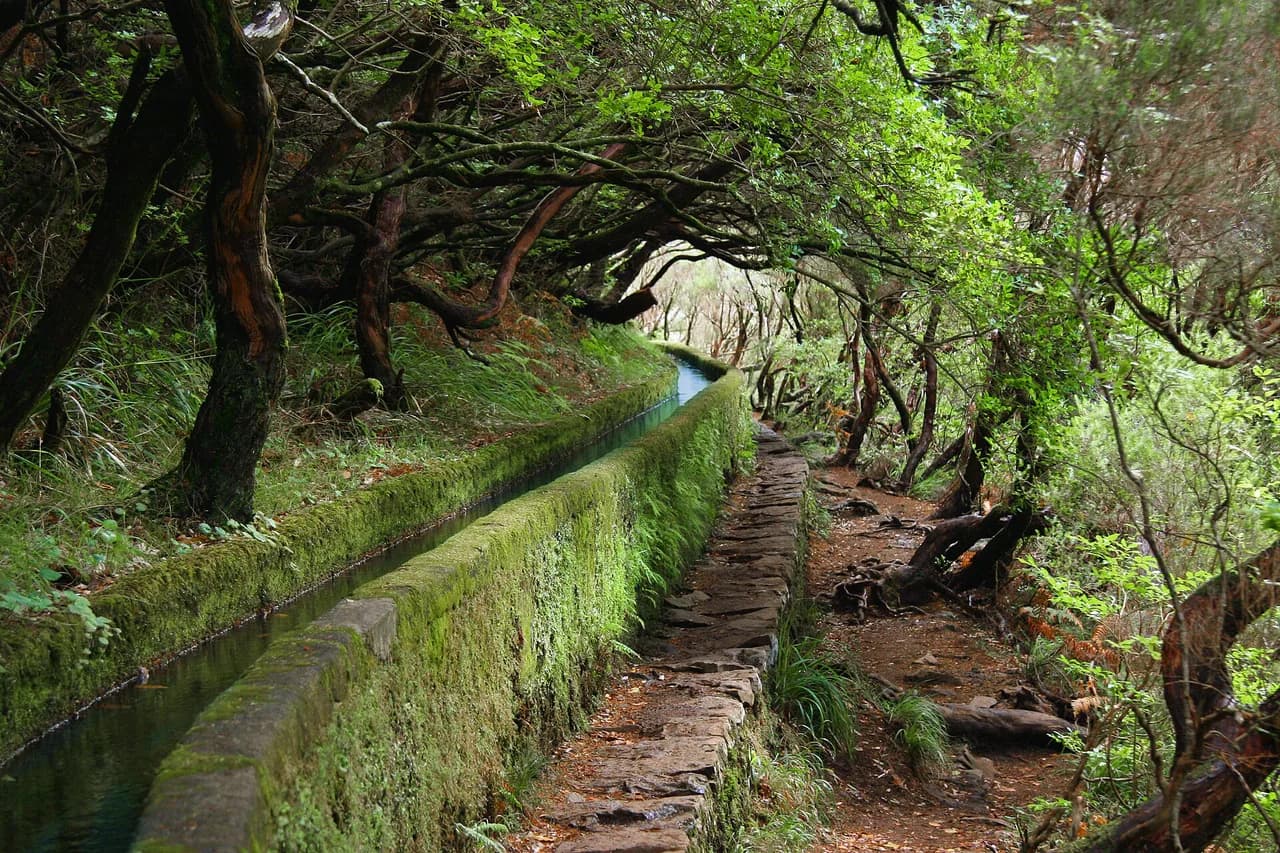
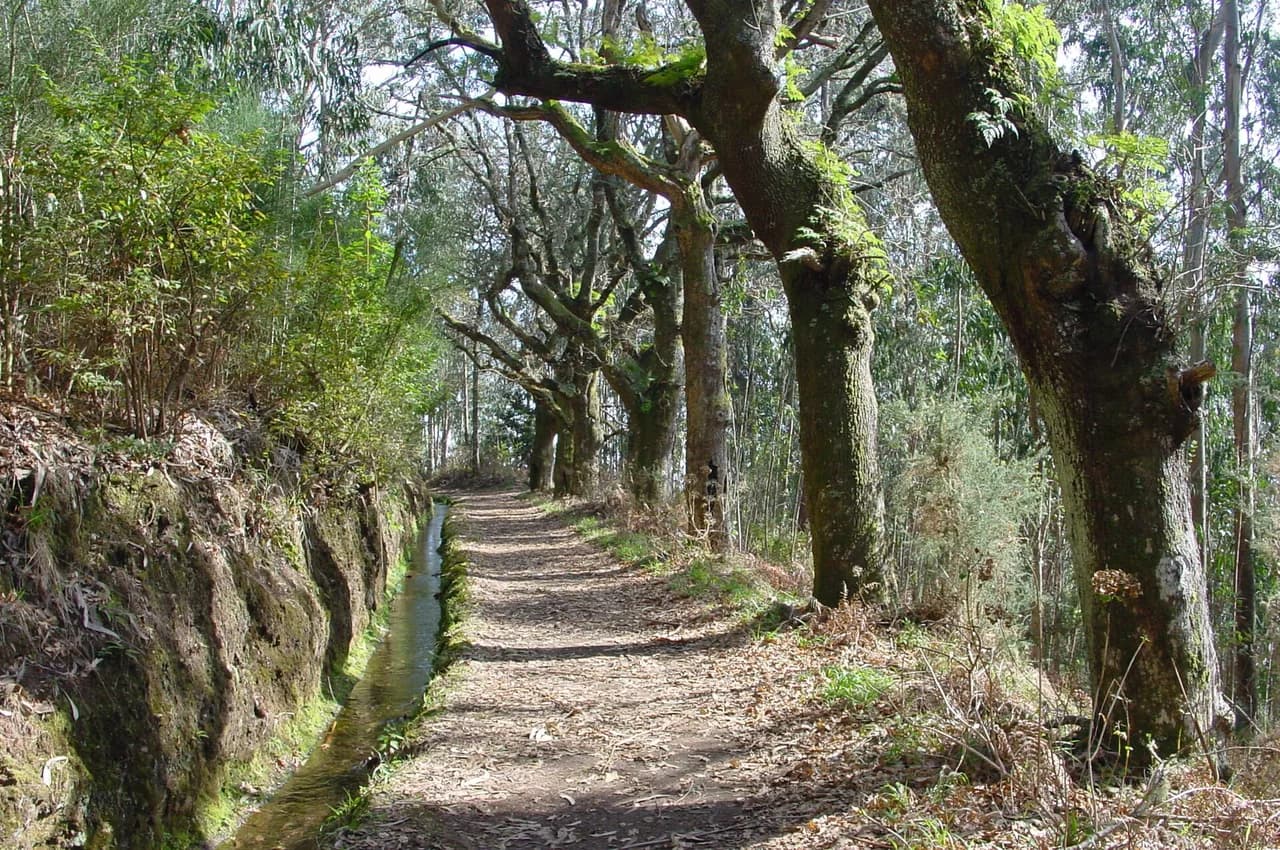
A levada is a water channel, and the walk is the flat or gently graded path that runs alongside it, usually through laurel forest or along a contour above a valley. A vereda is a traditional mountain trail linking villages, ridges and summits, so it climbs and descends far more steeply and is generally more exposed. If you want a relaxed day with steady footing, pick a levada; if you want a summit and a big view, pick a vereda.
The distinction matters most on the island's high routes, where the ridge links between Pico do Areeiro and Pico Ruivo involve sustained climbing, staircases and steep ground either side of the path. Those are mountain days rather than channel walks, and the pr1 madeira traverse is the benchmark for how demanding they get.
Trail booking, fees and access windows on official PR routes
Madeira's official PR trails now run on a paid reservation system managed through the SIMplifica Madeira portal, and every walker in the group, children included, has to be registered. In 2026 the standard fee is 4.50 euros per person per hike, while PR1 costs 10.50 euros, and entry is allocated in 30-minute slots that generally run from about 07:00 to 18:00. Book online and save the QR confirmation before you set off, because there is no cash payment at the trailhead.
The slot is your start window, not a finish time, so choose one you can realistically reach after parking or waiting for a transfer. PR1 is gated and checked at the entrance, and the gate is locked outside official access hours; on other routes the checking is less consistent but the booking requirement still applies. A multi-day pass can pay off if you plan five or more paid trails, but individual tickets are cheaper and more flexible for a short trip.
Popular routes and morning slots sell out in spring and autumn, so reserve the levadas you care about as soon as your dates are fixed and keep the confirmation on your phone. Trails can also shut temporarily after heavy rain, landslides or maintenance work, and booking does not guarantee the route is open. Check the Visit Madeira trail status page the day before you walk.
Vereda dos Balcões (PR11): the shortest, flattest levada walk
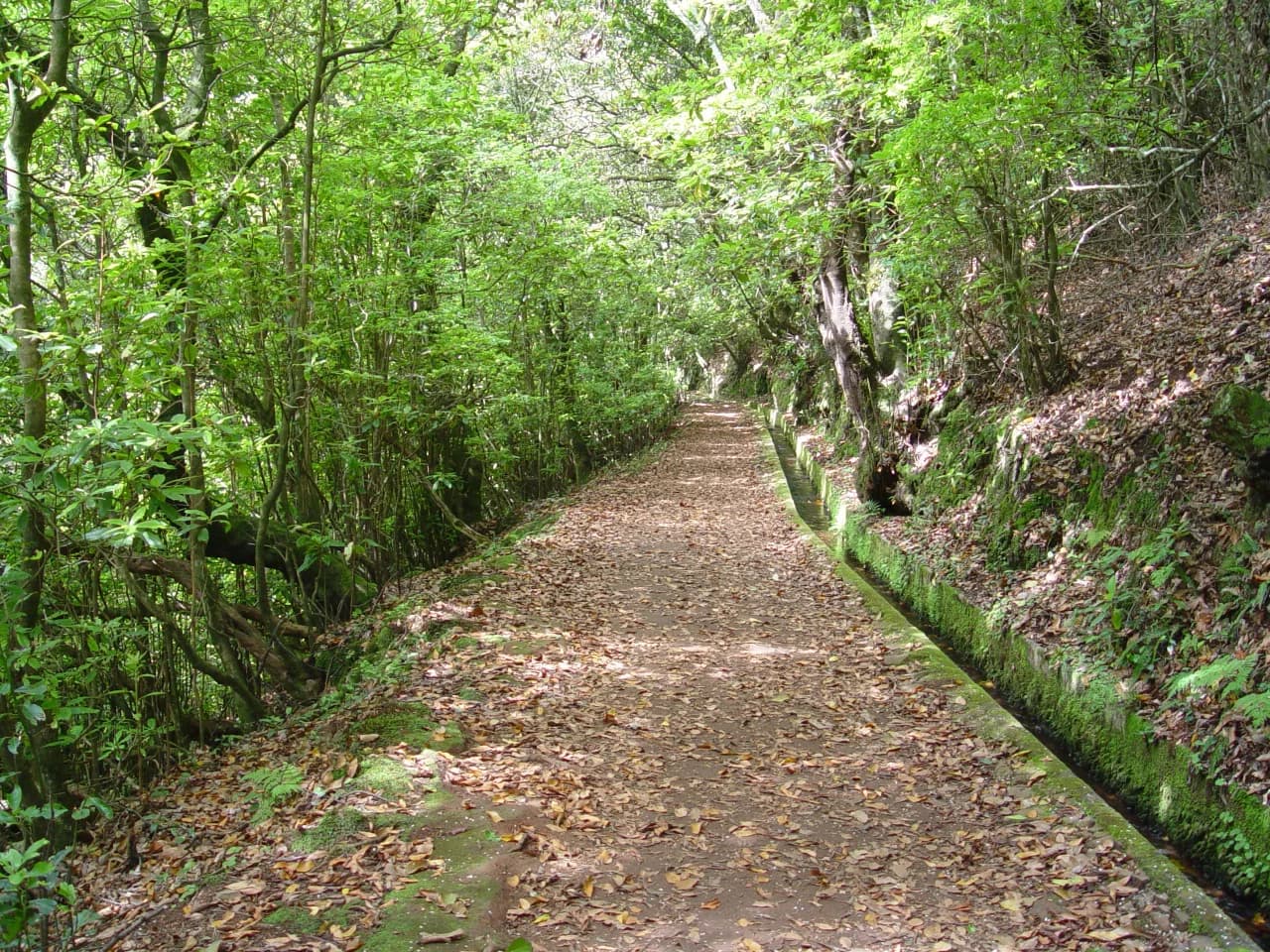
PR11 is the gentlest introduction to levada walking: roughly 3 km (1.9 miles) in total, essentially flat, on a wide path through forest along the channel. It ends at a viewing platform looking across the valley to the mountains and, on a clear day, down toward Santana and the coast. Because it is short and level, it works for mixed-ability groups and for a first morning on the island.
The walk starts at Ribeiro Frio, where the track to Balcões is signposted just past the beginning of the Ribeiro Frio to Portela route. You can get there by bus from Funchal and walk down a short way from the stop, which makes this one of the few levadas that is genuinely practical without a car. Coach groups arrive mid-morning, so an early start gives you the platform almost to yourself.
Levada do Rei (PR18): forest, tunnels and Ribeiro Bonito
Levada do Rei, near São Jorge on the north side of the island, threads through laurel forest with the jagged Picos visible in the distance at the start. The path narrows in places, so you will step aside to let walkers coming the other way pass, and there is one short tunnel you crouch through without needing a torch. After rain you may also have to walk behind a waterfall, so a poncho earns its place in your pack.
The reward at the far end is Ribeiro Bonito, a small waterfall and pool ringed by boulders, where the water noise and the chaffinches make a good lunch stop before you retrace your steps. This is an out-and-back route, so allow for the return leg when you judge your timing. Public transport does not serve the trailhead well, and a transfer with hotel pickup and a briefing at the start is the usual car-free solution.
25 Fontes (PR6) and Levada do Risco (PR6.1): the famous waterfall circuit
The 25 Fontes walk from Rabaçal is the island's best-known levada, and it earns the reputation: a pool fed by many springs is the highlight, with the long Risco waterfall a short signed detour off the main PR6 route. Water levels drop sharply by late summer, so the falls are at their most forceful in the wetter months. Part of the route now runs as a one-way circuit, which eases the old problem of passing walkers on wall-top sections barely wide enough for one person.
This is not an easy walk for everyone. There are narrow stretches with serious drops alongside, a great many steps, especially on the climb back toward the car park, and an 800 m (0.5 mile) tunnel on one variation that needs a torch. If you suffer from vertigo or dislike enclosed spaces, say so before booking and consider a route with wider footing.
No public transport reaches Rabaçal, so you either drive or join a transfer or guided group. Tour operators tend to concentrate on the same popular days, which builds the crowds, and the middle of the day is busiest. Starting early is the single best change you can make to the experience.
Ribeiro Frio to Portela: the classic laurel-forest channel walk
The channel path from Ribeiro Frio toward Portela is among the best known levadas on the island, running at little gradient through laurel and heather with light filtering through the canopy. If you are already at Ribeiro Frio for Balcões, it is the natural longer extension, and guided operators run it as a full-day moderate walk. The catch is that the forest blocks the views for long stretches, so go for the trees and the water rather than panoramas.
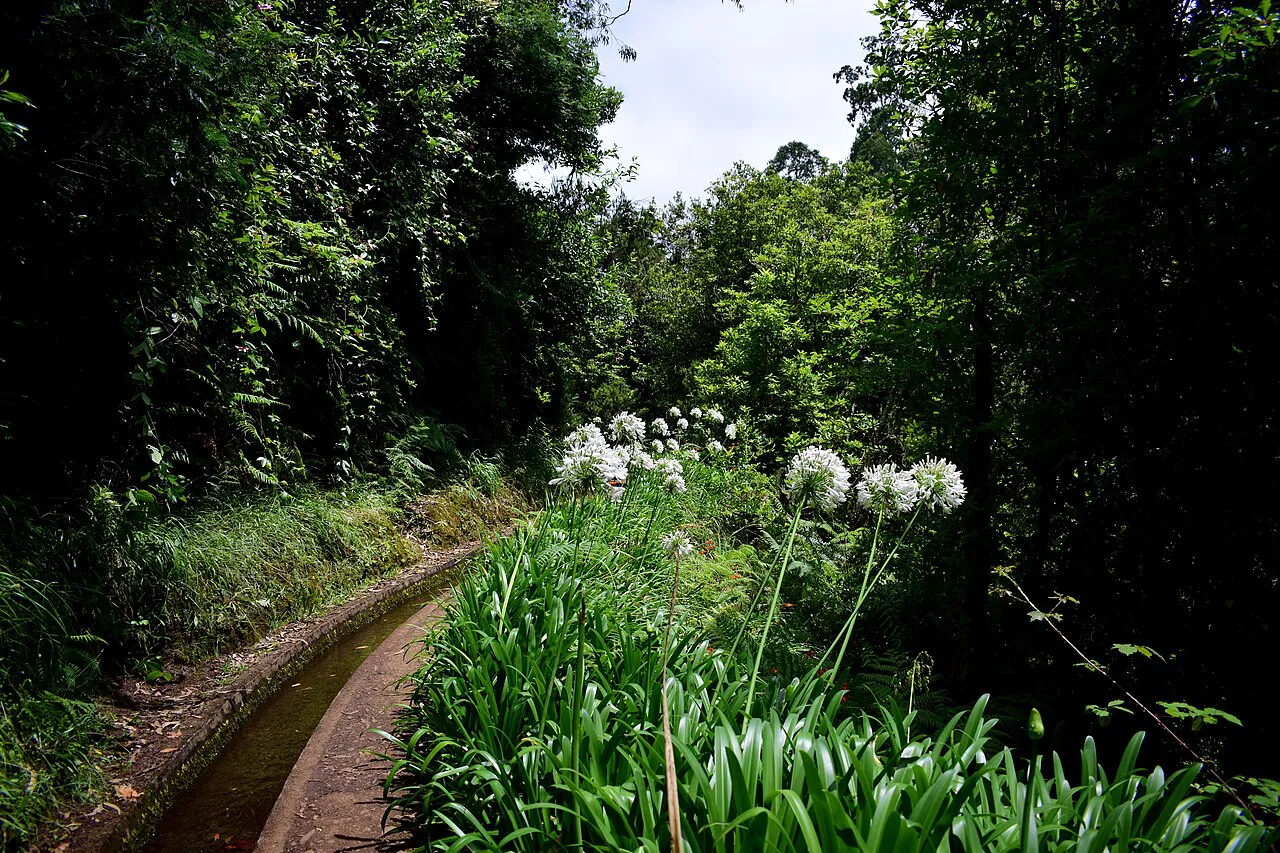
Other levada options: Levada do Moinho and Levada Nova, Levada dos Tornos, Serra de Água valley
On the sunny south side around Ponta do Sol, the Levada do Moinho and Levada Nova are often walked together, combining old channel paths with a waterfall and terraced hillsides. They make a good half-day for hikers who want variety without committing to a long mountain day, and the Levada do Moinho to Levada Nova Waterfall Hike, Madeira route is the classic way to link them.
Levada dos Tornos is the longest channel on the island and can be walked in sections, offering mild, green walking in the middle elevations. Guided operators also run the Serra de Água levada as an easy half-day on foot, choosing 5 km (3.1 miles) of a channel that runs some 65 km in total, which gives a sense of how much of a long channel can be sampled in a few hours. Both suit days when cloud sits on the high peaks and you want to stay below it.
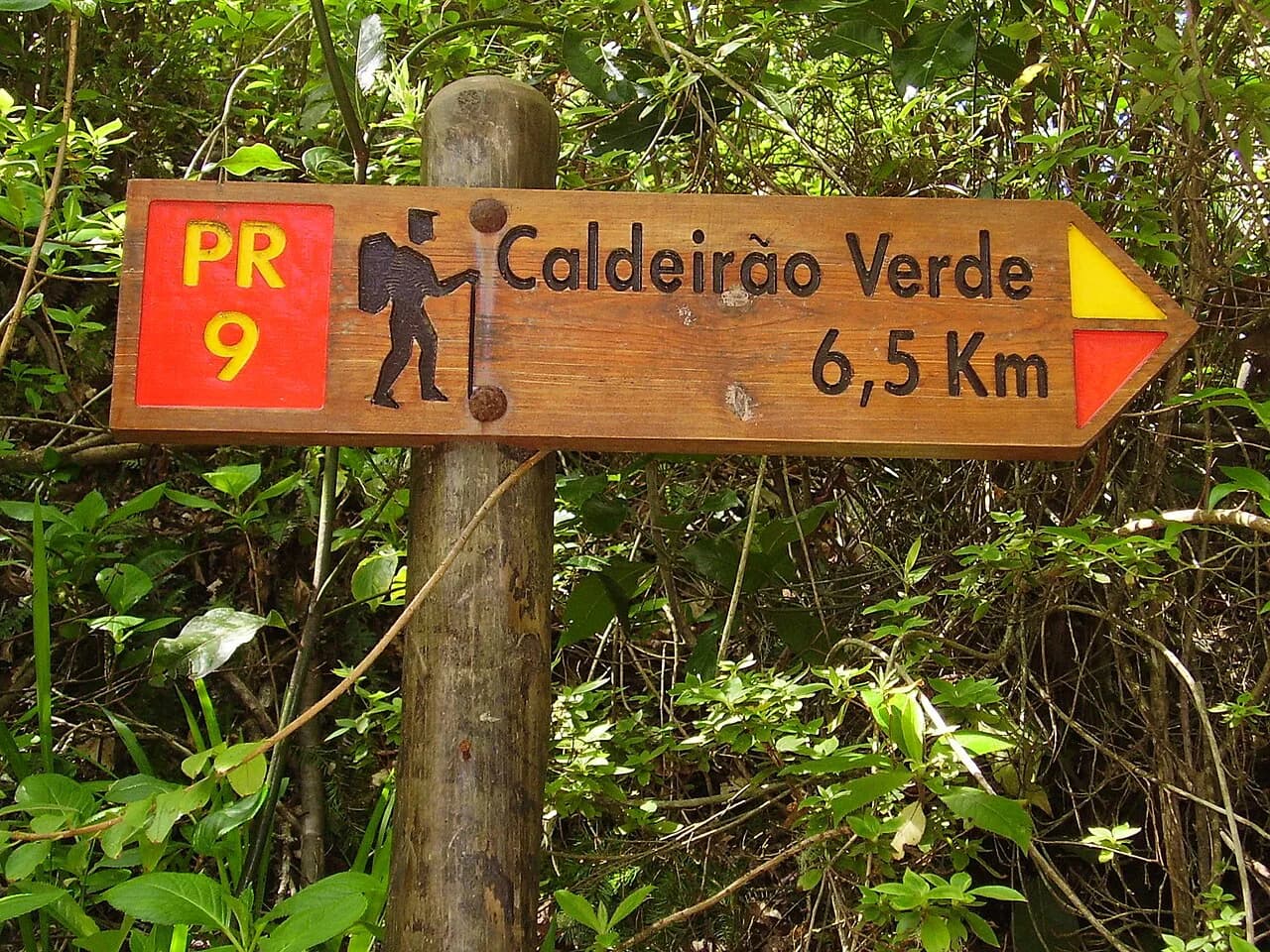
For a wet-weather alternative with bigger waterfalls and a wilder feel, Levada do Caldeirão Verde is the well-known option, though it is a longer outing and worth planning as its own day.
Distance and difficulty compared: matching a levada to your fitness
Sort the island's levadas into three bands. At the easy end sit Balcões, a flat 3 km (1.9 miles) return, and the short sampled sections guided operators use for half-day trips; in the middle are forest channels such as Levada do Rei and Ribeiro Frio to Portela, which take a few hours at an unhurried pace; at the harder end is 25 Fontes, with its steps, tunnel and exposed wall sections. Match the band to your group's slowest walker rather than its fittest.
Gradient matters less on a levada than footing and width. A channel path can be flat and still feel strenuous if it is narrow, wet and stepped, and a long forest walk feels easy until you factor in the return leg on an out-and-back route. Plan on a slower pace than you would hold on a wide trail at home.
Narrow paths, drops and vertigo: what to expect on levada walls
Levada paths are cut into hillsides, so one side is often a wall and the other a drop into the valley, and passing another walker can mean standing against the rock. The wall-top sections of 25 Fontes are the most cited example, with space for one person at a time. If heights unsettle you, choose forest routes such as Balcões or Levada do Rei, where the tree cover and wider footing feel very different.
Two other hazards are specific to these walks. Tunnels and low rock overhangs demand a torch and a stooped posture on some routes, and wet levada stones are slippery, so grip matters more than boot weight. Check the day's cloud and wind before you commit, because a channel that is sheltered in calm weather can funnel wind on open sections.
Getting to trailheads by bus, car and transfer
Ribeiro Frio is the easiest trailhead to reach without a car, with buses from Funchal dropping you close to the Balcões track and the Portela route. For the Eira do Serrado down to Curral das Freiras walk, the number 81 bus from Funchal stops at the viewpoint and you can catch a return bus from the village, avoiding a steep climb back up to the car park. Journeys take roughly 40 to 50 minutes on narrow, winding roads.
Rabaçal, the start for 25 Fontes, has no public transport, so plan on driving or a transfer, and note that a council-run minibus shuttles between the car park and the start of the walk if you would rather not walk back up the hill at the end. Levada do Rei is similarly awkward by bus, and a transfer service is the usual fix. If you are relying on lifts, buses or parking, the Madeira transport and trailhead notes in the island guide are worth reading before you fix dates.
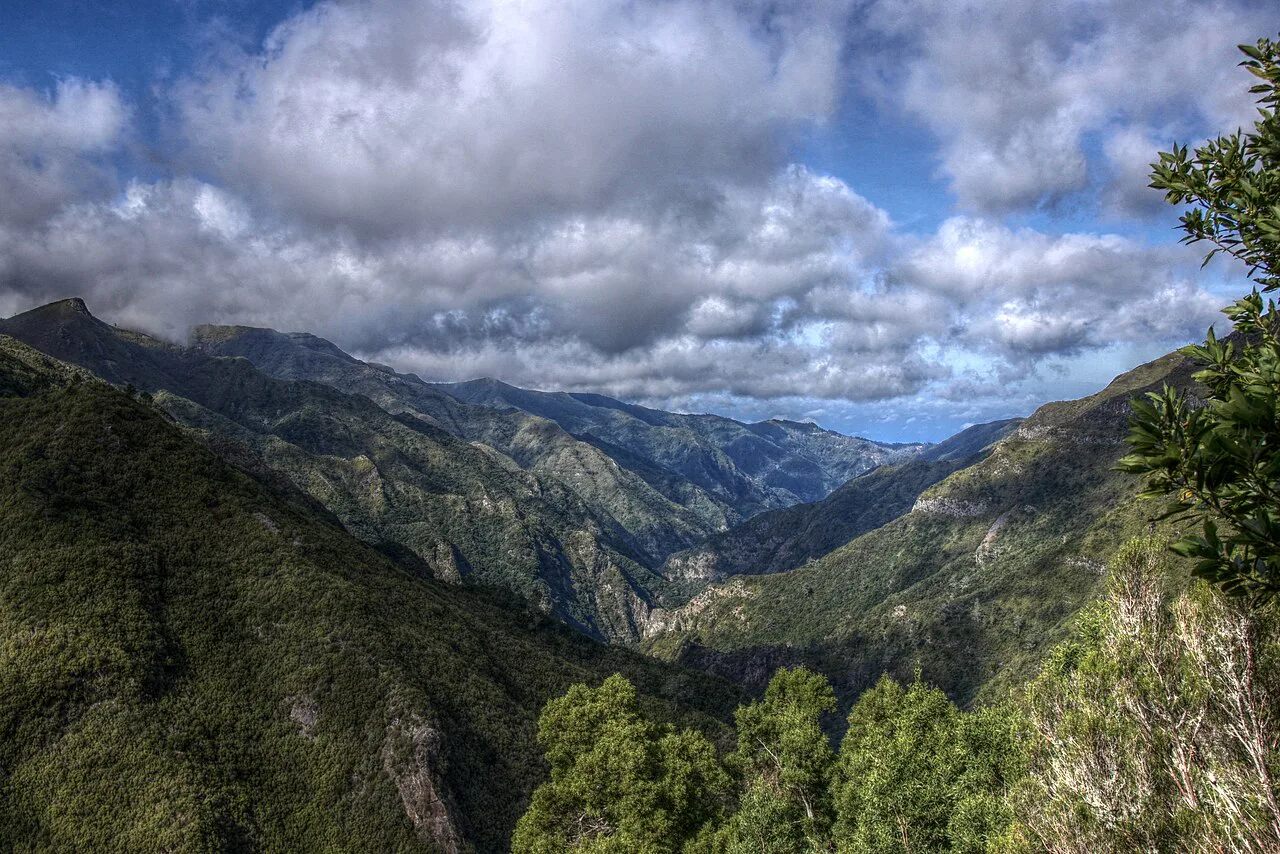
When to go: weather, water levels and crowds across the seasons
Madeira's weather shifts fast and varies by altitude, with sun on the coast, cloud in the valleys and rain on the mountains on the same day. That matters for levadas because waterfalls and springs are at their best after wet weather, while the same rain makes the stones slippery and can bring temporary closures. Use the island's live webcams before you drive across it.
Spring and autumn are the busiest booking periods, and crowds on popular trails build from mid-morning, so avoid starting between 9:30 and 15:00 if you want quiet. Levada walks generally work better early, when you have the channel to yourself on the way out and meet most people coming the other way. Mountain routes can be saved for late afternoon light if you have the daylight.
What to wear and carry on a levada walk
Lightweight trail shoes with good grip are the right choice for most levadas; the terrain is steep, rocky and uneven but rarely technical enough to need heavy boots, and the humidity makes bulky footwear uncomfortable. Add a torch for tunnel routes, a poncho for waterfall sections, and more water than you think you need, since cafés and shops are not guaranteed on the trail.
Phone signal is unreliable in valleys and forests, so download offline maps and the QR confirmation for your booked slot before leaving your accommodation. A filtration device is worth packing on multi-day crossings, but for day walks on the channels a filled bottle and a backup snack cover most situations.
Guided versus self-guided levada walks
Self-guided suits confident walkers on the official PR routes, which are generally well marked and easy to follow with a map or GPX file. You still need your own booking, transport and timing sorted, and on 25 Fontes that means arranging a car or transfer. The advantage is pace: you stop when you want and start as early as your slot allows.
Guided and transfer-based walks solve logistics and add a briefing on conditions, which helps on the north-side channels such as Levada do Rei that are awkward to reach. Operators run graded programmes, with easy half-day levada walks and full-day moderate routes through Rabaçal and Fanal, so you can pick by fitness rather than by map reading.
Where to base yourself for levada walking
Funchal is the practical base if you want to walk without a car: buses leave for Ribeiro Frio, Eira do Serrado and Ponta de São Lourenço, and most transfers and guided pickups start in the city. Staying in the capital also puts you closest to the widest choice of operators, which matters when a route sells out.
For the northern channels around São Jorge, a base on the north coast shortens transfer times to Levada do Rei and the Ribeiro Frio paths. If 25 Fontes is the priority, staying in Calheta or the southwest cuts the drive to Rabaçal, and you arrive ahead of the Funchal day groups.
Plan Your Levada Day
Pick one short channel for your first day, such as Balcões, then step up to a forest route like Levada do Rei or Ribeiro Frio to Portela once you know how the narrow footing feels. Book your slot online before you commit to transport, because the time window shapes the whole day, and leave 25 Fontes for when you have a car or transfer arranged and an early start.
If the weather closes in on the high ground, the channels stay walkable far more often than the ridges, which is exactly why they make a good backbone for a Madeira hiking week. When the cloud lifts, move up to the summits and the Pico do Areeiro ridge for the views the levadas hide behind the trees. If you are weighing a second island for the same kind of wet, forested channel walking, hiking in Tenerife is where to start planning.
Frequently Asked Questions
What is the best levada walk in Madeira for a first visit?
Balcões (PR11) from Ribeiro Frio is the best first levada: about 3 km (1.9 miles) in total, flat, on a wide forest path, ending at a viewing platform above the valley. It is easy to reach by bus from Funchal, so you can try a channel walk before committing to a longer route.
Do you have to pay to walk the levadas in Madeira?
Yes, on the official PR trails managed by IFCN you book a dated time slot and pay an access fee through the SIMplifica Madeira portal, with every member of the group registered, children included. Payment is online only, and you should carry the QR confirmation. Check the portal for the current fee and available slots before your trip.
Is the Levada 25 Fontes walk difficult?
It is moderate rather than easy: there are many steps, narrow wall-top sections with drops beside the path, and a tunnel that needs a torch. Walkers with vertigo or claustrophobia should consider a different route or discuss it with a guide first. Starting early avoids the worst crowding on the narrowest parts.
Which levada walks can you reach by bus from Funchal?
Ribeiro Frio is served by bus from Funchal and puts you at the start of Balcões and the Portela channel path. The Eira do Serrado viewpoint above Curral das Freiras is also on a bus route, so you can walk downhill to the village and return by bus from there. Rabaçal, the start for 25 Fontes, has no public transport.
How long does a levada walk take?
It depends on the route: Balcões takes under an hour of walking, while forest channels such as Levada do Rei and Ribeiro Frio to Portela take a few hours with the return leg. Treat any booked slot as your start window and plan your day around finishing in daylight, allowing extra time for narrow sections and steps.
Are levada walks suitable for someone scared of heights?
Some are, some are not. Balcões and Levada do Rei run through forest with wider footing and tree cover, which feels very different from the wall-top sections of 25 Fontes where there is space for one person at a time beside a drop. Choose forest routes first and ask a guide about exposure before booking a cliffside channel.
Sources
Trail notes for your next trip
Optional updates when we add or revise hiking guides.
You might also like
Continue reading
More guides you'll find useful