Azores Walking Holidays: Guided vs Self-Guided Island Hiking
Compare guided and self-guided Azores walking holidays: which islands suit which hiker, how trails and guides work, and when to go for drier, clearer walking.
On this page
The Azores spread nine islands across the Atlantic, and their walking runs from woodland trails around crater lakes to coastal paths on Flores and the barren volcanic slopes of Capelinhos. That variety is exactly why the format of your trip matters: a week on one island walks very differently from a week hopping between three. This guide compares guided and self-guided options, then looks at which island suits which hiker.
If you are still working out the terrain before you pick a format, start with the broader picture of hiking in the Azores, which lays out the island groups and their signature landscapes. From there, the guided-versus-self-guided decision usually comes down to how much you value a guide's local knowledge against how much you value walking to your own schedule.
What a walking holiday gives you that a single-island trip does not
A single-base week on São Miguel covers crater lakes, calderas and woodland without any inter-island travel, and it is the simplest way to sample Azorean walking. An island-hopping holiday trades some of that ease for variety: the same week can combine a caldera rim, a coastal path and a volcano. The trade-off is real time in transit, since flights and ferries between islands eat into walking days.
The islands reward different appetites. The Azorean trail network is described as one of Europe's great hiking experiences, stretching from the peaceful woodland trails of Lagoa do Fogo to the wild western coast of Flores, the barren Capelinhos peninsula and the high volcanic peak of Mount Pico. That spread is the argument for hopping rather than basing yourself in one place.
Guided walking: what a resident guide adds and who it suits
On a guided Azores walking holiday, resident guides interpret the wildlife, plants, geology and history of their island homes, which is hard to replicate from a guidebook. They also handle the day's movement, so you are not arranging taxis or hire cars around the trailhead. Half-day, full-day and full-week guided formats exist, and the shorter options can be added to a broader holiday rather than forming the whole trip.
The decisive advantage for some hikers is access. Guides on these trips are licensed to lead walks through many of the islands' protected nature reserves, areas that are otherwise closed to independent walkers. If your priority list includes those reserves, a guided day is the practical way in. The guided format suits hikers who want interpretation and a fixed plan more than solitude and spontaneity.
Self-guided and drive-and-hike formats: freedom, logistics and who they fit
Self-guided Azores walking holidays pair inn-to-inn or base-to-base walking with a hire car, so you drive between trailheads and walk at your own pace with accommodation booked in advance. Operators sell an eight-day Azores Island Hopping itinerary that strings together Ponta Delgada's marina and monuments, the wild landscapes of São Jorge and the volcanic silhouette of Pico. This format suits hikers who want the logistics solved but the days unscheduled.
The trade-off is that you do the navigation and the driving, and you will not have a licensed guide for the protected reserves. For a hiker comfortable reading a route and happy to plan around weather, that is a fair exchange for flexibility. For anyone who wants the geology explained as they walk, it is a compromise.
Which islands suit which walker: São Miguel, Terceira, São Jorge, Flores and Pico
São Miguel is the natural first island, with the Sete Cidades crater, the Lagoa do Fogo woodland and caldera walks on the doorstep of Ponta Delgada. Terceira and São Jorge shift the emphasis to coastal trails and ridge walking, while Flores offers the wild western coast and the Capelinhos peninsula's volcanic scenery. Pico stands apart: its high volcanic peak is a harder objective than any coastal path.
Match the island to your legs rather than to a bucket list. A hiker new to volcanic terrain will find plenty of satisfying days on São Miguel without ever needing altitude. A fitter walker with a head for exposure should plan Pico as the centerpiece instead of an add-on. If São Miguel is your base, the São Miguel Hikes collection sets out the island's walking options in more detail.
São Miguel: crater lakes, Lagoa do Fogo woodland and caldera walks
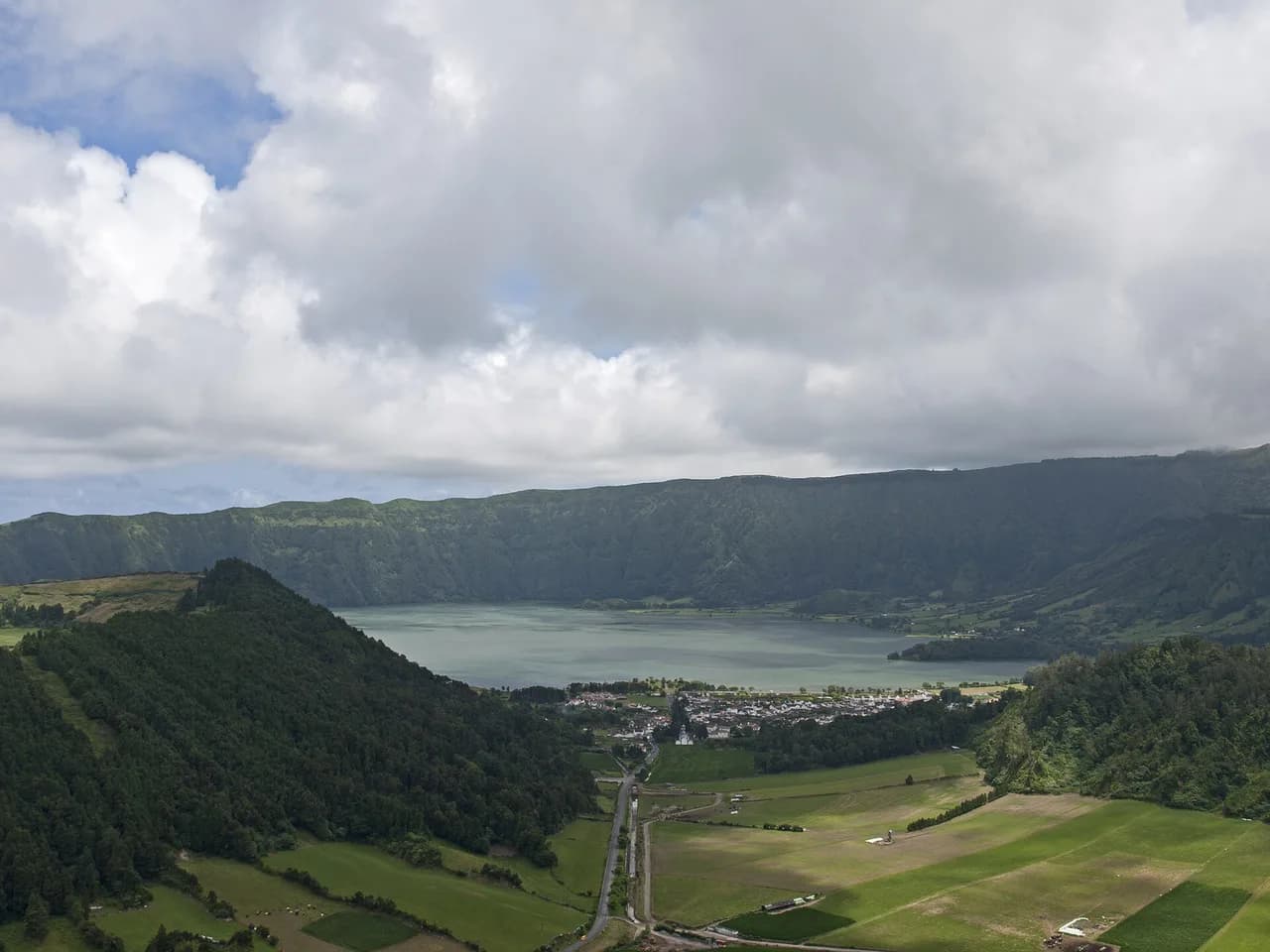
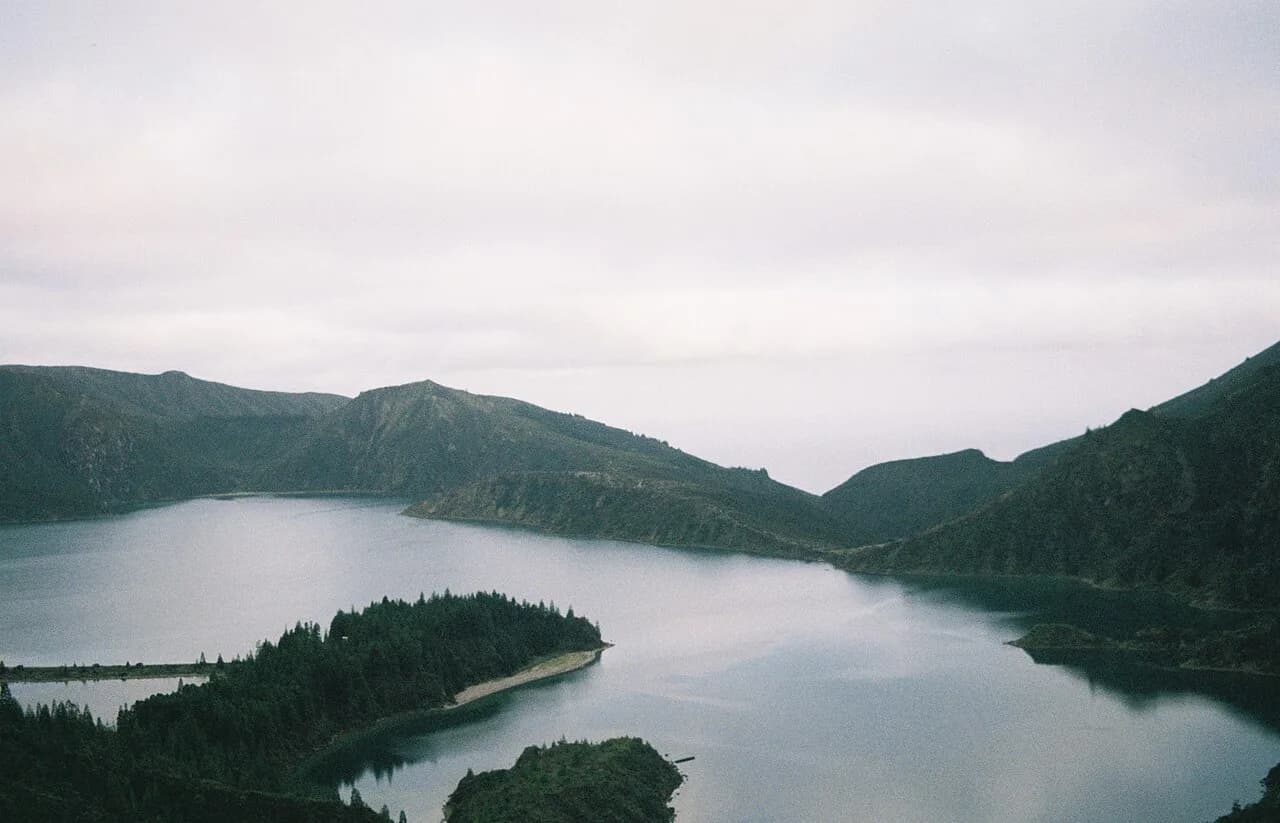
São Miguel concentrates the archipelago's signature scenery: the Sete Cidades caldera with its twin lakes, the forested crater of Lagoa do Fogo, and the green volcanic landscape that makes the island the usual entry point for Azores walking. Days here mix lakeside paths with caldera rims, so you can build a week without repeating a view. The Sete Cidades Hike on São Miguel is the classic caldera day, best walked when cloud lifts off the rim.
Treat São Miguel as the island where you acclimatize to Azorean weather. Cloud and rain can settle on the craters while the coast stays clear, so keep a coastal or lower-level walk in reserve for a rim day that clouds over. Staying in or near Ponta Delgada keeps you within reach of both the caldera and the Lagoa do Fogo trailheads, and the Lagoa do Fogo Hike page details that crater day.
Terceira and São Jorge: coastal trails and ridge walking
Terceira and São Jorge reward hikers who prefer salt air and long views to crater rims. São Jorge's wild landscapes are one of the highlights of the island-hopping itineraries on offer, and its ridge and coastal walking makes the island a natural second stop after São Miguel. Terceira adds its own coastal paths on a guided or self-guided circuit.
Coastal walking here means clifftop paths and exposed sections where wind is the day's main variable, so carry a shell even on bright mornings. Ridge days give the biggest views but the least shelter, and afternoon cloud can swallow the panorama. Build in a lower-level alternative for the windiest day of your week.
Flores and Capelinhos: western coast paths and volcanic peninsula scenery
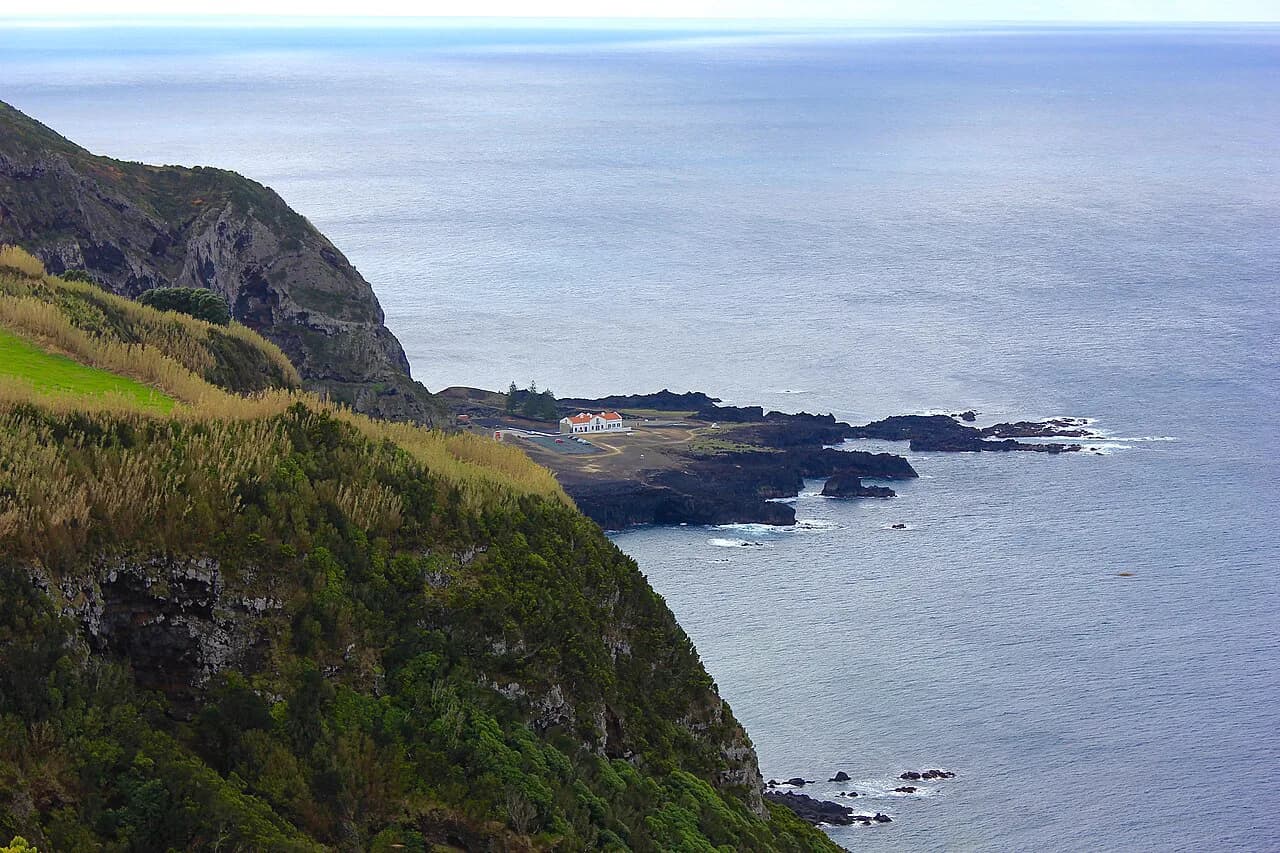
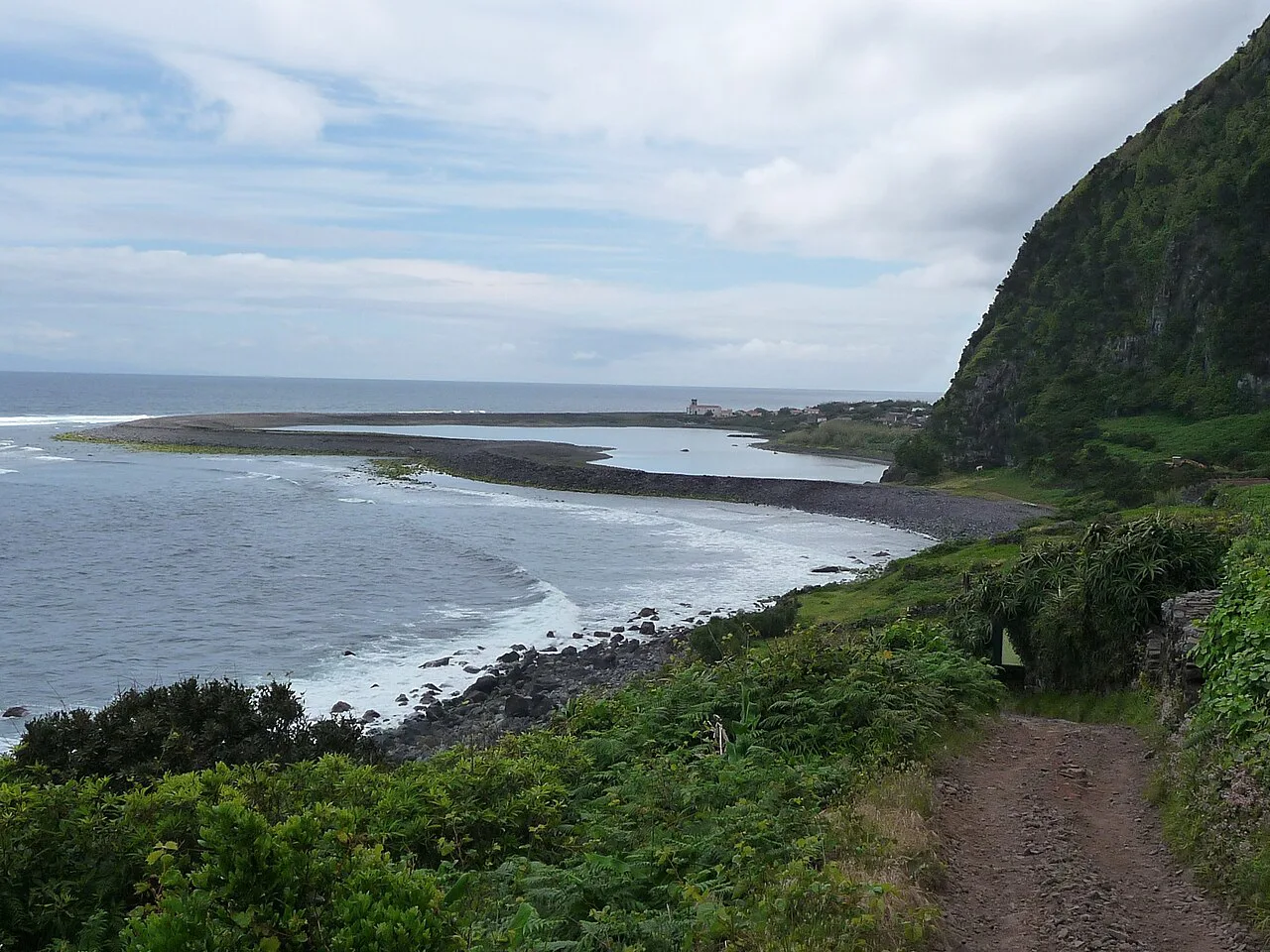
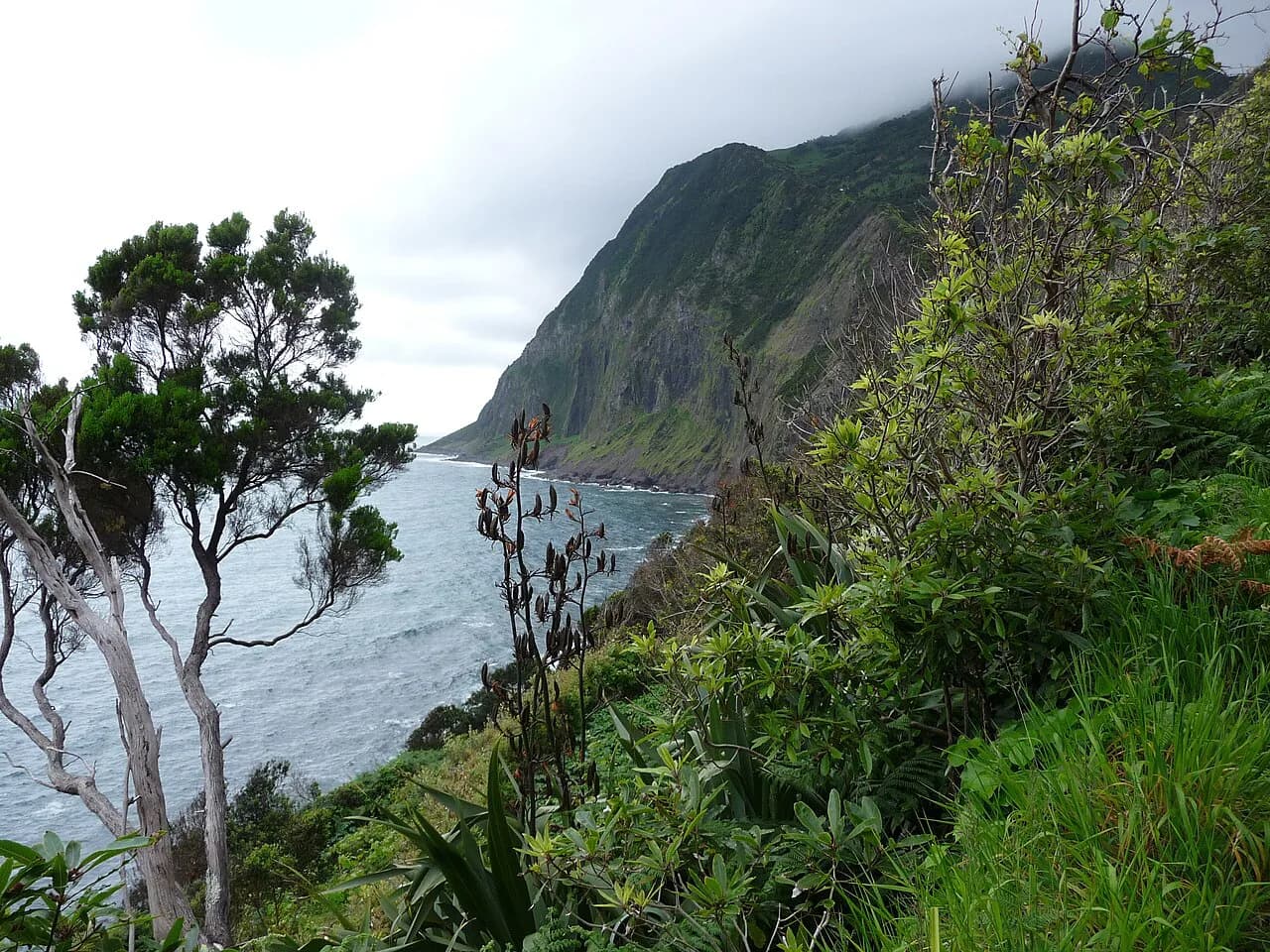
Flores is the western outpost of the archipelago, and its wild western coast is one of the coastal walks that define Azorean hiking. The Capelinhos peninsula, on neighboring Faial, adds a genuinely barren volcanic landscape of ash and old lava, a sharp contrast to the hydrangea-lined paths elsewhere. Together they make the western islands worth the extra flight for hikers who have already walked the central group.
These are the islands where you feel the Atlantic most directly: paths run close to the water, wind is constant and rain arrives fast. Waterproofs and a spare layer belong in the pack year-round. The scenery is the reward, so give yourself a buffer day on Flores in case a flight or a weather day intervenes.
Pico: the high volcanic peak and its demands
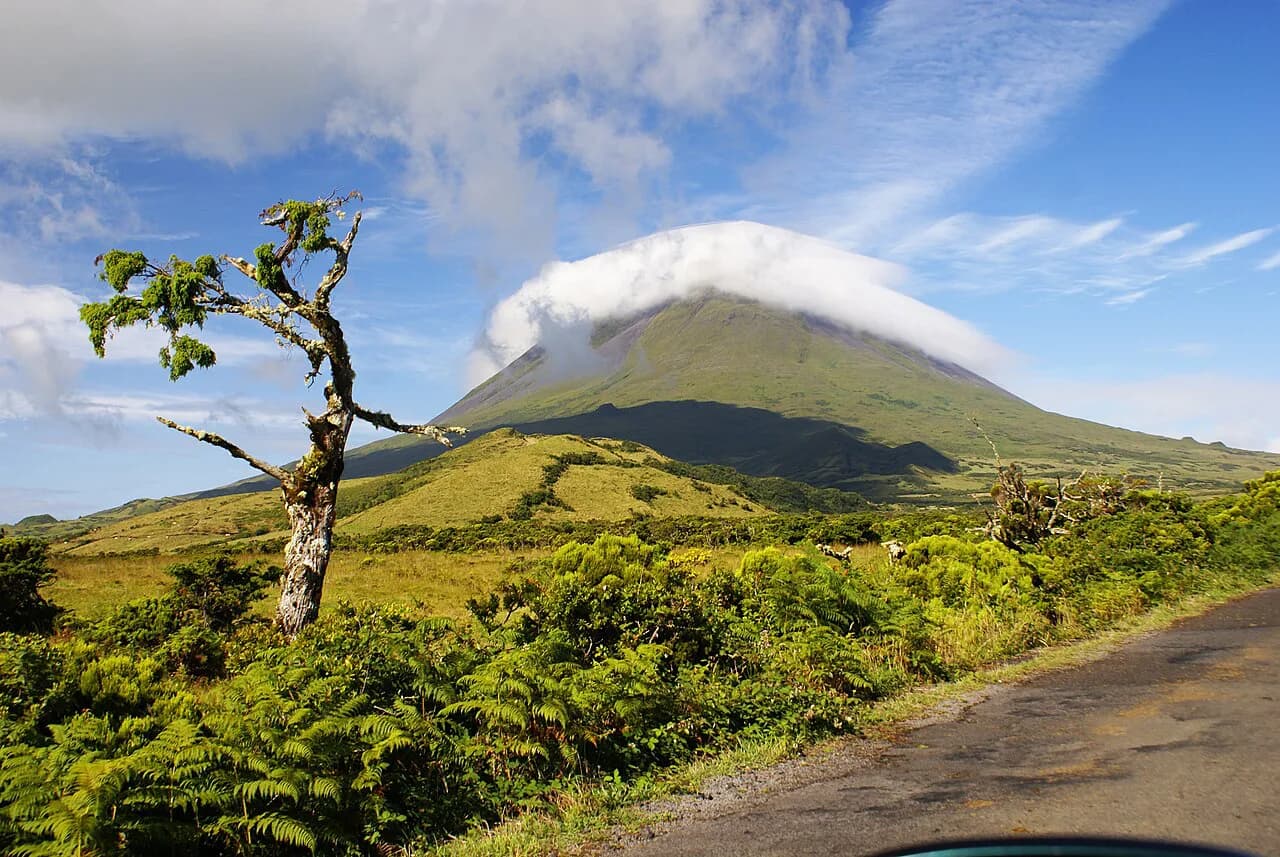
Mount Pico is the archipelago's high point and a different kind of day from anything on the coastal islands. Ascending it means sustained uphill walking on volcanic ground, with the summit exposed to wind and cloud, and it suits hikers with hill fitness and early starts rather than casual strollers. The Mount Pico Hike page covers the climb in detail, including what the upper mountain demands.
Plan Pico as its own objective rather than an afternoon add-on. Weather on the peak decides the day, so flexible dates on Pico are worth more than a tightly booked itinerary. Descent is hard on the legs after a long climb, so leave margin before any onward travel.
Island hopping versus a single base: trade-offs in time and travel
A single base saves you the inter-island flights and transfers and gives you more walking hours per day. Island hopping costs you those hours but exposes you to radically different terrain within one trip, from São Miguel's lakes to São Jorge's ridges and Pico's summit. The right answer depends on whether your week is about depth on one island or breadth across several.
If you choose to hop, sequence islands so the hardest walking, Pico, comes after you have found your rhythm, and keep at least one buffer day in the schedule. Flight connections between the smaller islands are the variable to protect against. Self-guided itineraries typically include the inter-island legs, which removes that planning burden.
Access on foot: how guided days remove the need for taxis, hire cars or route maps
On a guided walking holiday the day's transport is part of the package: guides move the group between trailheads so you do not need taxis, a hire car or route maps. That matters on islands where trailheads sit at the end of narrow roads and bus service is thin. The same guided structure lets a half-day walk slot into a family holiday without reorganizing the whole trip.
Self-guided drive-and-hike trips flip this around: you get the car and the freedom to stop wherever a viewpoint or a café appeals, but you also do the parking and the navigation. Hikers who enjoy the driving as part of the day tend to prefer this; those who find it a chore should weigh a guided format instead.
Protected nature reserves and where a licensed guide is required
Several of the islands' protected nature reserves are normally inaccessible, and licensed guides are authorized to lead walks through many of them. That is the concrete reason a guided day can go somewhere a self-guided itinerary cannot. If a specific reserve is the point of your trip, ask whichever company you're booking with whether their itinerary includes it.
For the rest of the trail network, independent walking is the norm on marked paths, so a self-guided trip still covers the classic routes. The distinction is between the standard walks and the restricted reserves, not between all guided and all independent walking.
Distance, ascent and time: what a typical walking day looks like
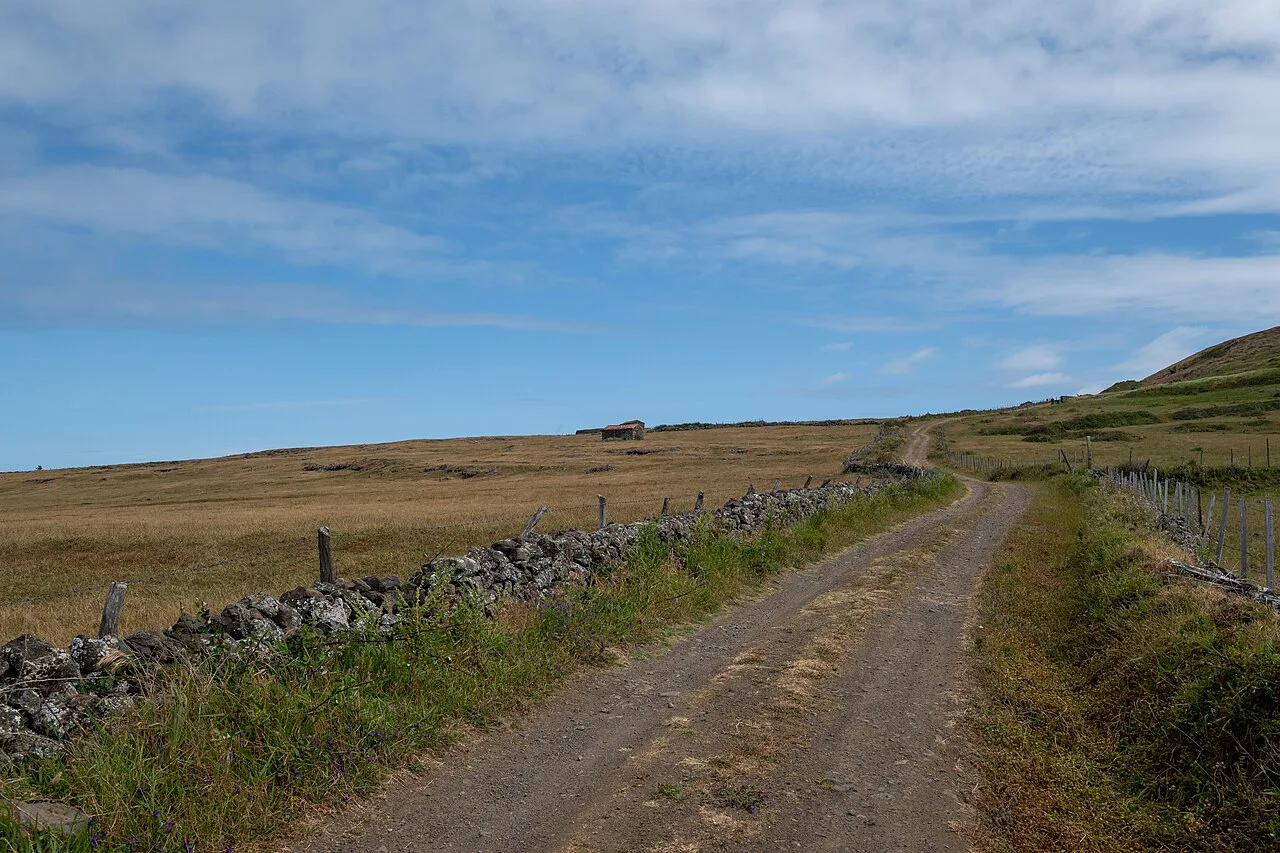
Azorean walking days range from short crater-rim loops to full days on ridges and volcanoes, and guided operators sell half-day and full-day formats precisely because the range is so wide. Build your expectations around four to six hours of walking on a typical hill day, with more on Mount Pico's ascent. Weather, not distance, is usually what stretches a day.
Start early on exposed days. Cloud typically builds through the afternoon on the high ground, and an early start on a caldera rim or a ridge gives you the views before the cloud arrives. Keep the afternoons for coastal or woodland walks where visibility matters less.
When to go: month-by-month fit for walking and wildlife
March to June is the recommended window for an Azores walking holiday, combining mild spring weather with the arrival of the largest whales, including blue, fin and sei whales in the surrounding waters. Hikers who want marine wildlife alongside the trails should aim for that window rather than late summer. If whales are the priority, book whale-watching as a half-day alongside your walking.
Outside that window the islands remain walkable, but the combination of good walking weather and peak whale season is what makes spring the standout choice. Plan the hill days for the start of your trip if forecasts allow, and hold the coastal days in reserve.
Huts, hotels and luggage: how lodging works on guided versus self-guided trips
Azores walking holidays are hotel-based rather than hut-based: guided trips use accommodation chosen by the tour company, and self-guided itineraries book inns and hotels along the route in advance. On island-hopping itineraries the company moves your luggage between islands so you carry only a daypack on the trail. That removes the packing-and-repacking friction that can eat into a short trip, so it is worth asking how luggage transfers are handled when booking.
If you are building your own trip, book inter-island flights and accommodation together once the walking plan is fixed, because lodging on the smaller islands is limited. Guided formats handle this for you, which is part of what you pay for beyond the guiding itself.
Getting to the Azores: flights via Lisbon or Porto and onward island hops
Reaching the Azores is straightforward from Europe: fly to Lisbon or Porto, then take one of the regular daily flights to Ponta Delgada on São Miguel, roughly two and a half hours in the air. Less frequent direct flights from London Gatwick are operated by SATA, the Azorean airline. From Ponta Delgada you connect onward to the other islands.
The Azores sit about 900 miles (1,450 km) from Lisbon and roughly 1,200 miles (1,930 km) from the African coast, which explains both the flight time and the mid-Atlantic weather. Book the inter-island legs early if you are hopping in spring, when demand from both walkers and whale-watchers peaks.
Matching a walking holiday to your fitness and appetite for logistics
Choose guided if you want interpretation, access to protected reserves and someone else handling transport, and self-guided if you want to walk your own pace with the driving and navigation in your hands. Choose island hopping if variety is the point of the trip, and a single base if you would rather walk more and travel less. For a full island-by-island overview before you commit, see the Hiking in the Azores guide.
Be honest about hill fitness when Mount Pico is on your list: it is the one objective that demands a dedicated day, an early start and tolerance for exposure. Everything else can be scaled to your legs. Leave one flexible day in any itinerary, because Azorean weather is the one factor no operator can schedule.
Plan Your Visit
Decide the format first, guided or self-guided, then pick islands to match the walking you actually want: calderas on São Miguel, ridges on São Jorge, coast and volcano on Flores and Faial, and the summit on Pico. March to June gives you the best walking weather and the whale season together. Book accommodation and inter-island flights early if you are hopping.
If you are travelling beyond the Azores, note that Madeira's levada and mountain paths lie in a separate archipelago and are covered in the Madeira walking holidays guide. For the Azores themselves, keep the plan simple, protect one weather day and let the islands' volcanic scenery do the rest.
Frequently Asked Questions
What is the best month to go to the Azores for walking?
March to June is the recommended window, when mild spring weather makes walking comfortable and the largest whales, including blue, fin and sei whales, are in the surrounding waters. The walking continues outside that window, but the spring combination of weather and wildlife is what makes it the standout choice.
What do guided Azores walking holidays include?
Guided trips use resident guides who interpret the wildlife, plants, geology and history of their islands, and they move the group between trailheads so you do not need taxis, a hire car or route maps. Half-day, full-day and full-week formats exist, and guides are licensed to lead walks through many protected nature reserves that are otherwise closed. On island-hopping itineraries luggage moves with you between islands.
Are self-guided hiking tours in the Azores possible?
Yes. Self-guided drive-and-hike itineraries pair a hire car with booked accommodation, letting you walk at your own pace between trailheads. An eight-day island-hopping option, for example, combines Ponta Delgada on São Miguel, the wild landscapes of São Jorge and the volcanic peak of Pico. You take on the navigation and driving yourself.
Which Azores island is best for hiking?
São Miguel is the usual first choice, with the Sete Cidades caldera and the Lagoa do Fogo woodland on the doorstep of Ponta Delgada. São Jorge suits ridge and coastal walkers, Flores and Faial offer the western coast and the Capelinhos peninsula, and Pico is the high peak for fit, experienced hikers.
How do you get to the Azores from the US?
Most routes run through Lisbon or Porto, where regular daily flights reach Ponta Delgada on São Miguel in about two and a half hours. Less frequent direct flights from London Gatwick are operated by SATA. From Ponta Delgada you connect onward to the other islands.
Do you need a guide to walk in the Azores?
No. Marked trails across the islands are walkable independently, and self-guided itineraries rely on exactly that. A licensed guide is needed for the protected nature reserves that are normally inaccessible, since guides are authorized to lead walks through many of them.
Sources
Trail notes for your next trip
Optional updates when we add or revise hiking guides.
You might also like
Continue reading
More guides you'll find useful