Sardinia Walking Holidays: Choosing Guided Treks
Plan a Sardinia walking holiday around the Supramonte and Gulf of Orosei: routes, guided trek formats, fitness demands and the best months to hike.
On this page
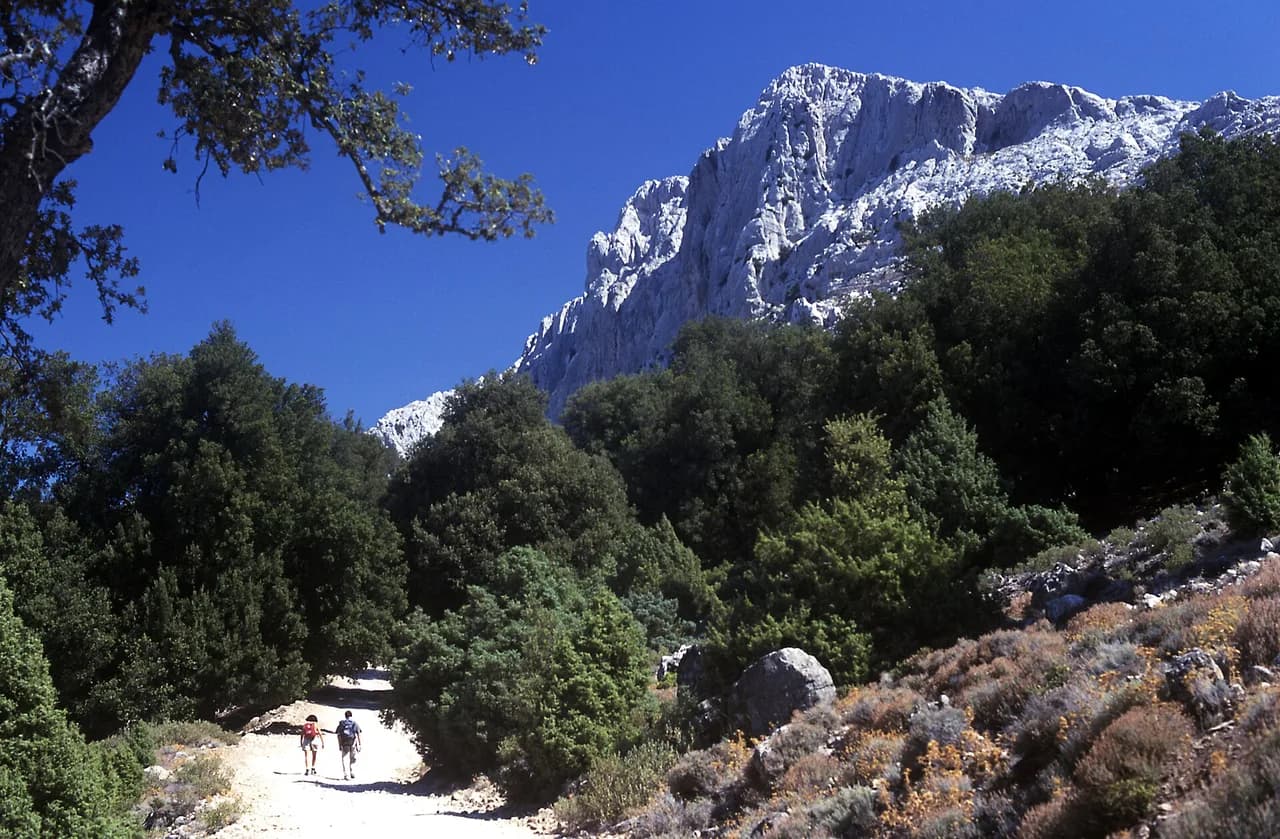
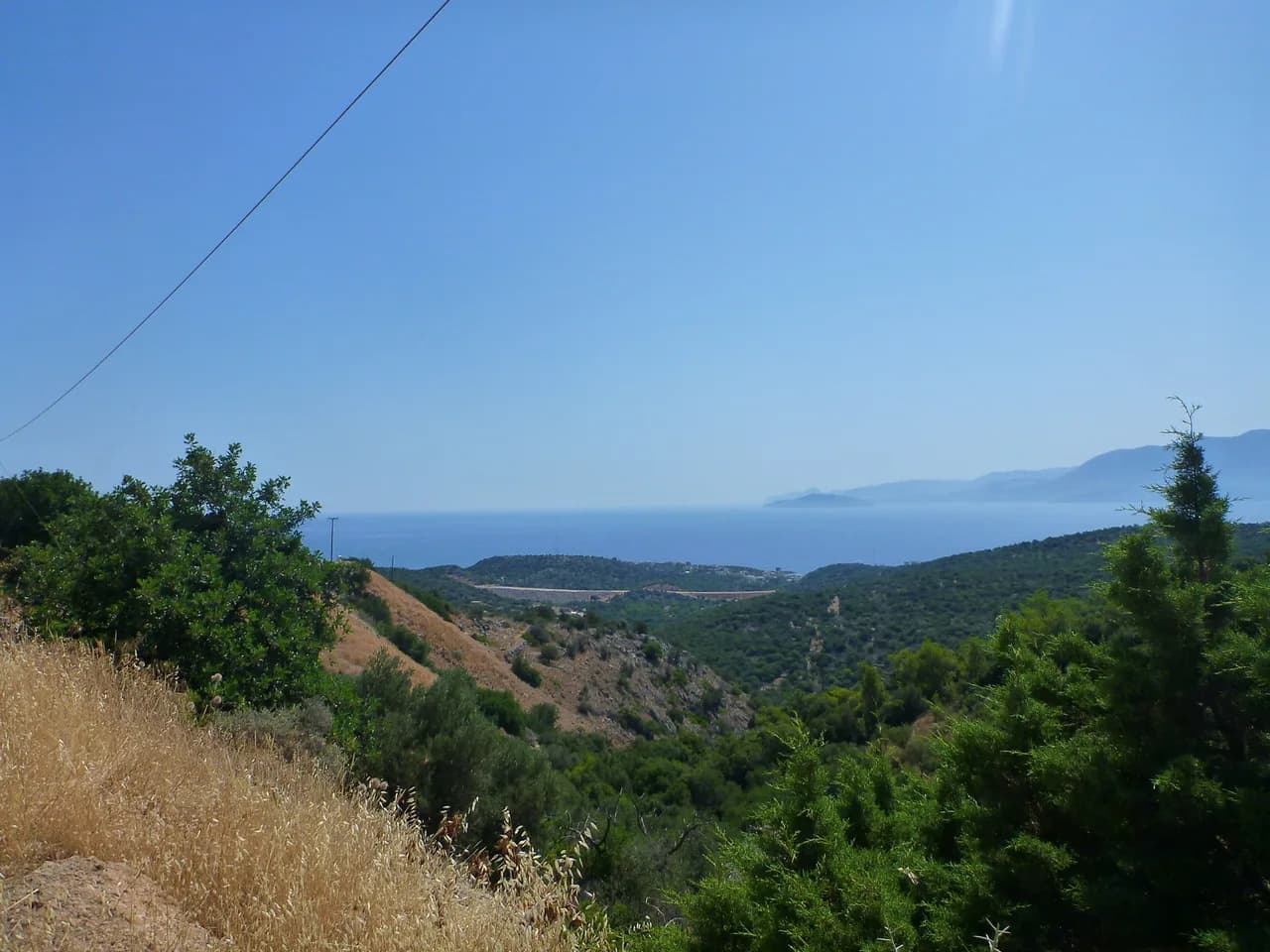
A walking holiday in Sardinia pairs two very different landscapes: the white limestone plateau of the Supramonte, cut by deep gorges and hiding a Nuragic village inside a cave, and the cliff coast of the Gulf of Orosei, where the trail runs above turquoise coves. Both sit in the east of the island around Orosei, Dorgali and Baunei, so a single base can cover several days of hiking.
The choice that shapes your week is guided versus independent. Guided day hikes handle the 4x4 transfers, canyon navigation and local history; a self-guided trip leaves you to plan the same trails around the heat and the trailheads. Either way, spring and autumn are the walking seasons, and the difficulty range runs from easy nature walks to a demanding five-day coastal expedition.
What a Sardinia Walking Holiday Looks Like
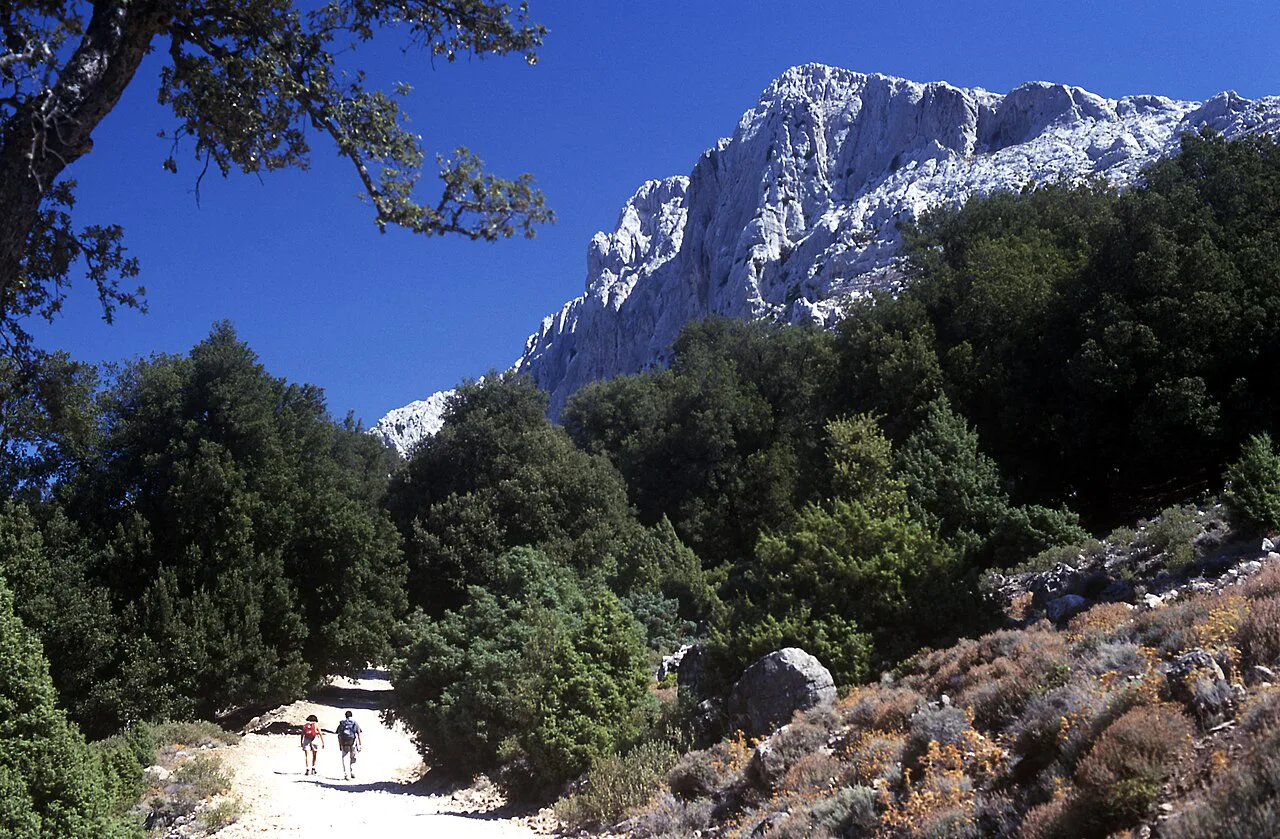
Sardinia walking holidays split cleanly into two families of route. Inland, the Supramonte gives you canyon floors, karst plateaus and archaeological sites, with walks that mix shaded forest and open limestone. On the coast, paths link beaches and headlands above the Gulf of Orosei, with short steep sections and long views rather than big altitude gain.
The inland hikes suit anyone who wants variety in a day: a canyon descent, a cave, a shepherd's hut lunch. The coastal routes suit hikers who prefer sea views and are comfortable on rough, exposed ground. A week that combines three or four inland days with two coastal days gives you both without repeating terrain.
Where the Walking Concentrates: Supramonte, Gulf of Orosei and Baunei Coast
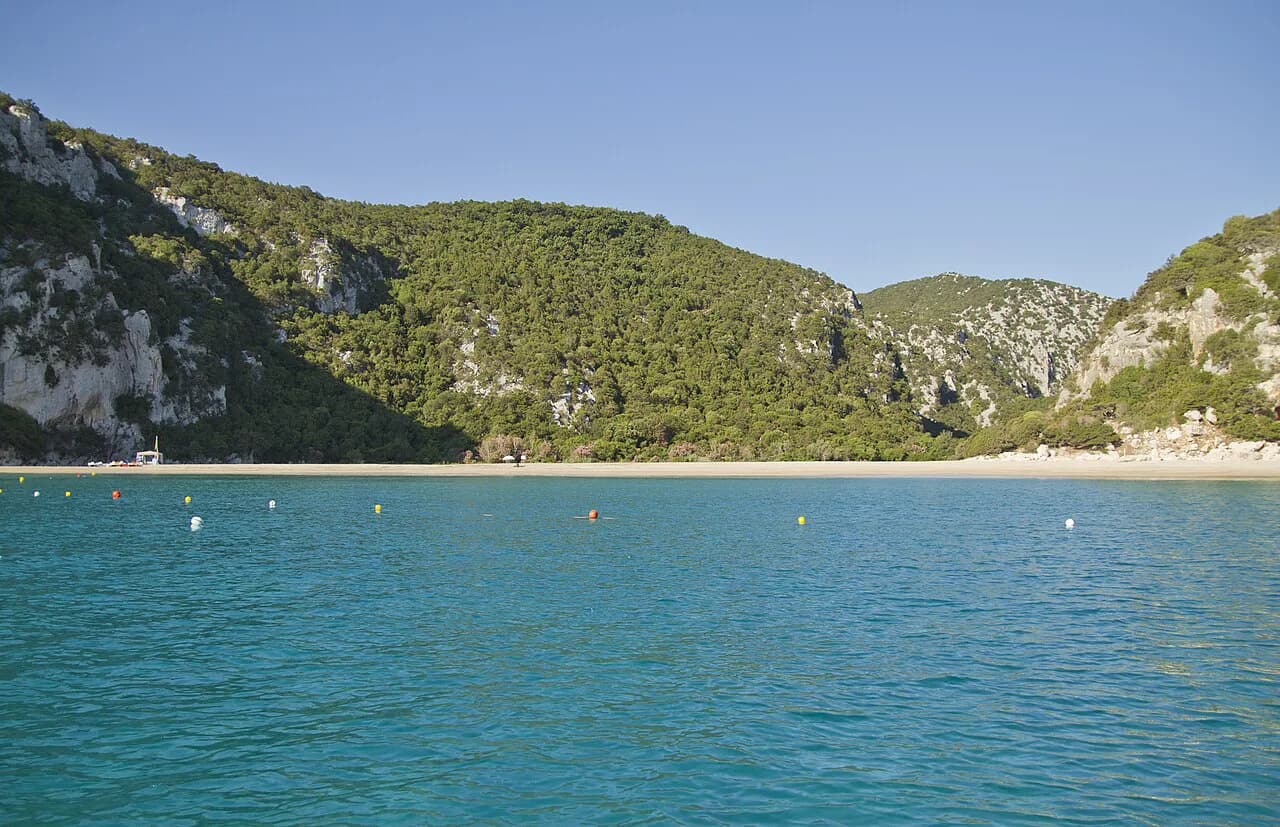
The Supramonte is the mountain heart, a limestone plateau above Orosei and Dorgali that holds Su Gorropu canyon, the Tiscali site and the slopes of Mount Corrasi near Oliena. The Gulf of Orosei coast runs north from there toward Cala Luna, and the Baunei coast south of it holds Cala Goloritzè and the Selvaggio Blu line. Orosei sits between the two, which is why guided groups meet in the town.
Orientation matters more than distance here. The inland sites sit above the coast villages and are reached by mountain roads or 4x4 tracks, while the coastal walks start from road-end trailheads or by boat. Picking a base on the east side puts both within day-trip range.
Su Gorropu Canyon: The Classic Day Hike
Su Gorropu is the headline walk: a gorge with limestone walls that Best Sardinia Trips describes as 500 metres (1,640 feet) high, entered through forest and across the Flumineddu river. The guided version runs about 8 hours in total with roughly 4.5 hours walking, rated moderate, and takes children from age 6. It suits hikers who want the canyon experience without route-finding on loose stone.
Expect scrambling on polished rock and boulder-hopping near the riverbed, which is where the day's slowest progress happens. The gorge floor stays cool and shaded, but the approach is open in places, so an early start is worth more here than on any other route in the area.
Tiscali Nuragic Village in Its Cave
The Tiscali hike climbs through Mediterranean scrub and broken canyon country to a Nuragic village built inside a vast limestone cave, a site Best Sardinia Trips dates at over 2,000 years old. The guided day lasts about 7 hours with roughly 4 hours of walking at moderate grade, and the minimum age is 10. That age step reflects rockier ground than the Gorropu approach.
The interest here is archaeological as much as scenic, so the guide's interpretation carries more of the day than on a pure viewpoint hike. If your group includes younger children, take the Gorropu walk instead and save Tiscali for when they are older.
Selvaggio Blu: The Five-Day Coastal Expedition
The Selvaggio Blu traverses the Baunei coastline over five days of high-intensity trekking, crossing ridges and remote coves on the Supramonte of Baunei. Best Sardinia Trips calls it the hardest trekking route in Italy and runs it as a guided expedition with a minimum age of 14 and full logistics handled for you. Treat that difficulty claim as the company's own description and judge it against your own scrambling and exposure experience.
This is not a walk you slot into a family week. The route involves steep ground above the sea, and the guided format exists largely to manage navigation, water and the daily logistics across five days. If you have not done multi-day exposed coastal walking before, build up on day hikes first.
Shorter Day Walks Used as Holiday Legs
Beyond the three headline routes, Sergio Nanni's team runs day hikes that work well as single legs of a week. Cala Luna on the Gulf of Orosei is the easiest coastal option; Cala Goloritzè from the Baunei side is a steeper climb out but a classic; Mount Corrasi above Oliena and Mount Albo are inland summit days; and Sa Giuntura is a waterfall walk from Urzulei. Each is a full day, and the guided tours include 4x4 Land Rover transport.
Use these to pace the week. Put Cala Luna early, keep a summit day for the middle, and finish with a coastal walk so the last day ends at the sea. Families with children from age 10 upwards can cover most of this list; Cala Luna takes children from 10, while the waterfall walk starts at 12.
Guided Versus Self-Guided: What Each Format Covers
A guided day with this Orosei-based operator includes a licensed AIGAE-certified hiking guide, 4x4 Land Rover transport and full logistics, with guiding in Italian, English and French. That package removes the two hardest planning problems in the Supramonte: reaching trailheads on rough mountain tracks and finding the canyon entry.
Self-guided walking gives you flexibility on start times and costs less on paper, but you arrange your own transport to remote trailheads and carry your own navigation. For the Gorropu and Tiscali days the guided format earns its place; for a simple coastal path you can plan independently with a map and a fixed taxi or shuttle.
Group Sizes, Languages and Family Age Limits
Best Sardinia Trips runs small groups and sets a minimum age for each route, which is the most useful planning detail on the site. Gorropu and Tiscali take children from 6 and 10 respectively, Cala Luna and the Biderosa oasis from 10, and the summit and waterfall hikes from 12. Selvaggio Blu starts at 14.
Languages are Italian, English and French, so mixed-nationality groups are workable. If you need a specific language on a specific date, ask when you book rather than counting on every departure running in all three.
Distance, Ascent and Walking Time for the Headline Routes
The published timings give you a realistic shape of the days. Gorropu is about 8 hours total with 4.5 hours walking at moderate grade, Tiscali about 7 hours total with 4 hours walking, and Selvaggio Blu five full days at high intensity. Those figures cover the whole excursion including transfers and stops, not just moving time.
Plan your fitness around total day length rather than ascent alone: a 7-hour day with transfers is a long outing even when the walking is moderate. Leave the day after Selvaggio Blu's stages or a summit hike free of anything ambitious.
When to Go: Spring and Autumn Walking Windows
Spring, from April to May, and autumn, from September to October, are the walking windows recommended for Sardinia, when conditions suit full days on exposed limestone. The canyon floors stay cooler than the plateaus, but the open coastal and summit sections are where summer heat bites hardest.
Book the shoulder months early if you want a guided departure, since those weeks fill first. If your dates land in high summer, choose shaded canyon routes and start at first light rather than committing to a full coastal traverse.
Reaching Trailheads from Orosei, Dorgali and Baunei
Guided departures meet at Piazza del Popolo in Orosei, and the 4x4 transfer covers the mountain tracks from there. That single meeting point is why one base in Orosei covers Gorropu, Tiscali, Cala Luna and the inland summits across several days without moving hotels.
Hikers going independent should plan transport to each trailhead individually: the coastal road ends and mountain tracks are not served by frequent public transport. Dorgali and Baunei are alternative bases closer to specific trailheads, but neither gives the same spread of routes from one address.
Huts, Overnight Logistics and Luggage on Multi-Day Treks
On Selvaggio Blu, Best Sardinia Trips handles logistics for the five-day expedition, so you carry only what you need between overnight stops and don't arrange transfers yourself. That is the main practical argument for the guided format on this route: the days are long and the coastline remote.
Day hikes need no overnight planning at all, which keeps a walking holiday simple: sleep in one base, walk a different route each day. If you want a mix, book the expedition as the core of the week and add day hikes either side to recover and acclimatize.
What to Pack for Limestone Scrambling and Coastal Exposure
Pack for rough limestone: boots with stiff soles and good grip, since canyon floors and cave approaches are polished and loose. Add a light layer for shaded gorge sections, sun protection for the plateaus and coast, and enough water capacity to carry you through a 4- to 5-hour walking day.
For coastal routes, a small pack that sits tight matters more than capacity, because short steep sections above the sea are where balance counts. Take a headlamp if your day includes a cave site, and a dry bag for boat-linked beach walks.
Choosing a Base for the Walks You Want
Orosei is the strongest all-round base: the guided meeting point is in the town, and it puts you within range of both the Supramonte and the Gulf of Orosei coast. Choose Dorgali if Gorropu and the canyon country are your priority, and Baunei if Cala Goloritzè and the Selvaggio Blu line are the reason for the trip.
If your week is mostly coastal, a base on the Baunei side shortens transfers but narrows your inland options. Balance the two by splitting the week: three nights in Orosei for the Supramonte, then two or three on the coast for the beach-linked walks.
Costs and How to Read a Tour Price
Guided day tours are priced per person, with a lower rate for children on most routes, and Best Sardinia Trips' published 2026 day rates fall between 55 and 65 euros, with the five-day Selvaggio Blu expedition priced separately at 700 euros. Those rates include the licensed guide, 4x4 transport and logistics, so compare them against the cost of a rental car plus your own planning time.
Prices change between seasons and years, so treat Best Sardinia Trips' price table as the current reference and confirm the total for your group size and dates at booking. For a family, the child rates make guided days more competitive than they first appear; for a solo hiker, the cost per day is the main trade-off against independent walking.
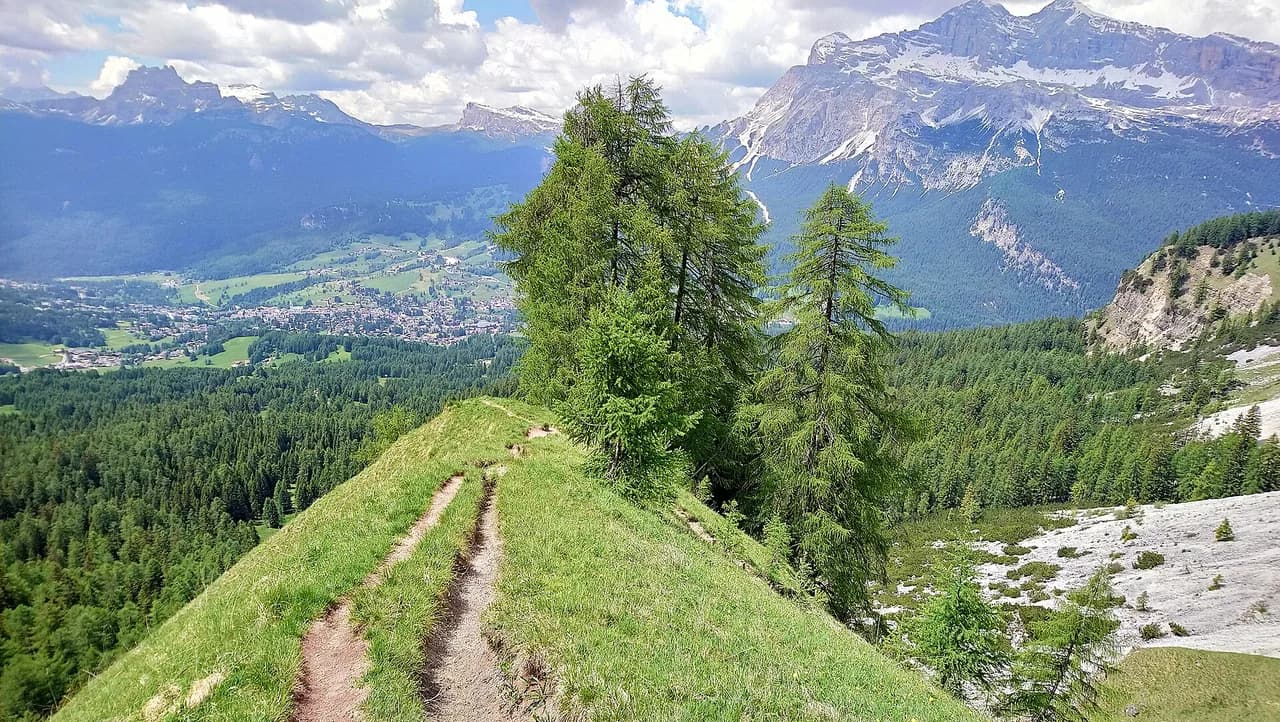
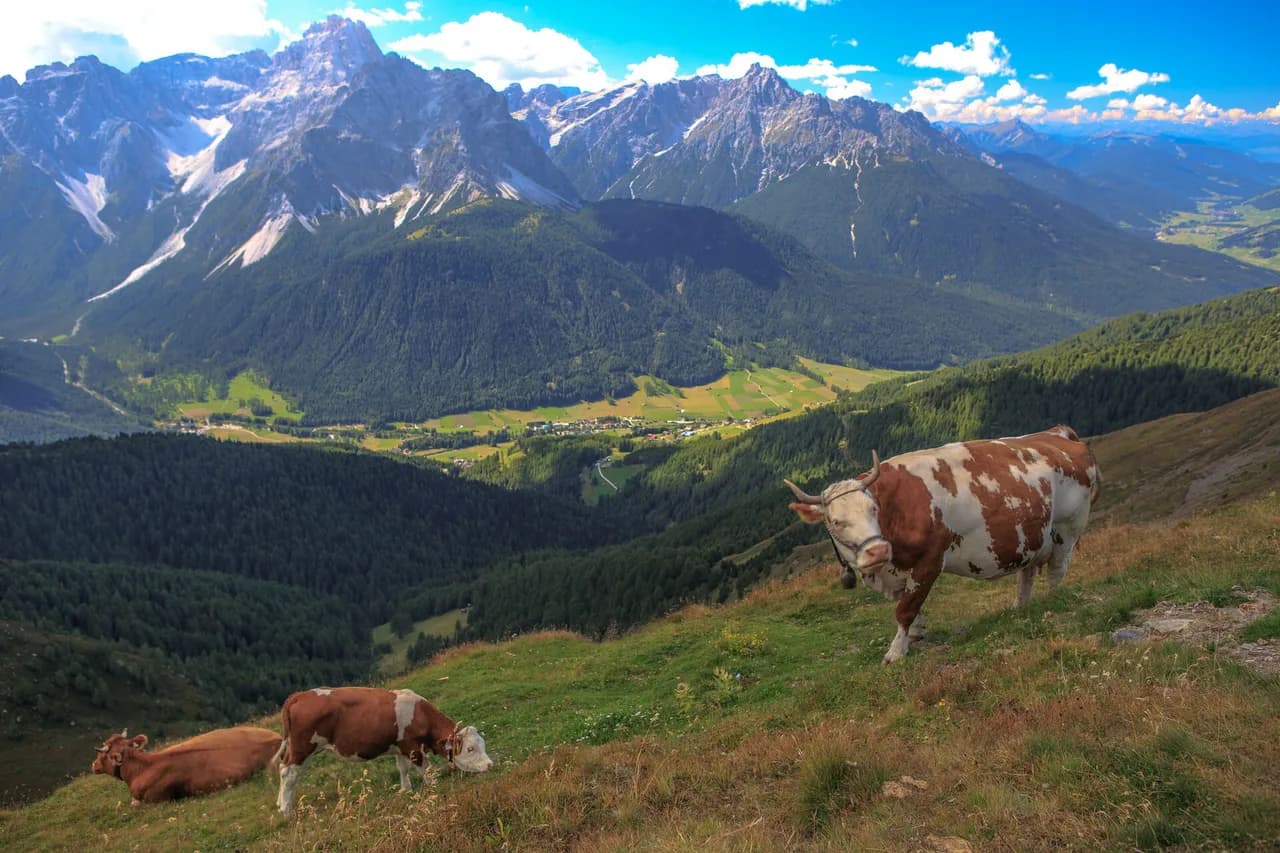
If you are comparing formats across Europe, guided models elsewhere bundle differently; the same questions about transfers, guiding and group size apply. Hut-to-hut formats work the same way, so it is worth weighing the guided and self-guided options on Dolomites hiking tours against what the Sardinian operators include.
Plan Your Visit
Build a Sardinia walking holiday around one decision: whether the Selvaggio Blu expedition is the core of your week or a day-hike base in Orosei is the better fit. Families and first-time visitors get the most from the guided day hikes, which cover canyon, cave and coast in single outings from one meeting point.
Book spring or autumn dates, set your fitness against total day length rather than ascent alone, and match the group's youngest member to the published minimum age for each route. Then choose a base that shortens the transfers for the walks you most want to do.
Frequently Asked Questions
What is the best time of year for a walking holiday in Sardinia?
April to May and September to October are the recommended walking windows, when conditions suit full days on exposed limestone. Canyon floors stay cooler than the plateaus, but open coastal and summit sections are where summer heat bites hardest. If your dates fall in high summer, pick shaded canyon routes and start at first light.
How hard is the Selvaggio Blu trek?
The Selvaggio Blu crosses the Baunei coastline over five days of high-intensity trekking, and the operator running it calls it the hardest trekking route in Italy. Judge that against your own experience of exposed coastal walking, steep ground above the sea and multi-day packs. Hikers new to this kind of terrain should build up on day hikes first and take the guided format.
Do you need a guide to hike Su Gorropu canyon?
A guide removes the two hardest planning problems on a Gorropu day: reaching the trailhead on rough mountain tracks and finding the canyon entry, plus route-finding on polished rock and boulders near the riverbed. Confident hikers can plan the canyon independently with a map and pre-arranged transport. Weigh the cost of a guided day against a rental car and your own planning time.
Can families with children join Sardinia guided hikes?
Yes, with limits set per route. Gorropu takes children from age 6 and Tiscali from 10; Cala Luna and the Biderosa oasis from 10; summit and waterfall hikes from 12; Selvaggio Blu from 14. Match the youngest member of your group to those minimums before booking.
How many days do you need for a Sardinia hiking holiday?
A week lets you combine three or four inland Supramonte days with two coastal days without repeating terrain, all from one base in Orosei. The Selvaggio Blu alone takes five full days, so make it the core of the week and add day hikes either side to recover. Shorter trips can pick two or three guided day hikes.
Where should you base yourself for hiking in Sardinia?
Orosei is the strongest all-round base: the guided meeting point is in the town and it puts both the Supramonte and the Gulf of Orosei coast within day-trip range. Choose Dorgali if Gorropu and the canyon country are your priority, and Baunei if Cala Goloritzè and the Selvaggio Blu line are the reason for the trip.
Sources
Trail notes for your next trip
Optional updates when we add or revise hiking guides.
You might also like
Continue reading
More guides you'll find useful