Tour du Mont Blanc Packing List: What to Carry Hut to Hut
Build a Tour du Mont Blanc packing list around an 8-10 kg pack: boots, layers, refuge kit and water for a 170 km hut-to-hut circuit.
On this page
The Tour du Mont Blanc asks you to carry everything you need for roughly 170 km (106 miles) through France, Italy and Switzerland, sleeping in mountain refuges along the way. That circuit length is fixed, so your kit has to be light enough to walk in daily and complete enough for cold, exposed cols and sudden storms. This list works backward from a weight target rather than piling up gear, which is the difference between a comfortable week and a slog.
What the circuit demands of your kit
Three things shape every packing decision on this route: distance, altitude and the fact that you sleep in shared mountain accommodation rather than hotels. You climb over high cols where conditions can switch from warm sun to cold wind in the space of an hour, so the clothing that works in a valley is not the clothing that works on a pass. Because everything travels on your back, each item has to earn its place.
Refuge nights add a second set of requirements that generic hiking lists skip: bedding is shared, boots are usually left at the entrance, and evening temperatures drop even in midsummer. The official route advice frames the whole kit as a system for a week of walking rather than a day hike, which is the right mental starting point.
Pack size and target weight
Aim for a pack of 35 to 45 litres (about 2,100 to 2,750 cubic inches) and a loaded weight of 8 to 10 kg (17 to 22 lb) including water, according to the official Tour du Mont Blanc guidance. That volume holds clothing, a first-aid kit, water, a packed lunch, a waterproof jacket, a sleeping bag liner and small accessories without inviting you to overfill it. A 20 to 45 litre range covered the packs on one guided hut-to-hut trip, with most landing near 35 litres.
Volume matters less than how the pack carries. Look for a hip belt that transfers load onto your hips, load-lifter straps, a chest strap and a rain cover, and keep everything inside the bag rather than dangling from the outside. Load it fully and walk for several hours before you travel, checking for rubbing, stability on descents and easy access to the items you reach for most. Guidance for the whole Mont Blanc hiking region runs to the same principle: the lighter and better-fitted the pack, the more of the circuit you enjoy. If you are comparing circuits before committing, the Annecy hiking guide shows how a shorter lake-and-ridge route changes what you need to carry.
Boots and socks
For a first circuit, the official advice favors mid- or high-cut hiking boots with good grip, a sole suited to rocky ground and some protection against damp. Low-cut shoes can work, but they call for real familiarity with scree, rock slabs and loose ground. Either way, do not start in brand-new footwear.
Break boots in over several outings, covering roughly 80 to 150 km (50 to 93 miles) before departure. Pair them with technical or merino wool socks, which limit rubbing far better than cotton because they handle moisture, and pack one light dry pair for the evening at the refuge. Boots stay at the entrance to most accommodation, so a light pair of hut slippers or sandals is worth the space.
The three-layer clothing system
Build your walking clothes around three layers. The first is a breathable technical or merino base that wicks sweat away from your skin; the second is a light fleece or packable down jacket for cold moments on cols, early starts and evenings; the third is a waterproof, windproof shell that stays within reach in your pack even when the sky looks settled. This lets you adapt to temperature without carrying a separate outfit for every condition.
Add one or two walking outfits in fast-drying synthetic fabric rather than cotton, which holds moisture and dries slowly. Snow can linger on the higher passes even in summer, and storms build quickly around the big cols such as Col de Seigne and Col de Fours, so the shell and mid-layer are the pieces you will be glad to have.
Legs, hands and head
Light hiking trousers or shorts cover the walking days, with a warm hat, a sun hat or cap and a neck gaiter for the range of conditions you meet between valley and pass. Waterproof gloves and a warm pair of gloves are small items that make a cold, wet col far more bearable. Sunglasses and high-factor sunscreen belong in the same bag: much of the route is above the tree line and exposed all day.
Water and food
Plan on carrying at least 1 to 1.5 litres (about 1.5 to 1.6 quarts) of water per stage, more in heat, in a bottle or hydration bladder. Some hikers carry capacity for 2 to 3 litres so they can fill up when a source or refuge appears rather than rationing between them. Treat refills as part of the day's rhythm: top up at huts and villages instead of hauling a full load over every col.
You only need to carry snacks and the day's lunch. Many refuges offer half board with dinner and breakfast, and some will prepare a packed lunch if you ask, which keeps your food weight low between stops. You are rarely more than about 10 km (6 miles) from accommodation or a shop, so buying bread, cheese, fruit and chocolate along the way is entirely practical.
Refuge nights
A sleeping bag liner is strongly recommended and often required for hygiene, so treat it as essential rather than optional. Add earplugs, a head torch, a microfibre towel, a compact wash bag and dry clothes for the evening. In a dormitory, being able to change into something dry and find your head torch without waking everyone is what makes the night work.
Keep toiletries minimal: a bar of soap, a toothbrush, a small tube of toothpaste and a few essentials are enough, and every gram saved shows up on the trail the next day. Earplugs and an eye mask are worth the tiny weight in busy dorms. Slippers or light shoes for indoors complete the refuge kit.
Navigation and safety kit
Carry the paper IGN Tour du Mont Blanc map: it keeps working in the dead zones where phone coverage disappears, which happens on several sections of the route. Your first-aid kit should stay compact but effective, with blister plasters, standard plasters, antiseptic, a suitable painkiller, a survival blanket, a light bandage, anti-chafing cream and any personal medication.
Trekking poles earn their place on the long descents, taking load off your knees and improving balance on loose ground. The real hazards on this circuit are exposure on the high cols, snow lingering early and late in the season, and afternoon storms; carrying the shell, warm layer and map lets you respond to all three. Check the local forecast before a pass day and turn back or wait if storms are building.
Electronics and money
Charging points can be scarce in some refuges, so a 10,000 mAh power bank covers several phone charges and saves you hunting for a socket. Bring a universal adapter for European type C plugs and keep cables organised in one small bag. A head torch doubles as your evening light and backup.
Carry cash in both euros and Swiss francs, because many mountain huts accept cash only. Some huts also charge for hot water or showers, so coins are handy. Plan your withdrawal stops in valley towns before heading up to a refuge.
What to leave at home
The classic trap is packing extra clothes just in case. On a multi-day trek, versatile pieces that dry fast and can be worn more than once beat a full outfit for each day. Leave the heavy books, the bulky wash bag, spare bulky shoes and non-essential accessories behind.
If you are weighing up whether to organize your own stages or join an operator, note that a hut-to-hut circuit keeps your load on your back, while some organized hiking tours and self guided formats move luggage between stops. Decide which style you want before you buy gear, because it changes how much pack volume you need. Details of the route's stages and refuges are worth reading before you commit.
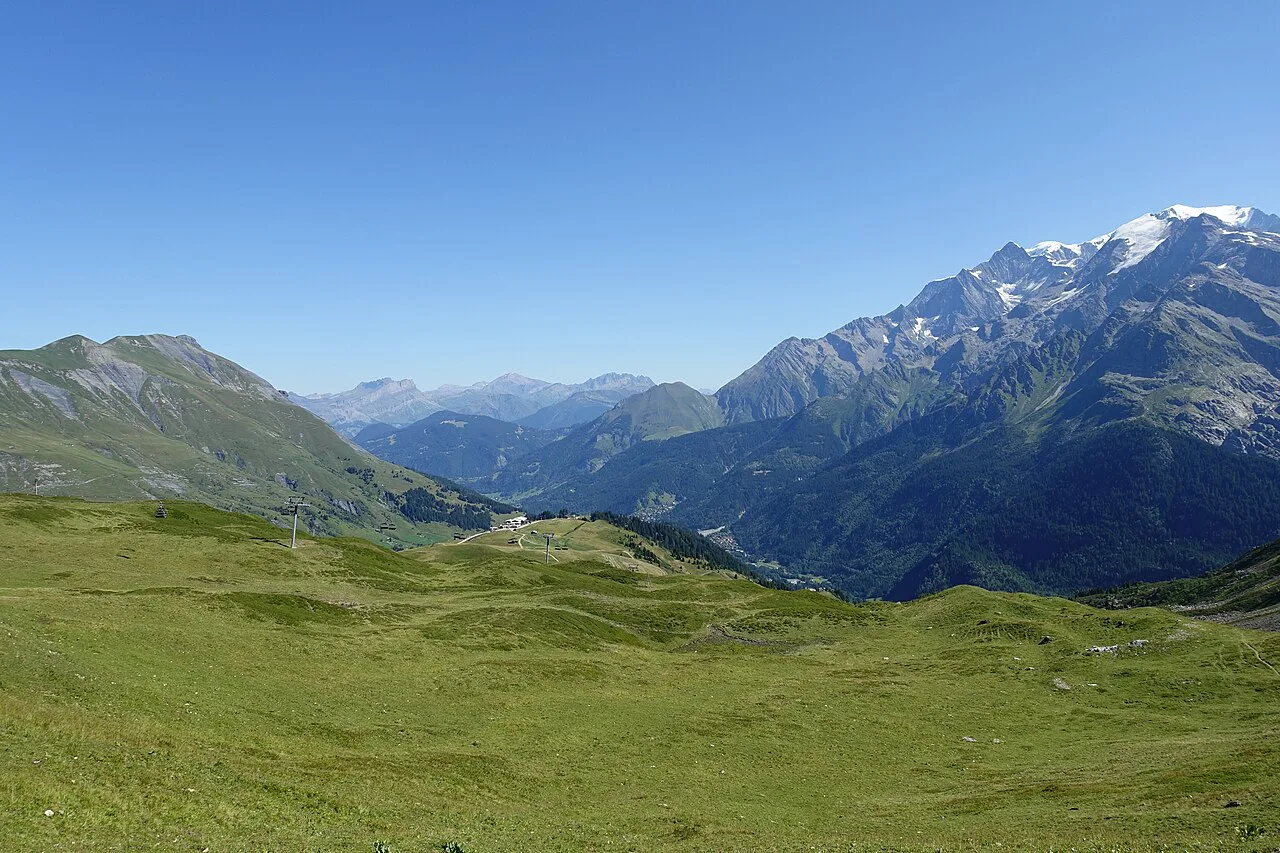
Hut-to-hut versus baggage-transfer packing
On a pure hut-to-hut walk you carry everything, so a 35 to 45 litre pack and an 8 to 10 kg (17 to 22 lb) load is the working target. If you book a trip with baggage transfer, you walk with a smaller day pack and send the rest in a separate bag. Self-guided tours with baggage transfer commonly ask for a soft duffle no heavier than 15 kg (33 lb) and no hard-shell suitcases, with a 30 to 50 litre day pack for the trail.
The trade-off is freedom versus comfort: the transferred bag lets you bring clean clothes and a heavier camera, but it locks you into the operator's stage plan and bag handover times. Hut-to-hut packing keeps you flexible but demands discipline on every item. Your baggage limit and duffle rule come from the operator, so read their trip notes.
Season and conditions adjustments
Early and late in the season, add gaiters for wet ground and microspikes for snow on the higher passes, since snow can persist on some cols even when the valleys are warm. In high summer, the same route becomes a sun-exposure problem, so prioritize the hat, sunscreen and water capacity. Whichever month you pick, keep the waterproof shell and warm mid-layer in the pack on every pass day.
Packing list by category
Carrying system: a 35 to 45 litre pack with a proper hip belt and rain cover, plus trekking poles. Footwear: broken-in mid- or high-cut boots, wool socks and hut slippers. Clothing: breathable base layer, fleece or down mid-layer, waterproof shell, hiking trousers or shorts, warm hat, sun hat, gloves and sunglasses.
Refuge kit: sleeping bag liner, earplugs, eye mask, head torch, microfibre towel, compact wash bag and dry evening clothes. Water and food: 1 to 1.5 litres of bottle or bladder capacity plus snacks and lunch. Safety: IGN map, first-aid kit with blister plasters and a survival blanket, and a power bank with a type C adapter. Money: euros and Swiss francs in cash.
Plan Your Visit
Build your Tour du Mont Blanc kit around the weight target first, then choose the pack, boots and layers that fit inside it. Break the boots in well ahead of departure, pack the refuge items that make dormitory nights work, and keep the shell and map where you can reach them on every col. The Tour du Mont Blanc site publishes current refuge availability as your booking window approaches.
Frequently Asked Questions
How heavy should my pack be for the Tour du Mont Blanc?
Aim for 8 to 10 kg (17 to 22 lb) including water, in a 35 to 45 litre pack. That volume covers clothing, a waterproof shell, a first-aid kit, a sleeping bag liner, lunch and water without encouraging overpacking. Test the loaded pack on several long walks before you travel.
Do I need a sleeping bag for Tour du Mont Blanc refuges?
A sleeping bag liner rather than a full bag is the standard item, and refuges often require one for hygiene. Add earplugs, an eye mask, a head torch and dry evening clothes. Confirm bedding arrangements with the specific refuge when you reserve.
What boots should I wear on the Tour du Mont Blanc?
Mid- or high-cut hiking boots with good grip and a sole suited to rocky ground suit most first-time walkers. Low-cut shoes can work if you are experienced on scree and loose terrain. Break them in over roughly 80 to 150 km (50 to 93 miles) before departure.
How much water should I carry on the Tour du Mont Blanc?
Plan for at least 1 to 1.5 litres (about 1.5 to 1.6 quarts) per stage, more in heat. Some hikers carry capacity for 2 to 3 litres to refill less often. Top up at refuges and villages rather than carrying a full load over every col.
Do Tour du Mont Blanc refuges take cards or cash?
Many mountain huts accept cash only, so carry euros and Swiss francs. Some also charge for hot water or showers, which makes coins useful. Withdraw money in valley towns before heading up to a refuge.
What should I leave at home on the Tour du Mont Blanc?
Leave duplicate outfits, heavy books, bulky wash bags and spare bulky shoes behind. Fast-drying pieces worn more than once beat a fresh set for each day. Keep toiletries to a bar of soap, a toothbrush and a few essentials.
Sources
Trail notes for your next trip
Optional updates when we add or revise hiking guides.
You might also like
Continue reading
More guides you'll find useful