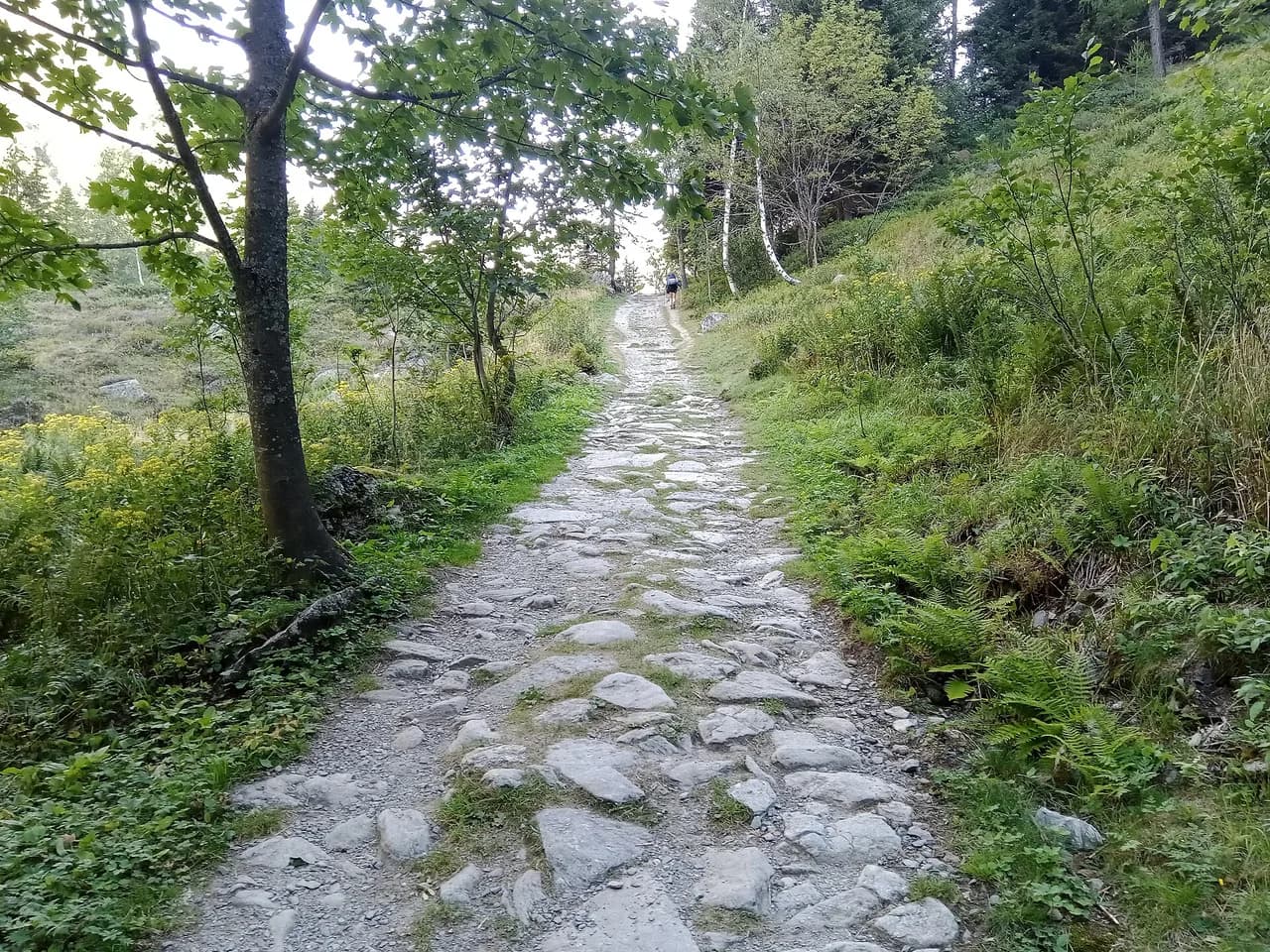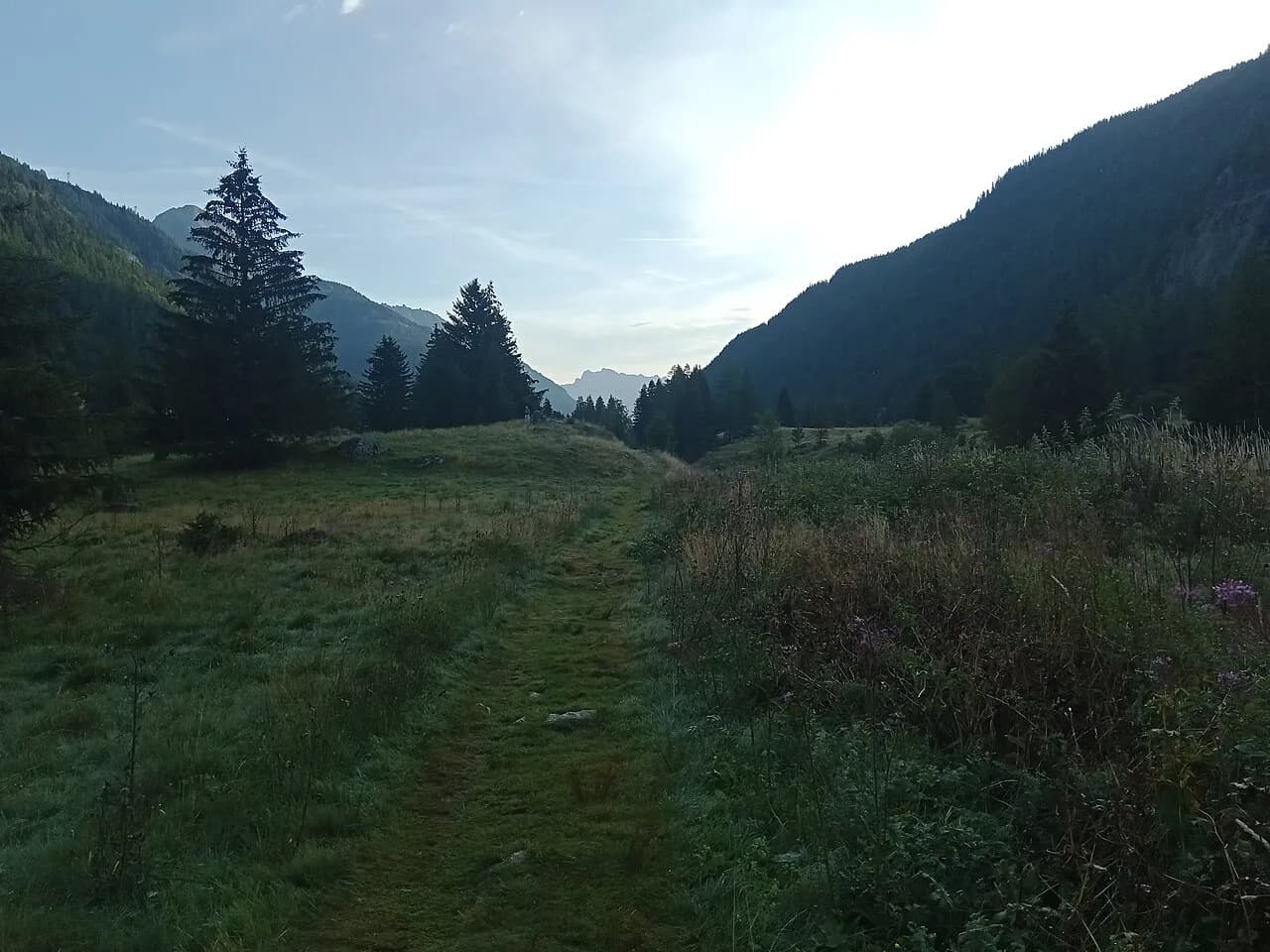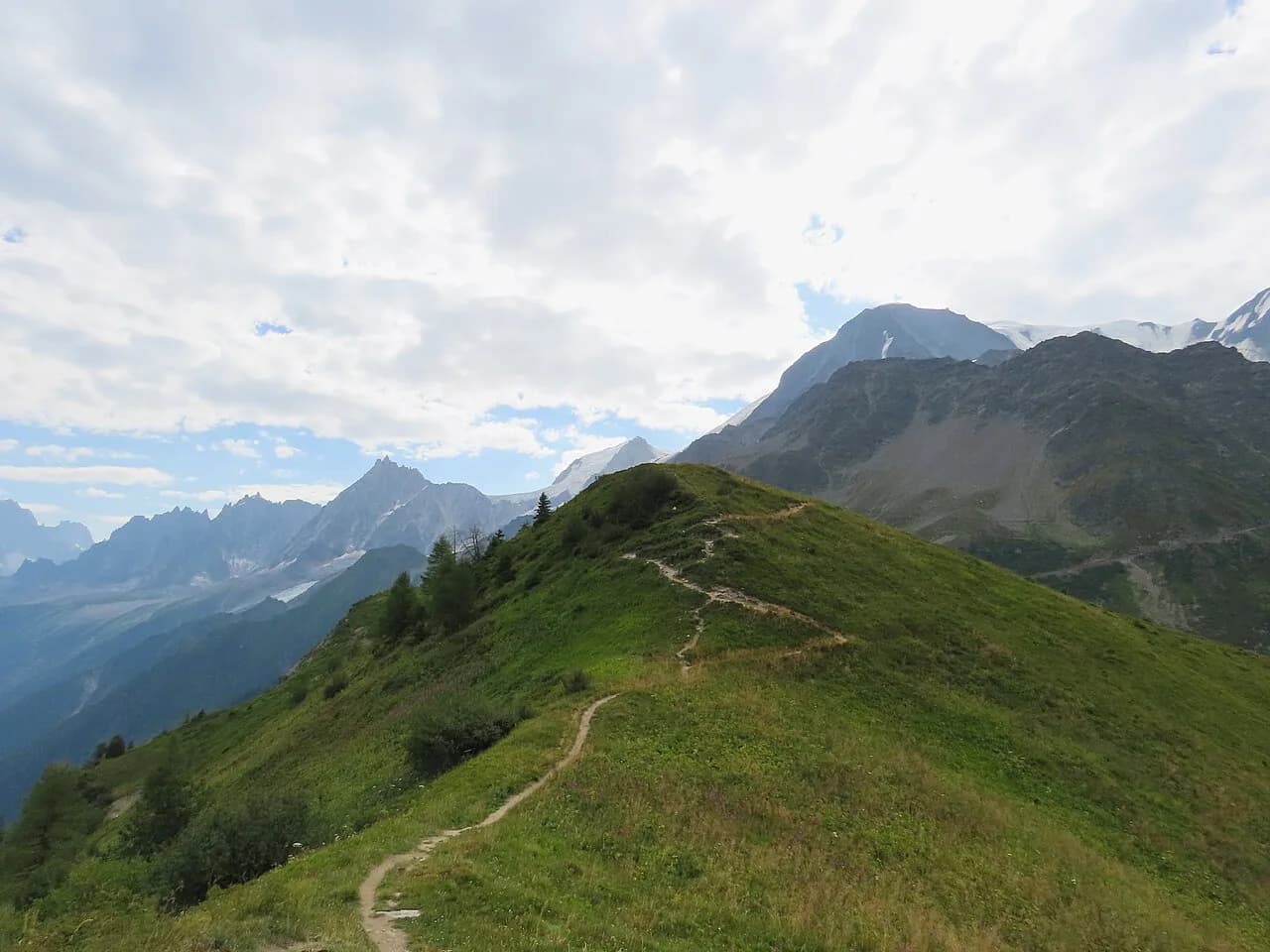
Best Time to Hike Mont Blanc: Month-by-Month Season Guide
Plan your Tour du Mont Blanc month by month: June snow on the high passes, busy July and August huts, and quieter September trails with clear paths.
On this page
The circuit around the Mont Blanc massif gives you a genuine alpine traverse through France, Italy and Switzerland, and it suits strong walkers who want a week or more of big pass days rather than a single summit. The loop is roughly 170 km (105 miles) with about 10,000 m (32,800 ft) of ascent and descent, usually walked over 7 to 11 days. Which month you pick changes the snow, the crowds and the hut beds far more than your training does.
This guide separates two questions that get muddled: when the route is walkable and when it is genuinely enjoyable. It breaks down each month, matching you to the full circuit, a shorter version or the alpine Haute Route variant. For the trail itself, the route stages and the logistics, the mont blanc hiking guide carries the wider planning.
Why the season runs from mid-June to early October
The reliable window for the circuit sits between mid-June and early October, with most walkers choosing July and August. That late-summer bias is partly weather and partly holiday timing, which is why the trails and huts peak in those two months. If you can move your dates, the shoulder weeks at either end buy you quieter paths.
What changes across the season is the snow on the high passes and the number of people sharing them. June leaves snow in shaded and exposed places, midsummer clears the main route but fills the huts, and early autumn brings cooler air with fewer walkers. The high point of the standard circuit depends on the route you take, so your month and your line over the mountains are a single decision.
June: wildflowers, snow on high passes and the Fenêtre d'Arpette
June is quiet and flowery, but the high ground still holds snow, especially in exposed passages such as the Fenêtre d'Arpette. Some sections may be impractical without proper mountain equipment and, on the harder ground, a guide. Treat early-season June as a month for the main route rather than the alpine variants.
The reward is a trail with few other walkers and alpine meadows at their freshest. The trade-off is that you may need to adjust your line to avoid snow-covered cols and accept a slower pace on the descents. The tour du mont blanc stage plan is the place to check which passes you cross and where an alternative line exists.
July and August: warmest weather, busiest trails and huts that fill early
Midsummer gives you the most dependable conditions and the longest days, which is why it draws the largest numbers. Huts sell out early, and self-guided walkers have to book their own beds months ahead to hold a place. If you want the classic circuit in warm weather, set your dates early and build your itinerary around what is actually available.
The crowds also mean more company on the cols and busier refuges in the evenings. The compensation is that the main route is at its clearest and the high passes are largely free of lingering snow. For a first long-distance trek, this is the month that asks the least of your route-finding.
September: fewer hikers, clear high routes and cooler mornings
By September, the snow that lingered in June has melted from the trails, making the alpine variants far easier to walk. The Haute Route, a sportier line through higher and less-marked ground including glacier crossings, becomes more practicable than it is early in the season. Crowds thin out and huts are easier to book, which suits walkers who value quiet over the warmest temperatures.
Mornings turn cool and the days shorten, so you start earlier and finish sooner. That matters more on the long stages, where a late start can push you into dusk on a descent. Pack a warm layer and gloves for the start of the day even when the afternoons feel mild.
October: shorter days, closing huts and early snow
October still allows a trek, but the margins tighten as daylight shrinks and the first snow can arrive on the high ground. Some refuges may close in September, so research which huts are open and book your nights before you leave. That makes route planning in October as much about beds as about passes.
The shorter days push you toward fewer hours on the trail, which favours a shortened itinerary over the full circuit. If you go, carry winter-grade insulation for the evenings and watch the forecast for snow on the cols. For a full traverse with hut-to-hut continuity, October asks more organisation than it rewards.
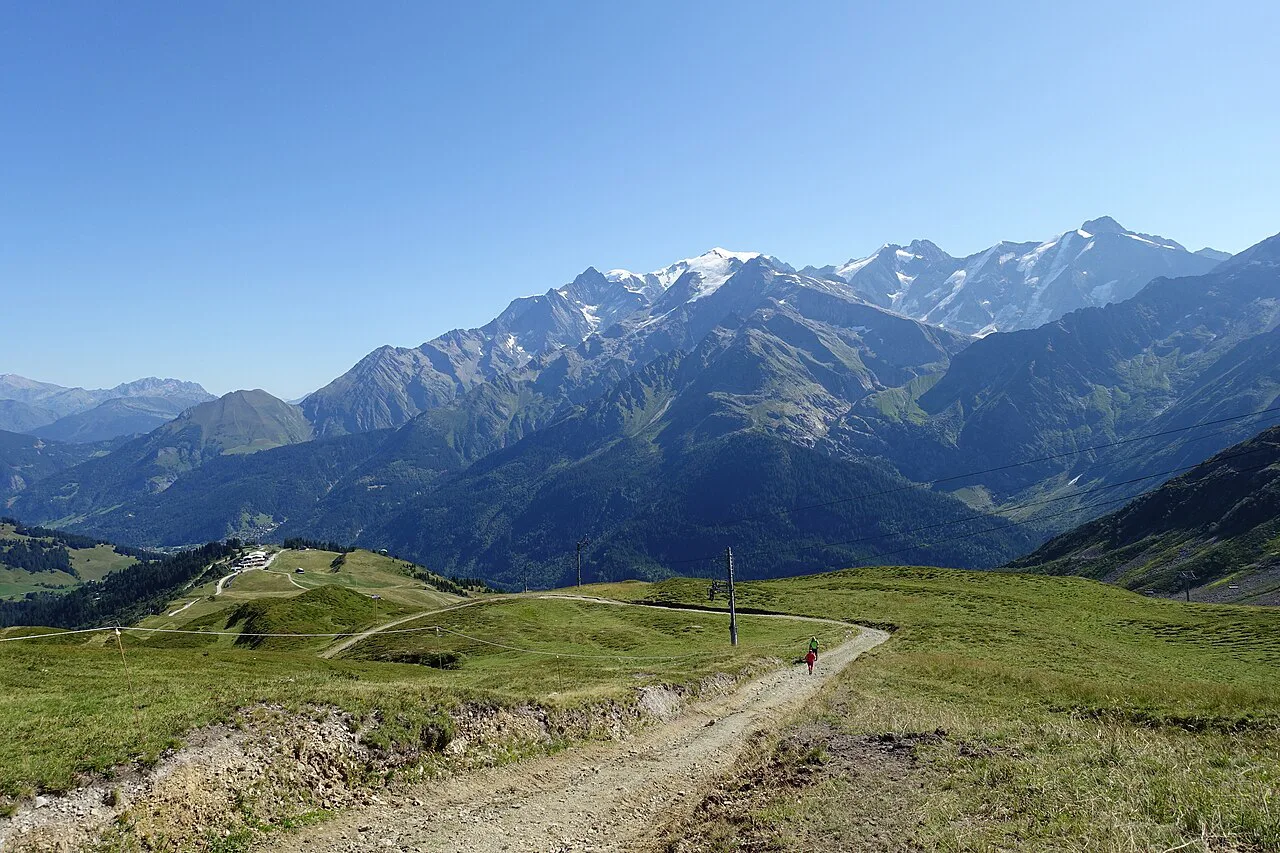
Month-by-month comparison of crowds, snow, daylight and hut availability
June brings wildflowers, lingering snow on exposed passes and quiet trails with huts starting to open for the season. July and August deliver the warmest, most reliable conditions with the longest days, but the heaviest crowds and the toughest competition for hut beds. September clears the high routes, cools the mornings and thins the walkers, while October shortens the days, may close some refuges and brings the chance of early snow.
If you weigh these against each other, midsummer is the choice for certainty, June for solitude and September for the best balance of clear trails and calm. October only makes sense if you accept a shorter plan and are ready to book around closed huts. For hut locations and what each night involves, the tour du mont blanc huts page lays out the accommodation on the loop.
When to go for a first long-distance trek versus a faster, more alpine route
For a first long-distance trek, the main circuit in July or August is the straightforward choice: clearer passes, longer days and a well-worn line between huts. If you want fewer people and can handle cooler mornings, September gives you the same route with more room on the trail. Either month keeps your decisions simple and your days predictable, much like hiking in Chamonix where the valley trails share the same seasons.
A faster, more alpine route fits September better than June. The Haute Route variant crosses less-marked ground and glaciers, and it calls for prior mountain experience or a guide. Choosing the alpine line early in the season means dealing with snow on top of the technical ground, which is why the autumn window suits it better.
Which route length fits which month: full circuit, 7-day version or Haute Route variant
The full circuit runs 9 to 11 days and covers nearly 170 km with more than 10,000 m (32,800 ft) of vertical gain, which needs a long window and works best in July, August or September. A 7-day version selects the best stages with a little over 7,000 m (23,000 ft) of ascent, but it relies on shuttle, bus or private transfers to link the sections, so it needs more pre-trip organisation. The Haute Route variant is a 7-day alpine line through higher, less-marked terrain and glaciers, suited to experienced walkers and better in September when the ground is clear.
Match the length to the month rather than forcing a long itinerary into a short window. If October's daylight limits you, a shortened route with planned transfers is more realistic than the full loop. Self-guided walkers should build their transfer days into the plan before booking anything else.
Snow and storms: the hazards that set the season
Snow on the high passes in June and early snow in October are the two conditions that most often force a change of line. On the cols, lingering snow slopes can turn a straightforward walk into a place where a slip carries you downhill, so carry the equipment to match and turn back if the ground is icy. The Fenêtre d'Arpette is the variant to watch early in the season.
Afternoon storms are the other seasonal hazard, and they build fastest on the exposed climbs to the passes. The practical response is to start early, aim to be off the high ground by mid-afternoon, and keep a waterproof shell within reach even on a clear morning. Descending from a col as a storm arrives is far safer than pressing on to a higher variant.
Huts and booking: what to sort before you set a date
Hut beds are the real constraint on the circuit, and self-guided walkers book their own nights, which can be a logistical challenge. On a classic trip you sleep in mountain huts for several nights, reachable only on foot, with simple home-cooked food and no reliable Wi-Fi or phone signal. Bring earplugs and a headlamp, and expect to charge devices only where plugs are available.
If you would rather not manage every reservation, a guided trip books the refuges for you. Otherwise, plan your stages around where the huts sit and lock in your dates early if you are walking in July or August. The tour du mont blanc self guided option lays out how a self-managed itinerary comes together.
Gear by month: what June, August and late September demand
A three-layer clothing system works across the season: a light breathable base layer, a fleece or insulating mid layer, and a waterproof shell for wind and rain. Add gloves, a hat and warm socks for cool mornings and evenings, and a warmer sleeping bag or liner for the huts. In June, add the equipment for snow on exposed passages rather than relying on summer footwear alone.
August lets you travel lighter on insulation but still calls for rain protection on the afternoon climbs. Late September needs warmer layers and a headlamp for the shorter days, plus a plan for a colder night in the refuges. If you are joining a mont blanc hiking tours group, check what the tour company supplies before you buy gear you may not need.
Where the trail starts and how to reach Les Houches
The classic circuit begins and ends at Les Houches, a small town at the entrance to the Chamonix Valley and the natural base for the first stage. From there the route climbs by the Bellevue cable car to around 1,800 m (5,905 ft), which saves you the lower forest road and puts you straight onto the high traverse. Confirm the cable car's operating season with the lift operator before you rely on it for your first morning.
The first stage crosses the Col du Tricot and a suspension bridge over the Bionnay Glacier before dropping to Les Contamines. From Les Houches, buses and trains along the Chamonix Valley connect the villages, and the loop returns you to the same valley at the end, which keeps your travel simple. Check the current timetables with the local transport operator before you set your start date.
Plan Your Visit
For a first circuit with the least uncertainty, aim for late July or August and book your huts months ahead. If you want clear high routes and a calmer trail, September is the better month, at the cost of cooler starts and the need to confirm which refuges are still open. June rewards solitude but keeps you on the main route, and October only works with a shortened plan.
Set your month first, then choose the route length and line that fits it: the full circuit for a long window, the 7-day version when time is tight, and the Haute Route variant only when your experience matches the ground. For wider route detail, the Mont Blanc overview ties the stages and villages together.
Frequently Asked Questions
Is it possible to hike the Tour du Mont Blanc in June?
Yes, and June is quiet, with wildflowers on the meadows and few other walkers. The catch is snow on exposed passages such as the Fenêtre d'Arpette, where some sections may need proper mountain equipment and, on the harder ground, a guide. Plan the main route rather than the alpine variants and build in flexibility for snow-covered cols.
Is the Tour du Mont Blanc hard?
The circuit is long rather than technical, at roughly 170 km (105 miles) with about 10,000 m (32,800 ft) of ascent and descent. Spread over 7 to 11 days, most keen hikers can manage it, though the daily passes demand steady fitness. The alpine Haute Route variant is harder, with less-marked ground and glacier crossings that call for experience or a guide.
How long does it take to complete the Tour du Mont Blanc?
The standard circuit is usually walked in 7 to 11 days, and a common classic version breaks it into 11 stages. A shortened 7-day itinerary covers the best sections but needs transfers by shuttle, bus or private vehicle, which adds organisation. The full route covers nearly 170 km and visits the French, Italian and Swiss valleys.
When is the best time of year to trek the Tour du Mont Blanc?
The season runs from mid-June to early October, with July and August the most popular for warmth and long days. September offers clearer high routes and fewer walkers, while June brings wildflowers with lingering snow on exposed passes. Your choice depends on whether you value certainty of conditions, fewer crowds or a clear alpine variant.
Where does the Tour du Mont Blanc start?
The classic circuit starts and finishes at Les Houches, a small town at the entrance to the Chamonix Valley. The first stage uses the Bellevue cable car to reach the high traverse before crossing the Col du Tricot and the Bionnay Glacier suspension bridge. Check the lift's operating season before you plan around it.
Do mountain huts on the Tour du Mont Blanc close in September?
Some refuges may close in September, and not all of them stay open into October. Research which huts are open for your dates and book your nights before you leave, which matters most for late-season walks. On a guided trip the refuges are arranged for you.
Sources
Trail notes for your next trip
Optional updates when we add or revise hiking guides.
You might also like
Continue reading
More guides you'll find useful