Hiking in Chamonix: Best Day Hikes, Trailheads and Seasons
Plan hiking in Chamonix with day hikes from Le Tour, La Flégère and Saint-Nicolas-de-Véroce, plus how lifts reach trailheads and the best months to walk.
On this page
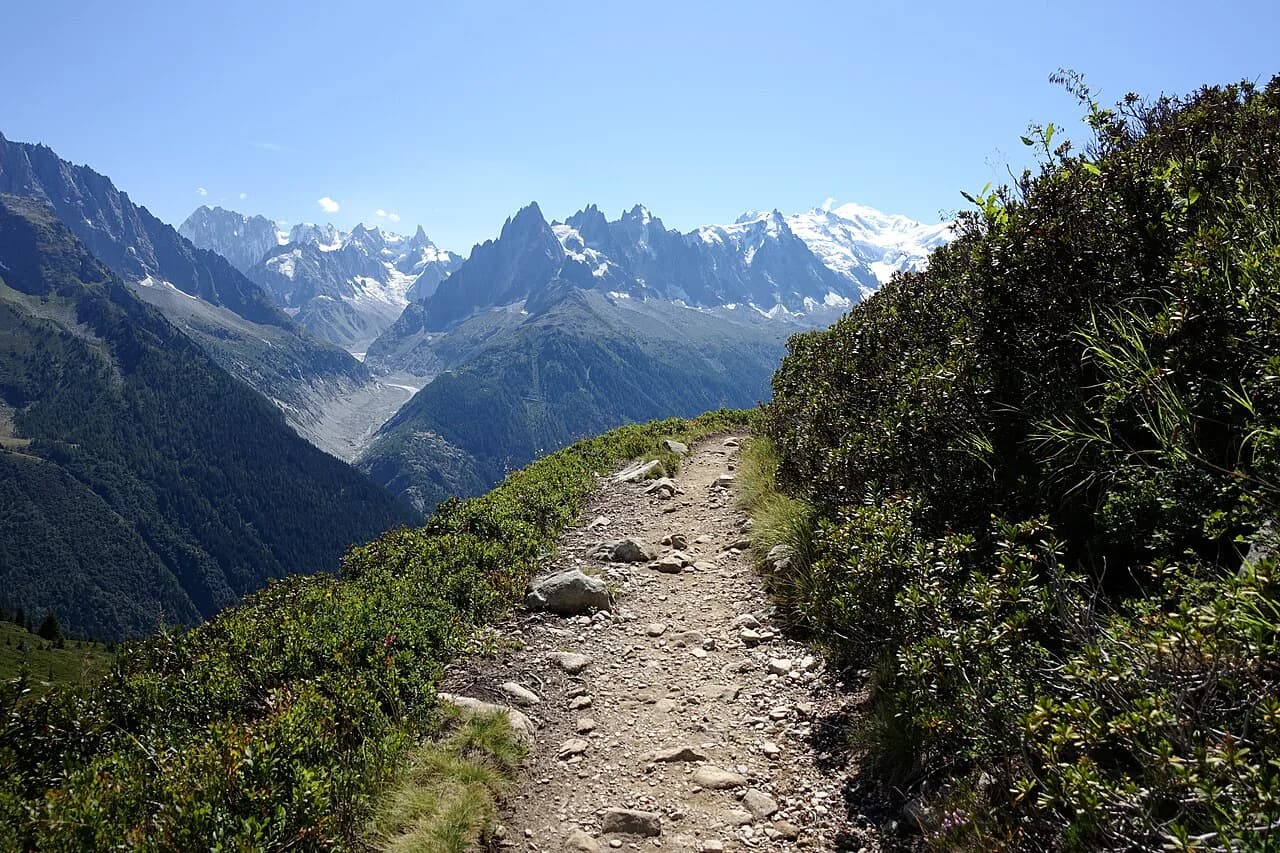
Chamonix-Mont-Blanc gives hikers an unusual range in a small area: gentle balcony paths above the valley floor, a sustained meadow climb to a 360-degree summit, and lake routes reached by cable car where you trade ascent for a ticket. That variety makes the valley work for mixed-ability groups, though it also means choosing by trailhead rather than by trail name alone.
The Chamonix Mont Blanc tourist office lists 43 hikes in its autumn program alone, sorted by difficulty and duration, with 14 rated easy on the valley bottom, 10 medium on the slopes and one rated difficult for gradient. Most of the easy options finish in under two hours, while the half-day outings number 11 — useful bands for deciding whether a hike fits an afternoon or needs an early start.
The main hiking areas
Four zones cover most of the hiking. The valley floor around Chamonix, Les Houches and Servoz holds the shortest walks; the north and south balcons run along the slopes above the valley as long, gently graded traverses; the Le Tour and La Flégère lift zones put high trailheads within minutes of a cable car; and the Saint-Nicolas-de-Véroce side above Les Houches offers a quieter, road-accessed start. If you like the idea of a lift-assisted high trailhead, the hiking in Annecy guide covers similar lake-and-ridge routes from higher starting points. For the wider national picture, our guide to Hiking in France: Best Trails, Regions and When to Go sets these valley routes alongside the country's other mountain regions.
Lift access matters more here than in most ranges. Hikes in the valley set out from the same cable car stations, so you can plan a day around one station and pick between several routes from the top, which simplifies logistics for groups who want different distances. The trade-off is dependence on the lifts running; the walks below the balcons need no ticket at all.
The tourist office splits its listings by village too, with 16 hikes around Chamonix-Mont-Blanc, 9 in Servoz, 7 each in Les Houches and Argentière and 4 in Vallorcine. That spread is the simplest guide to where to sleep: pick the village nearest the trailheads you want and keep transfers short.
Easy valley and balcony walks
The valley-bottom and balcony walks are the right choice for a rest day, a late arrival or a group with children. Named routes include the Chemin des Villages at Les Houches, the Petit Balcon Nord between Le Tour and Argentière, the Petit Balcon Sud on the Argentière side, and short outings to La Floria, Paradis des Praz, the Christ-the-King statue above Les Houches and the Dard waterfall.
These are half-day or shorter outings on established paths, mostly under the two-hour band, so they pair well with a lift ride or a village lunch. Treat the balcon traverses as point-to-point walks and arrange a bus or second car for the return rather than retracing the whole route.
Les Posettes from the Le Tour cable car
Les Posettes is the gentlest way to reach a big summit panorama from a lift. Start at the Le Tour cable car station, reachable from Chamonix by car or public transport, and follow the trail markers from the top station; heading left puts you on a dirt 4x4 track that curves around the mountainside and carries you for a good part of the climb.
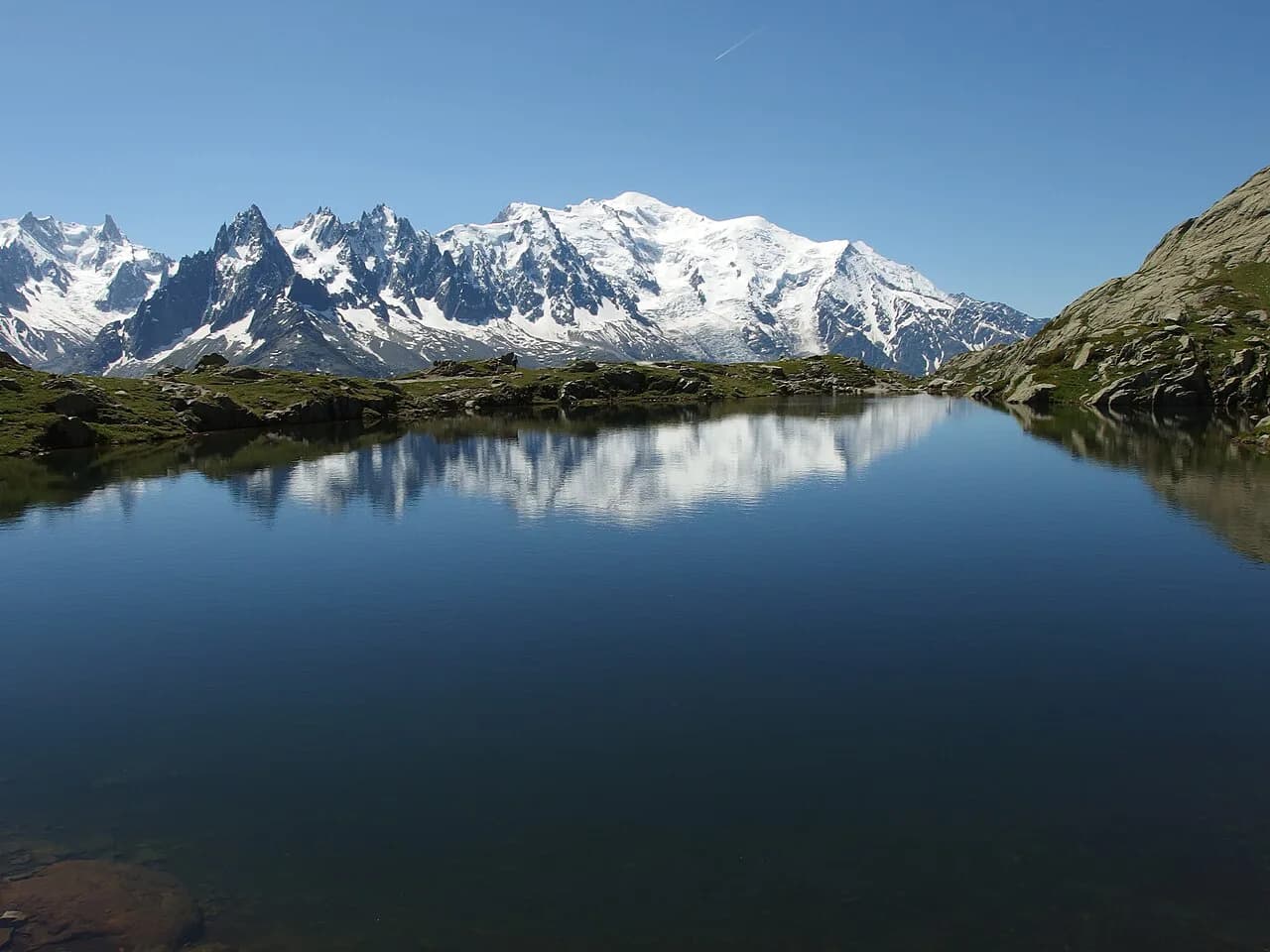
The grade is moderate rather than punishing, and the reward is a 360-degree view that works at both ends of the day — good for sunrise or sunset, with the Mont Blanc massif catching evening light. Campers have used the flat spots near the top, though you should treat any night out as subject to local rules and the Office de Haute Montagne's current advice.
Lac de Cheserys via La Flégère
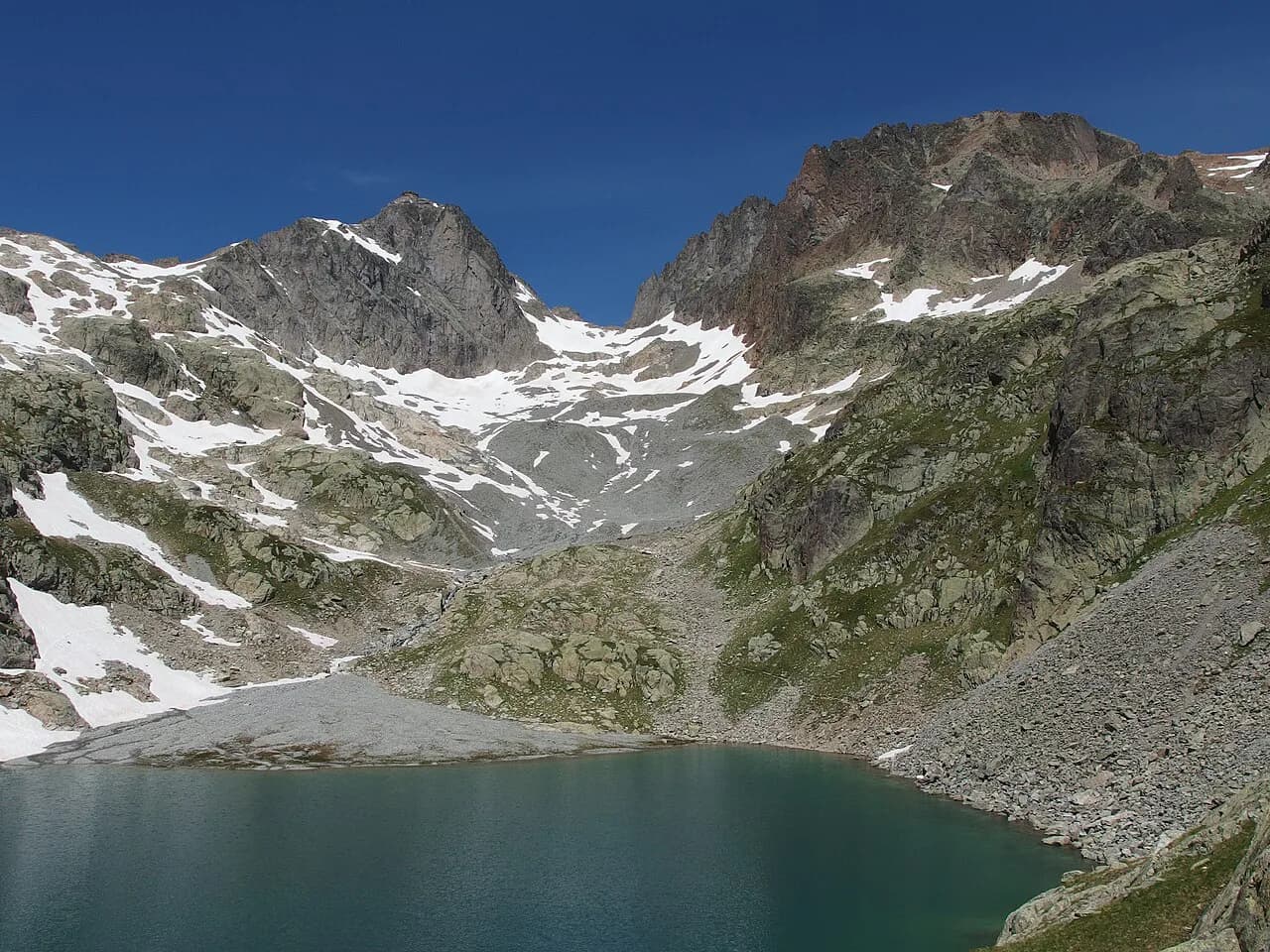
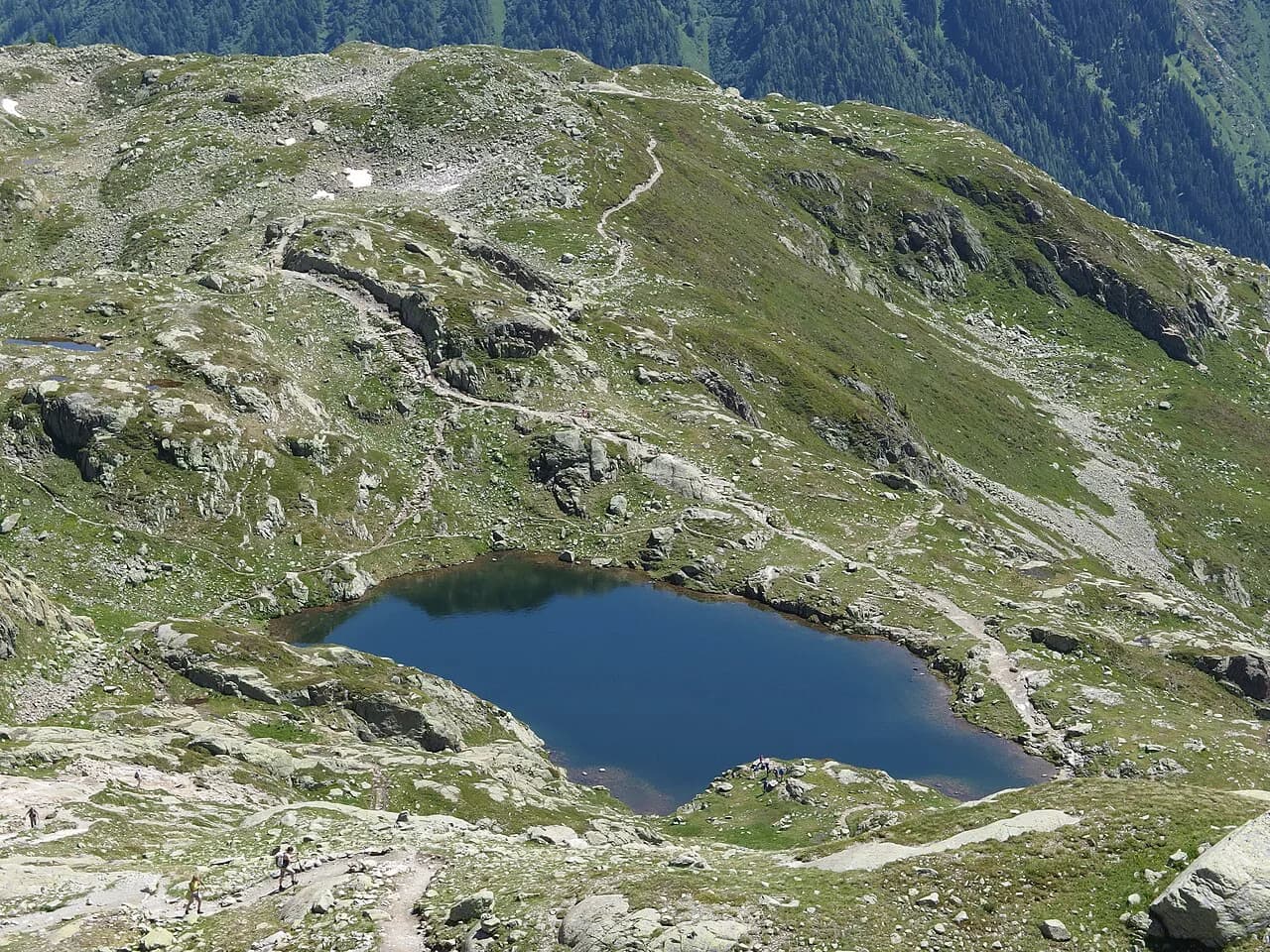
The lake route is the valley's most photographed walk, and it can be started from two sides: the La Flégère cable car, which removes a chunk of the ascent, or from Tré-le-Champ further up the valley. From La Flégère the path climbs past Lac Blanc first, and the terrain is easy to follow — the effort is in the sustained uphill rather than in route-finding.
Metal ladders are set into rock faces on the approach and cannot be avoided on the main line. If exposure bothers you, take the chairlift side, where the ladders are shorter and less exposed; that is a real reason to choose one approach over the other rather than a minor detail.
The lakes sit inside a nature reserve where dogs are not allowed. Because this is one of the most popular walks in the valley, an early start pays off twice: quieter ladders and a better chance of the spot you want at the lake.
Lac Blanc hut
Lac Blanc has an alpine hut at the first lake, which lets you break the climb or stay high for sunrise. Expect to pay a premium for the position: the hut has been described as one of the most expensive in the area, so compare it with valley accommodation before committing to a night at altitude.
Book through the hut's own operator and ask about half-board and cancellation terms when you reserve; mountain huts fill on fine weekends in July and August. If you would rather keep the lake as a day hike, the same route works without a booking.
Mont Joly from Saint-Nicolas-de-Véroce
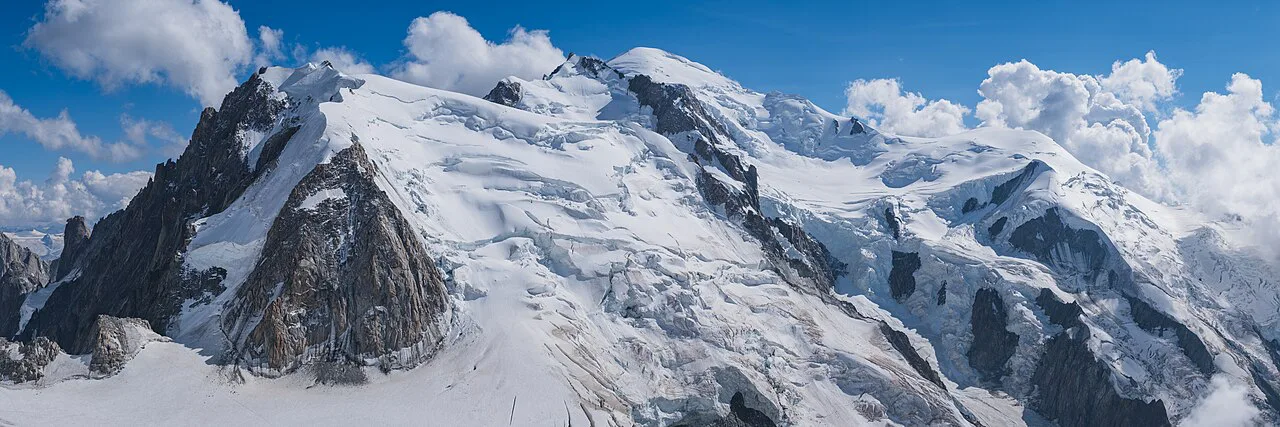
Mont Joly is the sustained half-day of the valley, and it starts away from the lifts. Begin in Saint-Nicolas-de-Véroce, where parking is in marked lay-bys along the dead-end road to the trailhead — the earlier you arrive, the closer you park. The route climbs through alpine meadows, forest and rocky sections, with views of the Mont Blanc massif, glaciers and the village far below.
Allow roughly 4 to 6 hours for the round trip, depending on pace and whether you stop at an alpine hut on the way. The climb is a steady slog rather than a technical one, but the upper sections are steep and rocky, so boots with grip are worth the weight.
Distance, ascent and time
Published figures for these routes vary with the line you take, so plan from the duration and difficulty bands rather than from a single number. The tourist office filters hikes by duration, distance and elevation gain, which lets you match a walk to your available hours before you look at the map.
As a working rule, the valley and balcony walks fit into a morning or afternoon, the lift-assisted lake and summit routes take most of a day once you add the cable car queues, and Mont Joly needs the full 4 to 6 hours plus travel to Saint-Nicolas-de-Véroce. Add time for the descent on steep ground, which is slower than the climb for many hikers.
Lifts and public transport to trailheads
Le Tour, La Flégère and Le Praz are the lift stations that open up the higher routes, and Le Tour is also served by public transport from Chamonix, so you can leave the car behind. For hikes that need no lift, the balcons, the Chemin des Villages and the Servoz and Les Houches walks start from valley villages.
Confirm operating dates and last-descent times with the lift operator before you commit to a route that depends on one; a missed last cable car turns a short day into a long walk down. Valley bus timetables change by season, so check the day before rather than relying on a summer timetable.
Camping and bivouacing on the route
Overnight plans need more preparation than day hikes here. At Lac de Cheserys, camping requires online registration, introduced in 2023, with a few basic questions to answer, and tents may not be pitched before 7pm and must be down by 9am.
Registration and timing rules are enforced in a popular nature reserve, so build them into your schedule rather than treating them as a formality: a late arrival means waiting, and a slow morning means packing up early. For current camping regulations across the valley, the Office de Haute Montagne is the body to ask.
When to go
Late spring to early autumn is the window for snow-free trails on these routes. Outside the warmer months the paths can hold snow and ice and become the territory of experienced mountaineers, so a September or October trip needs a check on conditions at altitude before you set out. For longer trips linking valley to valley, see this guide to Mont Blanc hikes, which covers the multi-day stages and their planning.
Autumn is a strong season in its own right, with a long list of valley walks on offer and thinner crowds than August. Days are shorter, so start earlier for the lift-assisted routes and carry a headlamp for the descent.
Mountain hazards
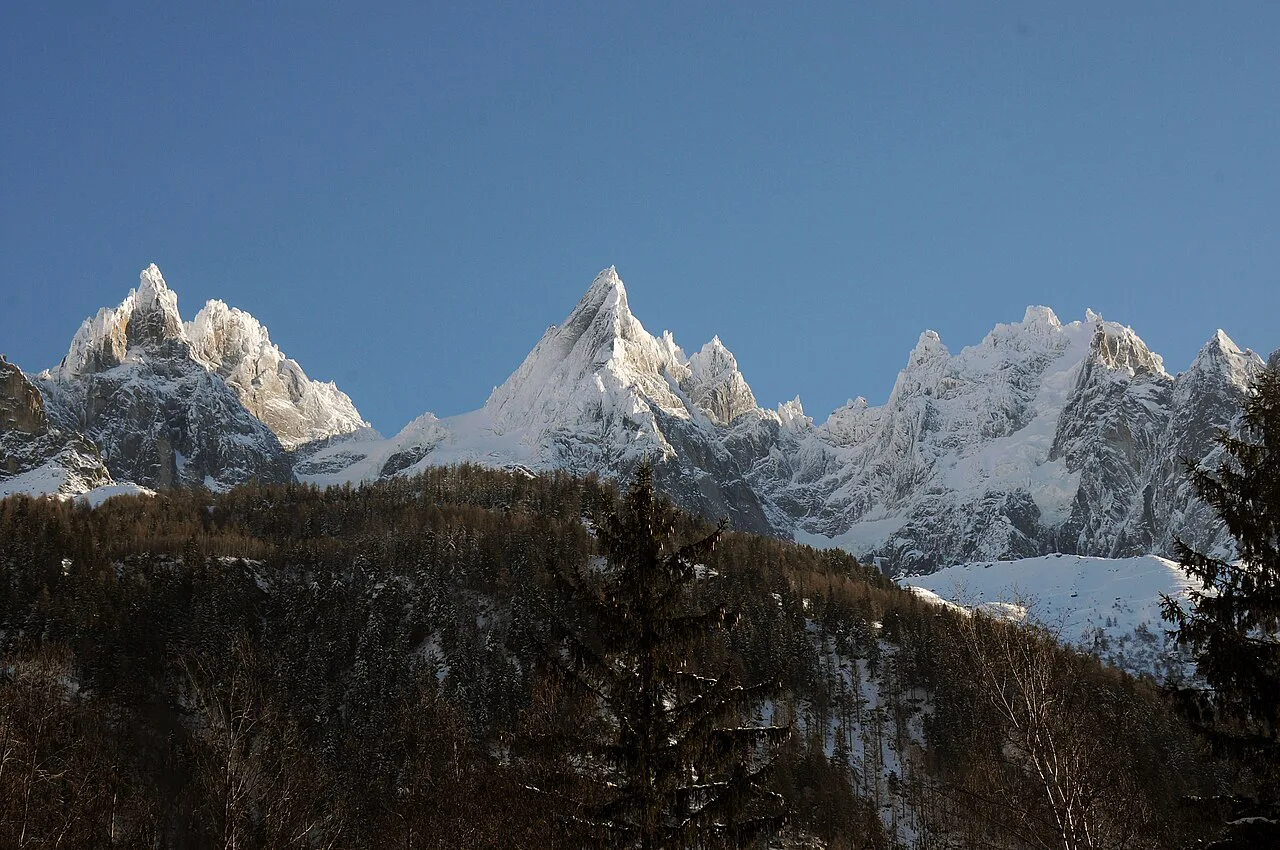
Three hazards shape the day here. Steep, rocky ground on the upper sections of Mont Joly calls for sturdy footwear; the fixed metal ladders on the Lac de Cheserys approach are exposed and unavoidable on the main line; and snow or ice outside the warm months can turn an easy path into a mountaineering problem.
Afternoon storms are common in the massif in summer, so plan to be off summits and ladders by mid-afternoon. The tourist office directs hikers to the Office de Haute Montagne for mountain conditions and regulations, which is the number to call before a big day.
Which base suits which hike
Chamonix town is the all-rounder: lifts, buses and the widest choice of hikes are on the doorstep, which suits first-time visitors and anyone without a car. Le Tour and Argentière place you nearest the Les Posettes start and the upper valley balcons, while Les Houches and Servoz give quicker access to the Chemin des Villages, the Christ-the-King statue and the quieter valley walks.
For Mont Joly, a base in the Chamonix valley still works, but you need a car or an early bus to reach Saint-Nicolas-de-Véroce and its lay-by parking. If your group splits between easy and hard days, base in Chamonix and let the valley-floor walkers take the balcons while the rest climb.
Huts and refreshments on the route
Alpine huts on the meadow trails make a useful break, and the cows grazing the high pastures mean fresh water points are plentiful for refilling bottles. Carry a filter or tablets anyway, since cattle share the ground.
Lac Blanc's hut is the obvious high stop on the lake route, but it is a destination in its own right and worth reserving if you want a bed. On the shorter walks, village cafés in Les Houches, Servoz and Argentière cover refreshments.
Plan Your Chamonix Hiking Day
Pick your trailhead first: a lift station for a short, high day, a valley village for a gentle walk, or the Saint-Nicolas-de-Véroce road for the Mont Joly climb. Then match the duration band to your available hours and keep one weather-dependent alternative in reserve.
Hikers wanting a technical day on fixed cables should look at the via ferrata routes above the valley, which use the same lift and village access points.
Explore more Chamonix hiking guides
Frequently Asked Questions
Which Chamonix hikes start without a cable car?
The valley and balcony walks need no lift: the Chemin des Villages at Les Houches, the Petit Balcon Nord and Sud, La Floria, Paradis des Praz and the Dard waterfall are all valley-floor or slope-side paths. Mont Joly from Saint-Nicolas-de-Véroce also starts from a road trailhead with lay-by parking.
How hard is the hike to Lac de Cheserys?
The route involves sustained uphill walking and unavoidable metal ladders set into rock faces. Choosing the chairlift side gives shorter, less exposed ladders, which is the sensible option if heights bother you.
How long does Mont Joly take?
Allow roughly 4 to 6 hours for the round trip from Saint-Nicolas-de-Véroce, depending on your pace and whether you stop at an alpine hut. The upper sections are steep and rocky, so add time for the descent.
Can you camp at Lac de Cheserys?
Camping there requires online registration with a few basic questions answered, and tents may not be pitched before 7pm or left up past 9am. The lake lies in a nature reserve, where dogs are not allowed.
When is the best time to hike in Chamonix?
Late spring to early autumn gives snow-free trails on the day hikes described here. Autumn brings a long list of valley walks and smaller crowds, but shorter days mean earlier starts for lift-assisted routes.
Are dogs allowed on the Lac Blanc trail?
No. The Lac Blanc and Lac de Cheserys lakes sit inside a nature reserve where dogs are not permitted. Plan a valley walk instead if you are hiking with a dog.
What should I not miss in the Chamonix valley?
The Les Posettes panorama from the Le Tour cable car, the ladders and lakes above La Flégère, and the Mont Joly summit view cover the range from gentle to sustained. Add a valley balcony walk for a rest day.
Sources
Trail notes for your next trip
Optional updates when we add or revise hiking guides.
You might also like
Continue reading
More guides you'll find useful