Best Time to Hike in Scotland: A Month-by-Month Guide
Plan Scottish hikes around daylight, midges and snow on high ground. Compare April to October, pick May, June or September, and see where winter walking works.
On this page
Scotland offers hikers something rare in Europe: a genuine season that stretches from late March into October, with long June evenings, coastal paths that stay walkable for most of the year and high mountains that reward anyone willing to time the trip properly. The month you choose changes three things more than any other: how much daylight you get, how much company you share the path with, and whether snow and ice still sit on the high ground.
This guide separates the trade-offs honestly. Spring and autumn buy you quieter trails and cooler walking, early summer gives the longest days and generally the steadiest conditions for multi-day routes, and high summer brings warmth along with more rain and more midges. Winter on the high hills needs crampons, an ice axe and the skills to navigate snow-covered ground.
How the Scottish hiking year works
The walking season effectively opens in late March, when the clocks go forward and the Highlands begin to shed winter, and runs through October before daylight and weather close in. Late March can still bring ice and snow on high ground even though the trail rarely crosses the summits themselves, so early-season plans belong on lower routes.
The bigger constraint is light. June gives the longest days of the year and comfortable evening miles, while October shortens daylight enough that early starts and a deliberate pace become part of the plan rather than an afterthought. Build your daily distance around the month, not the other way round.
Scotland has no network of staffed mountain huts, so a bad-weather escape on the hills usually means a basic bothy or your own tent and stove rather than a warm bed and a cooked meal. Bothies are simple shelters, often remote, and the Bothy Code asks you to leave the place clean and keep groups small.
April and early May: quiet trails, cold ground
April brings fresher air, far fewer walkers and a landscape waking up, and experienced hikers often find it rewarding after a long winter. Treat the high ground with respect, though: the Highlands can still hold a fair amount of ice and snow in late March and early April, so pick low glens, forest trails and coast paths if you lack winter gear.
This is a strong window for short, low-level classics. The Uath Lochans in the Cairngorms make a 4 km (2.5 mile) waymarked circuit of two to three hours on gentle forest paths, with red squirrels in the pines and a boulder viewpoint over the lochans, and it works well for families or a casual day in the hills.
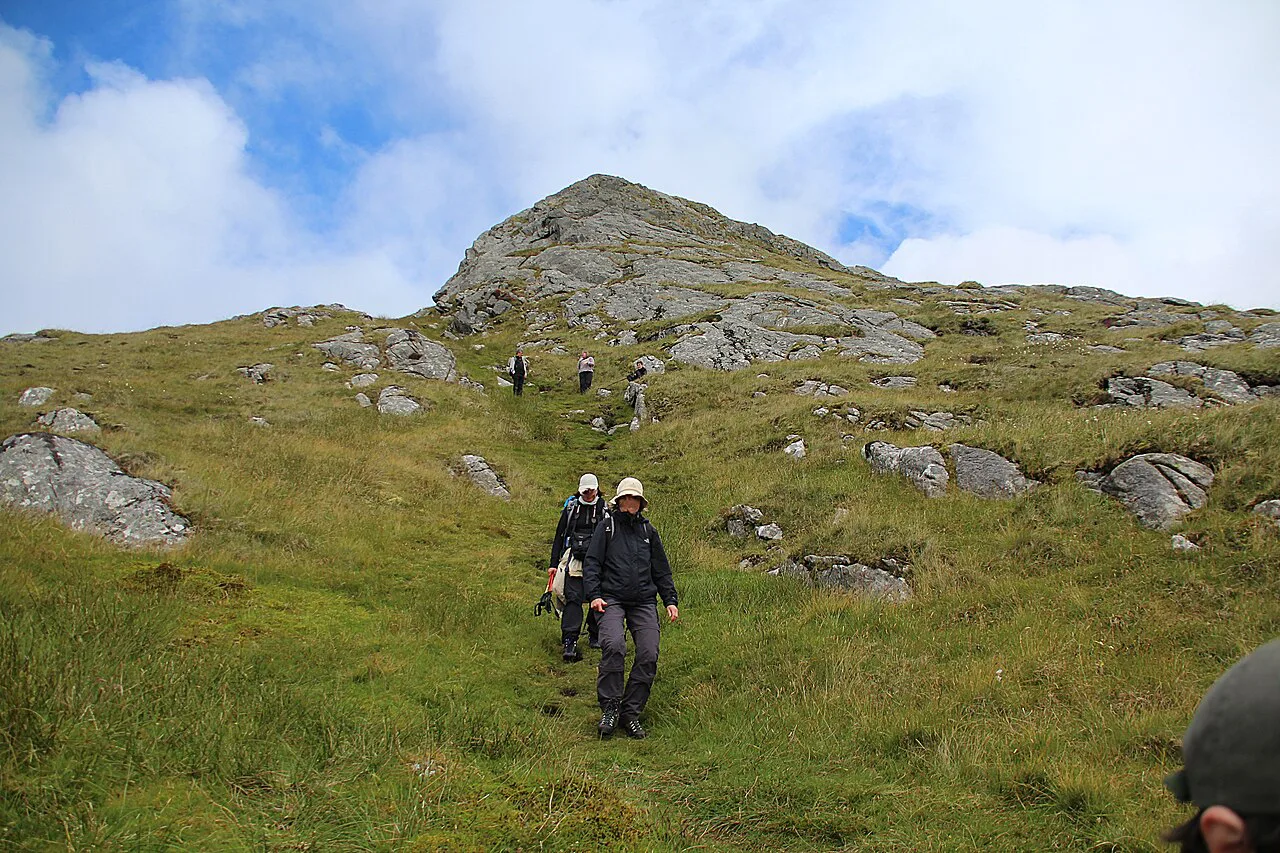
If you want a first big hill before the crowds arrive, Ben Lomond from Rowardennan is a 12.9 km (8 mile) circular of five to six hours that climbs steadily and returns down the quieter Ptarmigan Ridge, a tighter line that asks for careful footing. On a clear day the views over Loch Lomond and the Arrochar Alps are the reward.
May and June: the best all-round window
May and June are the strongest months for most hikers: long days, pleasantly mild temperatures and rainfall that is relatively low compared with the rest of the year, all before the summer holiday season fills the trails. That combination makes them the obvious choice for long-distance routes where you must cover set daily distances.
The trade-off is demand. These months attract a lot of interest, and accommodation on popular routes is often reserved far ahead, so fix your dates and book beds early rather than assuming you can improvise.
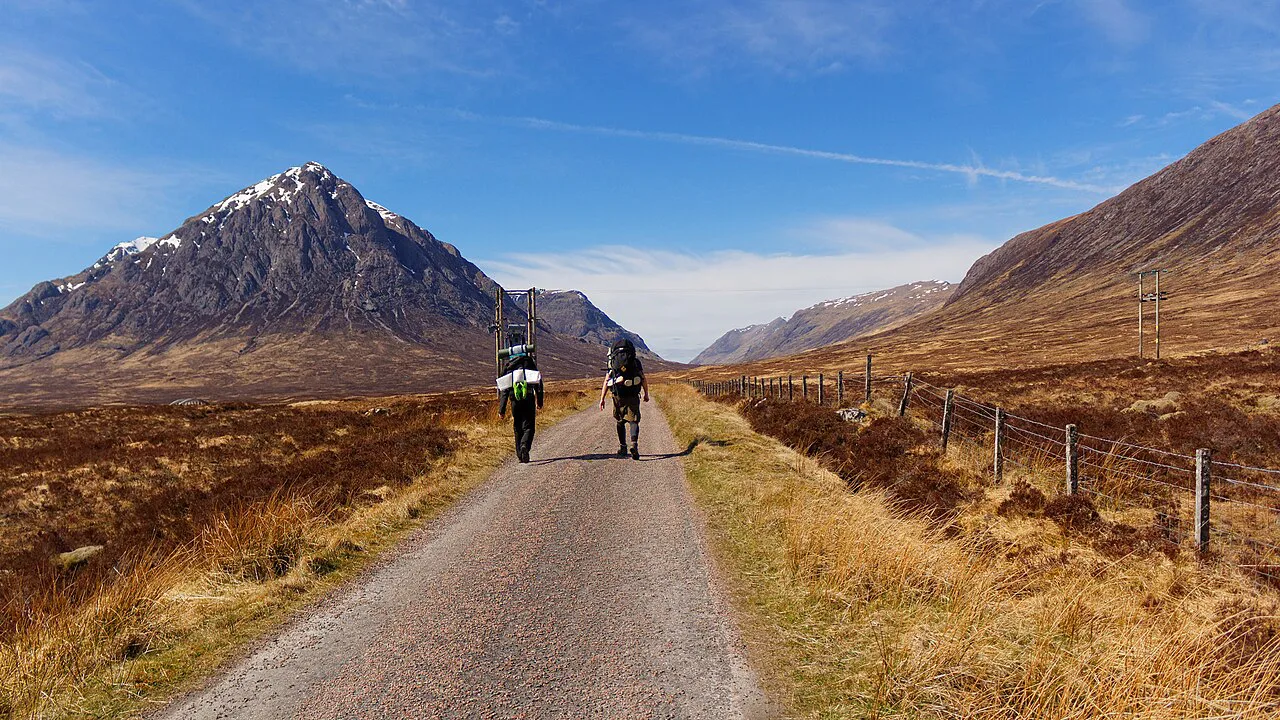
The West Highland Way is the classic early-summer objective: 154 km (96 miles) from Milngavie, just outside Glasgow, to Fort William, with the landscape shifting from lowland forest tracks to Loch Lomond, Rannoch Moor and the climb of the Devil's Staircase out of Glencoe. Allow four to seven days, and note that the northern stretches feel progressively wilder and emptier.
Shorter Highland options also come into their own now. Stac Pollaidh, at 613 m (2,011 ft), gives outstanding views over Assynt and the Summer Isles for a 5 km (3 mile) round of two to four hours, with a good path to the eastern summit; most people skip the western top because it needs a trickier scramble.
July and August: warm, wetter, busier
High summer brings the warmest temperatures, but it also tends to be wetter than May and June, and the trail carries more company. Don't expect a family holiday crush, though: the West Highland Way draws mostly adult hikers and keeps its remote feel through the season.
Midges are the real summer tax. They are more prevalent in these months, most active in the evenings and near water, which is manageable if you plan to be indoors for the worst of it but miserable if you are wild camping beside a loch.
Wester Ross holds up well in mixed weather. The Mountain Path in Beinn Eighe National Nature Reserve is a 6.5 km (4 mile) circuit of three to four hours that climbs steeply through ancient pinewood to views over Loch Maree, then descends past a gorge; it gains height without committing you to the ridge.
September: mild, quiet and quietly popular
September combines thinning crowds, mild temperatures and the first hints of autumn colour, with rainfall that can still be moderate but an atmosphere that feels quieter and more relaxed than midsummer. It behaves much like May and June in terms of balance between weather and company.
That popularity has a cost: September is a favourite across long-distance routes, and bookings are frequently made up to a year ahead. If you want it, commit early.
For a multi-day route with a rewilded feel, the Affric-Kintail Way runs 70 km (44 miles) from Drumnadrochit on Loch Ness through Glen Affric to Morvich near Loch Duich, taking three to five days at moderate to challenging grade. Early autumn suits it: you get Glen Affric's woods and lochs without the height of summer's insect activity.
October: short days, golden glens
October is the connoisseur's month: crisp air, golden glens, quiet trails and temperatures cool enough to make climbing comfortable. The catch is daylight, which shortens enough that early starts and a well-judged pace become essential rather than optional.
Plan shorter days and lower objectives. A coast walk is a smart October choice: the Deep Time Trail near Pease Bay in Berwickshire is a 3.2 km (2 mile) route of one to two hours along the coastline to Siccar Point, with waymarkers carrying audio narration about James Hutton's geology.
Stick to marked, low routes once the days draw in, and carry a head torch even on a short outing; the light fails earlier than the guidebook time suggests.
Winter hiking in Scotland
Winter can serve up superb conditions, but it demands crampons, an ice axe and the knowledge to navigate snow-covered hillsides, and much of the season is instead wet, cold and muddy. That gear and skill requirement applies to high ground in snowy conditions, not to every low-level path.
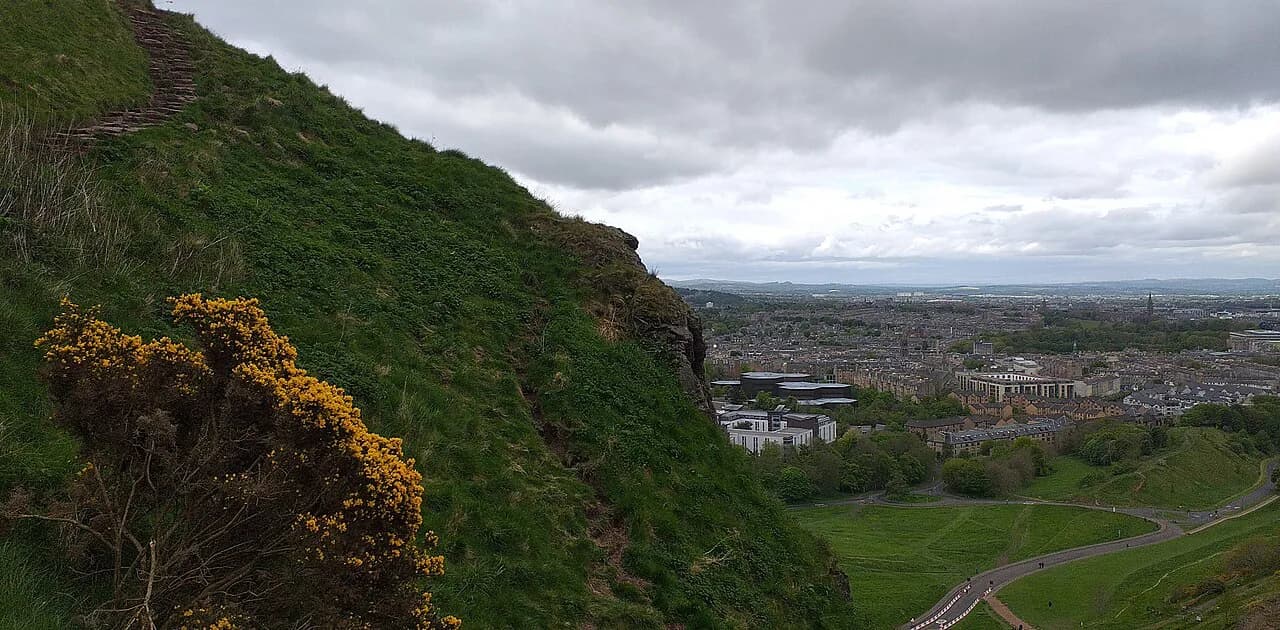
The lowlands and coast stay far more accessible. A short climb such as Arthur's Seat in Edinburgh gives a real hill day without winter commitment, and low forest and riverside trails remain walkable through most of the winter.
If you are working through the 3,000-foot hills, winter is the season to be honest about experience. If you are new to the list, the Munros: Scotland's 3,000-Foot Mountains and How to Start Bagging Them is the sensible starting point before you plan a snow ascent.
Midges: timing, places and defences
Midges appear in spring and stay until the first frosts of autumn, concentrated in grass and boggy ground and near water, and they are largely grounded by really windy or heavily rainy weather. Build your day around that: walk in the breeze, cook and eat before dusk, and save the still, damp evenings for indoors.
Three things work: repellent on exposed skin, a very fine mesh on tent or headnet, and weather that keeps them from flying. A headnet weighs almost nothing and turns an unbearable evening into a tolerable one.
Rain, wind and cloud: what to wear
Waterproofs belong in your pack in every month, not just the wet ones, and waterproof trousers plus gaiters make a bigger difference to comfort than most other kit. Layering handles the wind as well as the rain, and Scotland can deliver both on the same afternoon.
Bog is part of the ground here, not an exception, and even shallow saturated sections slow you down and soak your feet. Walkhighlands route descriptions carry a bog factor, so if it rates two or more, pack gaiters and allow extra time.
Navigation is the other year-round essential: many routes are faint or unmarked, phone signal in the hills is limited to non-existent, so carry a map and compass and download offline maps as backup.
Daylight and pace on multi-day routes
Your month sets your daily distance. A June schedule can absorb a long afternoon and a late arrival at your bed; the same stage in October needs a pre-dawn start or a shorter day, so build the itinerary after you fix the date rather than before.
Long-distance routes here are usually walked as lodge-to-lodge itineraries rather than hut-to-hut chains, and organised West Highland Way holidays handle the luggage transfer for you. If you are arranging it yourself, the practical work is booking each night's bed in sequence and checking the daily stage lengths.
Matching the season to the hike
Split your options by terrain type. Coast paths and low glens, such as the Fife Coastal Path between the Firth of Forth and Firth of Tay, are walkable across far more of the year than high mountains, and they stay rewarding when cloud sits on the summits.
Munros and scrambles set their own season. Ridge routes such as the Ptarmigan descent on Ben Lomond or the Arrochar Alps lines are best saved for settled, dry conditions in early summer or September, when the rock is dry and the days are long. The same logic applies south of the border if you are comparing ridge days, so the Lake District hiking guide is a useful check on how season and difficulty line up elsewhere.
Island hills are their own category: the Rùm Cuillin, including Askival and Hallival, and the Arran Coastal Path both need a ferry crossing and a settled forecast to be worth the trip, so build a spare day into island plans. The wider scotland hiking picture, from Torridon to the Borders, follows the same seasonal logic.
Hill forecasts and where to plan
City forecasts tell you almost nothing about the hill you are climbing: Highland temperatures run much lower, and conditions change with height and aspect. Use a hill-specific forecast for the actual summit or glen you plan to visit, and check it on the morning.
Route research matters as much as weather. Detailed descriptions, difficulty ratings and map resources for Scottish hills are collected on dedicated route sites, and they are the fastest way to see whether a given walk involves scrambling, exposure or a long boggy approach.
Season-by-season picks
Spring: the Uath Lochans circuit or the Beinn Eighe Mountain Path, both short enough to fit a changeable April day and low enough to avoid lingering snow on the tops.
Summer: the West Highland Way in May or June, when the days are long, the rainfall relatively low and the trail busy but not overcrowded, and you can climb Ben Lomond from Rowardennan on the Loch Lomond stretch if you build in an extra night.
Autumn: the Affric-Kintail Way in September for Glen Affric's colours, or the Arran Coastal Path in October if you would rather walk a coastline than commit to high ground as the days shorten.
Plan Your Visit
Pick your month first, then your route. If you want the best balance of weather and company, aim for May, June or September; if you want solitude and can handle cooler, shorter days, April and October deliver it.
Whichever window you choose, build the plan around daylight, book long-distance beds early, keep waterproofs and gaiters in the pack, and reserve the high ridges for dry, settled days. Hikers heading for Ben Nevis and the bigger mountains should add a day of slack for weather.
Frequently Asked Questions
Which month is best for hiking in Scotland?
May, June and September give the best balance of long or mild days, relatively low or moderate rainfall and manageable numbers of other walkers. April and October trade some weather reliability for quiet trails and cooler conditions, while July and August bring warmth along with more rain and more midges.
Is October a good time to hike in Scotland?
Yes, if you plan for shorter daylight. Trails are quieter, temperatures are cool enough for comfortable climbing and the glens turn gold. Build in early starts, choose shorter days and keep a head torch handy, because the light fades well before a summer schedule would expect.
Can you hike in Scotland in winter?
On low ground and the coast, yes: forest trails, riverside paths and city hills such as Arthur's Seat stay walkable through most of the winter. On high ground, snowy conditions call for crampons, an ice axe and the ability to navigate snow-covered terrain, and much of the season is wet, cold and muddy rather than crisp.
When are midges worst in Scotland?
They appear in spring and persist until the first frosts of autumn, with summer the most troublesome period, especially in the evenings and near water. Windy or heavily rainy weather keeps them grounded, so plan still, damp evenings indoors and carry a headnet for camping.
How many days do you need for the West Highland Way?
Most walkers take four to seven days for the 154 km (96 mile) route from Milngavie to Fort William. Shorter itineraries mean longer days, so if you want to add a side climb such as Ben Lomond from Rowardennan, plan an extra night rather than squeezing it into a standard stage.
Do you need crampons to hike in Scotland?
Only on high ground in snowy or icy conditions, where crampons and an ice axe are the standard kit. For low glens, coast paths and forest trails in winter, waterproof footwear and warm layers are the priority rather than snow gear.
Sources
Trail notes for your next trip
Optional updates when we add or revise hiking guides.
You might also like
Continue reading
More guides you'll find useful