Great Glen Way: Fort William to Inverness Trail Guide
Plan the Great Glen Way from Fort William to Inverness with stage distances, rail access at both ends, accommodation options and the best months to walk.
On this page
The Great Glen Way is the gentlest of Scotland's long-distance trails, cutting 73 miles (117 km) from Fort William to Inverness along a geological fault line that splits the Grampian Mountains from the North West Highlands. It suits walkers who want long days with reliable underfoot going, canal-side lodging and the option of four days on the move, rather than those chasing high summits.
Most of the walking follows the Caledonian Canal towpath and former railway beds on forest tracks above Loch Ness, which keeps navigation simple and lets you cover ground quickly. The trade-off is that some stretches are monotonous; the reward is a high traverse above the loch that changes the character of the whole route.
This guide lays out the stages, the places to stay, the rail connections at both ends and the seasonal factors that matter most, so you can decide whether the Great Glen fits your fitness and your calendar.
What the Great Glen Way is
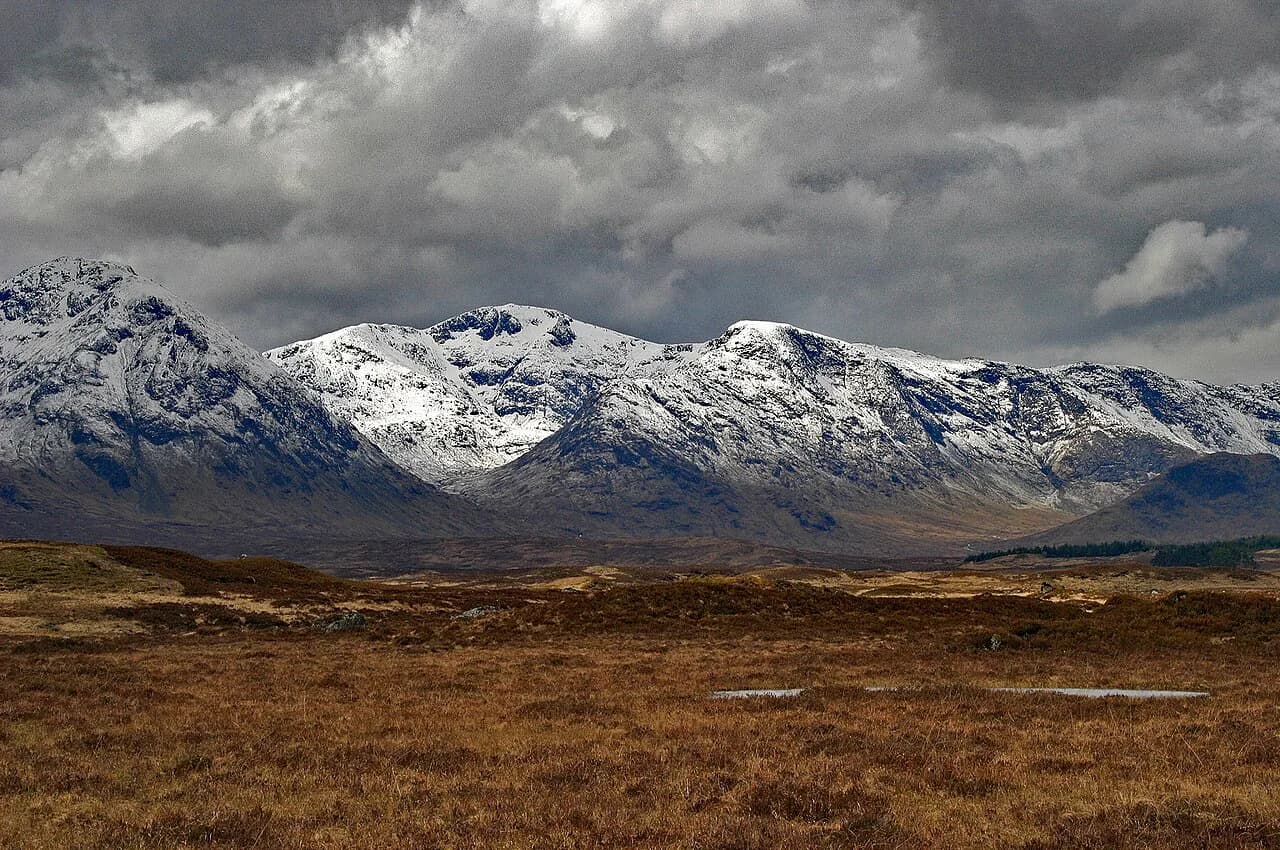
The route opened in April 2002 and runs right through the heart of Scotland, from Fort William in the west to Inverness, the Highland capital, in the east. It passes the foot of Ben Nevis (1,344 m), the highest mountain in the UK, then follows forest tracks along the shores of Loch Ness through farmland, exposed high moorland and woodland.
Forts and castles sit along the glen, from Iron Age remains to sites tied to the Jacobite Rebellion, and Urquhart Castle on Loch Ness is the most famous of them. The corridor is one of the easiest places in the Highlands to string together long days of walking without committing to serious scrambling or exposed ridgelines.
Who the route suits
If you like good underfoot going, short-ish daily distances and the option to bail out at a town every day, the Great Glen Way fits better than almost any other Scottish long-distance trail. At pace, it can be completed in three to four days; Trail Planner records a four-day completion at a relaxed 19, 14, 22 and 18 miles per day.
If you are after high mountain terrain, ridges or scrambling, this is not the route for that; the canal-side miles are flat and the forest tracks are wide. Walkers planning a first multi-day trip in the Highlands usually find the Great Glen a kinder introduction than the West Highland Way, which shares Fort William as a finish but covers far rougher ground. For a comparable step up in challenge without leaving the UK, the Lake District hiking guide shows how valley and ridge days compare.
Getting to the start and back from Inverness
Fort William and Inverness both have good rail connections to the national network, which makes a point-to-point walk straightforward. Inverness also has a sleeper service to London, so finishing the walk and boarding a night train in the same evening is realistic.
From Fort William, the first miles run along the Caledonian Canal past locks and bridges toward Invergarry, so you can start walking from the town rather than needing a car shuttle. If you plan to drive, Fort William and Inverness have plenty of accommodation options, and you will want to book a one-way arrangement or return by train.
Route layout: canal, loch and forest track
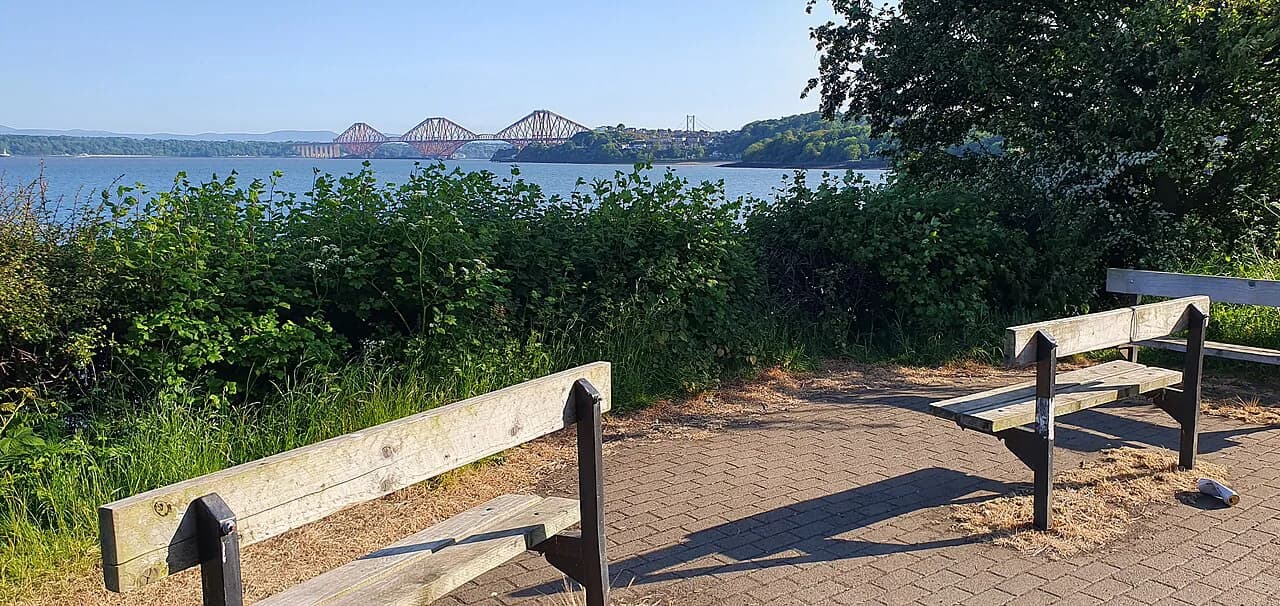
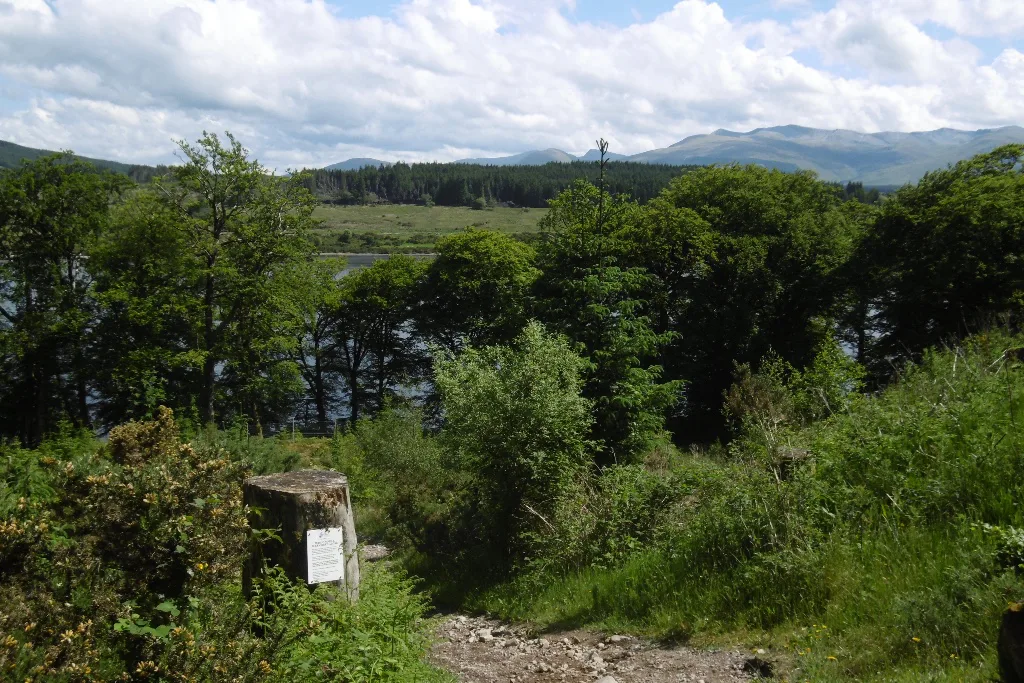
The Great Glen Way follows the Caledonian Canal, which links the North Sea to the Atlantic across Scotland, for much of its opening miles. The going is mostly a cycle track, easy and fast, with the canal, locks and bridges giving the first day a distinctly lowland feel.
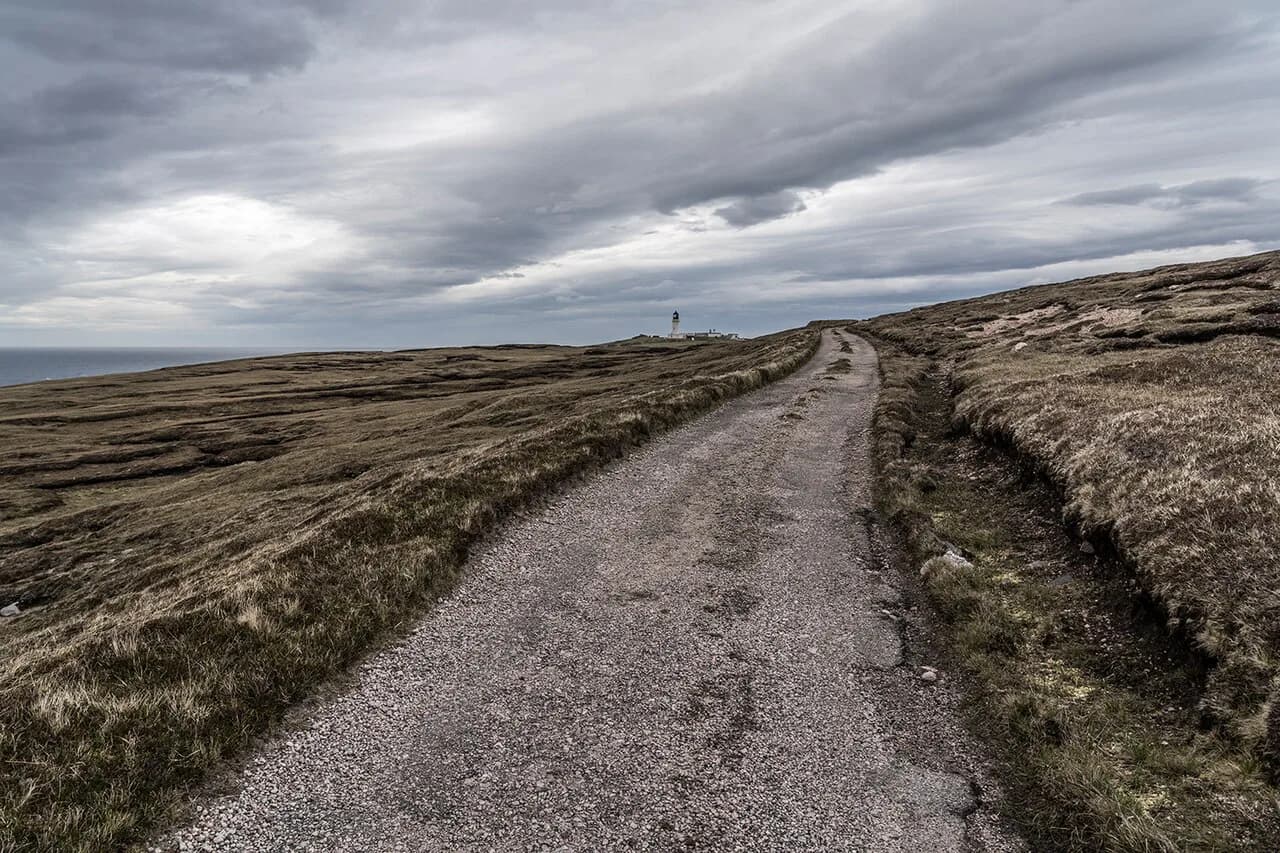
Later the route climbs into the hills above Loch Ness for a high-level stretch that opens views down the glen in both directions. After Drumnadrochit the trail drops back to farmland, moorland and woodland on the approach to Inverness.
Section one: Fort William to Fort Augustus
Leaving Fort William, the trail follows the canal towpath past locks and swing bridges toward Invergarry and the small stop at Glas Dhoire. It is the flattest day of the route and the easiest place to make up time or ease into a multi-day rhythm.
A Forestry Commission wild campsite at Glas Dhoire, used by paddlers travelling the canal, has basic facilities and makes a simple overnight if you are carrying a tent. The canal corridor is well served by accommodation at intervals, so you can break the stage at several points rather than committing to one long day.
Section two: Fort Augustus to Drumnadrochit
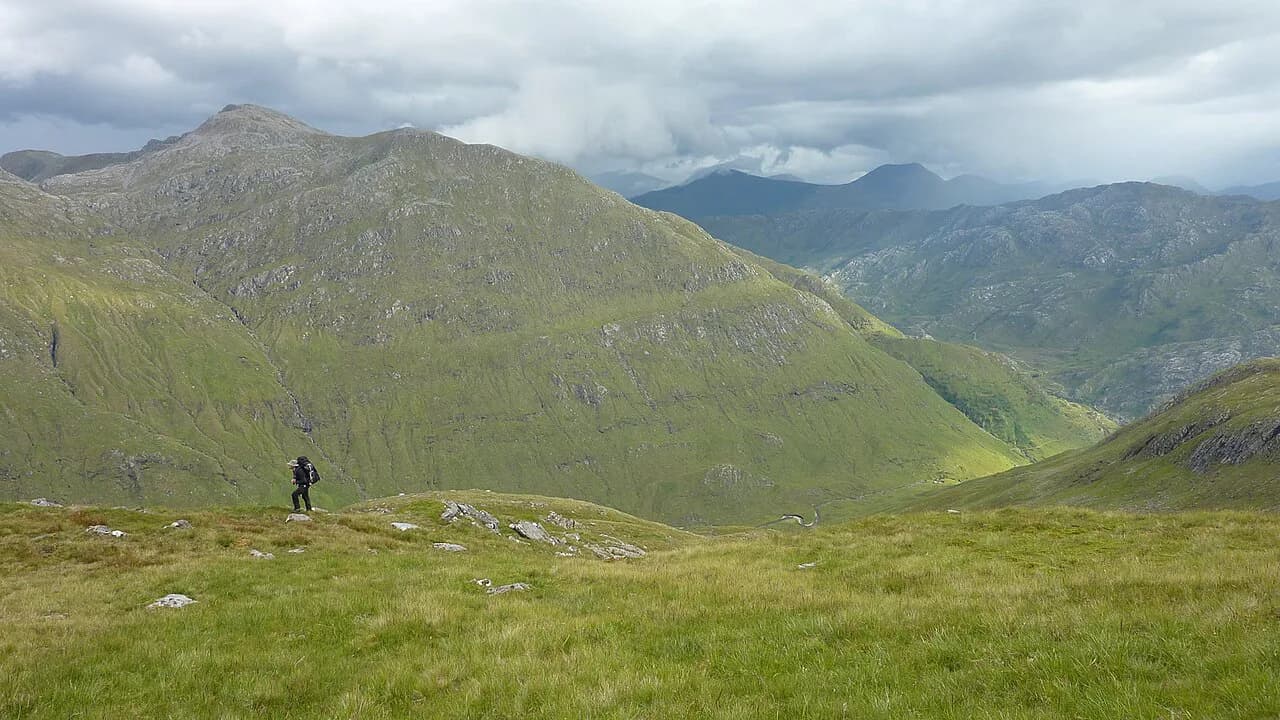
This is the day that defines the walk for many people: the route leaves Fort Augustus and climbs to a high-level line above Loch Ness, with long views down the glen in either direction. It is the most exposed section, so windproof layers and a check on the forecast before setting out matter more here than anywhere else on the route.
Drumnadrochit, at the end of the section, is the natural base for Urquhart Castle, the medieval ruin on the loch shore. Plan a short detour to the castle or leave a half-day for it rather than squeezing it into an already long walking day.
Section three: Drumnadrochit to Inverness
The final stretch leaves Loch Ness behind and crosses a mix of farmland, exposed high moorland and woodland on the way to Inverness. Trail Planner's four-day split puts this last day at around 18 miles, which gives a comfortable finish with time to reach the station or a bed in town.
Inverness has plenty of places to stay and eat, and the bookshops and cafes in the centre make it an easy place to unwind after the walk. If you are taking the sleeper south, book ahead and allow a buffer between finishing the trail and boarding the train.
Distance, ascent and time
The Great Glen Way runs 73 miles (117 km) from Fort William to Inverness, the shortest of Scotland's designated long-distance trails. At three to four days for a fit walker moving steadily, it fits neatly into a working week; at a holiday pace of five to eight days, it leaves room for side trips and slower mornings.
No single cumulative ascent figure for the whole route is worth planning from, so use the day-by-day profile in a guidebook or on the official route page instead. The canal sections are effectively flat and the climbing is concentrated on the high-level stretch above Loch Ness and the final approach to Inverness.
Suggested stage distances
A four-day split of roughly 19, 14, 22 and 18 miles is a good working model, with the longest day coming over the high ground above Loch Ness. If you have five to eight days, shave those stages into shorter chunks and use Fort Augustus and Drumnadrochit as natural overnight stops.
Shorter itineraries are possible: the route is well connected by canal-side accommodation and Forestry Commission campsites, so you can cut stages without walking far off trail. Keep the longest day for good weather and plan the high traverse above Loch Ness for a settled forecast.
Where to stay
Fort William and Inverness have the widest choice of hotels, guesthouses and hostels, and both make natural start and finish bases. In between, Invergarry, Fort Augustus and Drumnadrochit supply most of the accommodation, with a handful of options around Glas Dhoire and the Forestry Commission campsites for tent-based walkers.
Wild camping in Scotland is legal under the Scottish Outdoor Access Code, but the Forestry Commission sites on the canal route are basic and pleasant rather than plush. Book your in-town nights ahead, especially in summer, and check the official route page for updated accommodation lists.
Self-guided tour options
Self-guided operators package the walk with accommodation and breakfasts, daily luggage transfers, a navigation app and support, usually over eight days from Fort William to Inverness. VisitScotland lists one such package departing between March and October from GBP 770 per adult, and a shorter five-day Highlights version of the same trail.
Self-guided formats suit walkers who want their bags moved and their rooms booked but still want to walk the route at their own pace and in their own company. Guided group departures are not the usual model here; most operators sell the logistics rather than a leader on the ground, so ask what support actually means before booking.
Baggage transfer and shortening the route
Luggage transfer is the main reason many walkers choose a self-guided package; it removes the need to carry a full pack over the high-level stretch above Loch Ness. If you book transfers independently, arrange them in advance and confirm the day you need bags moved, as operators normally run on fixed schedules.
To shorten the walk, use the strong rail links at Fort William and Inverness and pick a start or finish at one of the intermediate towns. The canal and loch corridor makes it easy to design a three-, four- or five-night version without needing a car.
When to go
The VisitScotland-listed tour operates March through October, which reflects the practical walking window rather than any rule that closes the trail. Midges are a real seasonal factor on the canal and loch sections, and the Great Glen is known for them more than most parts of Scotland.
Winter walking is possible given the well-formed cycle tracks and land rover tracks, but daylight is short and the high traverse above Loch Ness can be wintry underfoot. Aim for late spring or early autumn for a balance of daylight, midge levels and reliable conditions.
Weather, underfoot conditions and exposure
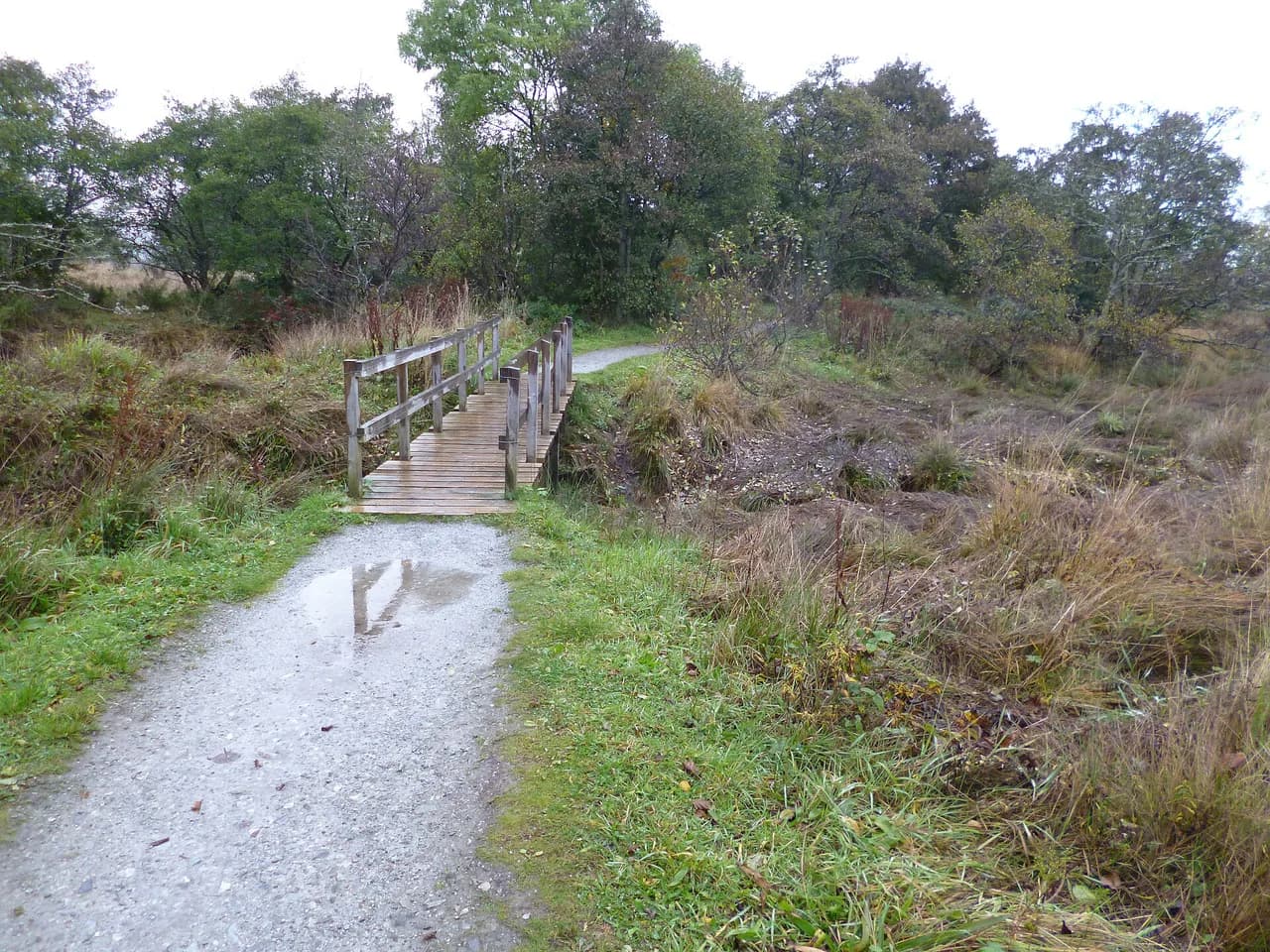
The canal and forest tracks are generally firm and fast, so the route stays walkable in wet weather far better than a typical Highland hill day. The exposed section above Loch Ness is the exception: it takes the wind, and afternoon storms can arrive fast on the high ground, so start that stage early.
Snow and ice are rare on the low-level miles but can affect the high traverse and the approach to Inverness in winter and early spring. Carry windproof and waterproof layers year-round and treat the high section as a hill day rather than a canal walk.
Urquhart Castle and the historic sites
Urquhart Castle sits on the Loch Ness shore near Drumnadrochit and is the standout historic site on the walk. Allow at least half a day to see it, and consider splitting the Drumnadrochit stage if you want the visit without walking in late.
The glen is scattered with forts and castles from the Iron Age onward, along with sites linked to the Jacobite Rebellion led by Bonnie Prince Charlie. A short side trip to Culloden is often paired with the finish in Inverness.
What to carry
Pack for a lowland walk with hill days attached: lightweight boots or trail shoes, windproof and waterproof layers, a warm mid-layer, water bottles and a small first-aid kit. Ticks are present in the long grass and woodland on the loch shore, and midges make a head net worthwhile from late spring.
If you are carrying a full pack, split the stage days so the longest coincides with dry weather, and keep a paper or offline map as backup on the high traverse. The canal towpath has shops and cafes at Fort Augustus and Drumnadrochit, but water and food are limited on the exposed sections.
Great Glen Way versus the West Highland Way
The West Highland Way is longer, rougher and finishes in Fort William, where the Great Glen begins, so the two can be combined if you have two weeks. On its own, the West Highland Way suits walkers who want mountain scenery and a bigger physical challenge, while the Great Glen suits those who want steady miles and comfortable nights.
For a first long-distance walk, the Great Glen's easier going, shorter stages and good rail links make it the more forgiving choice. If your goal is high summits such as Ben Nevis, plan them separately and look at the Highland hill routes rather than trying to bolt them onto the trail days.
Plan Your Visit
The Great Glen Way rewards walkers who treat it as a relaxed, canal-side traverse with one properly hill-grade day above Loch Ness. Book your in-town nights early, reserve the sleeper if you need London, and build a spare half-day around Urquhart Castle.
If your heart is set on high summits, look at Ben Nevis and the wider Highland routes; if you want steady miles and good rail links, the Great Glen delivers. Either way, confirm the current route details with the official Great Glen Way page before you book.
Frequently Asked Questions
Where does the Great Glen Way start and finish?
It runs from Fort William in the west to Inverness in the east, following the Great Glen corridor past the Caledonian Canal and Loch Ness. Both towns have rail stations on the national network, so you can walk it point to point without a car.
How long does the Great Glen Way take to walk?
The route is 73 miles (117 km) long and a fit walker moving steadily can finish it in three to four days, with one example split of 19, 14, 22 and 18 miles per day. Most people on holiday take five to eight days, which leaves time for Urquhart Castle and slower mornings.
Is the Great Glen Way easier than the West Highland Way?
Yes, in general. The Great Glen follows canal towpaths and forest tracks with mostly firm, fast going and a single exposed high section above Loch Ness, while the West Highland Way covers rougher terrain and a bigger physical challenge.
When is the best time of year to walk the Great Glen Way?
Late spring and early autumn give the best balance of daylight, midge levels and settled conditions. The listed self-guided tour runs from March to October, and winter walking is possible but comes with short daylight and wintry conditions on the high traverse above Loch Ness.
Can you walk the Great Glen Way in five days?
Yes. A five-day version simply spreads the four-day distances into shorter chunks, using Fort Augustus and Drumnadrochit as natural overnight stops. Self-guided operators also sell a five-day Highlights itinerary covering the best sections.
Are there luggage transfer services on the Great Glen Way?
Self-guided packages typically include daily luggage transfers along with accommodation, breakfasts and a navigation app. If you arrange transfers independently, book them ahead and confirm which day your bags need moving, since operators run on fixed schedules.
Can you wild camp along the Great Glen Way?
Wild camping is legal in Scotland under the Scottish Outdoor Access Code, and basic Forestry Commission campsites on the canal route give tent-based walkers a simple overnight option. In-town nights in Fort William, Fort Augustus, Drumnadrochit and Inverness should be booked ahead in summer.
Sources
Trail notes for your next trip
Optional updates when we add or revise hiking guides.
You might also like
Continue reading
More guides you'll find useful