Slovenia Via Ferrata: Routes, Grades and Gear Explained
Plan a via ferrata in Slovenia: how sport ferratas differ from protected Triglav routes, named options by grade and approach, and the gear they demand.
On this page
Slovenia gives you two distinct mountain days under the same label. One is a sport ferrata: a wall equipped end to end with steel cable, rungs and pins, built for the climb itself. The other is a protected mountain trail, the Slovenian zavarovana pot, where ironwork covers only the exposed steps on what is otherwise a hiking route to a summit.
Knowing which one you are booking decides your kit, your fitness plan and your margin for error. The Julian Alps hold most of the famous lines, with Triglav as the headline objective, while the Upper Sava Valley around Mojstrana has the densest cluster of purpose-built sport routes.
Sport via ferrata or protected mountain trail
A sport ferrata is continuously protected: steel cable, rungs, pins and ladders are essential to movement, and without them the ascent is usually impossible. It rewards climbing strength and technique, and the point of the day is the steep, difficult wall itself. A protected mountain trail is a hiking route with technical aids on the critical sections only, so most of the ground under your boots is ordinary mountain path.
That difference matters for accidents. On classic routes unprotected passages remain between the cabled steps, and Slovenian mountain professionals point to this gap as a frequent source of trouble for visitors who assume the whole line is clipped. Read the route description for the words protected or secured and take them literally: protection covers the hard bits, not the walk between them.
For a first Slovenian outing, choose a short sport ferrata with a clear descent so you can focus on moving efficiently on cable. Save the long protected trails on big peaks for when you already know how you handle exposure with a pack.
Grading and what you need before a B-or-harder route
Slovenian and Alpine ferratas use a six-level scale running from A, the easiest, to F, the hardest. Start low and step up as your strength, experience and mobility grow rather than jumping to a route because the photos look good.
Prior climbing experience is not a prerequisite for most ferratas, but comfort in steep rocky terrain is. On Triglav in particular, Triglav Tours, which runs guided ascents, notes that parts of the route sit outside the safety wire, so a steady step on unprotected rock matters more than any climbing background.
The hardest current sport line in the country is graded F, which tells you where the ceiling sits; a route that was long considered the toughest in Slovenia carries D/E. Treat those two as expert objectives and build a season of easier routes first.
Gear: harness, ferrata set, helmet and gloves
Every ferrata graded B or higher calls for four pieces of kit: a correctly fitted climbing harness, a manufactured via ferrata set, a climbing helmet and gloves. The set is the piece that matters most, with two arms and carabiners for the cable and an energy absorber that takes the force out of a fall.
Homemade lanyards are the one shortcut to avoid outright. Improvised sets do not absorb a fall the way certified ones do, and the consequences range from serious injury upward. If you plan to rest on the third attachment point some sets include, weight only the carabiner that does not trigger the absorber: once the absorber rips, the set is finished and cannot be reused.
Gloves are not decoration. They give grip on cold, worn cable and keep your palms intact, and most climbers prefer closed-finger pairs over half-finger ones for that reason.
Outfitters in Mojstrana rent ferrata sets and general mountaineering equipment, which is a sensible option if you are flying in with hand luggage only. Rental stock and conditions change with the season, so arrange it with the shop before you commit to a route.
Sport ferratas around Mojstrana and the Upper Sava Valley
Mojstrana, at the mouth of the Vrata valley, is the practical base for the country's most-visited sport ferrata, established in 2015 and equipped with two lines: an easier option and a harder one. Both finish on a scenic summit, which makes the area a good first stop for families and newcomers who want a taste of cable without committing to an alpine face.
Hvadnik follows a stream canyon in the same area and is pitched at families with older children, with Julian Alps views opening up as you gain height. It is a wetter, more enclosed experience than a sunny wall, and the canyon setting is what makes it memorable.
The valley's portfolio has grown steadily: Jerm'n came after the original Mojstrana lines, and Dobršnik followed in 2022. If you are stringing together a few days, this cluster lets you progress without long transfers, but check locally which lines are open and in condition, since maintenance closes routes from time to time.
Jerman and Dobršnik: the step up in exposure and fitness
Jerman is the demanding option in the Upper Sava Valley, with exposed overhangs and technically awkward sections that require solid physical conditioning and prior ferratas behind you. It is not a route to learn clipping on, and fatigue is the usual reason people get into difficulty on it.
Treat Jerman as a half-day objective with a weather window you trust, and keep the descent in reserve rather than pushing through the final overhang when your arms are gone. For most hikers, a clean ascent of an easier Mojstrana line is a better use of the day.
Triglav by its protected routes
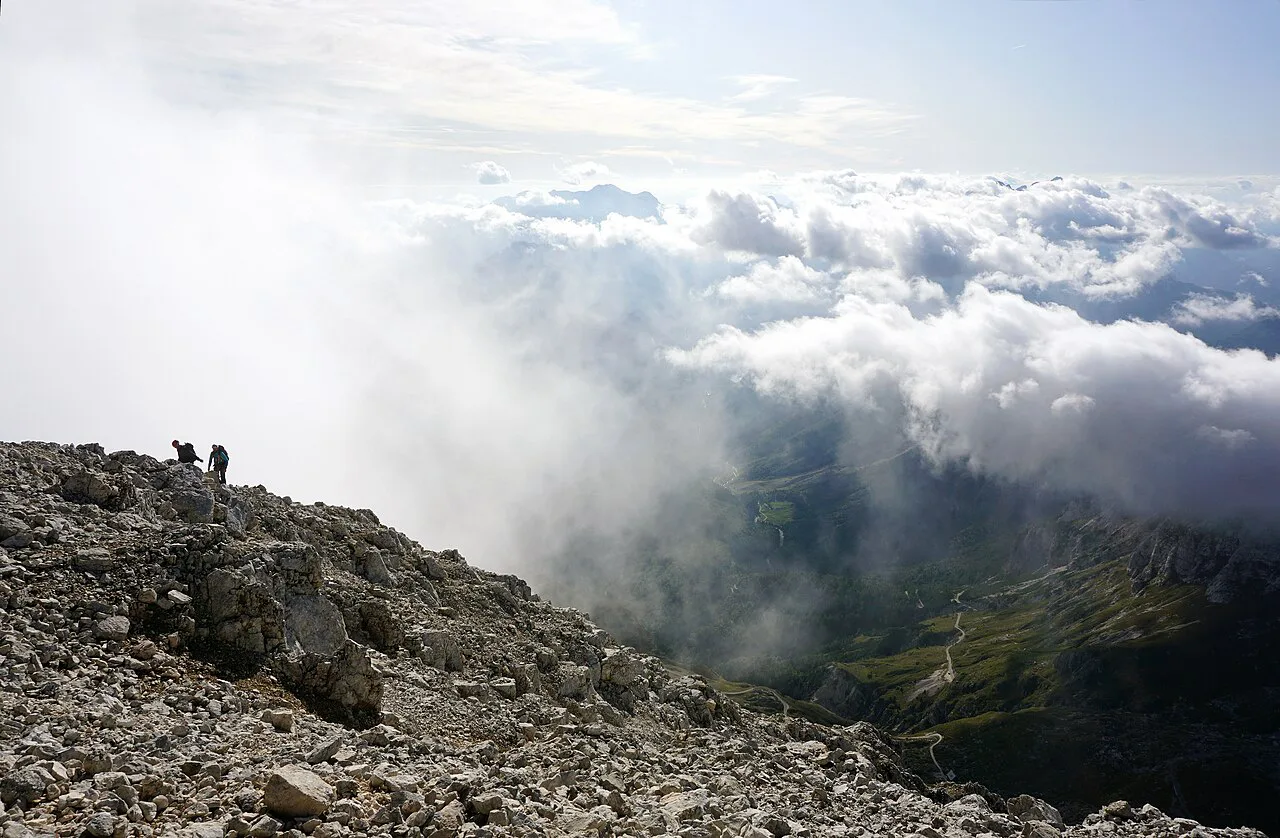
Every route to Triglav's summit is effectively a via ferrata, because the exposed top has been secured with metal rungs and safety wire on all sides of the mountain. Routes converge at Planika hut and the Triglav Lodge at Kredarica, which is what makes a circuit possible: climb one protected line and descend another.
From the Krma valley or the Pokljuka plateau, the Triglavska Škrbina line takes roughly six hours from the car to the summit, reaching Planika in about four and a half hours before the most technically demanding stretch to the top. These times come from a guiding operator's estimate rather than an official trail survey, so treat them as a planning baseline for a fit hiker moving steadily.
The Ridge route also starts in Krma or on Pokljuka and passes Little Triglav at 2,738 metres (8,983 feet) before the narrow, airy ridge to the main summit. It is not a place for anyone uneasy with height, and the exposed section comes when you are already tired.
The northern face routes, Tominškova and Prag, start in the Vrata valley above Mojstrana and share the same trailhead, which is why many parties ascend one and descend the other. Tominškova crosses the rocky Triglavski Podi and passes the remains of the Triglav glacier; the serious climbing on both begins once they join the Ridge route above Kredarica.
Plemenice is the most demanding of the standard protected routes below the north-wall climbing lines, and it is not fully protected on the difficult sections, so experience counts. It was thoroughly renewed and remarked a couple of years before 2026 and is quieter than the alternatives until it joins the Škrbina line; most parties descend by Tominškova or Prag to complete a circuit.
Classic protected trails in the Julian Alps
The Hanza Route on Mala Mojstrovka is a protected trail rather than a sport ferrata, with steep sections on iron pegs and cable and a reputation for exposure. It gives panoramic views of Jalovec, Triglav and the Italian side of the range, and expects some climbing skill and experience on protected ground.
Kopiščarjeva pot on Prisank is a demanding protected trail that passes Prisank's Window, the largest natural rock window in Slovenia, with the Ajdovska deklica rock formation nearby. It is an experienced-mountaineer objective and a full day with real exposure.
On the Košuta ridge, the protected trail to Veliki Vrh threads the southern walls with cable and iron pegs through steep, open ground, and the ridge gives long views into both Gorenjska and Carinthia. It suits hikers with basic climbing skills who are used to moving with protection; stay on the Slovenian side of the ridge for this description.
Routes outside the Julian Alps worth the drive
East of the Julian Alps, the Olimpline ferrata is graded F and is the longest and hardest sport ferrata in Slovenia, finishing at the top of a zipline that returns visitors to the valley. It is a purpose-built adrenaline day rather than an alpine ascent, and the grade puts it firmly in expert territory.
The same source records that Gonžarjeva peč, equipped in 2011, long held the title of hardest route in the country at D/E before newer lines overtook it. Both sit outside the Julian Alps, so plan them as separate trips rather than add-ons to a Triglav itinerary.
Approaches, bases and how the routes fit a day
Mojstrana works as a base for the sport ferratas and for the Vrata valley trailheads under Triglav's north face, which keeps driving to a minimum across several days. Krma valley and the Pokljuka plateau serve the southern and eastern approaches to Triglav, so pick your base by which route you intend to climb rather than by hotel choice alone.
Most hikers climb Triglav over two days, sleeping at Planika or Kredarica, though a single-day ascent is possible for anyone with good stamina and mental toughness and a route chosen to match. The one-day version leaves little margin for weather or congestion, so it suits early starts and settled forecasts.
If you would rather have the logistics handled, guided formats range from a single day on Triglav to multi-day traverses and valley-based hiking weeks. Compare what each includes before booking, since hut nights, transfers and equipment rental are what drive the practical difference between them.
When to go and reading the weather
The operator's high season runs from August to September, when Triglav sees more than 2,000 climbers a day and queues form at the protected steps, especially at weekends. Their preferred window is late June to late July, when the flora is out and the crowds are thinner; treat the crowd figure as the operator's own estimate and plan midweek ascents where you can.
Winter ascents of Triglav belong to skilled mountaineers with proper equipment or to parties under a qualified guide, and the same applies to any snow-covered ferrata. In summer, conditions still shift quickly, so read the forecast daily and be ready to switch to a lower valley route when storms are forecast for the afternoon.
Huts and refuges under the routes
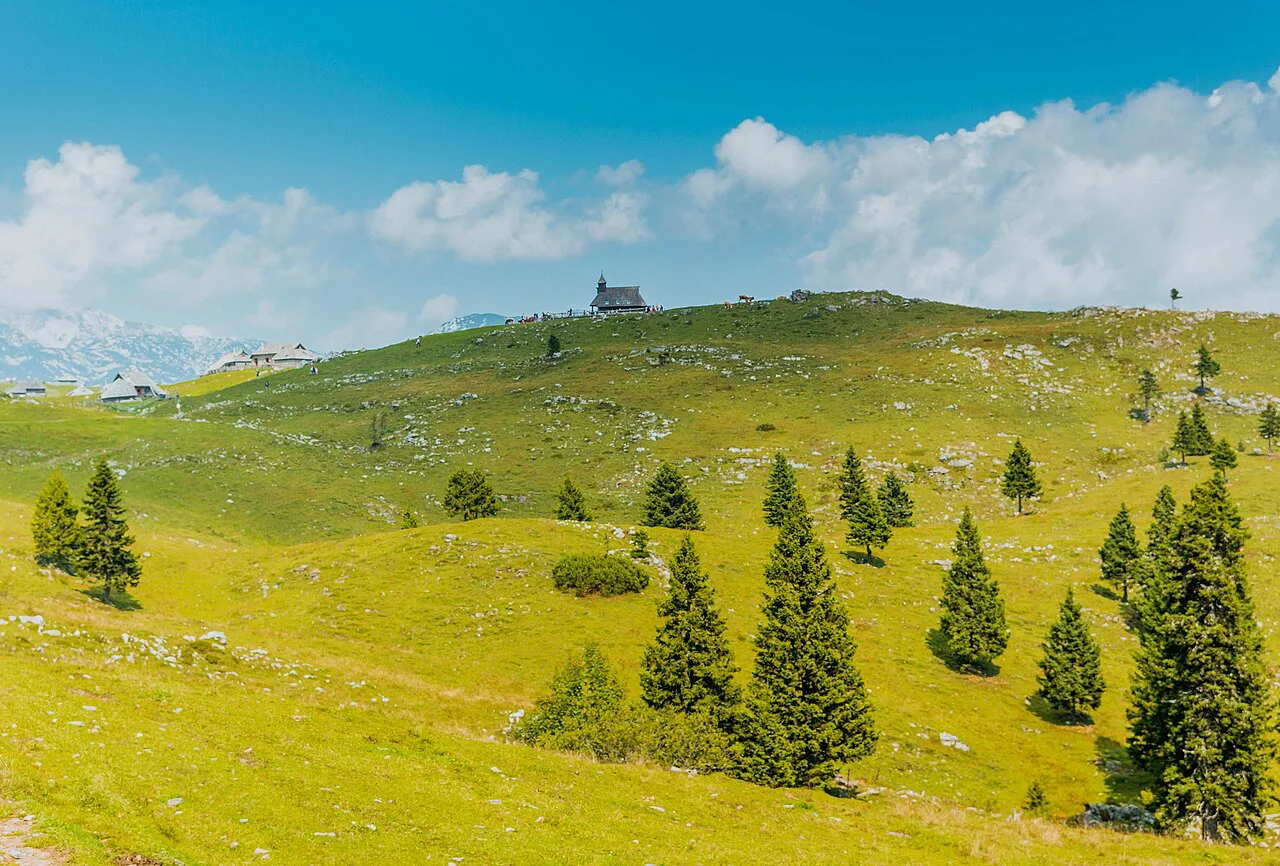
Planika hut and the Triglav Lodge at Kredarica are the two refuges where Triglav's routes converge, and both serve as natural break points before the protected summit stretch. Kredarica sits above the junction where Tominškova and Prag join the Ridge route, so it is the last comfortable place to reassess before the exposed ground.
Hut places on Triglav fill in the high season, so book through the hut operator or alpine club rather than turning up and hoping. If you are linking refuges across several days, plan the booking rhythm early: reserve each night as soon as your route is fixed, and confirm directly with the refuge before you travel.
Hazards: loose rock, unprotected sections and descent choices
Loose rock is the most common real danger on popular routes, and it gets worse in high season when many people are moving above one another. Wear a helmet without exception, avoid dislodging stones, and call a warning down the line if you see rock fall.
Clip so that one carabiner is always attached before you release the other, keep a safe distance from the climber ahead, and turn around when fatigue sets in rather than pushing past your limit. On a fall, the absorber extends to soften the landing but is destroyed in the process, so have the set inspected by an expert even after a minor incident.
Guided versus self-guided
A guide adds a second layer of protection on the cabled sections, using a rope in addition to your own ferrata set, and takes the route decision based on fitness, experience and the day's weather. Guides working the Slovenian mountains are typically fluent in English and can explain the terrain, wildlife and history as you go.
Self-guided makes sense if you already lead protected ground, read weather well and have chosen a route graded below your limit. For Plemenice and the north-face routes, or for a first Triglav ascent, the guided option removes the route-finding risk that is hardest to manage when you are tired.
Plan Your Visit
Start with a short sport ferrata around Mojstrana to test your kit and technique, then move to the protected trails on the Julian Alps peaks once the cable work feels routine. Choose Triglav's route as a circuit, ascend one line and descend another, and build in a hut night if you want margin for weather. For easier days between the cabled routes, the Lake Bled hiking guide covers valley-level walks and viewpoints nearby.
Confirm hut availability with the refuge or alpine club, check the forecast daily, and verify any route closures with the Triglav National Park authority before driving to a trailhead; the mountain will still be there if you wait for a settled day.
Frequently Asked Questions
Do you need climbing experience for a via ferrata in Slovenia?
For most sport ferratas and protected trails, no prior climbing experience is required, but you do need to be comfortable on steep, exposed rock and able to move efficiently on cable. The Triglav routes include sections outside the safety wire, so a steady step matters more than climbing background.
What grade is the Triglav via ferrata?
The published material does not assign a single A to F grade to the Triglav summit routes. They are protected alpine routes with cabled sections, and Plemenice is described as the most demanding of the standard options below the north-wall climbing lines, so assess each line on its own description.
Which Triglav protected route is easiest?
The Triglavska Škrbina route from the Krma valley or Pokljuka plateau is the gentlest approach in character, with undemanding ground before Planika and the technical stretch saved for the summit. The Ridge route is narrower and more exposed, and Plemenice demands more experience.
What gear do you need for a via ferrata graded B or higher?
You need a fitted climbing harness, a manufactured via ferrata set with an energy absorber, a climbing helmet and gloves. Use only certified sets, since homemade lanyards do not absorb a fall properly, and have any set that has taken a fall inspected by an expert.
Can you climb Triglav in one day?
Most hikers take two days with a night at Planika or Kredarica, but a single-day ascent is possible with good stamina, an early start and a route matched to your fitness. It leaves little margin for crowds or changing weather, so choose your line carefully.
When is the best time to climb Triglav?
The high season runs from August to September, when the summit routes get very crowded, particularly at weekends. Late June to late July offers blooms and thinner crowds, and winter ascents should be left to skilled mountaineers or guided parties.
Which Slovenia via ferrata suits beginners?
The Mojstrana sport ferrata offers an easier and a harder line, both finishing on a scenic summit, and is the most visited in the country. Hvadnik, in a stream canyon, suits families with older children.
Is a guide needed for the Plemenice route?
Plemenice is not protected on all of its difficult parts, so it requires more experience than the other standard routes. If you are not comfortable leading that kind of ground on your own, a mountain guide is the sensible choice.
Sources
Trail notes for your next trip
Optional updates when we add or revise hiking guides.
You might also like
Continue reading
More guides you'll find useful