Where to Stay in Slovenia for Hiking: Base Towns by Region
Choose a Slovenian hiking base by mountain chain: Lake Bohinj and Bled for the Julian Alps, Kranjska Gora for the north, Soča Valley for the west.
On this page
Slovenia packs three alpine chains, a karst plateau and a stretch of Adriatic coast into a country you can cross in a morning, so the base you choose decides which trailheads sit half an hour away and which sit across the map. The country has more than 10,000 km (6,200 mi) of mostly well-marked trails, and almost 60% of it is forest.
Plan around one mountain group for a short trip and two at most for a week. The Julian Alps and Triglav National Park hold the big-name day hikes and the hut-to-hut routes, the Karawanks offer shorter ridge days, and the Kamnik-Savinja Alps give the wildest terrain with the fewest facilities.
Two constraints shape every base choice. The tree line sits at roughly 1,600 m (5,500 ft), above which you walk rough limestone with little surface water, while the valleys hold the rivers, lakes and waterfalls that make easier days possible.
How far apart the three alpine chains sit
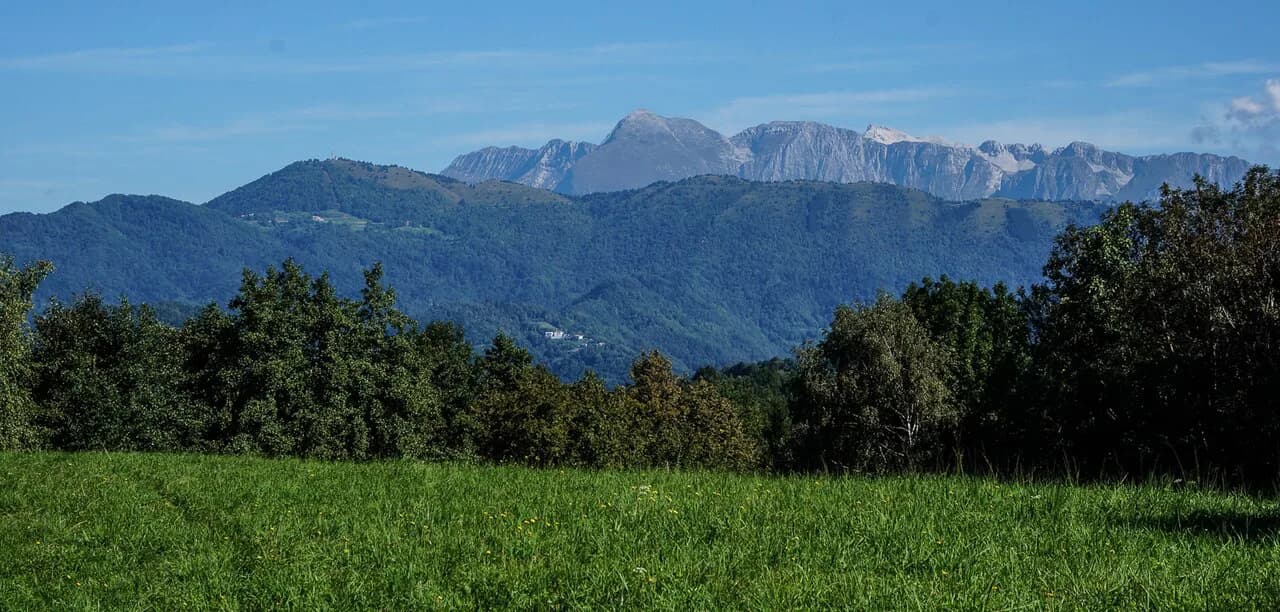
The Julian Alps form the largest chain, in the northwest around Triglav National Park. The Karawanks run as a long ridge along the Austrian border, and the Kamnik-Savinja Alps rise in the center-north, close enough to Ljubljana to be visible from the old town on a clear day.
That geography makes a single-base week inefficient. Bohinj to the Soča Valley or to Jezersko is a half-day of travel, so most hikers give the Julian Alps three or four nights and treat the Karawanks or Kamnik-Savinja Alps as a second stop rather than a day trip.
Facilities differ too. The Julian Alps have the densest hut network and the most valleys with beds, the Karawanks have fewer huts because access is easier, and the Kamnik-Savinja Alps have few high roads, so you may climb 1,500 m (5,000 ft) to reach the highest summits.
Lake Bohinj: the quietest base for Julian Alps day hikes
Bohinj suits hikers who want trailheads at the lake and a low-key evening. The valley gives access to the south-side Julian Alps routes, which the regional guide describes as generally easier than the northern traverses, plus lakeside and river walks for rest days.
Use Bohinj for the classic Triglav National Park day hikes and for the start of multi-day routes. Routes from the Bohinj side range from meadow walks to the Valley of Seven Triglav Lakes, and the steep limestone above the tree line calls for an early start and water carried from the valley.
Book beds early in July and August, when the hut-to-hut season concentrates demand in the same weeks. Huts at altitude are only reliably open from late June to late September, so anything outside that window has to be a valley-based trip.
Bohinj stays quieter than Bled, which is the trade-off: fewer restaurants and a shorter season, but shorter drives to the southern trailheads and a calmer base after a long day. If you would rather build your days around viewpoints and gorges than summit routes, see this guide to hiking in Lake Bled.
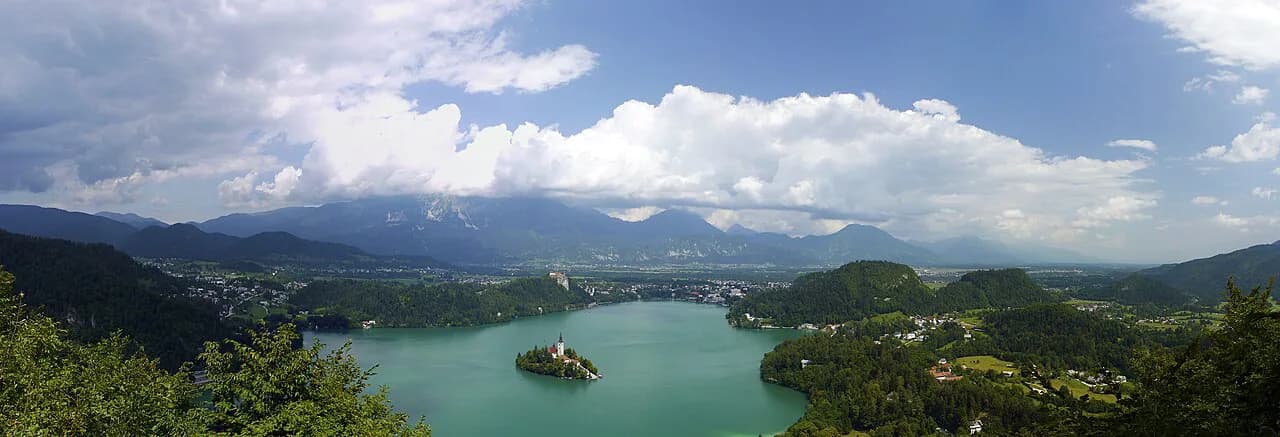
Lake Bled: more beds and dining, close to Bohinj and Pokljuka
Bled works best if you want choice at dinner and a wider range of accommodation for a group with mixed ambitions. It sits close enough to Bohinj and the Pokljuka plateau that you can reach southern Julian Alps trailheads in the morning without changing hotels.
The plateau above Bled is forest and meadow country at the tree line, good for half-day walks and for reaching higher routes without a long drive. Treat Bled as a comfortable dormitory rather than a trailhead village, and budget the extra minutes each morning.
Bled is also the practical base for hikers adding non-hiking days, with cycling, water sports and climbing available in the same valleys. That flexibility is why families and mixed-ability groups often settle here rather than in Bohinj.
Kranjska Gora: north-side access and the Vršič road
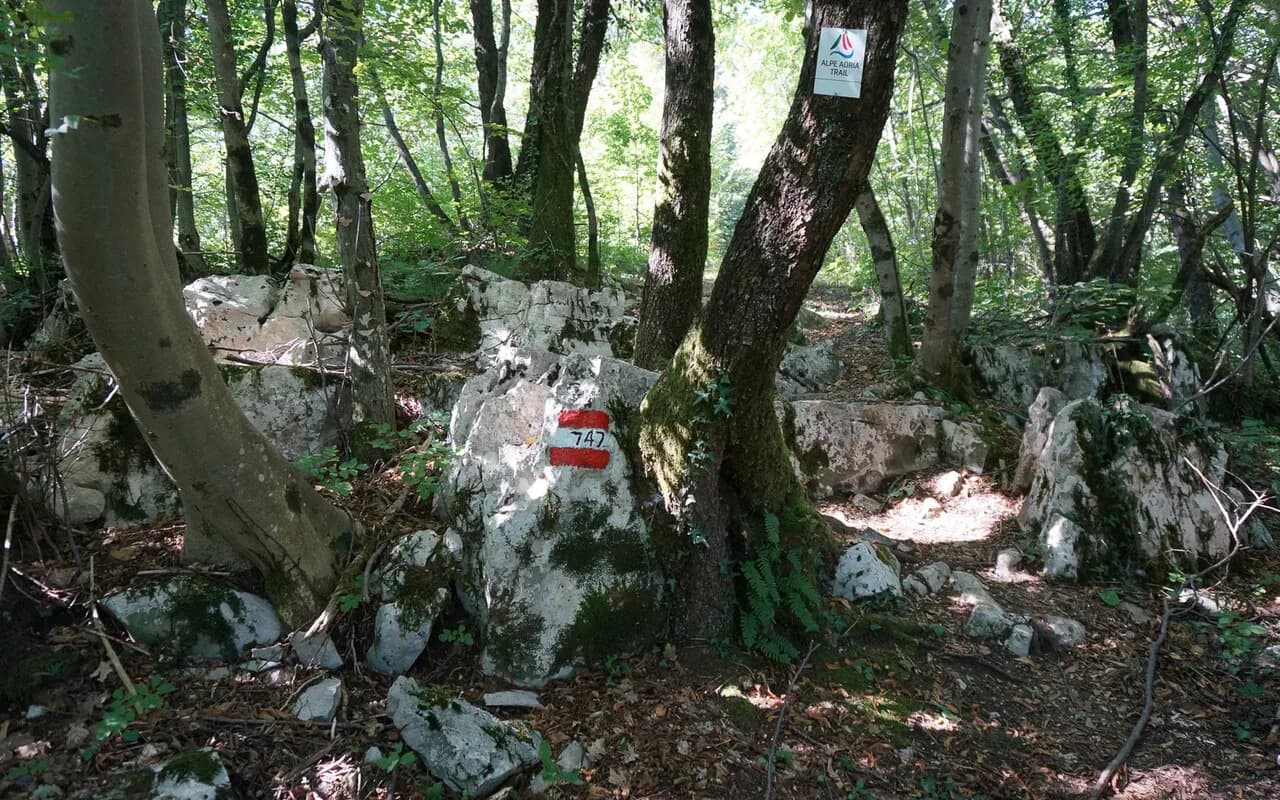
Kranjska Gora is the base for the northern Julian Alps and for the road over Vršič, Slovenia's highest mountain pass, which carries the Alpe Adria Trail down into the Soča Valley. The village also sits under the Karawanks ridge, so you can combine a high Julian Alps day with a shorter border-ridge walk from the same bed.
Hikers planning exposed terrain or secured sections often choose this side of the range, and the village is a known base for via ferrata and challenging trails. Rigging, helmet and a guided first day are worth arranging before you commit to the harder lines.
The trade-off is weather. The north side is steeper and rockier, and afternoon storms build over the peaks in summer, so plan ridgeline days for an early start and keep a valley walk in reserve.
Soča Valley: bases for Krn, the WWI paths and the Alpe Adria Trail
The Soča Valley cuts through the heart of the Julian Alps from north to south, and its villages make the best base for the western side of the range. Mt. Krn is the standout WWI history hike above the valley, and the Alpe Adria Trail follows the river through former front-line country.
Stay in a valley village rather than at a single trailhead. The valley is long, and picking a village near the routes you want saves daily driving; the same river corridor also gives easier walks to waterfalls and gorges when the peaks are clouded.
This is the base for hikers linking high routes with the Walk of Peace paths that follow the WWI Soča front. Those lower paths stay walkable in shoulder-season weather when the summits do not, which makes the valley a good early- and late-season choice.
Jezersko and the Logar Valley: small bases for the Kamnik-Savinja Alps
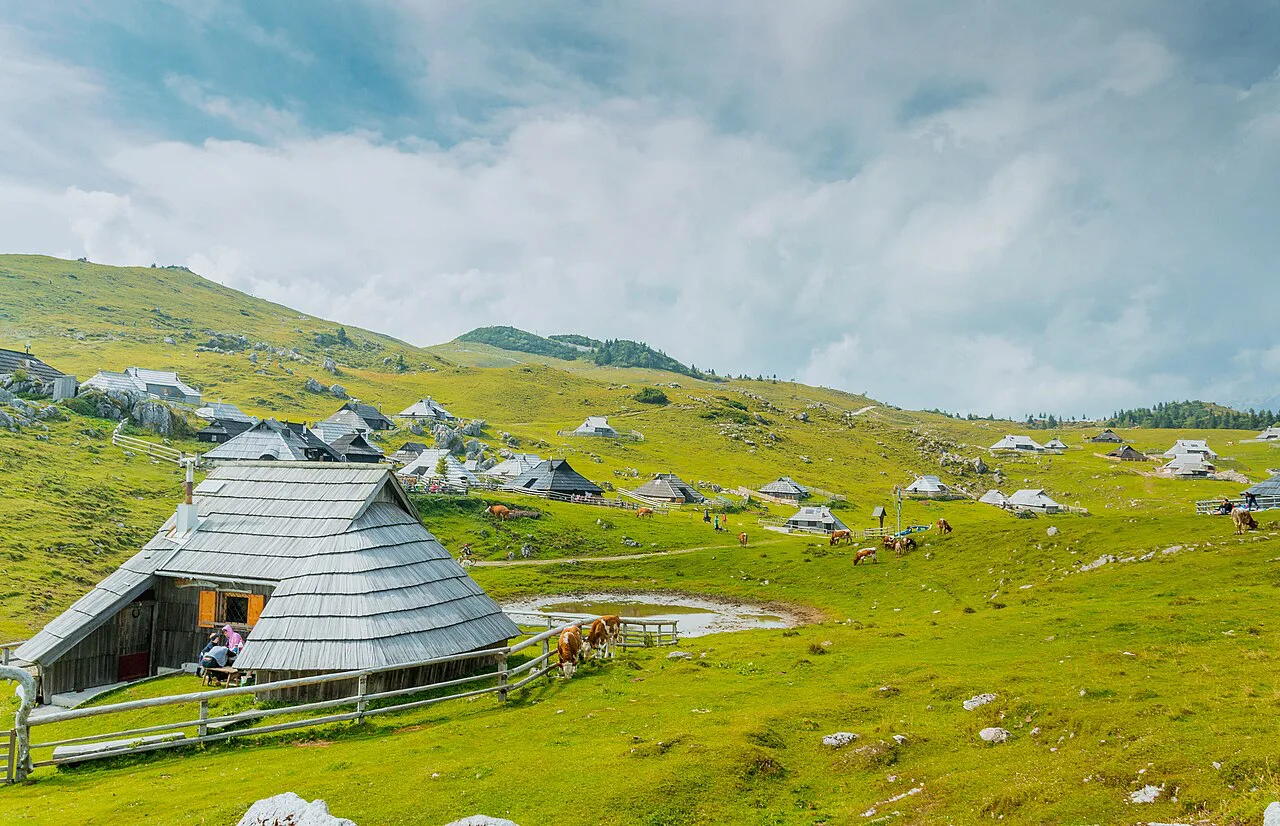
Jezersko, an alpine hamlet on the northern side, and the farms around the Logar Valley suit hikers who want quiet and are willing to drive to trailheads. The Logar Valley holds the Rinka waterfall and ranks among Slovenia's finest glacial valleys, while Velika Planina is one of Europe's largest working alpine meadows and an easy, popular day out.
Expect bigger days here. With few high roads, climbs to the highest Kamnik-Savinja peaks gain up to 1,500 m, and rough karst terrain and secured sections appear on the harder routes, so this is terrain for fit, experienced parties rather than first-time alpine hikers.
Huts are sparser than in the Julian Alps, which means fewer bail-out options and a stronger case for carrying full water and weather layers. Base in Jezersko or near the Logar Valley, both on the southern side, for the Kamnik-Savinja peaks.
Karawanks bases: Golica, Stol and Begunjščica
The Karawanks ridge runs about 120 km along the Austrian border, and its southern slopes are greener and gentler than the northern faces. That makes ridge days shorter and easier than equivalent Julian Alps routes, which suits hikers building confidence or travelling with teenagers.
Base in the villages on the Bled side of the ridge for Begunjščica and Stol, the range's highest peak, and time a May or June visit for Golica, where the slopes turn white with flowering daffodils.
Fewer huts on the ridge mean you should carry your own food and water and treat a hut as a bonus stop rather than a plan.
Subalpine hills and wine country: Maribor, Kočevje and Cerknica
Outside the high mountains, Slovenia's forested hills offer a different kind of hiking: village-to-village walks, forest tracks and vineyard routes with cellar stops. Maribor, the second city, sits between forest and vineyards, and Kočevje is the region for bear country walks.
Around Cerknica and Mt. Snežnik you walk karst terrain, with lakes that fill and empty and limestone features at every turn. These bases work well in spring and fall, when the high routes are snow-covered or storm-prone.
Wine-region routes often include stretches on low-traffic asphalt and gravel roads, so choose them for scenery and food rather than for unbroken singletrack.
Hut-to-hut and inn-to-inn: when a fixed base stops working
The Julian Alps are Slovenia's most extensive hut-to-hut area, with multi-day routes that demand reasonable fitness. Traverses on the south side near Bohinj are easier, while the north-to-south route from Kranjska Gora to Bohinj brings steeper trails and sections secured with steel cables.
Mountain huts are only open for that network from late June to late September, so hut-to-hut trips have a narrow window. Book through the hut operator or alpine club before you fix travel dates.
If you want a bed and a shower every night, inn-to-inn routes such as the Alpe Adria Trail and the Juliana Trail run from April to November and allow daily luggage transfer. The Juliana Trail circles Triglav National Park, which makes it the natural choice for a fixed-base hiker who wants one long stage.
Guided and self-guided formats bundle different amounts of support, and the right one depends on whether you want route-finding taken off your plate or simply bags moved. Compare what each includes before booking slovenia walking holidays.
Getting around without a car
Public transport reaches the main valleys, but rural trailheads are thinly served and mountain huts sit above the bus network. The realistic plan is to base in a village with services, use buses for valley links and arrange a transfer for the first and last kilometres of hut routes.
Lifts and cable cars exist in the Julian Alps but do not blanket the range; the regional guide notes far less high-alpine infrastructure than in the western Alps. Where a lift does run, check its operating season and dates directly with the lift company before building a day around it.
For a car-free week, pick Bohinj or Bled and stick to the southern Julian Alps, where valley buses and marked paths connect the lake to the trailheads. Adding a second chain without a car costs more time than most short trips can spare, so keep the split to two areas.
Matching a base to your fitness and goals
Choose Bohinj or Bled if you want day hikes from a fixed bed with easy and moderate options. Choose Kranjska Gora or the Soča Valley if you want long, steep days, secured sections and the Alpe Adria Trail. Choose Jezersko or the Logar Valley if you are fit, experienced and want solitude over convenience.
Beginners and families do best on the Karawanks ridge and the subalpine hills, where days are shorter and escape routes simpler. Hikers chasing summits should accept that the highest Kamnik-Savinja peaks mean long climbs and committing terrain.
Whatever the base, carry more water than you would in wetter ranges. Limestone is porous, so there is almost no surface water above the tree line and refill options shrink as you climb.
When to go and what each base is like in spring and fall
Late June to late September is the window for high huts and long ridge days in the Julian Alps. May and June bring flowers to the Karawanks, and spring and fall suit the wine regions and subalpine hills better than high summer.
Spring at Bohinj means snow lingering on the passes above the valley while the lakeside paths are clear. Fall brings stable, clear days and fewer people, but shorter daylight, so start early on any long route.
In the Soča Valley, spring and fall keep the lower WWI paths open when summits are out of condition. Base low, walk high only when the forecast holds, and keep a valley day in reserve.
Where to stay with family or teenagers
Bled is the easiest base for families: more beds, more dining and plenty of non-hiking activity within walking distance. Bohinj works for families who hike and swim and prefer quieter evenings.
Teenagers who want a challenge can day-trip to the Karawanks from the Bled side for shorter, sharper ridge days, or ride up to the Pokljuka plateau for half-day walks.
If you are comparing specific properties, a hiking-hotel shortlist helps you filter by location and facilities rather than by name alone.
Planning Your Slovenian Hiking Base
Pick the mountain chain first, then the village: Bohinj or Bled for the Julian Alps, Kranjska Gora for the north and the Vršič road, the Soča Valley for the west, and Jezersko or the Logar Valley for the Kamnik-Savinja Alps. Book huts and valley beds for the late June to late September window well ahead.
For a longer trip, pair one Julian Alps base with one quieter base in the Karawanks or subalpine hills, and keep the hut-to-hut stages as a separate, booked-in-advance block.
Frequently Asked Questions
Is there good hiking in Slovenia?
Yes. Slovenia has more than 10,000 km of mostly well-marked trails, three alpine chains, karst plateaus and vineyard routes. The Julian Alps and Triglav National Park hold the signature day hikes and hut-to-hut routes, while the Karawanks offer shorter ridge days and the Kamnik-Savinja Alps the wildest terrain.
Is it better to stay in Bled or Ljubljana for hiking?
Bled is the better hiking base because it sits close to the Julian Alps trailheads, Lake Bohinj and the Pokljuka plateau. Ljubljana gives you a city base and is handy for the Kamnik-Savinja Alps but adds daily travel to the high routes.
What is the best area in Slovenia for hiking?
The Julian Alps around Triglav National Park have the most trails, huts and valley bases, with Lake Bohinj and Kranjska Gora as the two strongest bases. The Soča Valley covers the western side, and the Karawanks and Kamnik-Savinja Alps suit hikers who want quieter or wilder days.
How many days do you need in Slovenia for hiking?
Three to four nights gives you a solid Julian Alps base with three or four day hikes, or a short hut-to-hut route during the late June to late September season. A week lets you add a second chain such as the Karawanks or Kamnik-Savinja Alps without moving every night.
Which Slovenian town is best for hut-to-hut hiking?
Bohinj and Kranjska Gora are the two natural ends for Julian Alps traverses, with the south-side routes near Bohinj easier and the Kranjska Gora to Bohinj traverse steeper and partly secured. Mountain huts in that network operate from late June to late September.
How do you reach trailheads without a car?
Base in a village with services such as Bohinj or Bled and use valley buses and marked paths to reach trailheads, arranging a transfer for the first and last kilometres of hut routes. Lifts exist in the Julian Alps but are sparse compared with the western Alps, so check each operator's season before relying on one.
Sources
Trail notes for your next trip
Optional updates when we add or revise hiking guides.
You might also like
Continue reading
More guides you'll find useful