Vereda do Areeiro: Madeira's Pico-to-Pico Ridge Hike
Vereda do Areeiro links Pico do Arieiro to Pico Ruivo along Madeira's highest ridge. Plan the trailheads, walking time, tunnels and mountain weather.
On this page
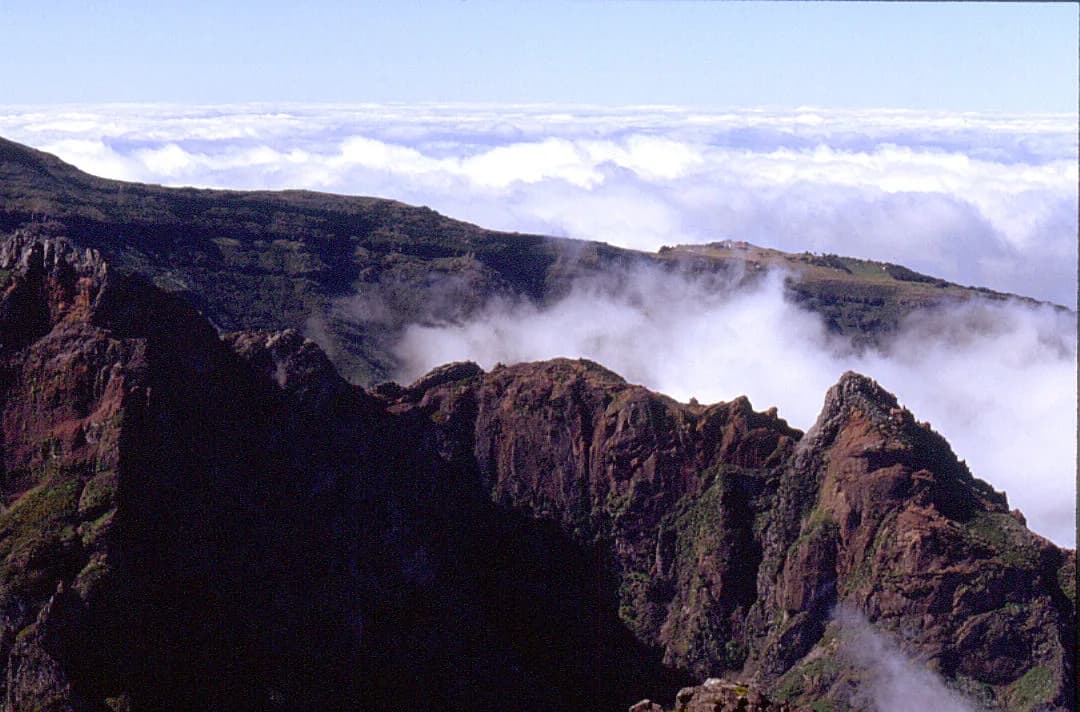
The Vereda do Areeiro, marked PR1, is the hike that defines Madeira for most visitors: a high traverse between Pico do Arieiro and Pico Ruivo, the island's two highest walkable summits, with Pico das Torres standing between them. It suits fit hikers who are comfortable on stairs, in tunnels and close to sheer drops, and it rewards them with sections that run above the cloud line.
This is not a gentle levada stroll. The route climbs and drops repeatedly across the Central Mountain Massif, and the altitude means wind, cold and fast-moving cloud even when Funchal is warm and sunny. Deciding between the full traverse, the one-way version and a short sampler out-and-back is the most useful planning choice you will make, much as it is when hiking in Tenerife across the Teide high routes.
Trailheads and how to reach them
Most hikers start at Miradouro do Pico do Arieiro, the paved viewpoint complex on the E.R. 103 road, where the car park fills quickly on clear mornings and roadside parking becomes the fallback. Arriving early solves both the parking squeeze and the cloud build-up, which tends to thicken through the afternoon.
The alternative trailhead is Achada do Teixeira, the road-end car park reached by car from the north side of the island, where the shorter PR1.2 path climbs to Pico Ruivo. Both ends sit high on narrow mountain roads, and private transfers or guided hikes with pick-up are the practical answer for walkers without a car.
If you plan to combine the ridge with the island's forest channels on another day, the levada walks madeira guide covers routes that start from roadside bus stops and are far easier to reach without a vehicle.
Distance, ascent and time
Treat the full PR1 as a long mountain day rather than a half-day outing. Walking from Pico do Arieiro to Pico Ruivo and back to the start involves repeated climbs over a rough stair-built path, and the published route is commonly described as a strenuous six-to-eight-hour day for hikers returning to the same trailhead.
The PR1.2 add-on changes the arithmetic. From Pico Ruivo you can descend to Achada do Teixeira on a shorter, gentler path of 2.8 km one way, cutting roughly three kilometres from the day if a driver collects you at the road end.
A one-way traverse needs a pick-up or a two-car shuttle arranged in advance, because neither trailhead is served by a scheduled bus. Allow for the drive around the island's spine, which is slow and winding in either direction.
Route description
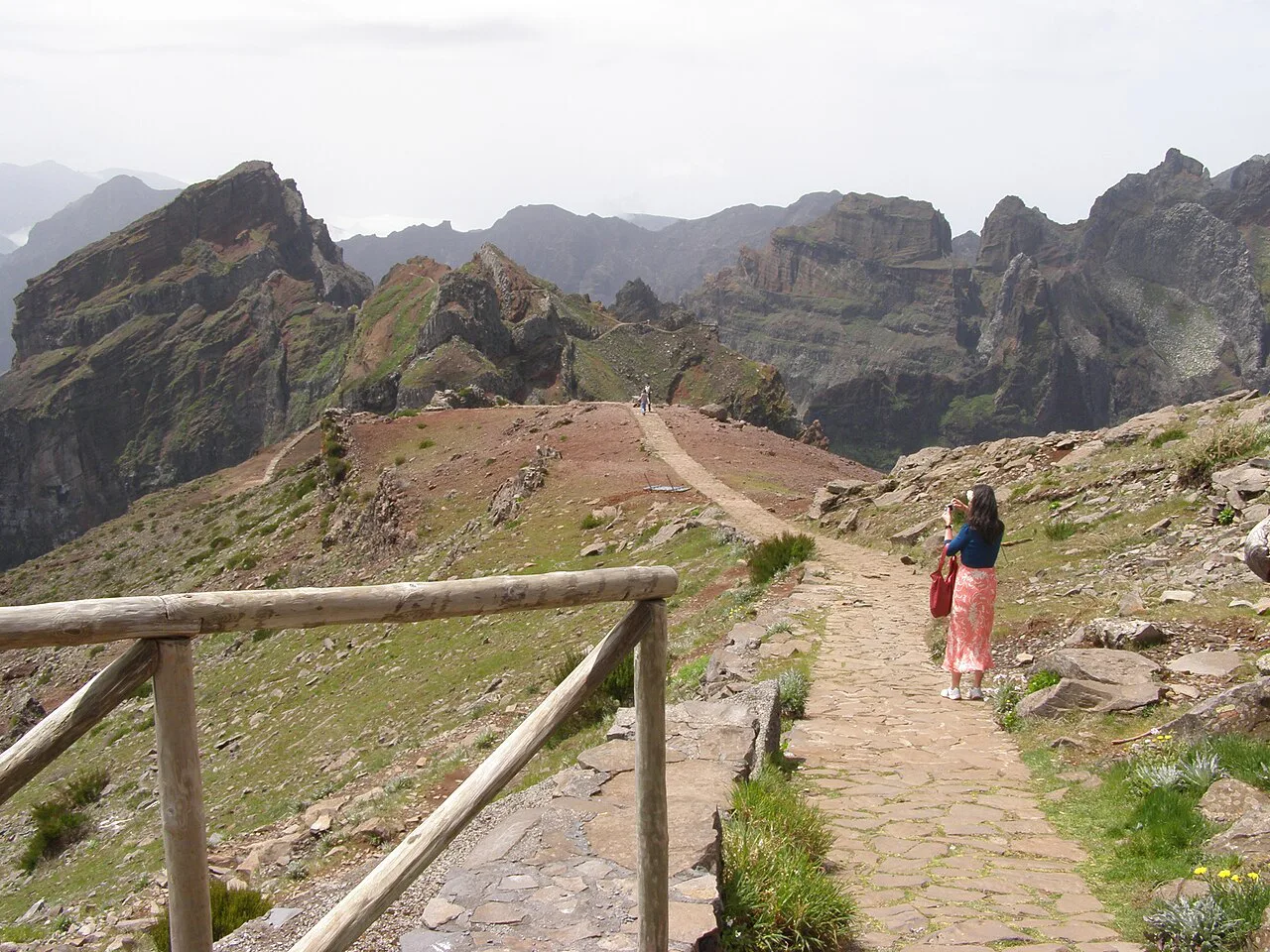
From the Pico do Arieiro complex the path drops away from the viewpoint and immediately begins working along the ridge, with the first natural turn-back point at Ninho da Manta, a short walk from the start. Hikers who want the scenery without the full commitment can reach this balcony and return, and families with younger children often do exactly that.
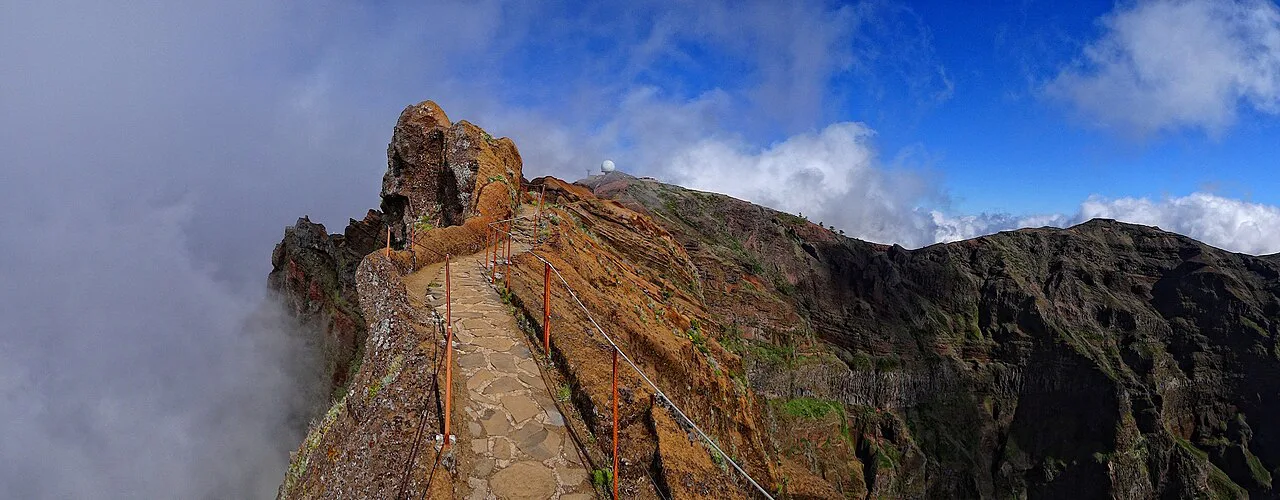
Beyond it the trail passes below Pico das Torres, crossing stairways cut into the rock and short unlit tunnels where a headlamp earns its place in your pack. The exposure is real here: the path is narrow, the drop is steep and there is no alternative line once you are committed between the peaks.
The final climb to Pico Ruivo eases onto a broader path with the summit shelter in sight, and the reward is a view over the island's volcanic cones in every direction. On the return, the sting is in the tail: the climb back up to Pico do Arieiro comes at the end of the day, when legs are tired and the cloud often thickens.
The one-way variant
The cleanest version for many hikers is to walk PR1 from Pico do Arieiro to Pico Ruivo, then take PR1.2 down to Achada do Teixeira and finish with a pre-booked transfer. It preserves all the dramatic ridge terrain, avoids the repeat of the hardest stair sections and ends on a path that is easier underfoot.
Logistics decide this plan. Arrange the driver before you set out, because mobile coverage on the ridge is patchy and there is no taxi rank at either end. Guided hikes from Funchal regularly handle the drop-off and collection, which is why many visitors choose them over self-driving.
Exposure, weather and safety
Wind is the underestimated hazard on this ridge. Hikers report being pushed off balance on exposed sections, so a forecast of strong gusts is a reason to pick a lower route, and the same applies to the coastal path at Ponta de São Lourenço.
Cold at altitude catches people out even in summer, and cloud can close in fast enough to hide the next marker. Carry a warm layer, a waterproof shell, gloves, a headlamp for the tunnels and enough water for a full day, and turn back at Ninho da Manta if conditions are already poor.
If you have a fear of heights, be honest with yourself about the stair sections and sheer drops, and consider the PR1.2 approach to Pico Ruivo instead. There is no shame in choosing the shorter summit route.
When to go
Late spring and early autumn give the best odds of clear ridge weather, with warmer air and a good chance of walking above the cloud inversion. Midsummer can be superb but brings midday heat on the stair sections and heavier afternoon build-up, so an early start matters more.
Winter and early spring bring the highest chance of wind, rain and cloud sitting on the summits for days, though mild spells can offer superb clear views. The summit can be dramatically colder than Funchal, so a warm layer belongs in your pack on any date.
Trailhead facilities
Pico do Arieiro has a café, bathrooms and a shop at the viewpoint complex, which makes it a comfortable base for a pre-dawn start or a post-hike coffee. There are no facilities along the ridge itself, so carry everything you need and treat the trailhead as your only resupply point.
At Achada do Teixeira the facilities are limited to parking and a small shelter area, and the nearest food and drink are back down the road. Plan your pick-up to include a stop in one of the villages on the way out.
Where to base yourself
Funchal and the south coast give the widest choice of accommodation, restaurants and tour pick-ups, and the drive up to Pico do Arieiro is straightforward on a clear morning. If your priority is an early start on the ridge, a base on the east side or the north side of the island shortens the drive considerably.
Walkers planning several days on the island should split their stay between the south coast for convenience and a central or eastern village for early trailhead access. The trade-off is real: a single base means easier evenings but longer pre-dawn drives.
PR1 versus alternatives
If the full ridge feels like too much, the out-and-back to Ninho da Manta delivers the iconic views with far less commitment and no need for a second car. It is the version to choose when cloud is forecast to arrive by mid-morning.
The PR1.2 climb from Achada do Teixeira reaches Pico Ruivo in a shorter, less exposed format and is the better summit option for families and anyone nervous on stairways. Both versions are covered alongside the full traverse in the dedicated PR1 Madeira route guide.
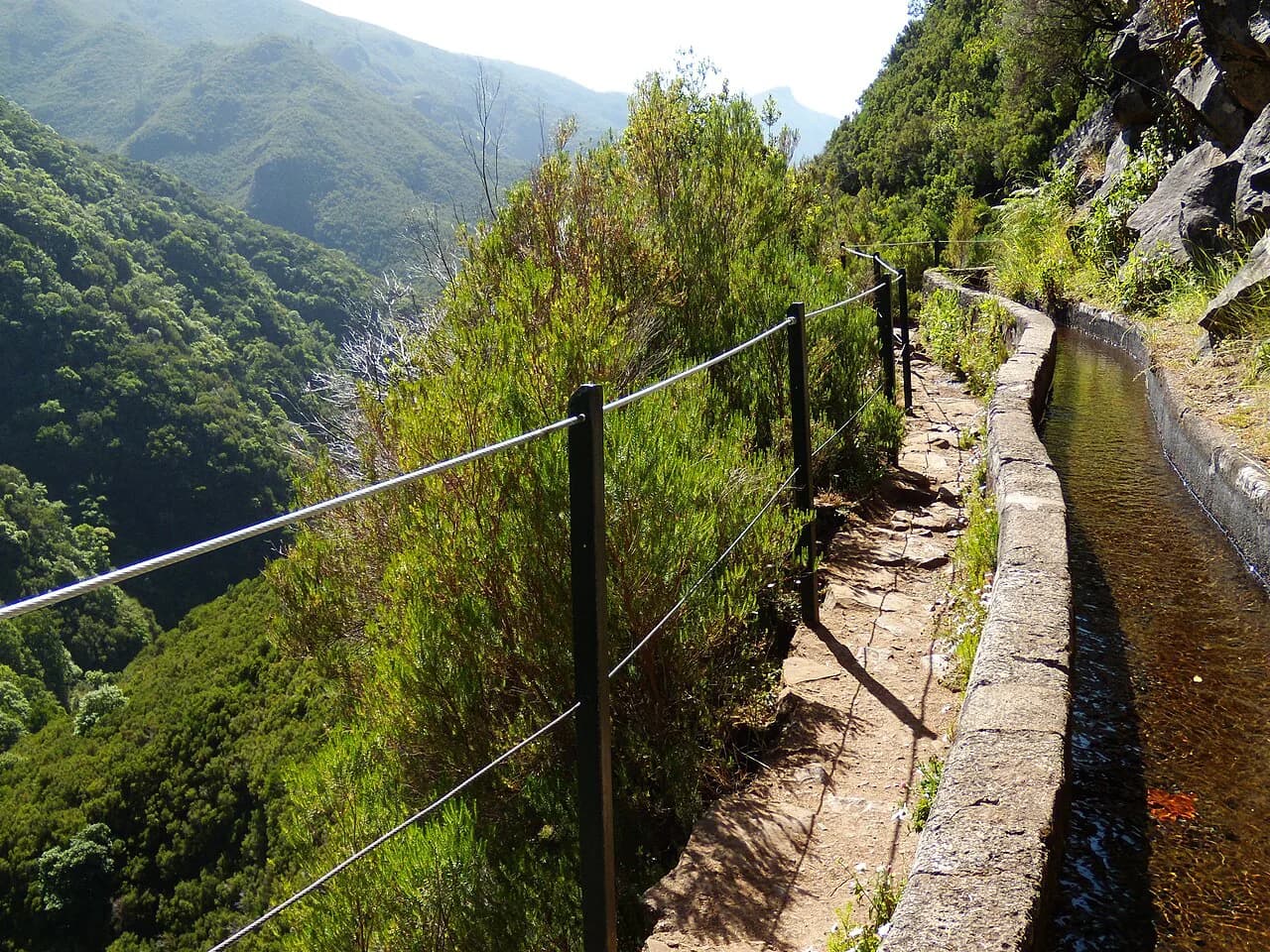
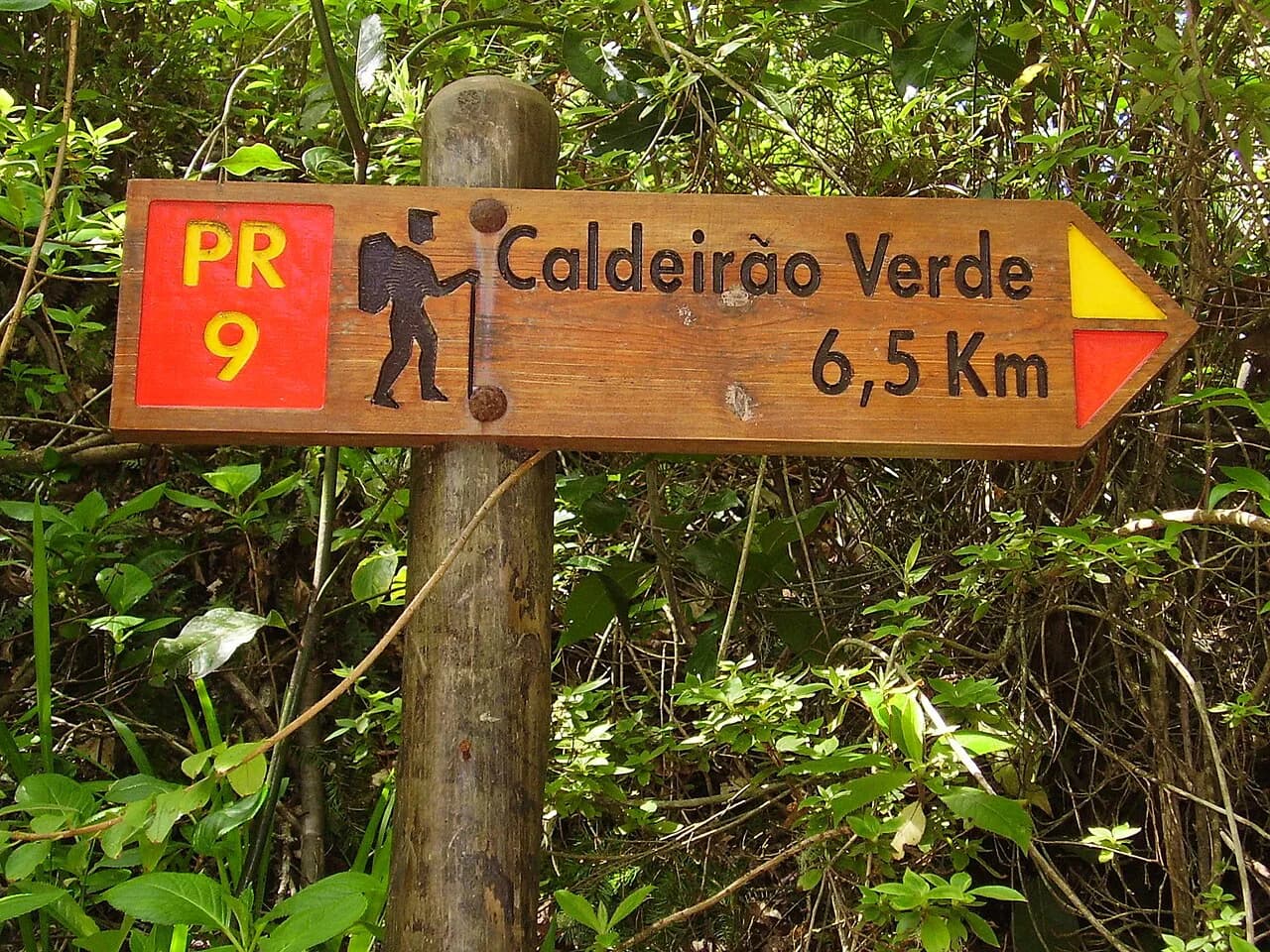
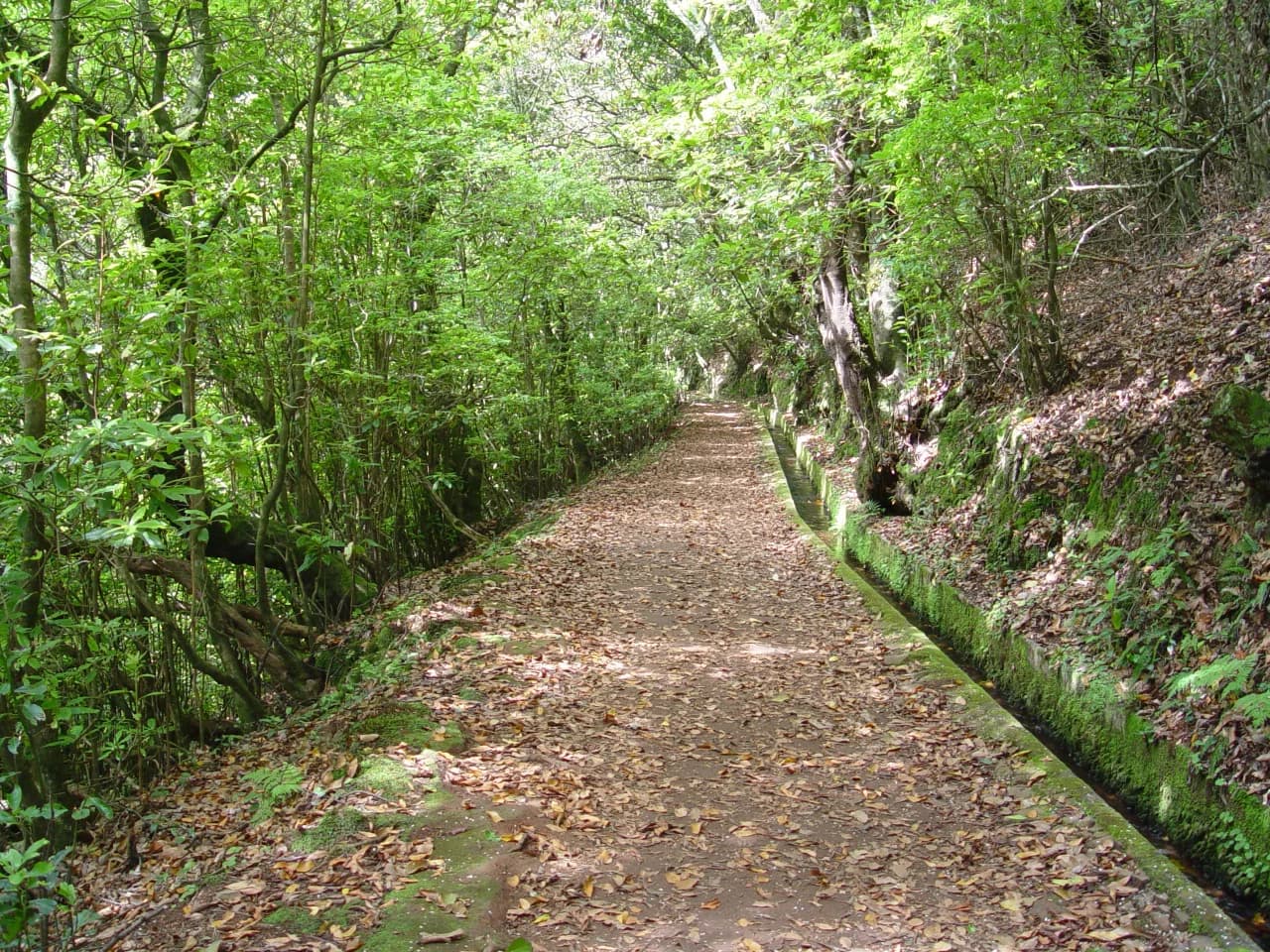
For a gentler Madeira day, consider a forest route such as Levada do Caldeirão Verde or the 25 Fontes circuit, which trade knife-edge exposure for tunnels and waterfalls and work well after wet weather.
Plan Your Visit
The Vereda do Areeiro rewards planning more than most hikes on Madeira. Choose your version first, whether full out-and-back, one-way to Achada do Teixeira, or short to Ninho da Manta, then arrange transport and an early start around it.
Build the day around the forecast for the summits rather than the coast, pack for wind and cold, and keep the tunnels in mind with a headlamp. Madeira's official trail pages publish current route status if weather turns.
Frequently Asked Questions
How long does the Vereda do Areeiro hike take?
The full out-and-back from Pico do Arieiro to Pico Ruivo is commonly treated as a six-to-eight-hour day for experienced hikers. A one-way traverse finishing at Achada do Teixeira is shorter and can be done in about half a day, depending on pace and conditions.
How difficult is the hike to Pico Ruivo?
The ridge route is strenuous, with repeated stair climbs, narrow sections and real exposure along the path between the peaks. The PR1.2 approach from Achada do Teixeira is shorter and less exposed, and is the better choice for families and hikers with a head for heights that is less than rock solid.
Can you hike Vereda do Areeiro one way?
Yes. Walk PR1 from Pico do Arieiro to Pico Ruivo, then descend PR1.2 to Achada do Teixeira and finish with a pre-booked transfer. There is no public bus at either trailhead, so arrange your pick-up before you set out.
What is the highest point in Madeira?
Pico Ruivo is the highest peak on Madeira and the high point of the ridge traverse, reached by PR1 from Pico do Arieiro or PR1.2 from Achada do Teixeira.
Is there parking at Pico do Arieiro?
Yes, there is a paved car park at the Pico do Arieiro viewpoint, but it fills quickly on clear mornings and roadside parking is the common fallback. Arriving early is the simplest way to secure a space.
Do you need a headlamp for the tunnels on PR1?
Yes, a headlamp or torch is worth carrying, because the route passes through short unlit tunnels between the peaks. It also provides a backup if cloud closes in and the day runs longer than planned.
Sources
Trail notes for your next trip
Optional updates when we add or revise hiking guides.
You might also like
Continue reading
More guides you'll find useful