Via Ferrata in Wales: Protected Routes, Grades and Access
Via ferrata in Wales means cable-protected climbing days. Learn how the routes work, what kit you need and how to reach the slate country by car or train.
On this page
A via ferrata in Wales gives you a way into serious rock terrain without years of climbing mileage: you climb clipped to a steel cable, using rungs, ladders and bridges fixed to the rock. A harness leash keeps you attached as you move, so the day feels closer to scrambling than to free climbing. The Welsh version tends to be short, intensely exposed and set in old slate country rather than strung between mountain huts.
That makes it a good fit for hill walkers with a head for heights who want one big day in North Wales, and a poor fit for anyone who would rather keep both hands free on open ground. Plan it as a single objective with a weather window, not as part of a long walking itinerary through Snowdonia. If you want the broader context of Welsh trails first, the hiking in wales guide shows how the mountain days and coast paths fit together.
What a via ferrata is and how Welsh routes differ
A via ferrata is a climbing route equipped with steel cables, rungs or ladders fixed to rock, and you clip in with a harness and two leashes so a slip is caught by the metalwork rather than by a rope partner.
That format suits people who want exposure without leading a rope. On a protected route you move at your own pace but you never untie, and the fixed gear does the arresting if you fall. The trade-off is that you cannot simply walk away from the route if the weather turns — retreat means reversing the same cable.
Welsh routes are compact rather than continental. Alpine via ferratas often link huts over multiple days, while the Welsh experience is typically a single guided half-day or day on a working or former industrial mountain, with the base town, parking and a pub within a short drive. Expect a shorter approach, a more concentrated dose of exposure, and a finish that puts you back at the car the same afternoon.
Where the protected climbing sits in North Wales
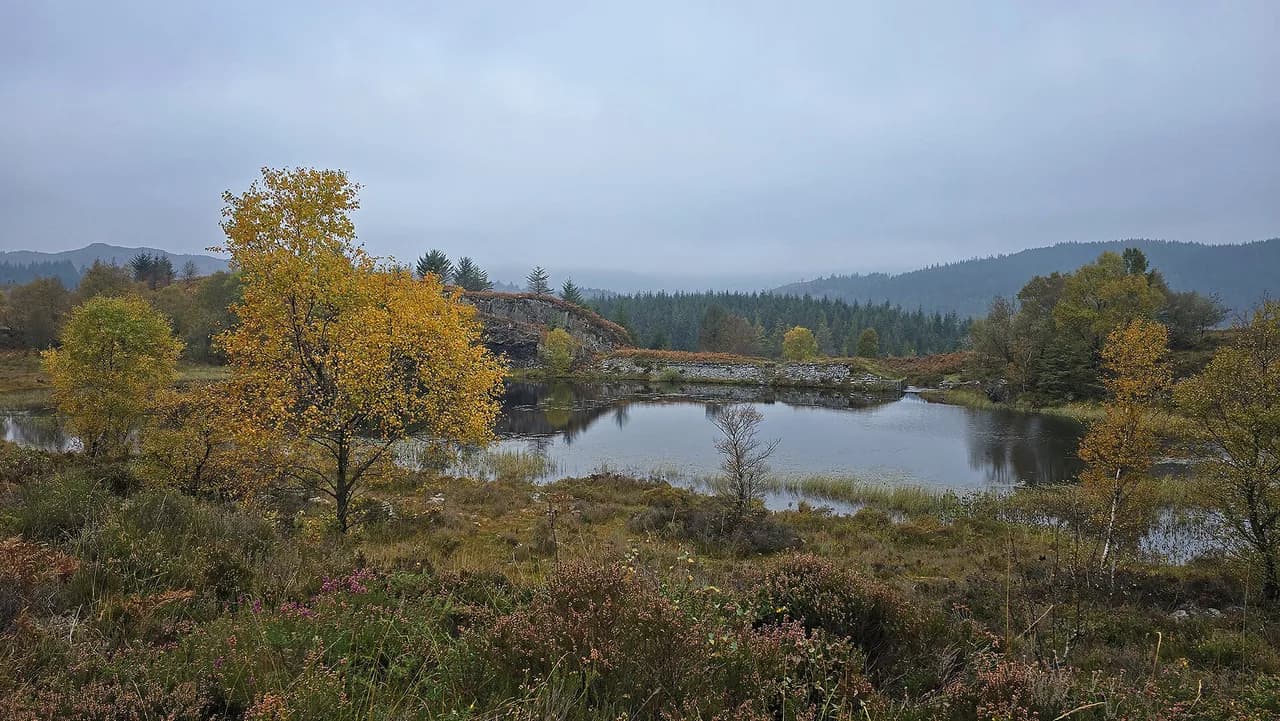
The heart of it is the slate belt around Blaenau Ffestiniog and Llechwedd, where quarrying left vertical faces, galleries and mine infrastructure that are now used for adventure activities.
Base yourself in Blaenau Ffestiniog, Betws-y-Coed or the surrounding Conwy and Gwynedd villages and you can reach these sites by road in under an hour. Betws-y-Coed also gives you a rail connection and a wide choice of beds, which matters if you are travelling without a car. From either base you can add a lower-level walk the day before to check how you handle height and wet rock.
What a guided session includes
Welsh via ferrata days are generally run as guided sessions: the guiding company provides the harness, helmet, lanyard and instruction, and you climb clipped in throughout on a route the guide knows.
That format removes the need for prior rope skills. You still need to be comfortable on steep ground and able to follow instructions at a stance, because the guide manages the group's pace and the order on exposed sections. Book ahead for summer weekends; popular slots fill weeks out, so pick your date before you build the rest of the trip around it.
For anyone based around Snowdonia, local activity providers run climbing and mountaineering courses from Betws-y-Coed, which is a sensible first call if you want instruction before joining a protected route.
Named routes and their grades
Grades on via ferratas generally run from easy protected paths up to sustained, airy routes with ladders and bridges. Ask the guiding company which grade each route sits at and whether the route includes a bridge crossing and a summit ridge finish, because those two features define how exposed the day feels.
As a benchmark for how a full-fat route reads, the Via Ferrata Xtreme in the Lake District includes the Burma Bridge and finishes on a summit ridge, while the Classic option is the more forgiving version for people uneasy with exposure.
Use that pair as a mental scale when you compare Welsh options: a route with a bridge and a ridge exit will demand more than a short cable stretch on a quarry face. If Welsh operators have not published grade tables for a given route, ask them directly to match the description above to their route before you commit.
Exposure rather than technical difficulty is what sorts most people. A route can be physically short and still feel serious if the cable traverses a blank wall above a drop, and long easy sections do not prepare you for that moment. Choose the route whose description mentions the features you have handled before, not the one with the most impressive name.
Length, duration and exposure
Treat published duration as time on the route, not time out of the car. Guided sessions of two to three hours are the usual shape for a via ferrata, and a harder option with a bridge and ridge finish takes longer than a classic version.
Add time for fitting kit, the walk-in, and the descent, and you have most of a day gone. Plan the rest of the day lightly rather than scheduling a second objective.
Exposure on slate is different from exposure on granite. Wet slate is slick, and the quarry faces stay damp after rain longer than open mountain rock, so a morning start after a dry night is the better bet. If the forecast brings heavy rain or high wind, the cable is still there but the day is not worth forcing; reschedule and walk a valley route instead.
Gear: harness, lanyard, helmet and footwear
You need a climbing harness, a via ferrata lanyard with an energy-absorbing system, a helmet and gloves for the cable. The lanyard is the one item not to improvise: a simple sling clipped to your harness will not absorb a fall, whereas a purpose-built lanyard is designed to.
Guided sessions normally supply these, so ask what is included rather than buying gear for one day. Bring close-fitting footwear with a stiff sole for small rungs, and dress for wind and rain even in summer. Carry water and a shell in a small pack that does not swing on the cable.
Whether a guide is advisable
On a first Welsh via ferrata, a guide is the sensible choice. The guide sets the pace, checks your clipping, and knows which sections to talk you through, and the session is run as a fully guided activity with no experience required but a head for heights.
Experienced scramblers with their own kit may prefer to go independently where access allows. The trade-off is real: you save the fee but take on route-finding, weather judgment and the consequences of a mistake on exposed ground. If you have not climbed on fixed gear before, build confidence indoors at a climbing wall first, then book a guided route.
Minimum age, height and weight rules
Rules are set by each operator, not by the sport as a whole. In the Lake District, one via ferrata operator sets a minimum age of 10, a minimum height of 1.3 m (4 ft 3 in) and a maximum weight of 18 stone (114 kg), with under-16s accompanied by an adult.
Welsh operators publish their own limits, so check the specific route before booking for a family group. Height and weight matter because the harness and lanyard must fit correctly. Under-16 ratios vary between providers, so ask how many children one adult can supervise before you pay a deposit.
Reaching the route: towns, parking and transport
Blaenau Ffestiniog is the most practical base for the slate-country sites, with Betws-y-Coed a good alternative if you want a wider choice of accommodation and a rail station. Betws-y-Coed sits on the Conwy Valley line from Llandudno Junction, which connects to the main line along the North Wales coast.
A car gives you the most flexibility, since activity sites sit on minor roads outside town, and you will want to drive to the meeting point early. Confirm the meeting point and parking with your operator when you book, because quarry sites can have more than one entrance. For the bigger picture of Snowdonia's paths around these valleys, the Snowdon walk page covers the area's classic mountain day.
If you are linking the via ferrata to other walking, the Wales Coast Path is a separate proposition entirely, following the coast rather than the slate.
When to go: season, weather and wet slate
Summer gives the longest reliable dry windows and the most scheduled sessions. Spring and autumn are quieter and can be excellent when a stable high sits over Snowdonia, but wet rock and short daylight narrow your options and you will feel the cold on the cable. Winter sessions depend on what each guiding company chooses to run, so ask them directly what is on offer.
Afternoon thunderstorms are the main summer hazard on Welsh mountain ground. Start early, watch the cloud building over the ridges, and be ready to turn around before the first thunder. Wind is the second factor: a strong gust on an exposed bridge is the moment to stop, clip short and reassess.
Skills and fitness before your first Welsh via ferrata
You need enough upper-body strength to hold yourself on rungs for short bursts, and the balance to move across a cable without over-gripping. Practice clipping and unclipping on the ground until it is automatic, and rehearse resting on the cable by leaning back into your harness. Fitness for a two- to three-hour session on steep ground is more relevant than marathon mileage.
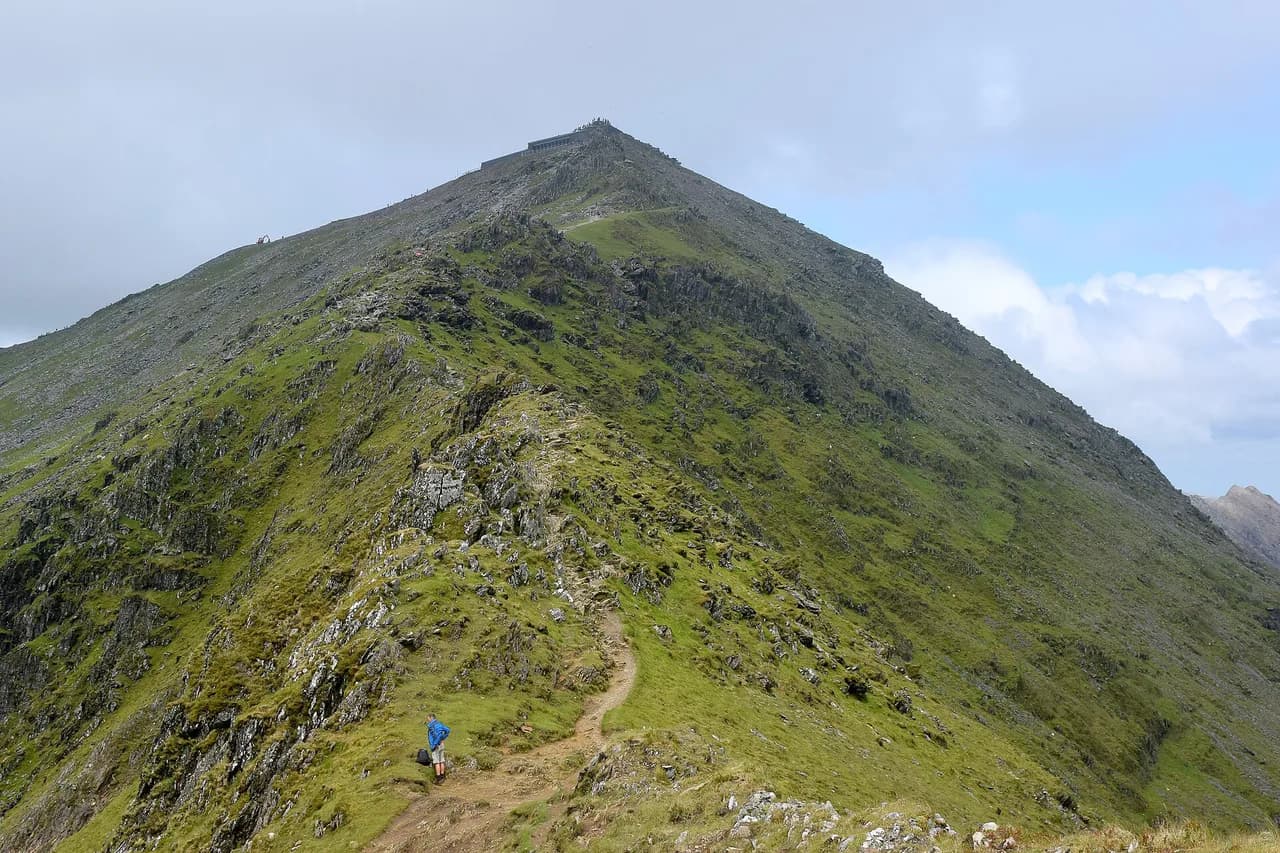
A day of scrambling on Tryfan or the Glyders is useful preparation because it trains you to move on rock with your hands, though it does not replicate the security of a cable. Glyndŵr's Way offers gentler walking country if you want a recovery day.
Other exposed terrain in Wales worth knowing
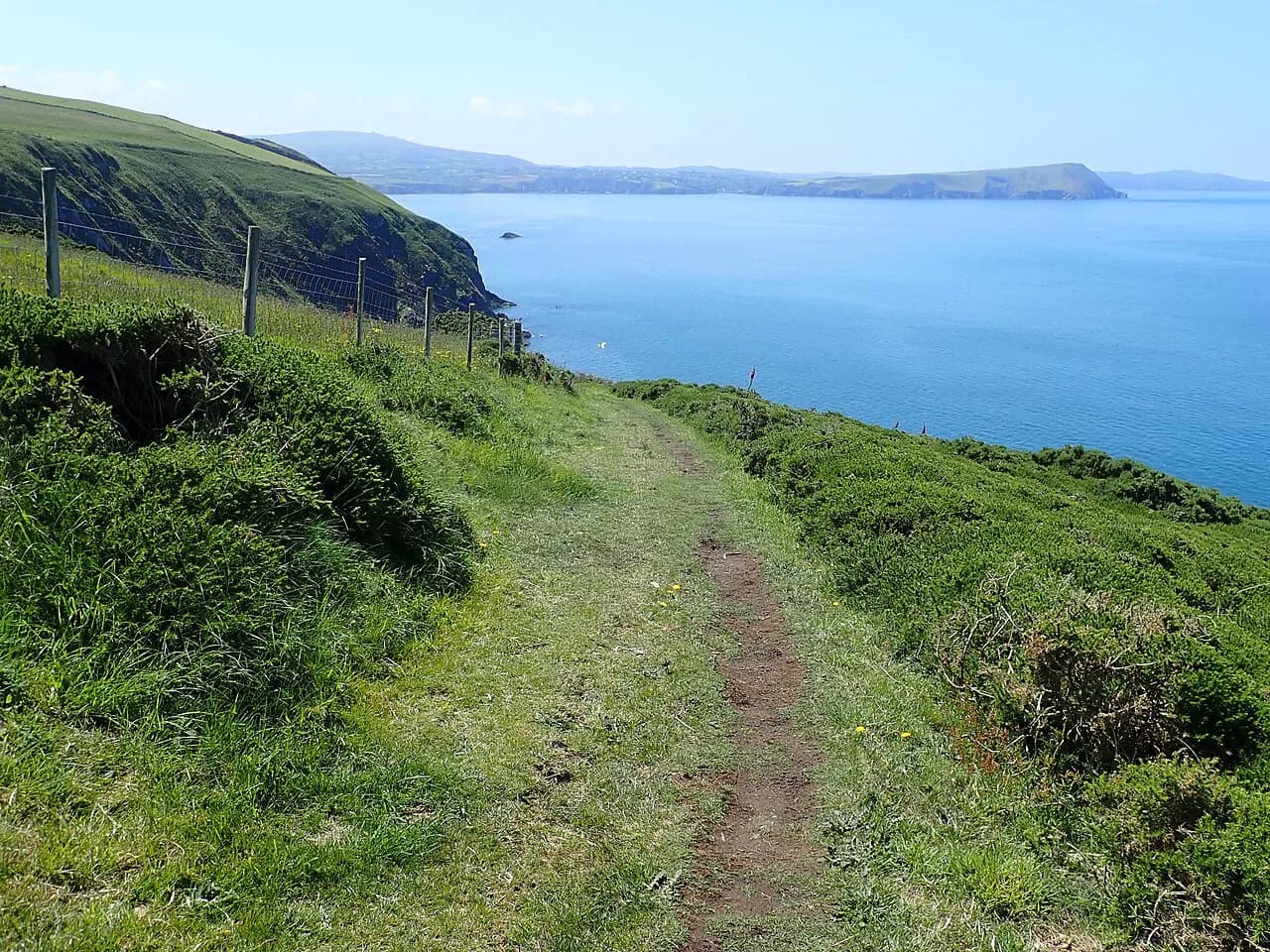
Wales has plenty of serious ground that is not equipped with cables: the ridgelines of Eryri, the scree and mine levels of the slate valleys, and coast scrambles in Pembrokeshire. Those are walking and scrambling objectives where you rely on your own route choice and a rope where the ground demands it. Pembrokeshire Coast Path National Trail is a long coast walk with cliff exposure and tide considerations rather than fixed protection.
On any of these, the same judgment applies as on a via ferrata: pick the objective your group can reverse safely, and leave a plan with someone at home. The Pembrokeshire Coast National Park has its own tide and cliff hazards, which are worth reading up on before a coastal outing.
Where to stay and what to pair with a via ferrata day
Blaenau Ffestiniog and Betws-y-Coed both work as bases, with the former putting you closest to the slate sites and the latter offering more beds, cafés and rail access. A two-night stay lets you place the via ferrata on the driest forecast day and use the other for a valley walk or a low-level mine exploration.
Keep the day before the via ferrata light. Long mountain days leave your legs and focus flat, and you want fresh hands for the cable. If you want a contrasting day in the Lake District, the lake district via ferrata guide covers the Honister routes and how they compare.
Booking and safety summary
Book a guided session for your first Welsh via ferrata, check the guiding company's age, height and weight limits for your group, and ask which features the route includes so you can match it to your experience. Build in a spare day for weather, and start early. Confirm the meeting point and what kit is provided when you book.
On the day, clip in before you leave the ground, keep the lanyard short on exposed bridges, and turn around if wind or thunder arrives. Slate stays wet after rain, so check the rock before committing. With those habits, a Welsh via ferrata is one of the most direct ways to experience serious exposure with a safety net.
Frequently Asked Questions
What is a via ferrata and how does it work?
It is a climbing route fitted with steel cables, rungs and ladders fixed to the rock. You wear a harness and clip in with a purpose-built lanyard that absorbs the force of a fall, so you stay attached to the metalwork as you climb. Welsh versions are typically run as guided sessions on exposed ground in the slate country.
Is there a via ferrata in Wales?
Protected, cable-equipped climbing terrain exists in the slate belt of North Wales, especially around Blaenau Ffestiniog and Llechwedd, where quarry faces and mine infrastructure are now used for adventure activities. Specific routes and bookings are handled by the activity operators working those sites, so ask them directly which route fits your experience.
Do I need climbing experience to join a Welsh via ferrata?
No rope-leading experience is needed on guided sessions, which are run with instruction and kit provided. You should be comfortable on steep ground, able to follow instructions at a stance, and have a head for heights. A session at an indoor climbing wall is a useful way to build confidence before booking exposed terrain.
What gear do I need for a via ferrata in Wales?
You need a harness, a via ferrata lanyard with an energy-absorbing system, a helmet and gloves, plus stiff-soled footwear that fits small rungs. Guided sessions usually supply the technical kit, so ask what is included before buying anything for a single day. Bring a shell and water in a small pack that will not swing against the rock.
How long does a via ferrata day take?
Guided sessions typically run two to three hours on the route, and harder options with a bridge crossing and a summit ridge finish take longer than a classic version. Add time for fitting kit, the approach walk and the descent, which makes it close to a full day. Leave the rest of the day light rather than scheduling a second objective.
Sources
Trail notes for your next trip
Optional updates when we add or revise hiking guides.
You might also like
Continue reading
More guides you'll find useful