Wistman's Wood Walk: Dartmoor Route, Distance and Access
Plan the Wistman's Wood walk on Dartmoor: a 10 km (6.2 mile) circuit via Beardown Tor and Higher White Tor, with terrain, timing and woodland rules.
On this page
Wistman's Wood is one of Britain's few remaining high-altitude oakwoods, a knot of stunted oaks and moss-covered boulders tucked into a Dartmoor valley. It rewards hikers who treat the wood as a viewpoint rather than a playground, reached on open moorland paths and left behind after a few minutes at the edge.
The most complete way to see it on foot is the circular from the Yelverton side, which climbs to Beardown Tor, follows the ridge to Higher White Tor and drops to the wood before returning. It suits hikers with a full half-day, basic navigation skills and boots that can handle wet peat and granite.
What the wood offers and who the route suits
The wood is an ancient temperate rainforest remnant, one of only a few remote high-altitude oakwoods left on Dartmoor. Its pedunculate oaks grow low and contorted among granite boulders, and the whole stand sits in a sheltered clough where moisture and shade do the work that lowland woodland relies on soil for.
This is not a trail for a quick photo stop. The circuit is roughly 10 km (6.2 miles) with an average walking time near 2 hours 38 minutes, rated moderately challenging, so it suits hikers comfortable on uneven moorland for three to four hours including stops.
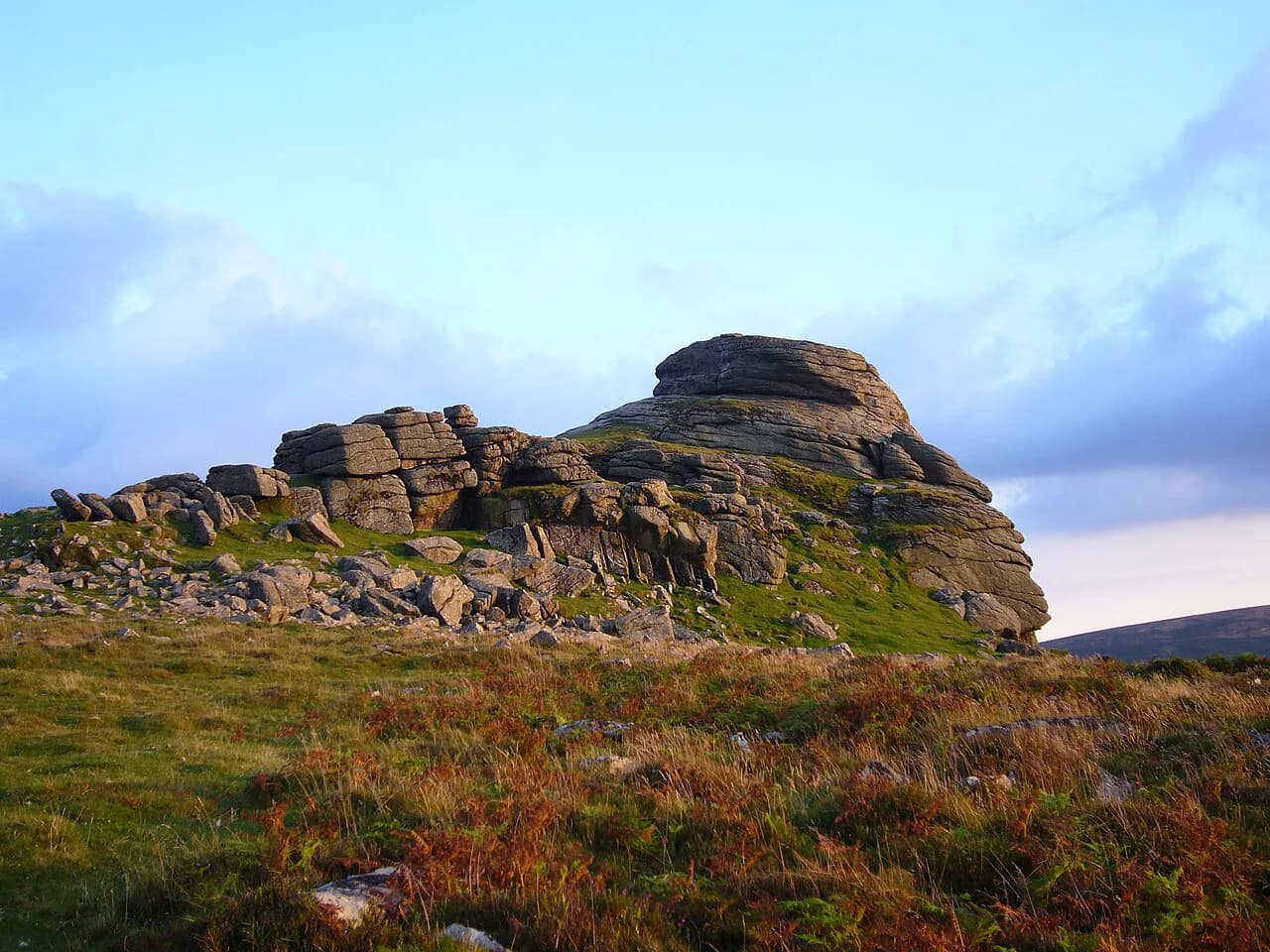
Families and casual walkers can enjoy the wood from the perimeter path, while ridge walkers get the bigger views from Beardown Tor and Higher White Tor. The trade-off is simple: the wood is the destination, but the tors and open moor are the walking.
Where the walk starts
The circuit is usually walked from the lanes and small parking areas on the Yelverton side of the moor, from which a track leads up onto the open hill. There is no visitor center or formal trailhead building, so plan your start by the road access you can reach and navigate from there.
Yelverton is the nearest town with services, and Princetown sits on the far side of the high moor with its own shops and cafes. Both work as bases, but Yelverton puts you closer to the Beardown Tor climb and Princetown gives easier access to the central moor.
The wider network of waymarked and signed routes across the national park will help you connect this circuit with a longer day out; if you are building a trip, the [walks in dartmoor] guide sets out the main areas and their characters.
Getting to the trailhead by car and public transport
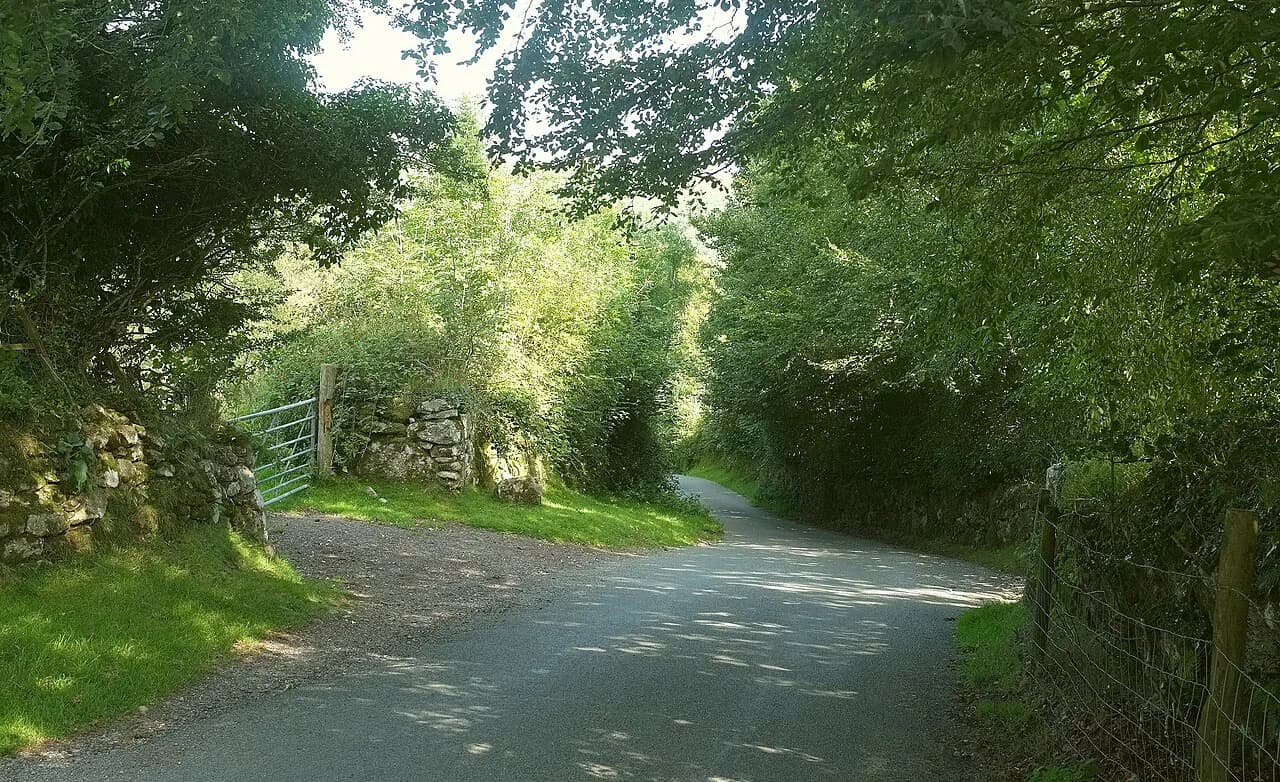
By car, approach from Yelverton on the minor lanes toward the moor edge and park only where the road is wide enough to leave passing space and gates clear. Moorland lanes are narrow and passing places are shared, so arrive early in summer and avoid blocking field entrances.
Public transport on Dartmoor is sparse and seasonal, with bus services mainly connecting the larger towns rather than the open moor. Check the current timetable with the local bus operator before relying on a service, and treat a taxi from Yelverton or Princetown as the fallback for a fixed start time.
If you want a linear day rather than a loop, the [two moors way] crosses Dartmoor and can be linked to this area, though the wood circuit itself is best kept as a self-contained round.
Distance, ascent and walking time
The Beardown Tor and Higher White Tor circuit is listed at 10.0 km (6.2 miles) with an average time of about 2 hours 38 minutes. Treat that as moving time on good ground and add an hour for stops, photography at the wood and the slower going over granite and bog.
Ascent figures are not published on the trail listing, so judge effort by the shape of the day: a sustained climb from the lane onto the tor, a rolling ridge, then a descent to the wood and a return climb out. Hikers who dislike pathless moorland should allow extra time for route-finding.
Route description
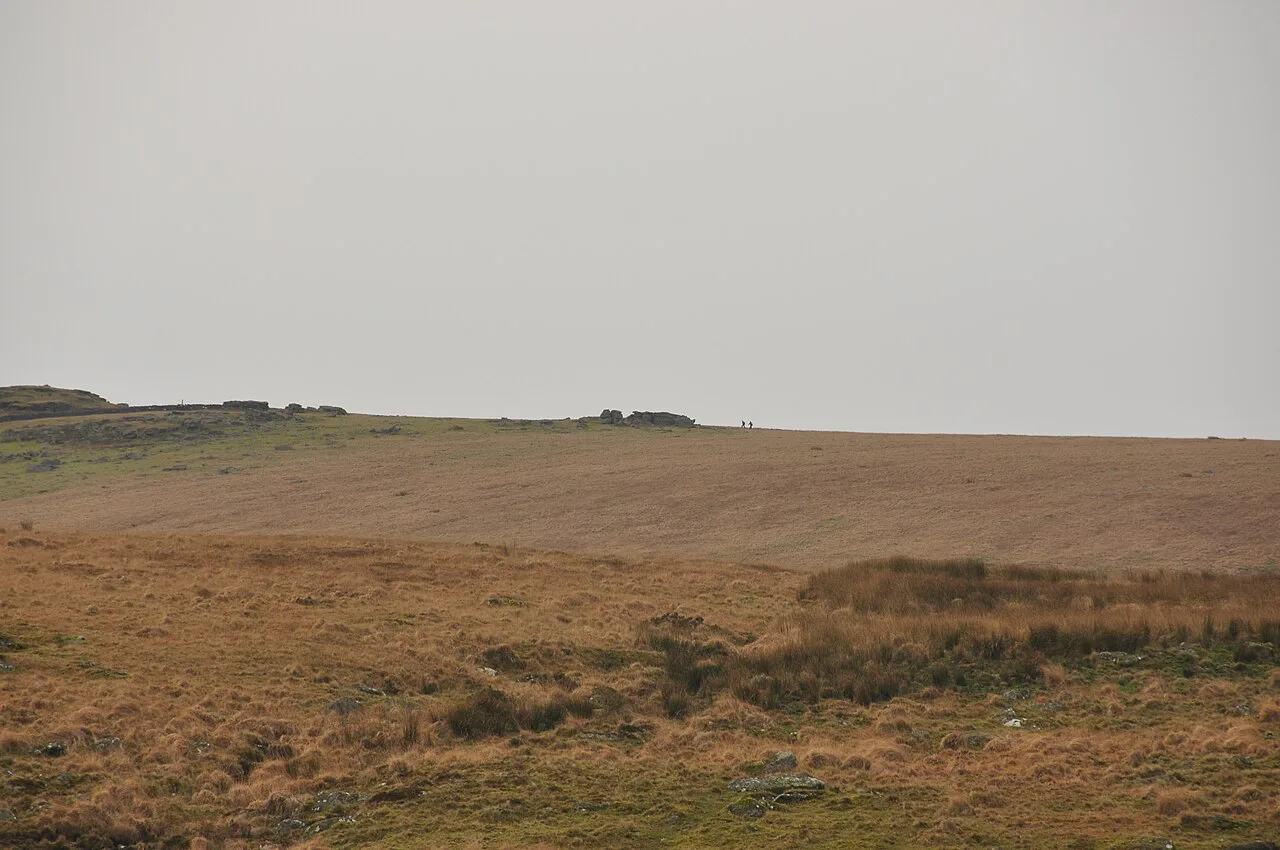
From the lane the route climbs steadily onto open moorland toward Beardown Tor, gaining the bulk of the day's height in the first stretch. The path is faint in places, so keep to the line of least resistance and use the tor as a handrail rather than hunting for a single trail.
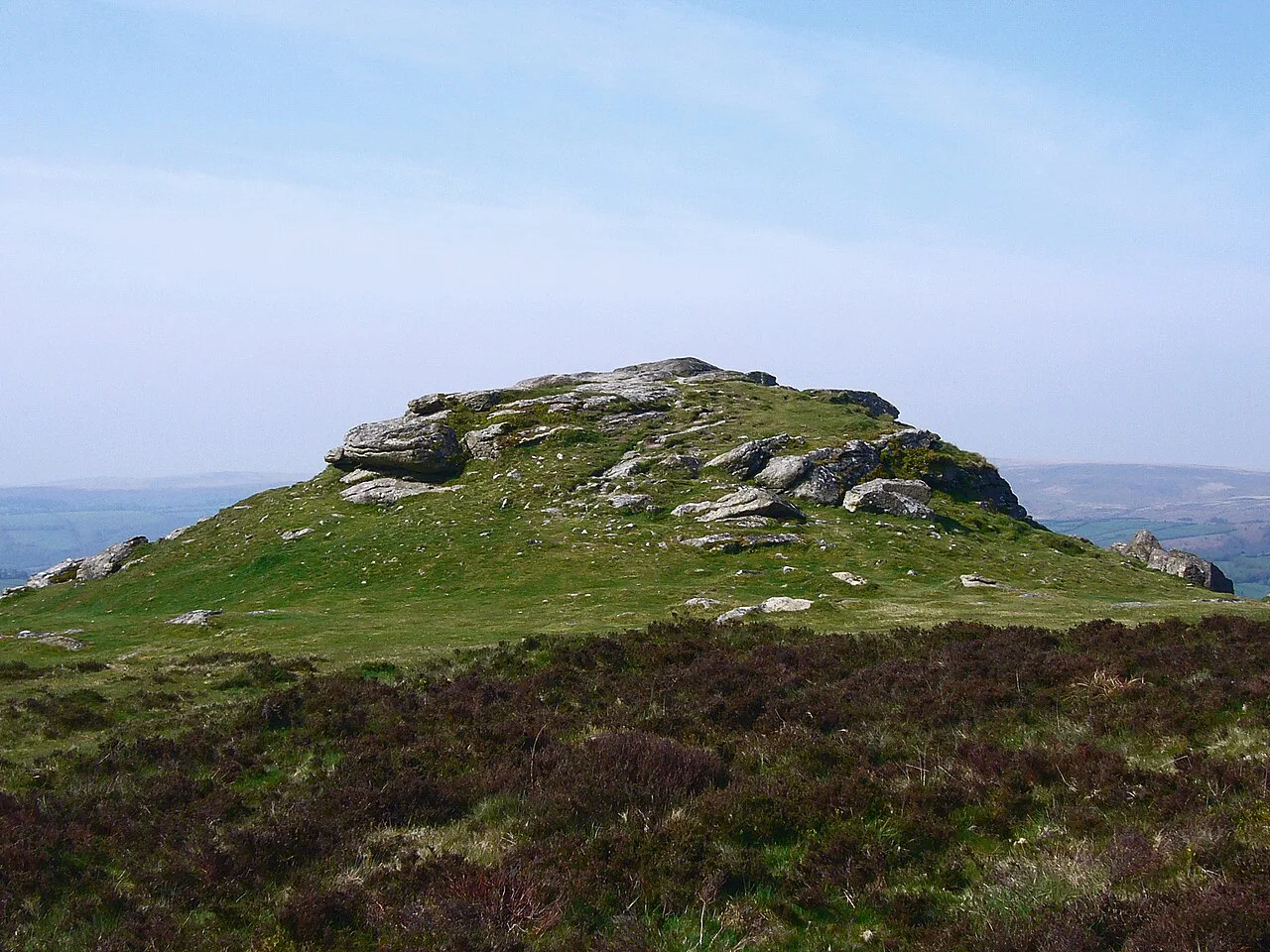
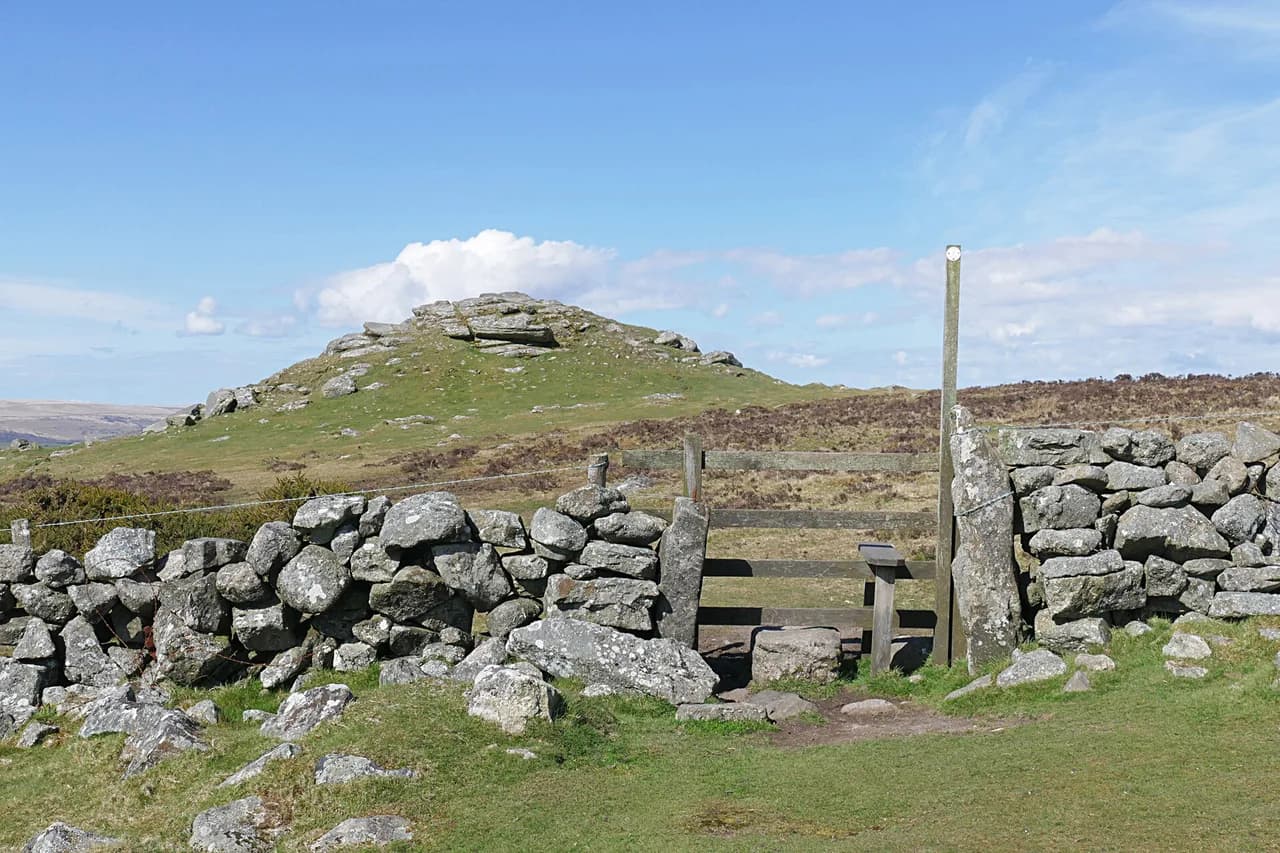
From Beardown Tor the way continues along the ridge to Higher White Tor, where the ground opens out and the views stretch across the high moor. This is the most exposed part of the walk, with little shelter and a cool wind even on bright days, so save a layer for the ridge.
The descent then drops toward the wood, entering the clough from above so that the oaks appear suddenly below the skyline. Keep to the perimeter and the established paths around the stand rather than pushing between the trees.
After the wood, the return leg climbs back onto the moor and works around to the start. Navigation gets harder in mist, where the tors vanish and the tracks braid, so carry a map and compass rather than depending on a phone signal.
The wood itself
The wood is an ecologically sensitive place, with ancient oaks surrounded by fragile mosses, lichens and rare plants that depend on its own microclimate. Visit Dartmoor asks walkers to appreciate it from the outside because disturbing the ground can damage those species irreversibly.
The interior is also genuinely awkward underfoot, with uneven boulders and dense undergrowth that can hide hazards and obscure the way. The practical answer is to view the wood from the edge, photograph it from the perimeter and leave the trees to themselves.
Its reputation for folklore and mystery is part of what draws people, and it survives best when visitors keep to the outsides. A few quiet minutes at the edge gives you the atmosphere without adding to the wear.
Terrain and hazards
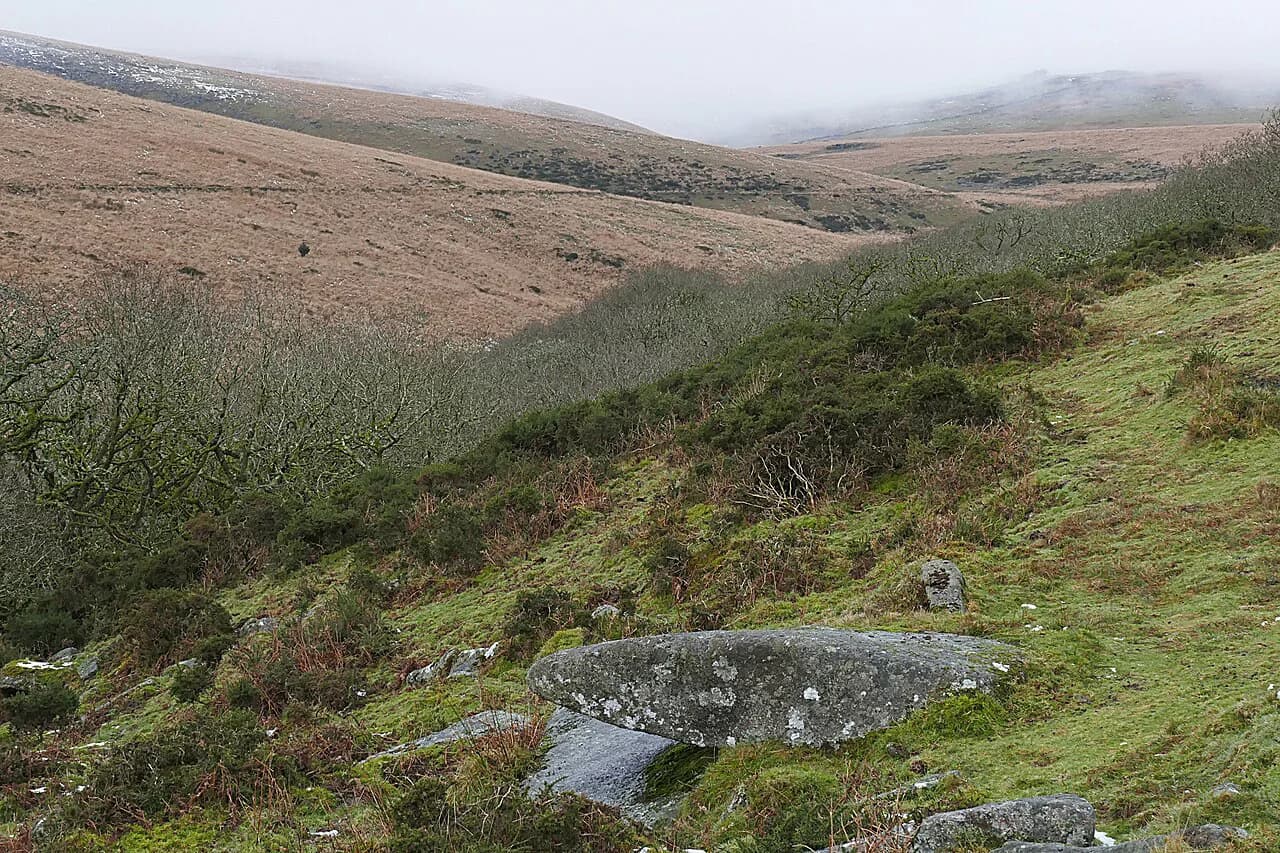
Expect granite, tussocky grass, peat hags and wet ground after rain, with the wood's boulders the roughest section of the day. Waterproof boots with ankle support and a change of socks are more useful here than lightweight trail shoes.
The high moor is exposed to wind, rain and sudden mist, and afternoon storms build quickly in summer. Carry a shell, a warm layer and a map, and turn back if the cloud drops onto the ridge rather than pressing on to the wood.
When to go
Late spring and early summer bring the longest daylight and the driest ground underfoot, while autumn is quieter and often clear, though peat holds water after rain. Winter days are short and the moor can be genuinely cold, so plan a shorter outing and start early.
Check daylight for your date before setting off, since a three-hour walk plus drive time can run close to dark on short days. Ground conditions matter more than the calendar here: leave the circuit for another day if the forecast brings heavy rain or low cloud. A quick look at the Dartmoor National Park visitor information settles the day's plan.
What to carry
A map and compass, waterproof shell, warm mid-layer, water, food and a headtorch cover the essentials on this route. There is no shop or cafe on the circuit, so carry what you need from Yelverton or Princetown before you start.
Navigation matters more than equipment on the open stretches, where paths fade and the tors are the only reliable feature. Learn the ridge shape from the map before you go and keep the compass handy, not buried in the pack.
Facilities and base villages
Yelverton has the closest services to the western start, and Princetown has the larger cluster of cafes and shops on the high moor. Both give you somewhere to eat before or after the walk, and both act as reasonable bases for a broader [Dartmoor National Park] trip.
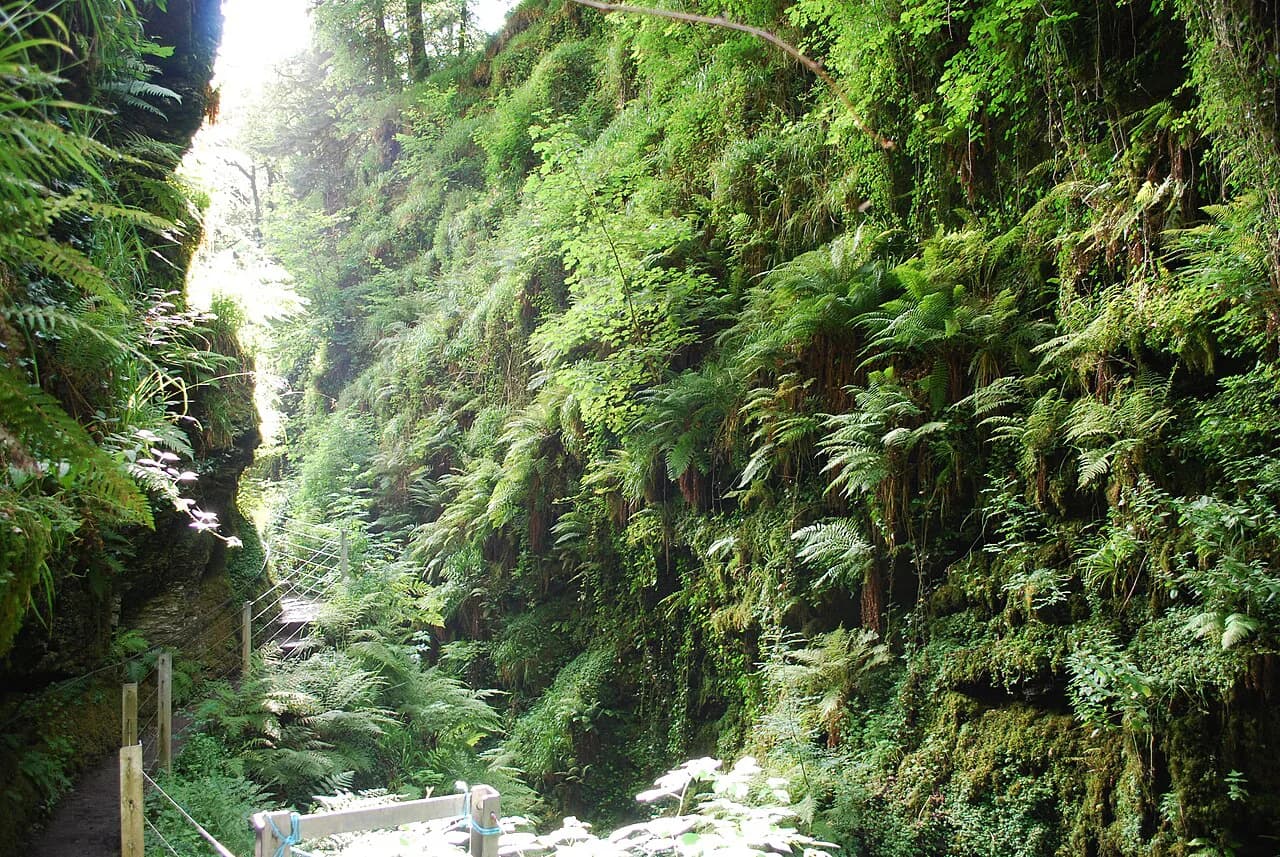
For a longer stay, other routes in the region make a good contrast: the [The Dartmoor Way] loops around the moor's edge and suits a multi-day plan, while the [Lydford Gorge walk] offers a wooded walk far from the high granite. If you are weighing up a trip elsewhere in southern England, [hiking in Jurassic Coast] offers a comparable coastal contrast to Dartmoor's high moor.
Shorter and longer options
For a shorter day, walk only to the wood and back from the nearest road access, keeping to the perimeter and returning the way you came. This still gives you the oaks and the clough without the full ridge circuit.
For a longer day, extend along the high moor toward the surrounding tors and link the circuit to a bigger loop. The [dartmeet walk] gives an alternative moorland outing on Dartmoor's wooded river side if you want variety in the same trip.
Rules and access
The core rule at the wood is to stay on the outskirts rather than entering the stand. Visit Dartmoor also links sustainable tourism and the pressure of visitor numbers to trampling and litter, so pack out everything you bring and keep group sizes small.
Commercial filming or photography in the wood is not covered by the park's published visitor guidance, so contact Dartmoor National Park directly for permissions or current access details before you plan a shoot.
Plan Your Visit
The Wistman's Wood walk works best as a half-day moorland circuit, with the wood as the turn-around point and the tors as the proper walking. Build in time for the slow ground, carry layers for the ridge and keep to the edge of the trees when you arrive.
Base yourself in Yelverton or Princetown, start early enough to finish in daylight, and give the wood the same respect you would give any fragile remnant of ancient forest. That is what keeps it standing for the next generation of hikers.
Frequently Asked Questions
Can you go into Wistman's Wood?
Walkers are asked to stay on the outskirts rather than entering the stand. The park cites the fragility of the mosses, lichens and rare plants, uneven boulder-strewn ground and dense undergrowth, and the interior is not a maintained path.
How long is the Wistman's Wood walk?
The Beardown Tor and Higher White Tor circuit is about 10 km (6.2 miles) with an average walking time near 2 hours 38 minutes. Add an hour or more for stops, photography and the slow ground over granite and bog.
Where do you park for the Wistman's Wood walk?
The usual start is the lanes on the Yelverton side of the moor, parking only where the road stays clear for passing and field entrances. There is no formal car park or visitor center at the trailhead.
What is the best time of year to walk to Wistman's Wood?
Late spring and early summer give the longest daylight and driest ground, while autumn is quieter but often wet underfoot. Winter works only for a shorter outing planned around a daylight check.
Is the Wistman's Wood walk difficult?
It is rated moderately challenging, mainly because of the sustained climb, rolling ridge and rough surface. Hikers with basic navigation skills and waterproof boots will find it manageable.
What was filmed in Wistman's Wood?
The wood's folklore and atmosphere have made it a well-known setting, but the park's published guidance does not list specific productions. For filming permissions or current access details, contact Dartmoor National Park.
Sources
Trail notes for your next trip
Optional updates when we add or revise hiking guides.
You might also like
Continue reading
More guides you'll find useful