Aira Force Walk Guide: Lake District Route & Parking
The Aira Force walk reaches a 65-foot waterfall from the National Trust car park in about 20 minutes. Here is the route, the steps and the Gowbarrow add-on.
On this page
Aira Force delivers more drama per minute of walking than almost anywhere else on Ullswater. Aira Beck drops 65 feet (20 m) through a rocky ravine in one thunderous fall, and the National Trust paths that wind through the surrounding woodland reach the water in about 20 minutes from the main car park. It suits families, photographers and anyone with a half-day to spare, while the fell above it suits hikers who want a full Ullswater panorama.
The trade-off is between time and view. The short waterfall circuit gets you the falls and the old stone bridge in roughly an hour; the climb onto Gowbarrow Fell adds two to three hours of steeper ground for the best outlook over the lake. If you are working through the fell lists, this corner of the national park is a good place to start reading up on the Wainwrights.
Where Aira Force sits above Ullswater
Aira Force lies on the north-western edge of Ullswater, roughly a five-minute drive from Glenridding and about fifteen minutes from Pooley Bridge. The stream, Aira Beck, rises high on the slopes of Stybarrow Dodd at around 720 m (2,360 ft) and gathers its volume before the final plunge at the falls. The ravine sits inside a designed 18th-century pleasure ground of paths, glades and a 19th-century pinetum of exotic conifers.
Because the falls sit just off the lake shore, you can link the walk with a boat trip rather than a car. The Ullswater Steamers call near Aira Force, and walking back along the shore to Glenridding makes a fine car-free day out. The steamer timetable is seasonal, so build the walk around the published sailings rather than guessing.
Trailhead and parking
The main National Trust car park at Aira Force sits just off the A592 between Glenridding and Pooley Bridge, with toilets and the Aira Force coffee shop a short stroll away. Parking is charged, and the lot fills in summer and on fine weekends, so arriving early earns you both a space and quieter paths. Payment methods and current charges are handled by the National Trust at the car park.
Once parked, the trailhead is the footpath network immediately behind the car park. Paths funnel toward Aira Beck and split into lower and upper routes, with signboards guiding you to the viewing points. There is no lift or cable car here, so every metre of height gained on this walk comes from your own legs.
The short waterfall circuit
The fastest option is a 20-minute walk from the car park to the falls, along well-marked woodland paths that climb gently beside Aira Beck. A leisurely circuit of the falls themselves takes about an hour, which is what most visitors walk when they want the waterfall, both viewpoints and a look at the old trees. Distances and ascent figures for the full network are best read off the Ordnance Survey map before you set out.
Plan to arrive at the falls on the lower platform and leave via the bridge above. Walking the circuit clockwise keeps Aira Beck on your right and puts the descent to the viewing platform first. Count on roughly 104 steps down to the lower platform and about 76 steps back up to the stone bridge. The steps are steep in places, so stop and take in the view rather than rushing the descent.
Route description: beck, platform, bridge and pinetum
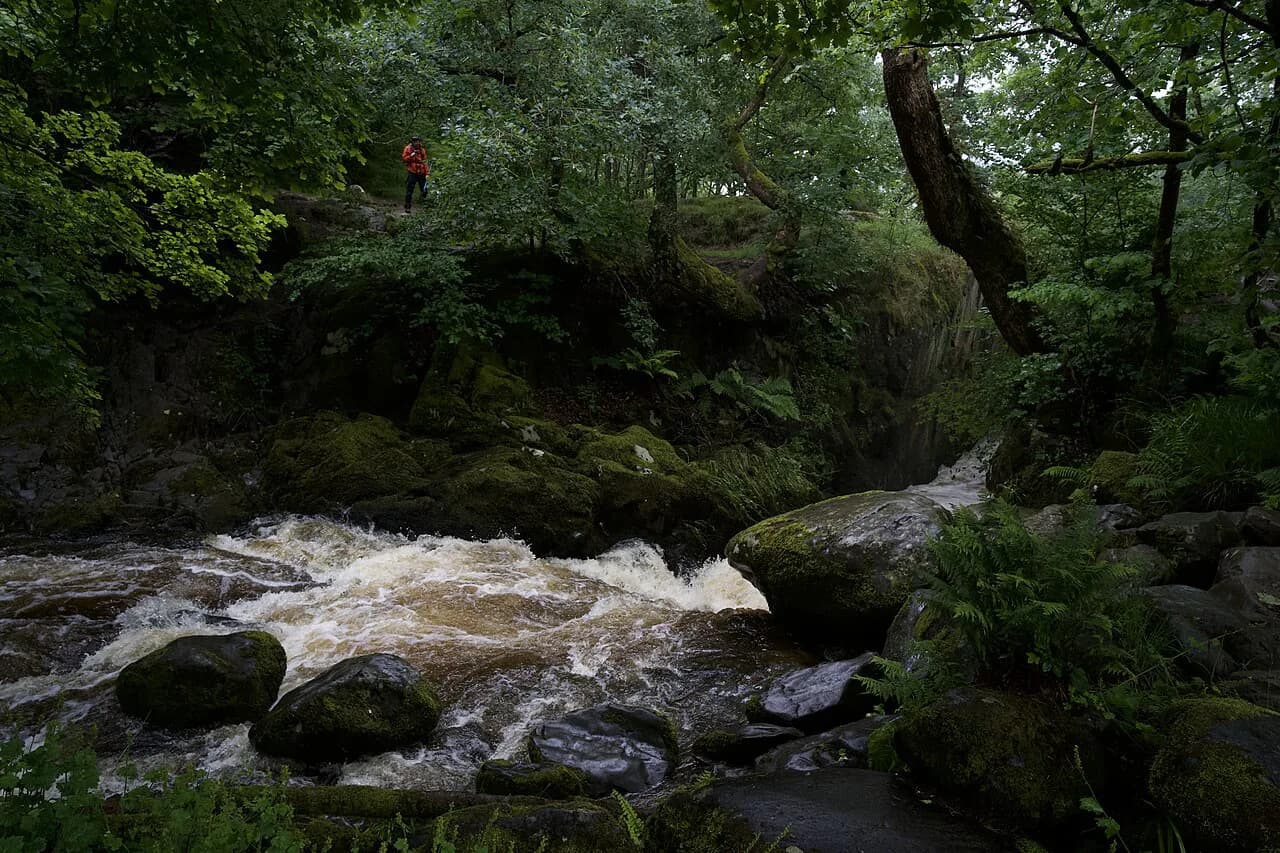
From the car park the route threads through mixed woodland, crossing and recrossing Aira Beck on small footbridges. The path opens onto the lower viewing platform, where you look straight up into the falling water and the spray of the pool. After heavy rain the falls are fierce; in dry spells the rock colonnades behind the water show through the spout.
From the platform the route climbs the opposite bank to the stone bridge that arches directly over the lip of the falls. Standing on the bridge, Aira Beck slides beneath your feet and vanishes into the gorge below, a very different perspective from the bottom. Beyond the bridge the higher paths wind past a 170-year-old Sitka spruce and cross Glade Bridge before returning to the car park.
The woodland around Aira Force is a designed landscape, and it shows in the variety: quiet glades, planted conifers and a small natural play area. Pick up the tree trail through the 19th-century pinetum if you want to stretch a short visit into a full afternoon. Early mornings give the best chance of seeing red squirrels, which live in these woods.
The Gowbarrow extension
To turn a short visit into a half day, head beyond the falls onto Gowbarrow Fell. The climb from the woods of Swinburn Park, once one of five medieval deer parks around Ullswater, gains height steadily to the summit plateau. Allow two to three hours for the fell route, and expect steep ground rather than a stroll; there is no published ascent figure to chase, only the hill itself.
From the summit you get a sweeping panorama over Ullswater toward the rising mountains ahead, with the Pennines to the east and Blencathra to the north. On the approach, the path passes close to Lyulph's Tower, a 16th-century castellated building, before the final pull to the top. The fell top is exposed to wind and rain, so carry a shell even if the valley is calm.
Pooley Bridge to Aira Force on the Ullswater Way
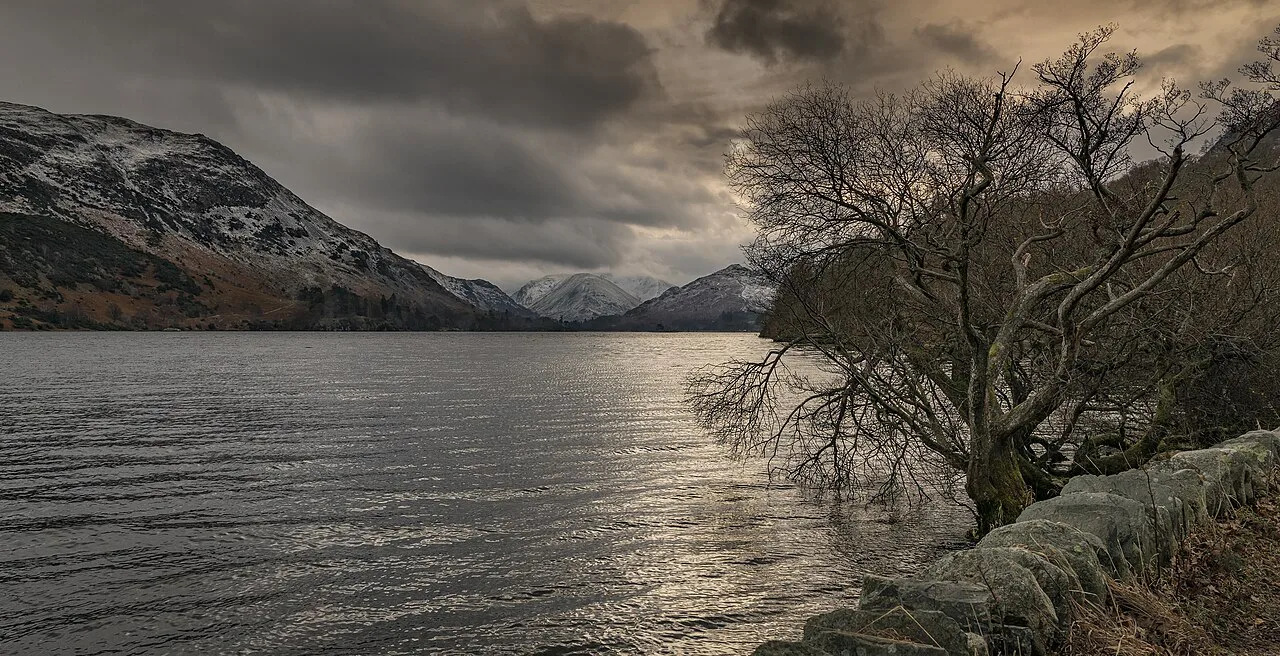
The Ullswater Way offers a long approach from Pooley Bridge to Aira Force, measured at 10.7 km (6.5 miles) through undulating woodland and fields. The path follows the lake's northern shore through the raised ground of Maiden Castle, a defended settlement now covered by grass, with wide views down the valley toward the Pennines and Blencathra. It continues through Bennethead and quiet lanes to Watermillock Church before entering the Swinburn Park woods.
From the woods you choose between two ways into the falls: climb over Gowbarrow and drop into the upper reaches of Aira Force, or follow the contouring path around the shoulder of the fell. The shoulder path opens views of the whole lake and passes the Memorial Seat, a pitched rest stop looking out over the valley toward Lyulph's Tower. That memorial is the natural halfway point if you are walking one way with a boat or a pick-up back to Pooley Bridge.
Distance, ascent and time at a glance
Treat the options as three separate walks. The waterfall bag is a 20-minute climb to the falls from the car park; the full short circuit around the pages of the falls takes about an hour; the Ullswater Way leg from Pooley Bridge is 10.7 km (6.5 miles) one way. Each has its own character, and none of them needs a cable car or a shuttle.
For the Gowbarrow summit, budget two to three hours from the car park and add a further one to two hours if you want to continue down to the falls and back. The fell path is steeper than the waterfall circuit, and the summit plateau can be wet underfoot. If you only have an afternoon, walk the short circuit and leave the fell for a longer day with better light.
When to go: seasons, water and busy car parks
Aira Force runs in all weather, but its character changes with the flow. After heavy rain the falls are at their most powerful, with spray filling the ravine; in drier spells the lower platform gives a clearer view of the rock beneath the spout. Spring and autumn bring the best balance of water, leaf color and space on the paths.
Summer weekends fill the car park and the paths around the falls, so an early start or a weekday visit makes a real difference. Gowbarrow's summit is exposed to wind and weather in every season, and snow can linger on the higher ground into spring. Check the National Trust website for current opening times before a winter or evening visit.
What to wear and the hazards that matter
The steps around the falls are the main hazard, especially in wet weather when the stone and wooden treads become slick. Wear grippy footwear and keep your hands free for the handrails on the descent to the lower platform. The rocky sections beside Aira Beck are not fenced everywhere, so keep children close at the viewpoints.
On the fell, the risks shift to exposure: wind, rain and low cloud can arrive quickly, and navigation becomes harder when the summits are misted. Carry a map and compass or a charged navigation app, and turn back if the weather closes in. Afternoon storms are the usual pattern in summer, so aim to be off the top by early afternoon.
Facilities and refreshments
The Aira Force coffee shop near the main car park serves hot drinks, cakes and light bites, and there are public toilets and baby-changing facilities on site. A picnic site sits close to the falls, and the flat green by the beck is a natural place to stop. Opening hours follow the seasons and are listed on the National Trust page.
For a wider choice of pubs and cafés, head down the valley to Glenridding or Pooley Bridge. Both villages have shops for last-minute supplies and are close enough to Aira Force for a post-walk meal. Watermillock, between them, is the quietest of the three for an overnight stay.
Where to base yourself
Glenridding is the closest base for the falls, sitting five minutes down the road and with easy access to the Ullswater Steamers. Pooley Bridge at the northern end of the lake suits walkers doing the Ullswater Way in stages and has the best spread of accommodation. Watermillock, between the two, offers the shortest drive to the Aira Force car park while keeping you out of the busiest village.
If you want to see more of the national park on the same trip, the central fells and the western valleys are within a manageable drive. For a full overview of routes and bases, see this guide to hiking in lake district. If you enjoy comparing national parks before committing, the Scotland hiking guide covers the same decision of trails and bases north of the border.
Planning Your Aira Force Walk
Decide first how much time you have. An hour buys you the waterfall circuit with the lower platform and the stone bridge; half a day adds Gowbarrow Fell and its Ullswater panorama; a full day lets you walk the Ullswater Way from Pooley Bridge. The short circuit suits families and photographers, while the longer routes reward hikers with legs for steep ground.
Whichever you pick, start early, carry a waterproof and check the National Trust site for the coffee shop and car park times before you travel. The falls are at their best with a bit of water in the beck, so watch the forecast in the days before your visit.
Frequently Asked Questions
How long does it take to walk to Aira Force waterfall?
About 20 minutes from the National Trust car park to the falls along well-marked woodland paths. A full circuit of the falls, taking in the lower viewing platform and the stone bridge, takes roughly an hour at a relaxed pace.
Is the Aira Force walk easy?
The path to the falls is short and well marked, but it includes steep steps, with around 104 down to the lower platform and 76 back up to the stone bridge. It suits most walkers, though those with knee trouble will find the descent slow going.
Can you park at Aira Force and is there a charge?
Yes, there is a National Trust car park at Aira Force with toilets and a coffee shop nearby. Parking is charged, and the lot fills quickly in summer, so arrive early; the National Trust publishes current charges and opening times.
Can you reach Aira Force by boat?
Ullswater Steamers call near Aira Force, which makes a car-free day possible. You can sail from Glenridding, walk to the falls and return along the shore; check the steamer timetable before you travel, as sailings vary by season.
How long is the walk from Pooley Bridge to Aira Force?
The Ullswater Way leg from Pooley Bridge to Aira Force is 10.7 km (6.5 miles) one way, through woodland, fields and quiet lanes past Maiden Castle and Watermillock Church. It is a half-day walk with some undulation, and you can return by boat from the Aira Force area.
Is Gowbarrow Fell hard to climb?
Gowbarrow is a steep climb from the Swinburn Park woods, taking two to three hours including the descent. The reward is a panoramic view over the whole of Ullswater and the surrounding fells; expect exposed ground and changeable weather at the top.
What is the best time of year for the Aira Force walk?
Spring and autumn give the best balance of strong water in the falls, good light and thinner crowds on the paths. Summer is lush but busy, especially at weekends, and winter visits call for an early start and a check on coffee shop and car park times.
Sources
Trail notes for your next trip
Optional updates when we add or revise hiking guides.
You might also like
Continue reading
More guides you'll find useful