Angelokastro Hike, Corfu: The Short Climb to the Fortress
The Angelokastro hike is a short, stepped climb to a Byzantine fortress above Paleokastritsa, with big coastal views. Here is the route, access and timing.
On this page
The Angelokastro hike is a short climb to a Byzantine fortress on a limestone crag above Corfu's northwest coast, and it suits anyone who wants big sea views without committing a full day. The effort comes from stone steps and open, sun-exposed ground rather than distance, so it slots easily into a beach day at Paleokastritsa or a longer stretch of the island's trails. Treat it as a fortress visit with a walk attached, not a mountain objective.
What the Angelokastro hike is and who it suits
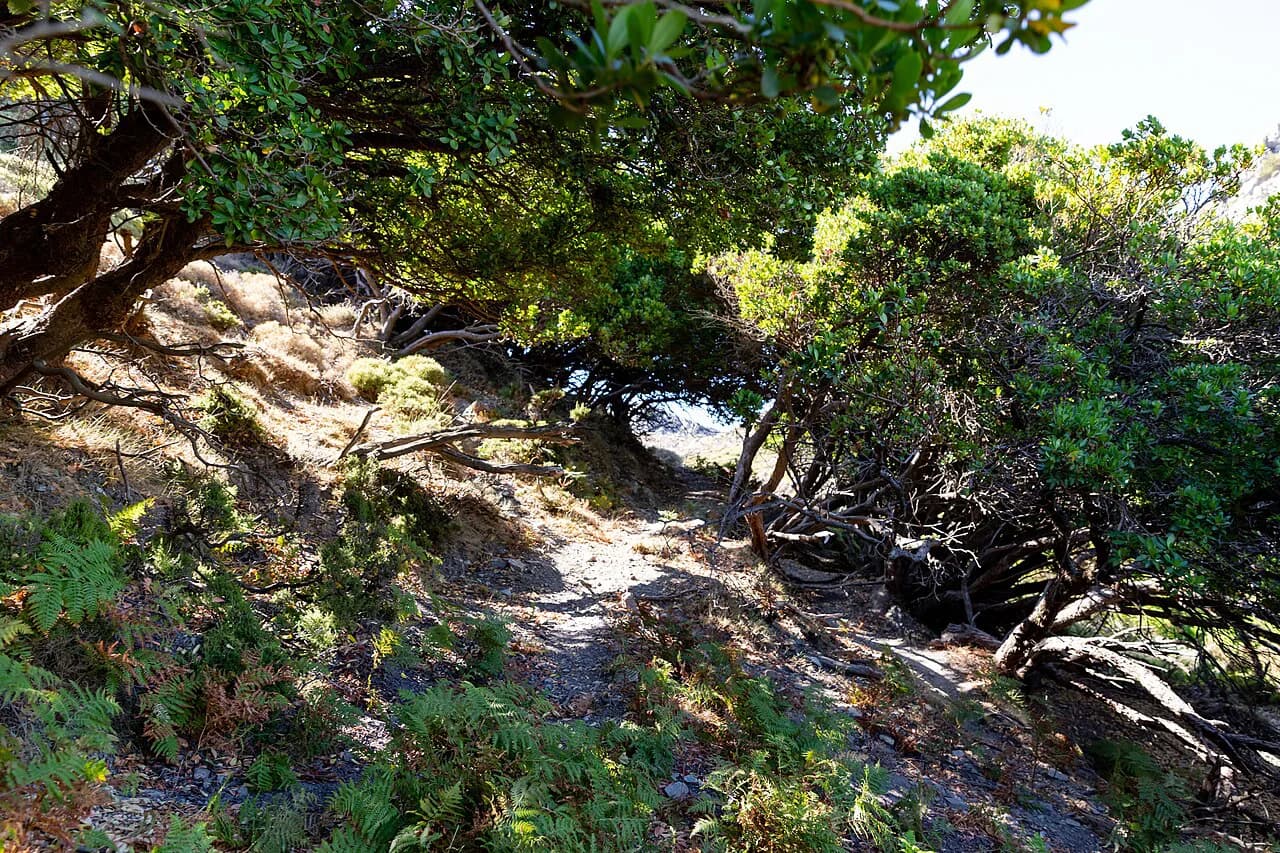
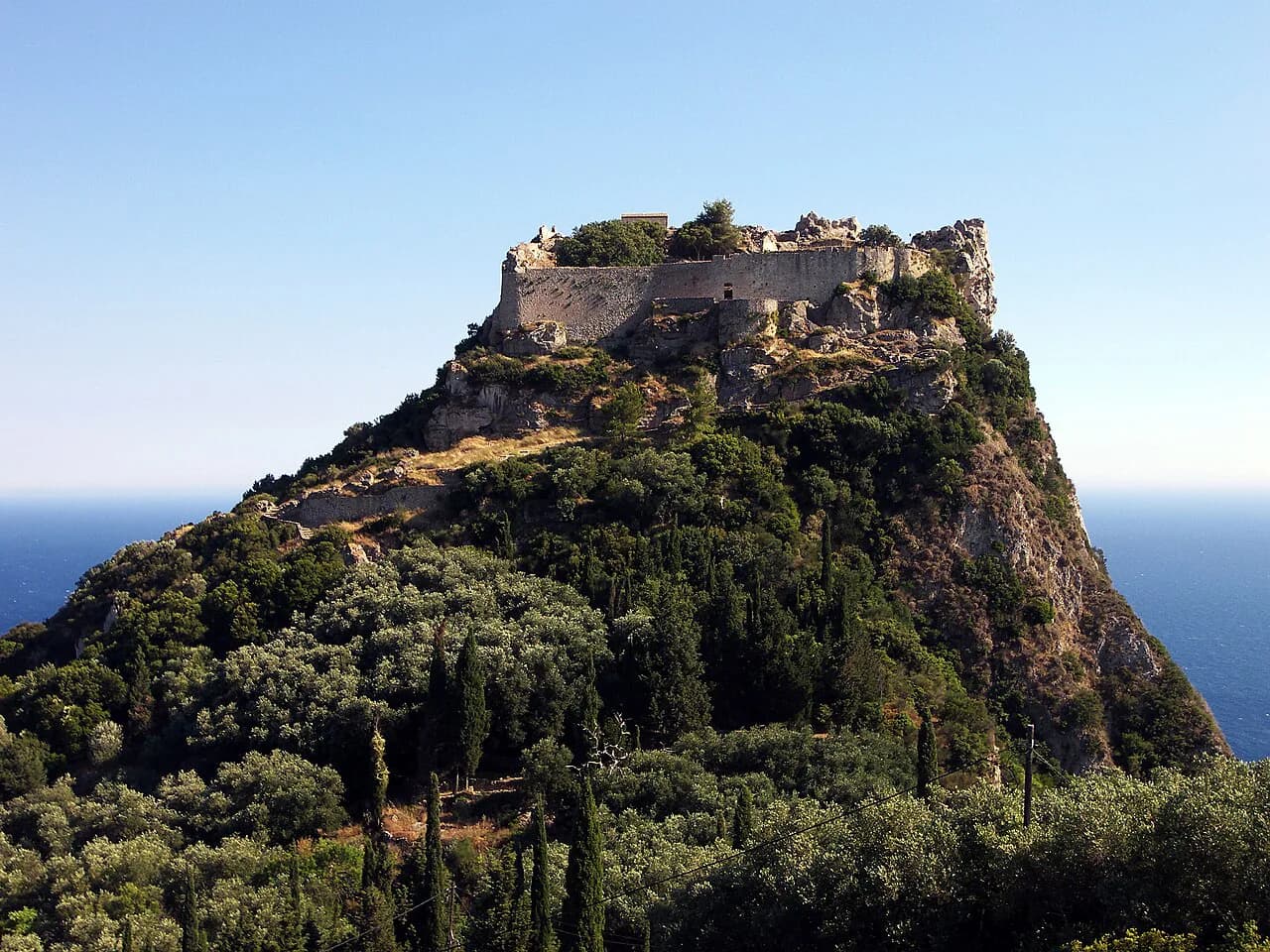
Angelokastro sits on a steep rock above the coast near Paleokastritsa, and the walk up to it gains height quickly through a mix of stone steps and a narrow path. Walkers describe it as short and steady rather than technical, with viewpoints where you can pause on the way up. That profile makes it a good fit for families, casual walkers and anyone carrying a beach bag rather than a pack.
It does not suit anyone expecting a quiet forest trail: the ground is largely open, the steps are uneven in places, and the upper section is exposed to the sun and to wind off the Ionian Sea. If you want a half-day of real walking rather than a 40-minute climb, pair the fortress with the coastal path between Paleokastritsa and Liapades and treat Angelokastro as the viewpoint stop.
Where Angelokastro is on Corfu's northwest coast
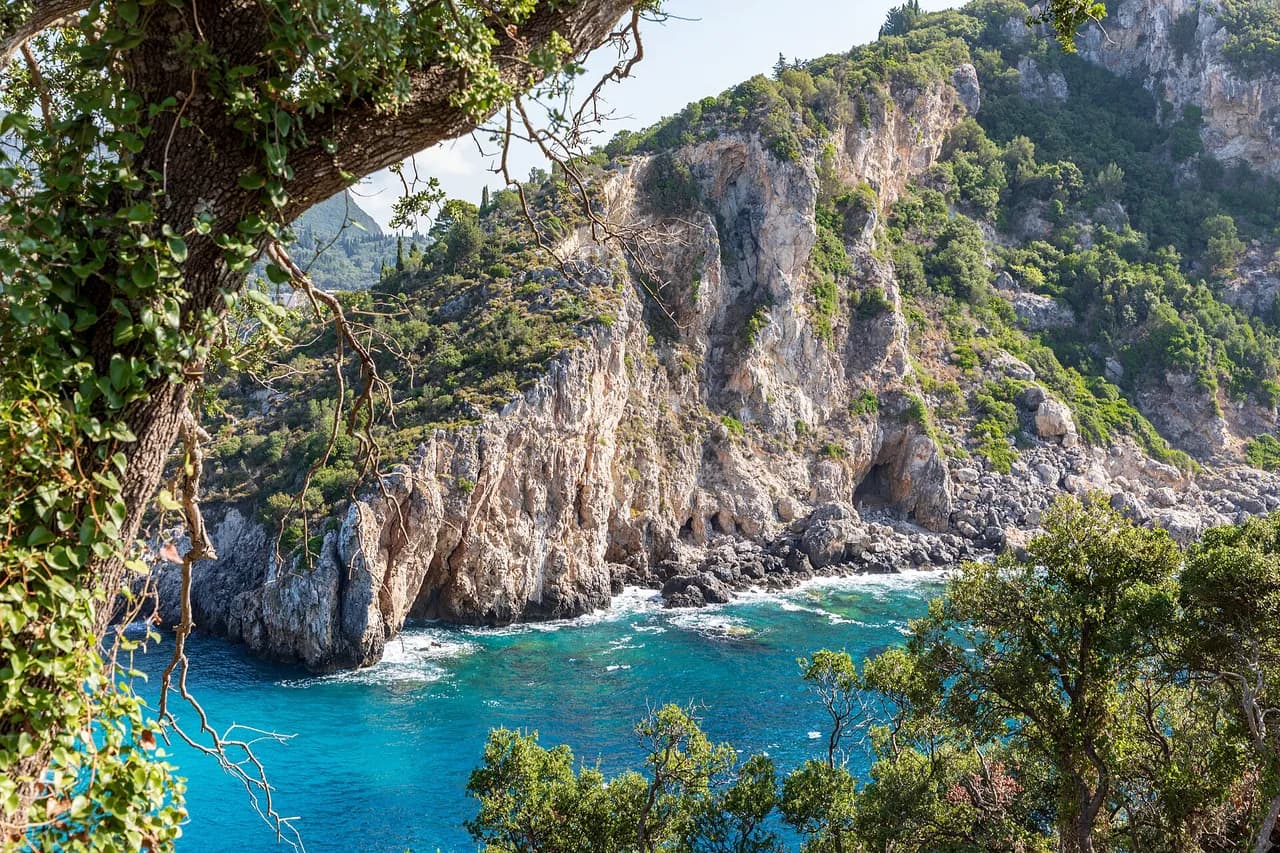
The fortress crowns a headland on the northwest coast, close to Paleokastritsa and roughly halfway between that resort and the village of Liapades. Both make sensible bases: Paleokastritsa puts you within walking distance of the approach road, while Liapades is quieter and sits above its own beach. From either, the fortress is a short drive or a longer walk along the coast road.
The wider area is the most rewarding corner of the island for hikers, with olive groves, cliffs and coves stacked along the coast. If this is your first trip, use a broader look at hiking in Corfu to see how Angelokastro fits alongside the longer routes before you fix your days.
Trailhead, parking and getting there from Paleokastritsa
Most visitors drive to the approach below the fortress, where the road ends and the stepped path begins; parking is at the roadside near the entrance rather than in a formal car park. From Paleokastritsa the drive is short, and the alternative is to walk up from the resort along the road before starting the climb — a longer, hotter option that adds road walking to the day. Choose the drive if you are visiting in high summer, and the walk if you want the coastal views on the way in.
Public transport on this part of the island is limited, and the local bus service is geared to resort-to-town trips rather than to trailheads. Self-guided walking itineraries on Corfu's west coast handle this with taxi transfers and luggage moves between hotels, which tells you how spread out the villages are. If you are relying on buses, ask your accommodation which service passes the fortress turn and how often it runs before you build a day around it.
Distance, ascent and walking time
The only measured figure for the site is a short walk of 541 m (about a third of a mile) with roughly 10 m (33 ft) of ascent, which covers the final approach to the fortress rather than the climb from the resort. In practice, the stepped section from the road up to the gate is a matter of minutes for a fit walker and 15 to 20 minutes at an unhurried pace with photo stops. Allow more if you are starting from Paleokastritsa on foot.
Add time inside the walls: the site is larger than the climb suggests, with gates, terraces and viewpoints to walk through, so a visit of an hour or more at the top is normal. The steady stone steps, not the gradient, are what slow most people down, so wear shoes with grip and take the ascent slowly if you have knee trouble.
Route description: the steps, viewpoints and gate
From the road the route is obvious: a stepped path climbs the rock face, bending between low walls and outcrops before reaching the fortified entrance. The best viewpoints come early, where the path turns and the coast opens out below you toward the bays and cliffs. Keep the steep drop on the outside of the turns in mind when you stop for photographs, and step off to the inside where the path is wider.
Above the gate the ground levels out into the fortress itself, where ruined walls and terraces give several directions of view at once. The rock drops sharply on the seaward side, so stay behind the walls and keep children close on the upper terraces. If you want a longer walk with a comparable coastal outlook, the Paleokastritsa hike covers the monastery and the paths above the resort.
The fortress: what you walk through at the top
Angelokastro is a Byzantine fortress, and what you walk through at the top is a sequence of gates, curtain walls and terraces built to use the shape of the crag. The site rewards slow wandering rather than a quick photo stop: the walls frame the coast in several directions, and the upper level gives the widest view along the northwest shoreline. Carry water up with you, because there is nothing once you leave the road.
Entrance arrangements and any charge are set by the site operator and can change between seasons, so ask at the gate or at your hotel in Paleokastritsa rather than budgeting from secondhand reports. Bring small change in case a ticket is issued on entry.
When to go: season, heat and daylight
Spring and early autumn are the kindest months for this climb: the steps are open to the sun for most of the day, and the rock holds heat in July and August. On hot days, go early in the morning or late in the afternoon, when the light on the coast is also better and the upper terraces are not crowded. Organized walking seasons on the island's west coast run from May into June and from September into early October, which matches the comfortable window for a short exposed climb.
Afternoon thunderstorms are a real feature of Corfu's summer, and the fortress terraces offer very little shelter, so watch the sky from the coast road and turn back if cloud builds over the interior. Winter visits are possible but the steps can be wet and slippery, and daylight is short enough that you should start well before mid-afternoon.
Footwear, water and exposure on the climb
Wear shoes with a proper tread: the steps are worn and polished in places, and smooth soles slide on both dry stone and rain-wet rock. A liter of water per person is a sensible minimum in warm weather, plus a hat, because the ascent is almost entirely unshaded. Trekking poles help on the descent more than the climb, particularly if your knees complain on steps.
The exposure is modest in distance but real in effect: the path runs close to drops, the wind funnels across the crag, and there is no water or shade on the upper section. If you are hiking with children, keep them in front of you on the ascent and hold hands on the narrowest turns. For a bigger day on the island's high ground, the Mount Pantokrator hike shows what the northern interior offers, while hiking in Kotor shows how a comparable fortress climb with exposed stone steps plays out on the Adriatic.
Nearby: Paleokastritsa monastery and the coast path to Liapades
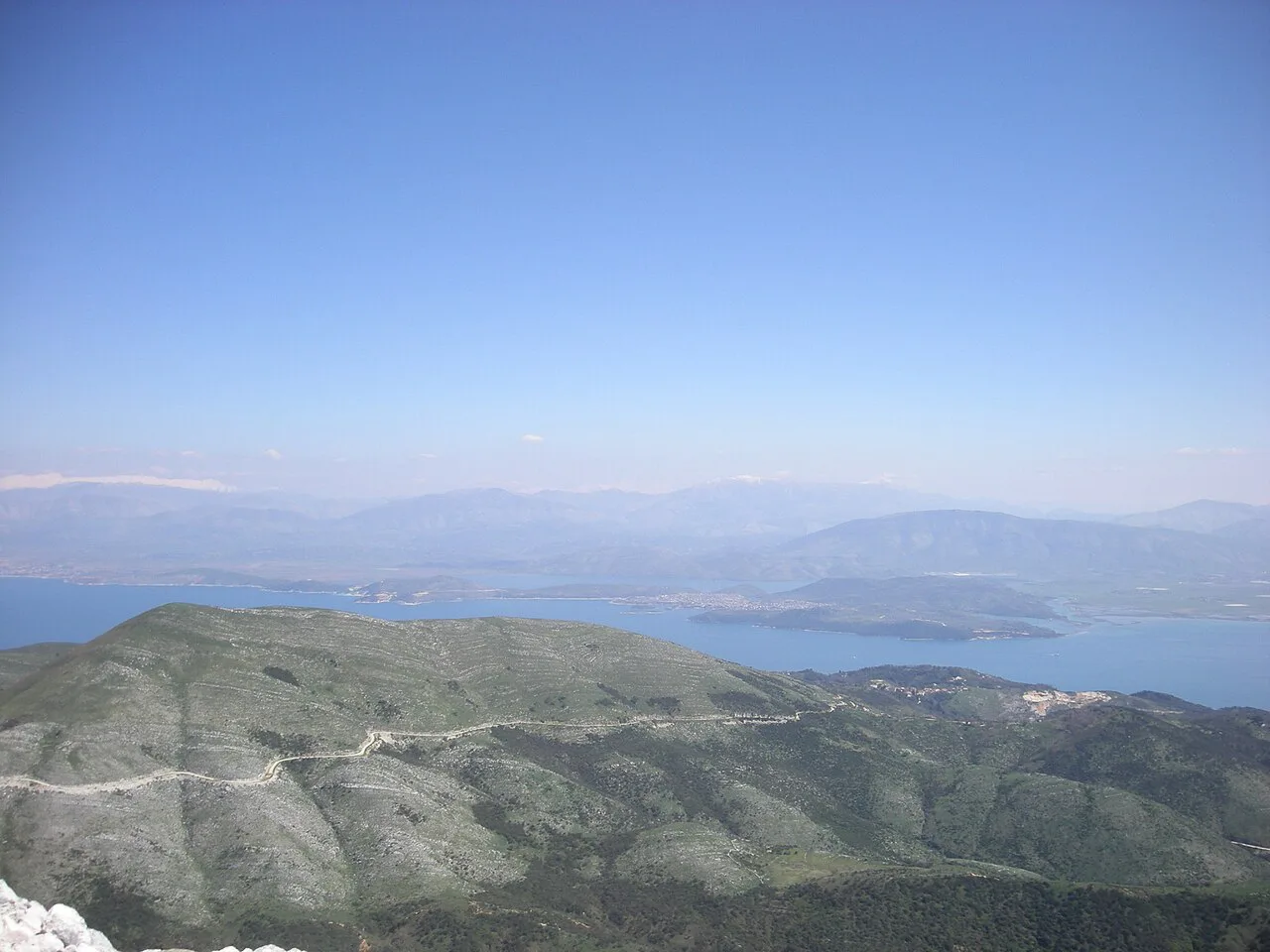
The monastery at Paleokastritsa, a whitewashed complex on a wooded hillside above the sea, is a short drive from the fortress approach and makes an easy pairing with the climb. From there, a linear walk of 6.5 km (4 miles) with about 290 m (950 ft) of ascent links Paleokastritsa to Liapades in roughly three hours, passing cafés and beaches where you can stop. Water taxis also run from the bay to the coves and caves, which is a good way to end a hot afternoon.
Walkers who want the coast path and the fortress in one day should start at Paleokastritsa, climb to Angelokastro first, then follow the path north to Liapades and return by taxi. That order keeps the exposed steps in the cooler morning hours. If you prefer an organized format, the options for Corfu walking holidays set out what guided and self-guided weeks include on this part of the island.
Where to stay for this hike
Paleokastritsa is the practical base: it puts the monastery, the boat trips and the fortress approach within a short drive, and it has the widest choice of places to eat. Liapades, a traditional village above its own beach, is quieter and works well if you plan to walk the coast path as well. Both villages sit on the west coast circuit used by self-guided itineraries, where hotels are spread between Paramonas, Pelekas and Liapades.
Corfu Town is the other option, and it suits a split stay: a day or two in the Venetian streets and a couple of days on the northwest coast. It is a long way from the trailhead for an early start, so base near Paleokastritsa for the climb itself and move to town afterward. Groups walking the northern section of the Corfu Trail often use Liapades as their first overnight before heading toward the interior.
Plan Your Visit
The Angelokastro hike earns its place in a Corfu itinerary because it delivers a fortress, a coastline and a genuine climb in a couple of hours. Drive to the approach road, climb early, and walk the walls before the day heats up. If you have a spare half-day, add the coast path to Liapades and finish with a swim.
Frequently Asked Questions
How long does the Angelokastro hike take?
The stepped climb from the approach road to the gate is short — roughly 15 to 20 minutes at an unhurried pace for most walkers — but plan at least an hour at the top to walk the walls and terraces. Starting from Paleokastritsa on foot adds road walking and considerably more time.
Is the walk up to Angelokastro difficult?
It is short but steady, with worn stone steps and open, sun-exposed ground. There is no scrambling, but the steps are uneven and the path runs close to drops in places, so wear shoes with grip and take it slowly if your knees are sensitive.
Where do you start the Angelokastro hike?
Most visitors start where the approach road ends below the fortress, with parking at the roadside, and climb the stepped path to the gate from there. Walkers staying in Paleokastritsa can also walk up from the resort, which adds distance and road walking to the day.
Can you walk to Angelokastro from Paleokastritsa?
Yes, but it means road walking before the stepped climb, and the road is hot and busy in summer. Many visitors drive the short distance to the approach road instead and save their energy for the steps and the fortress.
Is Angelokastro worth visiting?
For the combination of a Byzantine fortress, sheer drops and wide views along Corfu's northwest coast, yes. It suits anyone who wants a short, memorable climb rather than a mountain day, and it pairs naturally with the monastery at Paleokastritsa and the coast path to Liapades.
Sources
Trail notes for your next trip
Optional updates when we add or revise hiking guides.
You might also like
Continue reading
More guides you'll find useful