Hut to Hut Hiking in Switzerland: Routes, Huts and Planning
Plan a hut-to-hut hike in Switzerland: how Swiss alpine huts work, booking through the SAC, what to pack, and which routes suit a first multi-day tour.
On this page
Switzerland is one of the easiest places in Europe to string together a multi-day mountain walk, because a dense network of staffed huts lets you sleep high on the route instead of descending to a valley each night. You walk from hut to hut with a light pack, eat dinner and breakfast where you sleep, and let cable cars or buses do the boring approach work where they exist. This guide is for hikers planning a first hut-to-hut trip in the Swiss Alps, and it covers how the huts work, which routes suit which fitness, and the practical decisions that shape a good itinerary.
How Swiss hut-to-hut hiking works
A Swiss hut night is a mountain refugio, not a hotel: you get a dormitory bunk, a duvet, dinner and breakfast, and usually a shared washroom with cold or limited hot water. The classic route is a point-to-point traverse where each day ends at a different hut, so you carry only clothing, a sleeping bag liner, a water bottle and your lunch. Many hikers do a single overnight from a lift-accessed trailhead as a first taste before committing to a five- or seven-day traverse.
Most Swiss mountain huts belong to the Swiss Alpine Club (SAC) or to a local SAC section, while others are privately run. Private huts can be closer to a small hotel than a refuge — the Fluhalp above Zermatt, for example, offers actual rooms and serves fresh eggs at breakfast, which is unusual in a mountain hut. Knowing which kind you are booking changes what you pack: a private hotel-style hut may provide more bedding and food, while a classic SAC hut expects a hut sleeping bag and a stricter routine.
At the Sidelenhütte near the Furkapass, hikers are required to bring a hut sleeping bag, and the hut sleeps guests in shared rooms — a group of four can end up with a six-person room to themselves on a quiet night. Duvets are typically provided, but the liner is your own hygiene layer and is not optional at many huts. Each hut publishes its own equipment list, so read the Sidelenhütte's list on its booking page instead of assuming every hut follows the same rule.
Booking Swiss huts in advance
Most Swiss huts require you to book your stay in advance, either through an online booking system or by hut telephone. If a hut shows as fully booked, calling during the day is worth the effort because cancellations do happen, and a hut warden can tell you whether a bunk has opened up. Book the whole traverse at once rather than hut by hut, so a single sold-out night does not strand you mid-route.
For SAC huts, the official SAC website is the place to confirm which huts belong to the club, what each hut provides and how to reach the warden. Private huts such as Fluhalp run their own booking and may offer room options rather than dorms, so read the booking page carefully: one system does not cover all. Payment is normally settled on site, and half-board (dinner, bed and breakfast) is the standard booking, with lunch carried or bought at the hut.
Fitness, daily ascent and pack weight
Plan a first hut-to-hut tour around daily ascent rather than total distance, because in the Swiss Alps the climb is what hurts. A comfortable first day for a regular hill walker is roughly 600 to 900 m (2,000 to 3,000 ft) of ascent with a 6 to 10 kg (13 to 22 lb) pack, which typically means four to six hours of walking. If you can walk that comfortably two days in a row at home, a three- or four-day hut traverse is realistic.
Pack weight matters more than on a day hike, because every gram is carried uphill. Leave the sleeping bag at home if the hut provides duvets, take a liner instead, and treat hut food as part of the plan rather than carrying emergency dinners. A 30- to 40-liter pack is enough for a two- or three-night hut trip in summer, and the trade-off is fewer clothes but faster, happier days.
Hut-to-hut walking in Switzerland is generally waymarked and well maintained, but the walking day is longer than a cable-car day hike. Build in one shorter day at the start to acclimatize and one easier day near the end, and use a lift or bus for the first approach so the trip does not begin with the hardest climb. This is the practical way to make a first traverse feel manageable rather than heroic.
Three beginner-friendly hut destinations
Above Zermatt, the Fluhalp is reachable from the cable car in around half an hour on a small dirt road, making it one of the easiest hut nights in the Swiss Alps. The position gives access to day hikes around the Stellisee, and staying overnight is one of the few ways to catch sunrise or sunset at the lake after the last lift leaves. The trade-off is cost: cable-car access and Zermatt's general price level make this the most expensive of the three beginner options, but you avoid carrying a sleeping bag or food.
The Sidelenhütte, next to the Furkapass, needs a bit more walking than Fluhalp — roughly 60 to 90 minutes depending on the route and your fitness — and it is a base for climbers heading for the surrounding rock formations. There is a small turquoise lake beside the hut, which adds a short evening wander to the day. The hut requires a hut sleeping bag, so this is the option that teaches you the classic Swiss hut routine.
The Gelmerhütte, above the Gelmersee, is the most demanding of the three and gives you a real choice about how much climbing to do. You can park at the cable car and climb 1,000 m (3,280 ft) to the hut, take the cable car up to the lake to cut roughly half the elevation, or park a little further away and climb 800 m (2,625 ft) on a route with striking views. The last option is the one worth choosing if your legs can take it, because the scenery on the approach is part of the experience.
Getting to Swiss trailheads by cable car, bus and train
Swiss trailheads are unusually well served: cable cars, postbuses and narrow-gauge railways can put you high on the mountain before you start walking. Cable-car access changes the economics and the season of a route — lifts run on published operating calendars, and an out-of-service lift can turn an easy approach into a long road walk. Check the lift operator's timetable for the dates you plan to travel, and have a walking alternative if the lift is closed.
For Zermatt and the Fluhalp, the Zermatt Bergbahnen lifts are the approach, and the hut is a short walk from the top station. For the Gelmerhütte, the Gelmer cable car rises to the Gelmersee and saves roughly half the climb, though the 800 m walking option from further down the road is the more scenic approach. For the Sidelenhütte, access is by road to the Furkapass area and then on foot, so a car or bus to the pass is part of the plan.
Lifts also shape the season: a hut can be open while the lift that serves it is not, and a lift can run in summer while the high pass above is still snow-covered. Build the itinerary around the lift timetable rather than the other way round, and use the lift on the first day to save energy for the traverse. The alternative — walking every metre — is a legitimate choice, but it adds a full day of ascent to the trip.
Route character in the Swiss Alps
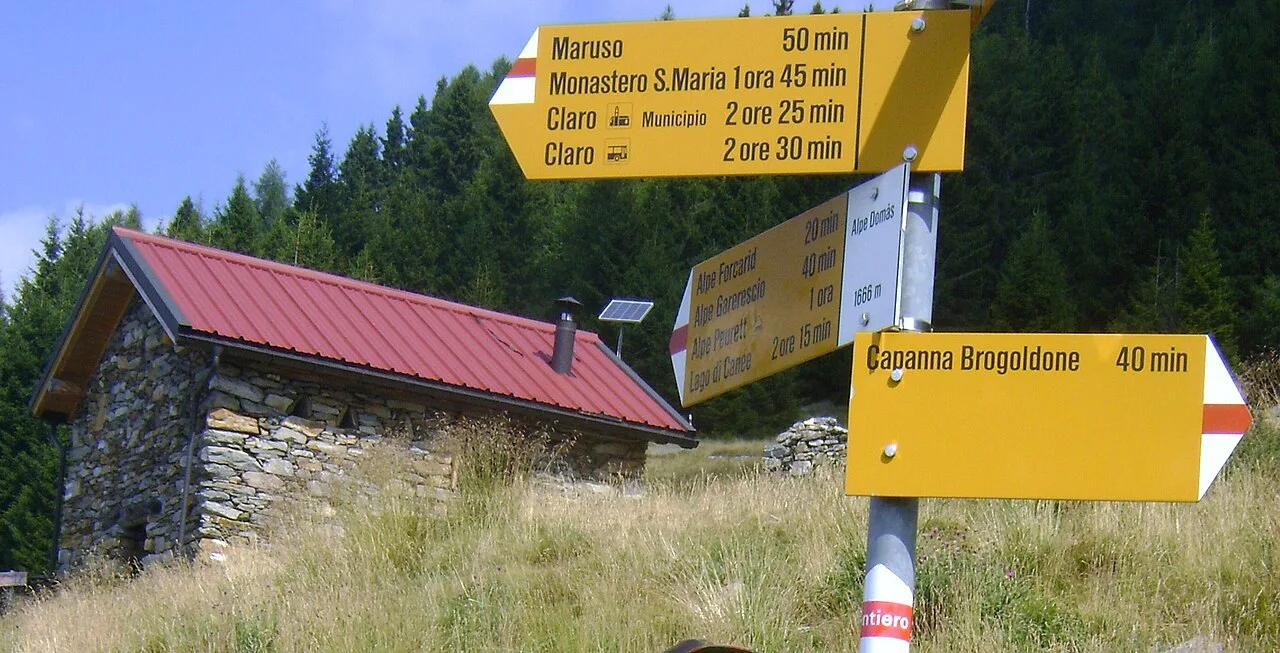
Swiss hut routes range from broad farm tracks to exposed traverses with cables and scree, and the character of the route is what you should match to your experience. High passes can hold snow into early summer and again from late September, so an itinerary that is easy in August can require an ice axe and crampons in June. Afternoon thunderstorms are a real feature of summer in the Alps, which is why hut-to-hut days usually start early and aim to be at the hut by mid-afternoon.
Exposure matters most on traverses below cliffs and on the approach to high cols, where a slip has consequences and fixed ropes or chains may be in place. If you want vertical ground with cables and ladders, the Swiss via ferrata network is a separate activity with its own gear and grading, and the Via Ferrata Mürren-Gimmelwald is a well-known introduction in the Bernese Oberland. For ordinary hut routes, trekking poles and sure footing are usually enough, but check the route description for scrambling before you commit.
Longer classic options: Via Alpina and Walker's Haute Route
The Via Alpina is a long-distance route across the Swiss Alps, and its stages link huts and villages over many days rather than a single traverse. The Walker's Haute Route is a harder proposition: it runs from Chamonix to Zermatt and is graded 5/5 for fitness and 4/5 for technical difficulty in the guided versions sold as self-guided tours. Both reward fit hikers with big days, and both need hut bookings well ahead because the popular stages fill up.
The Tour du Mont Blanc is the other classic in the region, but most of its circuit lies outside Switzerland, so treat it as a separate trip rather than a Swiss hut-to-hut route. Families often use the TMB as a first long-distance walk with children, but the Swiss sections are a small part of the whole. If you want a Swiss route with the same feel, pick a multi-day traverse entirely inside the country and book huts stage by stage.
Guided versus self-guided formats
Self-guided hut-to-hut tours typically include hut bookings, a route description and sometimes luggage transfer between valley nights, while you walk the stages on your own. Guided tours add a mountain guide, fixed departure dates and group logistics, which suits hikers who want the route decisions made for them. The price difference reflects the guiding and the group size, and the published tour pages list what each format includes.
Operators sell several Swiss and Alpine itineraries as self-guided trips, from the Via Alpina Bear Trek to the Walker's Haute Route, each with a stated fitness and technical grade. Use the grades as a rough filter, then check the daily distances and ascent in the day-by-day itinerary, because a 4/5 fitness grade can mean very different things between operators. Self-guided works best if you are comfortable navigating and booking huts yourself; otherwise the guided format removes that load.
When Swiss huts open and the best months
Most Swiss alpine huts open for the summer season and close when the snow returns, with the exact dates set by each hut and its warden. The reliable window for hut-to-hut walking is generally July to September, when high passes are usually clear of snow and the huts are staffed. Early summer can still leave snow on north-facing passes, and late September can bring the first autumn storms, so plan the traverse for the middle of that window.
Hut opening dates are not uniform, so confirm the season for each hut on your route before booking, and note that a hut may open later than the lift or close earlier. If your trip falls at the edges of the season, have a lower-altitude alternative ready in case a pass is still snow-bound. The trade-off is simple: a July trip is busier and more reliable, while a September trip is quieter but more weather-sensitive.
Packing for a hut night
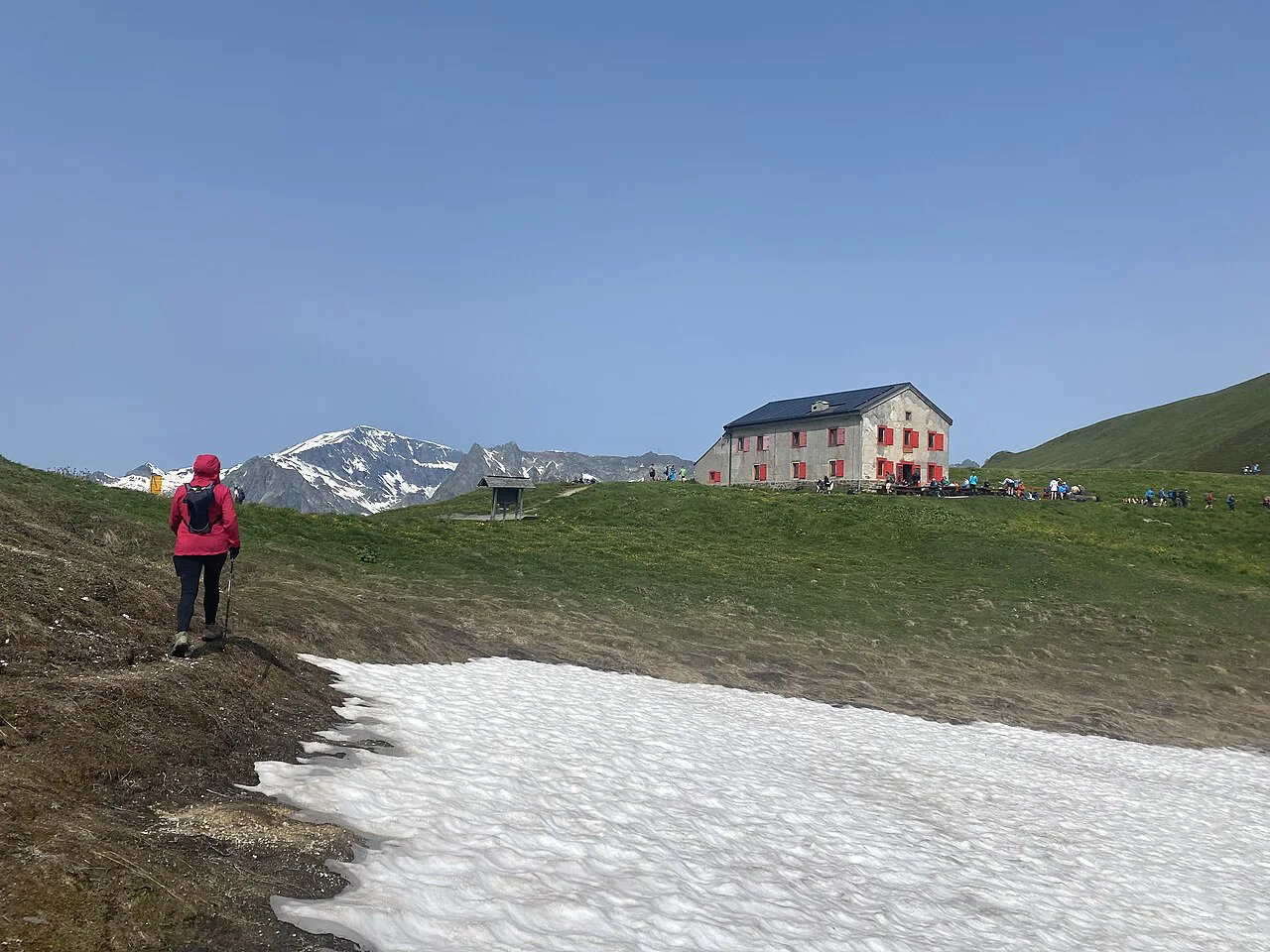
The hut provides the bed, the duvet and the meals, so your pack should carry the things the hut does not: a hut sleeping bag liner, a headlamp, earplugs, a small wash kit, and cash for drinks and extras. Bring a light insulated jacket and a waterproof shell even in midsummer, because hut evenings are cool and afternoon storms arrive fast. Footwear should be broken-in hiking boots or sturdy trail shoes, and a spare pair of socks is worth its weight.
Food is part of the hut system: dinner and breakfast are included in half-board, and lunch is either carried or bought at the hut. If you have dietary requirements, mention them when you book, because hut kitchens plan meals in advance. Water is usually available at the hut, but on the day's walk you should carry enough for the climb, especially on routes where streams are scarce.
Family and beginner considerations
A first hut night works well for families when the approach is short and lift-assisted, which is why the Fluhalp above Zermatt is a sensible starting point with children. The half-hour walk from the cable car keeps the day short and leaves energy for exploring around the Stellisee. Older children who carry their own small pack can handle a two- or three-day traverse, but keep daily ascent modest and build in a rest afternoon.
For adults new to hut-to-hut walking, the Sidelenhütte and Gelmerhütte offer a genuine hut experience without the commitment of a week-long traverse. Start with one overnight, then extend to two or three nights on the same route if it suits you. The Swiss summer hut network is dense enough that you can shorten or lengthen a route without changing your travel plans.
Mountain safety on Swiss hut routes
The main hazards on Swiss hut routes are snow on high passes, afternoon thunderstorms, and exposed sections where a slip matters. Start early, check the forecast at the hut the night before, and turn back if the weather is closing in — the hut will still be there tomorrow. On snow-covered passes in early or late season, carry an ice axe and crampons only if you know how to use them, otherwise choose a lower route.
Navigation is usually straightforward on marked Swiss trails, but fog and snow can erase the waymarking on high ground, so carry a map and a compass or a charged phone with offline maps. Tell someone your itinerary and hut bookings, and use the hut warden's local knowledge when conditions are uncertain. A guided trip is the sensible choice if you are unsure about route-finding or snow travel.
Plan Your Swiss Hut Traverse
Start with a single hut night on a short, lift-assisted approach — Fluhalp, Sidelenhütte or Gelmerhütte — then extend to a two- or three-day traverse once you know how your legs handle consecutive days. Book every hut in advance through the SAC website or the hut's own system, pack a liner rather than a sleeping bag, and keep daily ascent within a range you have already walked at home. If you would rather build your confidence on day hikes first, the Lauterbrunnen hiking guide offers valley and high-route walks that make a good warm-up.
The Via Alpina and Walker's Haute Route are the natural next step for fit hikers, and self-guided operators can take the booking and navigation load off if you prefer. For the wider picture of where to walk in the country, see the hiking in Switzerland guide, and check hut opening dates with the SAC or the hut directly before you commit to dates.
Frequently Asked Questions
Do you need to book Swiss alpine huts in advance?
Yes. Swiss huts require advance booking, either online or by hut telephone, and a fully booked hut can sometimes be resolved by calling during the day to ask about cancellations. Book the whole traverse at once so a single sold-out night does not break the route.
Do Swiss huts provide bedding?
Most huts provide a duvet, but many require you to bring your own hut sleeping bag liner, and the Sidelenhütte near the Furkapass is one of them. Check the equipment list for each hut when you book, because private, hotel-style huts may provide more than classic SAC refuges.
Can beginners do hut-to-hut hiking in Switzerland?
Yes, if you choose a short approach and modest daily ascent. The Fluhalp above Zermatt is around half an hour from the cable car, and the Sidelenhütte needs roughly 60 to 90 minutes of walking, which makes either a sensible first hut night before a longer traverse.
How many days do you need for a hut-to-hut hike in Switzerland?
A first hut-to-hut trip works well as one overnight or a three- to four-day traverse, with each day kept to a comfortable ascent. Longer classics such as the Via Alpina and the Walker's Haute Route take a week or more, so build up to them with shorter routes first.
When do Swiss alpine huts open?
Swiss huts generally open for the summer season and close when snow returns, with each hut setting its own dates. July to September is the reliable window for hut-to-hut walking, but confirm the season for every hut on your route before booking.
How difficult is the Via Alpina?
The Via Alpina is a long-distance route with many stages, so difficulty depends on the section you choose. Fit hikers comfortable with multi-hour days and hut bookings can walk it self-guided, while hikers new to alpine terrain may prefer a guided format or a shorter route first.
Sources
Trail notes for your next trip
Optional updates when we add or revise hiking guides.
You might also like
Continue reading
More guides you'll find useful