Hiking Switzerland in September: Trip Timing Guide
September hiking in Switzerland means fall color, quieter trails and shorter days, plus hut and lift closures. Here is how to time a late-season plan.
On this page
September is the month when the Swiss Alps become quieter, sharper in color and noticeably less forgiving on scheduling. You get golden larch and meadow tones, far fewer people than in the July to August peak, and the chance to walk big traverses without booking every bed months ahead. The price is a season that narrows as the weeks pass: shorter daylight, more frequent storms, mountain huts closing and mountain railways dropping to reduced timetables.
This guide treats September as a trade-off rather than a single block. Early September still behaves like summer in most of the Alps, while late September and early October demand village-based plans that do not lean on a gondola or a high hut. Read it to decide which half of the month fits your route, your fitness and your appetite for uncertainty.
Why September Suits Hikers Who Want Fewer People and Fall Color
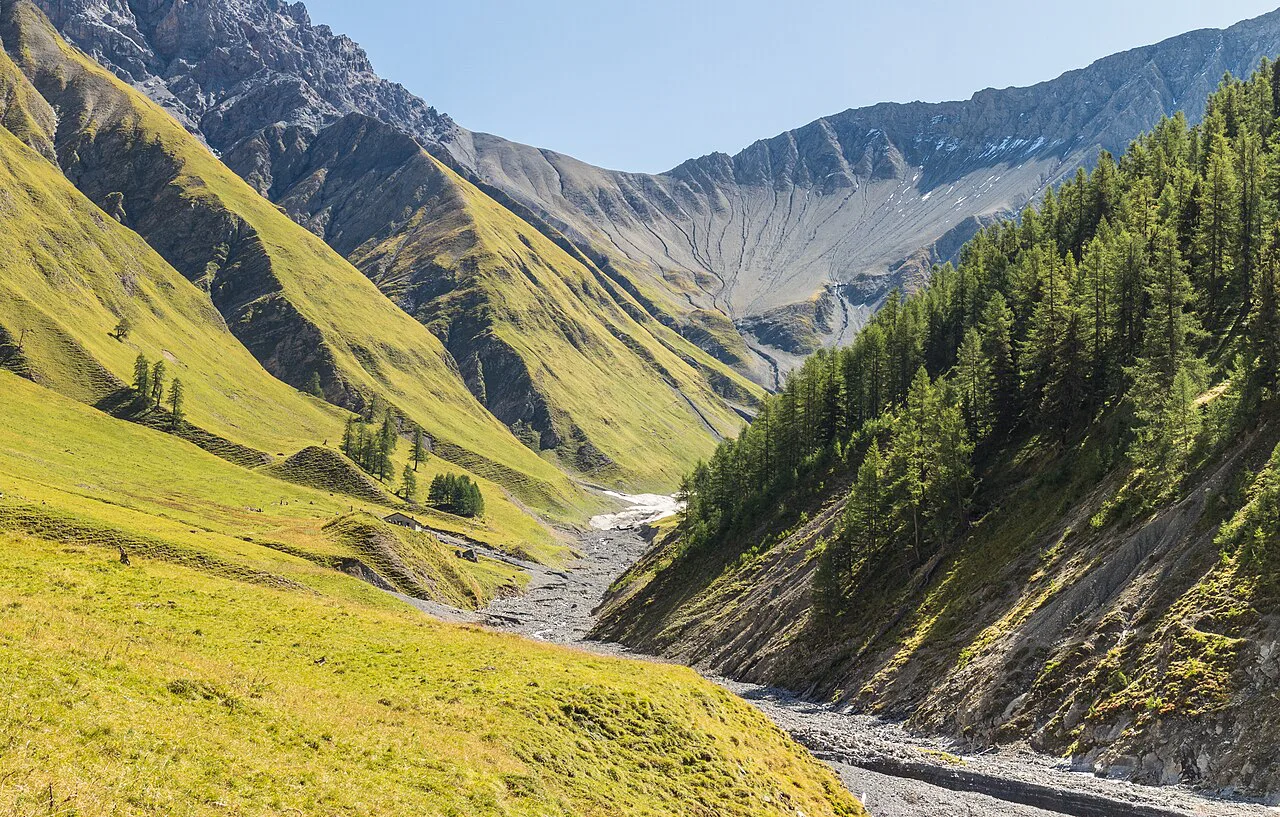
The strongest case for September is the combination of thinner trails and changing scenery. Fall colors spread through the Alps, and the same paths that are busy in peak season become noticeably calmer, which matters most on popular traverses in the Bernese Oberland and similar classic ground. If your priority is solitude with reliable summer-like footing rather than snow craft, early September is the sweet spot.
Late August and early September generally deliver warmer weather and fewer crowds than the second half of the month, which is why many hikers target that window for a first long-distance route. If you can move your dates by two or three weeks, do it: you keep summer conditions and still escape the worst of the August traffic on trails and in huts.
How the Season Shifts From July and August to September
Mid-July to the end of August is the most popular window in the Bernese Oberland, when trail conditions, weather and accommodation options are at their most reliable and every summer hut and lift is running. September inherits most of that infrastructure early in the month and loses it progressively, so the same itinerary can be comfortable on 5 September and awkward on 25 September.
Plan your route around the calendar rather than the other way around. A traverse that sleeps high every night needs the first half of September; a valley-based week of day hikes works almost to the end of the month and into early October, because villages stay open after the huts above them shut. Decide which model you are hiking, then check current hut opening dates and transport schedules before fixing your dates.
Trail Conditions and Snow on High Passes
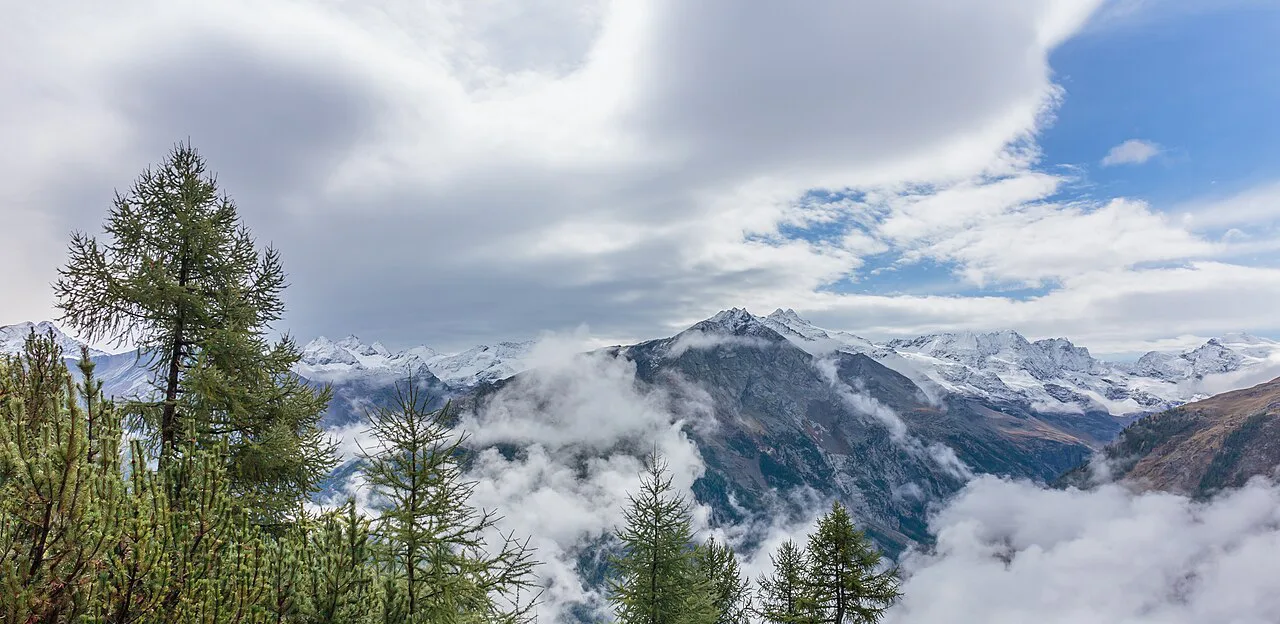
Snow is the variable that decides whether a late-season pass is a walk or a mountaineering problem. In the Bernese Oberland, high passes such as Sefinafurgga and Hohtürli can hold enough snow in June to make passage unsafe, and the same passes collect fresh snow again once autumn storms arrive. Treat any pass above the treeline in the second half of September as a route to reassess on the day, not a fixed plan.
Lower and mid-altitude trails are far more forgiving. Ridge walks, valley-floor paths and meadow routes below the huts typically stay clear of snow well into autumn, and they are the sensible choice when a cold snap has whitened the tops. Build at least one low-level alternative into each day so a dusting of snow changes your view rather than your whole trip.
Mountain Huts: Late-September Closures and Booking Around Them
Most mountain huts close by late September, so a hut-to-hut itinerary planned for the end of the month can collapse if you assume every bed is available. Build your traverse around the huts that stay open longest, or shift the plan to larger villages and towns that operate year-round. Booking early still matters in the first half of September, when demand is high and private rooms go first.
Swiss Alpine Club huts are a special case in the shoulder season. Some, including Gspaltenhornhütte and Blüemlisalphütte, open around mid-June regardless of snow because they also serve mountaineers heading for high peaks. An open hut is not proof that its access path is walkable with basic gear, so ask the hut directly about conditions on the approach before you commit to a night there.
Mountain Railways and Valley Buses Winding Down
Transport is the quiet trap of a late-September plan. Gondolas and cable cars in ski resorts, and buses running down remote valleys, reduce service or stop between late September and mid-October, so a route that depends on a lift out of a valley can strand you. The fix is structural: choose hikes that start and finish in a village with year-round road or rail access.
Summer timetables in Switzerland usually run until mid-October, when most mountain railways close, with a few places staying open a little longer. That gives you a usable margin in early September and a shrinking one by the end of the month. Note the last descent for every lift you intend to use, and have a walking exit from the valley in mind before you ride up.
Weather Patterns: Shorter Days and More Frequent Storms
September storms become more frequent, days get shorter and night-time temperatures drop, which changes how you structure a hiking day. Afternoon thunderstorms are a real feature of the Alps in summer and early autumn, so an early start is not a virtue but a safety measure on exposed ridges and passes. Aim to be off high ground by early afternoon and keep a shorter, lower option ready.
Fresh snow at higher altitudes is possible even in the peak season, and it becomes more likely as September runs on. Carry a headlamp and plan your turnaround time from daylight rather than from ambition. A 1,000-metre (3,300-foot) day that is comfortable in July can become a race against dusk in late September.
Best Regions and Trail Types for September Hiking
Village-based day hiking is the most reliable format for September in Switzerland. Bases with road and rail access let you walk high when the weather holds and drop low when it does not, without depending on a seasonal lift. The Bernese Oberland around Mürren and Grindelwald is the classic example, with valley buses and trains that outlast the mountain railways. For a closer look at trails and lift access from that base, see the Grindelwald hiking guide.
Long-distance traverses remain viable in the first half of September, when huts and lifts are still running, and they reward you with the best conditions of the shoulder season. If you want the structure of a staged route without the logistics, Switzerland hiking tours in guided and self-guided formats exist and differ mainly in how much of the booking and navigation you hand over; compare what each includes before you choose.
Big alpine routes that cross into Italy, such as the Tour de Monte Rosa, sit on the Swiss-Italian border and are usually hiked with a guide or a carefully staged hut plan. In September the high passes on those routes are the first places to collect snow, so late-month plans should favor the lower stages or move earlier in the month.
Via ferrata is a different proposition in September. Cables and ladders stay usable in dry weather, but cold rock, early snow and shorter days raise the consequences of a slow party, and the Via Ferrata Mürren-Gimmelwald is one of the Swiss routes where you can judge conditions from a village base. A guided day makes sense if you are new to the equipment or the route is wet.
What Changes in Early October
Early October pushes the season past the point where high routes are dependable. Most huts have closed, mountain railways are largely shut, and storms arrive more often, so the realistic menu is valley walks, low ridges and village-to-village paths with year-round transport. Fall colors are at their best, and the trails are emptier than at any point in September.
If your dates land in October, choose a base with a railway station and plan day loops that return to it rather than traverses. Check the closing date of any specific lift you are counting on before you build a day around it. Treat any plan above about 2,000 metres (6,500 feet) as weather-dependent rather than scheduled.
Gear and Daily Planning for a September Hiking Day
Pack for two seasons in one day. A September day can start cold and clear, turn warm at midday and finish in rain or snow, so bring a shell, insulation, gloves and a warm hat alongside sun protection. Add a headlamp for the shorter evenings, and microspikes if your route crosses passes where old snow lingers.
Plan each day around a fixed turnaround time and a named escape route. Note the last bus or train from your finishing village, the closing time of the hut you plan to visit, and the daylight you need for the descent. On a hut-to-hut route, carry enough food and water for a missed resupply, since late-season huts may be shut when you arrive.
Who September Suits and Who Should Go Earlier
September suits hikers who can be flexible, who prefer quiet trails and fall color, and who are happy to swap a high pass for a valley ridge when the weather says so. It rewards people hiking in the first half of the month, when huts and lifts still run and the odds of stable weather are better. It also works for anyone based in a village who wants day hikes without committing to a high route.
Go earlier if your trip depends on a specific high traverse, a hut-to-hut chain or a lift-supported itinerary that cannot flex. July and August give you the widest choice of open huts, running lifts and settled conditions, at the cost of crowds and the need to book beds well ahead. Choosing between the two is really a question of how much certainty your route needs.
Plan Your September
Decide first whether you are hiking early or late in the month, because the two halves offer different trips. Early September keeps summer infrastructure and gives you fall color and quiet trails; late September and early October push you toward village-based day hikes with year-round transport. Match the route to the calendar, not the other way round.
Then build the plan around three fixed points: where you sleep, how you leave the valley, and when you turn around. Huts, lifts and buses are the constraints that break late-season itineraries, so choose bases and routes that survive their closure. With that in place, September in the Swiss Alps is one of the best-value months for a hiker who values space over guarantees.
Frequently Asked Questions
Is late September good for hiking in Switzerland?
It can be, provided you stay low and flexible. Late September delivers fall color and quiet trails, but storms are more frequent, days are shorter and most mountain huts close by the end of the month. Choose valley walks, low ridges and village-to-village paths served by year-round trains and buses, and treat any high pass as weather-dependent.
Are mountain huts still open in September in Switzerland?
Most mountain huts close by late September, so the first half of the month is far easier for a hut-to-hut route. Book early even in early September, because demand is high and private rooms go first. Once the huts shut, base yourself in larger villages and towns that stay open year-round and day hike from there.
Do cable cars and mountain railways run in September in Switzerland?
Early September usually finds summer timetables still running, while gondolas, cable cars and remote valley buses reduce service or stop between late September and mid-October. Summer schedules commonly last until mid-October, when most mountain railways close. Before riding up, note the last descent and keep a walking exit from the valley in mind.
When do the fall colors arrive in the Swiss Alps?
Color builds through September and is at its strongest in late September and early October, when larch and meadows turn gold and the trails empty out. That is also when storms, shorter daylight and hut closures bite hardest. If you want color without the complications, aim for the second half of September with a village base and low routes.
What should I pack for hiking in Switzerland in September?
Pack for two seasons in one day: a waterproof shell, insulation, gloves, a warm hat and sun protection, plus a headlamp for shorter evenings. Add microspikes if your route crosses passes where old snow lingers, and carry enough food and water for a missed resupply when huts may already be shut.
Is early September better than late September for hiking in Switzerland?
Early September is the safer bet for ambitious routes. Warm weather and thinner crowds than August make it a strong window, huts and lifts still run, and high passes are more likely to be clear of new snow. Late September suits hikers who accept lower routes and village bases in exchange for fall color and near-empty trails.
Sources
Trail notes for your next trip
Optional updates when we add or revise hiking guides.
You might also like
Continue reading
More guides you'll find useful