Northumberland Walking Holidays: Guided vs Self-Guided Trips
Compare guided and self-guided Northumberland walking holidays along the Coast Path, from Cresswell to Berwick, and pick the trip length that fits your pace.
On this page
A Northumberland walking holiday puts you on one of England's quietest long-distance coastal routes, a low-lying path of wide beaches, dune-backed sand and clifftop castle ruins between Cresswell in the south and Berwick-upon-Tweed near the Scottish border. It suits hikers who want steady daily mileage without alpine exposure, and who would rather finish each day in a fishing village than a mountain hut. The main decision is format: an organized self-guided package or a guided group.
What a Northumberland walking holiday covers
The spine of almost every organized trip is the Northumberland Coast Path, which runs roughly 64.8 miles (104.6 km) from Cresswell, near Morpeth, to Berwick-upon-Tweed. Operators schedule it over five to eight nights, so the same route can be a relaxed week or a more demanding five-day push. Away from the coast, the hills and valleys of Northumberland National Park offer an inland alternative for hikers who prefer open moorland to sea views.
The walking is graded easy to moderate on the shorter, gentler schedules and moderate to challenging when the same distance is compressed into fewer days. That range describes daily mileage rather than technical difficulty: there is no scrambling, but long beach sections on soft sand and repetitive cliff steps still add up. Organized holidays run from March to October, so winter trips are a DIY affair.
Self-guided format: what is normally included
A self-guided package typically bundles good-standard accommodation in guesthouses, farmhouses, inns and B&Bs, breakfast each day, luggage transfer between overnight stops, route planning and a walk pack with trail guide, mapping, itinerary and accommodation directions. You walk at your own pace and on your own timetable, with no group to keep up with or wait for. Some operators also include a personal transfer between accommodation and the path where the two do not meet.
The day structure is simple: breakfast, hand your bag to the transfer service, walk the stage with the map and guidebook, and arrive at the next village in the afternoon. Self-guided trips reward hikers who are comfortable navigating coastal paths and reading tide and weather conditions for themselves. You choose when to stop at a castle or linger over lunch in Craster.
Guided format: what a guide adds
Guided walking holidays in Northumberland run as organized group departures rather than tailor-made itineraries, and companies such as Northern Adventures offer both guided and self-guided formats. A guide handles navigation, pacing and the logistics of each day, and can time castle visits and village stops around the group. That suits hikers new to long-distance walking or traveling alone who want company and a fixed structure.
The trade-off is flexibility. A group moves at a shared pace and follows a set schedule, so you cannot shorten a beach stage on a hot afternoon or add a rest day mid-route as easily as on a self-guided trip. Ask how much daily walking the group covers before booking, since operators publish the overall route length more readily than per-day figures.
Matching the format to fitness
Treat easy to moderate as the right fit if you walk regularly at home and want afternoons free for castles, harbors and seafood. Choose moderate to challenging only if you are happy covering noticeably longer days back to back on sand, dune paths and paved sections. The five-night version of a package concentrates the same 64.8 miles (104.6 km) into fewer, longer days, while the eight-night version spreads them out.
How many days: five to eight nights
Itinerary length is the single biggest lever on how hard a Northumberland walking holiday feels. Published packages range from five to eight nights for the Cresswell-to-Berwick route, and the shorter schedules sit at the moderate to challenging end precisely because the daily distance grows. If you want time for the Farne Islands or Lindisfarne, build in a rest day or take a longer schedule.
A longer itinerary also lets you split the duller stretches, such as the inland diversions through open fields, from the rewarding beach and cliff days. Walkers who prioritize sightseeing over mileage consistently prefer the seven- or eight-night shape, with a spare afternoon in Berwick-upon-Tweed at the end. Berwick rewards an extra day with its town walls, riverside and bridges at the mouth of the River Tweed.
Accommodation and luggage transfer
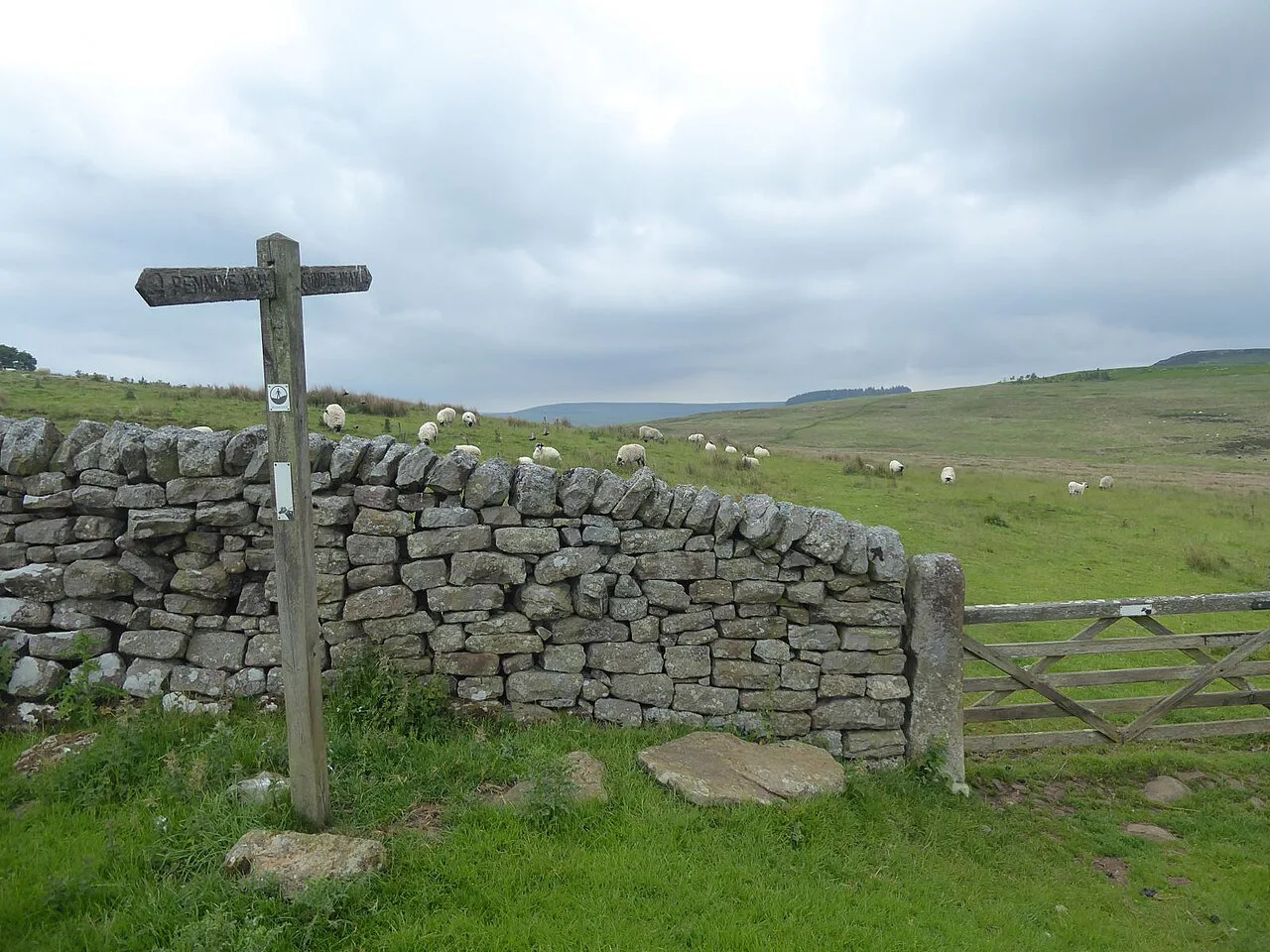
Accommodation on the Coast Path is small-scale: guesthouses, farmhouses, local inns and B&Bs in the villages along the way rather than large hotels. Operators choose properties of that type and describe them as hand-picked, booking en-suite or private facilities wherever possible. Because rooms are limited in places like Craster and Seahouses, booking well ahead matters in peak summer.
Luggage transfer is standard on self-guided packages, so you carry only a day pack with waterproofs, water and lunch. If you book accommodation and transfers separately, arrange the transfer directly with a local operator and confirm the bag drop time each morning. Hikers on a tight schedule should check whether any transfer is included between accommodation and the path.
Walking the route: beaches, dunes, cliffs and roads
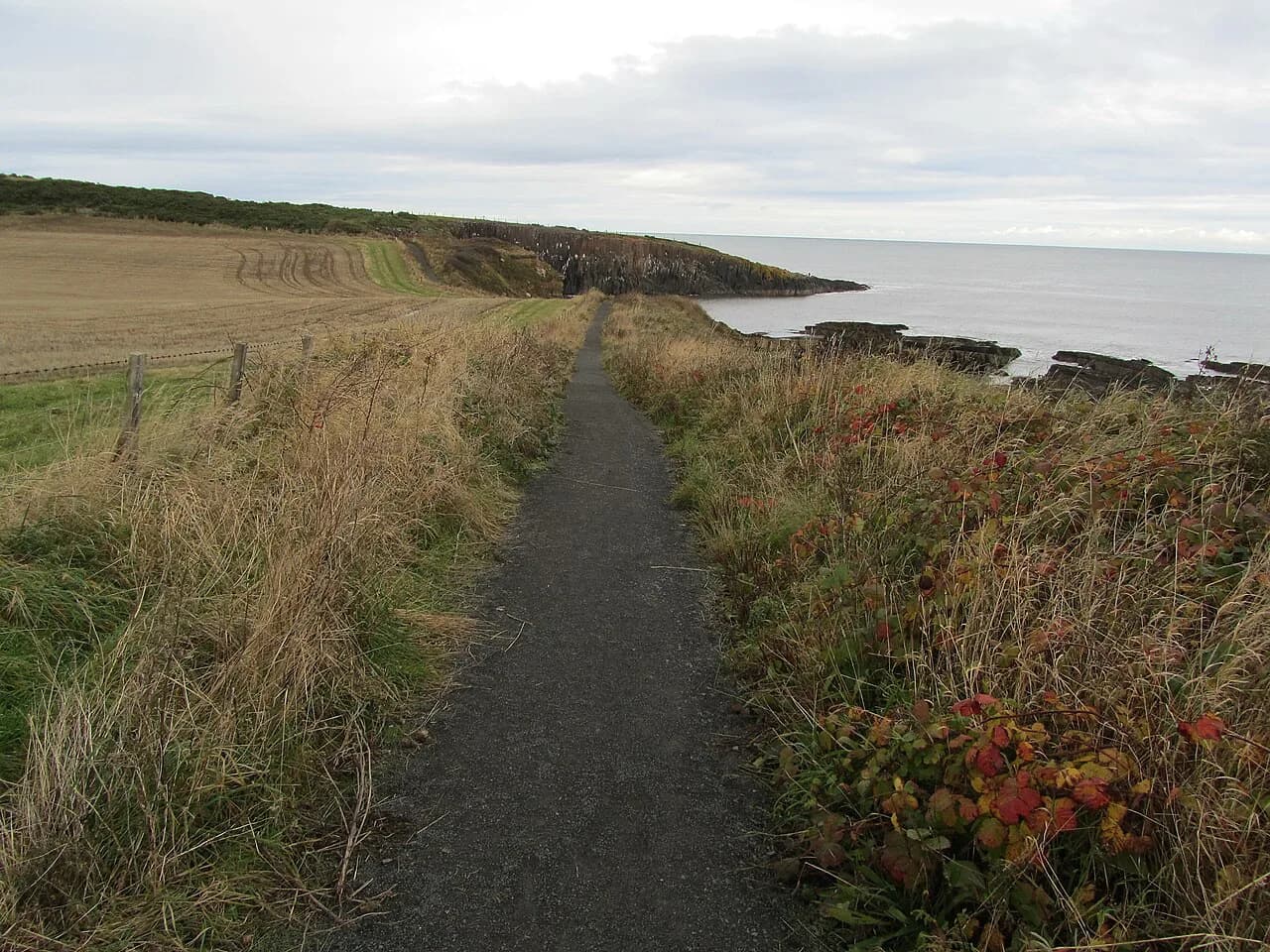
Expect sweeping beach sections backed by high sand dunes, long stretches through open fields where the path diverts inland, and headlands that carry you past cliff scenery. Some sections follow paved roads, and passing cyclists are frequent enough that you should keep to one side and stay alert. The Farne Islands sit offshore and are a worthwhile detour by boat from Seahouses Harbour.
Soft sand is the hidden cost on this route: it slows you down far more than the flat profile suggests, and a headwind on an exposed beach can turn an easy day into a long one. Time beach stages for the falling tide where the route drops onto the sand, and keep the inland alternative in mind when the sea is rough. The full route detail, including where the path meets Pilgrim's Way, sits in the dedicated guide.
Castles and villages on the way
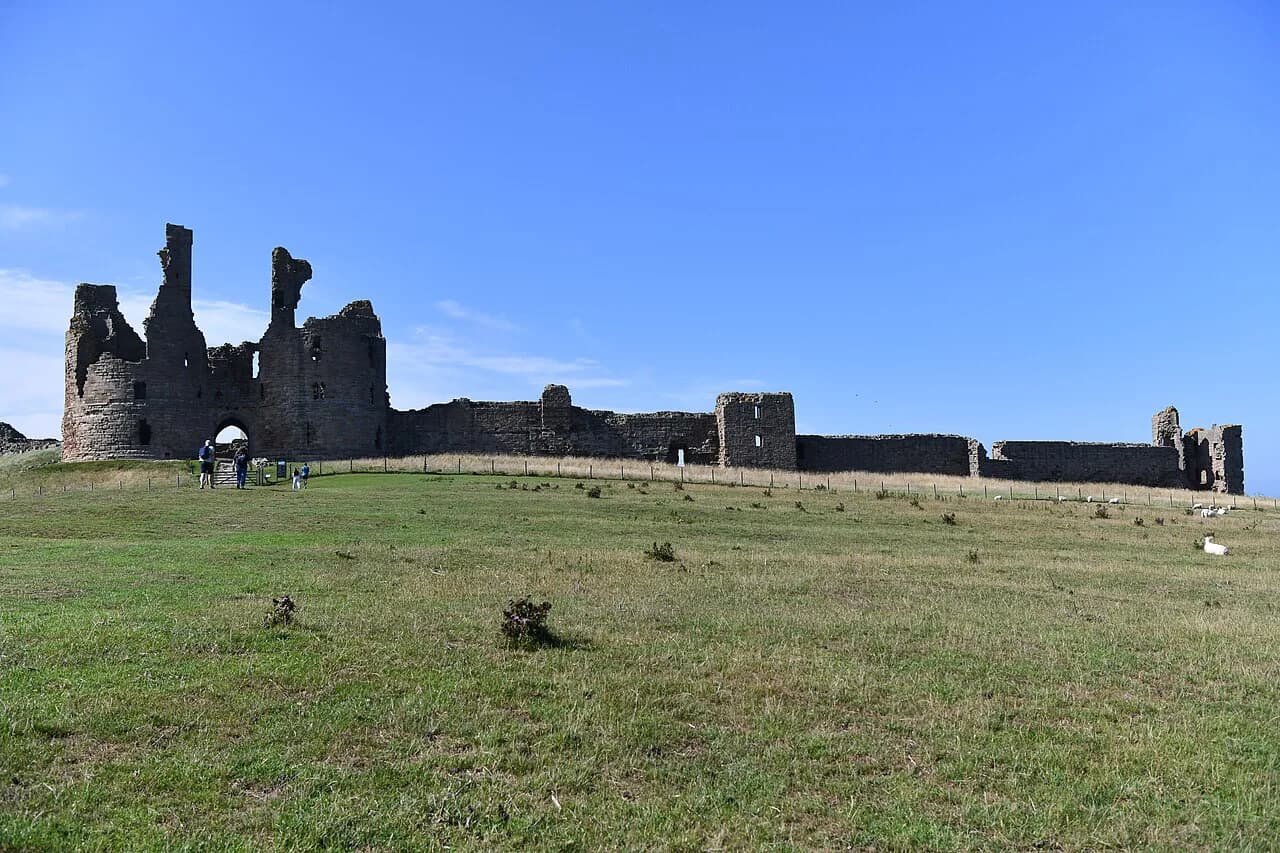
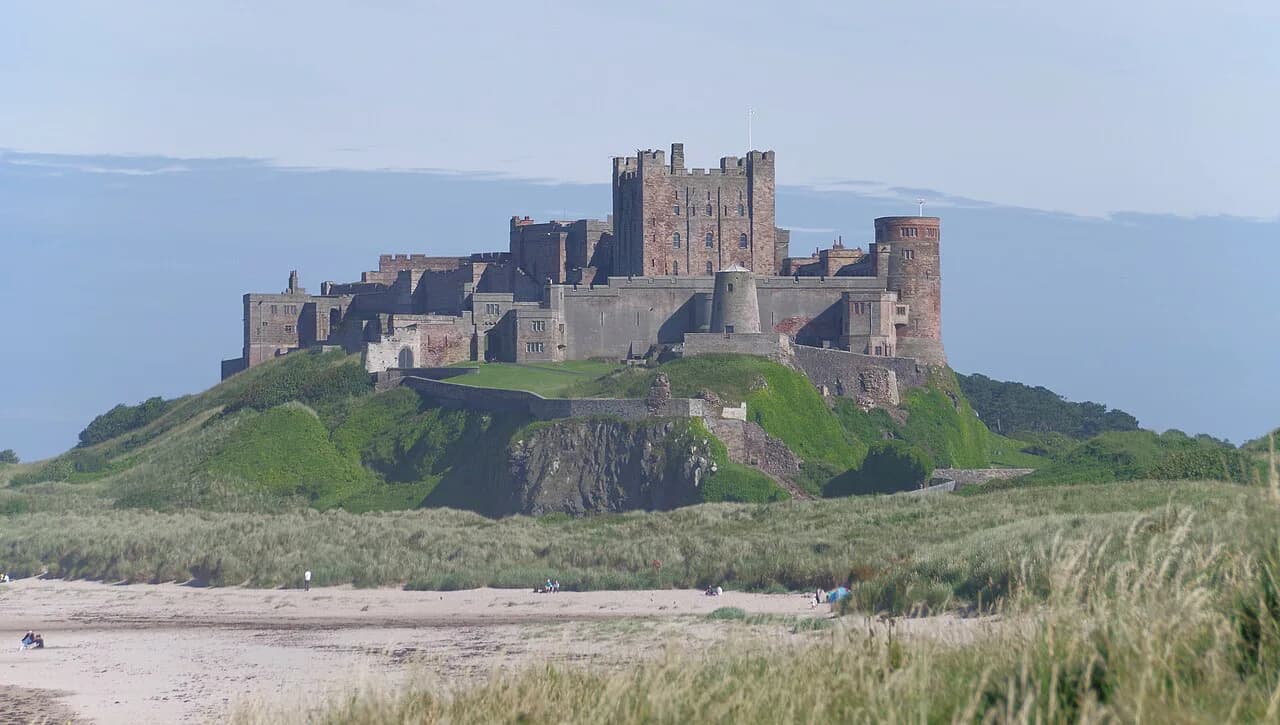
The Coast Path strings together some of England's most dramatic castle sites: Warkworth, on its hilltop above the River Coquet, Dunstanburgh on the Craster to Seahouses section, and Bamburgh jutting out toward the waves. Warkworth Castle falls on day two of the published itineraries, with towers to climb and views over the surrounding country from the ramparts. Allow time to leave the path for each one.
Between the castles come the villages that break up the walking: Alnmouth, Boulmer, Craster and Seahouses, with unspoilt harbors and a smoked kipper supper waiting in Craster. These are also where you find accommodation, pubs and resupply, so plan stages to end in one of them rather than on a lonely dune section. A short side trip to Budle Bay adds a quiet tidal inlet to a Bamburgh day.
Add-on days: the Farne Islands and Lindisfarne
Two offshore excursions change the shape of a Northumberland walking holiday. Boat trips from Seahouses Harbour reach the Farne Islands for seabird colonies and open sea views, and the route briefly converges with St Cuthbert's Way, which passes close to St Cuthbert's Cave and its outlook over the coast. Both need a spare half-day built into the itinerary.
Lindisfarne, or Holy Island, is reached across a causeway that is only passable at low tide, and it holds a monastery that was a center of Christian learning and pilgrimage. Treat the causeway crossing as a hard constraint: look up the tide tables for your date and plan the visit around them rather than squeezing it into a walking day. The island's own walking, including the St Cuthbert's Way finish, is worth a separate stage.
When to go: March to October
Organized Northumberland walking holidays operate from March to October. Spring brings fresh green dunes and fewer walkers, while midsummer gives the longest days and the best odds of calm crossings to the Farne Islands and Lindisfarne. Autumn is quieter again and often clear, but daylight shortens noticeably by late October.
Coastal weather here is exposed and changeable: sea fret can swallow a headland view in minutes, and wind on the beaches is stronger than inland forecasts suggest. Carry a waterproof and a warm layer every day, and treat afternoon rain as normal rather than trip-ending. Outside the March to October window you can still walk the path independently, but with fewer accommodation options.
Getting to the start and home from Berwick
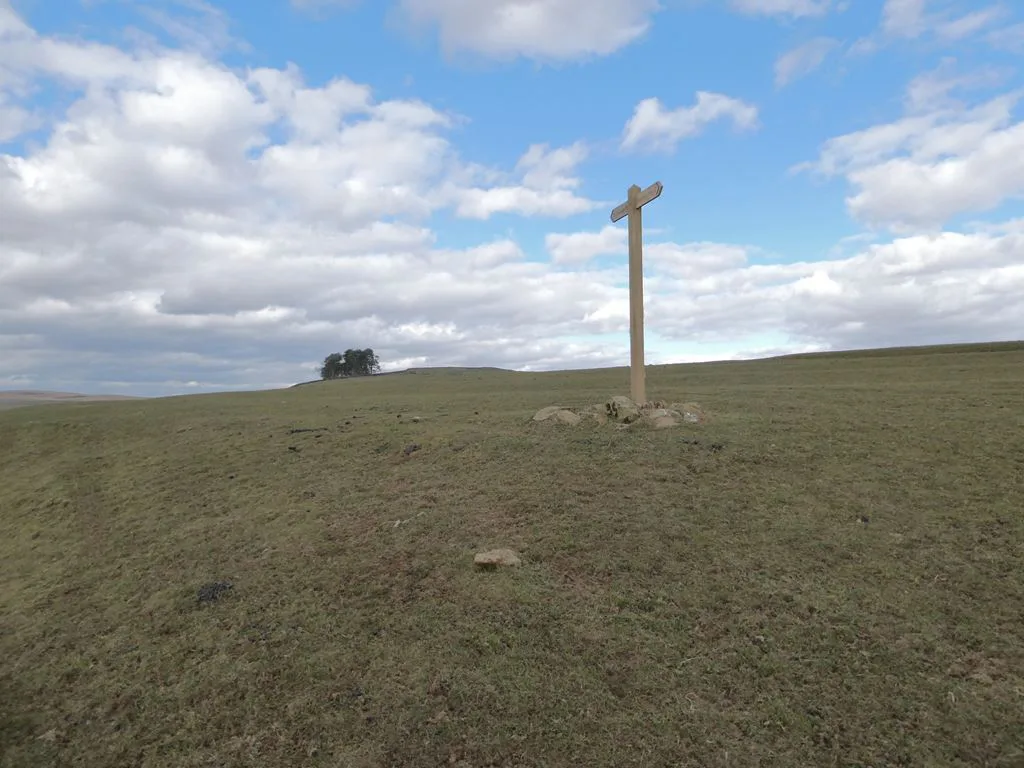
The route begins at Cresswell, near Morpeth, which is reached from the rail and road network around Morpeth, and finishes at Berwick-upon-Tweed, England's most northerly town and a stop on the East Coast Main Line. Many packages include transfers between accommodation and the path where needed, which simplifies the starts and finishes. Check the specific meeting point in your booking documents before you travel.
For hikers extending north, Berwick sits on the border and makes an easy springboard into Scotland, where the hiking tours follow longer routes such as the West Highland Way. That is an option outside Northumberland rather than part of the Coast Path itself. Keep the border crossing in mind when booking a return leg.
What to pack and how much fitness you need
Pack for a low-level coastal walk with real weather: waterproof jacket and trousers, a warm mid-layer, broken-in walking shoes or boots that cope with sand, sun hat and sunscreen, a water bottle you can refill in villages, and a day pack of around 20 to 30 liters. Trekking poles help on soft sand and the short cliff steps.
Fitness-wise, if you can comfortably walk a half-day at home, an easy to moderate schedule will suit you, and the moderate to challenging itineraries ask for consecutive longer days. Build up with back-to-back weekend walks on mixed surfaces, since beach sand and paved road sections both work different muscles from hill paths.
Who each format suits
Self-guided trips suit couples, small groups of friends and confident solo hikers who want their own pace, a fixed bed each night and their bag moved for them. Guided trips suit first-time long-distance walkers, solo travelers who prefer company and anyone who would rather not plan daily logistics. Dog owners should ask each operator directly about dog-friendly accommodation and transfers, since policies differ by property and by route section.
Plan Your Northumberland Walking Holiday
Decide first how many days you can give the route, because five to eight nights is the real variable behind the difficulty grading. Then pick self-guided if you want flexibility and a moved bag, or guided if you want company, navigation and a fixed schedule. Book accommodation early in the Craster and Seahouses stretch.
For the wider picture of inland and coastal routes across the county, including options beyond the Coast Path corridor, start with the walks in Northumberland guide and match a route to the season and the days you have.
Frequently Asked Questions
How long does it take to walk the Northumberland Coast Path?
The route runs about 64.8 miles (104.6 km) from Cresswell to Berwick-upon-Tweed, and organized packages cover it in five to eight nights. Fewer nights mean longer days on soft sand and cliff paths, while a longer schedule leaves room for castle visits and an island excursion.
Is the Northumberland Coast Path easy or challenging?
Operators grade it from easy to moderate on the longer schedules to moderate to challenging on the shortest ones. There is no scrambling or high exposure, but consecutive long days on beach sand and paved sections still add up, so pick the length that matches your usual walking.
What is included in a self-guided Northumberland walking holiday?
Typical packages include guesthouse, farmhouse, inn or B&B accommodation with breakfast, luggage transfer between stops, route planning and a walk pack with trail guide, mapping and itinerary. Transfers between accommodation and the path are included where the two do not meet.
Do Northumberland walking holidays include luggage transfer?
Self-guided packages generally include luggage transfer, so you walk with only a day pack. If you book accommodation and transfers independently, arrange the transfer with a local operator and confirm the morning bag drop time.
When is the best time of year for a Northumberland walking holiday?
Organized holidays run from March to October. Spring and early summer give long days and the best conditions for boat trips to the Farne Islands, while autumn is quieter with shorter daylight. Coastal weather is exposed, so pack waterproofs whenever you go.
Can you add a Farne Islands or Lindisfarne trip to a walking holiday?
Yes, both are common add-ons. Boat trips leave Seahouses Harbour for the Farne Islands, and Holy Island is reached across a causeway passable only at low tide, so plan the crossing around tide tables. Either one works best with a spare half-day or an extra night.
Sources
Trail notes for your next trip
Optional updates when we add or revise hiking guides.
You might also like
Continue reading
More guides you'll find useful