Scotland Hiking Tours: Guided vs Self-Guided Walks
Compare guided and self-guided Scotland hiking tours, match Great Trails like the West Highland Way to your fitness, and choose the season that suits you.
On this page
Scotland rewards walkers who commit to a format before they book. The country's long-distance trails run from lowland coast paths to Highland glens, and the way you travel them, guided from a base or self-guided between villages, shapes everything from your daily mileage to how much weight you carry. Choose the format first, then the route.
Two audiences dominate. First-time long-distance walkers want a marked trail, a bed each night and bags that arrive before they do; day-walkers based in Inverness want a guide who handles transport and local knowledge. Self-guided operators build itineraries around exactly that split, with hand-picked accommodation and baggage transfers included, as Macs Adventure sets out on its Scottish Highlands walking holidays page.
Guided day walks versus self-guided long-distance tours
A guided day walk gives you a base, a driver-guide and a route chosen for the day's weather. From Inverness, operators run half-day and full-day walks with transport to and from your accommodation and lunch included, and a moderate level of fitness is enough because the pace stays leisurely. That format suits couples and families where one person plans and the other simply walks.
A self-guided long-distance tour moves you along a trail, night by night, with daily route notes, booked accommodation and luggage transferred between stops. You walk at your own pace and carry only a day pack. The trade-off is that you commit to a start date and a daily distance months ahead, so an honest read of your fitness matters more than it does on a day walk.
Guided options also exist for specific hills. Operators running guided mountain hikes out of Inverness cover Highland summits on full-day outings, which removes the navigation burden on cloudier days. If your goal is your first munro rather than a long trail, that route into the hills is the simpler one to book.
Scotland's Great Trails at a glance
Scotland's Great Trails are waymarked national routes through the country's best landscapes, and most Macs Adventure itineraries come in several lengths on each so you can shorten the daily distance. The headline figures are worth knowing before you choose, and they are set out with difficulty bands on the Scotland's Great Trails overview: the West Highland Way at 154 km (96 miles), the Great Glen Way at 125 km (78 miles), the Fife Coastal Path at 187 km (116 miles), St Cuthbert's Way at 100 km (62 miles), the Speyside Way at 107 km (67 miles), the Arran Coastal Way at 107 km (67 miles), the Rob Roy Way at 127 km (79 miles), the John Muir Way at 215 km (134 miles) and the Berwickshire Coastal Path at 48 km (39 miles, though Macs Adventure lists 48 km as 39 miles).
Difficulty bands run from easy-moderate to moderate-strenuous. The West Highland Way is the one that reaches moderate-strenuous, the Great Glen Way, Fife Coastal Path, St Cuthbert's Way and Rob Roy Way sit across easy-moderate to moderate, and the Speyside Way is the gentlest of the big trails. Use those bands to rule routes out before you look at scenery.
West Highland Way: Milngavie to Fort William
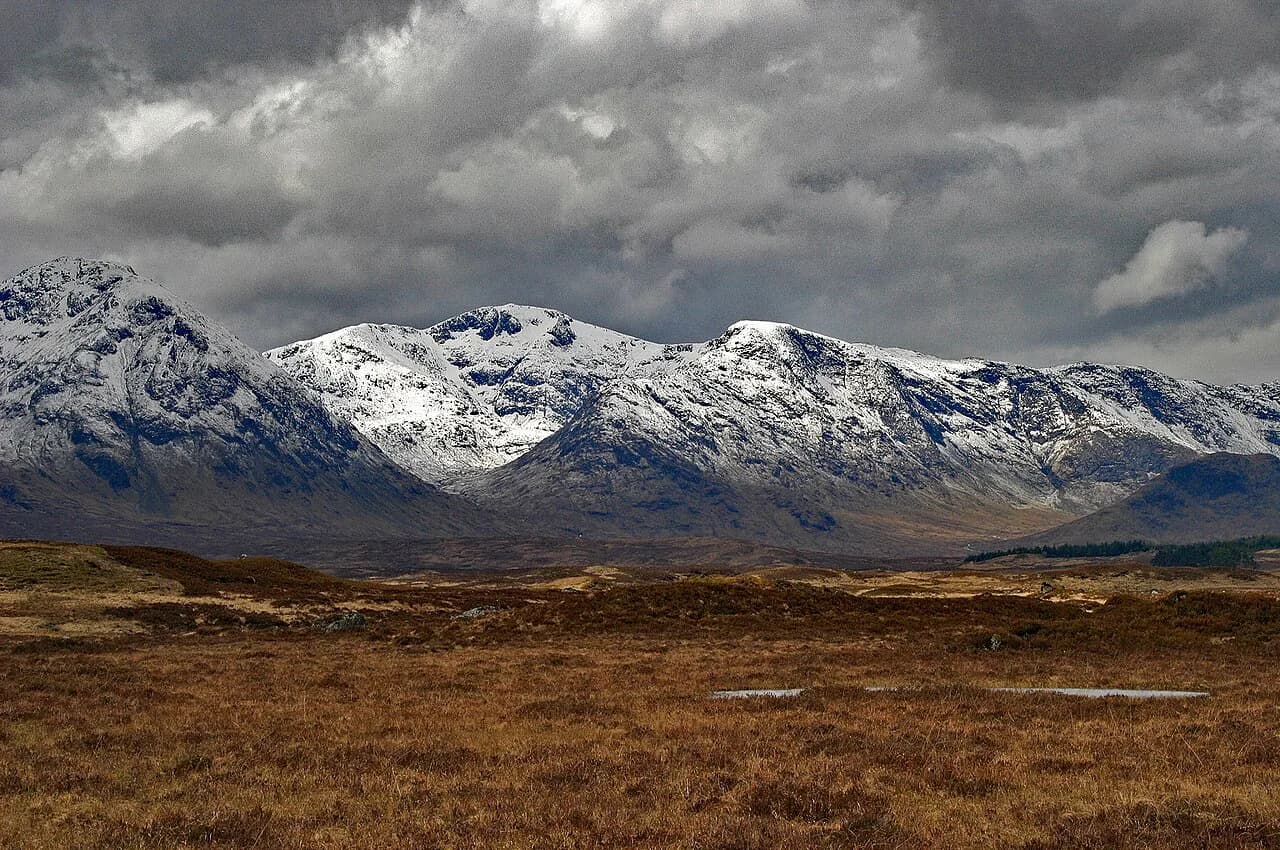
The West Highland Way runs from the outskirts of Glasgow at Milngavie to Fort William, 154 km (96 miles) through Loch Lomond, Rannoch Moor and the approach to Ben Nevis. It is Scotland's most famous long-distance trail and the one most first-timers book, and it carries the highest difficulty band of the Great Trails. An eight-day itinerary is the popular format, with one long day built in.
The terrain changes character in stages: wooded shoreline along Loch Lomond, open moor across Rannoch Moor, then glen walking into Fort William beneath the UK's highest peak. The moor section is the most exposed to wind and rain, and the Loch Lomond shore is the most undulating. Plan your longest day for the ground that suits you rather than spreading miles evenly.
Great Glen Way: Fort William to Inverness
The Great Glen Way follows the Caledonian Canal from Fort William to Inverness, 125 km (78 miles) with long stretches beside Loch Ness. It is well waymarked and not too strenuous, which makes it a realistic first long-distance walk and a sensible step up before the West Highland Way. The canal towpath gives fast, even footing early on, with more varied ground toward Inverness.
Fort William and Inverness both sit on rail lines, so you can arrive at one end and leave from the other without a car. Inverness also works as a base for guided day walks before or after the trail, which makes a combined trip easy to arrange.
Fife Coastal Path: fishing villages and St Andrews
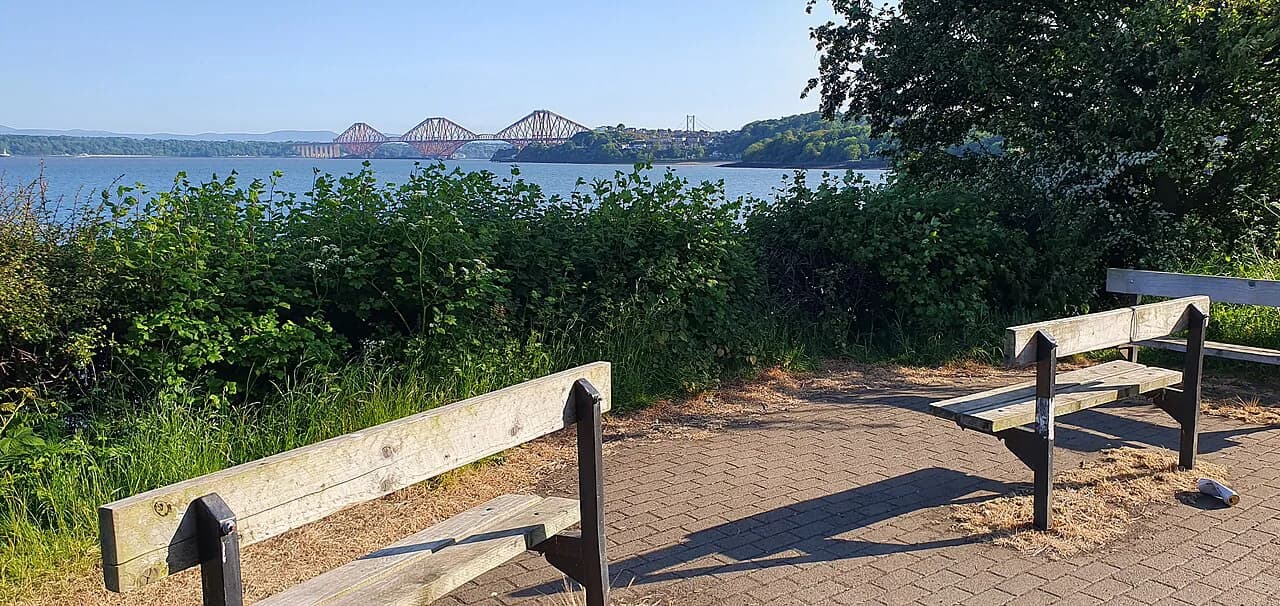
The Fife Coastal Path hugs the coast from the Edinburgh side to the River Tay, 187 km (116 miles) of fishing villages, sandy beaches and a stop in St Andrews. It suits walkers who prefer sea views and village beds to moorland, and the easy-moderate to moderate band keeps daily distances manageable. The cliff sections are the most exposed to wind and spray, so save them for settled weather.
Because the path runs between settlements, it breaks naturally into short sections, which makes it a strong choice for a first self-guided tour or a trip with mixed fitness. Tidal and cliff-top stretches call for care with footing and timing rather than technical skill.
Speyside Way and the Cairngorms
The Speyside Way runs through whisky country along the River Spey, 107 km (67 miles) and the easiest of the big trails at easy to moderate. Distilleries such as Glenfiddich and Ballindalloch sit close to the route, and the trail includes walking in Cairngorm National Park. It is the route to pick if you want gentle miles and long lunches rather than big ascents.
Shorter sections are the sensible way in for first-time hikers, and the low-level river walking means the route stays open to you in more weather than the Highland trails. If you want a taster of long-distance walking before committing to a week, this is where to start.
Arran Coastal Way: an island circuit
The Arran Coastal Way circles the Isle of Arran for 107 km (67 miles) at a moderate band. The island is often called Scotland in miniature because it packs rugged coastline and towering peaks such as Goat Fell into a small area. The coastal route stays low, but the interior tops are there if you want a summit day between coastal stages.
An island circuit means ferry timetables shape your start and finish, and the west coast tends to be the quieter side of the route. Because you end where you began, there is no awkward transfer back to a distant trailhead, which simplifies the logistics of a self-guided booking.
St Cuthbert's Way: Melrose to Holy Island
St Cuthbert's Way starts in Melrose, runs through the country's largest concentration of castles and finishes at Holy Island of Lindisfarne in England, 100 km (62 miles) at easy-moderate to moderate. It is a pilgrimage route through medieval abbeys and rolling countryside, and it is the one Great Trail here that crosses the border before it ends.
The finish on a tidal island is the single fact that should shape your plan. Holy Island is reached by a causeway covered by the sea at high tide, so you need the safe crossing times before you commit to a final day. Check the tide tables when you book and build the finish around them.
Rob Roy Way and the Trossachs
The Rob Roy Way runs 127 km (79 miles) through Trossachs National Park, following the country of Rob Roy MacGregor past lochs and glens. It is easy-going walking across an easy-moderate to moderate band, and the history along the way gives it a character the other trails lack. Walkers who want scenery with a story attached tend to rate it highly.
The lower-level loch and glen walking makes it a good shoulder-season option, when higher routes are wetter underfoot. The trade-off is that it is less famous than the West Highland Way, so you will share the path with fewer people.
John Muir Way and Berwickshire Coastal Path
The John Muir Way is the longest of the Great Trails at 215 km (134 miles), running from Helensburgh in the west to Dunbar in the east through Edinburgh and the Trossachs. The Berwickshire Coastal Path is one of the shortest at 48 km (39 miles), an easy to moderate coastal route with St Abbs Head as its highlight and easy access from Edinburgh. Use the John Muir for a long central-belt traverse or Berwickshire for a short break.
The Berwickshire route packs cliff scenery into a few days and crosses into England, so it competes directly with St Cuthbert's Way for hikers on a short schedule. On a city break in Edinburgh, an easy coastal day like this is the simplest way to add trail walking to the trip.
Guided day walks from Inverness: Loch Affric, Plodda Falls and Meallfuarvonie
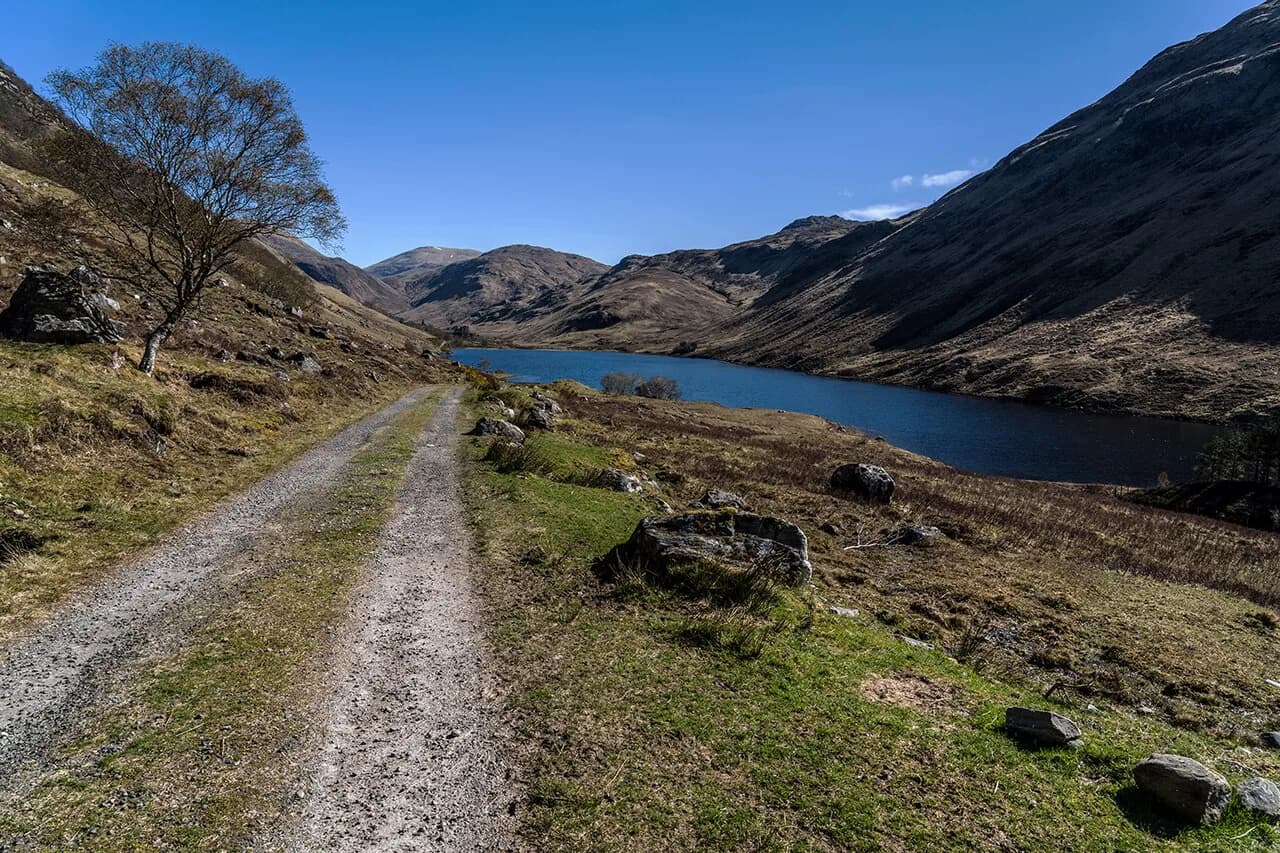
Guided day walks from Inverness cover three routes that suit different appetites. The Loch Affric Circuit is roughly 18 km (11 miles) and takes 5 to 6 hours through Glen Affric, one of the finest glens in the country, past a national nature reserve where Scots pine from the old Caledonian forest survives. It asks for a moderate level of fitness and sturdy footwear but no specialist mountain gear.
Plodda Falls near Tomich is the short option, about an hour's walk to a viewing platform that looks down on the falls, followed by lunch at the Tomich Hotel. Meallfuarvonie runs about 3 hours from the edge of Drumnadrochit on the shores of Loch Ness, climbing the prominent summit by a path that follows a small stream and passes through birch and hazel woodland.
Day-walk operators in the region publish a March to October departure window for these routes, with transport from accommodation and lunch included. Check each operator's own listing for current availability and what each walk includes before you set your dates.
What self-guided tours include
Self-guided tours build the logistics into the price of the booking: hand-picked accommodation along the route, baggage transfers each day and route notes or an app, while you walk independently. Most operators offer several itinerary lengths on the same trail so you can shorten days. The cost rises with the number of nights, the grade of accommodation and the season.
The biggest practical gain is walking with a day pack only. On a seven- or eight-day trail that is the difference between enjoying the last stages and grinding through them. If you are comparing tour providers, look at what happens on rest days and how the transfer to the start of the trail is handled.
Matching a route to your fitness
If this is your first long-distance walk, start with the Speyside Way or the Great Glen Way, both of which sit at easier bands and run along low ground with reliable footing. The Fife Coastal Path and the Arran Coastal Way are next, with coastal ups and downs but few big climbs. Leave the West Highland Way until you have a multi-day walk behind you. If you are weighing up a first trip south of the border instead, lake district walking holidays follow the same guided-versus-self-guided decision.
For a group with mixed abilities, pick a trail that runs through settlements so anyone can shorten a day by catching a bus or train. For fit walkers with limited time, a section of the West Highland Way around Loch Lomond or Rannoch Moor delivers the scenery without the full fortnight away.
When to go: spring to autumn on Highland trails
The main walking season runs spring to autumn, and guided day-walk operators in the Highlands publish a March to October window for their trips. Late spring and early autumn give you cooler walking, fewer walkers on the trail and better odds of settled weather than high summer. Book beds early for summer, when the popular routes fill.
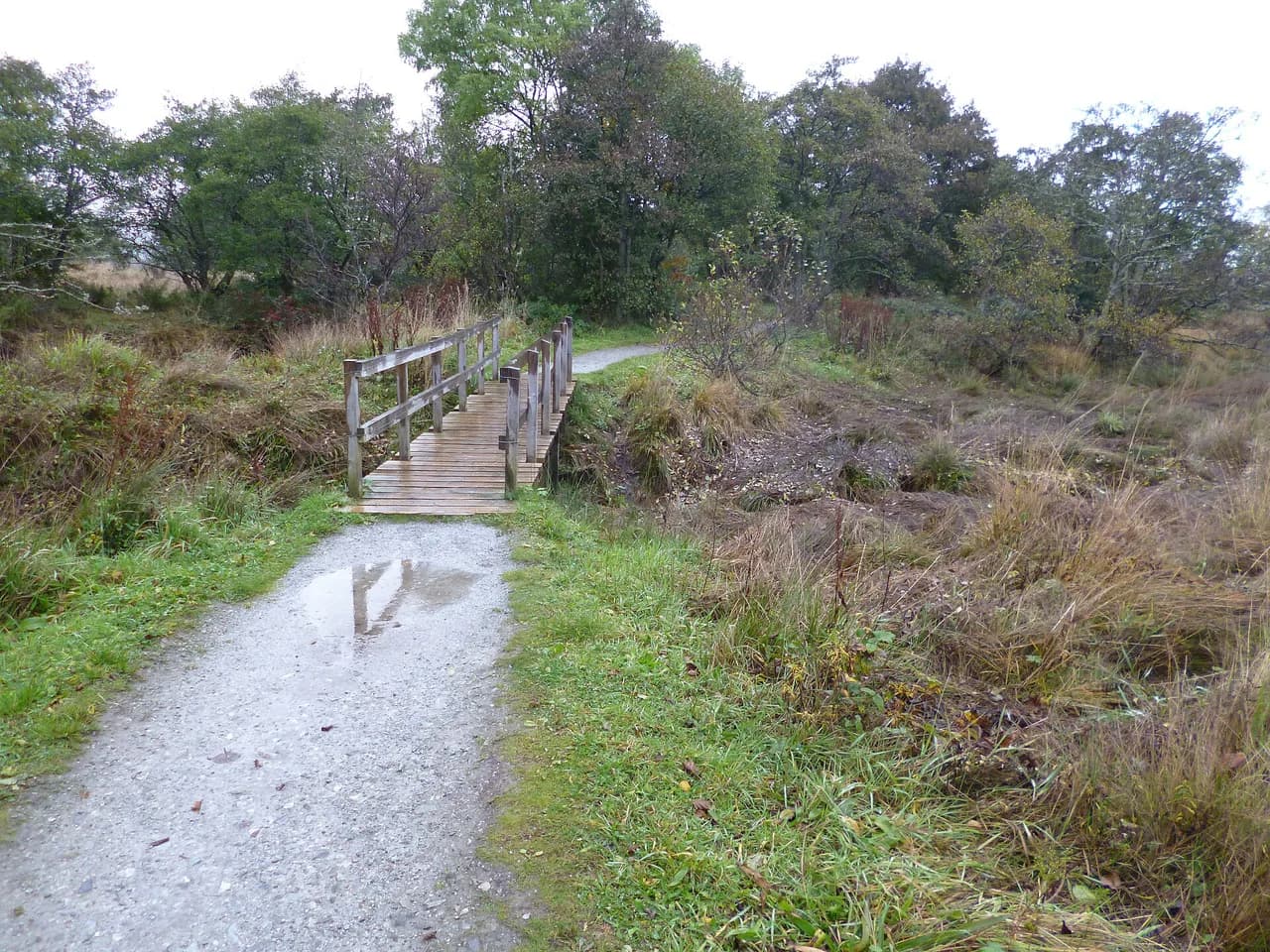
In the shoulder months, expect wetter ground on moorland sections such as Rannoch Moor and more changeable conditions on high ground. Coastal trails drain better and stay walkable after rain, which is why they make good early- and late-season choices. Pack for wind and rain at any time of year.
Getting to the start and back from the finish
The easiest logistics are trails with rail at both ends. The West Highland Way starts near Glasgow at Milngavie and finishes in Fort William, the Great Glen Way runs between Fort William and Inverness, and St Cuthbert's Way can be reached at Melrose with a finish at the coast. Booking a self-guided tour takes the transfer planning off your hands.
For island and coastal trails, ferries and local buses shape the timetable, so build a buffer day at each end rather than cutting it fine. Check the tour company's start and finish notes for your specific itinerary before booking travel.
Weather, midges and footing on boggy ground
The real hazards on Scottish trails are wind and rain on exposed moorland, boggy footing after wet spells, and midges in still, damp conditions in summer. Carry waterproofs and spare dry layers, and treat river crossings and moorland sections with care after heavy rain. On coastal paths, note cliff edges and tide times before setting out.
On Highland routes, plan the day so you are off high or exposed ground before afternoon weather builds. Check the mountain weather forecast for your area on the morning of the walk and be ready to swap a high day for a low one.
Booking Your Scotland Hiking Tour
Decide on the format first: a guided day-walk base like Inverness if you want transport, company and local knowledge, or a self-guided long-distance trail if you want to walk from village to village with your bags moved ahead. Then match the route to your fitness band and to the time of year you can travel.
For a first long trail, the Great Glen Way or the Speyside Way is the safest place to start; for a classic challenge, the West Highland Way remains the headline route. Read up on the individual route details before you book so you know what each day involves.
Frequently Asked Questions
What are some good hikes in the Scottish Highlands?
The West Highland Way from Milngavie to Fort William is the headline long-distance route, with Loch Lomond and Rannoch Moor along the way. The Great Glen Way between Fort William and Inverness is a gentler multi-day option. For day walks from Inverness, the Loch Affric Circuit and Meallfuarvonie above Loch Ness are both guided options.
What is the best month to visit Scotland for hiking?
Late spring and early autumn give cooler walking, fewer people and better odds of settled weather than high summer. Guided day-walk operators in the Highlands run trips from March to October, so the shoulder weeks at either end of that window are a good compromise.
How many days do you need for the West Highland Way?
The full route is 154 km (96 miles), and an eight-day itinerary is the most common format with one longer day built in. Shorter itineraries cover sections of the trail, so you can walk Loch Lomond or Rannoch Moor without committing to the whole route.
Is a self-guided walking tour in Scotland suitable for first-timers?
Yes, if you pick a trail at the easier end of the difficulty bands. The Speyside Way and the Great Glen Way both sit at lower grades and run on manageable ground, and a self-guided booking gives you route notes, booked beds and baggage transfers so you carry only a day pack.
What is the easiest of Scotland's Great Trails?
The Speyside Way, at 107 km (67 miles) through whisky country along the River Spey, is graded easy to moderate and is the gentlest of the big trails. The Great Glen Way is the next step up, well waymarked and not too strenuous.
Sources
Trail notes for your next trip
Optional updates when we add or revise hiking guides.
You might also like
Continue reading
More guides you'll find useful